
Choosing the right pump for an irrigation system is crucial for efficiency and effectiveness. Various factors play a role in this decision. One must consider the characteristics of the water source, the specific requirements of the crops, and the overall layout of the irrigation area. Understanding these elements can lead to better outcomes. However, the selection process goes beyond just these basics. There are more aspects to explore that can significantly impact performance.
Key Takeaways
- Assess your water source characteristics to ensure pump compatibility and efficiency based on quality, temperature, and sediment levels.
- Calculate Total Dynamic Head (TDH) to determine the necessary pump power, considering pipe length, diameter, and friction losses.
- Determine your crops’ specific water needs to select pumps that provide adequate flow rates for optimal growth and health.
- Choose the appropriate pump type, such as centrifugal for high flow or submersible for deep sources, based on your irrigation system’s requirements.
- Consider energy efficiency and maintenance costs to reduce operational expenses and ensure long-term reliability of your pumping system.
Understand Your Water Source
Understanding the water source is crucial for selecting the appropriate pump for an irrigation system. The characteristics of the source, whether it be a well, pond, or municipal supply, greatly influence the performance and suitability of the irrigation pump. Variations in water quality, temperature, and sediment levels can affect pump efficiency and longevity. A comprehensive pump selection guide will help assess these factors, ensuring optimal compatibility with the irrigation system. Additionally, understanding the source’s capacity and reliability aids in determining the necessary power and type of pump required. By evaluating the water source thoroughly, users can make informed decisions, leading to a more efficient and effective irrigation system that meets their agricultural or landscaping needs. Moreover, assessing the pump specifications allows for better selection tailored to the unique characteristics of the water source. Selecting a pump that matches the essential requirements of the water source can significantly enhance the overall effectiveness of the irrigation system. Furthermore, considering the types of pumps suitable for your specific application can optimize performance and reduce maintenance issues.
Determine the Required Flow Rate
To determine the required flow rate for an irrigation system, it is essential to understand the specific water needs of the crops being irrigated. Additionally, calculating the pressure loss within the system and assessing the size of the irrigation area will provide critical insights. These factors collectively ensure that the chosen pump can adequately meet the demands of the irrigation setup. Implementing effective water pumping solutions can significantly enhance the efficiency of irrigation systems and optimize crop yields. Utilizing boost pumps can further improve system performance by increasing water pressure and flow rates, ensuring that all areas receive adequate irrigation. A well-planned irrigation pump system design is crucial for optimal performance, as it ensures that all components work together efficiently.
Understand Crop Water Needs
Determining the required flow rate is essential for optimizing irrigation systems tailored to specific crops. Each crop has unique water needs, which must be assessed to ensure efficient irrigation.
By understanding these requirements, farmers can make informed decisions when choosing a pump that delivers the appropriate flow rate. This precision in flow rate not only promotes healthy crop growth but also maximizes water efficiency, reducing waste. Additionally, high pressure irrigation pumps boost agricultural productivity by providing consistent water delivery to crops. Moreover, selecting the right pump type can significantly enhance irrigation system performance, leading to better water management and crop yields. The right choice of centrifugal pump can greatly influence overall irrigation efficiency, ensuring that water resources are utilized effectively.
Furthermore, proper irrigation pump maintenance plays a critical role in sustaining the desired flow rate over time. Regular checks and adjustments can prevent system failures, ensuring that crops receive the optimal amount of water consistently.
Ultimately, aligning flow rates with crop needs is vital for successful irrigation management.
Calculate System Pressure Loss
Calculating system pressure loss is a crucial step in ensuring that an irrigation system operates efficiently and effectively. This process involves determining how much pressure is lost as water flows through pipes, fittings, and emitters, which can significantly affect the required pump performance. Submersible irrigation pumps are designed to handle varying pressure demands, making them a reliable option for many irrigation systems.
To accurately calculate pressure loss, one should consider factors such as pipe diameter, length, flow rate, and the type of fittings used. Utilizing pressure loss coefficients available in engineering tables can simplify this calculation. Regular maintenance and care for the pump also plays a vital role in maintaining optimal performance over time.
Additionally, understanding the total dynamic head (TDH) required for the system helps in selecting an appropriate pump. Ultimately, precise calculations will lead to optimal irrigation efficiency and water conservation, directly impacting crop health and yield. Furthermore, maximizing pump efficiency involves selecting a pump that not only meets flow requirements but also operates within the optimal range for energy consumption.
Assess Irrigation Area Size
Assessing the size of the irrigation area is a vital step in determining the required flow rate for an efficient irrigation system. Understanding the dimensions allows for precise calculations that ensure adequate water distribution.
The following factors should be considered:
- Total area: Measure the entire space that needs irrigation to gauge overall water requirements.
- Plant types: Different plants have varying water needs, influencing the overall flow rate.
- Soil type: Soil composition affects absorption rates, which can impact how quickly water is needed.
- Irrigation method: Drip, sprinkler, or surface irrigation systems have distinct flow requirements based on their design. Selecting the appropriate PTO driven irrigation pump will help meet the specific flow needs of your system.
Additionally, understanding the essential features of the pump can significantly enhance the efficiency of your irrigation system. Selecting a high-quality water storage tank pump can ensure optimal water distribution and longevity of your irrigation setup.
Assess the Total Dynamic Head
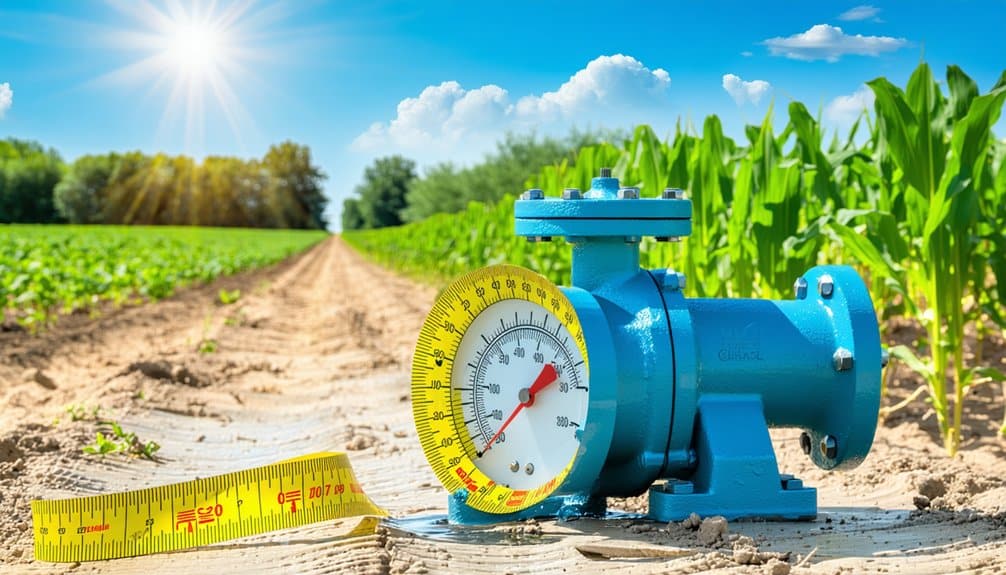
Total Dynamic Head (TDH) is a critical factor in the selection of an appropriate pump for an irrigation system. It represents the total equivalent height that a pump must overcome to deliver water effectively. TDH accounts for various components, including static lift, friction loss in pipes, and pressure requirements at the discharge point.
To accurately assess TDH, one must evaluate the vertical distance from the water source to the highest point of delivery, along with the distance and diameter of the pipes used. Additionally, friction loss due to pipe material and flow rate must be calculated. Understanding the performance of electric irrigation pumps ensures that the selected pump can efficiently meet the system’s demands, preventing underperformance or excessive energy consumption. Choosing the right diesel irrigation pumps can significantly impact the overall efficiency of your irrigation system.
Choose the Right Pump Type
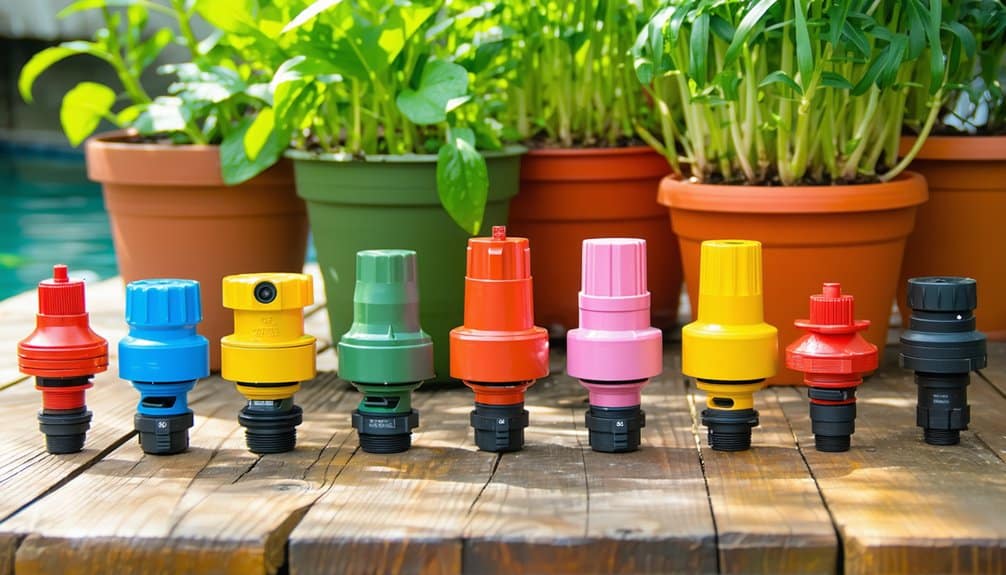
Selecting the appropriate pump type is a vital step following the assessment of Total Dynamic Head (TDH).
Different pump types cater to specific irrigation needs, ensuring optimal performance and efficiency. The following options are commonly considered:
- Centrifugal Pumps: Ideal for high-flow applications, providing consistent pressure. These pumps are particularly effective when utilizing water butt irrigation pumps to maximize garden potential.
- Submersible Pumps: Perfect for deep water sources, submerged for efficient operation.
- Diaphragm Pumps: Excellent for handling varying flow rates and delivering precise control.
- Gear Pumps: Suitable for transferring viscous fluids, ensuring smooth flow in challenging conditions.
Understanding the nuances of each pump type enables users to make informed decisions tailored to their irrigation systems, enhancing overall productivity and effectiveness. Additionally, utilizing solar powered irrigation pumps can significantly reduce energy costs and improve sustainability in farming practices.
Consider Energy Efficiency
Energy efficiency plays a crucial role in the selection of pumps for irrigation systems, as it directly impacts operational costs and environmental sustainability. Choosing an energy-efficient pump not only reduces electricity bills but also minimizes the carbon footprint associated with water management. Various pump designs and technologies, such as variable frequency drives (VFDs) and high-efficiency motors, can significantly enhance energy savings.
| Pump Type | Energy Efficiency Rating |
|---|---|
| Centrifugal Pump | High |
| Submersible Pump | Moderate |
| Positive Displacement | High |
| Diaphragm Pump | Low |
Investing in energy-efficient pumps contributes to long-term savings and supports sustainable farming practices, benefiting both operators and the environment.
Evaluate Maintenance Requirements
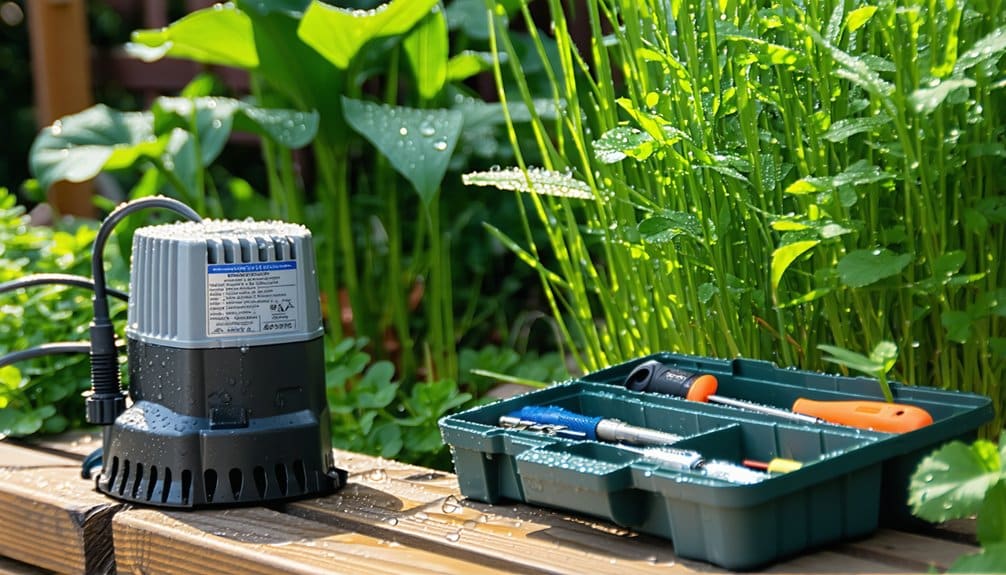
When selecting a pump for an irrigation system, evaluating maintenance requirements is crucial.
This includes establishing a regular maintenance schedule, assessing the availability and cost of replacement parts, and ensuring ease of access for repairs.
These factors significantly influence both the longevity of the pump and the overall efficiency of the irrigation system.
Regular Maintenance Schedule
Establishing a regular maintenance schedule is crucial for the longevity and efficiency of an irrigation pump.
Routine checks can prevent unexpected failures and ensure optimal performance. A comprehensive maintenance plan should include the following essential tasks:
- Inspecting filters for clogs and debris to maintain water flow.
- Checking seals and gaskets for wear and tear, preventing leaks.
- Monitoring electrical connections for signs of corrosion or damage.
- Lubricating moving parts to reduce friction and wear over time.
Parts Availability and Cost
While selecting an irrigation pump, the availability and cost of replacement parts play a critical role in evaluating maintenance requirements. A pump with easily accessible and affordable parts can significantly decrease downtime and overall maintenance expenses. Conversely, pumps with scarce or expensive parts may lead to prolonged outages and increased operational costs.
Choosing wisely can lead to long-term savings and efficiency in irrigation management.
Ease of Access
How accessible are the components of an irrigation pump for maintenance? Evaluating the ease of access is crucial for ensuring long-term functionality and performance. A well-designed pump allows for straightforward maintenance, reducing downtime and potential costs.
Consider the following aspects when assessing accessibility:
- Location of the pump: Ensure it is situated for easy reach, avoiding obstacles.
- Component layout: Components should be arranged logically, facilitating quick inspections and repairs.
- Service points: Look for clear access to filters, valves, and electrical connections.
- Documentation: Check if the manufacturer provides detailed service manuals to guide maintenance procedures.
Assessing these factors will help select a pump that minimizes maintenance effort while maximizing efficiency and reliability.
Factor in Budget and Cost of Ownership

Budgeting for an irrigation pump involves careful consideration of both initial costs and long-term ownership expenses. The purchase price is just the beginning; potential buyers must also assess installation costs, maintenance requirements, and energy consumption over time.
Selecting a pump with higher efficiency may result in a higher upfront cost but can lead to significant savings on energy bills. Additionally, the durability and warranty of the pump can impact long-term expenses, as investing in a reliable model can reduce repair costs.
Buyers should also factor in the availability of replacement parts and service options, ensuring maintenance remains manageable. Overall, a thorough analysis of both short-term and long-term financial implications is essential for making an informed decision.
Conclusion
Selecting the right pump for an irrigation system is crucial for optimizing water usage and supporting crop health. By understanding the water source, calculating the Total Dynamic Head, and evaluating specific needs, growers can make informed decisions. Additionally, considering pump types, energy efficiency, maintenance, and budget ensures long-term sustainability. By following these guidelines, individuals can enhance their irrigation practices, leading to healthier crops and more efficient water management in their agricultural endeavors.