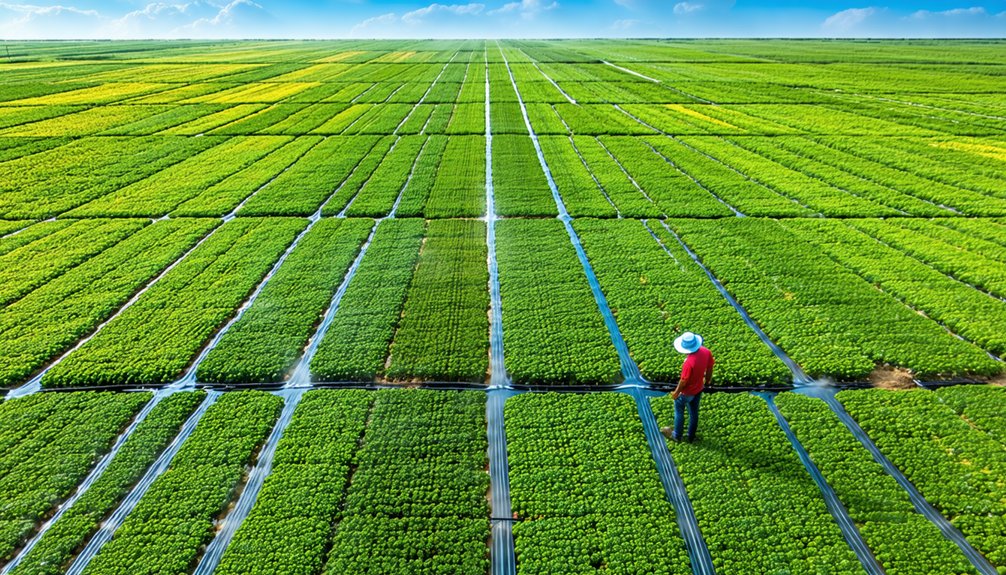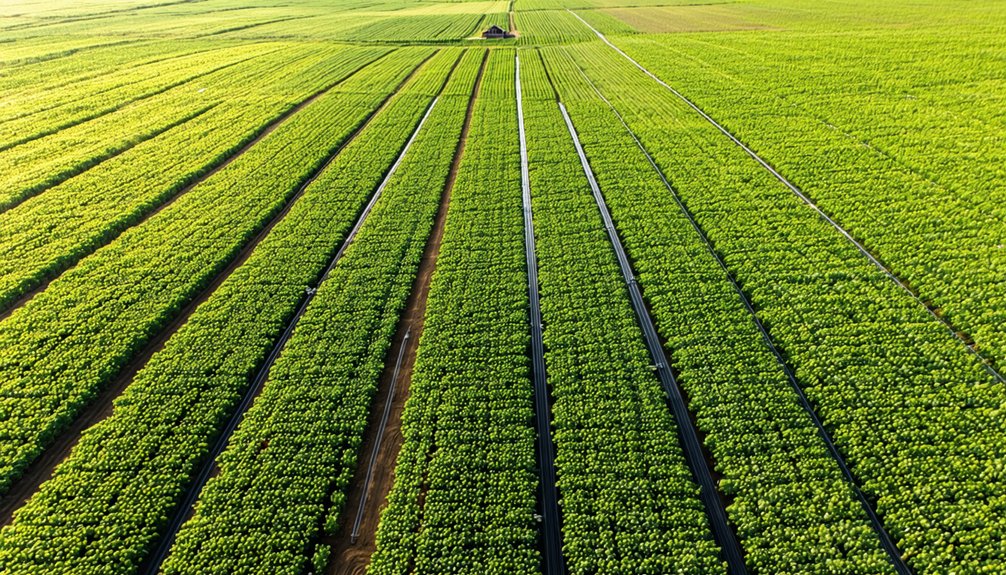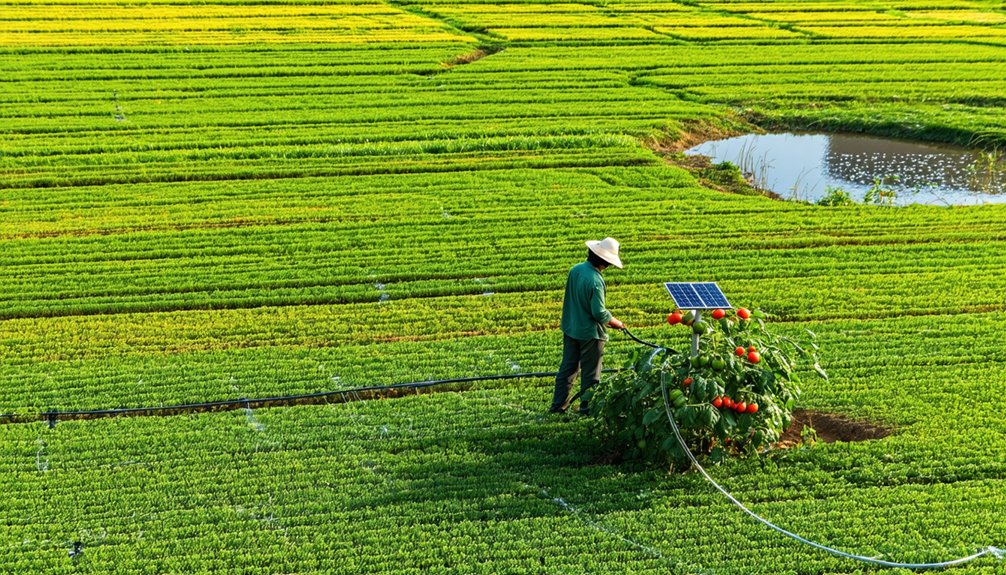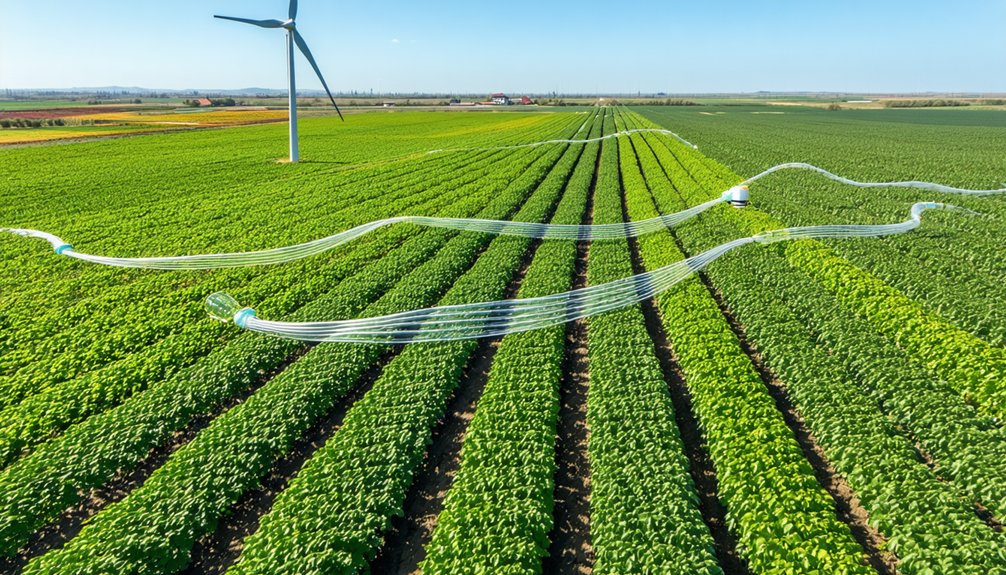

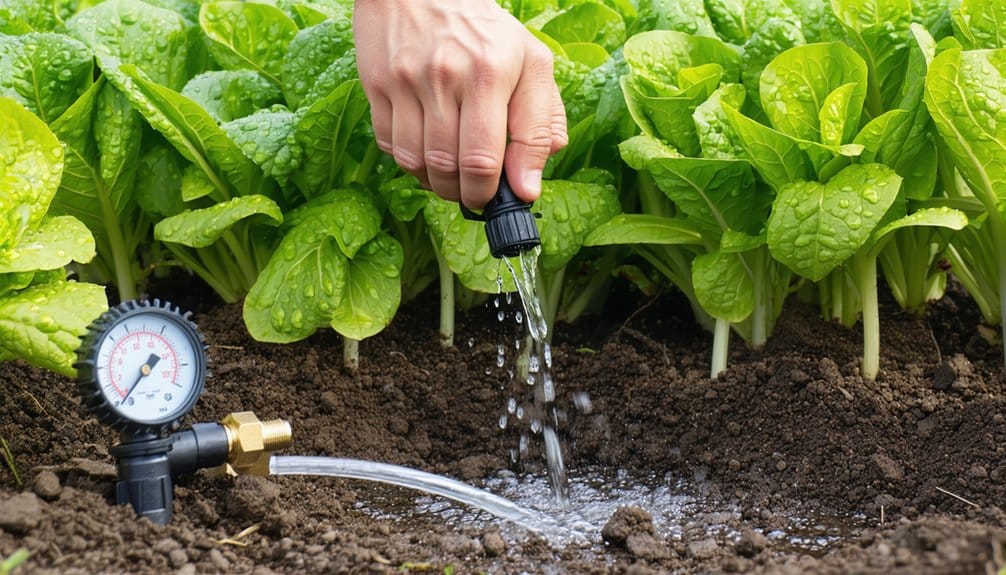
Low water pressure can significantly reduce the effectiveness of an irrigation system. Identifying the root causes, such as clogged pipes or inadequate equipment, is essential before making adjustments. Selecting components designed for low-pressure operation and optimizing system layout can improve water flow. However, these steps alone may not fully resolve the issue. Understanding the interplay between pressure regulation, system maintenance, and timing reveals further opportunities to enhance irrigation performance.
Key Takeaways
- Use low-pressure rated emitters and micro-sprinklers designed for efficient water delivery at 5-20 psi.
- Install pressure regulators near the water source to stabilize fluctuations and prevent damage to components.
- Regularly clean filters and flush emitters to avoid clogging and maintain consistent water flow.
- Schedule irrigation during early morning or late evening to leverage higher water pressure and reduce evaporation.
- Incorporate pressure boosters if necessary to increase water pressure for adequate system performance.
Understanding the Causes of Low Water Pressure
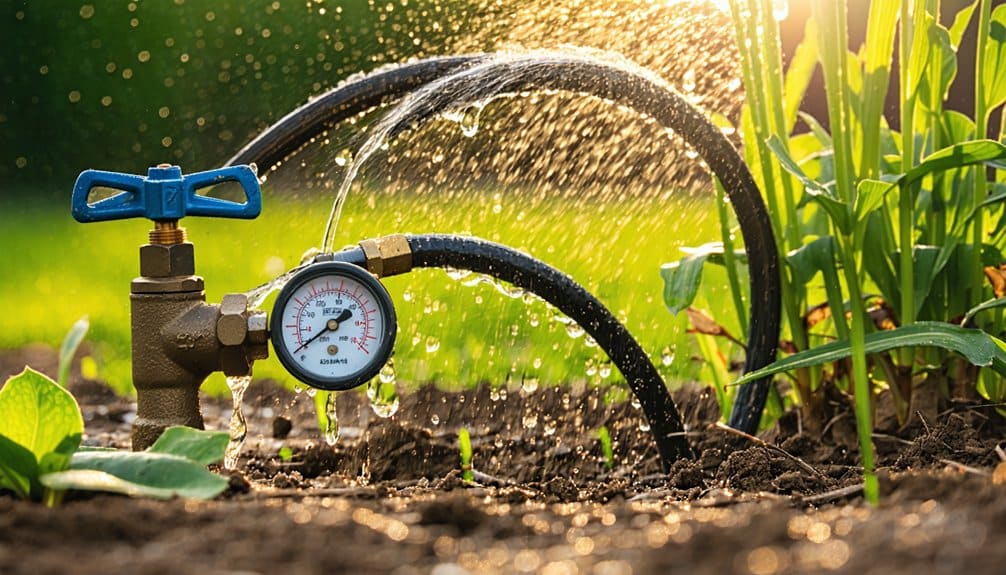
Although low water pressure in irrigation systems can stem from various factors, understanding the primary causes is essential for effective troubleshooting.
Low pressure irrigation often results from issues such as clogged pipes, leaks, or inadequate pump capacity within the irrigation system. Blockages caused by sediment or mineral buildup restrict water flow, reducing pressure.
Similarly, leaks create pressure drops by allowing water to escape before reaching emitters. An undersized or malfunctioning pump may fail to deliver sufficient force, further lowering pressure.
Additionally, excessive elevation changes or long pipe runs can cause pressure loss. Recognizing these common causes is vital when improving water pressure, enabling targeted interventions that restore optimal irrigation performance.
Proper diagnosis ensures that corrective measures address root problems rather than symptoms, enhancing overall system efficiency.
Assessing Your Current Irrigation System Setup
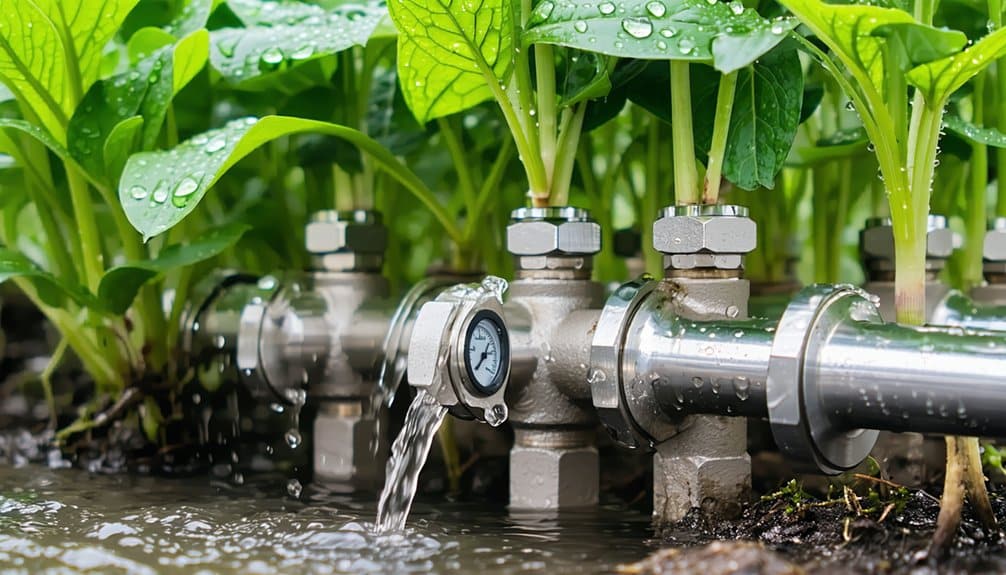
Evaluating an irrigation system begins with a thorough inspection of its components to identify any signs of wear or blockage.
The water source must also be examined to ensure it can consistently supply adequate flow.
Accurate pressure measurement techniques are essential to diagnose performance issues and guide necessary adjustments.
System Component Inspection
Inspecting each component of an irrigation system reveals potential causes of low water pressure. A thorough system component inspection focuses on hoses, connectors, emitters, and valves, which may degrade or clog over time. In garden irrigation and drip irrigation setups, blockages or leaks in these parts can significantly reduce pressure. Regular checks help identify faulty parts that restrict water flow.
| Component | Common Issue | Inspection Tip |
|---|---|---|
| Hoses | Cracks or kinks | Look for visible damage |
| Connectors | Loose fittings | Tighten and replace if leaking |
| Emitters | Clogs from debris | Clean or replace clogged emitters |
| Valves | Malfunction or blockage | Test for proper opening/closing |
Water Source Evaluation
Where does the irrigation system receive its water, and how reliable is this source? Evaluating the water source is crucial to understanding pressure issues. Common sources include municipal supplies, wells, or surface water. Each has distinct flow rates and variability.
Municipal supplies typically offer consistent pressure but may have restrictions or fluctuations during peak usage. Wells depend on groundwater levels, which can vary seasonally, impacting flow and pressure. Surface water sources are subject to environmental factors like drought or contamination, affecting availability.
Assessing the source’s capacity relative to irrigation demands helps identify potential limitations. Additionally, checking for any supply restrictions or maintenance issues, such as clogged intake screens or aging infrastructure, informs possible improvements.
Accurate evaluation ensures that the water source supports the system’s operational requirements effectively.
Pressure Measurement Techniques
Understanding the characteristics of the water source lays the groundwork for assessing the irrigation system’s pressure. Accurate pressure measurement is essential to identify deficiencies and optimize performance.
Typically, a pressure gauge is installed at the irrigation system’s mainline or at individual emitters to record static and dynamic pressures. Static pressure is measured when the system is off, indicating the baseline water pressure, while dynamic pressure is recorded during active irrigation to assess operational efficiency.
Digital or analog pressure gauges can be used, with digital models offering higher accuracy and ease of reading. Consistent monitoring at multiple points in the system helps pinpoint pressure drops caused by leaks, blockages, or inadequate pump performance.
This data guides necessary adjustments and improvements to enhance overall irrigation effectiveness.
Selecting Low-Pressure Compatible Irrigation Components
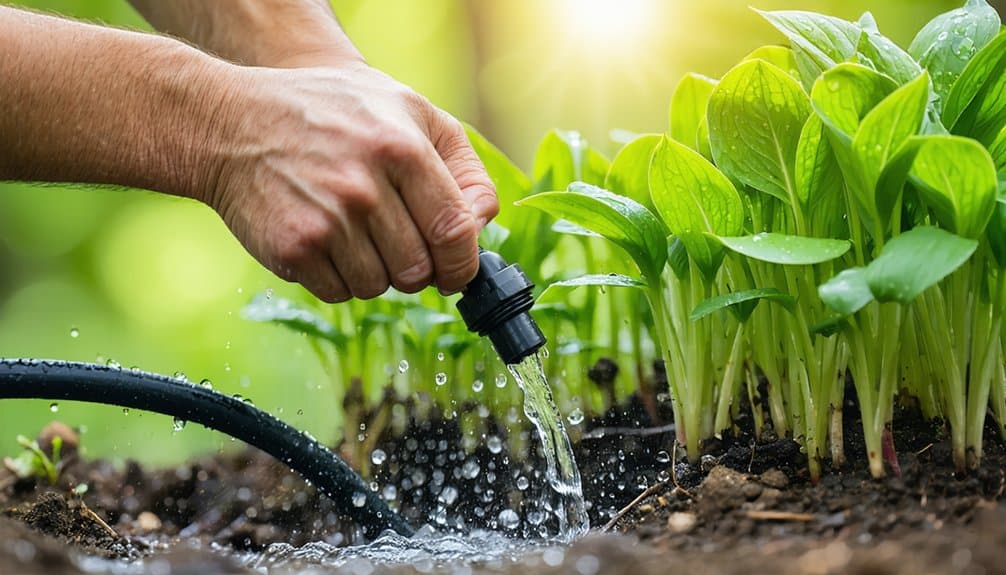
Although low water pressure presents challenges, selecting irrigation components designed to operate efficiently under such conditions is essential for system performance. Components such as emitters, drip lines, and sprinklers specifically rated for low pressure ensure adequate water distribution without clogging or uneven flow. Choosing parts with low operating pressure requirements minimizes system stress and enhances reliability. Additionally, materials with smooth internal surfaces reduce friction losses, preserving pressure throughout the system.
| Component Type | Recommended Pressure Range (psi) | Key Feature |
|---|---|---|
| Drip Emitters | 5 – 15 | Low flow, clog-resistant |
| Micro-Sprinklers | 10 – 20 | Uniform distribution |
| Tubing | 10 – 25 | Smooth interior surface |
Selecting components matching these criteria optimizes irrigation efficiency under low pressure conditions.
Installing Pressure Regulators and Boosters
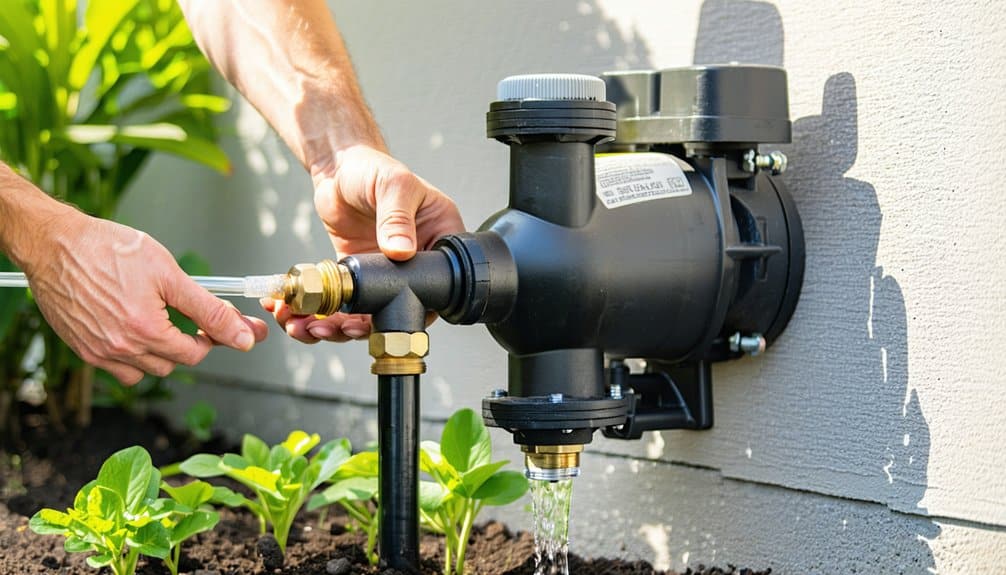
Implementing pressure regulators and boosters plays a crucial role in maintaining consistent water flow in low-pressure irrigation systems.
Pressure regulators ensure that water pressure remains within the optimal range, preventing damage to components and uneven water distribution. They are typically installed near the main water source or before sensitive irrigation equipment to stabilize pressure fluctuations.
Boosters, or pressure pumps, increase water pressure when natural supply is insufficient, enabling the system to operate effectively. Proper sizing and placement of these devices are essential to avoid over-pressurization and energy waste.
Regular maintenance, including checking for leaks and performance testing, ensures regulators and boosters function efficiently.
Optimizing Irrigation Layout for Better Water Flow
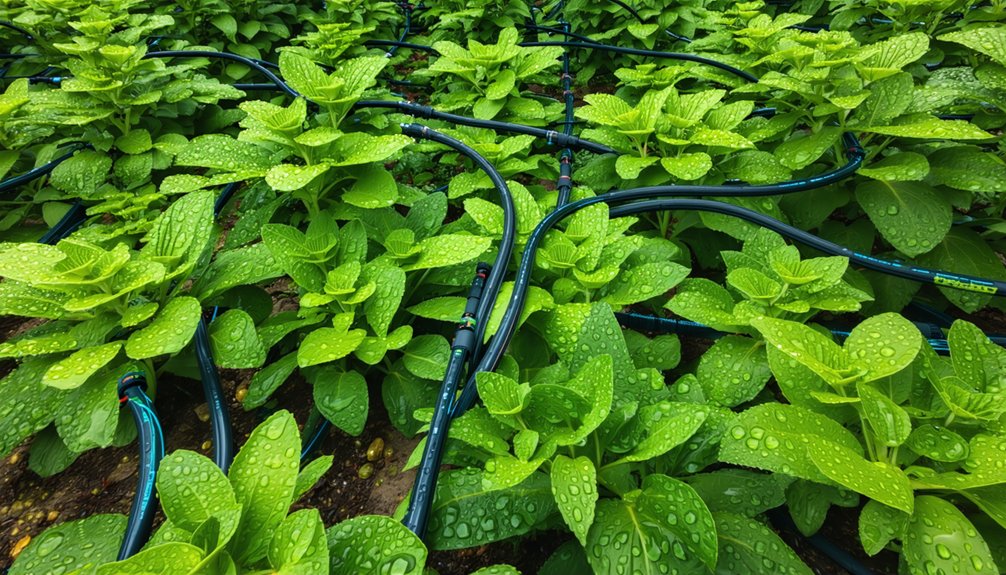
When water pressure is limited, the design of the irrigation layout becomes critical in maximizing flow efficiency. A well-planned layout minimizes friction losses and ensures uniform water distribution.
Key strategies include using shorter pipe runs and larger diameter pipes to reduce resistance. Arranging emitters and sprinklers in parallel rather than series prevents pressure drops along the line. Grouping plants with similar water needs allows for targeted irrigation zones, optimizing flow rates.
Additionally, avoiding sharp bends and fittings in piping reduces turbulence that impedes pressure. Proper elevation planning also helps prevent gravitational pressure losses.
Maintaining and Cleaning System Filters and Emitters
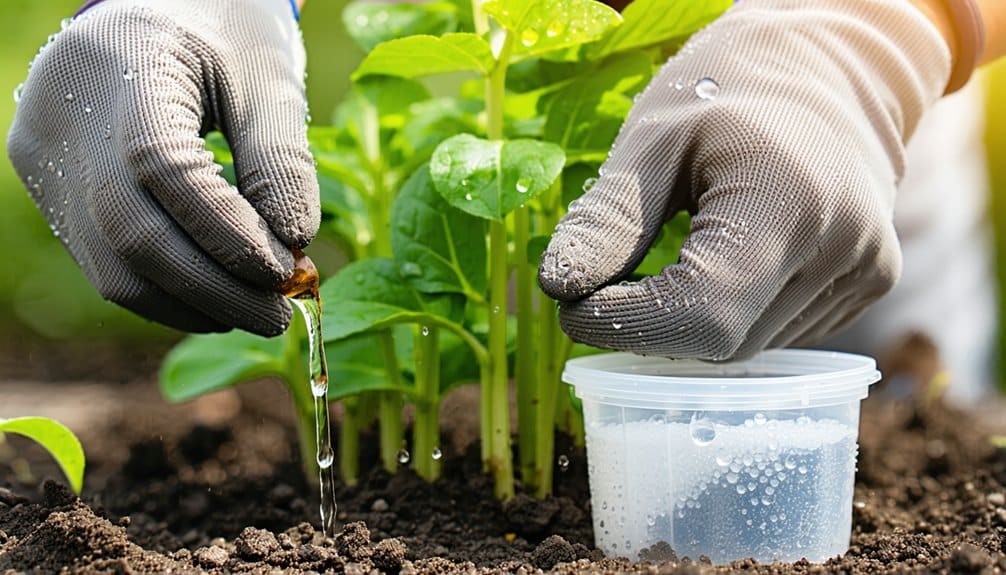
Regular maintenance and cleaning of system filters and emitters are essential to sustaining optimal irrigation performance. Filters prevent debris from entering the system, reducing clogging risks. Periodic inspection and cleaning of filters ensure unobstructed water flow.
Emitters are particularly prone to blockages caused by mineral deposits and organic matter. Flushing emitters with clean water or using specialized cleaning tools can restore proper function. Replacing damaged or severely clogged emitters maintains uniform water distribution.
Routine checks allow early identification of issues, preventing pressure drops and uneven watering. Consistent upkeep not only prolongs system lifespan but also enhances water efficiency. Neglecting this maintenance can lead to reduced system effectiveness, increased water waste, and potential damage to irrigation components.
Using Drip Irrigation to Maximize Efficiency
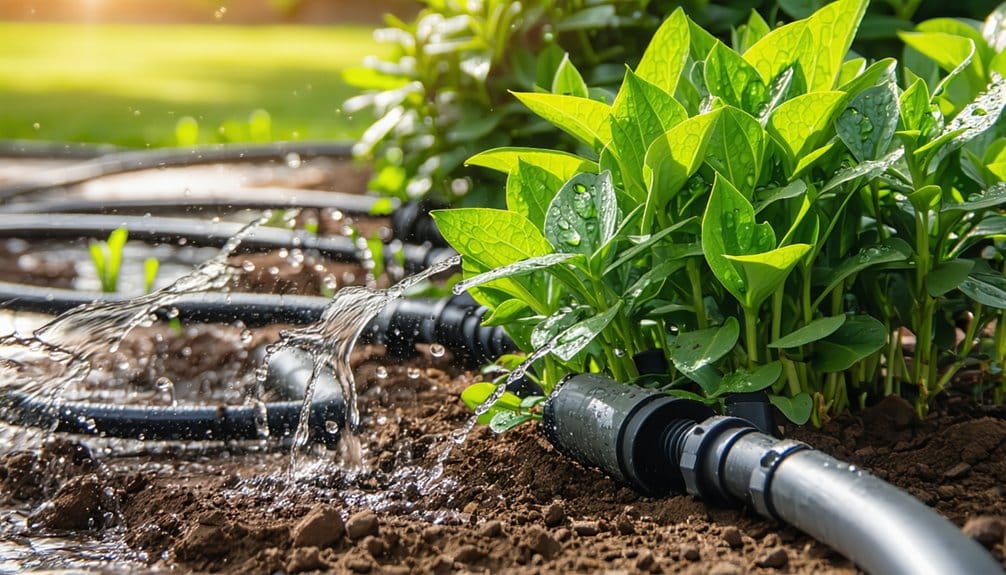
Drip irrigation offers significant benefits by delivering water directly to plant roots, reducing waste and improving efficiency in low-pressure systems.
Proper installation, including selecting appropriate emitters and maintaining even spacing, is essential for optimal performance.
These practices help maximize water use while minimizing system strain.
Benefits of Drip Irrigation
Although low water pressure can limit irrigation options, using drip irrigation systems offers a highly efficient solution by delivering water directly to plant roots with minimal waste.
This targeted delivery reduces evaporation and runoff, conserving water compared to traditional sprinkler systems. Drip irrigation also promotes healthier plant growth by maintaining consistent soil moisture levels, preventing overwatering and water stress.
Additionally, it minimizes weed growth since water is applied only where needed, not across the entire soil surface. This system’s adaptability allows it to function effectively under varying pressure conditions, making it ideal for low-pressure setups.
Furthermore, it reduces soil erosion and nutrient leaching by applying water slowly and evenly. Overall, drip irrigation enhances water use efficiency, supports sustainable gardening practices, and lowers water consumption costs.
Installation Tips for Drip
Maximizing the efficiency of low-pressure irrigation systems depends heavily on proper installation techniques.
When installing a drip irrigation system, selecting the correct tubing and emitters designed for low pressure is essential. The mainline tubing should maintain consistent diameter to prevent pressure loss, while placing emitters close to plant roots ensures targeted water delivery.
Incorporating a pressure regulator at the system’s start stabilizes flow, preventing emitter damage. Avoid sharp bends and kinks in tubing to maintain steady pressure.
Installing a filter before the emitters reduces clogging risks from debris. Additionally, laying the tubing slightly below the soil surface minimizes evaporation.
Regular system checks for leaks and blockages sustain optimal performance, ensuring the drip irrigation system operates efficiently under low water pressure conditions.
Implementing Smart Controllers for Precise Watering
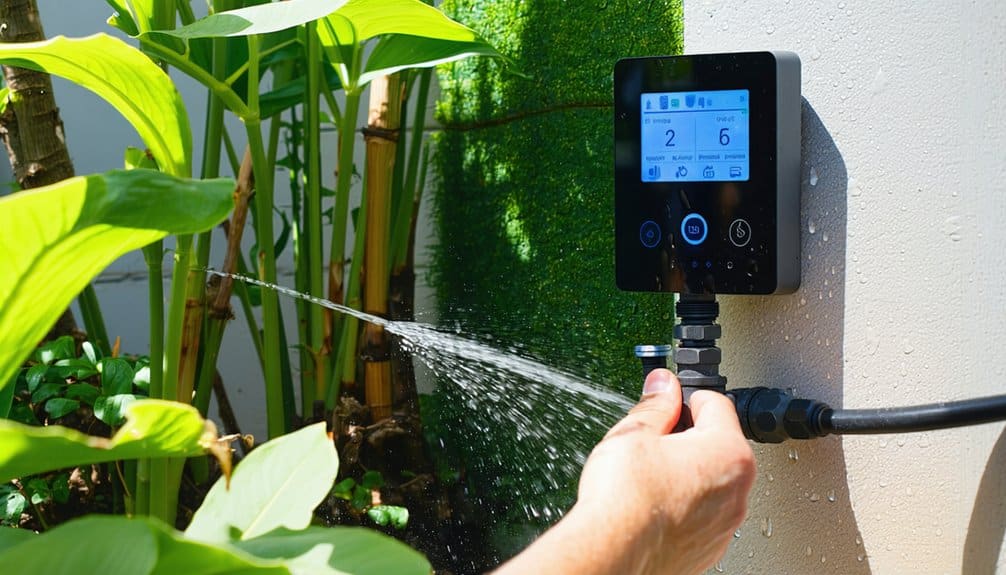
When water pressure is low, smart controllers offer a solution by optimizing irrigation schedules based on real-time data.
These devices adjust watering duration and frequency to match plant needs and environmental conditions, reducing water waste and enhancing system efficiency.
By integrating sensors that monitor soil moisture, temperature, and weather forecasts, smart controllers prevent overwatering, which can strain low-pressure systems.
They also allow for zone-specific adjustments, ensuring precise water delivery tailored to varied landscape requirements.
Implementing smart controllers can mitigate issues caused by inconsistent pressure by regulating flow rates and timing, ultimately improving irrigation uniformity.
This technology supports sustainable water use while maintaining plant health, making it an effective upgrade for low water pressure irrigation systems.
Scheduling Irrigation During Optimal Times for Pressure
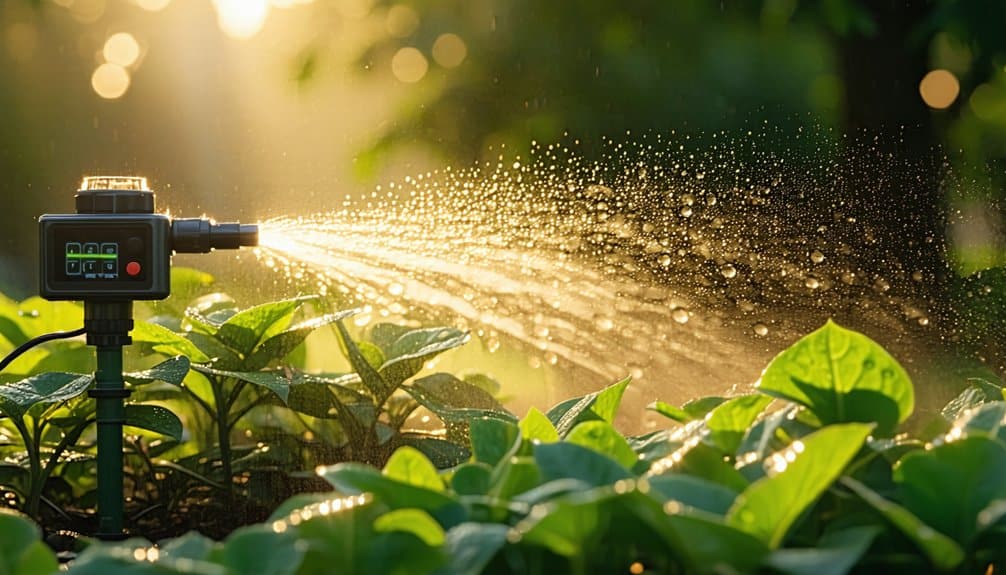
Smart controllers effectively regulate irrigation based on real-time data, but optimizing watering schedules also involves selecting times when water pressure naturally peaks.
Typically, water pressure is highest during early morning hours and late evening when residential and commercial demand decreases. Scheduling irrigation during these off-peak periods ensures a stronger, more consistent water flow, improving system performance.
Avoiding midday or early evening watering, when pressure often dips due to high usage, prevents uneven distribution and system strain. Additionally, local water utility schedules and pressure patterns should be reviewed to align irrigation timing with pressure surges.
Conclusion
Improving a low water pressure irrigation system involves a comprehensive approach, starting with identifying underlying causes and assessing the existing setup. Selecting compatible components, installing pressure regulators or boosters, and optimizing the system layout are essential steps. Regular maintenance, including cleaning filters and emitters, ensures consistent performance. Utilizing drip irrigation and smart controllers further enhances efficiency by aligning watering schedules with peak pressure times. Together, these strategies promote effective water delivery and system longevity.