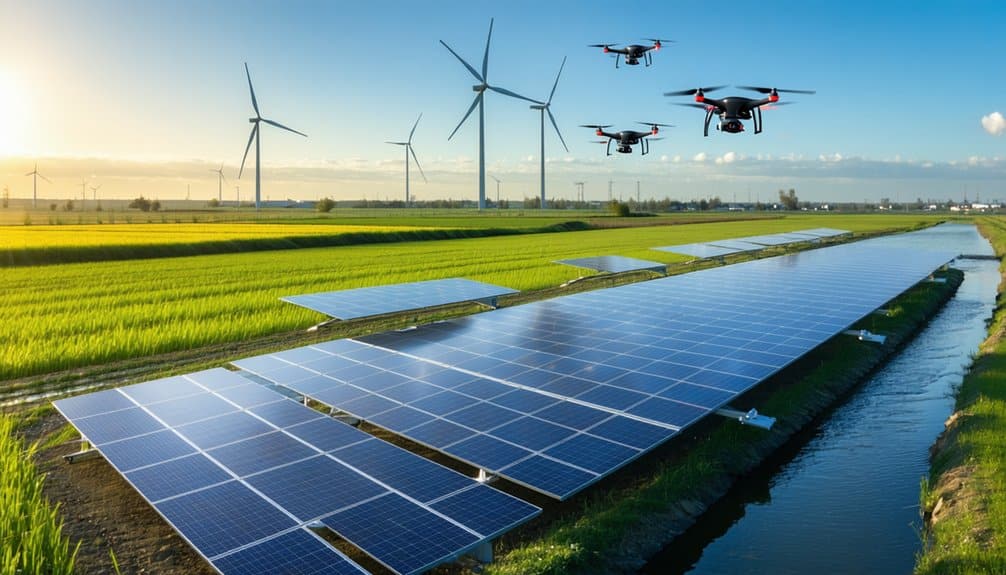

Water conservation remains a critical challenge in agriculture, where water demand continues to rise amid growing scarcity. Efficient irrigation strategies offer a promising solution by optimizing water use and reducing waste. Techniques such as drip irrigation and advanced sensor-based systems can significantly improve water application precision. Exploring how these methods function and their real-world effectiveness reveals important insights into sustainable farming practices—insights that may reshape water management in agriculture going forward.
Key Takeaways
- Drip irrigation delivers water directly to roots, reducing evaporation and overall water use while maintaining crop health.
- Smart irrigation systems use sensors and weather data for precise water delivery, minimizing waste and boosting efficiency.
- Scheduling irrigation based on crop needs and weather prevents overwatering and conserves water resources.
- Regular maintenance of irrigation infrastructure prevents leaks and ensures uniform water distribution.
- Integrating rainwater harvesting with efficient irrigation methods enhances water availability and sustainability.
Understanding Water Usage in Agriculture
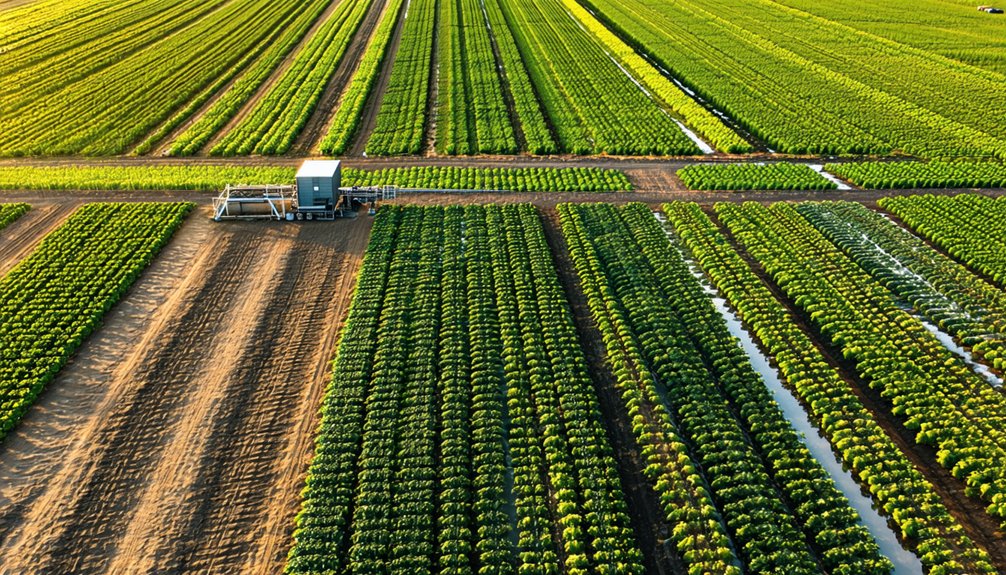
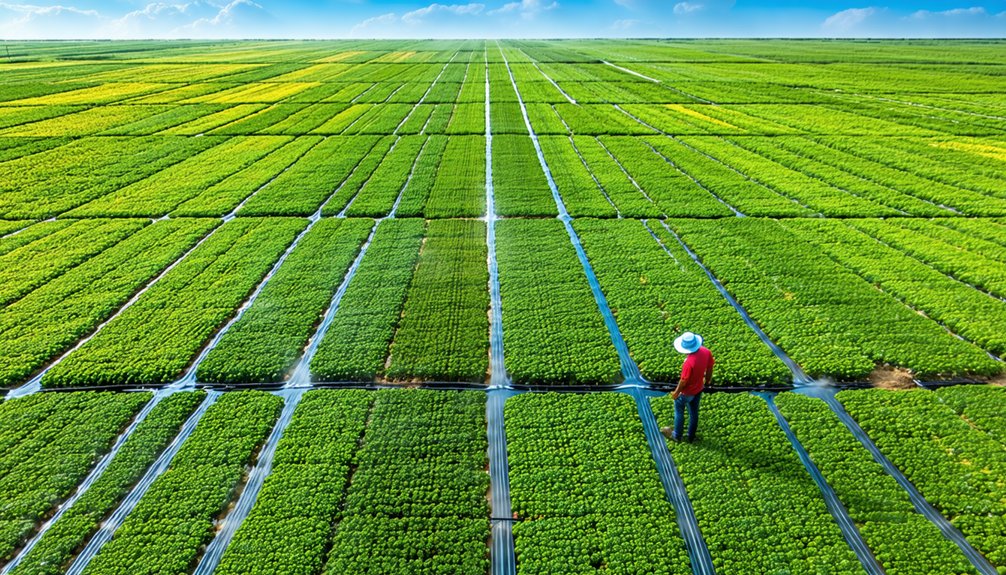
Water usage in agriculture constitutes a significant portion of global freshwater consumption. This sector relies heavily on irrigation to support crop growth, often accounting for approximately 70% of all freshwater withdrawals worldwide.
Effective water conservation in agriculture is critical to addressing water scarcity and ensuring sustainable food production. Strategies to optimize water use involve understanding crop water requirements, soil moisture levels, and climatic conditions.
Traditional irrigation methods, such as flood or furrow irrigation, tend to be inefficient, leading to water loss through evaporation and runoff. Recognizing these inefficiencies is essential for developing targeted water conservation practices.
Improving irrigation scheduling, adopting soil moisture monitoring, and minimizing water wastage contribute to more responsible water use in agriculture, ultimately supporting environmental sustainability and resource preservation. Exploring different sustainable irrigation methods can further enhance both farming efficiency and environmental benefits.
Benefits of Drip Irrigation Systems
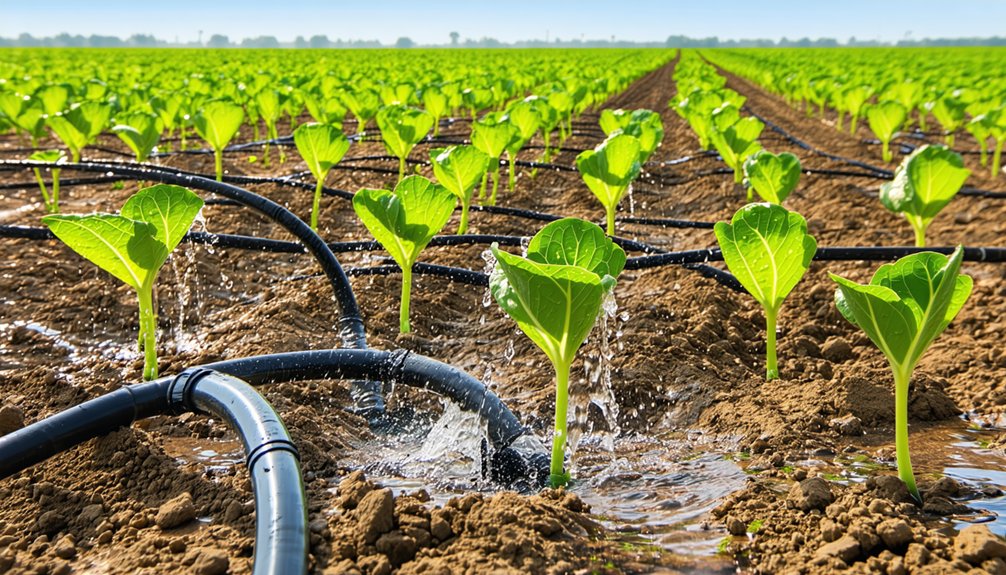
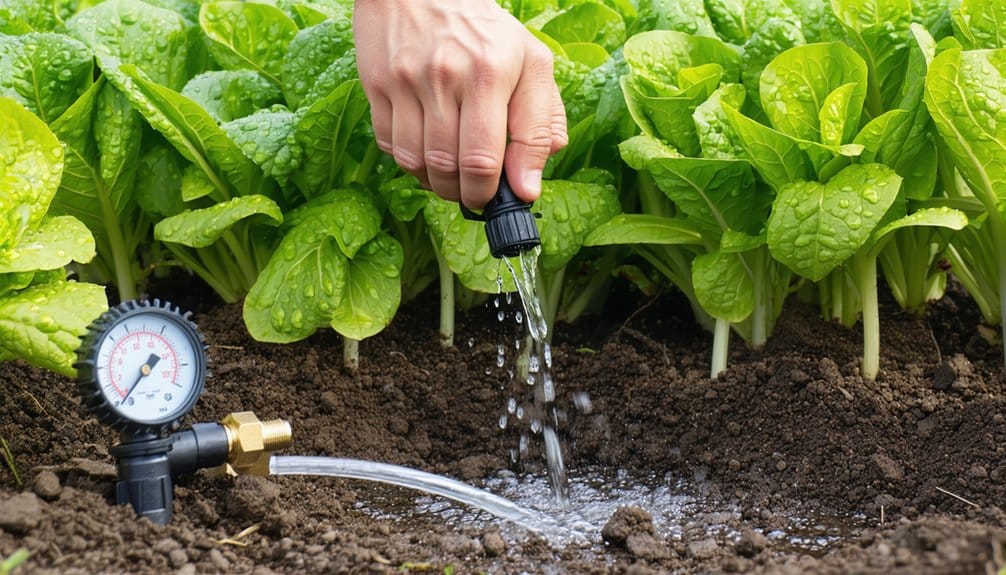
Although irrigation is essential for crop growth, inefficient methods often result in significant water loss. Drip irrigation systems offer a solution by delivering water directly to the plant roots, minimizing evaporation and runoff.
This targeted approach exemplifies efficient irrigation, conserving water while maintaining crop health. By reducing water usage, drip irrigation supports sustainable agriculture and lowers operational costs.
Additionally, it decreases weed growth and soil erosion, further enhancing environmental benefits. The system’s ability to provide consistent moisture levels improves crop yields and quality. Various irrigation methods differ in water use efficiency, making method comparison crucial for sustainable farming decisions.
Smart Irrigation Technologies and Their Impact
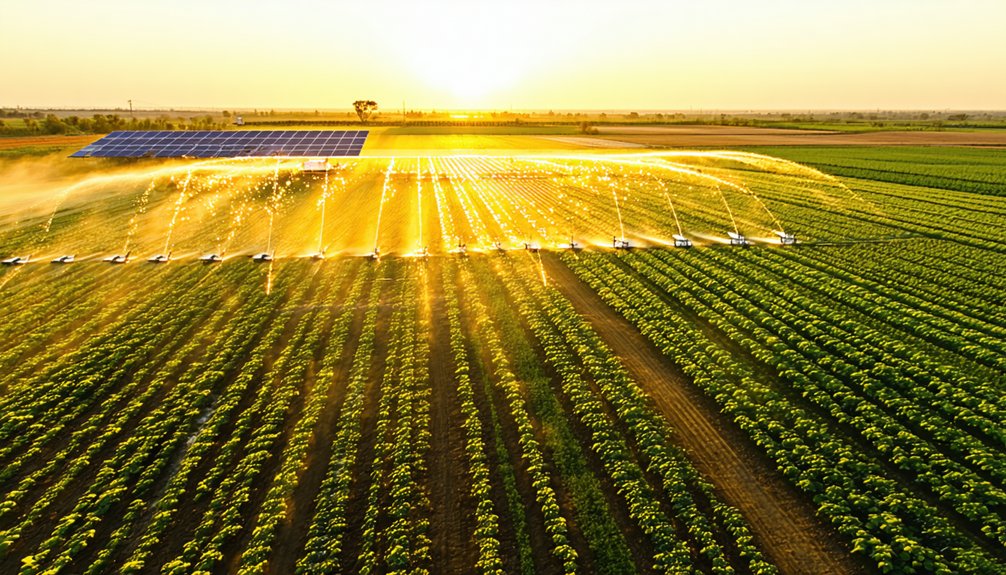
Numerous advancements in irrigation technology have transformed traditional farming practices by integrating smart systems that optimize water use.
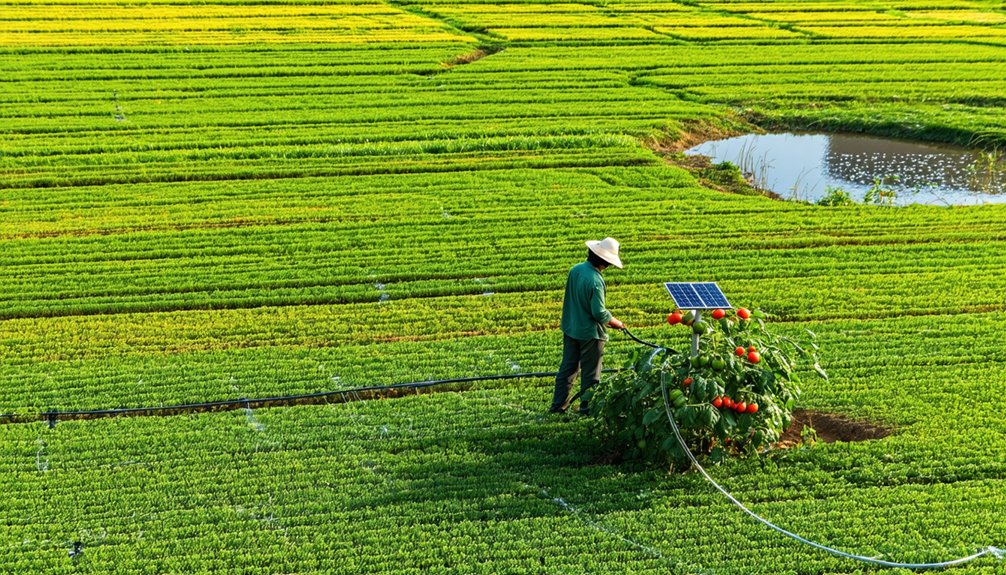
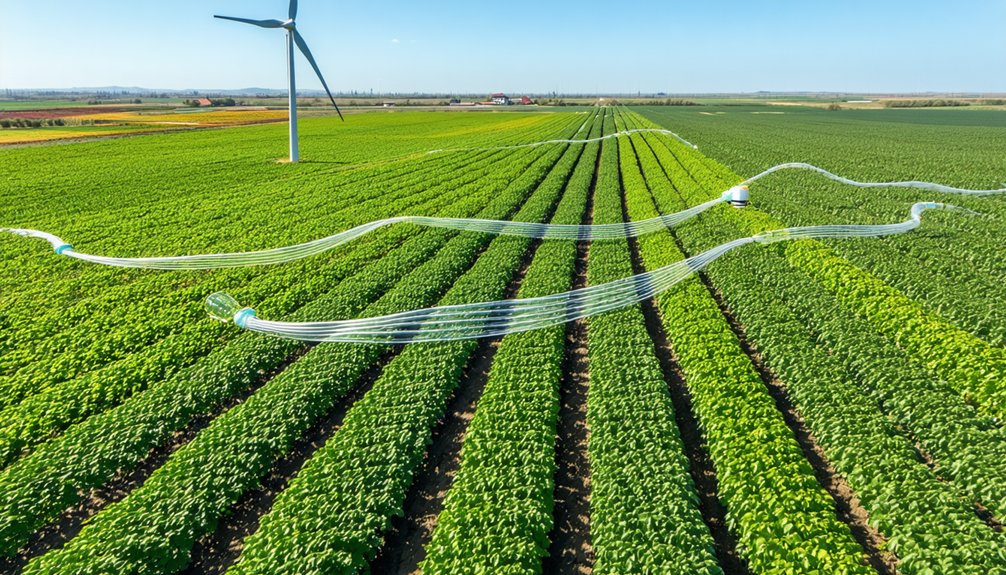
Smart irrigation technologies utilize sensors, weather data, and automated controls to deliver precise water amounts based on real-time soil moisture and climatic conditions. This targeted approach reduces water waste, enhances crop health, and improves resource efficiency.
Additionally, these technologies enable remote monitoring and management, allowing for timely adjustments that align with plant needs and environmental factors.
The adoption of smart irrigation technologies contributes significantly to sustainable agriculture by conserving water resources and lowering operational costs.
Their impact extends beyond water savings, promoting resilience against drought and supporting large-scale implementation of environmentally responsible farming methods.
Implementing low pressure irrigation systems can further maximize efficiency by reducing water pressure requirements and minimizing energy use.
Methods to Reduce Water Waste in Irrigation
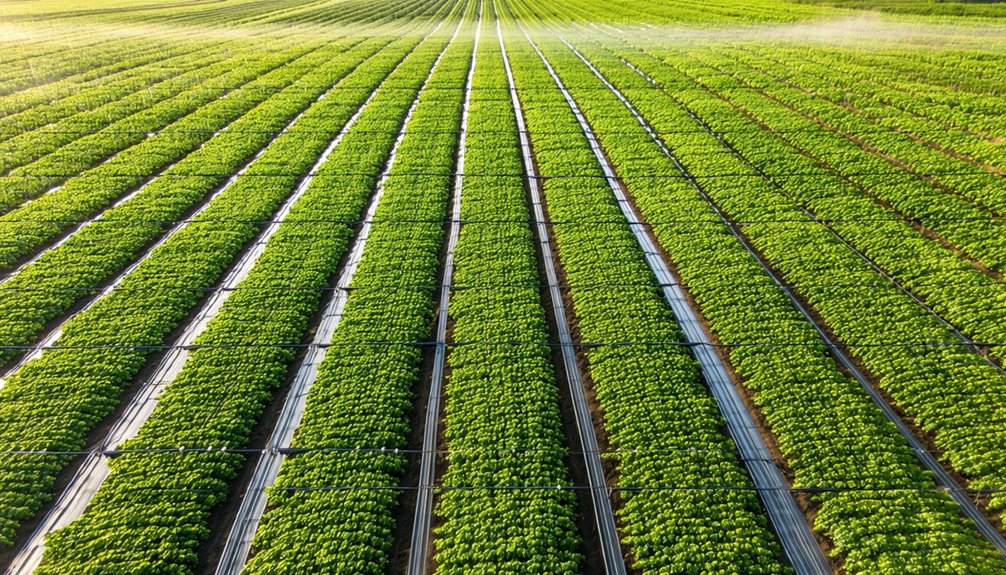
Effective methods to reduce waste in irrigation focus on optimizing water application and minimizing losses throughout the delivery process. Implementing targeted irrigation strategies can significantly enhance water use efficiency.
Key approaches include:
- Scheduling irrigation based on crop water requirements and weather data to avoid overwatering.
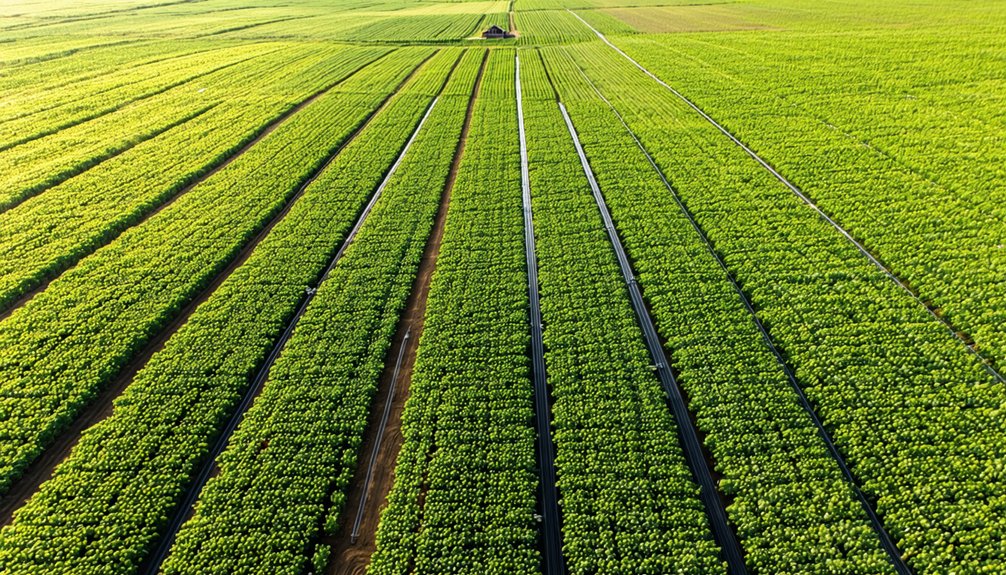
- Utilizing drip or micro-irrigation systems that deliver water directly to the root zone, reducing evaporation and runoff.
- Maintaining and repairing irrigation infrastructure to prevent leaks and ensure uniform water distribution.
- Employing soil moisture sensors to monitor real-time soil water content, enabling precise irrigation timing and amounts.
These irrigation strategies collectively reduce water waste, improve crop health, and promote sustainable water management in agricultural practices. Additionally, integrating a water butt system can further maximize water conservation by capturing and reusing rainwater for irrigation purposes.
Case Studies on Successful Water Conservation Efforts
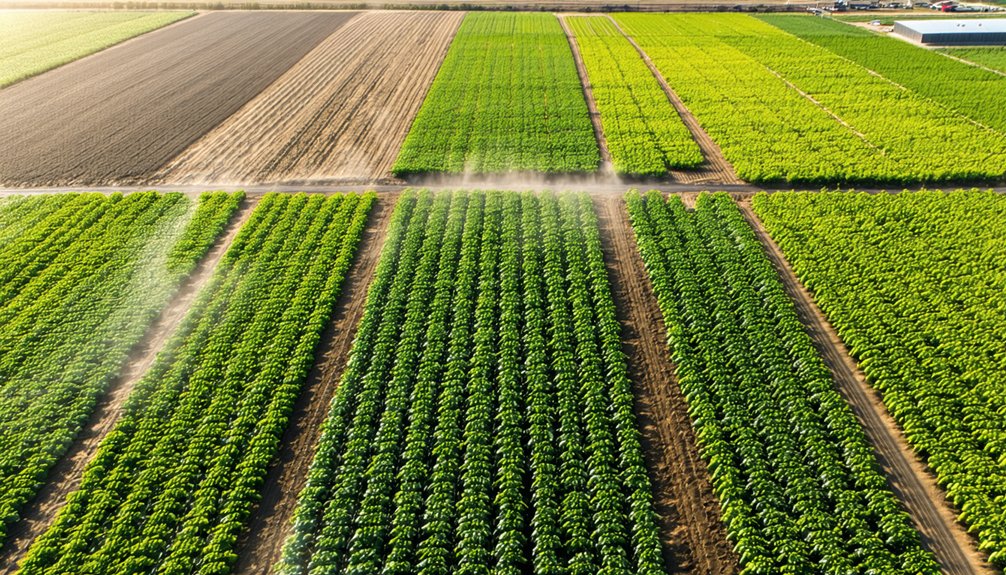
Several case studies demonstrate the tangible benefits of water conservation efforts across diverse regions and agricultural systems.
In California’s Central Valley, farmers adopting drip irrigation reduced water use by 40%, addressing severe water scarcity while maintaining crop yields.
Similarly, in Israel, advanced sensor-based irrigation systems have optimized water delivery, cutting water consumption by 30% in arid zones.
In India, community-managed rainwater harvesting projects combined with efficient irrigation techniques have improved water availability and crop resilience in drought-prone areas.
These examples illustrate that integrating technology and local practices effectively mitigates water scarcity challenges.
Collectively, such efforts highlight that strategic water management in agriculture not only conserves limited water resources but also sustains productivity, offering scalable solutions for regions facing increasing water stress worldwide.
Among the various methods, efficient irrigation systems such as drip and sensor-based irrigation have proven to be the most effective in maximizing water use efficiency while supporting crop health.
Conclusion
Efficient irrigation strategies play a vital role in conserving water within agriculture. Techniques such as drip irrigation and smart technologies optimize water delivery, reducing waste and enhancing crop health. These methods not only improve yields but also promote sustainability and resilience against drought conditions. By adopting innovative irrigation practices, farmers can significantly contribute to water conservation efforts, ensuring the availability of this essential resource for future generations in an increasingly water-scarce world.