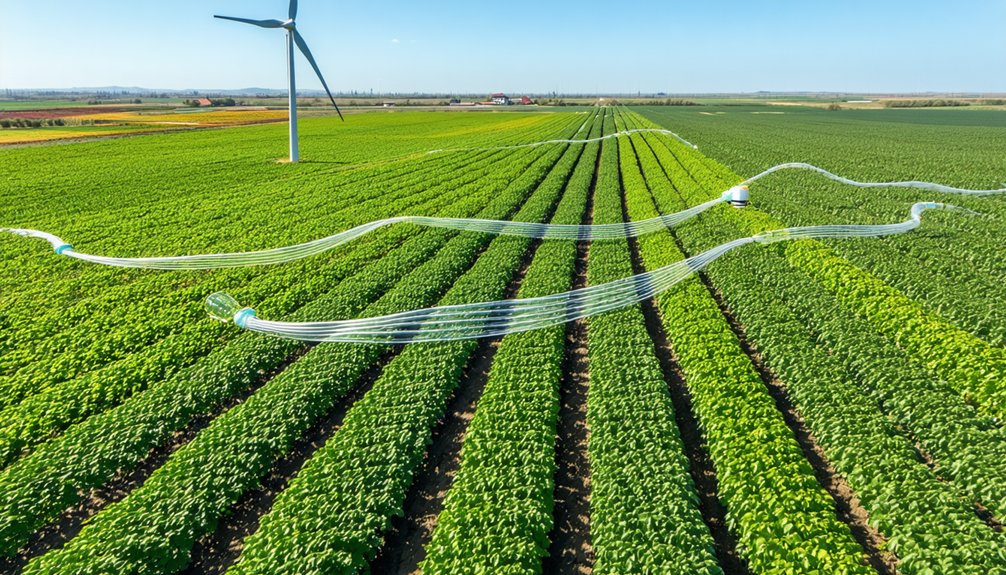

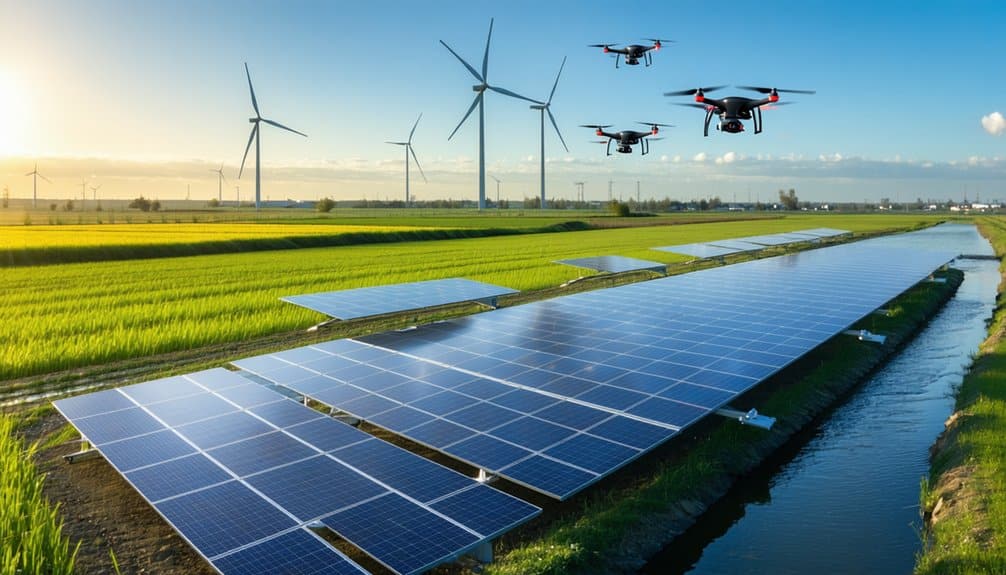
The challenges of water scarcity and climate change necessitate a closer examination of current water management practices. Innovative technologies are emerging as potential solutions to these pressing issues. From smart irrigation systems to advanced water purification methods, the landscape of water management is evolving. Understanding these developments will reveal their implications for sustainability and resource efficiency. What strategies are most effective in addressing the complexities of water use in today’s world?
Key Takeaways
- Advanced water management practices ensure the sustainable availability and quality of water for current and future generations through the use of innovative technologies and data-driven insights.
- Innovations in water purification, such as membrane filtration and advanced oxidation processes, enhance water quality while minimizing energy and chemical consumption.
- Smart irrigation systems optimize water use in agriculture, reducing waste and improving crop yields through real-time soil moisture monitoring.
- Rainwater harvesting techniques promote sustainable water use, lower household costs, and enhance resilience against water shortages in urban areas.
- Desalination technologies provide fresh water in arid regions, but require sustainable practices to mitigate environmental impacts and preserve marine ecosystems.
The Importance of Sustainable Water Management
Sustainable water management is crucial for ensuring the availability and quality of water resources for future generations. This concept encompasses a range of water practices designed to balance current needs with those of the future.
Effective, sustainable water management relies on the integration of innovative water technologies, which enhance efficiency and reduce waste. For instance, rainwater harvesting and greywater recycling are practices that minimize demand on freshwater sources.
Additionally, the implementation of smart irrigation systems conserves water while maintaining agricultural productivity. By adopting these strategies, communities can mitigate the impacts of climate change and population growth on water resources. Furthermore, sustainable water management practices can lead to improved ecosystem health and biodiversity.
Ultimately, sustainable water management serves as a foundation for a resilient and secure water future, supporting both ecosystems and human well-being.
Innovations in Water Purification Technologies
Innovative water purification technologies play a vital role in advancing sustainable water management practices. By improving access to clean water, these technologies directly contribute to the health of communities and ecosystems.
Techniques such as membrane filtration, solar water disinfection, and advanced oxidation processes are reshaping the landscape of water treatment. These methods not only enhance purification efficiency but also reduce energy consumption and chemical usage, aligning with the principles of sustainability.
As the future of water management increasingly demands resilience against climate change and population growth, the implementation of these innovations becomes essential. Continued investment and research in water purification technologies will ensure that the global demand for safe drinking water is met, paving the way for a sustainable future. Furthermore, emerging technologies such as nanotechnology are also showing promise in enhancing water purification methods.
Smart Irrigation Systems: Efficiency at Its Best
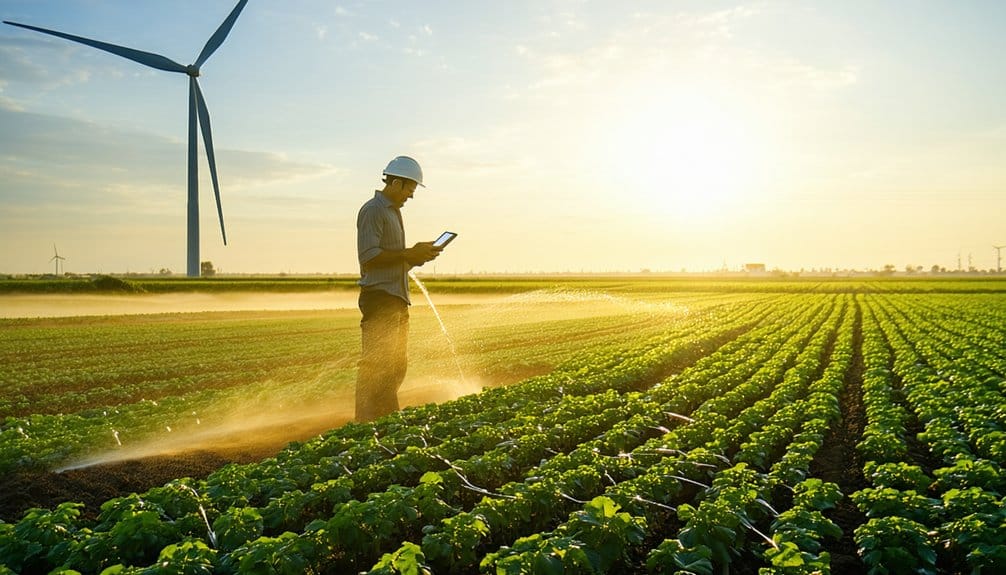
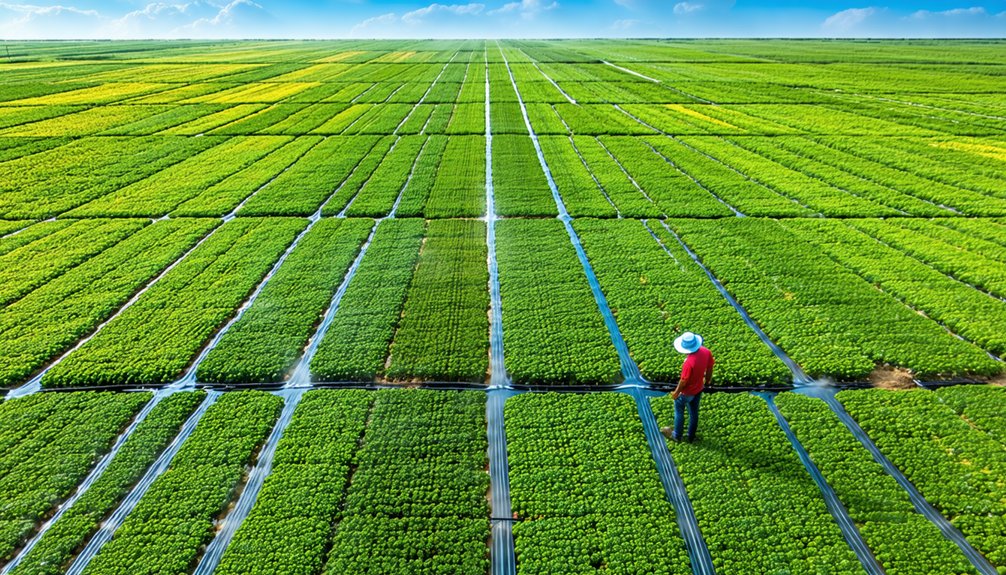
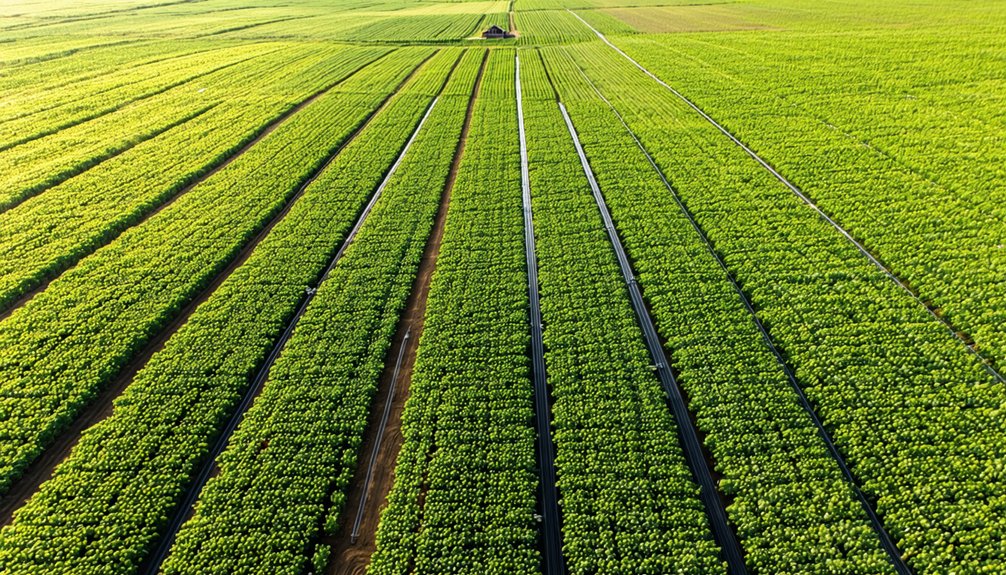
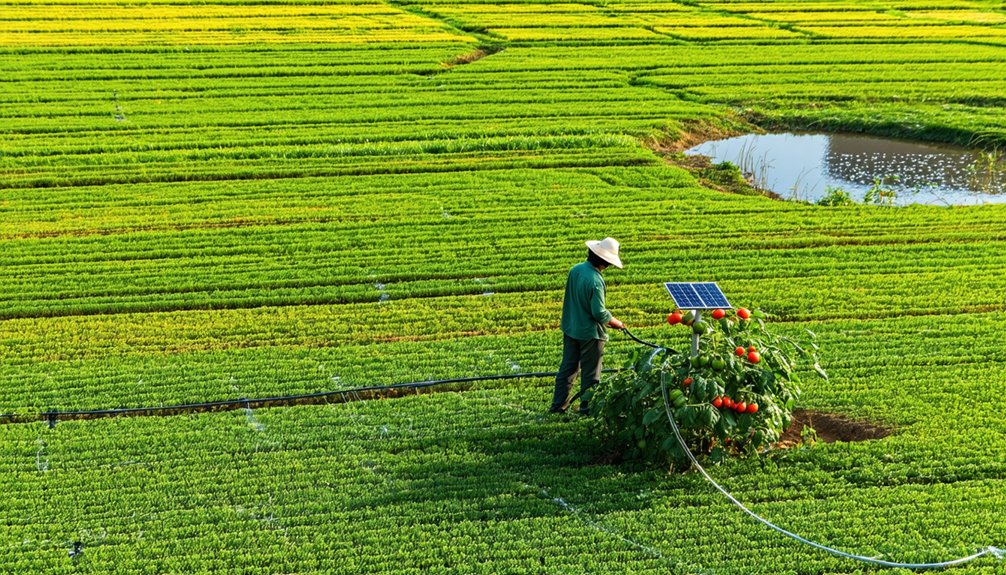
As water scarcity becomes an increasing concern in agricultural practices, smart irrigation systems offer a compelling solution to enhance efficiency and productivity.
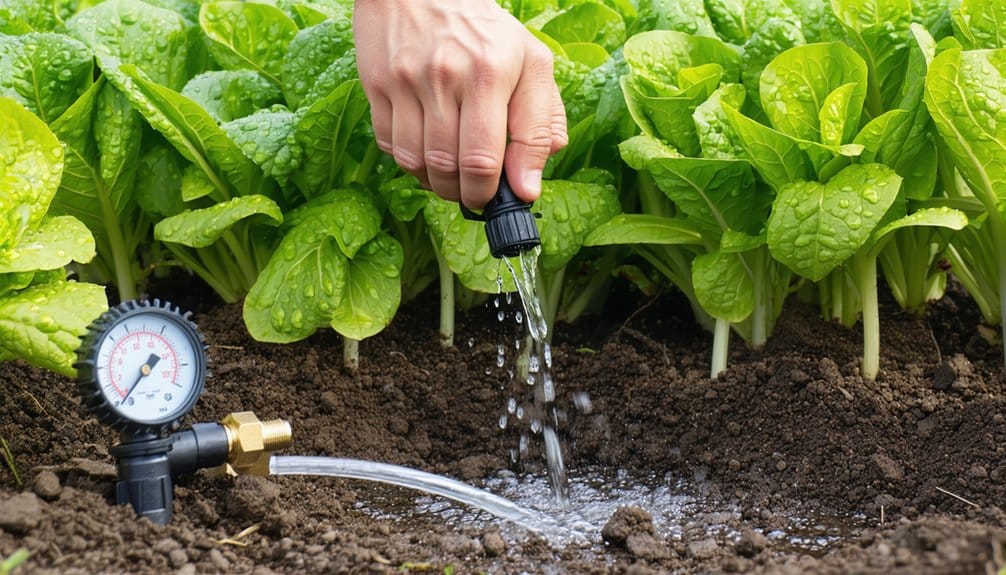
These advanced systems utilize sensors, weather data, and automated controls to optimize water usage, ensuring that crops receive the precise amount of water they need. By monitoring soil moisture levels and environmental conditions, smart irrigation systems minimize waste and reduce the risk of overwatering.
Additionally, these systems can be programmed to operate during off-peak hours, conserving energy and lowering costs. Farmers who implement smart irrigation can experience improved crop yields and reduced water bills, thereby contributing to sustainable agricultural practices. Moreover, the integration of smart technology in irrigation represents a significant advancement in addressing global water challenges while promoting responsible resource management.
Ultimately, the integration of technology in irrigation represents a significant advancement in addressing global water challenges while promoting responsible resource management.
Rainwater Harvesting: Techniques and Benefits
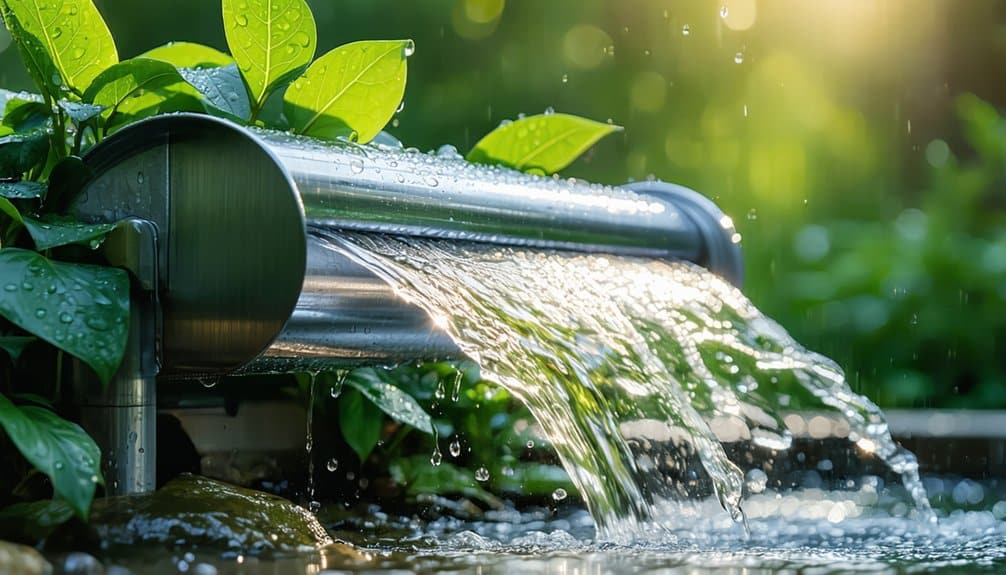
Rainwater harvesting presents a practical approach to managing water resources, particularly in regions facing water scarcity. This technique involves collecting and storing rainwater from surfaces such as roofs, pavements, and roads. Various methods exist, including rooftop collection systems, surface runoff harvesting, and infiltration trenches.
The benefits of rainwater harvesting are manifold. It reduces reliance on traditional water sources, alleviates flooding, and minimizes soil erosion. Additionally, it can lower water bills and promote sustainable water use in households and communities.
The stored rainwater can be utilized for irrigation, toilet flushing, and other non-potable applications. By integrating rainwater harvesting into urban planning, societies can enhance resilience against water shortages and contribute to environmental sustainability. Moreover, the integration of data analysis in rainwater harvesting systems can optimize collection and usage efficiency, leading to more effective water management strategies.
Desalination: Transforming Seawater Into Fresh Water
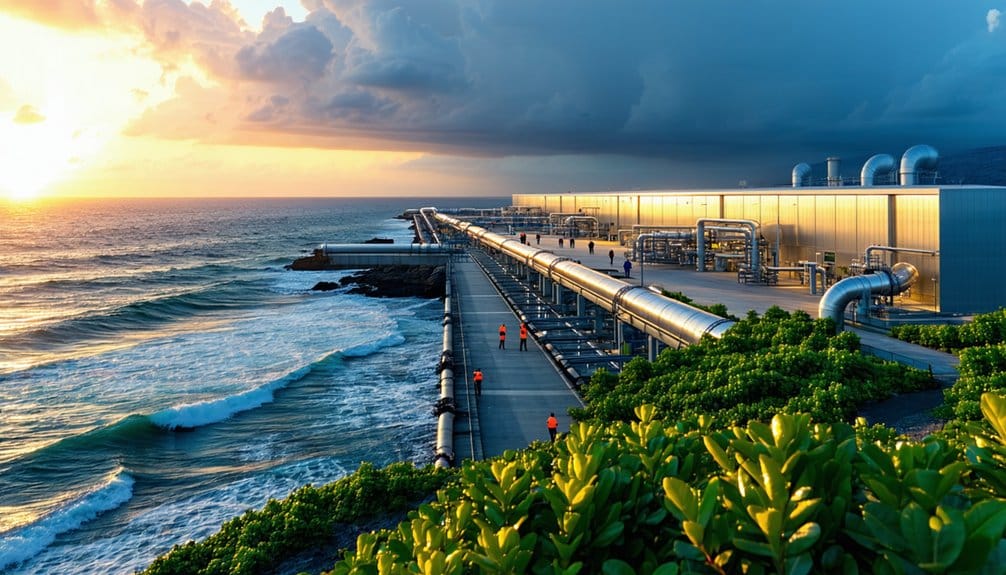
Desalination has emerged as a vital technology for converting seawater into fresh water, addressing the growing demand for potable water in arid regions. Various techniques, such as reverse osmosis and thermal distillation, play a crucial role in this process. However, the environmental impacts of desalination, including energy consumption and effects on marine ecosystems, warrant careful consideration. Additionally, automation technology can optimize desalination processes, enhancing efficiency and reducing energy use.
Desalination Techniques Overview
The process of transforming seawater into fresh water involves a variety of desalination techniques, each with unique methodologies and applications.
Two primary methods dominate the field: reverse osmosis and thermal distillation. Reverse osmosis utilizes a semipermeable membrane to separate salt and impurities from seawater, making it a popular choice for modern desalination plants due to its energy efficiency.
Conversely, thermal distillation relies on heating seawater to create steam, which is then condensed into fresh water, often used in regions with abundant energy resources.
Other emerging techniques, such as forward osmosis and solar desalination, are gaining attention for their potential to reduce costs and energy consumption.
Each method presents distinct advantages, catering to specific environmental and economic contexts.
Environmental Impact Considerations
As the demand for fresh water increases, the environmental implications of desalination technologies warrant careful examination.
While desalination offers a potential solution to water scarcity, it poses significant ecological challenges. The process often requires large amounts of energy, contributing to greenhouse gas emissions and climate change.
Additionally, the discharge of highly concentrated brine back into the ocean can harm marine ecosystems, disrupting local biodiversity. The intake of seawater can also trap and kill marine organisms, further impacting ocean health.
Furthermore, the infrastructure for desalination can lead to land degradation and resource competition.
Therefore, a comprehensive understanding of these environmental impacts is essential for developing sustainable desalination practices that balance water needs with ecological preservation.
Wastewater Treatment and Reuse Practices
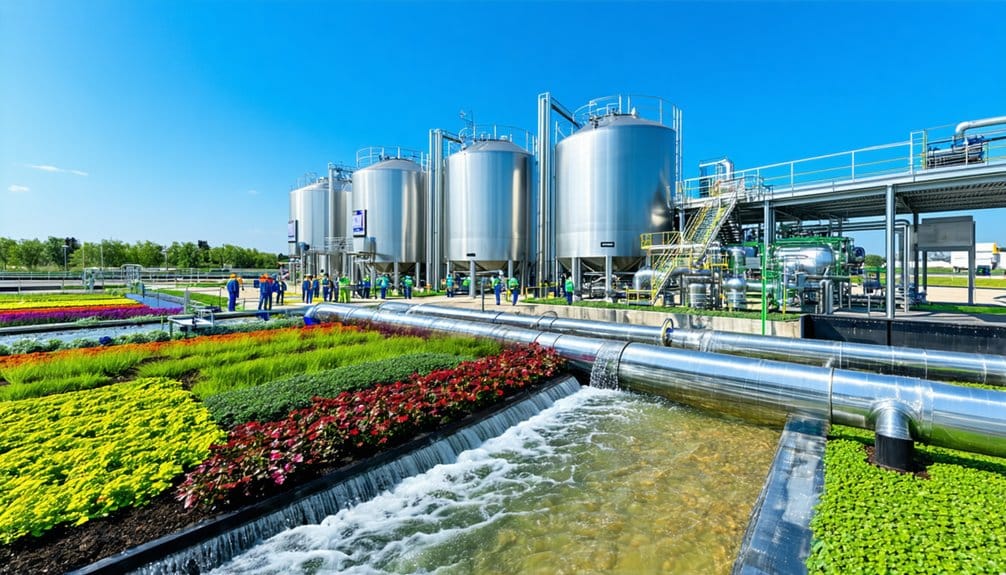
Wastewater treatment and reuse practices are critical for sustainable water management. Advanced treatment technologies and resource recovery strategies play essential roles in enhancing the quality of reclaimed water. These practices not only help conserve freshwater resources but also promote sustainable reuse applications across various sectors. Furthermore, incorporating predictive modeling into wastewater management can significantly improve the efficiency and effectiveness of treatment processes.
Advanced Treatment Technologies
While traditional wastewater treatment methods have served communities well, advanced treatment technologies are now emerging as essential solutions for enhancing water quality and promoting reuse practices.
Techniques such as membrane bioreactors, advanced oxidation processes, and reverse osmosis are at the forefront of this evolution. These technologies effectively remove contaminants, pathogens, and nutrients, ensuring that treated water meets stringent quality standards.
Additionally, they facilitate the recycling of wastewater for various applications, including irrigation and industrial processes. The integration of these advanced methods not only conserves freshwater resources but also reduces the environmental impact of wastewater discharge.
As urbanization and water scarcity continue to rise, the adoption of advanced treatment technologies will play a crucial role in sustainable water management practices.
Resource Recovery Strategies
Advanced treatment technologies not only enhance water quality but also pave the way for innovative resource recovery strategies in wastewater management. These strategies focus on extracting valuable materials and energy from treated wastewater, promoting sustainability and reducing environmental impact. Various methods, including anaerobic digestion and nutrient recovery, are being implemented in modern facilities.
| Resource Type | Recovery Method |
|---|---|
| Nutrients (Nitrogen) | Struvite precipitation |
| Energy | Biogas generation |
| Water | Membrane filtration |
| Organic Matter | Composting and digestate |
Through these approaches, wastewater can be transformed from a liability into a resource, significantly contributing to circular economy principles and enhancing overall water management efficiency.
Sustainable Reuse Applications
A growing number of municipalities and industries are embracing sustainable reuse applications as a critical component of water management practices.
These applications include advanced wastewater treatment technologies that enable the purification and reuse of wastewater for various purposes. Reclaimed water can be utilized for irrigation, industrial processes, and even as a source of potable water in some regions.
Techniques such as membrane bioreactors and reverse osmosis are increasingly employed to enhance the quality of treated wastewater. Additionally, regulatory frameworks are evolving to support the safe implementation of these practices.
The Role of Data Analytics in Water Resource Management
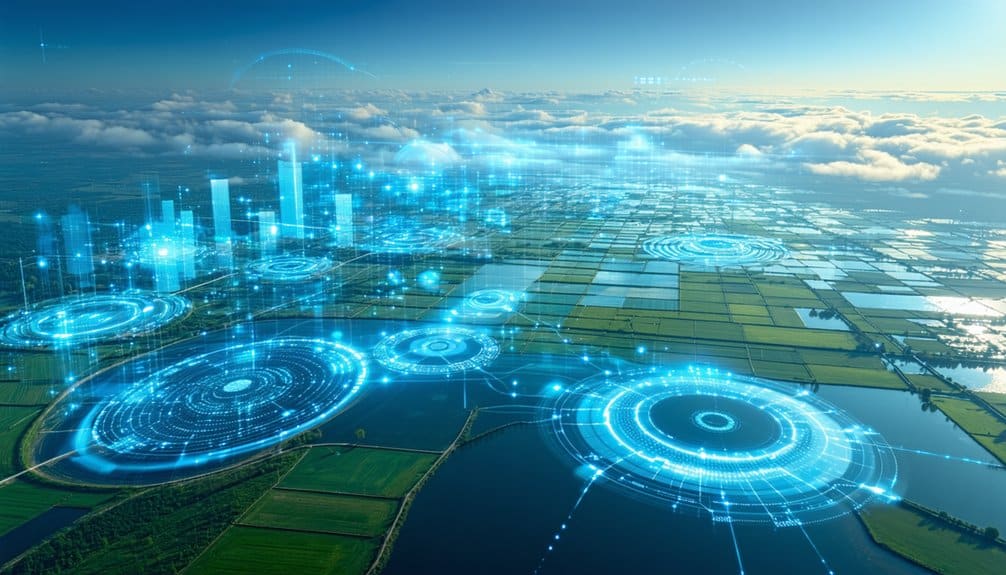
Data analytics plays a crucial role in optimizing water resource management, enabling organizations to make informed decisions based on real-time information.
By leveraging data-driven insights, stakeholders can enhance efficiency, reduce waste, and improve sustainability practices. The integration of various data sources, including satellite imagery and IoT sensors, enables comprehensive monitoring of water systems. Additionally, water management software can streamline operations and facilitate better communication among stakeholders.
Key benefits of data analytics in water resource management include:
- Predictive Modeling: Anticipating water demand and supply fluctuations to facilitate proactive responses.
- Leak Detection: Identifying and addressing leaks in distribution systems promptly, conserving precious resources.
- Water Quality Monitoring: Ensuring compliance with safety standards by analyzing contaminants and other variables in real-time.
These advancements ultimately contribute to more resilient and effective water management strategies.
Conclusion
In conclusion, the future of water management hinges on the integration of innovative technologies and sustainable practices. By embracing advancements such as smart irrigation systems, water purification methods, and rainwater harvesting, communities can effectively tackle water scarcity and enhance resilience to climate change. Furthermore, the application of data analytics and resource recovery strategies is essential for optimizing water usage and promoting environmental sustainability, ultimately fostering a secure and equitable water future for all.