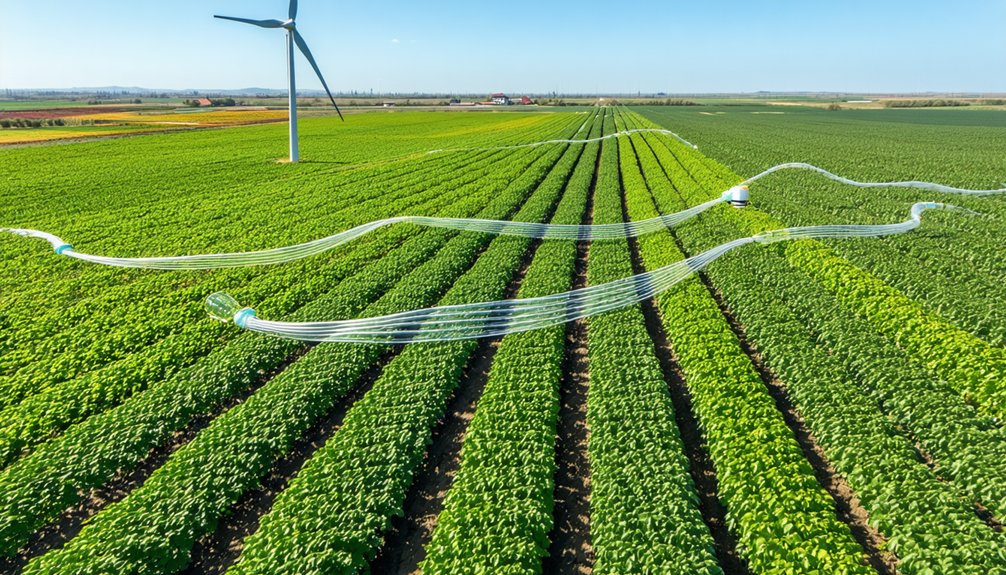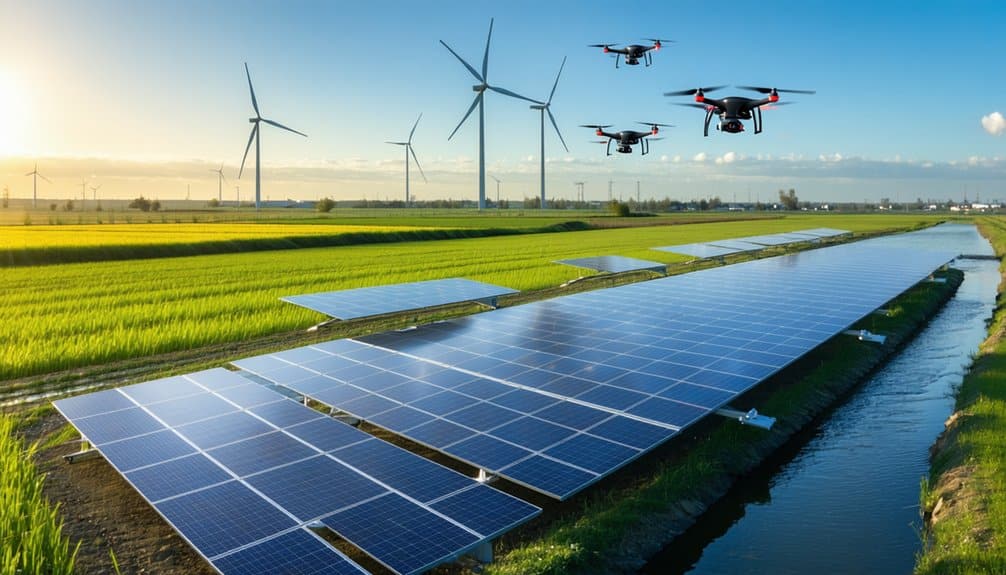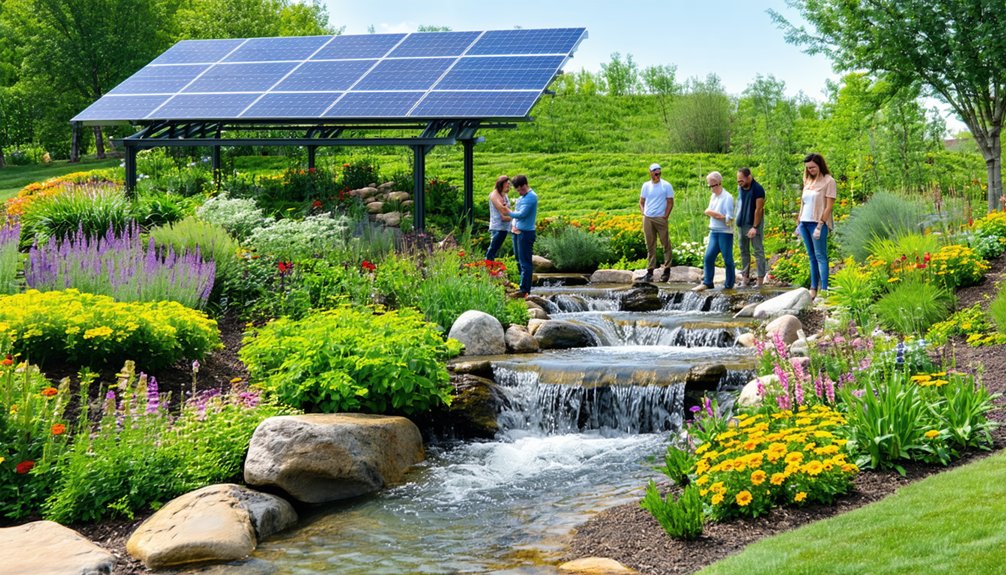
Water management is crucial for sustainability. Effective practices can significantly reduce waste and enhance resource availability. Techniques such as rainwater harvesting and greywater recycling are gaining attention. Meanwhile, sustainable drainage systems and efficient irrigation methods show promise in urban planning. However, the role of governance and community engagement cannot be overlooked. Understanding these components is essential for fostering long-term conservation. As these practices evolve, what implications could they have for future water security?
Key Takeaways
- Implement rainwater harvesting systems to capture and store rainfall, reducing reliance on traditional water sources and enhancing sustainability.
- Utilize efficient irrigation systems, such as drip and sprinkler methods, to minimize water waste and deliver precise amounts directly to plant roots.
- Promote greywater recycling solutions to treat and reuse wastewater for non-potable applications, easing pressure on freshwater supplies.
- Develop sustainable drainage systems that improve water quality, reduce flood risks, and enhance urban biodiversity through the natural infiltration of water.
- Foster stakeholder engagement and collaboration to establish effective policies and practices for equitable water management and conservation.
Rainwater Harvesting Techniques
Rainwater harvesting techniques serve as an effective solution for enhancing water sustainability in various regions. By capturing and storing rainwater, communities can make a significant contribution to water conservation efforts. This practice not only reduces reliance on traditional water sources but also promotes sustainable water management.
Various systems, such as rooftop collection and surface runoff diversion, are implemented to maximize efficiency. In urban areas, rain barrels and cisterns enable the collection of precipitation, whereas rural regions often utilize larger catchment systems to meet agricultural needs.
The integration of rainwater harvesting into daily life encourages a shift towards more sustainable practices, fostering a culture of environmental responsibility. Overall, these techniques represent a crucial step towards mitigating water scarcity challenges globally.
Efficient Irrigation Systems
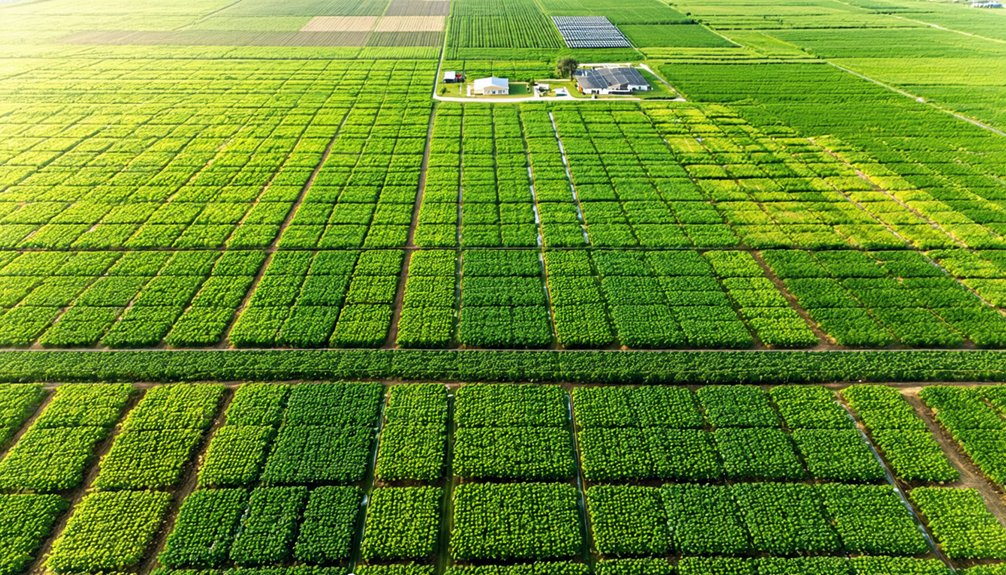
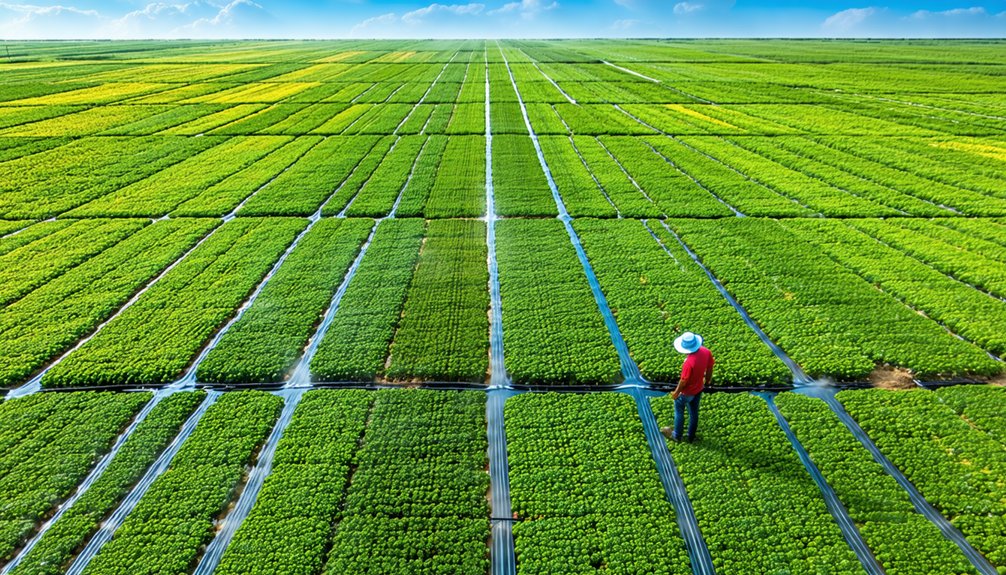
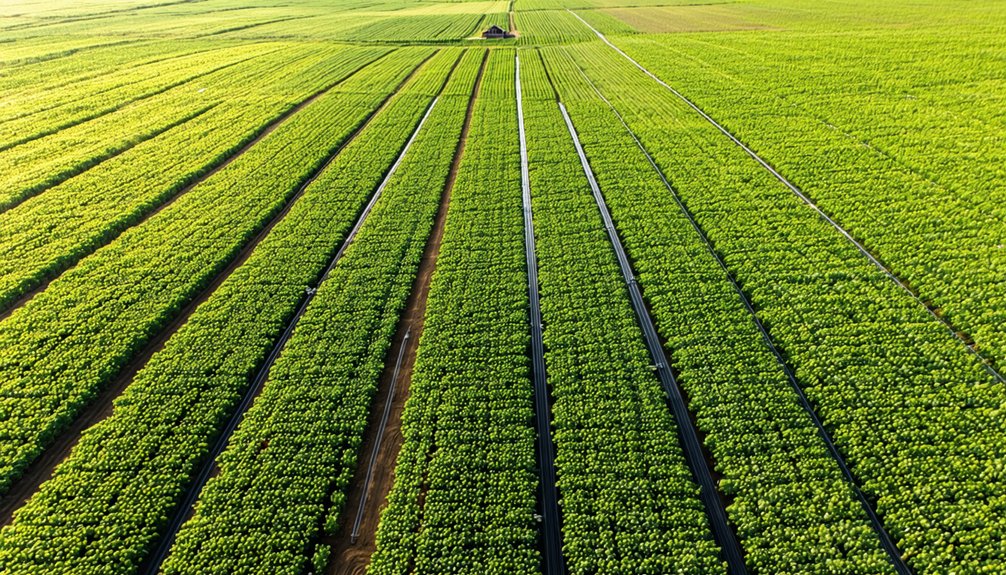
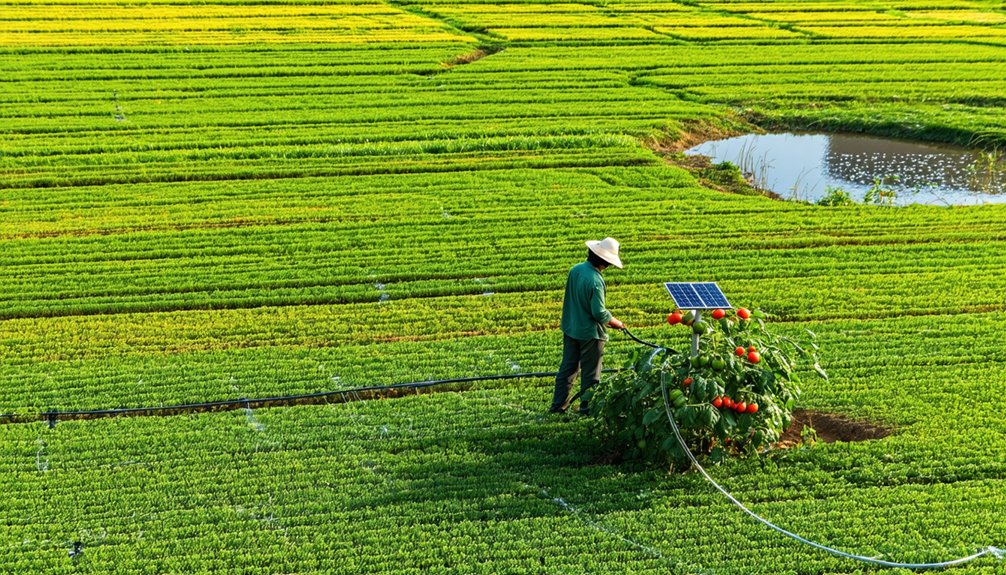
Capturing rainwater is only one aspect of sustainable water management; efficient irrigation systems play a vital role in maximizing water usage in agricultural practices.
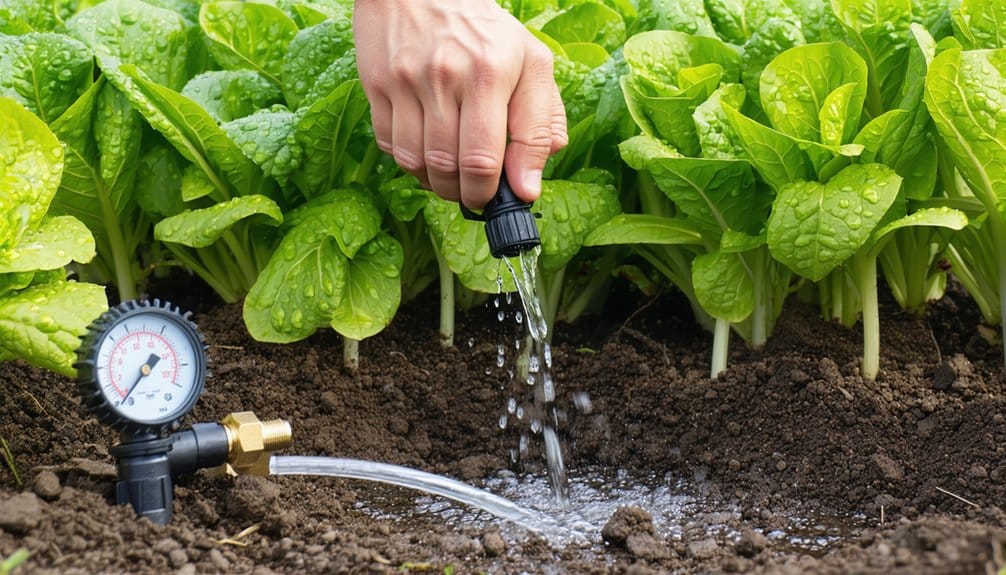
These systems, including drip and sprinkler irrigation, reduce water waste by delivering precise amounts directly to plant roots. Implementing such sustainable practices enhances crop yields while minimizing the environmental impact.
Furthermore, technologies like soil moisture sensors ensure that irrigation occurs only when necessary, promoting water sustainability. Farmers who adopt efficient irrigation techniques can significantly reduce their water consumption, resulting in cost savings and improved resource management.
Greywater Recycling Solutions
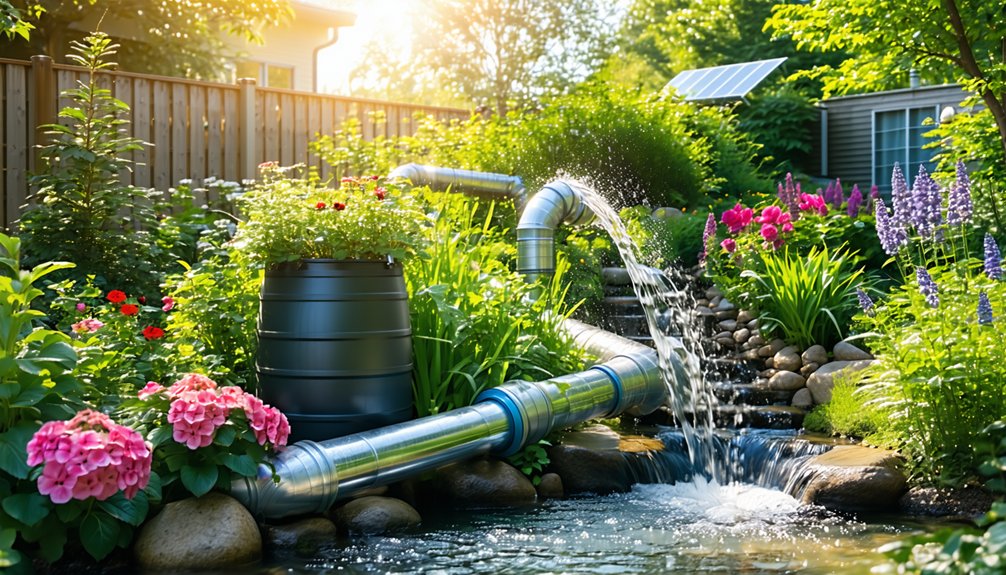
While many communities focus on traditional water conservation methods, greywater recycling solutions offer a promising alternative for sustainable water management.
Greywater, which is the wastewater generated from activities such as bathing, laundry, and dishwashing, can be treated and reused for non-potable purposes. Implementing greywater systems can significantly reduce freshwater demand and alleviate pressure on sewage treatment facilities.
Various technologies, such as filtration and biological treatment, enable households and businesses to safely recycle greywater. Moreover, these systems can contribute to landscape irrigation, reducing reliance on municipal water supplies.
As urban populations grow, adopting greywater recycling can play a crucial role in enhancing water sustainability, promoting resource efficiency, and fostering environmental resilience in communities worldwide.
Sustainable Drainage Systems
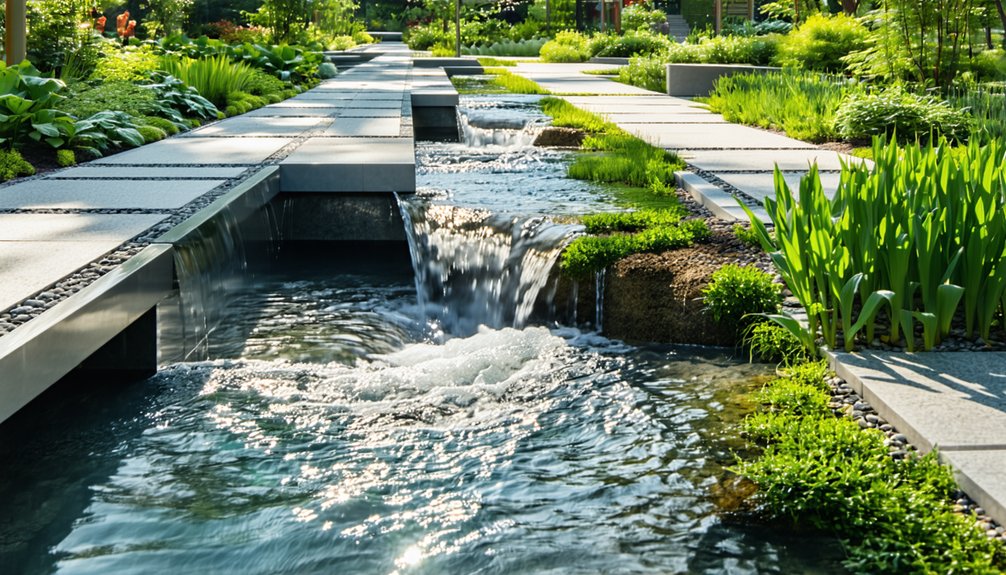
Sustainable Drainage Systems (SuDS) offer a range of benefits, including improved water quality and reduced flood risk.
Effective design principles and techniques are crucial for the successful implementation of these systems, ensuring they function optimally within diverse landscapes.
Additionally, ongoing maintenance and active community involvement are essential for maintaining the long-term effectiveness of SuDS.
Benefits of Sustainable Drainage
Implementing sustainable drainage systems offers numerous advantages for urban environments, primarily by enhancing water management and reducing flood risks.
These systems facilitate the natural infiltration and evaporation of water, thereby decreasing surface runoff and mitigating the occurrence of urban flooding. Additionally, sustainable drainage can improve water quality by filtering pollutants and sediments before they reach water bodies.
By promoting groundwater recharge, these systems help maintain local aquifers. Furthermore, they create green spaces that enhance biodiversity and improve urban aesthetics.
Economic benefits are also evident, as reduced flooding can lower infrastructure repair costs and insurance premiums.
Design Principles and Techniques
Effective design principles and techniques are crucial for the successful implementation of sustainable drainage systems. These systems aim to manage surface water efficiently while mimicking natural hydrological processes.
Key design principles include integrating green infrastructure, such as permeable pavements, swales, and rain gardens, which enhance water infiltration and reduce runoff. Additionally, employing site-specific assessments ensures that designs are tailored to local conditions, optimizing performance.
Techniques such as water harvesting and storage can also be incorporated to utilize excess rainfall effectively. Proper grading and contouring facilitate natural drainage patterns, while maintenance considerations should be embedded in the design process to ensure longevity.
Ultimately, these principles and techniques create resilient urban landscapes that minimize flooding and improve water quality.
Maintenance and Community Involvement
Regular maintenance and community involvement are vital components for the success of sustainable drainage systems. Effective management ensures these systems function optimally and achieve their intended environmental benefits.
Key strategies for enhancing maintenance and community involvement include:
- Regular Inspections: Scheduled assessments identify potential blockages, erosion, and other issues before they escalate, ensuring systems remain effective.
- Community Education: Informing residents about the importance of sustainable drainage fosters a sense of ownership, encouraging them to participate in maintenance activities.
- Collaborative Efforts: Engaging local organizations and stakeholders in planning and maintenance provides diverse perspectives, resources, and commitment to long-term sustainability.
These strategies not only enhance system performance but also build a stronger community connection to local water management practices.
Water-Efficient Landscaping

How can water-efficient landscaping contribute to a sustainable environment? This approach minimizes water usage while maintaining aesthetic and functional landscapes.
By incorporating native plants that require less irrigation and implementing xeriscaping techniques, water-efficient landscaping promotes biodiversity and reduces the need for chemical fertilizers and pesticides.
Additionally, strategies such as mulching and drip irrigation help retain soil moisture and deliver water directly to plant roots, further conserving resources.
These practices not only lower water bills for homeowners but also alleviate stress on local water supplies, especially during droughts.
Ultimately, water-efficient landscaping enhances the resilience of ecosystems, supports wildlife habitats, and contributes to a healthier urban environment, making it a vital component of sustainable water management practices.
Advanced Metering Infrastructure
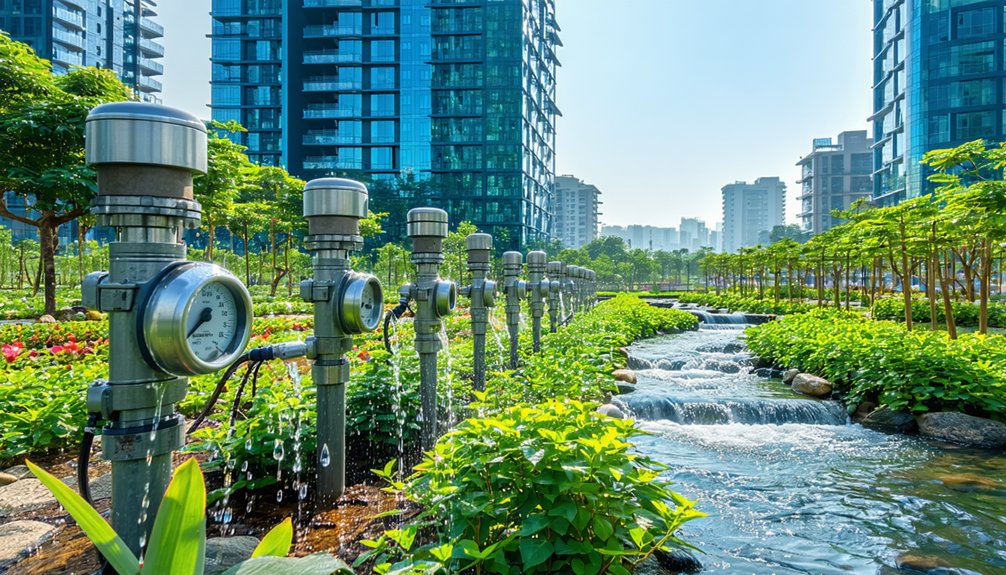
As water scarcity becomes an increasingly pressing issue, Advanced Metering Infrastructure (AMI) emerges as a crucial tool for enhancing water management. AMI enables utilities to monitor water usage in real-time, providing valuable data that informs decision-making and conservation efforts.
The implementation of AMI offers several key advantages:
- Accurate Consumption Data: AMI allows for precise tracking of water usage, minimizing billing errors and promoting transparency.
- Leak Detection: With continuous monitoring, AMI helps identify leaks swiftly, reducing water loss and maintenance costs.
- Consumer Engagement: AMI fosters better communication with consumers, encouraging them to adopt water-saving practices through detailed usage reports.
Integrated Water Resources Management
Integrated Water Resources Management (IWRM) emphasizes the importance of stakeholder engagement strategies in fostering collaboration among various water users.
It also incorporates adaptive management approaches that allow for flexibility in response to changing environmental conditions.
Furthermore, data-driven decision-making is essential for optimizing resource allocation and improving overall water management outcomes.
Stakeholder Engagement Strategies
Effective stakeholder engagement strategies are essential for the successful implementation of Integrated Water Resources Management (IWRM). Engaging various stakeholders ensures that diverse perspectives are considered, enhancing the sustainability of water management practices.
Key strategies include:
- Inclusive Participation: Ensuring that all relevant stakeholders, including local communities, government agencies, and private sectors, are involved in decision-making processes.
- Clear Communication: Establishing transparent channels of communication to disseminate information about water management initiatives and gather feedback effectively.
- Capacity Building: Providing training and resources to stakeholders to enhance their understanding of IWRM principles and empower them to contribute meaningfully.
These strategies foster collaboration, encourage shared responsibility, and ultimately lead to more effective and sustainable water management outcomes.
Adaptive Management Approaches
Adaptive management approaches play a crucial role in the realm of Integrated Water Resources Management (IWRM) by fostering flexibility and responsiveness in water management practices. These approaches allow for adjustments based on changing conditions, stakeholder feedback, and evolving environmental data. By embracing uncertainty and iterative learning, adaptive management encourages collaboration among stakeholders, enhancing the effectiveness of water resource strategies.
| Key Features | Benefits |
|---|---|
| Continuous Monitoring | Informed decision-making |
| Stakeholder Participation | Increased trust and support |
| Flexible Strategies | Adaptation to changing needs |
| Learning from Experience | Improved future interventions |
| Ecosystem Consideration | Sustainable environmental health |
Incorporating adaptive management ensures a resilient water management framework that can address emerging challenges.
Data-Driven Decision Making
As water management challenges intensify due to climate change and population growth, data-driven decision-making emerges as a vital component of Integrated Water Resources Management (IWRM).
Utilizing accurate and timely data allows stakeholders to make informed choices that enhance water sustainability. Key elements include:
- Real-Time Monitoring: Implementing sensors and IoT technology enables continuous tracking of water quality and quantity, facilitating immediate responses to issues.
- Predictive Analytics: Leveraging historical data and models enables the forecasting of water demand and supply, facilitating proactive resource management.
- Stakeholder Engagement: Data sharing among governments, communities, and businesses promotes collaboration, resulting in more effective water management strategies.
Incorporating data-driven approaches is essential for developing resilient water systems that can adapt to future challenges.
Pollution Prevention Strategies
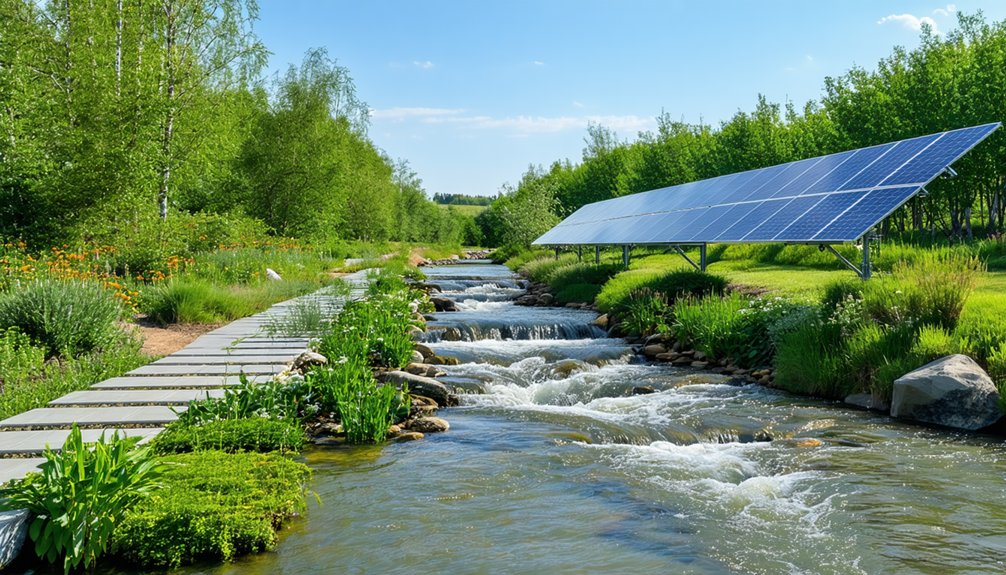
While the challenges of water pollution continue to escalate, implementing robust pollution prevention strategies remains paramount for safeguarding aquatic ecosystems.
Effective measures include reducing the use of harmful chemicals in agriculture and industry, promoting sustainable farming practices, and encouraging the use of eco-friendly products.
Establishing strict regulations for waste disposal and effluent discharge is crucial to minimize the entry of contaminants into water bodies.
Additionally, adopting green infrastructure, such as rain gardens and permeable pavements, can enhance water quality by filtering pollutants.
Regular monitoring of water sources for pollutants ensures early detection and prompt action.
Collaboration among government agencies, industries, and communities is crucial to developing comprehensive pollution prevention frameworks that safeguard water resources and foster a healthier environment for future generations.
Community Awareness and Education Programs
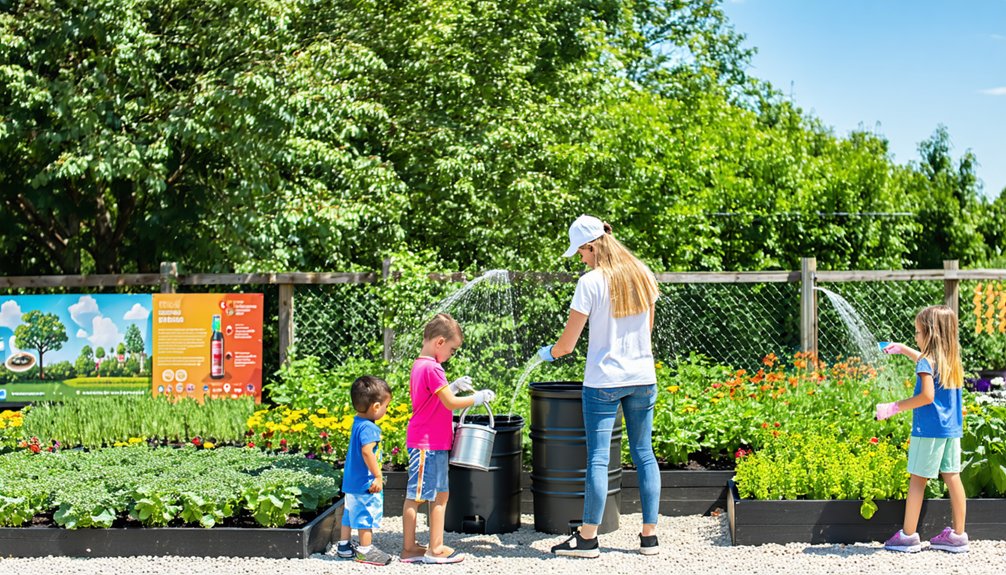
Community awareness and education programs play a vital role in fostering a culture of water conservation and sustainability. These initiatives empower individuals and communities to understand the significance of responsible water use.
Effective programs typically focus on:
- Workshops and Training: Offering hands-on sessions that teach efficient water management practices, such as rainwater harvesting and native landscaping.
- Public Campaigns: Utilizing media platforms to disseminate information about water conservation, highlighting the urgency of the issue, and encouraging community involvement.
- School Programs: Integrating water education into school curricula to instill conservation habits in future generations, ensuring long-term commitment to sustainable practices.
Policy and Regulatory Frameworks for Water Conservation
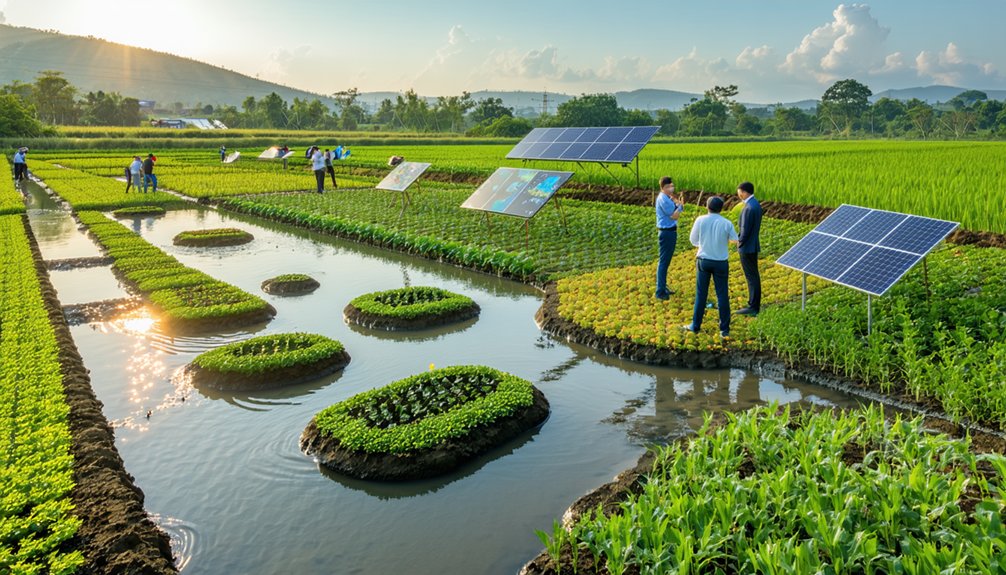
Effective policy and regulatory frameworks are essential for promoting water conservation and ensuring sustainable management.
By focusing on legislation development, engaging stakeholders collaboratively, and providing incentives for water efficiency, governments can create a robust system that encourages responsible water use.
This approach not only addresses current challenges but also prepares communities for future water scarcity issues.
Effective Legislation Development
As water scarcity becomes an increasingly pressing global issue, the development of robust policy and regulatory frameworks for water conservation emerges as a critical necessity.
Effective legislation can drive sustainable water management by establishing clear guidelines and responsibilities. Key elements of such frameworks include:
- Water Allocation: Implementing fair and efficient systems that prioritize equitable access to water resources.
- Conservation Incentives: Creating programs that encourage individuals and businesses to adopt water-saving technologies and practices, reducing overall consumption.
- Monitoring and Enforcement: Establishing mechanisms for tracking water use and ensuring compliance with regulations to prevent over-extraction and pollution.
Collaborative Stakeholder Engagement
Collaboration among diverse stakeholders plays a pivotal role in the success of water conservation policies. Effective engagement involves government agencies, NGOs, local communities, and private sector representatives working together to address water management challenges.
By fostering open dialogue, stakeholders can share knowledge, resources, and innovative solutions tailored to specific regional needs. This collaborative approach enhances transparency and builds trust, encouraging broader community support for conservation initiatives.
Additionally, stakeholder engagement facilitates the identification of common goals and priorities, aligning efforts towards sustainable water use. Establishing formal platforms for collaboration enables stakeholders to contribute to the development and implementation of regulatory frameworks, ensuring policies are practical, equitable, and reflective of the diverse interests involved in water conservation.
Incentives for Water Efficiency
Incentivizing water efficiency is crucial for promoting sustainable water management practices. Effective policy and regulatory frameworks can significantly enhance water conservation efforts.
Governments and organizations can implement various incentives to encourage efficient water usage, including:
- Financial Rebates: Providing monetary incentives for households and businesses that adopt water-saving technologies, such as low-flow fixtures or rainwater harvesting systems.
- Tax Credits: Offering tax reductions for investments in water-efficient infrastructure, making it more attractive for companies to upgrade their systems.
- Education Programs: Funding workshops and campaigns that raise awareness about water conservation techniques, thereby fostering a culture of sustainability within communities.
Conclusion
In conclusion, implementing effective water management practices is crucial for achieving a sustainable future. By adopting techniques such as rainwater harvesting, efficient irrigation, and greywater recycling, communities can optimize water use and minimize waste. Furthermore, integrating sustainable drainage systems and promoting pollution prevention strategies enhances both water quality and urban resilience. Ultimately, a collaborative approach that includes education and robust governance frameworks will ensure equitable access to water resources, benefiting both present and future generations.