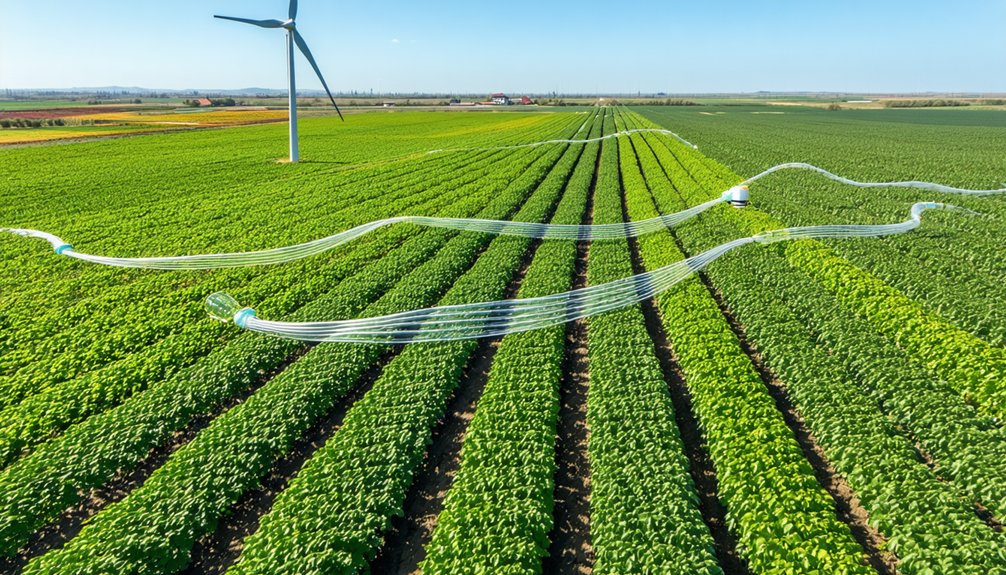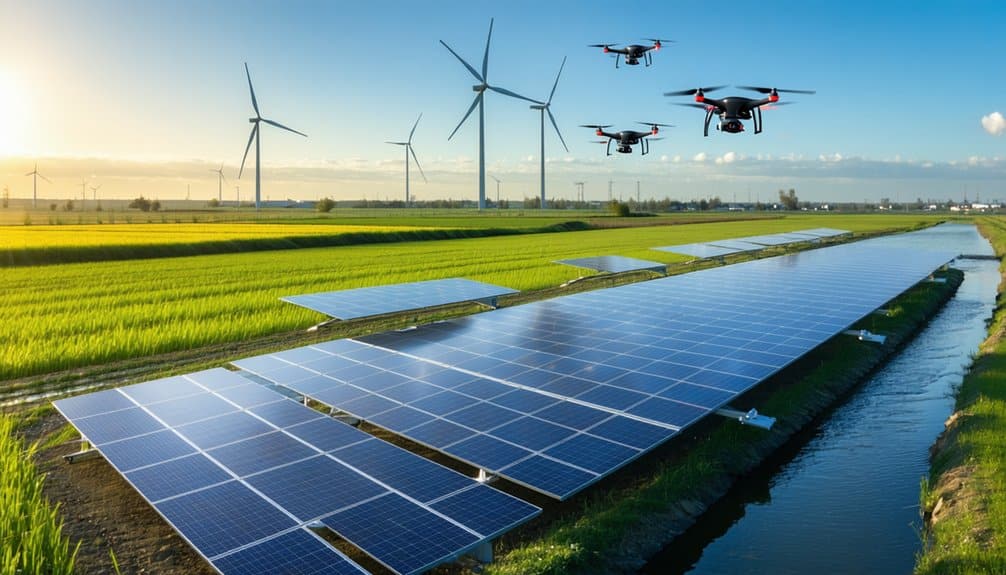

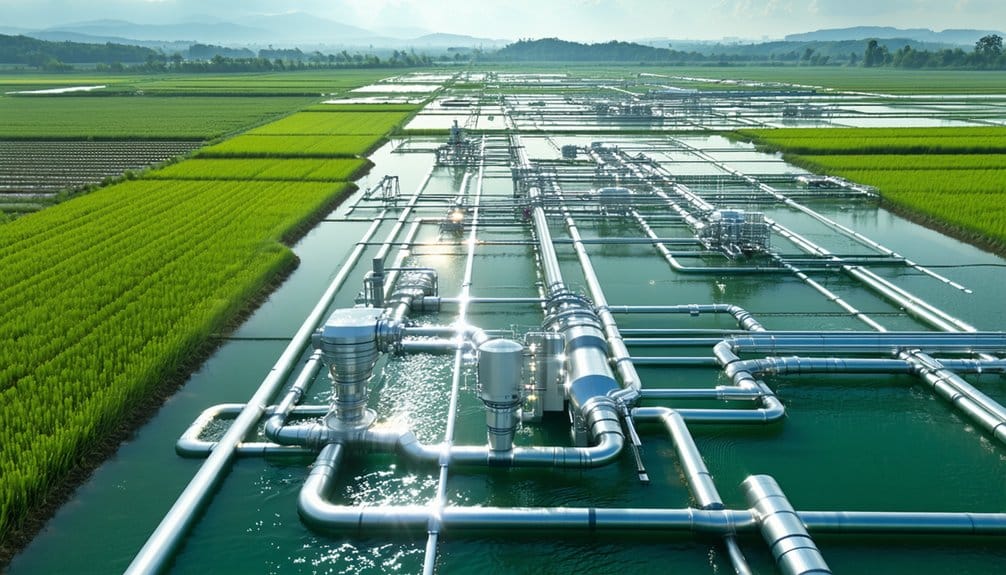
The landscape of water management is undergoing significant transformation through automation technology. Utilities are increasingly adopting advanced systems that enhance efficiency and optimize resource allocation. This shift promises to reduce operational costs while improving water quality monitoring. However, the implications of these changes extend beyond mere efficiency. As new technologies emerge, stakeholders must consider the broader impacts on sustainability and collaboration. What does this mean for the future of our water systems?
Key Takeaways
- Automation in water management enhances efficiency by streamlining processes and reducing reliance on manual labor for operations and maintenance.
- Real-time monitoring through smart sensors allows for quick leak detection and immediate response to inefficiencies, improving overall system performance.
- Data analytics and predictive maintenance capabilities help optimize resource allocation, lowering operational costs while ensuring uninterrupted service delivery.
- Continuous automated water quality monitoring ensures safe supply assurance, fostering public trust and enhancing compliance with health standards.
- Future trends indicate a shift towards AI and machine learning, enabling advanced predictive analytics for better water demand management and leak detection.
Enhancing Efficiency in Water Distribution
Enhancing efficiency in water distribution requires the integration of advanced technologies and smart management practices. By adopting smart water management strategies, utilities can optimize the flow and quality of water delivered to consumers.
This approach involves real-time monitoring of water systems, which enables quick detection of leaks and inefficiencies. Furthermore, utilizing data analytics allows for better forecasting of demand and resource allocation, ensuring that water distribution networks operate at peak performance.
Implementing IoT devices facilitates communication between various components of the water supply system, leading to improved coordination and enhanced responsiveness.
Reducing Operational Costs Through Automation
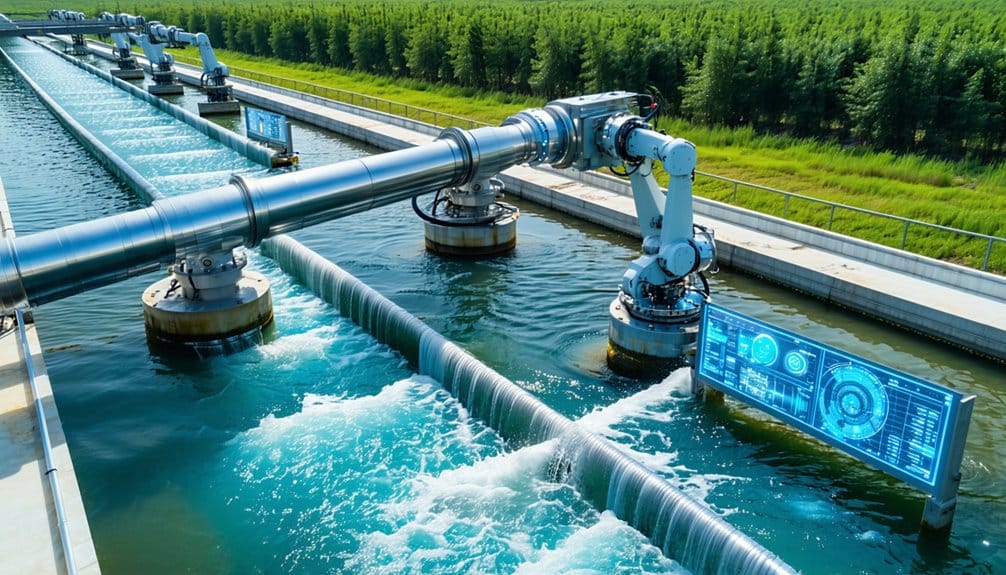
Automation significantly reduces operational costs in water management by streamlining processes and minimizing human intervention.
Automated water systems enable municipalities and private organizations to optimize resource allocation, reducing the need for manual labor and associated expenses. These systems facilitate real-time monitoring and control, leading to efficient water usage and reduced waste.
Furthermore, predictive maintenance capabilities allow for timely repairs, preventing costly downtime and extending the lifespan of infrastructure.
By leveraging data analytics, automated water systems can identify inefficiencies, helping organizations make informed decisions that lower operational costs.
Improving Water Quality Monitoring and Management
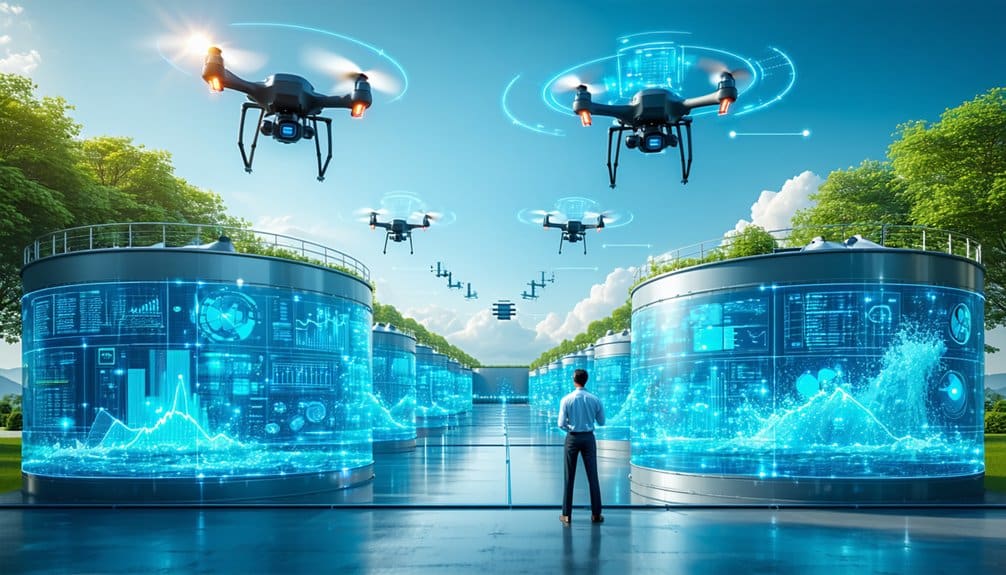
Implementing advanced technologies in water quality monitoring and management revolutionizes how organizations ensure safe and clean water supply. Automation tools streamline the collection and analysis of water quality data, allowing for timely interventions and improved decision-making in water management. By utilizing sophisticated algorithms, organizations can identify contaminants and assess water quality with unprecedented accuracy.
| Technology | Benefits |
|---|---|
| Remote Sensing | Continuous monitoring |
| Data Analytics | Predictive maintenance |
| Automated Testing | Reduced human error |
| Cloud Computing | Centralized data access |
The integration of these technologies not only enhances the effectiveness of water management but also fosters public trust in water safety initiatives, ultimately leading to healthier communities.
Integrating Smart Sensors for Real-Time Data
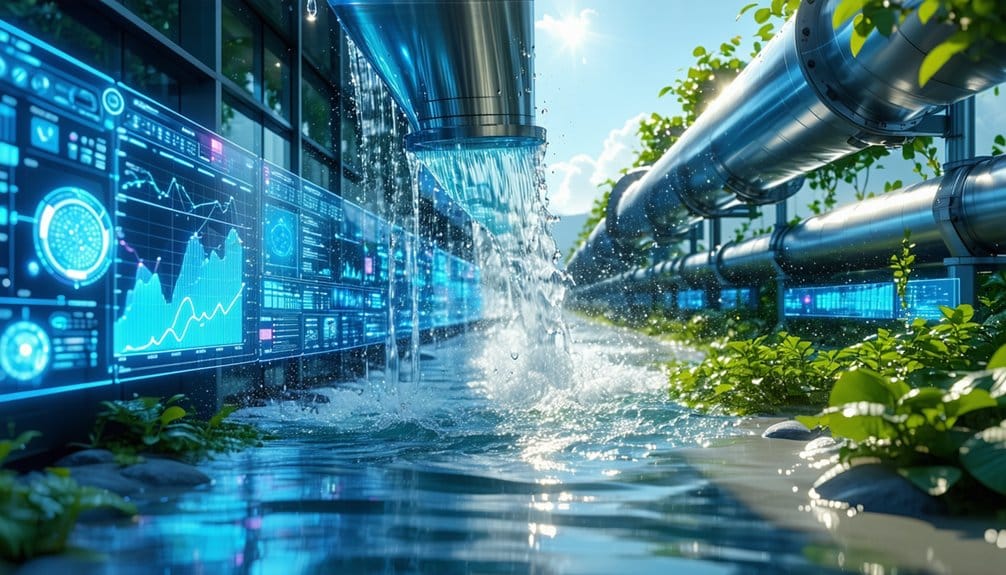
As water management increasingly relies on accurate and timely information, integrating smart sensors for real-time data has become essential.
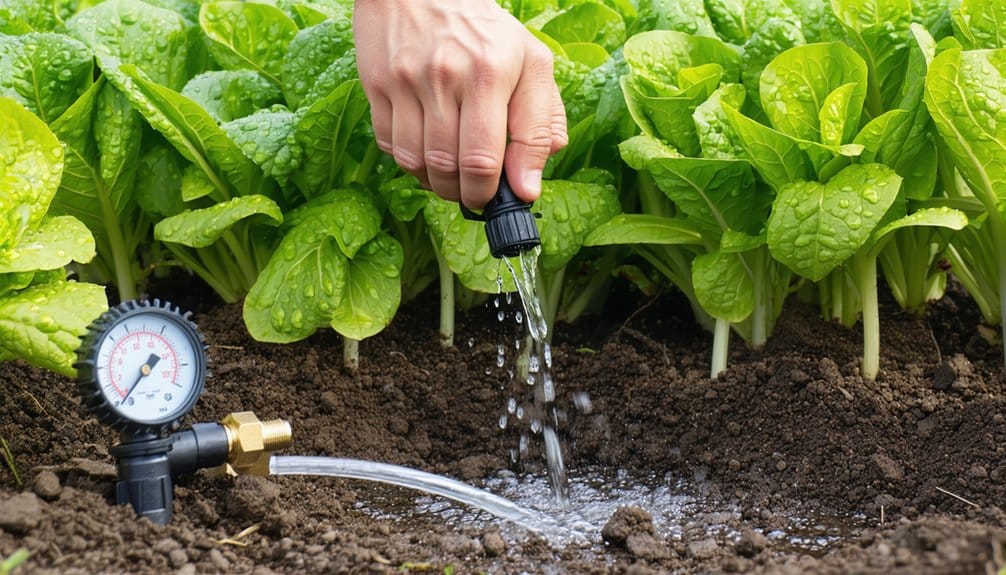
These sensors leverage automation technology to monitor various parameters, including flow rates, pressure levels, and water quality metrics. By providing continuous feedback, they enable operators to make informed decisions and respond promptly to any issues that arise.
The data collected by these sensors can be analyzed to identify trends, optimize resource allocation, and enhance system efficiency.
Furthermore, smart sensors facilitate remote monitoring, reducing the need for manual inspections and minimizing human error.
Future Trends in Automated Water Management Systems
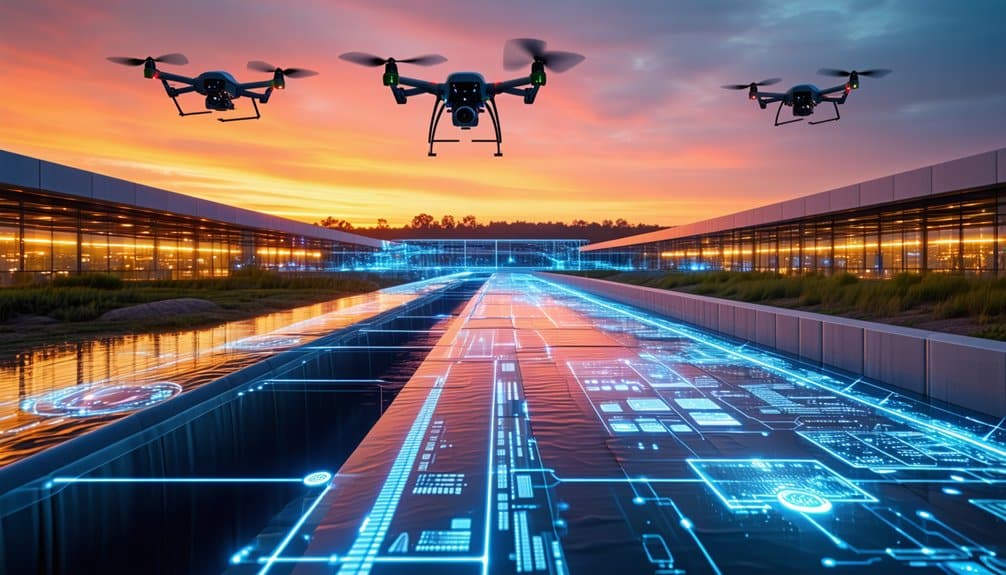
The integration of smart sensors has paved the way for innovative developments in automated water management systems.
Future trends indicate a significant shift towards the use of artificial intelligence and machine learning to enhance predictive analytics. These technologies will enable systems to anticipate water demand and detect leaks more efficiently.
Additionally, the adoption of blockchain technology is expected to improve transparency and security in water resource transactions.
The future of water management will also see increased collaboration among municipalities, industries, and technology providers to create integrated platforms that optimize resource use.
As climate change continues to impact water availability, automated systems will play a crucial role in conserving resources and ensuring sustainable management practices across various sectors.
Conclusion
In conclusion, the integration of automation technology in water management stands to transform the industry by enhancing efficiency, reducing costs, and improving water quality monitoring. The deployment of smart sensors and real-time data analytics empowers utilities to optimize operations and ensure a reliable water supply. As advancements in artificial intelligence and machine learning continue, the future promises increased sustainability and collaboration among stakeholders, ultimately leading to more resilient and effective water management systems.