
Inline irrigation pumps serve critical functions in various sectors, particularly in agriculture and landscaping. These pumps improve water distribution efficiency, ensuring that crops receive the necessary moisture while reducing waste. They are also beneficial for residential gardens and in greenhouses, helping maintain optimal growth conditions. However, their applications extend beyond these areas. Exploring their role in flood management and hydroponics reveals further advantages that could transform water management practices.
Key Takeaways
- Inline irrigation pumps enhance water distribution efficiency in agricultural fields, ensuring optimal moisture levels for crop growth and reducing waste.
- In residential areas, these pumps facilitate uniform watering in gardens and lawns, helping homeowners conserve water and lower utility bills.
- For greenhouse operations, inline pumps provide reliable water delivery and consistent pressure, promoting uniform moisture distribution for enhanced plant productivity.
- Inline pumps play a crucial role in flood irrigation management by controlling water distribution, minimizing waste, and synchronizing irrigation with crop needs.
- In hydroponic systems, these pumps ensure efficient nutrient solution circulation and optimal pressure, reducing the risk of over-saturation and promoting healthy plant growth.
Efficient Water Distribution in Agriculture
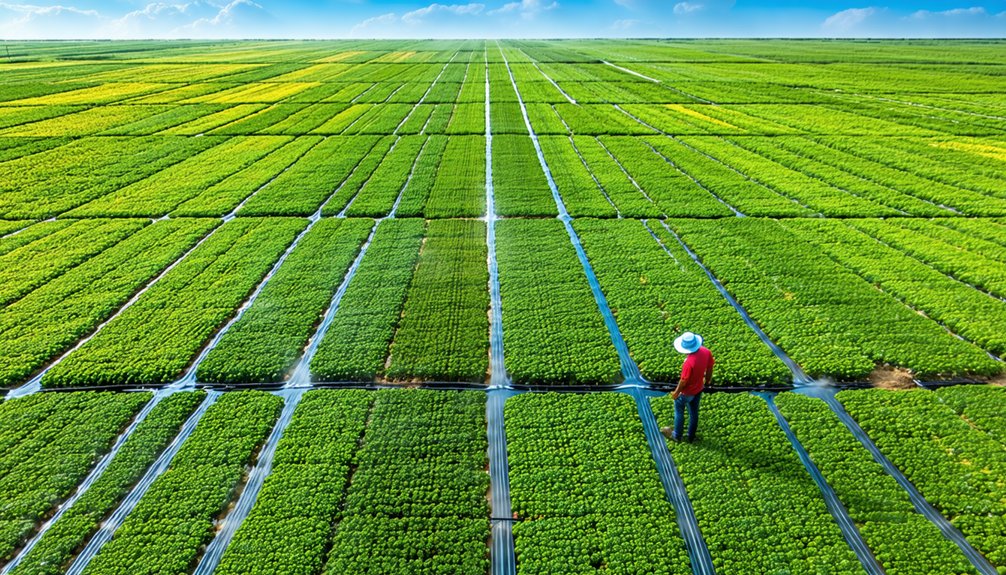
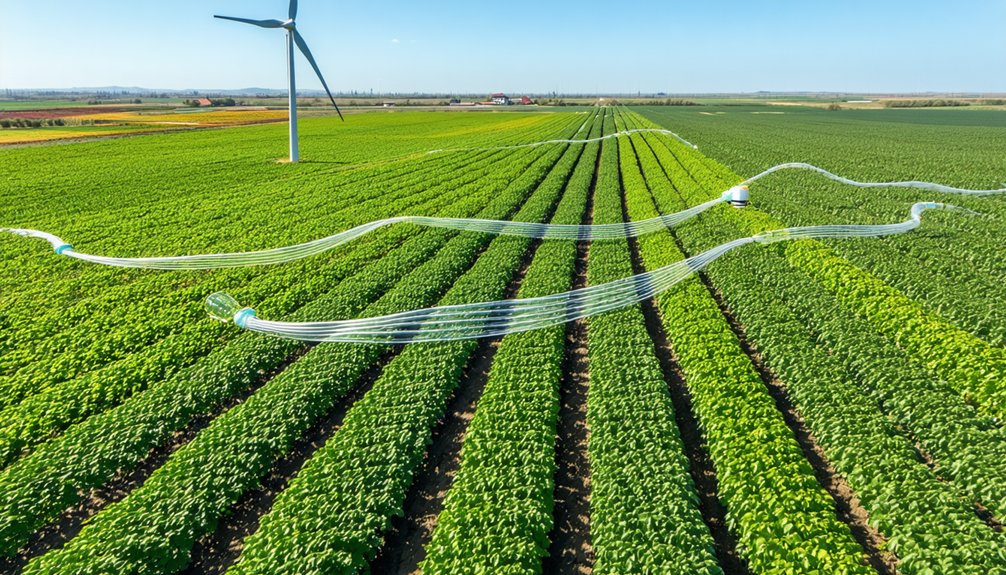
As agricultural demands increase, efficient water distribution becomes essential for optimizing crop yields. Inline irrigation pumps have emerged as a vital solution to address this need.
These pumps facilitate precise water delivery directly to the root zones of crops, minimizing wastage and ensuring that plants receive adequate moisture levels. By integrating inline irrigation pumps into existing systems, farmers can achieve consistent water flow, which is crucial during critical growth periods.
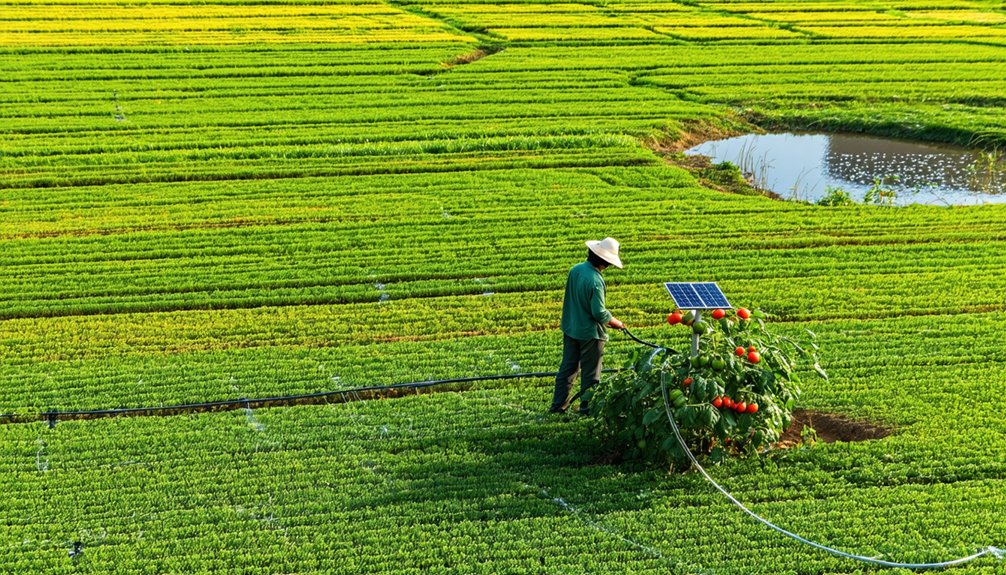
Additionally, these pumps enhance the overall efficiency of irrigation systems, reducing energy consumption and operational costs. As a result, inline irrigation pumps not only support sustainable farming practices but also contribute to higher productivity and profitability in agriculture, making them an indispensable tool in modern farming techniques.
Landscape Irrigation for Residential Areas
Inline irrigation pumps are not only beneficial for agricultural applications but also play a significant role in landscape irrigation for residential areas.
These pumps provide numerous irrigation pump benefits, enhancing the efficiency of water usage in gardens and lawns. They facilitate uniform water distribution, ensuring that every plant receives adequate moisture, which is crucial for maintaining vibrant landscapes.
Homeowners can enjoy reduced water waste, leading to lower utility bills and a more sustainable approach to gardening.
Furthermore, inline irrigation pumps can be easily integrated into existing systems, allowing for automation and improved management of watering schedules.
This technology empowers residents to maintain lush, healthy landscapes while conserving resources, making it an essential tool for modern residential irrigation.
Enhancing Greenhouse Watering Systems
Enhancing greenhouse watering systems can significantly improve plant health and yield. The integration of inline irrigation pumps provides a reliable and efficient method for delivering water directly to plants.
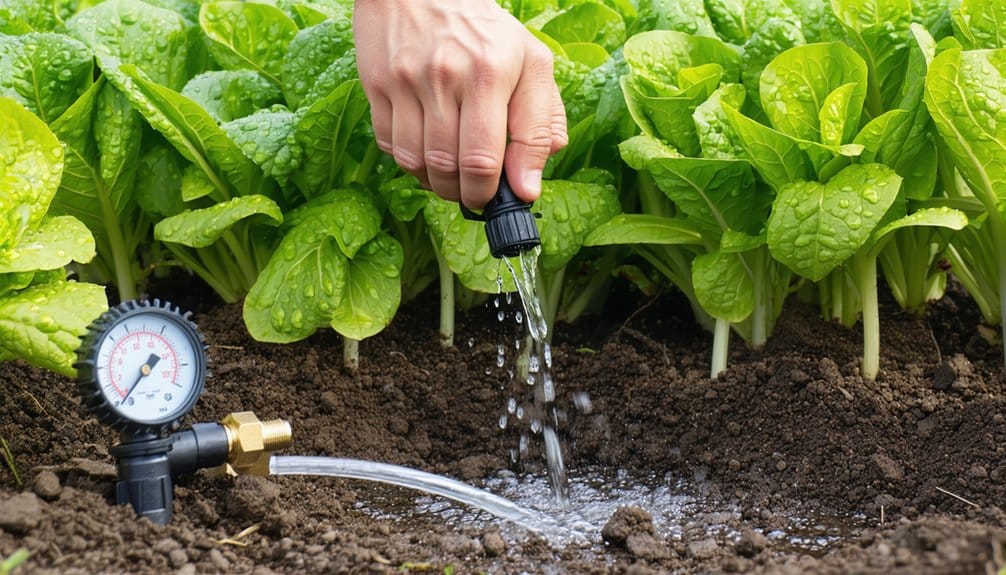
Proper irrigation pump installation ensures consistent water pressure, which is crucial for uniform moisture distribution. This technology not only optimizes water usage but also minimizes wastage, thereby conserving resources.
Furthermore, automated systems can be developed to monitor moisture levels, allowing for precise adjustments in watering schedules. By implementing these advancements, greenhouse operators can create an ideal environment for plant growth, ultimately leading to increased productivity.
Flood Irrigation Management
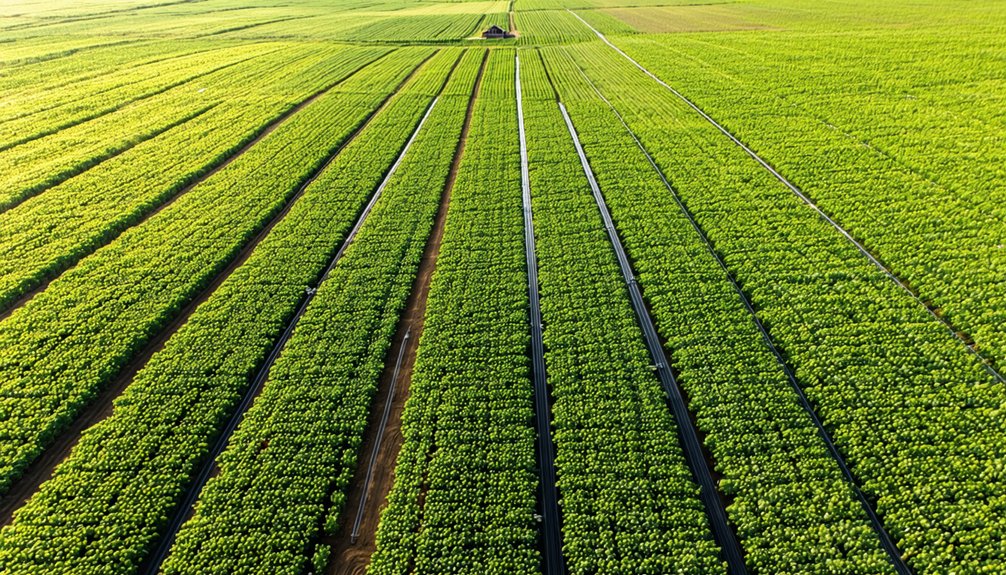
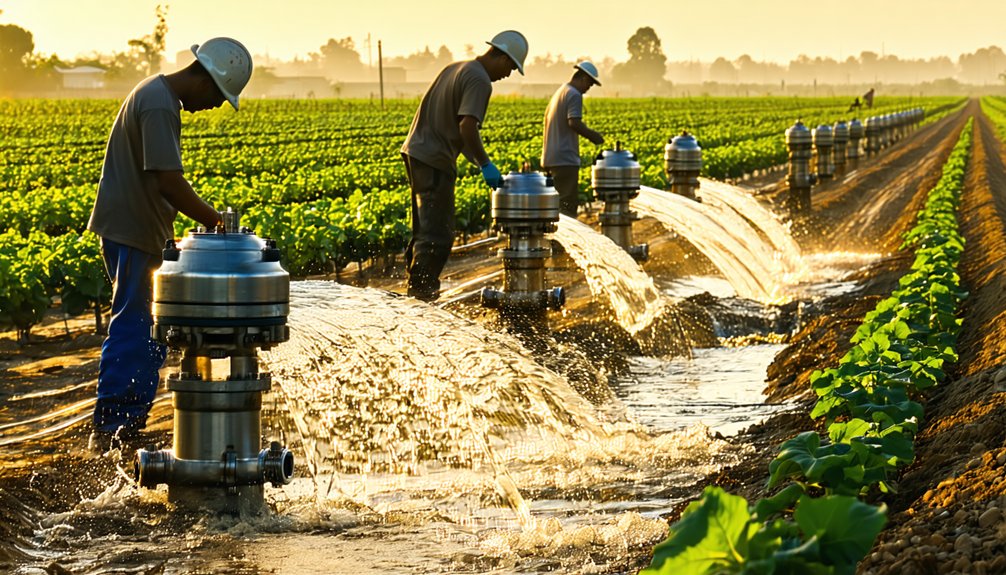
Flood irrigation management plays a crucial role in optimizing water usage for agricultural practices. By effectively controlling the distribution of water across fields, farmers can enhance crop yield while minimizing waste.
The integration of irrigation pump usage within this management strategy allows for precise water delivery, ensuring that fields receive the necessary hydration without over-saturation. Proper timing and monitoring of pump operation can further enhance efficiency, reducing energy costs and water loss.
Additionally, implementing advanced techniques such as scheduled irrigation can help synchronize water application with crop needs. Overall, effective flood irrigation management, supported by strategic irrigation pump usage, is vital for sustainable agricultural practices and resource conservation.
Supporting Hydroponic Systems
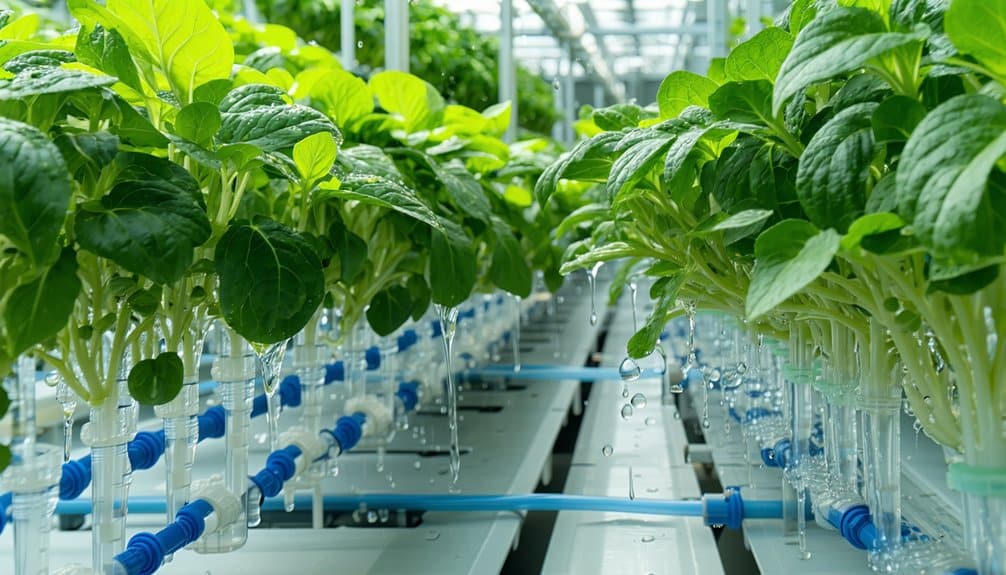
Hydroponic systems rely heavily on efficient water management and nutrient delivery, making the role of irrigation pumps essential in their operation.
Choosing inline pumps for hydroponics offers several advantages, including space-saving design and ease of integration into existing systems. These pumps efficiently circulate nutrient solutions, ensuring that plants receive the required hydration and nutrients consistently.
Inline pumps can maintain optimal pressure, reducing the risk of over-saturation and root rot. Furthermore, their ability to operate quietly contributes to a more serene growing environment.
By selecting the appropriate inline pump, growers can enhance the overall productivity of their hydroponic systems, leading to healthier plants and improved yields.
Ultimately, choosing inline pumps is a critical decision for successful hydroponic cultivation.
Conclusion
In conclusion, inline irrigation pumps serve as essential tools across diverse applications, significantly improving water management in agriculture, residential landscaping, and greenhouse environments. Their ability to facilitate efficient water distribution and maintain consistent pressure not only enhances crop yield and plant health but also promotes sustainable practices. By effectively managing flood irrigation and supporting hydroponic systems, these pumps play a vital role in optimizing water use, ultimately contributing to more sustainable and productive agricultural and gardening efforts.