
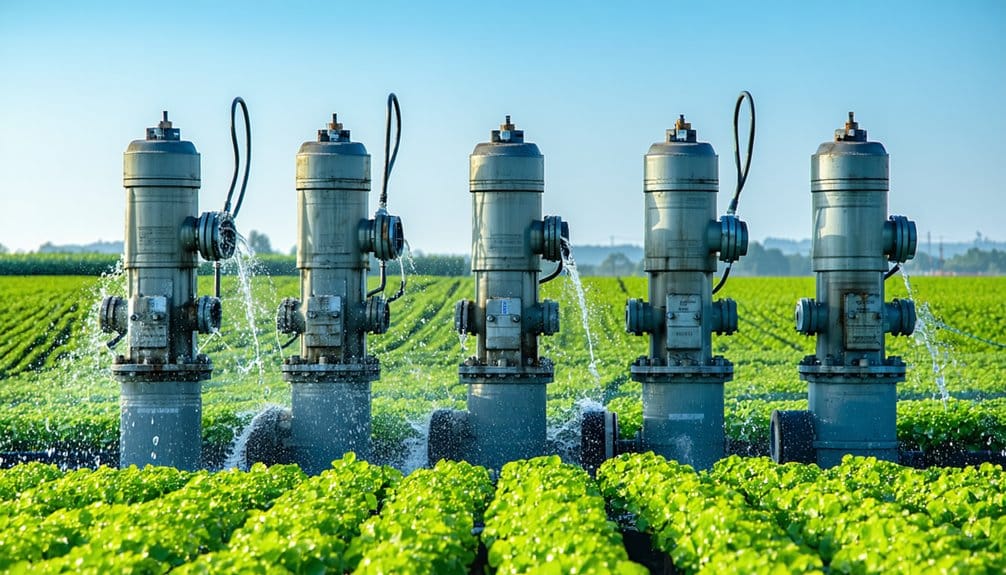
High-efficiency water pumps are essential for modern irrigation systems. They not only enhance agricultural productivity but also contribute to sustainable water management. Various options are available, each designed to optimize performance and energy savings. Understanding the key features and benefits of these pumps can significantly impact irrigation practices. The following sections will explore the top choices on the market and what sets them apart.
Key Takeaways
- Brand A offers a flow rate of 50 GPM with an efficiency rating of 90%, ideal for optimizing water usage in irrigation.
- Brand B features a flow rate of 75 GPM and an efficiency rating of 85%, providing reliable performance for various irrigation needs.
- Brand C delivers a flow rate of 100 GPM and boasts a 92% efficiency rating, maximizing energy use and reducing operational costs.
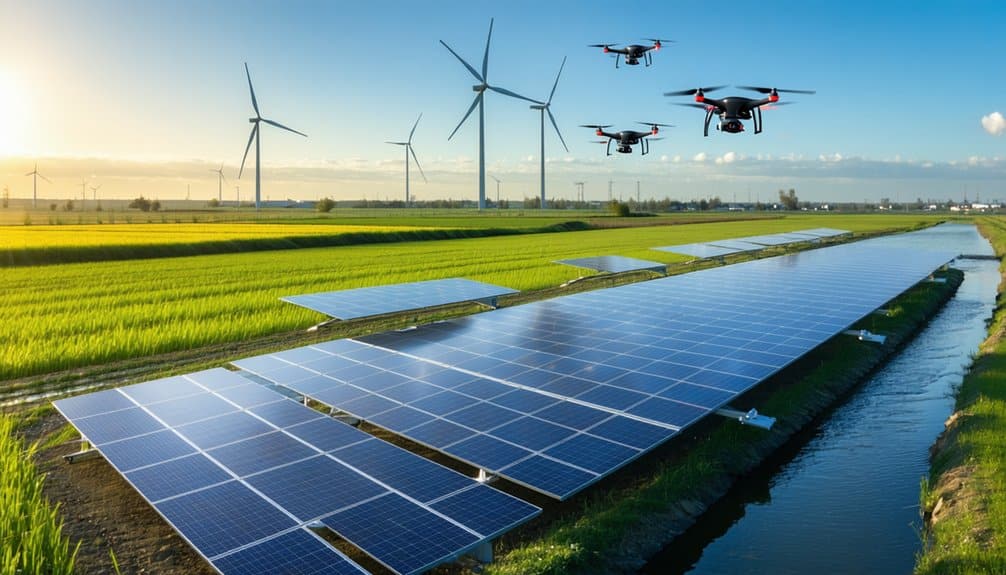
- Consider solar-powered pumps for sustainable irrigation solutions that leverage renewable energy sources and minimize environmental impact.
- Look for variable speed pumps that adjust flow rates based on demand, ensuring optimal energy use and tailored irrigation management.
Benefits of High-Efficiency Water Pumps
Although traditional water pumps have served their purpose in irrigation, high-efficiency water pumps offer significant advantages that enhance agricultural productivity and resource management.
These advanced pumps are designed to maximize energy use, resulting in lower operational costs and reduced environmental impact. By delivering water more effectively, high-efficiency water pumps contribute to efficient irrigation practices, ensuring that crops receive optimal moisture levels without wastage.
This efficiency not only promotes healthier plant growth but also conserves valuable water resources, crucial in areas facing scarcity. Farmers utilizing high-efficiency water pumps can experience increased yields and improved soil conditions, fostering sustainable agricultural practices.
Ultimately, these pumps represent a pivotal shift towards more responsible and effective water management in modern farming.
Types of High-Efficiency Water Pumps
High-efficiency water pumps come in various types, each designed to meet specific irrigation needs and improve water management.
Centrifugal pumps are among the most common, utilizing rotational energy to move water effectively.
Submersible pumps, which are fully submerged in water, offer efficient operation at various depths.
Positive displacement pumps, known for their ability to maintain a consistent flow rate, are ideal for applications requiring precise water delivery.
Solar-powered water pumps leverage renewable energy, enhancing sustainability while providing efficient irrigation.
Additionally, variable speed pumps adjust their operation based on demand, optimizing energy use.
Each type of high-efficiency water pump plays a crucial role in maximizing water use efficiency, ensuring that agricultural practices align with sustainable resource management.
Top 5 High-Efficiency Water Pumps for Irrigation
Selecting the right water pump can significantly enhance irrigation efficiency, with numerous options available on the market.
Key Features to Look for in Water Pumps
When considering water pumps for irrigation, it is crucial to recognize the key features that contribute to their overall effectiveness and efficiency.
First, look for high energy efficiency ratings, as these can significantly reduce operational costs. Additionally, consider the pump’s flow rate and pressure capabilities, ensuring they meet the specific requirements of the irrigation system.
Durability is another essential feature, with materials that resist corrosion and wear extending the pump’s lifespan. Moreover, ease of installation and maintenance can impact long-term usability.
Variable speed options offer flexibility in operation, adapting to changing water needs. Finally, reliable customer support and warranty options can provide peace of mind, ensuring that any issues can be promptly addressed.
Maintenance Tips for Optimal Pump Performance
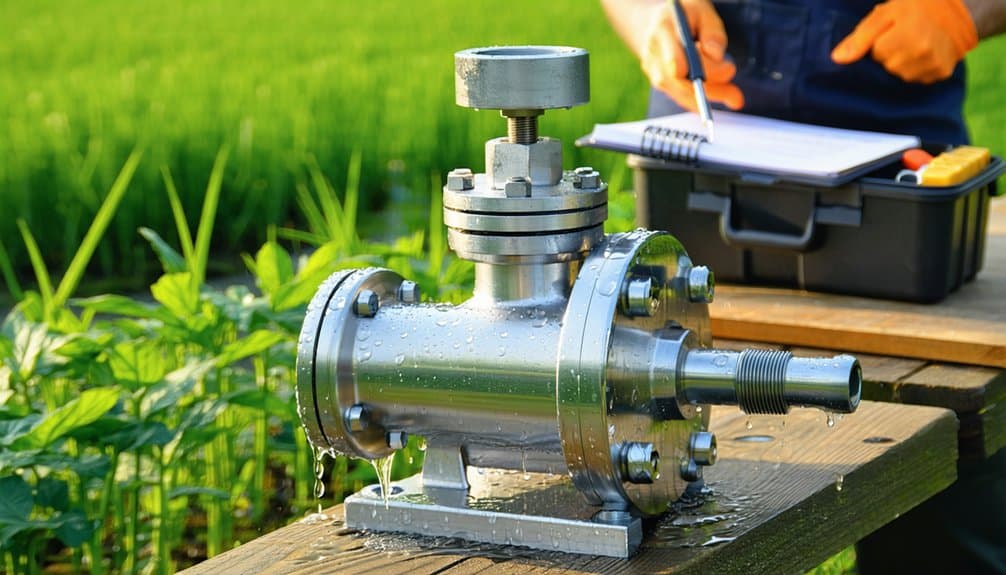
Ensuring optimal pump performance requires regular maintenance practices that can significantly extend the lifespan of water pumps.
Routine inspections of the entire irrigation system are essential, as they help identify potential issues before they escalate. Checking electrical connections and ensuring they are secure can prevent unnecessary downtime.
Additionally, cleaning filters and removing debris from intake screens will enhance water flow efficiency. Regular lubrication of moving parts minimizes wear and tear, boosting pump efficiency.
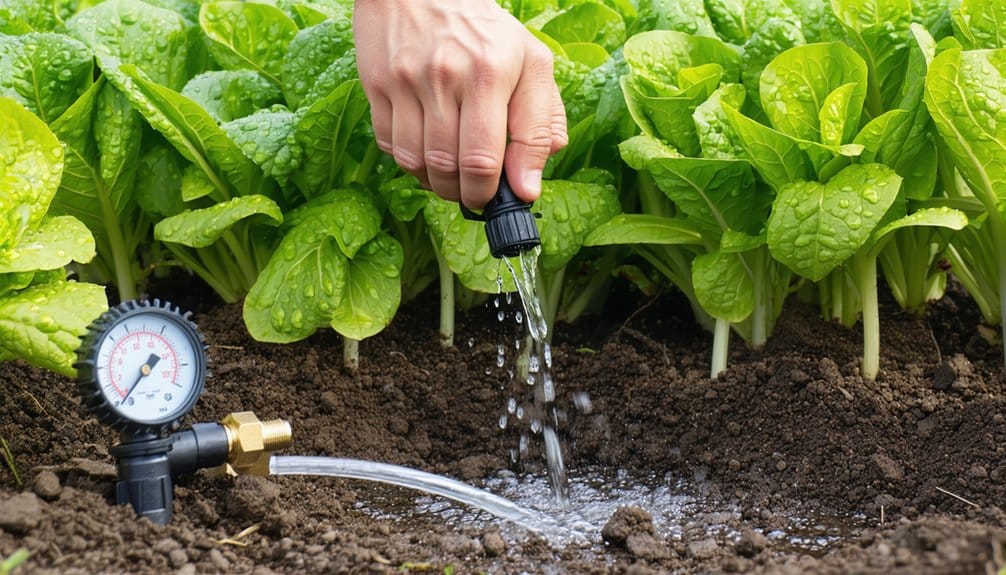
Monitoring pressure levels is also crucial, as inconsistent readings can indicate underlying problems.
Lastly, following the manufacturer’s maintenance schedule will ensure that pumps operate effectively, thereby improving overall irrigation system performance and reducing long-term operational costs.
Conclusion
In conclusion, high-efficiency water pumps play a crucial role in optimizing irrigation practices, enhancing agricultural productivity while promoting sustainability. Brands A, B, and C offer impressive flow rates and efficiency ratings, catering to diverse irrigation needs. By selecting the right pump and adhering to maintenance tips, users can ensure optimal performance and significant energy savings. Investing in these innovative solutions not only benefits individual operations but also contributes to responsible water management in agriculture.