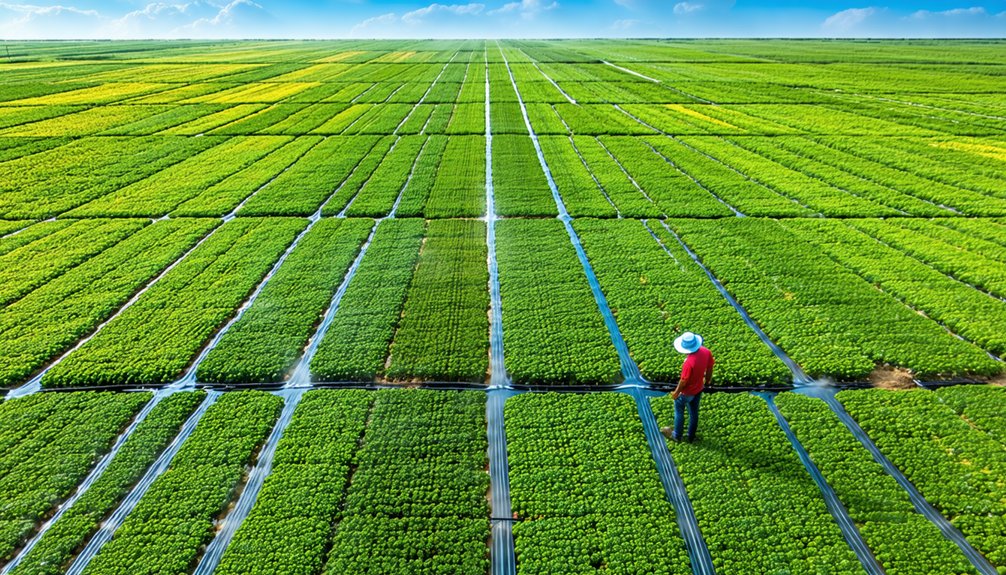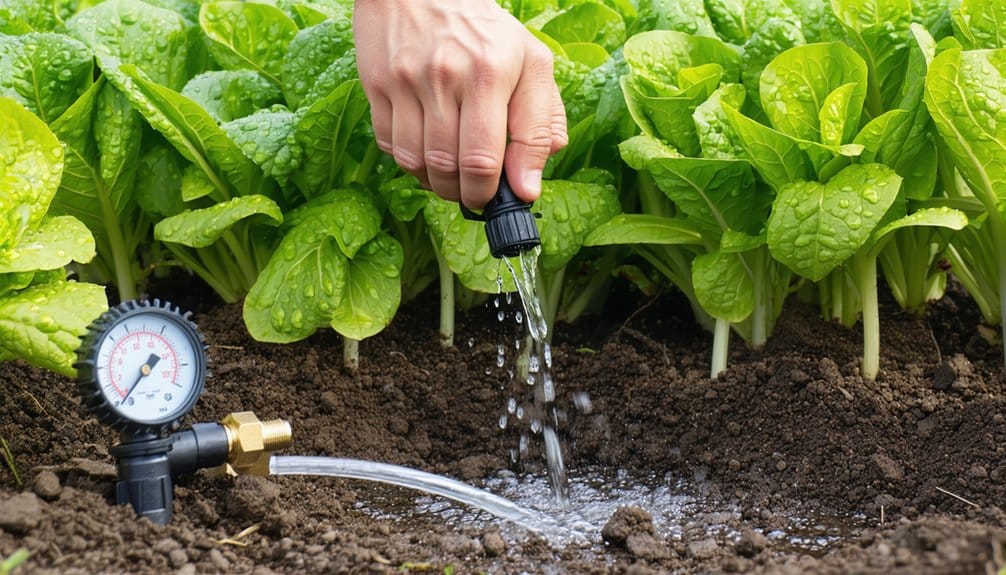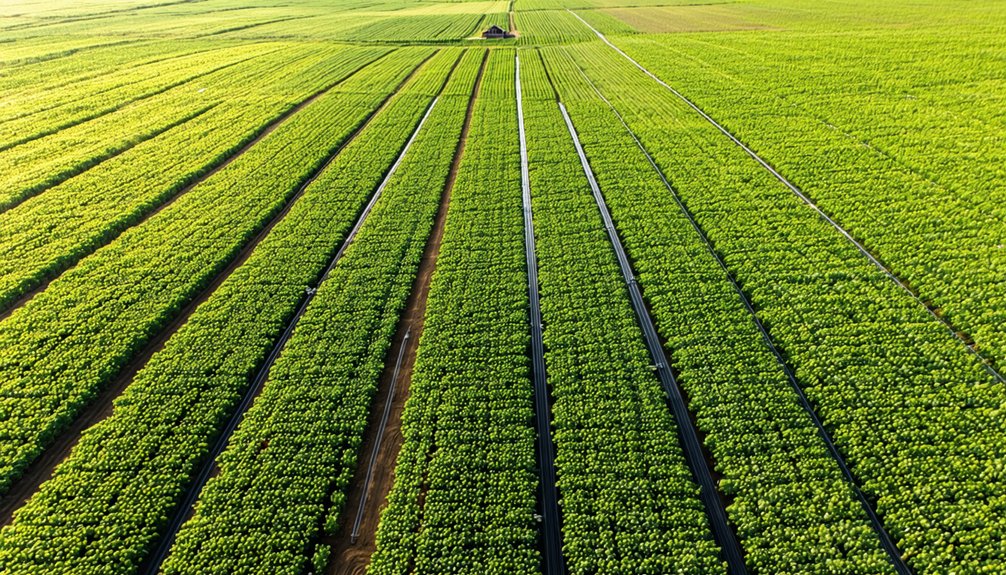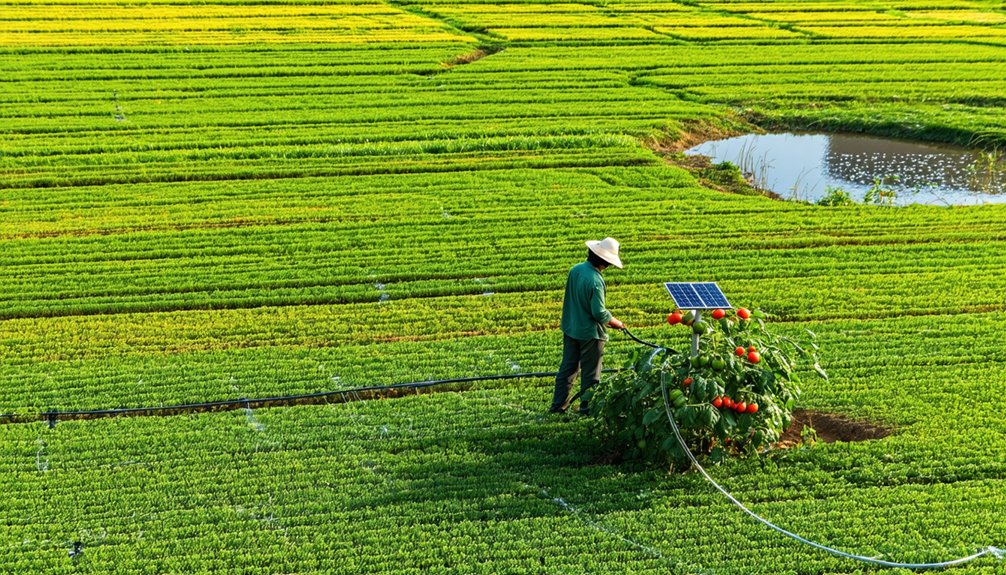
Selecting the right submersible irrigation pump requires careful evaluation of several key factors. Each consideration can significantly impact the pump’s performance and the efficiency of the irrigation system. From assessing the pump size and capacity to understanding energy efficiency, these elements play a crucial role. As one navigates through these critical considerations, it becomes apparent that overlooking any detail may lead to costly mistakes. What are the specific criteria that should guide this important decision?
Key Takeaways
- Ensure the pump’s flow rate and pressure match your irrigation system’s requirements for optimal water delivery and plant growth.
- Choose a power source that aligns with your operational needs, considering the efficiency of electric versus gas-powered pumps.
- Select durable materials like stainless steel for corrosion resistance to prolong pump life and reduce maintenance costs.
- Regularly perform maintenance checks to prevent wear and tear, ensuring the pump operates efficiently over time.
- Assess costs, including initial purchase, installation, and long-term energy expenses, to create a comprehensive budget for pump operation.
Pump Size and Capacity
Selecting the appropriate pump size and capacity is crucial for effective submersible irrigation. A submersible irrigation pump must match the specific requirements of the irrigation system to ensure optimal performance.
Key irrigation pump features to consider include flow rate, head height, and the area to be irrigated. The flow rate determines how much water can be delivered in a given time, while head height refers to the vertical distance the water must be lifted.
When buying an irrigation pump, it’s essential to evaluate the compatibility of the pump with the system’s existing infrastructure, ensuring it can handle the required workload without overexertion. Proper sizing prevents pump burnout and maximizes efficiency, leading to a successful irrigation setup.
Power Source and Energy Efficiency
When selecting a submersible irrigation pump, the choice between electric and gas power sources significantly influences both operational efficiency and energy consumption.
Electric pumps often offer lower energy costs and reduced emissions, while gas-powered options may provide flexibility in remote areas.
Understanding the impact of each power source on energy efficiency is crucial for optimizing irrigation performance.
Electric vs. Gas Options
Two primary power sources are available for submersible irrigation pumps: electric and gas options.
Electric submersible pumps are often favored for their efficiency and ease of use, offering numerous submersible pump benefits such as lower operational costs and minimal maintenance requirements.
On the other hand, gas-powered pumps can provide greater mobility and are suitable for remote locations where electricity is unavailable.
However, maintaining a submersible pump of gas variety can be more complex due to fuel management and engine upkeep.
This distinction in power sources influences not only the efficiency of the irrigation system but also the long-term sustainability and maintenance practices associated with the pumps.
Choosing the right option is critical for ensuring optimal performance and cost-effectiveness.
Energy Consumption Impact
How does the choice of power source influence energy consumption in submersible irrigation pumps?
The power source significantly impacts energy efficiency and operational costs. Electric pumps generally offer higher efficiency rates compared to gas-powered options, translating to lower energy consumption during operation.
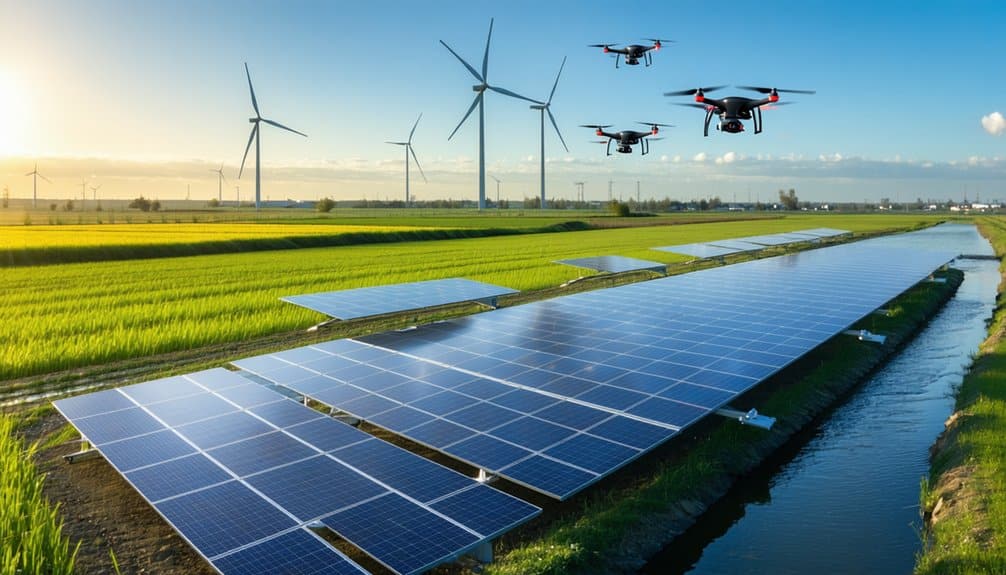
Additionally, the availability of renewable energy sources, such as solar power, can further reduce operational expenses while minimizing environmental impacts. However, the initial investment for electric systems may be higher, necessitating a cost-benefit analysis over the pump’s lifespan.
Furthermore, energy-efficient designs, such as variable frequency drives, can optimize performance, reducing energy wastage.
Ultimately, selecting the appropriate power source and ensuring energy-efficient technologies are crucial for maximizing efficiency and minimizing the environmental footprint of submersible irrigation pumps.
Material Durability and Corrosion Resistance
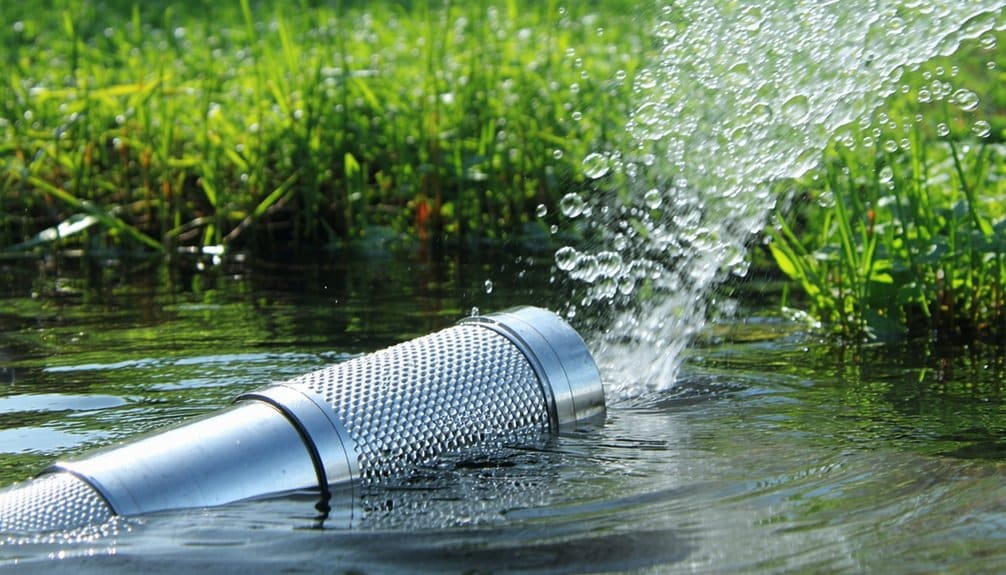
The durability of submersible irrigation pumps largely depends on the materials used in their construction.
Different materials offer varying levels of corrosion resistance, which is critical for maintaining pump efficiency and lifespan.
Understanding corrosion resistance standards and the importance of regular maintenance can significantly enhance the longevity of these pumps.
Pump Material Types
Selecting the appropriate material for submersible irrigation pumps is crucial for ensuring longevity and optimal performance. Common materials include stainless steel, cast iron, and thermoplastics, each with unique characteristics.
Stainless steel offers excellent corrosion resistance and strength, making it suitable for harsh environments. Cast iron is durable and provides good weight stability but may be prone to rusting if not properly coated.
Thermoplastics, such as polyethylene and polypropylene, are lightweight and resistant to various chemicals, though they may not withstand high temperatures as effectively.
The choice of material directly impacts the pump’s ability to operate efficiently over time, making careful consideration essential for irrigation applications.
Ultimately, the right material selection enhances durability and reduces maintenance costs.
Corrosion Resistance Standards
While evaluating submersible irrigation pumps, understanding corrosion resistance standards is essential for ensuring material durability.
These standards dictate the minimum requirements for materials exposed to corrosive environments, particularly in agricultural applications where water quality can vary significantly. Common materials, such as stainless steel, are often rated according to their resistance to specific corrosive agents, including salts and chemicals found in water.
The American Society for Testing and Materials (ASTM) provides guidelines for testing and classifying corrosion resistance, allowing manufacturers to select appropriate materials for pump components.
Adhering to these standards helps mitigate risks associated with premature pump failure due to corrosion, ensuring that the pump operates efficiently over its intended lifespan. Proper material selection is crucial for long-term performance and reliability.
Maintenance for Longevity
To ensure the longevity of submersible irrigation pumps, regular maintenance is essential, particularly in regard to material durability and corrosion resistance. Operators should routinely inspect pump components for signs of wear, such as cracks or corrosion, which can compromise performance and lifespan.
Using high-quality materials, like stainless steel or specialized coatings, can enhance corrosion resistance, particularly in harsh environments. Additionally, regular cleaning of the pump and its surroundings prevents debris accumulation, which can lead to overheating or blockages.
Monitoring operating conditions, such as temperature and fluid chemistry, is also crucial, as extreme conditions can accelerate material degradation. By implementing a proactive maintenance strategy, operators can significantly extend the service life of submersible irrigation pumps, ensuring efficient and reliable operation over time.
Flow Rate and Pressure Requirements
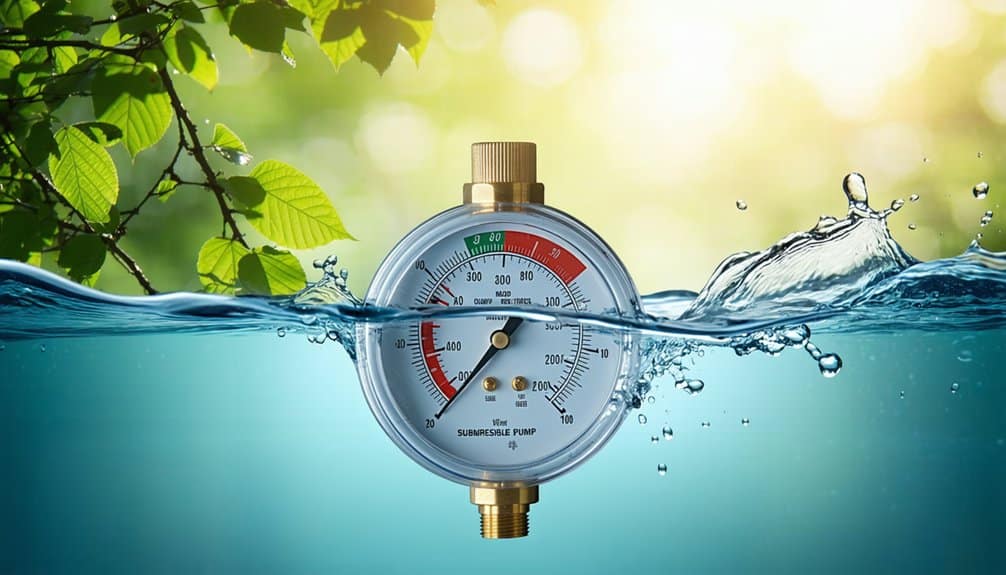
Flow rate and pressure are critical factors in determining the effectiveness of a submersible irrigation pump.
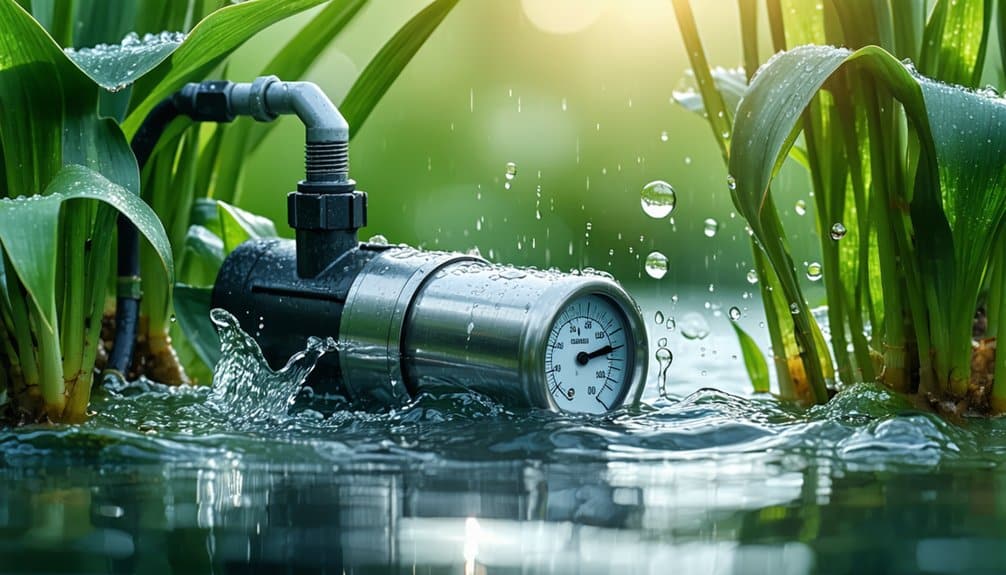
The flow rate, measured in gallons per minute (GPM) or liters per second (L/s), indicates the volume of water the pump can deliver. It is essential for matching the pump’s capacity with the irrigation system’s requirements.
Additionally, pressure, often measured in pounds per square inch (PSI) or bar, influences the pump’s ability to deliver water to various heights and distances. An adequate pressure ensures water reaches all areas of the irrigated land efficiently.
Evaluating both flow rate and pressure helps in selecting a pump that meets specific agricultural needs, ultimately promoting optimal plant growth and water conservation in irrigation practices.
Installation and Maintenance Considerations
Proper installation and maintenance of submersible irrigation pumps are vital for ensuring long-term performance and efficiency.
The installation process should include selecting an appropriate site, ensuring adequate power supply, and correctly positioning the pump within the water source. Additionally, proper sealing and straining mechanisms must be implemented to prevent debris from entering the pump.
Routine maintenance is essential; it includes checking for wear and tear, inspecting electrical connections, and cleaning filters regularly. Assessing oil levels and replacing seals as necessary can also enhance the pump’s lifespan.
Ultimately, systematic maintenance schedules and adherence to manufacturer guidelines play a crucial role in optimizing pump functionality and minimizing the risk of operational failures.
Noise Levels and Operational Disruption
Excessive noise levels from submersible irrigation pumps can significantly disrupt both the surrounding environment and the operational efficiency of agricultural practices. High noise output can lead to various issues that affect both workers and wildlife.
It is crucial to consider the following factors regarding noise levels:
- Worker Safety: Prolonged exposure to loud noises may result in hearing loss or decreased productivity among farmworkers.
- Wildlife Disruption: Elevated noise can disturb local fauna, particularly during critical breeding and feeding periods, leading to potential ecological imbalances.
- Regulatory Compliance: Many regions have noise ordinances; failure to adhere can result in fines or mandated operational restrictions.
Addressing noise concerns will enhance overall operational efficiency and promote a more harmonious agricultural environment.
Compatibility With Irrigation Systems
The effectiveness of submersible irrigation pumps is closely linked to their compatibility with existing irrigation systems. A proper match ensures optimal performance, efficiency, and longevity of both the pump and the irrigation infrastructure.
Factors such as flow rate, pressure requirements, and pipe diameter must be evaluated to ensure seamless integration. Additionally, the pump’s materials and design should align with the specific requirements of the irrigation system, including compatibility with water sources and potential contaminants.
It’s crucial to assess the pump’s operational specifications against the system’s demands, as mismatches can lead to reduced efficiency or even system failure.
Ultimately, understanding these compatibility factors is essential for selecting the right submersible pump for effective irrigation management.
Cost and Budgeting for Purchase and Operation
When considering submersible irrigation pumps, budgeting for both purchase and ongoing operational costs is essential for effective financial planning. The initial investment typically includes the pump itself, installation expenses, and necessary accessories.
However, it is crucial to factor in long-term costs that can significantly impact overall budgeting.
Key financial considerations include:
- Electricity Costs: Assessing the energy consumption of the pump can reveal potential long-term expenses.
- Maintenance and Repairs: Regular upkeep is vital for ensuring efficiency and longevity, so budgeting for periodic servicing is necessary.
- Replacement Parts: Anticipating the need for parts over time can help mitigate unexpected financial burdens.
A comprehensive budget will ensure that the irrigation system remains both functional and economically viable.
Warranty and Customer Support Options
Frequently, buyers of submersible irrigation pumps overlook the importance of warranty and customer support options. A robust warranty can significantly protect the investment, offering coverage for defects and potential repairs. Typically, warranties range from one to five years, but longer terms may be available for premium models.
Customer support is equally vital, as it ensures users have access to assistance during installation, operation, and troubleshooting. Companies offering comprehensive support, including phone, email, and live chat options, can enhance the user experience.
Buyers should also evaluate the availability of replacement parts and service centers, as these factors impact long-term maintenance and reliability. Ultimately, informed choices regarding warranty and support can lead to greater satisfaction and longevity of the irrigation system.
Conclusion
In summary, selecting the right submersible irrigation pump requires careful evaluation of several critical factors, including size, capacity, efficiency, and compatibility with existing systems. By considering material durability, maintenance needs, and operational noise, users can ensure optimal pump performance. Additionally, budgeting for both purchase and ongoing operation, alongside assessing warranty and customer support, is essential for long-term satisfaction. Ultimately, a well-informed decision leads to successful irrigation and thriving plant growth.