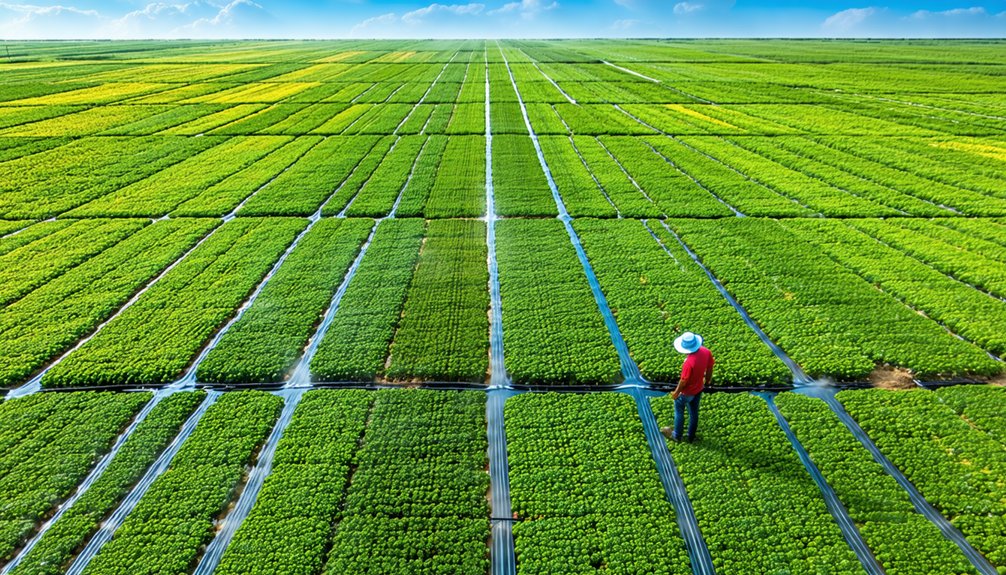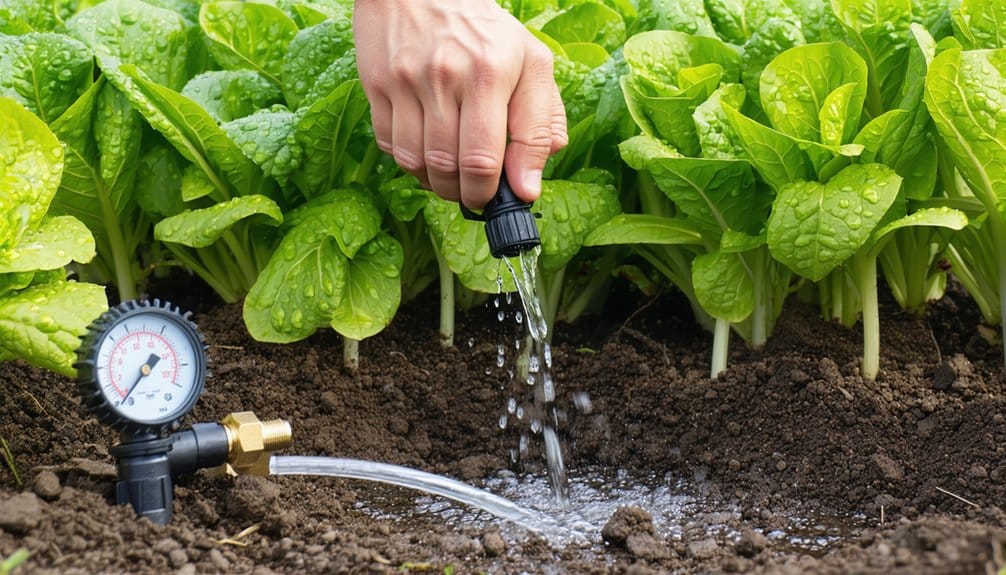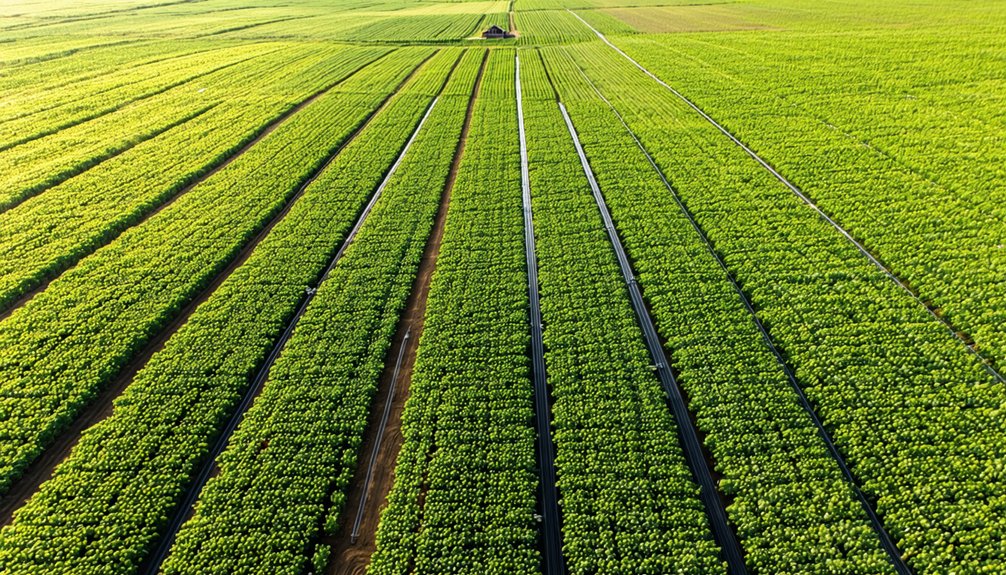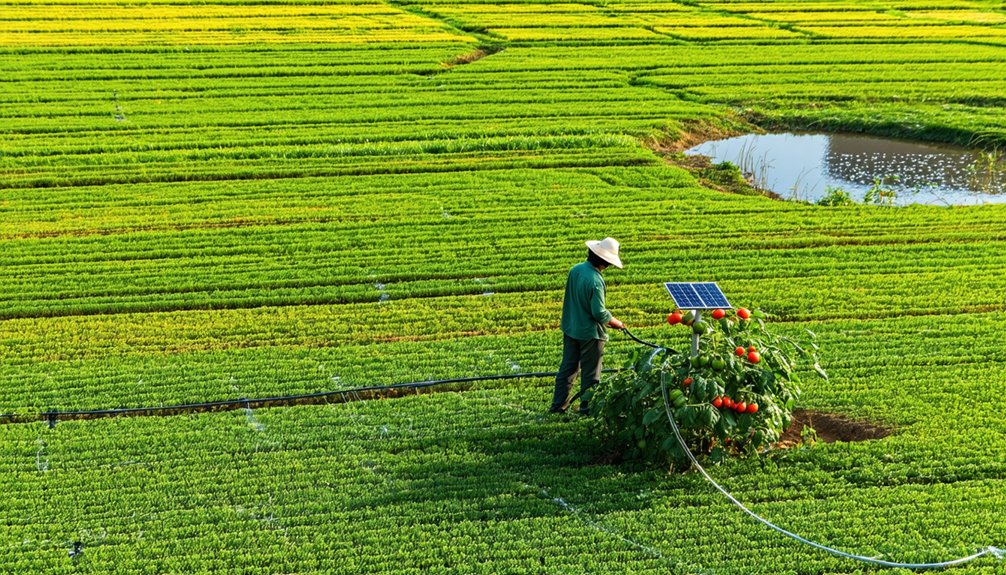

Selecting the right lake irrigation pump is a crucial decision for effective water management. Various factors come into play, including water requirements, pump type, and overall efficiency. It is essential to understand each aspect thoroughly to make an informed choice. Knowing how to evaluate these components can significantly impact irrigation success. What are the key considerations that can influence this selection process?
Key Takeaways
- Assess your water requirements by evaluating area size, crop type, and climate to determine the necessary flow rate and pressure for effective irrigation.
- Choose the appropriate pump type based on its intended use, whether for irrigation, drainage, or other applications, and consider power source options.
- Calculate the Total Dynamic Head (TDH) by factoring in vertical lift and friction losses to ensure proper pump sizing and performance.
- Prioritize high-quality materials and energy-efficient designs to enhance durability and reduce operational costs over time.
- Review warranty, maintenance, and support services offered by manufacturers to ensure long-term reliability and access to technical assistance.
Understand Your Water Requirements
Understanding water requirements is crucial for selecting an appropriate lake irrigation pump. Accurate assessment of the water needs for irrigation will ensure optimal performance and efficiency of the chosen equipment.
Factors such as the size of the area to be irrigated, the type of crops or plants, and the climate conditions all play a significant role in determining the necessary water output. When choosing an irrigation pump, it is essential to calculate the required flow rate and pressure based on these factors.
Additionally, irrigation pump tips suggest considering the pump’s compatibility with the lake’s water quality. This knowledge will help in making an informed decision, ultimately leading to successful irrigation practices and effective water management.
Assess the Pump Type
When selecting a lake irrigation pump, it is crucial to determine its intended purpose, whether for irrigation, drainage, or other applications.
Additionally, evaluating the power source—electric, diesel, or solar—will significantly influence the pump’s efficiency and operational costs.
Understanding these factors will guide the selection of the most suitable pump type for specific irrigation needs.
Determine Pump Purpose
Selecting the right irrigation pump begins with a clear assessment of its intended purpose. Understanding the specific needs of the irrigation system is crucial to ensure efficient performance. This irrigation pump guide outlines various pump types suited for different applications.
| Purpose | Pump Type | Key Considerations |
|---|---|---|
| Lawn Irrigation | Centrifugal Pump | Flow rate and pressure |
| Crop Irrigation | Submersible Pump | Depth and water source |
| Garden Watering | Diaphragm Pump | Portability and ease of use |
Each pump type requires appropriate irrigation pump maintenance to maximize lifespan and efficiency. By evaluating the intended purpose, users can select a pump that best meets their irrigation needs and optimizes water usage.
Evaluate Power Source
After determining the pump’s purpose, the next step involves evaluating the power source, which significantly influences the pump’s performance and suitability for specific applications.
Pump types generally fall into three categories: electric, diesel, and solar. Electric pumps are ideal for consistent power availability and efficiency, while diesel pumps offer mobility and robustness for remote locations. Solar pumps, although dependent on sunlight, present an eco-friendly option for sustainable irrigation.
It is essential to consider factors such as availability of power sources, operating costs, and environmental conditions when selecting the appropriate power source. Additionally, understanding the pump’s horsepower requirements in relation to the chosen power source ensures optimal functionality and longevity.
Careful evaluation at this stage can lead to a more effective irrigation system.
Determine the Required Flow Rate
Determining the required flow rate is crucial for effective lake irrigation.
It involves understanding the water needs of the plants, calculating the pump capacity, and assessing the irrigation area.
These factors ensure that the selected pump meets the specific demands of the irrigation system.
Understand Water Needs
Understanding water needs is crucial for effective lake irrigation pump selection, as the required flow rate directly influences the system’s efficiency and performance.
The flow rate is determined by various factors, including the size of the area to be irrigated, the type of crops or plants, and the specific water requirements of each species.
Additionally, environmental conditions such as soil type and weather patterns play a significant role in defining the necessary flow rate.
Assessing these needs helps in selecting a pump that can deliver adequate water without unnecessary energy expenditure.
Ultimately, a precise understanding of water needs ensures optimal irrigation, promoting healthy plant growth while conserving resources.
This foundational knowledge is essential for achieving a successful irrigation strategy.
Calculate Pump Capacity
Calculating pump capacity is essential for ensuring an irrigation system meets the specific water needs of the landscape. To determine the required flow rate, one must consider the total area to be irrigated and the water demand of the plants. The flow rate is typically measured in gallons per minute (GPM) or liters per second (L/s).
It is crucial to assess the average water usage per area, factoring in local climate conditions and plant types. Additionally, understanding peak demand times can aid in selecting a pump that delivers sufficient water without overworking the system.
Proper calculations enable the selection of a pump that operates efficiently, ensuring optimal irrigation without waste or insufficient coverage.
Assess Irrigation Area
Assessing the irrigation area is crucial for identifying the required flow rate, ensuring that the pump can adequately meet the landscape’s water needs. This process involves evaluating the size of the area to be irrigated, the type of crops or plants present, and their specific water requirements.
Calculating the total water demand helps in determining how much water must be delivered per hour. Factors such as soil type and drainage characteristics should also be considered, as they influence water absorption rates.
Additionally, assessing the peak demand times can provide insight into the maximum flow rate necessary. By understanding these variables, one can select a pump capable of efficiently supplying the required flow, ultimately promoting healthy plant growth and optimizing irrigation efficiency.
Evaluate the Total Dynamic Head
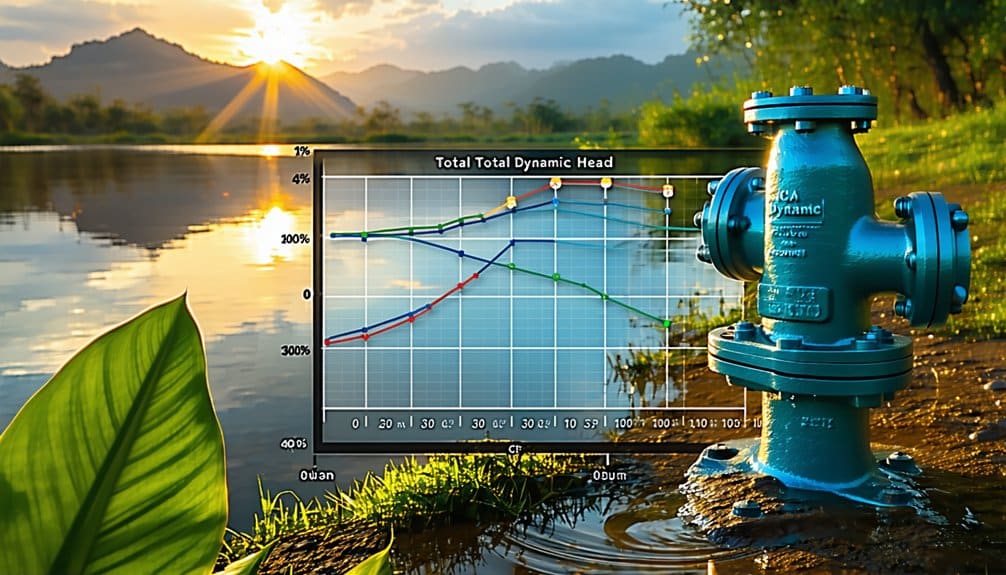
Total Dynamic Head (TDH) plays a crucial role in determining the efficiency of a lake irrigation pump system. It represents the total height that the pump must lift water, accounting for both static lift and dynamic losses.
To accurately evaluate TDH, one must consider several factors, including the vertical distance from the water source to the highest point of irrigation and the friction losses in the piping system. Friction losses are influenced by pipe diameter, length, and flow rate.
Additionally, any fittings or bends in the piping can contribute to increased resistance. By meticulously calculating TDH, one can select an appropriately sized pump that meets the demands of the irrigation system, ensuring optimal performance and resource efficiency.
Consider Power Source Options
When selecting a lake irrigation pump, one should frequently consider the various power source options available. The choice of power source significantly impacts the pump’s efficiency, cost, and operational flexibility.
Common options include electric, gasoline, and solar-powered pumps. Electric pumps are favored for their reliability and consistent performance, yet they require a stable power supply.
Gasoline-powered pumps offer mobility and are suitable for remote locations without electricity, though they can incur higher fuel costs and maintenance needs.
Solar-powered pumps present an eco-friendly alternative, ideal for sustainable practices, but may require a substantial initial investment.
Evaluating the specific needs of the irrigation system, along with the available resources, will guide the selection of the most appropriate power source.
Check for Durability and Material Quality
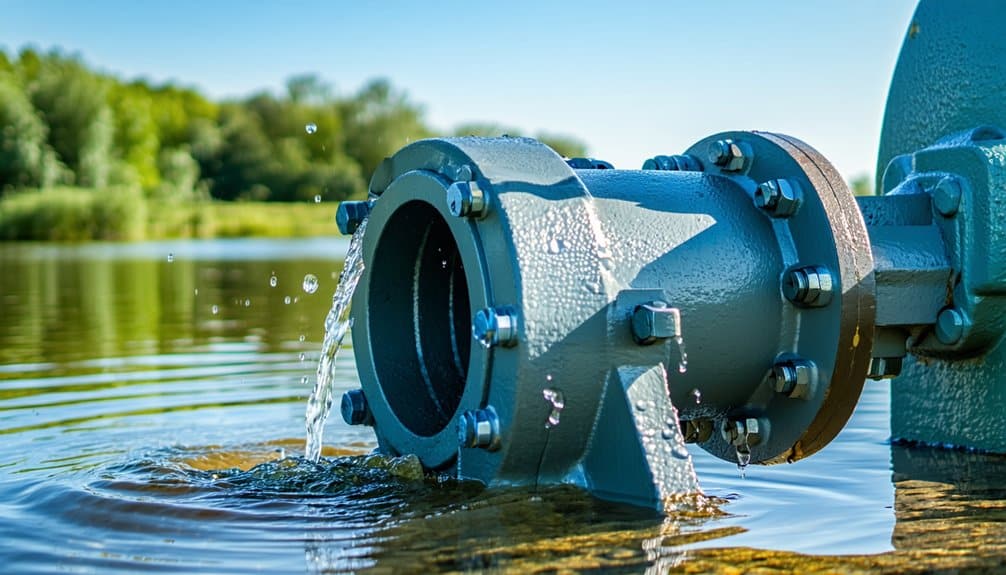
While selecting a lake irrigation pump, it is crucial to evaluate the durability and material quality to ensure longevity and reliable performance. The materials used in pump construction significantly influence its ability to withstand environmental factors such as moisture, corrosion, and UV exposure.
Pumps made from high-quality stainless steel or durable thermoplastics typically offer enhanced resistance to wear and tear. Additionally, checking for reinforced components can further indicate a pump’s resilience.
Manufacturers that provide warranties or guarantee longevity signal confidence in their product’s durability. Prospective buyers should also consider user reviews and performance ratings, as they can provide insights into the pump’s real-world durability and effectiveness over time.
Investing in a robust pump will lead to fewer replacements and maintenance costs in the long run.
Look for Energy Efficiency Ratings
Considering the rising energy costs and environmental concerns, prospective buyers should prioritize energy efficiency ratings when selecting a lake irrigation pump.
Energy-efficient pumps not only reduce operational expenses but also minimize the carbon footprint associated with water management. Buyers should look for pumps that carry Energy Star ratings or similar certifications, indicating adherence to strict energy consumption standards.
Additionally, the pump’s performance curve should be analyzed to ensure optimal energy use at various flow rates. Choosing a pump with adjustable speed settings can further enhance efficiency, allowing for tailored operations based on specific irrigation needs.
Ultimately, investing in an energy-efficient pump contributes to long-term savings and responsible resource management, making it a crucial factor in the selection process.
Review Maintenance and Support Services
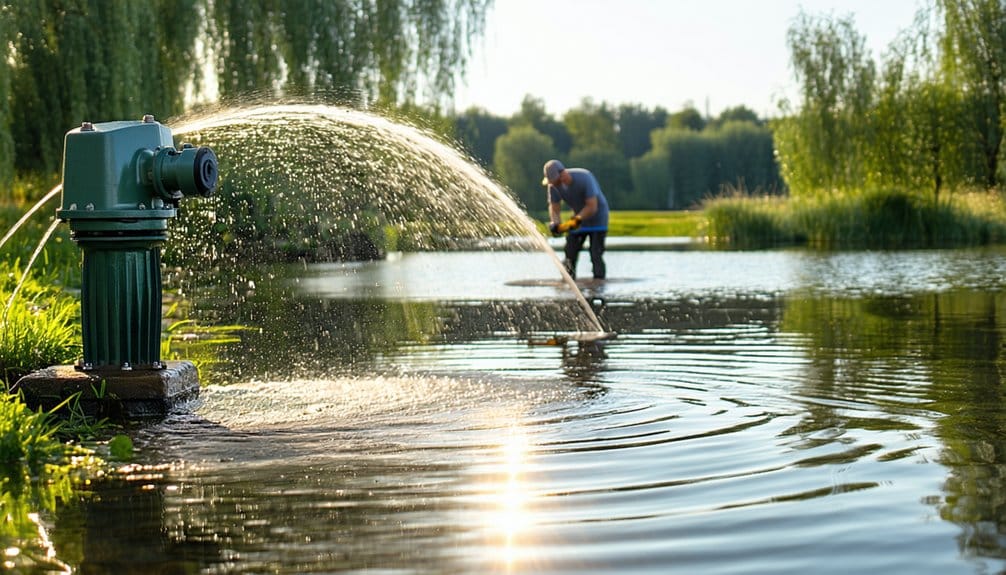
A thorough review of maintenance and support services is essential for anyone selecting a lake irrigation pump.
Understanding the available support can significantly affect the long-term performance and reliability of the pump. Here are four key factors to consider:
- Warranty Coverage: Assess the duration and extent of warranty protection provided by the manufacturer.
- Availability of Spare Parts: Ensure that spare parts are readily available and can be sourced easily in your region.
- Technical Support: Investigate the availability of customer service and technical assistance, especially during emergencies.
- Maintenance Services: Look for companies that offer routine maintenance services, which can extend the lifespan of the pump and enhance its efficiency.
These considerations will aid in making an informed decision.
Conclusion
In conclusion, selecting the ideal lake irrigation pump involves careful consideration of various factors, including water requirements, pump type, and flow rate. Evaluating the total dynamic head and power source options is crucial for ensuring efficiency. Additionally, prioritizing durability, energy efficiency, and reliable maintenance support can significantly enhance long-term performance. By thoroughly assessing these elements, individuals can make informed decisions that effectively meet their irrigation needs and contribute to sustainable water management practices.