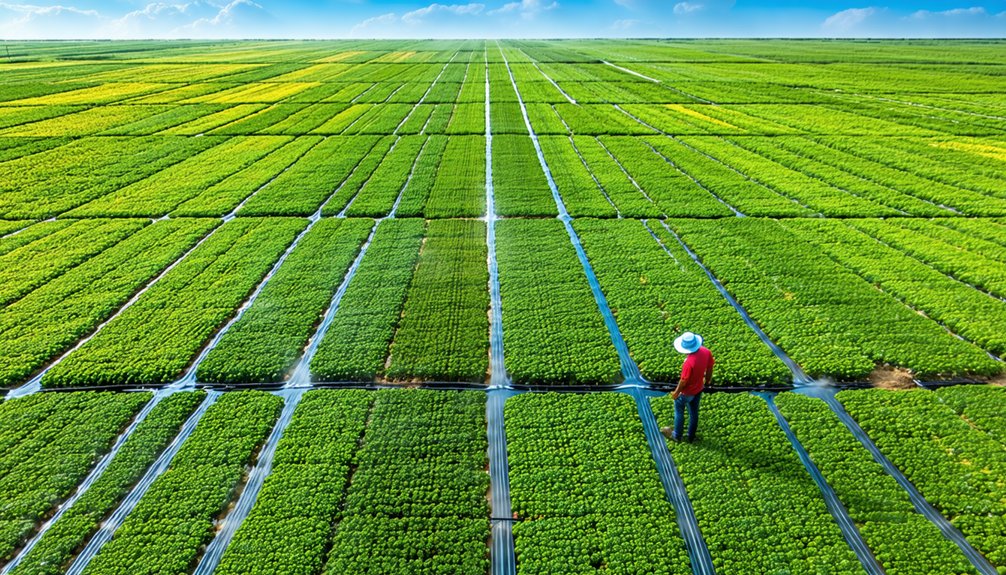

The efficiency and fuel consumption of diesel pumps play a crucial role in irrigation performance. These factors ensure that energy use is minimized while water output is maximized. Additionally, durability and build quality contribute to the longevity and reliability of these pumps. However, the significance of flow rate and pressure output cannot be overlooked. Understanding these attributes can reveal how diesel pumps enhance agricultural practices, but there is more to explore.
Key Takeaways
- High efficiency and adjustable flow rates ensure optimal fuel use while meeting varying crop irrigation needs effectively.
- Durable materials like stainless steel enhance corrosion resistance, ensuring long-term performance in harsh environments.
- Consistent pressure output allows for uniform moisture distribution across fields, adapting to different irrigation methods.
- Regular maintenance practices, including inspections and lubrication, are essential for reliable pump operation and reduced downtime.
- Diesel pumps support diverse irrigation systems, integrating seamlessly with surface, drip, and sprinkler methods for versatile agricultural applications.
Efficiency and Fuel Consumption
While many factors influence irrigation performance, the efficiency and fuel consumption of diesel pumps play a pivotal role in determining operational costs and environmental impact.
An efficient irrigation pump minimizes fuel use while maximizing water output, leading to significant cost savings over time. Key irrigation pump features, such as high-pressure capabilities and adjustable flow rates, contribute to the overall efficiency of diesel irrigation pumps.
Advanced designs often incorporate technologies that enhance fuel combustion, further improving performance. Additionally, selecting a diesel pump with a proven track record for efficiency can lead to reduced greenhouse gas emissions, aligning operational practices with sustainability goals.
Ultimately, the right choice in diesel irrigation pumps not only benefits farmers economically but also supports broader environmental initiatives.
Durability and Build Quality
The durability and build quality of diesel pumps are critical factors in ensuring long-term irrigation performance.
A comparison of material strengths reveals significant differences in resistance to corrosion and the ability to withstand various weather conditions.
Understanding these attributes helps in selecting pumps that can endure the rigors of agricultural environments.
Material Strength Comparison
Material strength plays a crucial role in determining the durability and build quality of diesel pumps used in irrigation systems.
In an irrigation pump buying guide, potential buyers should prioritize materials that enhance longevity and withstand operational stresses. High-strength metals, such as cast iron and stainless steel, are commonly preferred for their ability to endure high pressure and temperature variations.
A durable irrigation pump constructed from robust materials is less prone to failure, ensuring reliable performance over time. Additionally, the integration of advanced composites can also offer weight benefits while maintaining strength.
Ultimately, selecting a diesel pump with superior material strength is essential for achieving optimal irrigation efficiency and ensuring a long service life, reducing maintenance costs and downtime.
Resistance to Corrosion
Given the harsh environments in which irrigation systems often operate, resistance to corrosion is a vital attribute for diesel pumps.
Corrosion can lead to significant deterioration of pump components, ultimately compromising performance and reliability. High-quality diesel pumps are often manufactured using corrosion-resistant materials, such as stainless steel or specialized coatings, to withstand exposure to moisture, chemicals, and soil elements.
A robust design not only enhances durability but also extends the lifespan of the pump, reducing maintenance costs and downtime. Additionally, corrosion-resistant features contribute to the overall efficiency of the irrigation system, ensuring consistent water delivery.
Ultimately, selecting diesel pumps with superior resistance to corrosion is essential for maintaining optimal irrigation performance in challenging conditions.
Impact of Weather Conditions
While weather conditions can vary dramatically, the durability and build quality of diesel pumps are crucial for ensuring reliable irrigation performance.
Extreme temperatures, heavy rainfall, and high humidity can all exert significant stress on these pumps. High-quality materials that resist wear and environmental degradation are essential to maintaining functionality.
Pumps constructed with robust components can withstand harsh climates, reducing the risk of failure during critical irrigation periods. Additionally, effective sealing and protective coatings help mitigate damage from water and contaminants.
Manufacturers that prioritize durability in design can enhance the longevity of diesel pumps, ensuring they remain operational despite fluctuating weather conditions.
Ultimately, investing in well-built pumps is vital for achieving consistent irrigation results year-round.
Flow Rate and Pressure Output
The flow rate and pressure output of diesel pumps are critical factors that influence irrigation efficiency.
An optimal flow rate ensures that water is delivered effectively to crops, while consistent pressure is essential for maintaining uniform distribution.
Understanding these attributes allows for better management of irrigation systems and improved agricultural productivity.
Optimal Flow Rate
Achieving optimal flow rate is crucial for maximizing irrigation efficiency in agricultural systems. Properly calibrated diesel pumps ensure that water is delivered at the right rate to meet crop needs while minimizing waste.
Key considerations for determining optimal flow rate include:
- Crop Water Requirements: Understanding the specific water needs of different crops helps tailor the flow rate to ensure adequate moisture without over-irrigation.
- Soil Type: Different soil types have varying absorption rates, which influence the necessary flow rate to prevent runoff and promote effective infiltration.
- Irrigation Method: The chosen irrigation technique, whether drip, sprinkler, or surface, dictates the flow rate needed for optimal performance and coverage.
These factors collectively contribute to a robust irrigation system that enhances agricultural productivity.
Pressure Consistency Factors
Maintaining consistent pressure in an irrigation system is essential for effective water distribution, as fluctuations can lead to uneven moisture levels across the field. Diesel pumps play a crucial role in ensuring this stability by regulating flow rate and pressure output.
A well-designed pump should provide a steady flow, accommodating varying demands without significant drops in pressure. Factors such as pump size, engine power, and system layout directly influence pressure consistency.
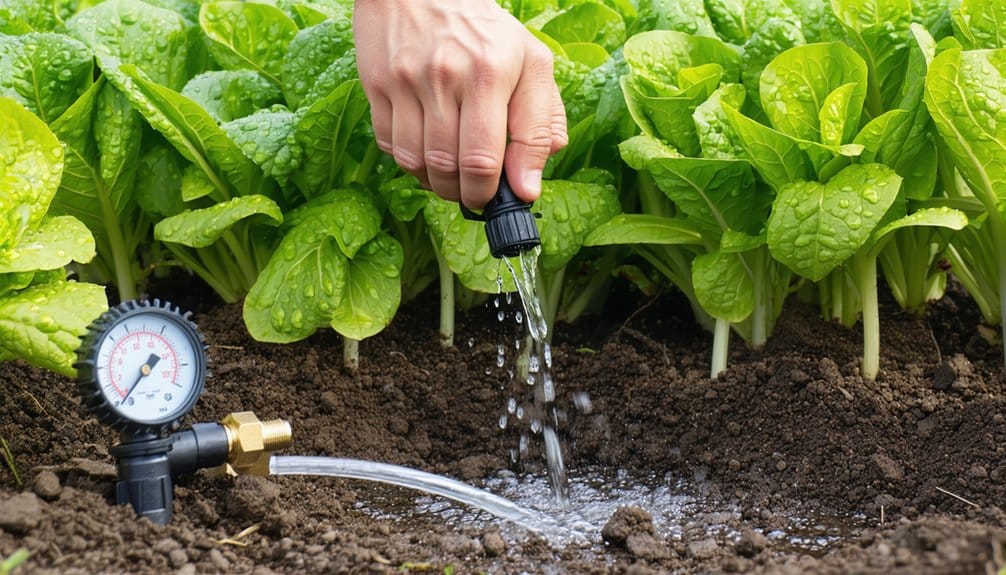
Additionally, proper maintenance, including regular inspections and timely repairs, is vital for sustaining optimal performance. Monitoring pressure gauges can help operators identify irregularities, enabling prompt adjustments to maintain uniform irrigation.
Ultimately, ensuring consistent pressure contributes to healthier crops and improved agricultural productivity.
Noise Levels and Environmental Impact
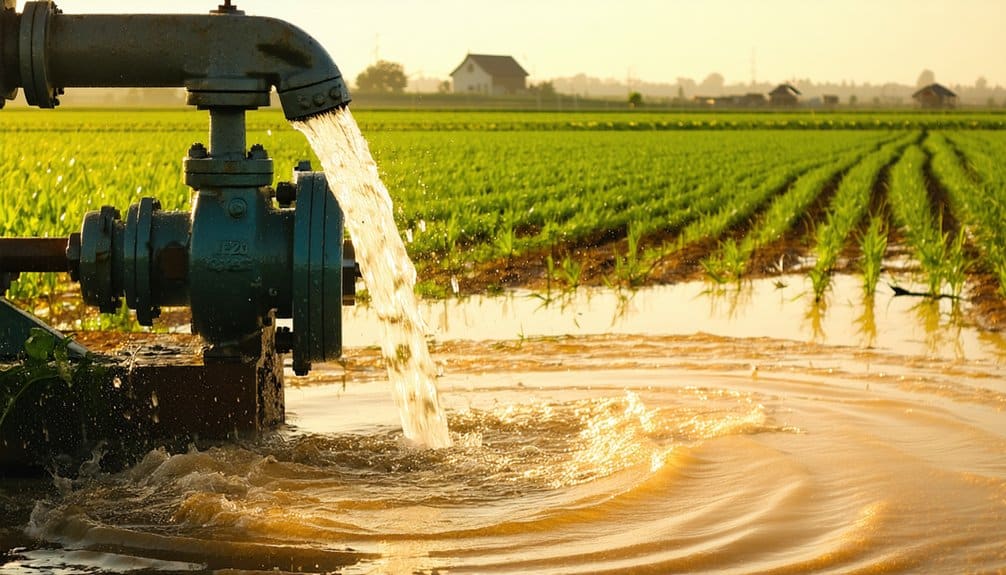
While diesel pumps are essential for efficient irrigation, their noise levels can significantly affect both the environment and surrounding communities. The operation of these pumps often leads to increased sound pollution, which can disrupt local wildlife and diminish the quality of life for nearby residents.
Understanding the implications of noise from diesel pumps is vital for sustainable irrigation practices.
Key environmental impacts include:
- Wildlife Disruption: High noise levels can disturb animal habitats, leading to changes in behavior and migration patterns.
- Community Disturbance: Prolonged exposure to noise can result in health issues for residents, such as stress and sleep disturbances.
- Regulatory Compliance: Many regions have noise regulations that must be adhered to, necessitating quieter pump options or noise-reduction measures.
Maintenance Requirements and Serviceability
The performance of diesel pumps in irrigation systems relies heavily on proper maintenance and serviceability. Regular maintenance is essential to ensure the longevity and efficiency of these pumps. Key tasks include checking and replacing filters, monitoring fluid levels, and inspecting belts and hoses for wear.
Additionally, routine servicing should involve cleaning the fuel system and examining the pump for signs of leakage or corrosion. Lubrication of moving parts is also critical to prevent friction-related wear.
Operators should adhere to manufacturer guidelines for maintenance schedules to prevent unexpected failures. Proper training for personnel on serviceability tasks enhances operational reliability and minimizes downtime, ultimately contributing to the effectiveness of the irrigation system.
Adaptability to Various Irrigation Systems
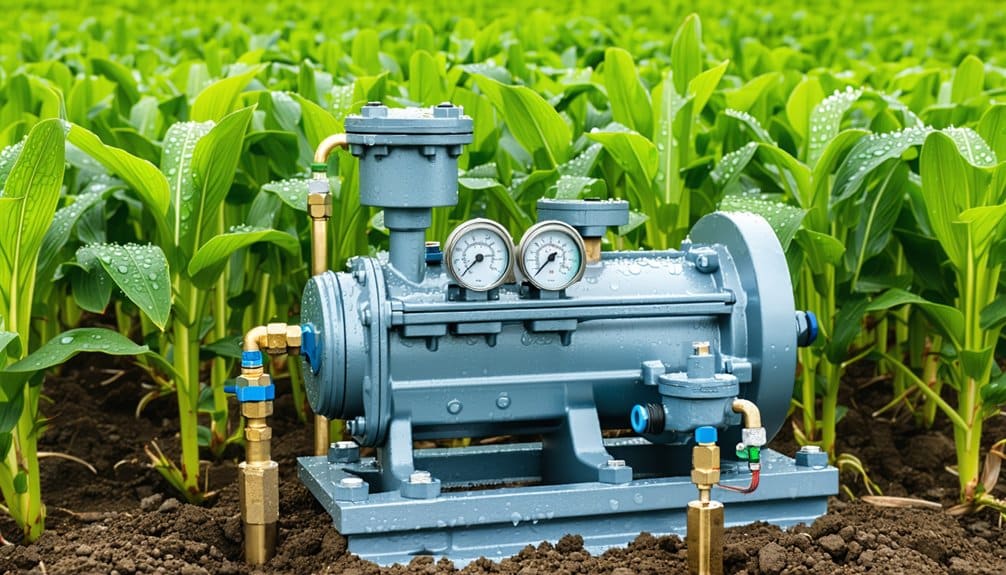
How can diesel pumps enhance irrigation efficiency across diverse agricultural setups? Diesel pumps are recognized for their versatility, making them suitable for various irrigation systems. Their robust design allows for seamless integration into different setups, providing reliable water supply regardless of the farm size or crop type.
Key factors contributing to their adaptability include:
- Pressure Range: Diesel pumps can operate across a wide range of pressures, accommodating both low and high-pressure irrigation systems.
- Flow Rate Variability: They can be adjusted to deliver varying flow rates, ensuring optimal water distribution for diverse crops.
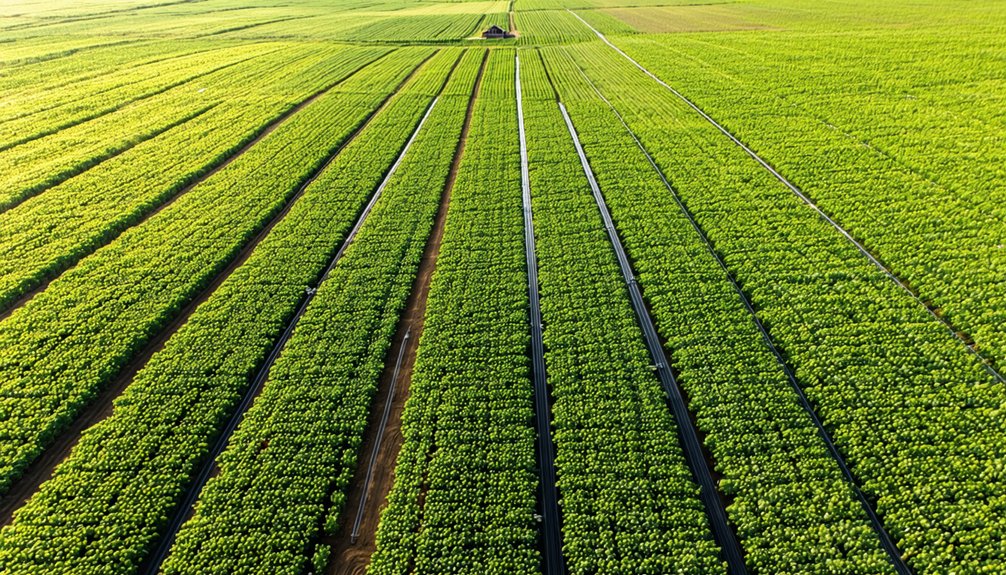
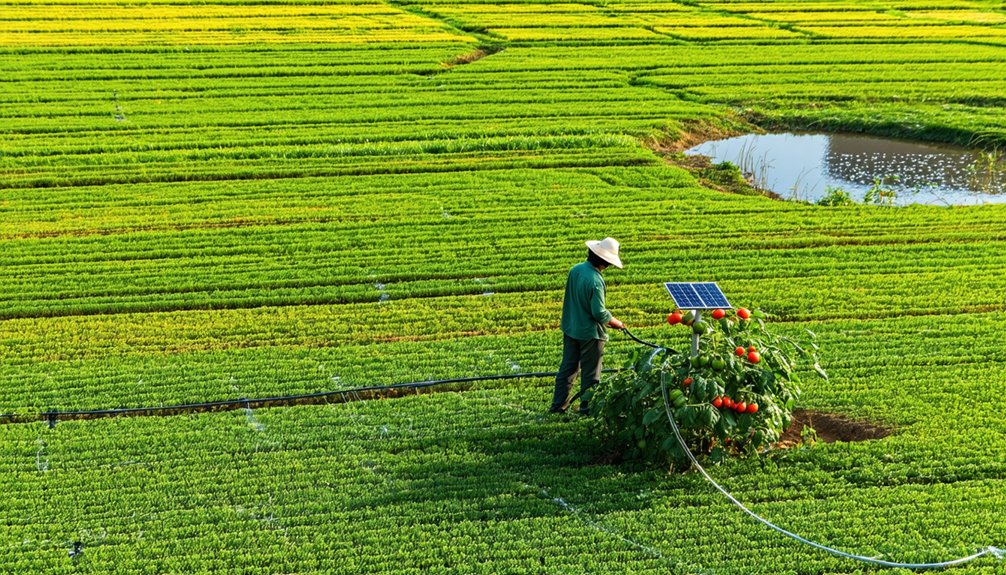
- Compatibility: Diesel pumps can easily connect with surface, drip, or sprinkler irrigation systems, enhancing their utility on farms with mixed irrigation techniques.
This adaptability ultimately leads to improved irrigation efficiency and crop yield.
Conclusion
In conclusion, the six key attributes of diesel pumps—efficiency and fuel consumption, durability and build quality, flow rate and pressure output, noise levels, maintenance requirements, and adaptability—collectively enhance irrigation performance. These features not only promote sustainable agricultural practices but also ensure that farmers can meet the diverse needs of their crops effectively. As the agricultural landscape continues to evolve, the importance of selecting the right diesel pump remains paramount for achieving optimal irrigation outcomes.