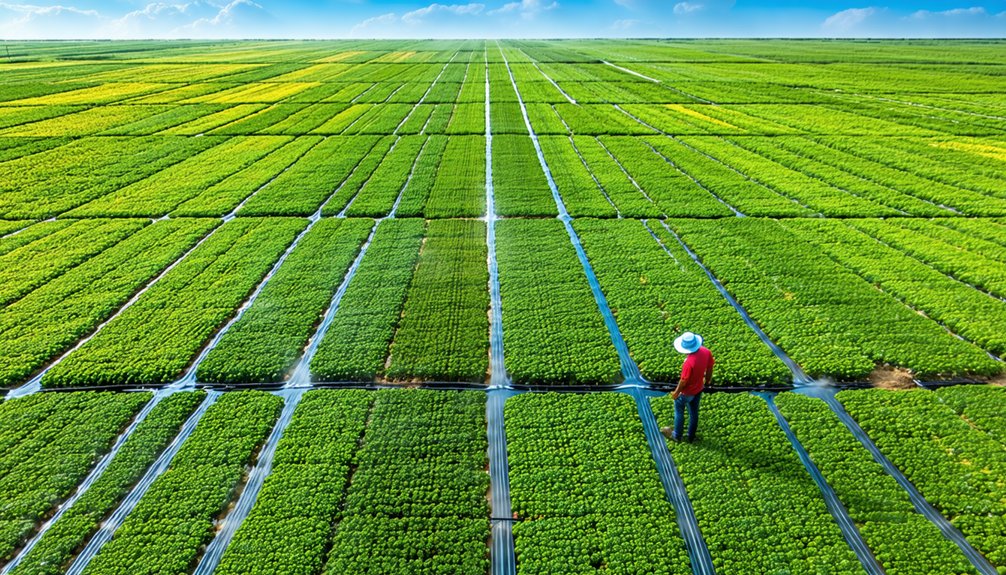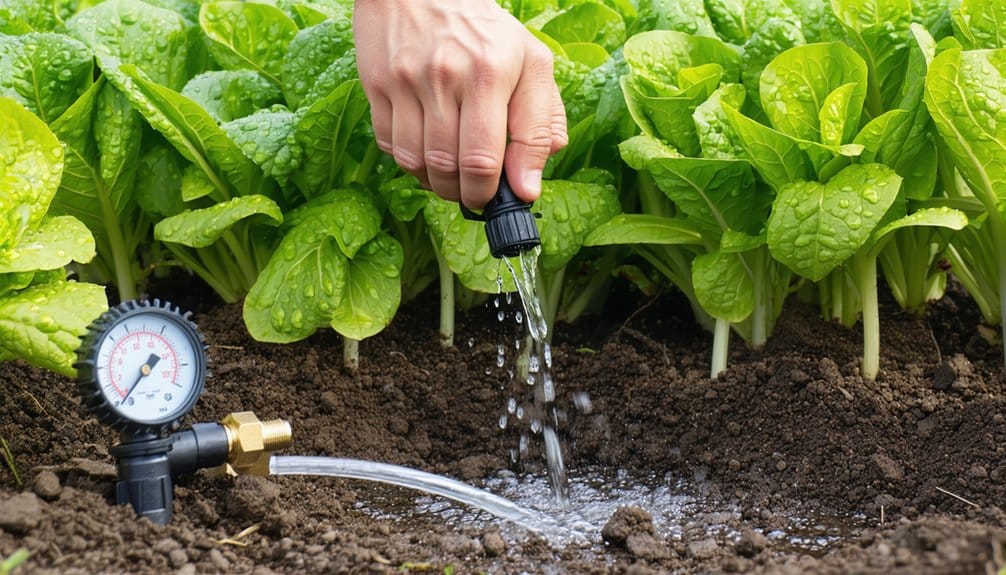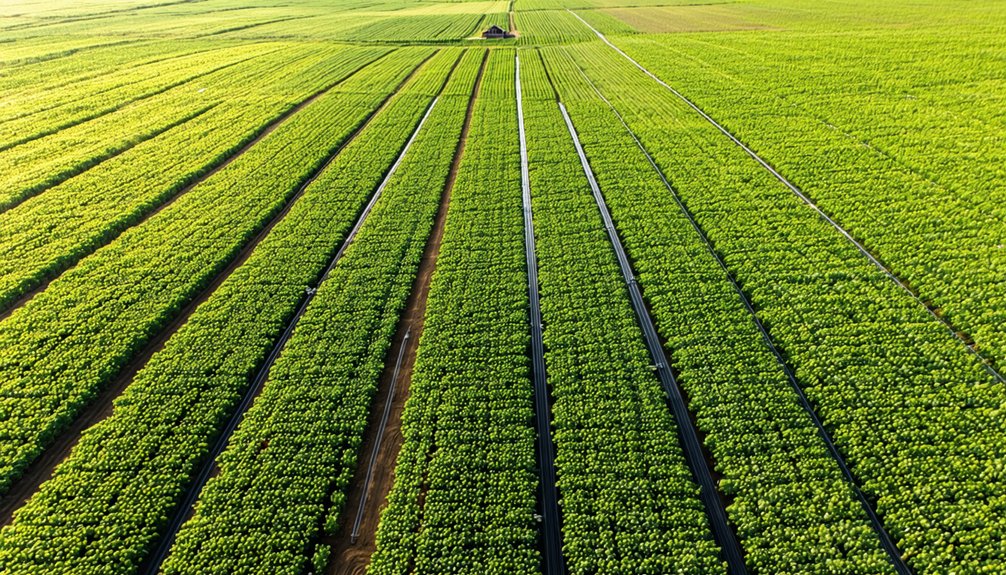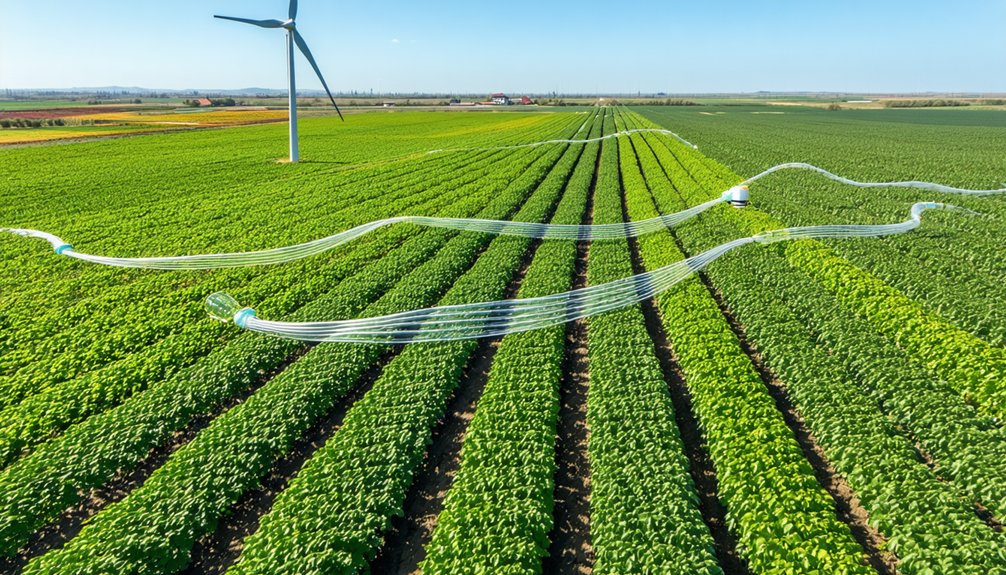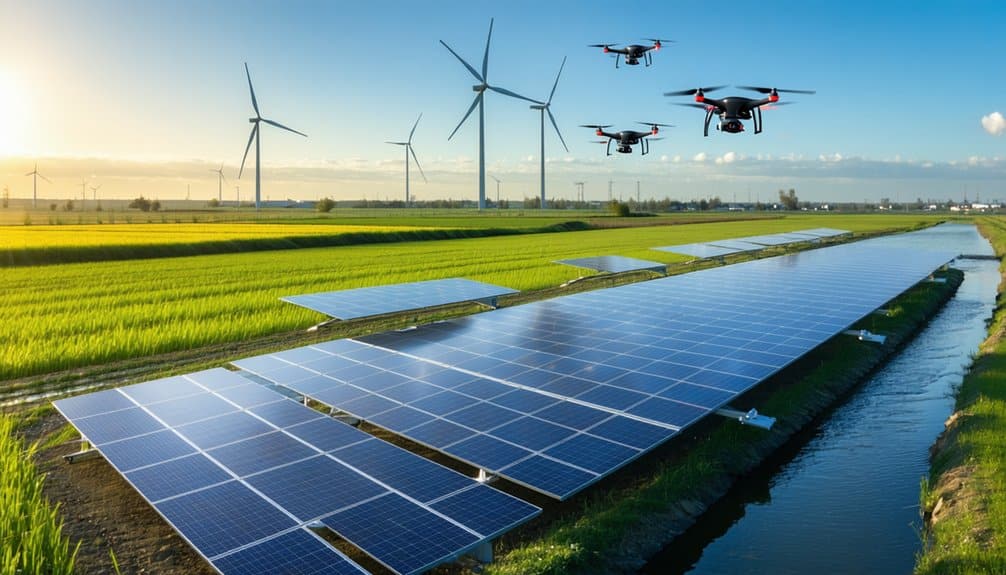

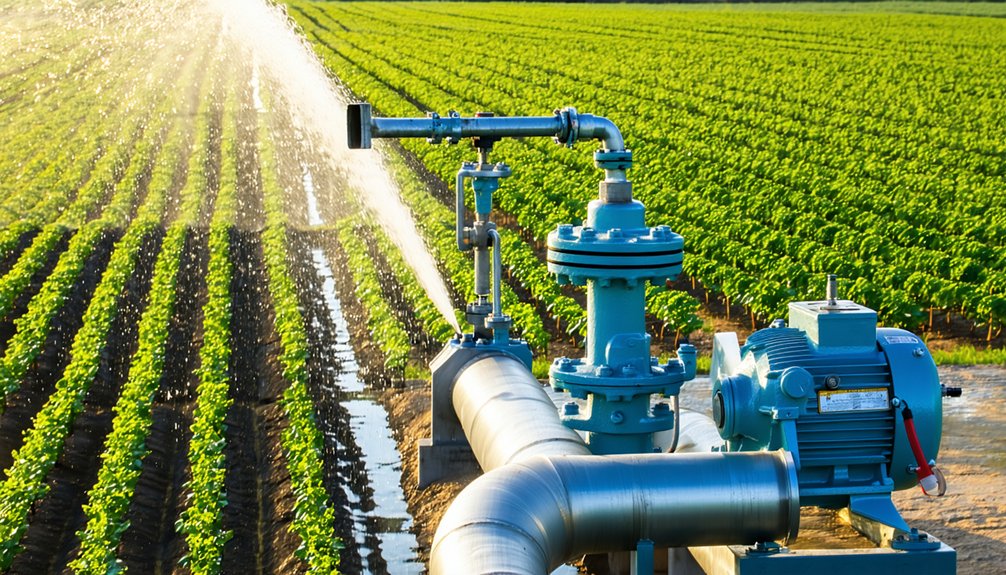
Designing an effective irrigation pump setup requires careful consideration of several key elements. Understanding crop water needs is essential, as is selecting the right pump type and size. Efficiency in energy use and system design also plays a critical role. Moreover, water quality management and automation can significantly enhance the system’s effectiveness. Each component contributes to overall sustainability. However, a deeper exploration of these elements reveals complexities that demand attention.
Key Takeaways
- Assess crop water requirements, soil type, and climate to determine optimal irrigation needs.
- Select the appropriate pump type, considering flow rate, pressure consistency, and energy efficiency.
- Design a distribution system with effective pipe sizing to minimize pressure loss and ensure uniform flow.
- Implement filtration and water quality monitoring to maintain system efficiency and ensure healthy crop growth.
- Utilize automation and data analytics for real-time monitoring and optimization of irrigation practices.
Understanding Water Requirements for Irrigation
How can one determine the optimal water requirements for effective irrigation? This process begins with a thorough understanding of the crop’s needs, soil type, and climatic conditions.
An effective irrigation system relies on precise data to inform its design, ensuring that water application matches the plants’ demands. Factors such as evapotranspiration rates and soil moisture levels play crucial roles in calculating these requirements.
Additionally, incorporating tools like soil moisture sensors can enhance optimal irrigation performance by providing real-time feedback. The integration of this information into the irrigation system design allows for adjustments that maximize efficiency and minimize waste.
Ultimately, understanding water requirements is essential for achieving sustainable agricultural practices and ensuring crop health.
Selecting the Right Pump Type
When selecting the right pump type for irrigation, it is essential to consider the advantages of centrifugal pumps and the benefits of positive displacement pumps.
Each type offers unique characteristics that can impact energy efficiency and overall system performance.
Understanding these distinctions is crucial for optimizing irrigation operations.
Centrifugal Pump Advantages
Centrifugal pumps are a popular choice in irrigation systems due to their efficiency and versatility. These pumps are designed to handle a wide range of flow rates and pressures, making them suitable for various agricultural applications.
Their simple construction involves fewer irrigation pump components compared to other types, which contributes to easier maintenance and lower operational costs. Additionally, centrifugal pumps facilitate consistent water delivery, essential for effective irrigation system maintenance.
This reliability ensures that crops receive adequate water supply, promoting healthy growth and maximizing yield. Furthermore, their ability to operate over a range of conditions allows for adaptability in changing agricultural demands, solidifying their place as a preferred option in modern irrigation setups.
Positive Displacement Benefits
While centrifugal pumps excel in many irrigation applications, positive displacement pumps offer distinct advantages that may be more suitable for specific needs. These pumps excel in delivering a consistent flow rate regardless of the pressure variations, making them ideal for high-viscosity fluids or applications requiring precise dosing. Additionally, they maintain their efficiency at lower flow rates, which can be beneficial in situations with fluctuating demand.
| Feature | Positive Displacement Pumps | Centrifugal Pumps |
|---|---|---|
| Flow Consistency | High | Variable |
| Efficiency at Low Flow | High | Low |
| Handling Viscous Fluids | Excellent | Limited |
| Maintenance Needs | Moderate | Low |
| Initial Cost | Higher | Lower |
Energy Efficiency Considerations
Energy efficiency is a critical factor in selecting the appropriate pump type for irrigation systems. The choice between centrifugal and positive displacement pumps can significantly impact energy consumption.
Centrifugal pumps, known for their high flow rates and efficiency at lower pressures, are often suitable for large-scale applications. Conversely, positive displacement pumps excel in delivering consistent flow under varying pressures, making them ideal for precise irrigation.
Additionally, variable frequency drives (VFDs) can enhance energy efficiency by adjusting pump speed according to demand, reducing energy waste. Evaluating pump efficiency ratings, such as the Hydraulic Institute standards, is essential.
Ultimately, selecting the right pump type not only conserves energy but also reduces operational costs and enhances overall system performance.
Calculating Pump Sizing and Capacity
Determining the appropriate pump sizing and capacity is crucial for effective irrigation system performance. This involves assessing the total dynamic head (TDH), which incorporates factors such as elevation changes, friction losses, and any additional pressure requirements.
A detailed calculation of flow rate is essential, typically measured in gallons per minute (GPM), to ensure the pump can meet the irrigation needs without overloading. Additionally, understanding the crop type and soil characteristics aids in determining the required application rate.
Selecting a pump that operates within its best efficiency point (BEP) enhances energy efficiency and prolongs equipment life. By carefully considering these factors, one can achieve a well-sized pump that optimally supports the irrigation system’s functionality and sustainability.
Designing Efficient Pipe and Distribution Systems
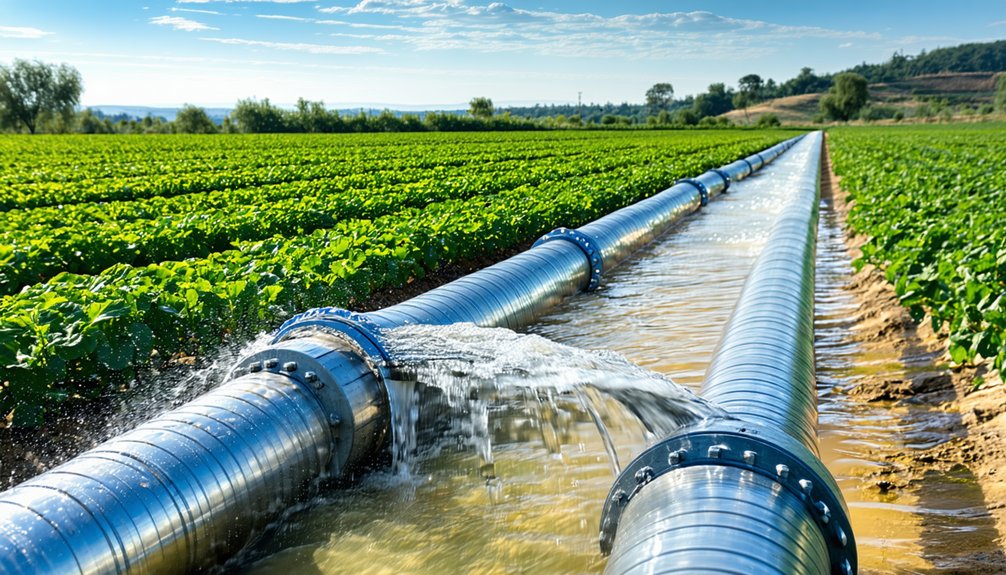
Designing efficient pipe and distribution systems is crucial for maximizing irrigation effectiveness.
Key considerations include appropriate pipe sizing, strategic layout of the distribution system, and optimizing flow rates to ensure uniform water delivery.
These elements work together to enhance overall system performance and reduce water wastage.
Pipe Sizing Considerations
Effective pipe sizing is crucial for optimizing the efficiency of irrigation systems. Properly sized pipes ensure adequate water flow while minimizing pressure loss, which is vital for effective irrigation.
Several key considerations should guide pipe sizing decisions:
- Flow Rate: Determine the required flow rate based on the specific crop needs and system design.
- Pipe Length: Account for the total length of the piping system, as longer pipes can increase friction loss.
- Material Type: Choose appropriate materials that balance cost and durability, as different materials have varying friction coefficients.
- Pressure Requirements: Ensure that the pipe sizing meets the pressure requirements of the entire irrigation system to avoid insufficient water delivery.
Distribution System Layout
A well-planned distribution system layout plays a pivotal role in the overall efficiency of irrigation systems. The arrangement of pipes and fittings must be strategically designed to minimize pressure losses and ensure uniform water distribution. Factors such as terrain, crop types, and soil properties should influence the layout decisions.
| Design Factor | Consideration |
|---|---|
| Pipe Configuration | Straight lines reduce friction |
| Elevation Changes | Utilize gravity for efficiency |
| Valve Placement | Enable effective control |
Flow Rate Optimization
Optimization of flow rate is essential for achieving maximum efficiency in irrigation systems. Properly designed pipe and distribution systems can significantly enhance water delivery while minimizing energy consumption.
Key considerations for flow rate optimization include:
- Pipe Sizing: Using appropriately sized pipes reduces friction losses and ensures adequate flow.
- Material Selection: Choosing materials that minimize resistance can improve flow efficiency.
- System Layout: Designing a layout that minimizes bends and turns helps maintain consistent flow rates.
- Pressure Management: Implementing pressure regulators can prevent excessive pressure fluctuations, ensuring stable flow.
Incorporating Filtration and Water Quality Management
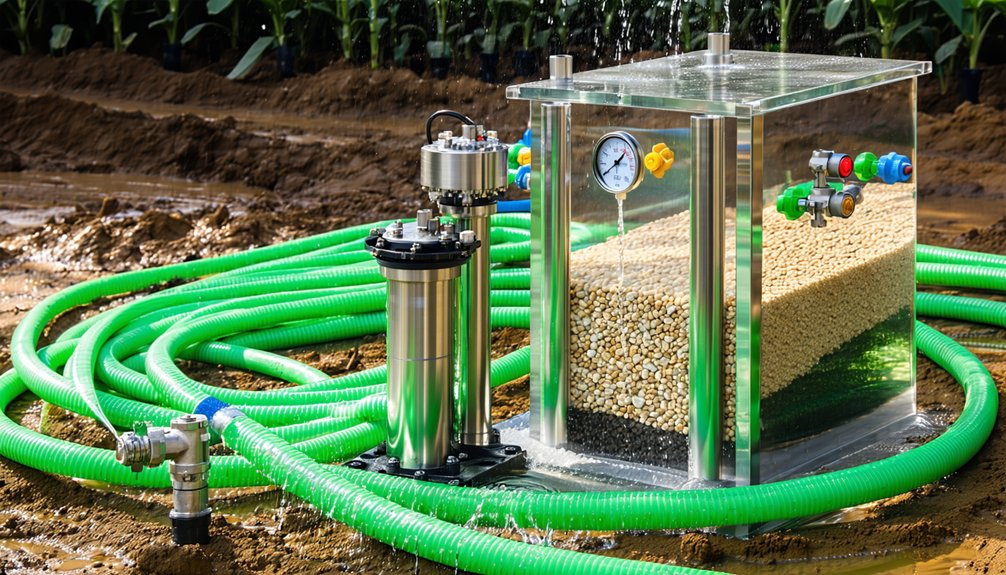
How can irrigation systems ensure the delivery of clean water while maintaining efficient operation? Incorporating effective filtration and water quality management is essential.
Filtration systems, such as sand or disc filters, remove debris and particulates, preventing clogging and damage to pumps and emitters. Regular monitoring of water quality parameters, including pH, turbidity, and nutrient levels, is vital for optimal plant growth and soil health.
Additionally, integrating chemical treatments, like chlorine or ozone, can help eliminate pathogens and harmful microorganisms. Systematic maintenance of filtration components ensures long-term reliability and performance.
Implementing Control Systems and Automation
Effective water quality management sets the stage for advanced irrigation practices, including the implementation of control systems and automation.
These technologies enhance efficiency and precision in irrigation operations, ensuring optimal water usage and crop health.
Key components of implementing control systems include:
- Sensor Integration: Utilizing soil moisture and weather sensors to monitor conditions in real-time.
- Automated Scheduling: Programming irrigation cycles based on data inputs to optimize water delivery.
- Remote Monitoring: Allowing operators to oversee systems from a distance, adjusting parameters as necessary.
- Data Analytics: Employing software to analyze performance metrics, leading to continuous improvement of irrigation strategies.
Together, these elements facilitate a more responsive and sustainable irrigation approach, ultimately benefiting agricultural productivity.
Conclusion
In conclusion, an effective irrigation pump setup hinges on a comprehensive understanding of water requirements and the careful selection of pump types and sizes. By prioritizing energy efficiency, optimizing distribution systems, and incorporating filtration and water quality management, farmers can significantly enhance their irrigation practices. Furthermore, the integration of automation and control systems not only streamlines operations but also fosters sustainable water use. Collectively, these elements contribute to improved crop yields and reduced operational costs.