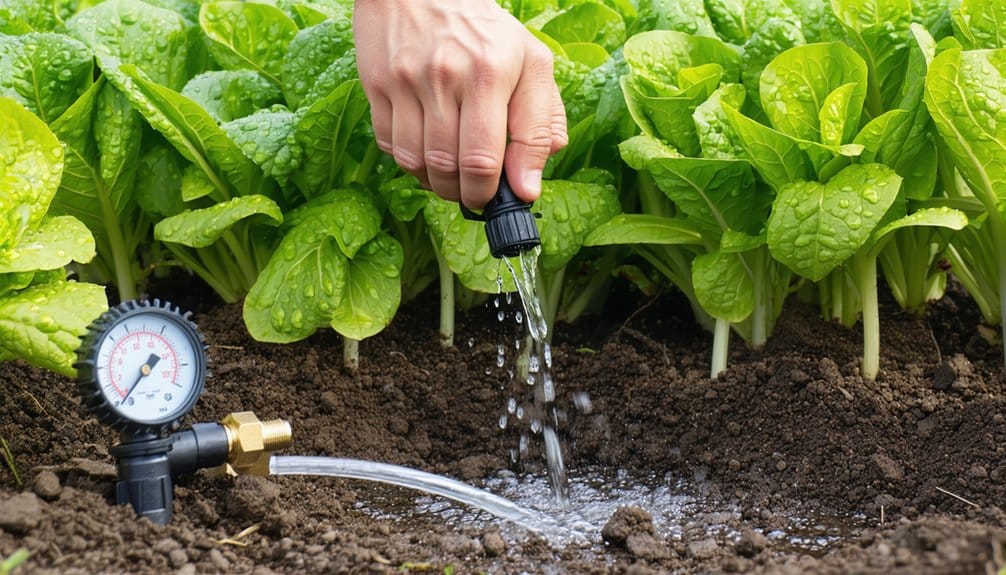

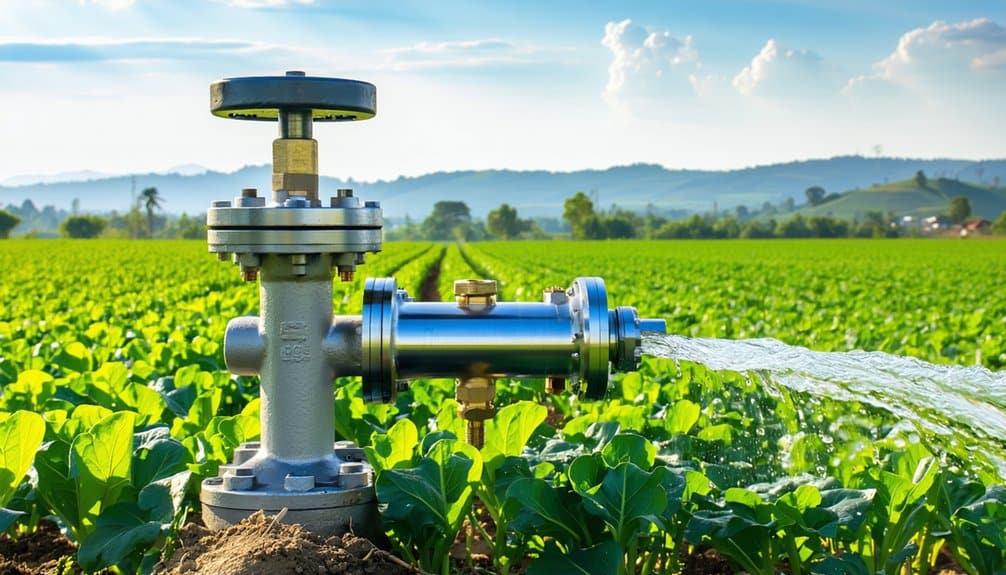
When considering a boost pump for reliable irrigation, several key qualities come into play. High efficiency, durability, and an optimal flow rate are essential for consistent performance. Versatile compatibility with various systems further enhances utility. However, each of these qualities plays a crucial role in overall effectiveness. Understanding their significance can lead to more informed choices in agricultural practices. What other factors might influence the selection of an irrigation boost pump?
Key Takeaways
- High efficiency minimizes energy consumption, reducing operational costs and supporting sustainable irrigation practices.
- Durability ensures longevity, reducing downtime and maintenance needs in irrigation systems.
- Optimal flow rates are crucial for effective crop hydration, promoting healthy growth and maximizing yields.
- Versatile compatibility allows integration with various irrigation systems and power sources, enhancing flexibility and performance.
- Noise control features improve worker comfort and protect local wildlife, ensuring compliance with regulations.
High Efficiency
Although many irrigation systems struggle with energy consumption, high-efficiency boost pumps offer a solution by optimizing water flow while minimizing power usage.
These pumps are designed with advanced pump features that enhance irrigation efficiency. By utilizing innovative technology, high-efficiency boost pumps ensure that water is delivered precisely where and when needed, reducing waste and operational costs.
Their ability to maintain consistent pressure and flow rate contributes significantly to effective irrigation, allowing users to achieve optimal results with less energy.
Additionally, these pumps often incorporate smart controls, allowing for real-time adjustments based on varying environmental conditions.
Durability and Longevity
When selecting boost pumps for irrigation systems, durability and longevity are crucial factors that significantly impact overall performance and cost-effectiveness. A robust pump can withstand varying environmental conditions, reducing the need for frequent replacements and maintenance.
In the context of an irrigation system, materials such as corrosion-resistant metals and high-quality plastics are essential for ensuring longevity. A thorough pump buying guide will emphasize the importance of these materials, as they contribute to the pump’s ability to handle fluctuations in pressure and workload.
Additionally, investing in a durable pump minimizes downtime and operational disruptions, allowing for efficient water distribution and resource management in farming practices. Overall, prioritizing durability and longevity leads to better long-term results for irrigation systems.
Optimal Flow Rate
Achieving the optimal flow rate is essential for the efficiency of any irrigation system. A boost pump must deliver water at a consistent flow rate to ensure crops receive the necessary hydration without wastage. An inadequate flow rate can lead to under-irrigation, while excessive flow can result in runoff and erosion.
| Flow Rate Impact | Effects on Crops |
|---|---|
| Low Flow Rate | Stunted growth and yield loss |
| Optimal Flow Rate | Healthy growth and higher yields |
| High Flow Rate | Soil erosion and nutrient loss |
Selecting a boost pump that can maintain the desired flow rate under varying conditions is crucial, as it directly influences crop health and overall irrigation success.
Energy Consumption
Energy consumption is a critical factor in the operation of boost pumps for irrigation systems. Efficient energy use directly influences operational costs and the overall sustainability of agricultural practices.
A well-designed boost pump should minimize energy consumption while delivering optimal performance. Factors such as pump efficiency, motor type, and control systems play vital roles in determining energy usage.
Variable frequency drives (VFDs) can optimize energy consumption by adjusting the pump’s speed based on real-time demand. Additionally, selecting pumps that operate effectively at lower power levels contributes to significant energy savings.
Ultimately, reducing energy consumption not only lowers expenses for farmers but also supports environmentally friendly practices in irrigation management, making it a crucial consideration for pump selection and system design.
Versatile Compatibility
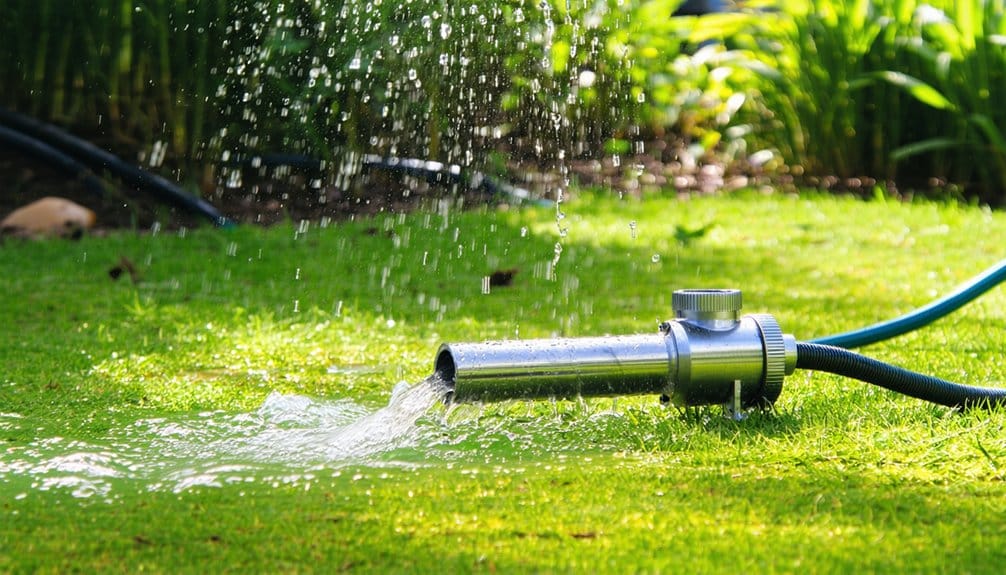
Versatile compatibility is a significant attribute of boost pumps in irrigation systems, particularly as farmers seek to optimize their operations with various equipment and technologies.
A boost pump that can seamlessly integrate with different irrigation systems, such as drip or sprinkler setups, enhances overall efficiency. Compatibility with various water sources, including wells, rivers, and reservoirs, further extends its utility.
Additionally, the ability to work with diverse power sources—electric, solar, or diesel—ensures flexibility in different farming environments. This adaptability allows farmers to easily upgrade or modify their systems without the need for extensive changes, thereby reducing costs and downtime.
Ultimately, versatile compatibility leads to improved irrigation performance and increased productivity in agricultural practices.
Easy Maintenance
Regular maintenance is crucial for the longevity and efficiency of boost pumps in irrigation systems. A boost pump designed for easy maintenance simplifies routine checks and servicing, ensuring that operators can swiftly address any issues.
Features such as accessible components, clear labeling, and modular designs facilitate straightforward inspections and part replacements. Additionally, a user-friendly manual can guide users through maintenance procedures, reducing the likelihood of errors.
The incorporation of self-cleaning mechanisms can further minimize manual intervention, enhancing operational convenience. By prioritizing easy maintenance, these pumps help prevent prolonged downtime, ensuring that irrigation schedules remain uninterrupted.
Ultimately, a boost pump that emphasizes ease of maintenance contributes significantly to the overall effectiveness of irrigation systems.
Reliable Performance
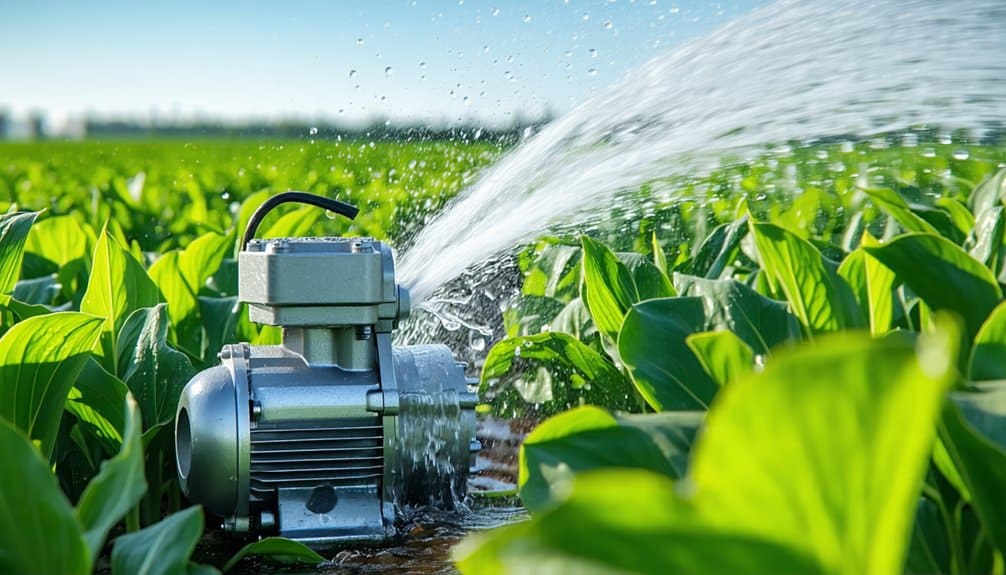
Reliable performance in boost pumps is crucial for maintaining consistent water pressure, which directly affects irrigation efficiency.
The ability of these pumps to endure stress without compromising functionality is equally important for long-term agricultural success.
Evaluating both aspects ensures that farmers can depend on their irrigation systems to operate effectively under varying conditions.
Consistent Water Pressure
Maintaining consistent water pressure is crucial for effective irrigation systems, ensuring that plants receive the necessary hydration without interruption.
A boost pump plays a vital role in achieving this stability, as it compensates for fluctuations in water supply and demand. By providing a steady flow, the pump allows for uniform distribution across various irrigation zones, preventing dry spots and over-saturation.
This reliability not only promotes healthy plant growth but also enhances the efficiency of water usage. Moreover, consistent pressure minimizes the risk of system damage caused by pressure surges or drops, ensuring longevity and reducing maintenance costs.
Durability Under Stress
Irrigation systems often face varying conditions that can put significant stress on their components, making durability a key factor in ensuring their reliable performance.
A boost pump must withstand these challenges to maintain efficiency and longevity. Key aspects of durability under stress include:
- Material Quality: High-grade materials prevent wear and corrosion over time.
- Pressure Resistance: Pumps should be designed to handle fluctuating pressures without failing.
- Thermal Stability: Ability to operate effectively in extreme temperatures is essential.
- Maintenance Requirements: Low-maintenance designs enhance reliability, reducing the risk of unexpected breakdowns.
Noise Level Management
Noise level management is a critical aspect of boost pump design, influencing both user experience and operational efficiency.
Effective sound level measurement techniques help identify areas for improvement, ensuring that pumps operate within acceptable noise thresholds.
Incorporating quiet operation features can significantly enhance the overall functionality and appeal of irrigation systems.
Importance of Noise Control
While effective irrigation is crucial for agricultural success, managing noise levels from equipment like boost pumps is equally important. Excessive noise can lead to various issues that affect both the environment and operational efficiency.
Noise control is essential due to the following reasons:
- Worker Comfort: Lower noise levels contribute to a more pleasant working environment for operators and farm workers.
- Wildlife Protection: Reduced noise minimizes disturbances to local wildlife, promoting biodiversity.
- Community Relations: Managing noise helps maintain a positive relationship with neighboring communities, reducing complaints and potential conflicts.
- Regulatory Compliance: Adhering to noise regulations avoids legal issues and potential fines, ensuring smooth operations.
Incorporating noise control measures in boost pump design enhances overall irrigation system reliability while safeguarding human and environmental health.
Sound Level Measurement
Effective management of sound levels in agricultural settings requires precise measurement techniques to ensure compliance with noise regulations and maintain a harmonious environment. Accurate sound level measurements allow operators to identify problem areas, assess the impact of equipment, and make informed decisions regarding noise mitigation. Utilizing sound level meters, operators can monitor decibel levels and implement changes when necessary. Regular assessments help maintain operational efficiency while safeguarding against potential disturbances.
| Measurement Method | Decibel Level Range | Compliance Status |
|---|---|---|
| Standard Meter | 60-70 dB | Compliant |
| Advanced Meter | 70-80 dB | Needs Review |
| Environmental Sensor | 80-90 dB | Non-Compliant |
| Mobile App | 60-75 dB | Compliant |
| Noise Dosimeter | 75-85 dB | Needs Review |
Quiet Operation Features
In agricultural settings, the integration of quiet operation features plays a crucial role in managing noise levels during irrigation processes.
Boost pumps designed with these features enhance the working environment for both operators and livestock.
Key aspects of quiet operation include:
- Soundproof Enclosures: These minimize external noise, providing a more serene atmosphere.
- Vibration Dampening Technology: Reduces the transmission of vibrations, leading to decreased noise levels.
- Advanced Motor Design: Utilizes brushless motors that operate more quietly than traditional models.
- High-Quality Bearings: Low-friction bearings contribute to smoother operation, further lowering noise.
Conclusion
In conclusion, a reliable boost pump for irrigation must embody essential qualities that enhance agricultural productivity and sustainability. High efficiency, durability, and an optimal flow rate are critical for effective water management. Additionally, versatile compatibility and easy maintenance further ensure its utility across various systems. By prioritizing reliable performance and noise level management, farmers can achieve a harmonious working environment while maximizing resource efficiency. Ultimately, these qualities contribute to the success of modern irrigation practices.