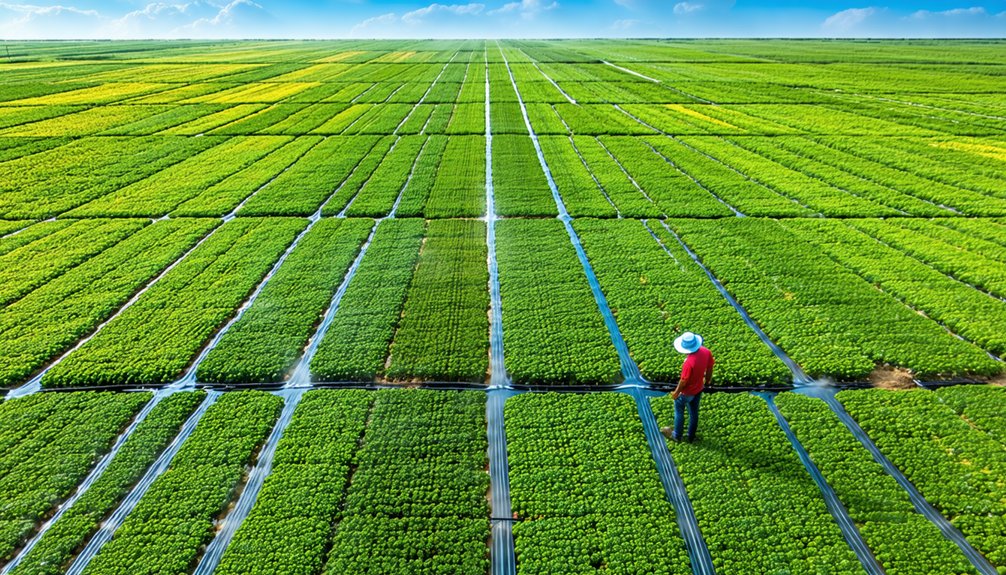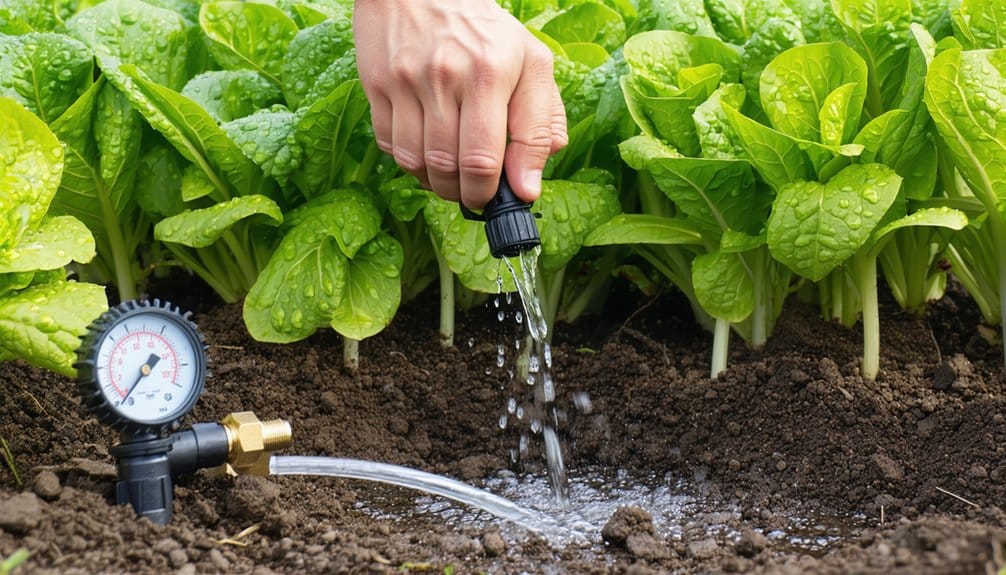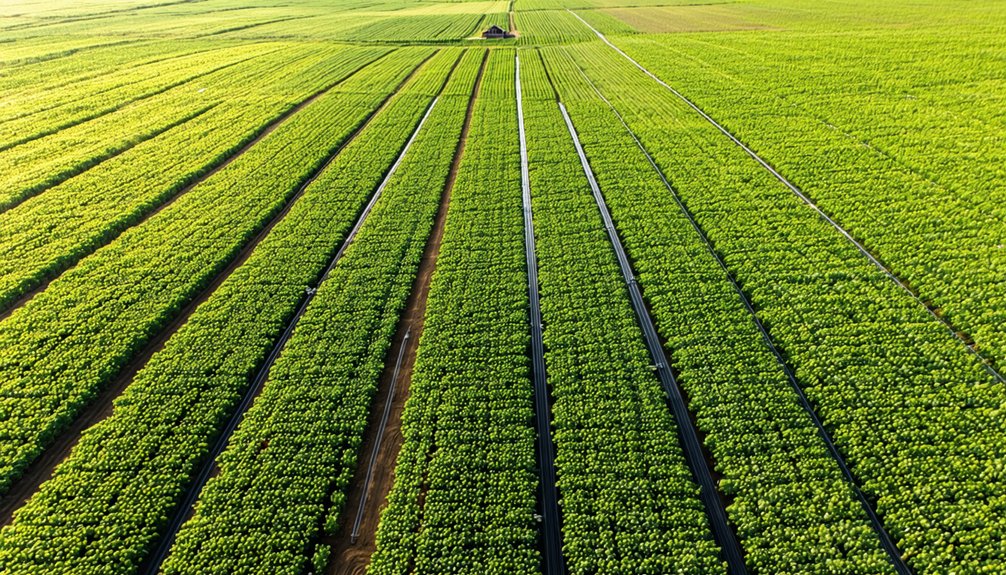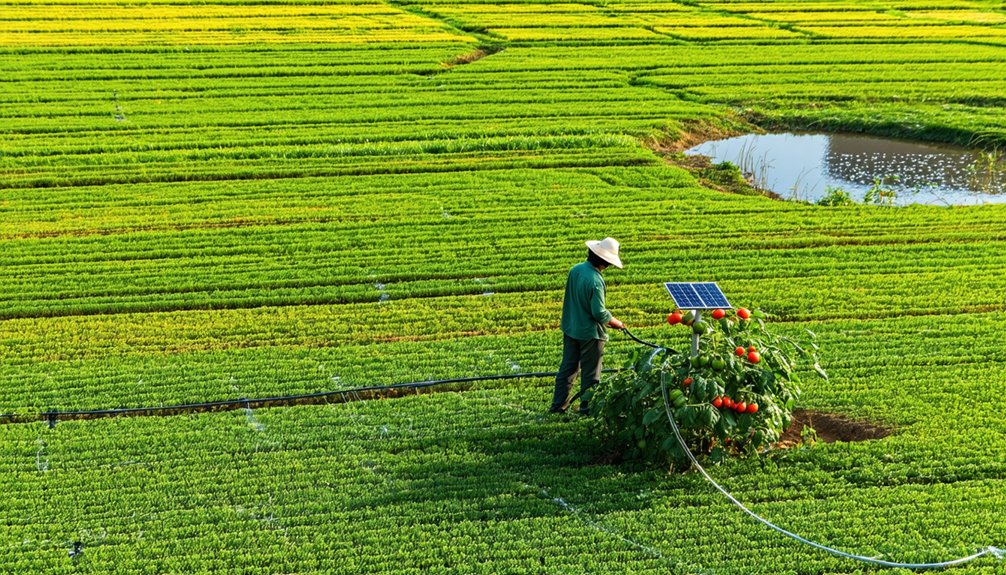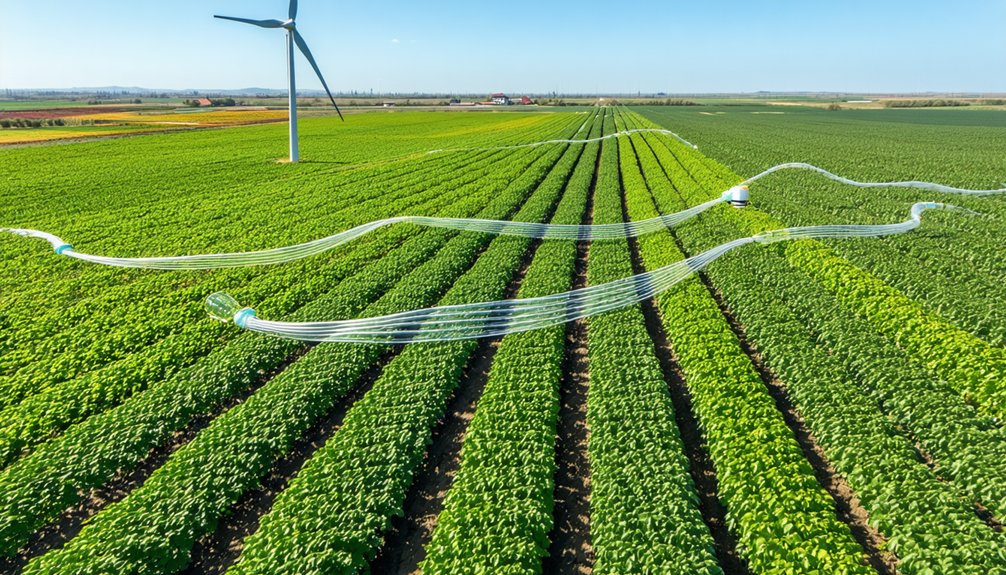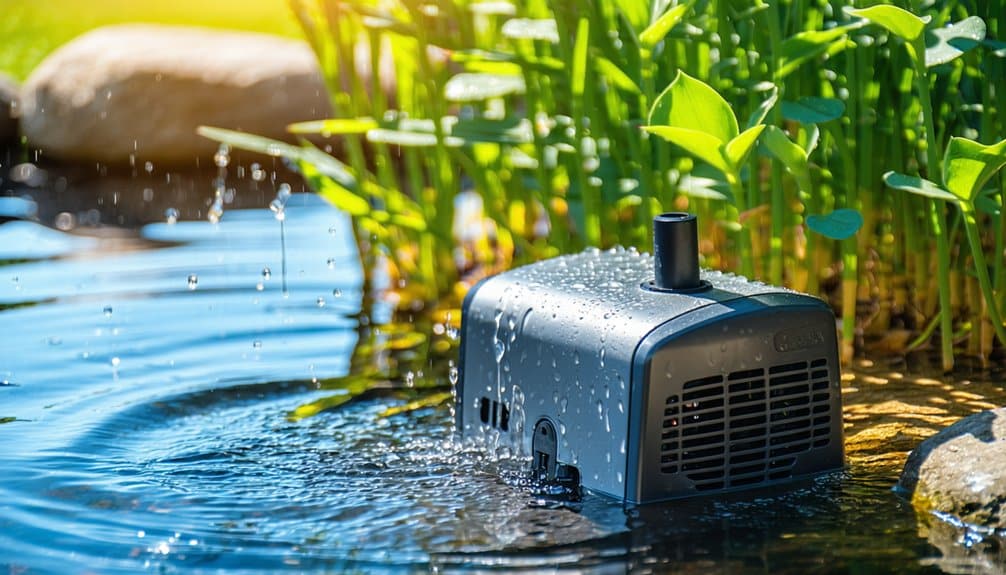
An effective pond irrigation pump is essential for managing water resources efficiently. It must possess six key traits to ensure optimal performance. These traits include a high flow rate, energy efficiency, and robust durability. Additionally, adjustable pressure settings and ease of maintenance are crucial for functionality. Versatility in application further enhances its usefulness. Understanding these characteristics can lead to better choices in irrigation solutions. What are the implications of each trait on overall irrigation success?
Key Takeaways
- High flow rate ensures effective water distribution, promoting healthy aquatic life and preventing stagnation in ponds.
- Energy efficiency reduces operational costs and enhances sustainability by minimizing energy consumption and utility bills.
- Durable materials and robust construction enhance longevity and reliability, even in extreme weather conditions.
- Adjustable pressure settings optimize water delivery, accommodating varying plant requirements and improving overall irrigation efficiency.
- Ease of maintenance with accessible components and self-cleaning features ensures long-lasting performance and reduces upkeep efforts.
High Flow Rate
A high flow rate is a crucial characteristic of an effective pond irrigation pump, as it directly influences the efficiency of water distribution.
When selecting a pond pump, one of the key irrigation pump features to consider is its capacity to move water quickly and consistently. A pump with a high flow rate ensures that water reaches all areas of the pond, promoting healthy aquatic life and supporting surrounding vegetation.
Inadequate flow rates can lead to stagnation and uneven watering, negatively impacting growth.
Therefore, when choosing a pond pump, it is essential to assess the flow rate alongside other features to ensure optimal performance. This consideration will enhance the overall effectiveness of the irrigation system, facilitating better water management.
Energy Efficiency
Energy efficiency stands as a pivotal factor in the selection of a pond irrigation pump. A well-designed pump can significantly reduce energy consumption, translating to lower utility bills and a reduced environmental impact.
In a comprehensive pond pump guide, one can find that the best pond pumps often feature energy-efficient motors and advanced technology, optimizing performance without excessive power usage.
Additionally, selecting a pump with variable speed capabilities allows for adjustments based on specific irrigation needs, further enhancing efficiency.
By prioritizing energy-efficient models, pond owners not only save on costs but also contribute to sustainable practices in water management.
Durability and Build Quality
Durability and build quality are crucial factors in the selection of a pond irrigation pump.
The material composition significantly influences the pump’s resistance to various weather conditions, while robust construction ensures long-term performance.
Understanding these elements helps users make informed decisions regarding their irrigation needs.
Material Composition Importance
Material composition plays a crucial role in determining the longevity and reliability of pond irrigation pumps. Different materials offer varying levels of durability and performance under stress. For instance, high-quality metals provide strength, while plastics can offer lightweight convenience. Choosing the right material can prevent premature wear and tear, ensuring consistent operation over time.
| Material Type | Durability | Cost-Effectiveness |
|---|---|---|
| Stainless Steel | High | Moderate |
| Aluminum | Moderate | High |
| PVC | Low | Very High |
| Cast Iron | Very High | Moderate |
| Composite | Moderate | High |
Understanding the material composition is essential for users aiming for optimal performance and long-term use of their irrigation systems.
Weather Resistance Features
While many factors contribute to the effectiveness of a pond irrigation pump, weather resistance features are critical for ensuring reliable operation in varying environmental conditions.
Pumps designed with durable, corrosion-resistant materials can withstand exposure to moisture, UV rays, and temperature fluctuations. Such build quality is essential for preventing rust and degradation over time, which can significantly impact the pump’s performance.
Additionally, weatherproof seals and enclosures protect internal components from dirt and debris, enhancing longevity. A robust design also minimizes the risk of mechanical failures during extreme weather events, ensuring consistent irrigation.
Ultimately, a pump’s durability and weather resistance directly correlate to its ability to provide efficient and uninterrupted service, making them vital traits for potential buyers.
Long-Term Performance Expectations
How can one assess the long-term performance expectations of a pond irrigation pump? Evaluating durability and build quality is crucial for this assessment.
A well-constructed pump typically features high-grade materials, such as stainless steel or reinforced plastic, which resist corrosion and wear over time. Additionally, the design should encompass robust seals and components that prevent leaks and mechanical failures.
Customers can also look for warranties that reflect manufacturer confidence in longevity, as extended warranties often indicate higher build quality. Regular maintenance guidelines provided by manufacturers can further enhance the pump’s lifespan.
Lastly, user reviews and expert recommendations offer insights into real-world performance, helping potential buyers make informed decisions regarding long-term reliability and functionality of their chosen irrigation pump.
Adjustable Pressure Settings
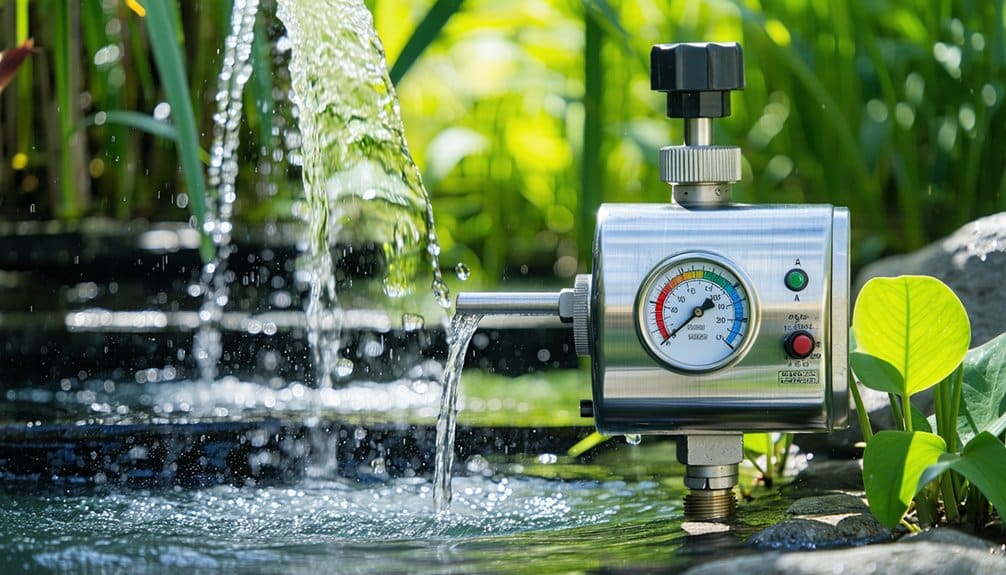
Adjustable pressure settings are a crucial feature of an effective pond irrigation pump.
They allow for customizable flow rates, enabling users to tailor the water distribution according to specific needs.
Additionally, these settings contribute to enhanced energy efficiency, ensuring optimal performance while minimizing energy consumption.
Customizable Flow Rates
Customizable flow rates are essential for optimizing pond irrigation systems, allowing users to tailor water delivery to specific needs. By adjusting flow rates, users can ensure efficient irrigation, accommodate varying plant requirements, and manage water resources effectively. The versatility of flow rate settings enables adaptability for different seasons and weather conditions, contributing to healthier pond ecosystems.
| Flow Rate (GPM) | Application | Benefits |
|---|---|---|
| 5 | Light irrigation | Water conservation |
| 10 | Moderate irrigation | Balanced nutrient flow |
| 15 | Heavy irrigation | Enhanced plant growth |
| 20 | Flood irrigation | Rapid water distribution |
Such adjustable settings empower users to achieve optimal results in their pond irrigation efforts.
Enhanced Energy Efficiency
While many factors influence the efficiency of a pond irrigation system, enhanced energy efficiency through adjustable pressure settings plays a crucial role in optimizing performance.
Adjustable pressure settings allow operators to tailor the pump’s output to the specific needs of their irrigation system, ensuring that water is delivered at the most effective pressure. This not only conserves energy but also reduces wear on the pump and associated components.
By minimizing energy consumption, operators can lower operating costs while maintaining optimal water flow. Furthermore, these settings enable real-time adjustments based on changing conditions, leading to improved overall system performance.
Ultimately, the integration of adjustable pressure settings enhances the energy efficiency of pond irrigation pumps, benefiting both the environment and the bottom line.
Ease of Maintenance
Ease of maintenance is a critical factor that significantly impacts the longevity and efficiency of a pond irrigation pump. A pump that requires minimal upkeep not only saves time but also reduces operational costs.
Key features that enhance ease of maintenance include accessible components for cleaning and repairs, as well as durable materials that withstand environmental stressors. Pumps designed with straightforward assembly and disassembly processes facilitate routine inspections, allowing operators to quickly identify and address issues.
Additionally, models equipped with self-cleaning filters or automatic lubrication systems further decrease maintenance demands. Overall, the ease of maintenance contributes to the pump’s reliability and performance, ensuring that the irrigation system operates smoothly and effectively over time.
Versatility in Application
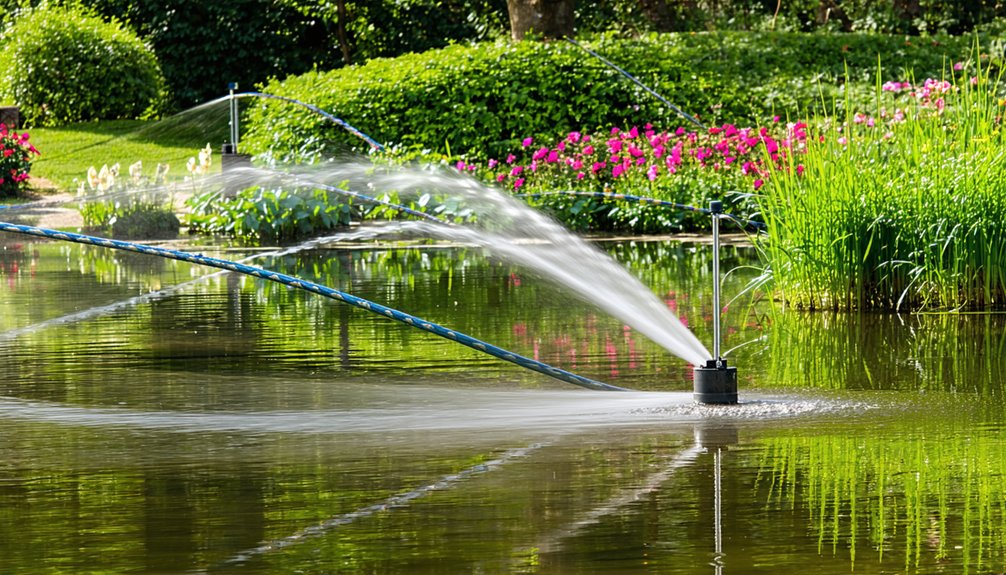
A pond irrigation pump‘s functionality is greatly enhanced by its versatility in application, enabling it to serve a variety of irrigation needs across different landscapes.
Capable of supporting both residential gardens and larger agricultural areas, these pumps can efficiently manage diverse water flow requirements. They can be utilized for drip irrigation, sprinkler systems, and even flood irrigation, making them suitable for various crops and plant types.
Additionally, many models can adapt to different water sources, including ponds, rivers, and reservoirs, increasing their utility.
This adaptability not only maximizes efficiency but also minimizes the need for multiple pumping systems, thus saving time and resources.
Ultimately, a versatile pond irrigation pump is an invaluable asset for effective water management.
Conclusion
In conclusion, an effective pond irrigation pump is characterized by its high flow rate, energy efficiency, and durable build quality. These traits, combined with adjustable pressure settings, ease of maintenance, and versatility, ensure optimal water delivery and adaptability to various irrigation needs. Whether for small gardens or expansive agricultural landscapes, selecting a pump that embodies these key features will enhance irrigation efficiency and promote healthy plant growth, ultimately leading to successful gardening or farming endeavors.