
Installing an underground sprinkler system requires careful consideration and meticulous execution. A well-planned system can enhance the health of a lawn and reduce water waste. One must evaluate the yard’s layout, identify watering needs, and choose the right components. The process is intricate, and even minor oversights can lead to inefficiencies. Understanding each step is crucial, as it sets the foundation for a successful installation. What follows is an exploration of essential strategies for mastery.
Key Takeaways
- Assess your yard size and layout to create an effective sprinkler design tailored to specific watering needs.
- Gather essential tools and materials, including pipes, fittings, and safety gear, for a smooth installation process.
- Dig trenches and properly place sprinkler heads while maintaining correct depth and spacing for optimal irrigation performance.
- Connect the system to the main water line using secure fittings and ensure all connections are leak-free.
- Regularly test the system and conduct maintenance checks to ensure efficiency and address any issues promptly.
Understanding the Benefits of an Underground Sprinkler System
Although many homeowners may overlook the advantages of an underground sprinkler system, its benefits are significant.
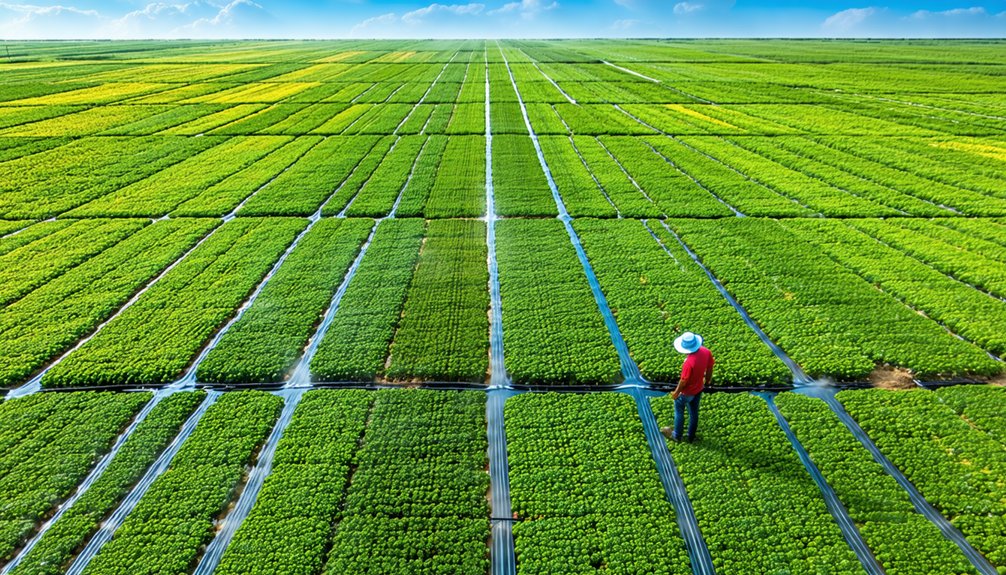
This efficient irrigation system installation offers a consistent and targeted approach to lawn care, ensuring that grass and plants receive the right amount of water without the waste associated with traditional methods.
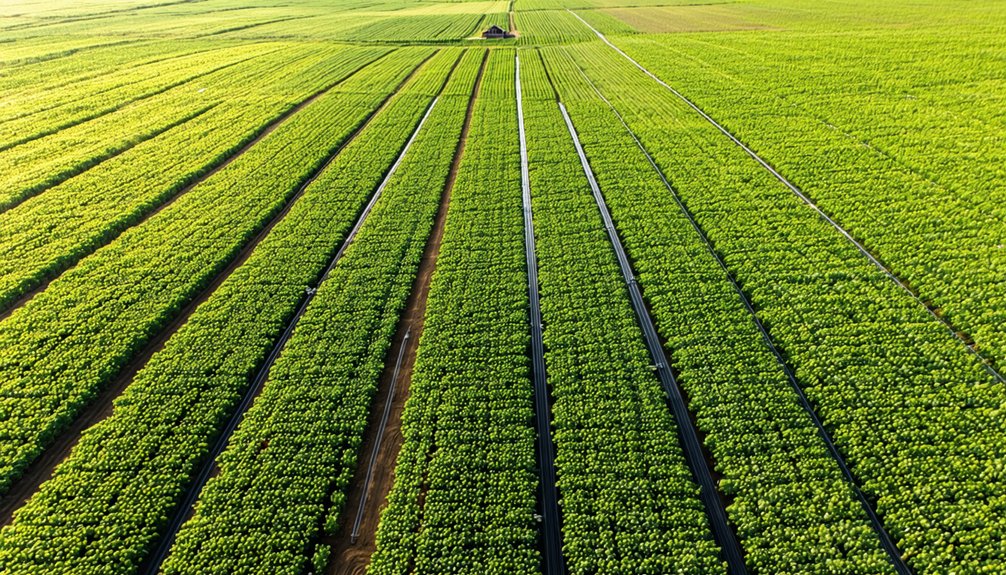
By utilizing buried pipes and strategically placed sprinkler heads, homeowners can achieve optimal coverage, reducing dry spots and promoting healthy growth.
Additionally, an underground system minimizes the risk of overwatering, which can lead to disease and pest issues.
With automated timers and sensors, these systems also save time and effort, allowing homeowners to focus on enjoying their well-maintained landscape rather than spending hours watering by hand.
Furthermore, understanding the importance of proper system design can enhance the efficiency and effectiveness of your irrigation setup.
Planning Your Sprinkler Layout
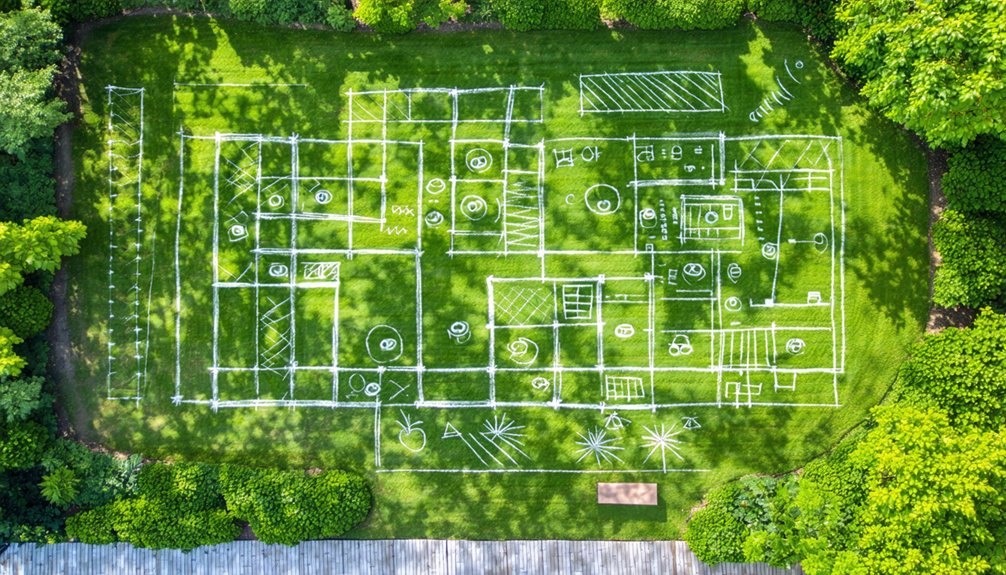
With a solid understanding of the benefits of an underground sprinkler system, homeowners can now focus on the important task of planning their sprinkler layout.
This crucial step involves assessing the yard’s size, shape, and specific watering needs. Homeowners should sketch their lawn, marking flower beds, trees, and other features that require special attention during sprinkler installation.
It is essential to consider the water pressure and availability in the area to ensure optimal coverage. For those opting for a DIY sprinkler system, understanding the spacing requirements between sprinkler heads is vital to avoid overwatering or underwatering. Additionally, irrigation system design is key to achieving an efficient and effective watering solution.
Selecting the Right Components
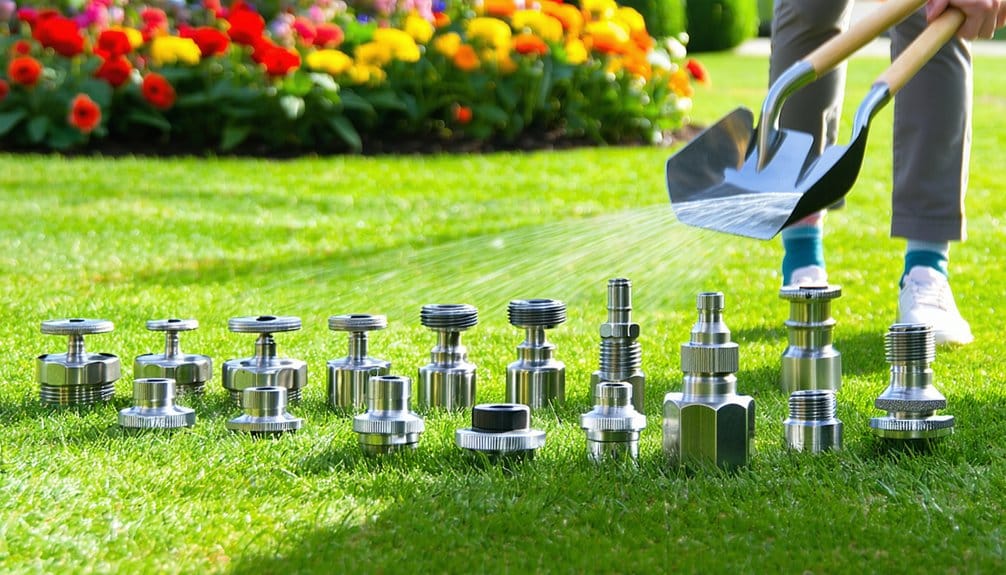
When selecting the right components for an underground sprinkler system, it is crucial to understand the various types of sprinklers available, as each serves different watering needs.
Additionally, choosing the appropriate pipe materials ensures durability and efficiency in water distribution.
Lastly, the control system options play a vital role in automating and managing the irrigation process effectively.
Sprinkler Types Overview
Selecting the right components for an underground sprinkler system is crucial for achieving efficient watering and maintaining a healthy landscape. Sprinkler types play a significant role in determining the effectiveness of the system. The most common types include spray heads, rotor heads, and drip irrigation systems, each serving different purposes and areas of coverage.
| Sprinkler Type | Description |
|---|---|
| Spray Heads | Deliver high-pressure streams, ideal for small areas. |
| Rotor Heads | Rotate to cover larger areas, suitable for lawns. |
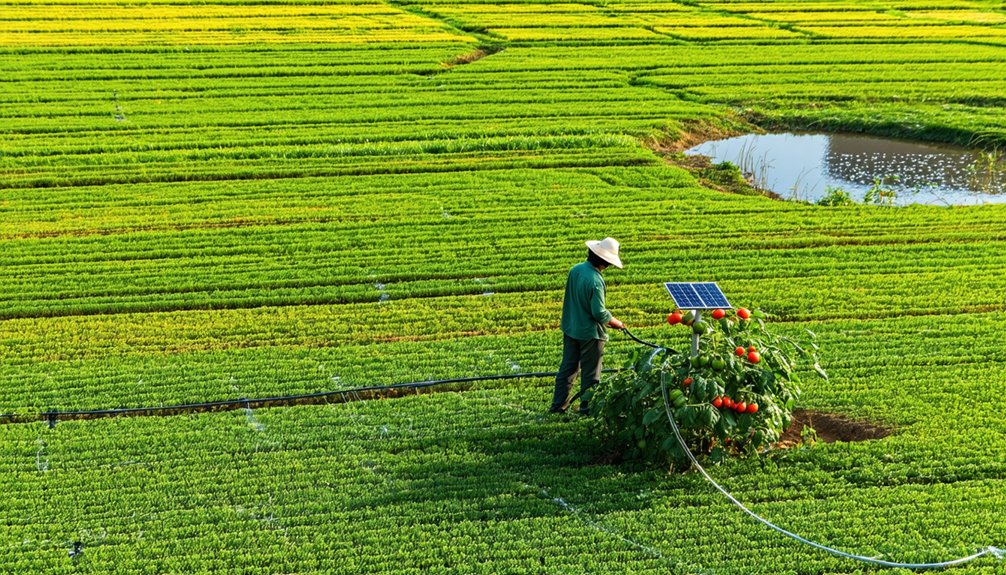
| Drip Irrigation | Provides slow, targeted watering, perfect for gardens. |
Understanding these options allows for better customization of an irrigation system, ensuring all landscape needs are met efficiently.
Essential Pipe Materials
The foundation of an efficient underground sprinkler system lies in the choice of pipe materials. Homeowners typically consider three primary options: PVC, polyethylene, and galvanized steel.
PVC is favored for its durability and resistance to corrosion, making it ideal for permanent installations.
Polyethylene pipes offer flexibility and ease of installation, which is beneficial for adapting to landscape contours. However, they may be more susceptible to damage from UV exposure.
Galvanized steel pipes are robust but can corrode over time, necessitating regular maintenance.
Each material has its advantages and disadvantages, and the selection should be based on factors such as budget, soil conditions, and long-term system goals.
Ultimately, choosing the right pipes will significantly impact system efficiency and longevity.
Control System Options
How can homeowners ensure their underground sprinkler system operates effectively? Selecting the right control system components is crucial.
Homeowners can choose between manual and automatic controllers, with automatic systems offering programmable schedules for convenience. Smart controllers utilize weather data to adjust watering based on environmental conditions, optimizing water usage and promoting healthier landscapes.
Additionally, homeowners should consider zone control options, allowing for tailored watering based on different plant needs or soil types. Sensors for rain and soil moisture can further enhance efficiency by preventing unnecessary watering.
Ultimately, the right combination of control system components not only ensures effective operation but also promotes sustainable water management practices, contributing to a greener environment.
Gathering Necessary Tools and Materials
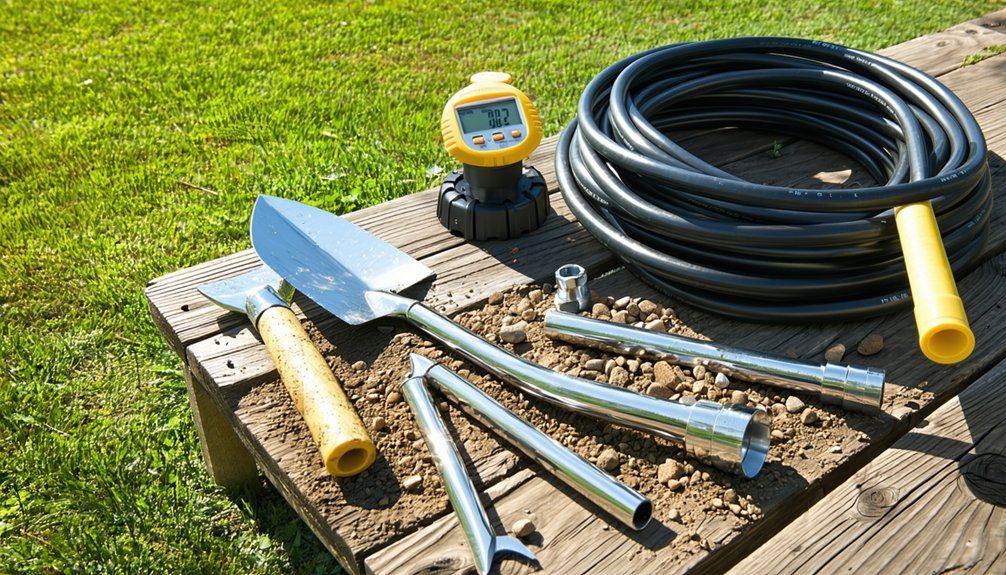
When installing an underground sprinkler system, gathering the necessary tools and materials is crucial for a successful project.
Essential tools include shovels, wrenches, and pipe cutters, while key materials encompass pipes, fittings, and timers. Additionally, the importance of safety equipment cannot be overstated, as it ensures protection during the installation process. To enhance your irrigation efficiency, consider incorporating a homemade irrigation system that can be tailored to your specific garden needs.
Essential Tools Required
Gathering the essential tools and materials is a crucial step in the successful installation of an underground sprinkler system. The right tools can streamline the process, ensuring efficiency and effectiveness.
Here are three indispensable tools that one should have on hand:
- Shovel: A sturdy shovel is necessary for digging trenches to lay the piping.
- Pipe Cutter: This tool simplifies cutting pipes to the desired lengths, ensuring precise fittings.
- Trowel: A trowel assists in smoothing out soil and making adjustments to the landscape after installation.
Having these tools ready allows for a more organized approach and minimizes delays during the installation process.
With the right equipment, the task becomes not only manageable but also more enjoyable.
Key Materials Overview
Once the necessary tools have been assembled, attention must turn to the key materials required for an underground sprinkler system installation.
Essential components include PVC pipes, which transport water; sprinkler heads, responsible for distributing water evenly; and fittings that connect the pipes. A backflow preventer is crucial to ensure that water remains uncontaminated.
Additionally, a timer or smart controller is recommended to automate watering schedules effectively. Landscape fabric may be utilized to suppress weeds around the system.
Lastly, quality adhesive and pipe glue are necessary to secure connections and prevent leaks. Gathering these materials in advance aids in a smoother installation process, ensuring the system operates efficiently from the start.
Safety Equipment Importance
Safety equipment plays a vital role in ensuring a smooth and injury-free installation of an underground sprinkler system.
Prioritizing safety not only protects the installer but also enhances the overall efficiency of the project. Gathering the right tools and materials can make a significant difference in the installation process.
- Gloves: Protect hands from sharp tools and potential hazards in the soil.
- Knee Pads: Provide comfort and support when kneeling during installation.
- Safety Glasses: Shield eyes from debris and unexpected splashes when digging.
Preparing Your Yard for Installation
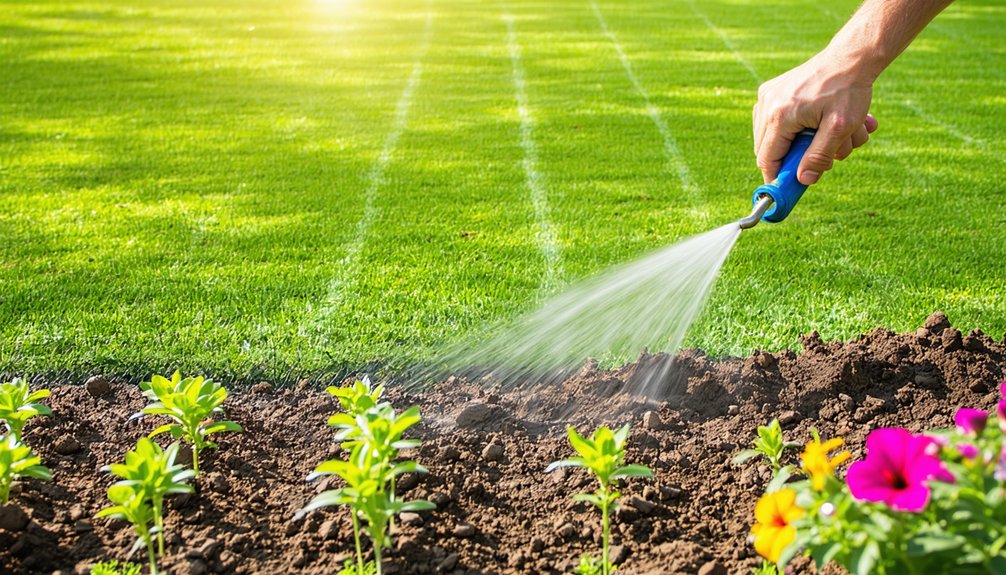
Preparing a yard for the installation of an underground sprinkler system involves several key steps to ensure a smooth process.
First, the area must be surveyed to identify existing landscaping, utilities, and any potential obstacles that may interfere with installation.
Next, it is essential to clear the designated installation area of debris, rocks, and vegetation to create a clean workspace.
Homeowners should also mark the planned layout of the sprinkler system using stakes and string, allowing for adjustments as needed.
Additionally, checking local regulations regarding underground installations can prevent future complications.
Finally, measuring water pressure and flow rate will help determine the appropriate system components, ensuring optimal performance once the installation begins. Implementing a DIY irrigation system can further enhance your yard’s efficiency and sustainability.
Installing the Sprinkler System
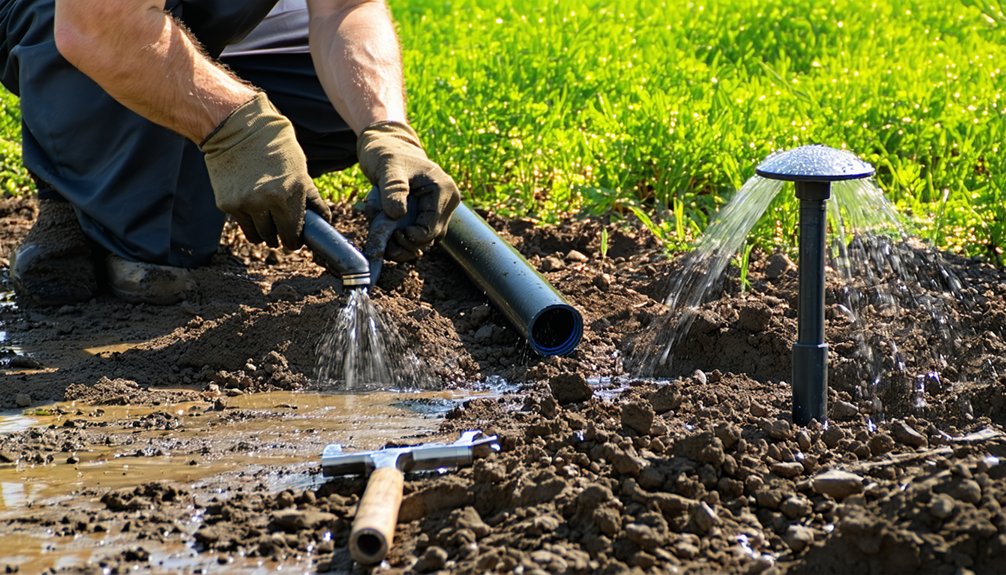
Begin the installation of the underground sprinkler system by laying out the necessary components according to the pre-marked design. This step ensures that each part is in its correct location before any digging begins.
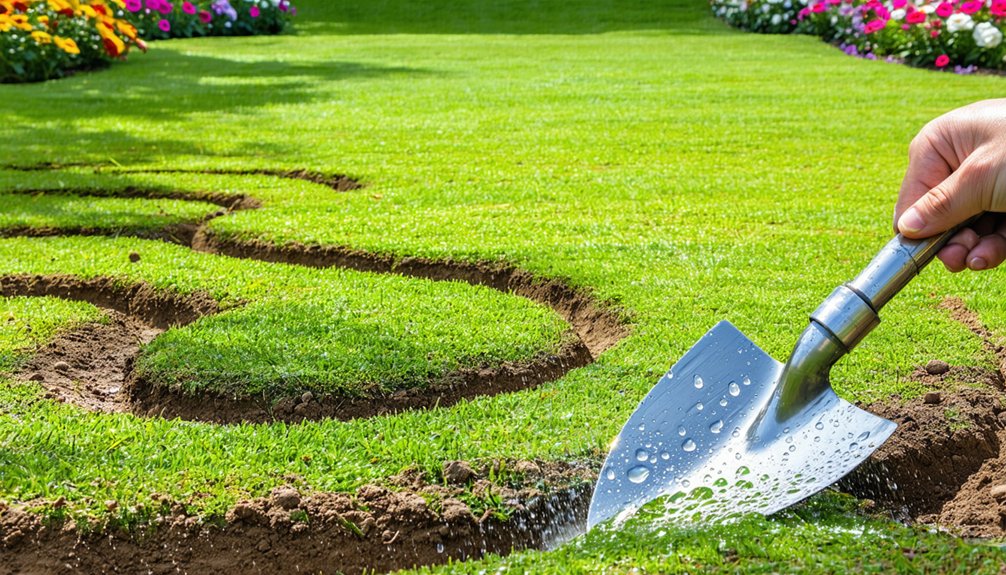
Next, the installation process involves digging trenches for the pipes and placing the sprinkler heads at designated spots. Care should be taken to maintain the proper depth and spacing to ensure optimal performance.
- Ensure all pipes are connected securely to prevent leaks.
- Use a level to align the sprinkler heads with the ground.
- Test the system periodically during installation to check for any issues.
Additionally, consider using a DIY PVC irrigation system to simplify the assembly of your sprinkler network. Following these steps will help create an efficient underground sprinkler system that promotes healthy, lush vegetation.
Connecting the Water Supply
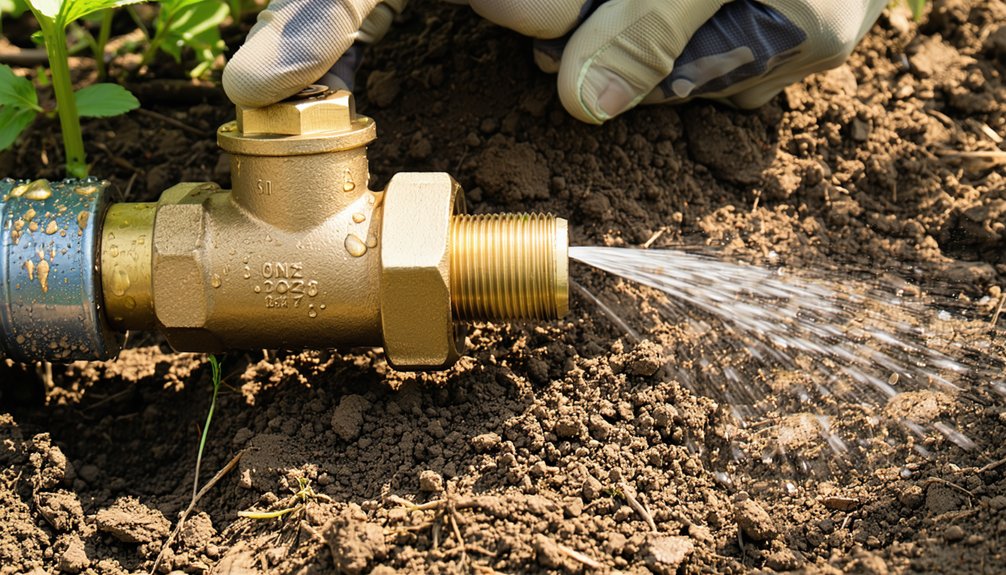
Once the underground sprinkler system is laid out and trenches are dug, connecting the water supply becomes the next crucial step in the installation process.
First, the main water line should be identified and accessed, ensuring that the shut-off valve is turned off. A suitable connection point is selected, typically using a T-fitting to divert water to the sprinkler system.
The appropriate size of PVC or polyethylene pipe is then cut to fit, ensuring a secure and leak-proof connection. Proper fittings, such as clamps or connectors, are essential for maintaining pressure and functionality.
Finally, the newly connected supply lines are carefully buried to protect them from damage. This forms a vital link between the property’s water source and the sprinkler system.
Testing and Adjusting the System
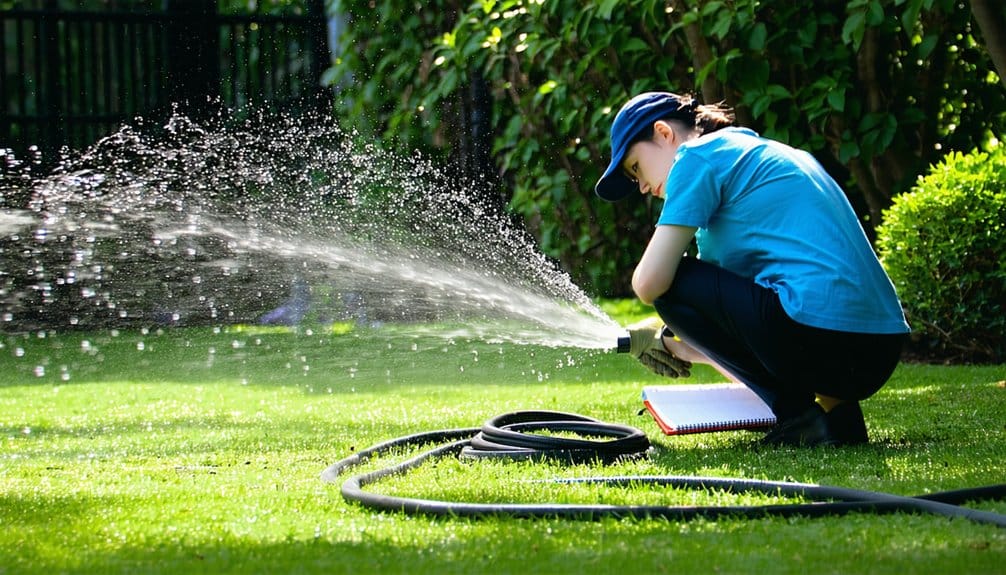
Testing and adjusting the underground sprinkler system is essential to ensure optimal performance and coverage. After installation, it is crucial to evaluate how well the system distributes water across the landscape. This involves several steps to guarantee efficiency and effectiveness.
- Check Coverage: Observe the spray patterns to ensure all areas receive adequate water without overlap or dry spots.
- Adjust Sprinkler Heads: Modify the height and angle of the heads to optimize coverage and minimize water waste.
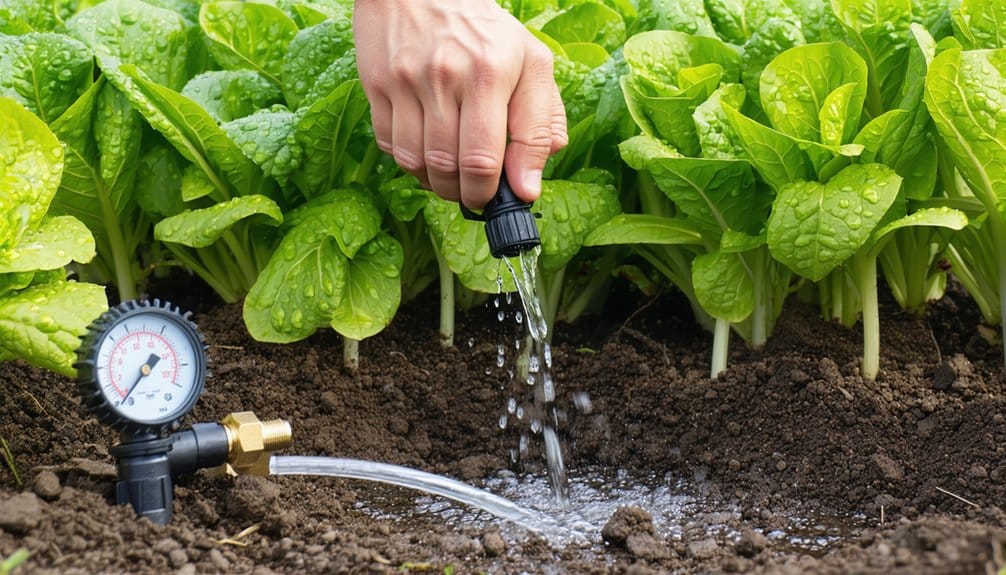
- Test Water Pressure: Measure the water pressure to confirm it meets the specifications for the system, making adjustments as necessary.
Maintaining Your Underground Sprinkler System
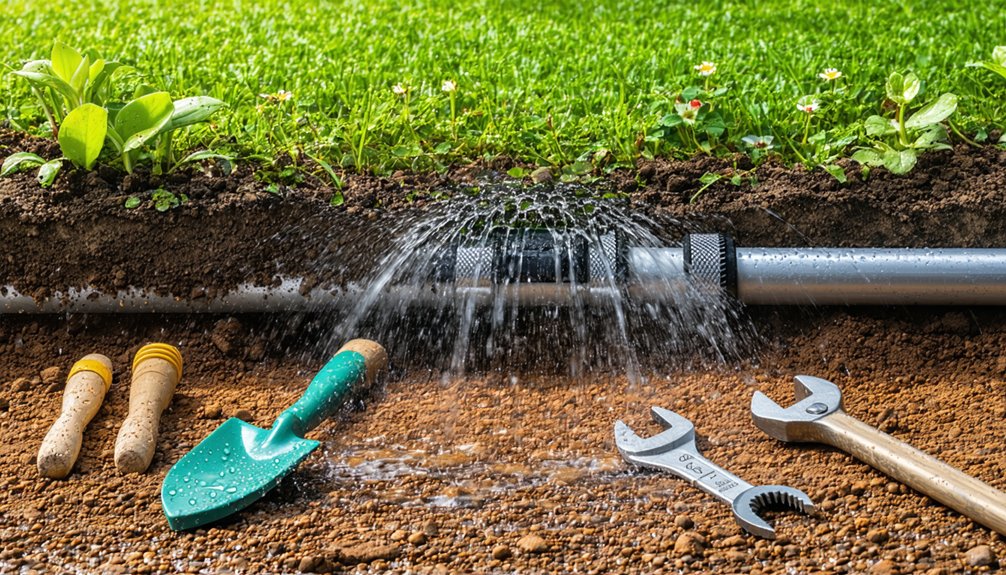
Maintaining an underground sprinkler system is vital for ensuring its longevity and efficiency. Regular inspections should be conducted to identify leaks, clogs, or damaged components.
Controllers and timers must be checked periodically to ensure they are functioning correctly and are set to appropriate schedules for the seasons. Additionally, sprinkler heads should be cleaned and adjusted to prevent overspray and ensure even coverage.
It is essential to monitor water pressure, as fluctuations can affect system performance. Seasonal maintenance, such as winterization to prevent freezing and damage, should not be overlooked.
Conclusion
Successfully installing an underground sprinkler system requires careful planning, appropriate component selection, and diligent execution. By understanding the benefits and following a structured approach, homeowners can ensure their lawns receive efficient irrigation. Regular maintenance and adjustments will keep the system functioning optimally, promoting a healthy and vibrant landscape year-round. With the right tools and knowledge, mastering this art transforms yard care, making it both manageable and rewarding for everyone involved.