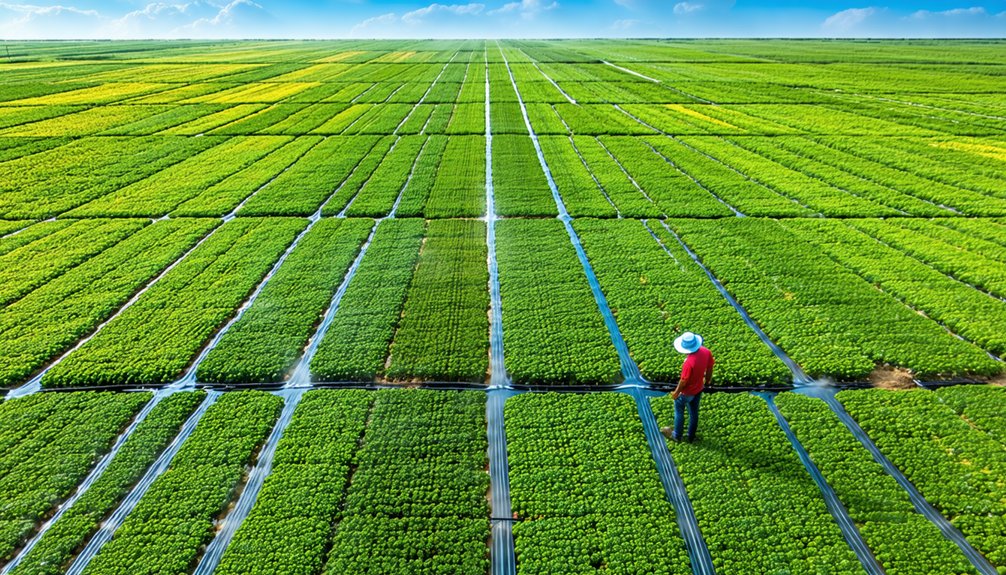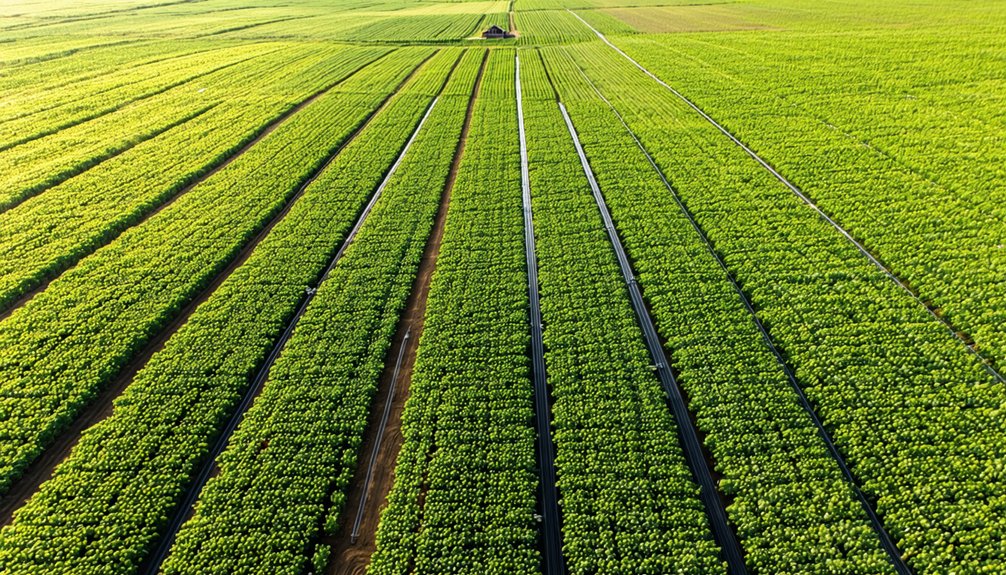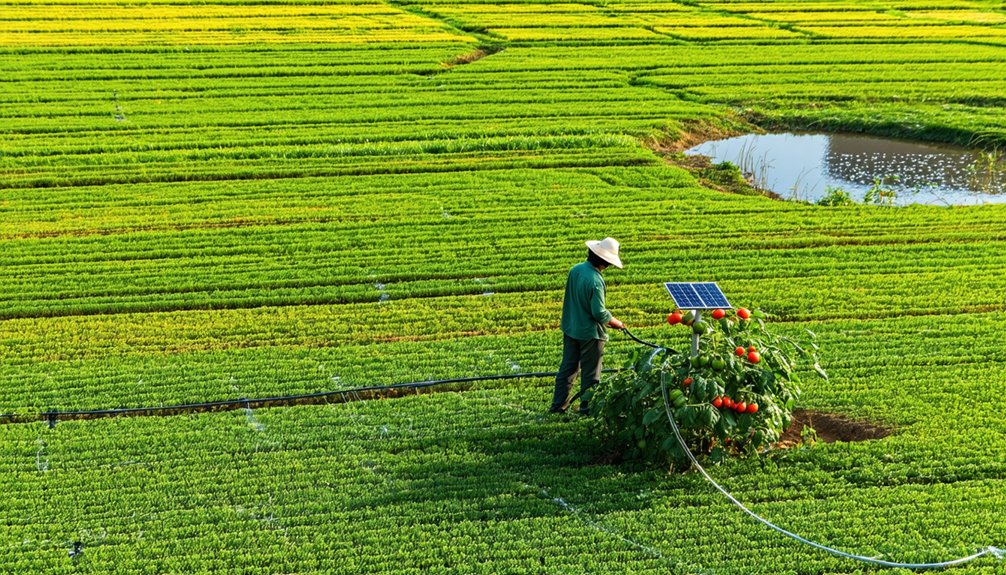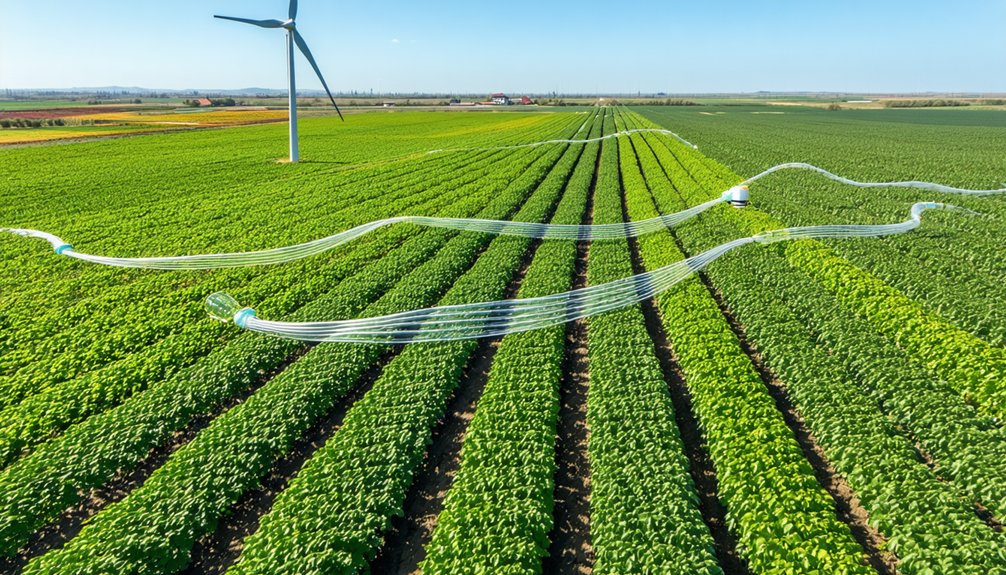

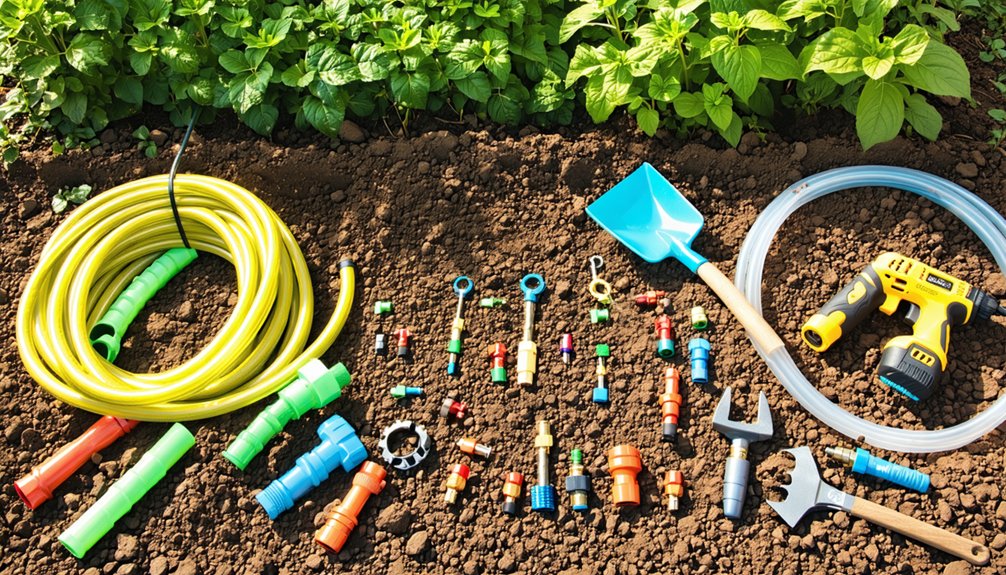
Building an irrigation system can seem daunting, yet it is a manageable task with the right approach. By following a systematic process, one can ensure that plants receive the necessary water efficiently. Each of the seven steps plays a vital role in achieving a successful setup. The careful consideration of water needs and system components will lead to optimal performance. What comes next may surprise those eager to enhance their gardening experience.
Key Takeaways
- Assess your garden layout and determine plant water requirements for effective irrigation planning.
- Choose essential components like pressure regulators, filters, and backflow preventers for system efficiency.
- Create a detailed map of your irrigation layout, including the main water source installation.
- Connect distribution lines and attach emitters, ensuring even coverage and secure connections.
- Regularly maintain the system by inspecting for wear, cleaning filters, and adjusting schedules as needed.
Assess Your Water Needs
How does one accurately determine the water needs of a garden or landscape? Assessing water requirements is crucial for creating an efficient DIY irrigation system.
Factors such as plant type, soil quality, and climate conditions play significant roles in determining these needs. A thorough evaluation of the garden’s layout helps identify areas that may require more or less water, guiding the development of a tailored home irrigation plan.
Measuring the water retention of the soil can also provide insights into how frequently the garden watering system should operate. Additionally, understanding seasonal variations can aid in adjusting watering schedules, ensuring that plants receive the optimal moisture without wastage.
Ultimately, accurate assessment lays the foundation for a successful and sustainable irrigation solution.
Choose the Right Irrigation System Type
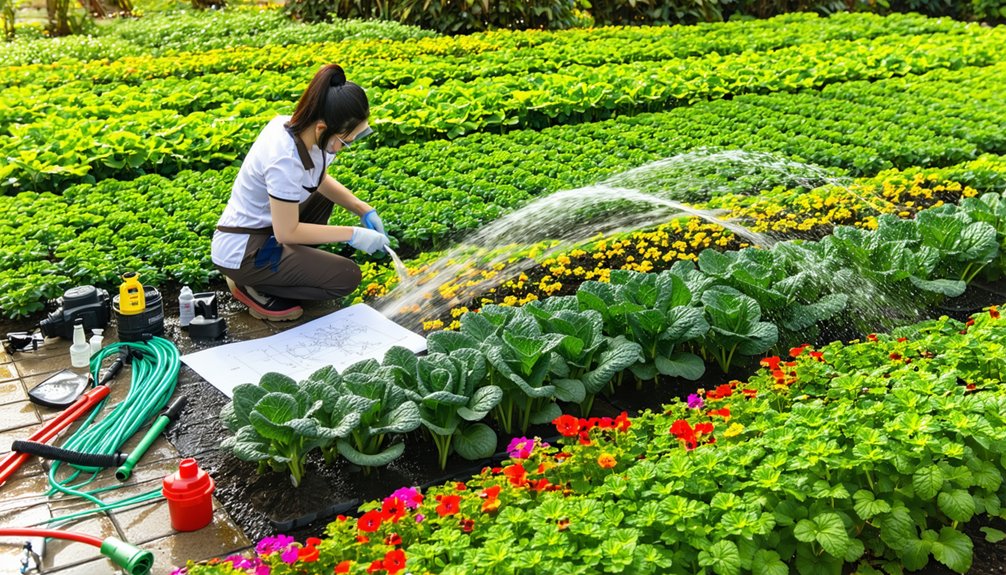
Selecting the appropriate type of irrigation system is crucial for efficient water management.
Each option, including drip irrigation, sprinkler systems, and soaker hoses, offers distinct advantages tailored to different gardening needs.
Understanding these options will help in making an informed decision that maximizes water use and enhances plant health.
Drip Irrigation Advantages
Drip irrigation offers numerous advantages that make it an ideal choice for efficient water management in gardening and agriculture.
This method allows for precise watering solutions that minimize waste and enhance plant health. By choosing drip irrigation, gardeners and farmers can significantly improve their irrigation practices.
- Reduces water consumption by delivering water directly to the root zone
- Minimizes weed growth by limiting water to desired plants
- Lowers the risk of fungal diseases by keeping foliage dry
- Allows for automated systems to simplify watering schedules
- Enhances nutrient uptake by providing a consistent moisture level
Implementing drip irrigation as part of a build irrigation system can lead to healthier plants and more sustainable gardening practices.
Sprinkler System Options
When considering irrigation systems, gardeners and farmers have multiple options, each with its own benefits and drawbacks.
Sprinkler systems are among the most popular choices, offering versatility and efficiency in watering various plant types. They can cover large areas and are suitable for both residential and agricultural applications.
There are several types of sprinkler systems, including stationary, oscillating, and rotating sprinklers, each designed for specific watering needs. For instance, stationary systems provide targeted watering, while oscillating models ensure even coverage over larger spaces.
Additionally, automatic sprinkler systems can be programmed for optimal timing, conserving water and reducing labor.
Ultimately, selecting the right sprinkler system depends on the specific requirements of the garden or farm, including plant types, area size, and water availability.
Soaker Hoses Benefits
Soaker hoses offer a unique advantage for gardeners seeking an efficient and effective way to irrigate their plants.
These hoses gently release water directly to the soil, ensuring that moisture penetrates deep into the root zone. This method not only conserves water but also reduces evaporation and minimizes weed growth.
Benefits of using soaker hoses include:
- Water Efficiency: Delivers moisture directly to plant roots.
- Time-Saving: Reduces the need for frequent manual watering.
- Soil Health: Promotes even moisture distribution, enhancing soil structure.
- Versatility: Suitable for various garden types, including vegetable patches and flower beds.
- Cost-Effective: Lower water bills due to reduced wastage.
Gather Necessary Materials and Tools
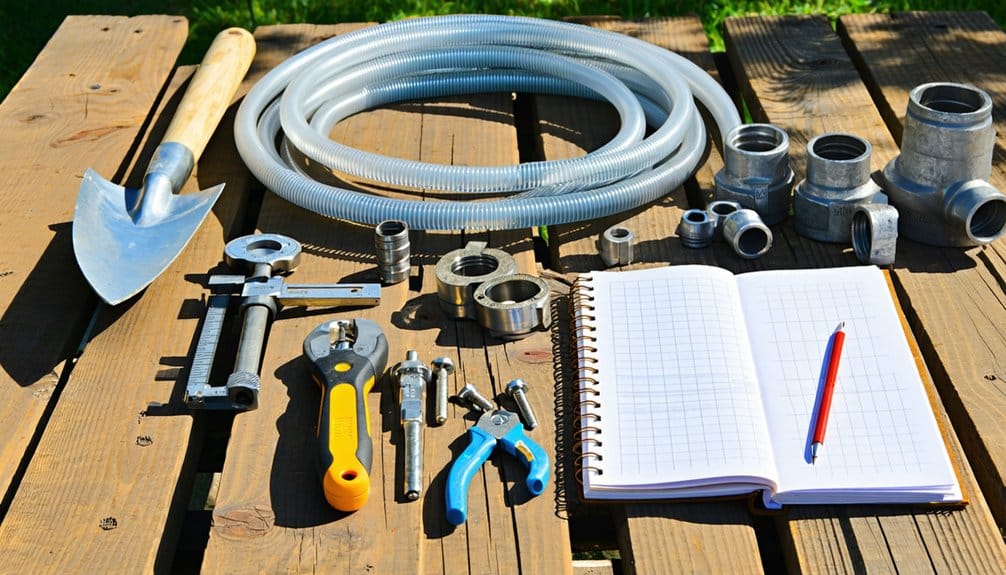
To successfully build an irrigation system, one must first compile a checklist of essential materials and tools.
Understanding the required items and their costs is crucial for effective budgeting.
This section will outline the necessary components and tools to ensure a smooth installation process.
Essential Materials Checklist
Creating an efficient irrigation system requires careful planning and the right materials. To ensure a successful setup, one must gather essential components that will facilitate optimal water delivery to plants.
The following checklist outlines critical materials needed for the irrigation project:
- Pipes: Choose appropriate sizes for water flow and pressure.
- Emitters or Sprinklers: Select based on the type of plants and area coverage.
- Connectors and Fittings: Ensure compatibility with pipes and emitters.
- Filtration System: Prevents clogs and maintains water quality.
- Water Source: Identify a reliable supply, such as a well or municipal water.
Having these materials ready will streamline the construction process, allowing for a more efficient irrigation system tailored to specific gardening needs.
Required Tools Overview
Establishing a functional irrigation system requires a specific set of tools to ensure proper installation and maintenance. Essential tools include a shovel for digging trenches, a hose cutter for precise pipe adjustments, and a pipe wrench for securing connections.
Additionally, a measuring tape helps in planning the layout accurately, while a level ensures proper grading for water flow. Garden stakes can be useful for marking the irrigation layout, and a drill may be necessary for creating holes in various components.
For efficient water distribution, a sprinkler head adjustment tool can enhance performance. Having these tools on hand will streamline the process, making it easier to construct a reliable and effective irrigation system tailored to specific landscape needs.
Budget Considerations Explained
When planning an irrigation system, careful budgeting is essential to ensure all necessary materials and tools are acquired without overspending.
A well-structured budget not only helps in managing costs but also prevents delays in project completion. Identifying key components and their associated expenses can aid in making informed decisions.
To effectively gather necessary materials and tools, consider the following budget items:
- PVC pipes and connectors
- Drip irrigation tubing
- Sprinkler heads and fittings
- Water timers and controllers
- Tools (shovel, wrench, and cutter)
Plan Your System Layout
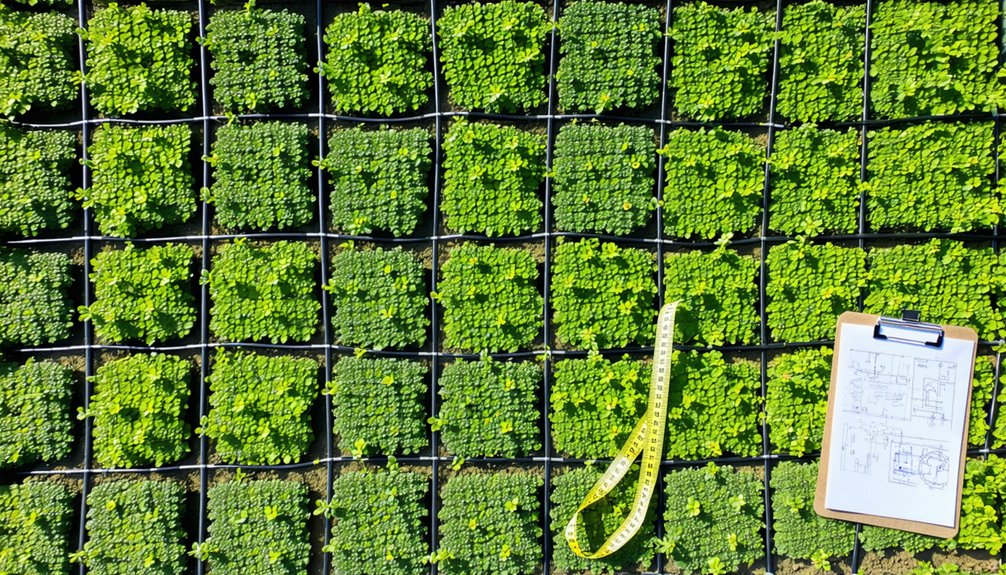
A well-planned irrigation system layout is essential for maximizing water efficiency and promoting healthy plant growth.
To create an effective design, one must first assess the garden’s size and shape, noting variations in terrain and sunlight exposure. Identifying plant types and their water requirements is crucial, as this will inform the placement and type of irrigation methods used.
Additionally, considering water pressure and flow rates will help determine the appropriate tubing and emitter spacing. Creating a detailed map that outlines the layout can streamline the installation process.
Install the Main Water Source
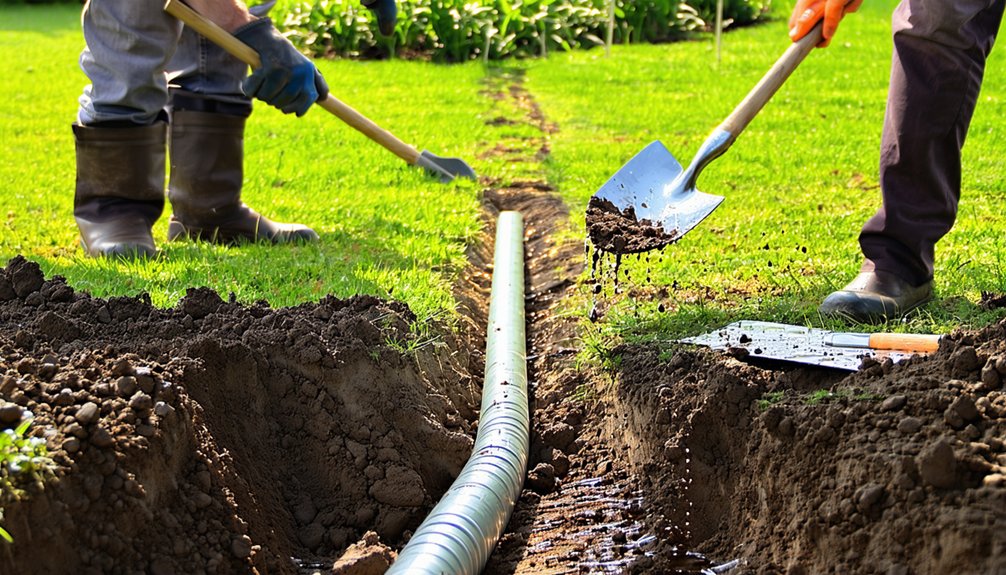
Installing the main water source is a crucial step in setting up an efficient irrigation system. This component ensures a reliable supply of water to the entire system, impacting overall performance and sustainability. Proper selection and installation are vital for optimal functionality.
- Choose the Right Water Source: Options include wells, ponds, or municipal supplies.
- Assess Water Pressure: Ensure it meets the system’s requirements for effective distribution.
- Install a Filtration System: Prevents debris from clogging the irrigation system.
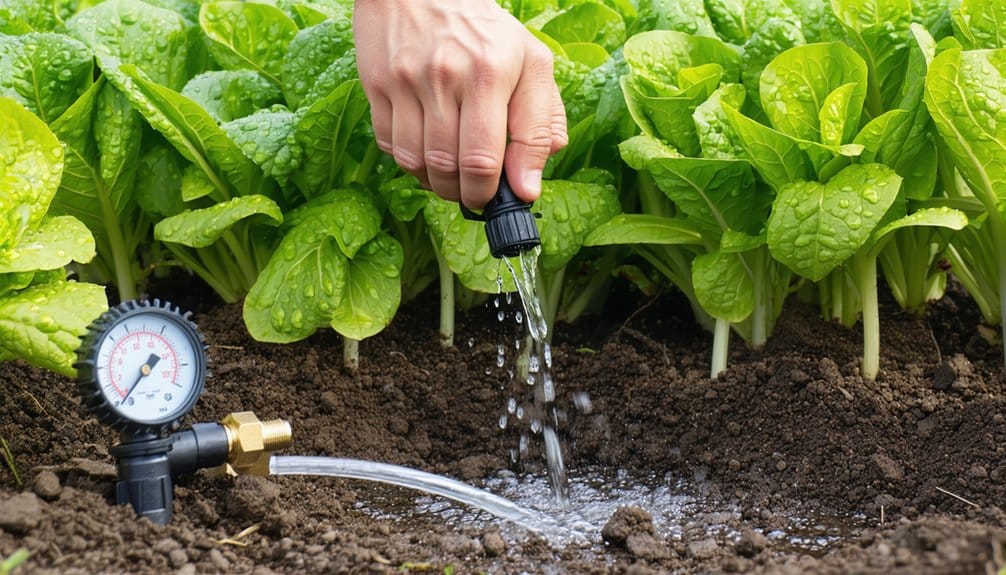
- Add a Pressure Regulator: Maintains consistent water pressure throughout the system.
- Use Quality Piping: Select durable materials suitable for outdoor conditions to avoid leaks and breakage.
These considerations will contribute to a robust irrigation setup.
Connect Distribution Lines and Emitters
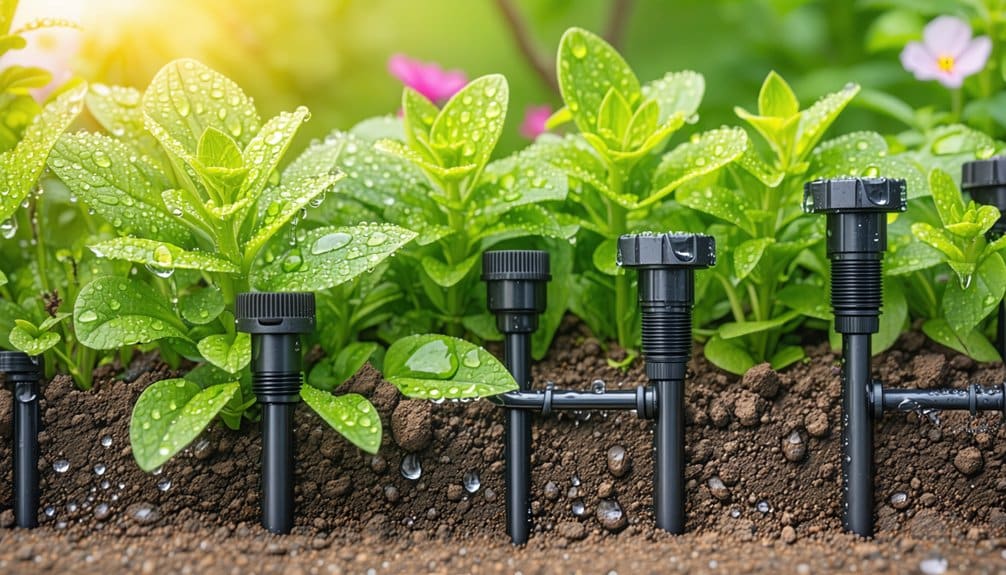
Connecting distribution lines and emitters marks a pivotal phase in the irrigation system setup, as it directly influences water delivery to plants.
After selecting appropriate materials, individuals must cut the distribution lines to fit their garden layout. These lines should be positioned strategically to ensure even coverage across all plants.
Once in place, emitters can be attached at designated intervals, based on each plant’s water requirements. Drip emitters, micro-sprinklers, or soaker hoses can be utilized, depending on the type of plants being irrigated.
It is essential to secure connections tightly to prevent leaks. Properly spacing emitters will optimize water usage, ensuring that each plant receives adequate moisture without wastage.
This careful configuration is crucial for an effective irrigation system.
Test and Adjust Your Irrigation System
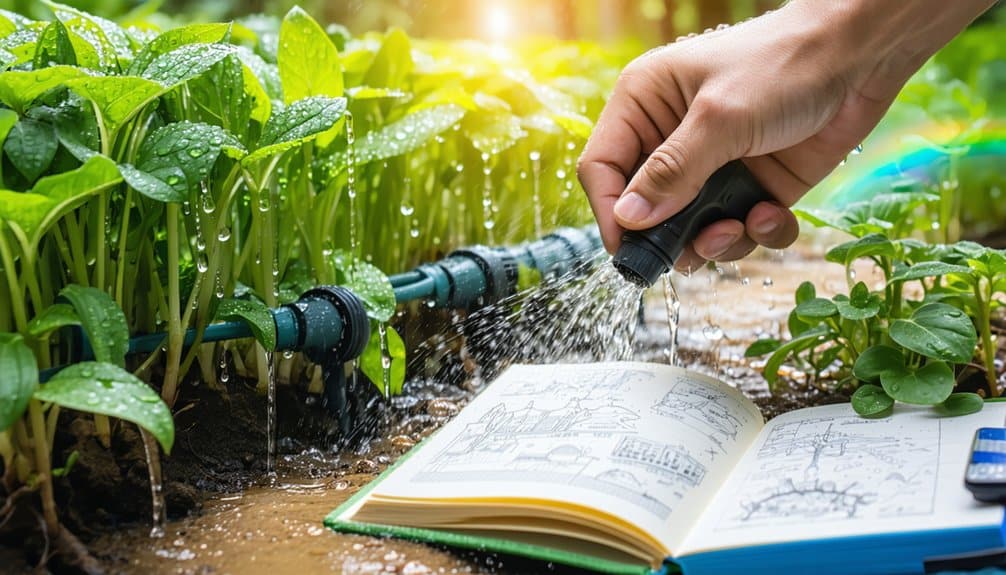
After securing the distribution lines and emitters, the next step involves testing and adjusting the irrigation system to ensure optimal performance.
This phase is crucial for identifying any issues that may arise and making necessary modifications.
- Check for leaks: Inspect all connections and emitters to prevent water wastage.
- Adjust emitter flow rates: Ensure each plant receives adequate water.
- Test coverage: Observe if all areas receive uniform moisture.
- Monitor pressure: Ensure water pressure is suitable for the system.
- Evaluate timing: Adjust the irrigation schedule based on weather conditions and plant needs.
Conclusion
In conclusion, building an effective irrigation system requires careful planning and execution across several key steps. By assessing water needs, selecting the appropriate system type, and meticulously installing and testing components, gardeners can ensure optimal plant health and resource efficiency. Regular maintenance and adjustments will further enhance system performance, allowing for adaptability to seasonal changes. With diligence and attention to detail, anyone can create a reliable irrigation solution that meets their garden’s unique requirements.