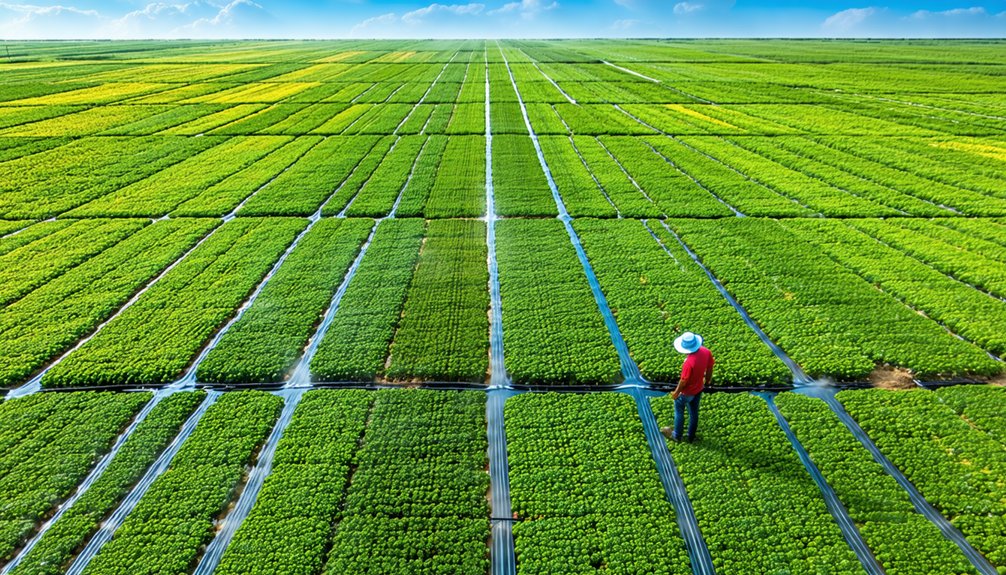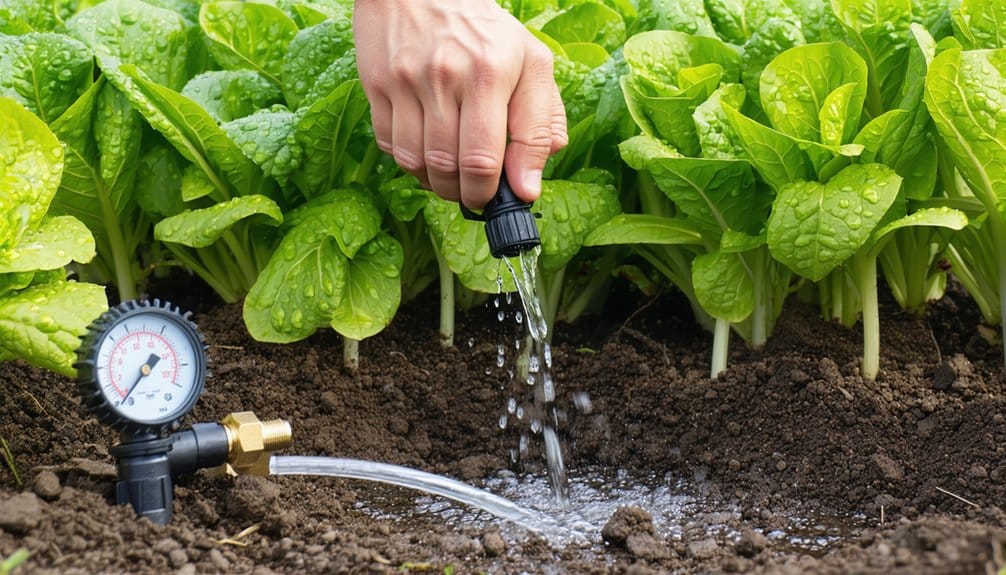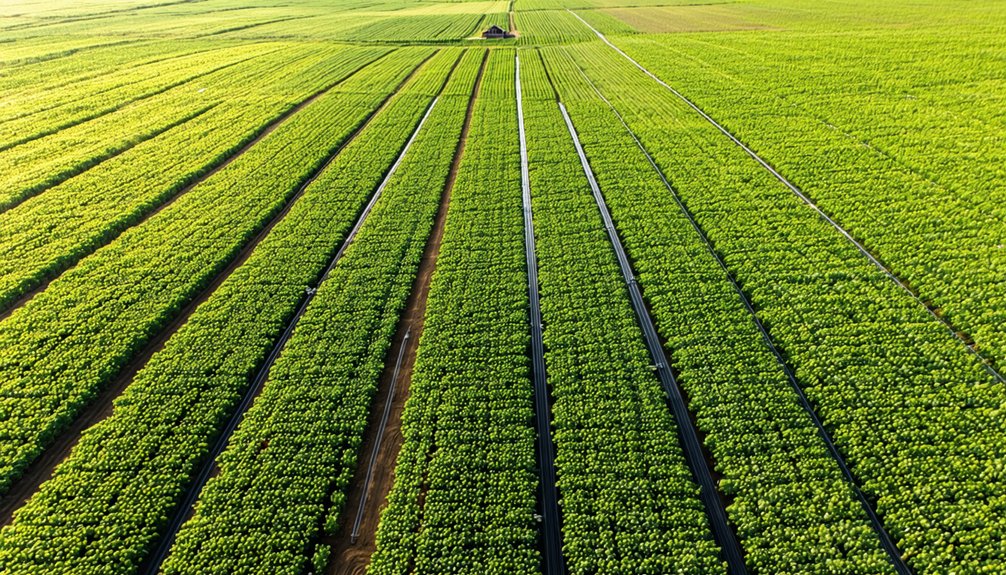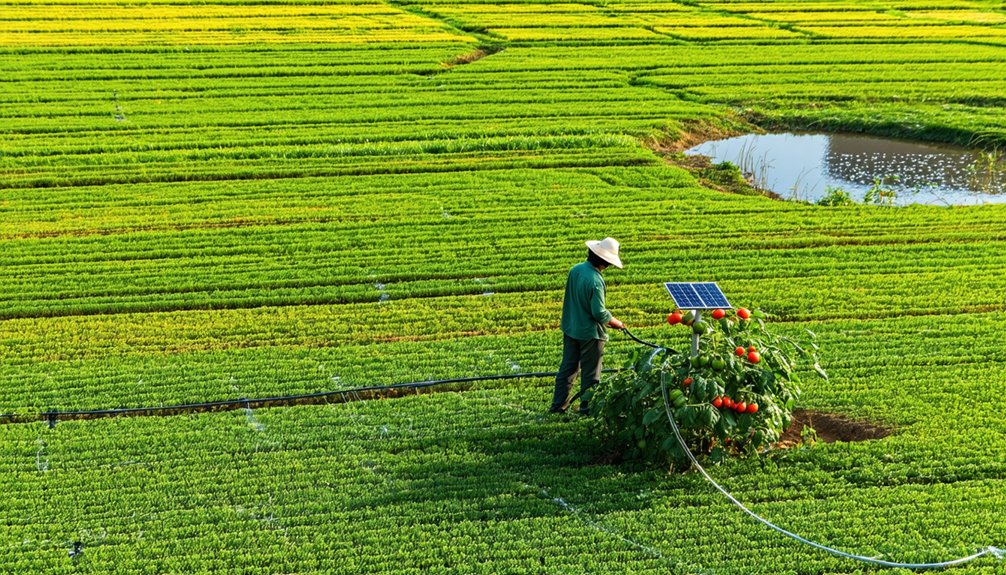

The cost of irrigation system installation is shaped by various factors. Key elements include the size of the area, type of system, and material quality. Local labor expenses and water availability further complicate cost assessments. Regulatory requirements and potential future maintenance also play a role. Understanding these components is crucial for making informed decisions. What remains to be explored are the specific implications of each factor on total expenses and long-term efficiency.
Key Takeaways
- The size of the irrigated area directly affects installation costs, with larger plots requiring more materials and labor.
- Different irrigation systems, such as drip or sprinkler, have varying installation costs based on complexity and material quality.
- Labor costs fluctuate based on installation complexity, geographic location, and expertise required for the irrigation system.
- The availability and accessibility of water sources impact both installation feasibility and ongoing operational costs.
- Compliance with environmental regulations and maintenance requirements can add to initial and long-term costs of irrigation systems.
Size of the Area Being Irrigated
The size of the area being irrigated significantly influences the overall installation costs of an irrigation system. Larger areas typically require more extensive infrastructure, including additional piping, valves, and sprinkler heads, leading to a higher irrigation system cost.
Consequently, budgeting for irrigation must account for these variables to ensure sufficient funding. Smaller plots may have lower installation costs due to reduced material and labor requirements, making them more manageable for homeowners or small-scale farmers.
Conversely, expansive agricultural fields necessitate a comprehensive approach, often increasing the complexity and overall expense. Understanding the relationship between area size and installation cost is essential for effective financial planning, enabling stakeholders to make informed decisions regarding their irrigation needs. Additionally, different farm irrigation systems can vary significantly in cost, depending on the specific requirements of the area being irrigated.
Type of Irrigation System Chosen
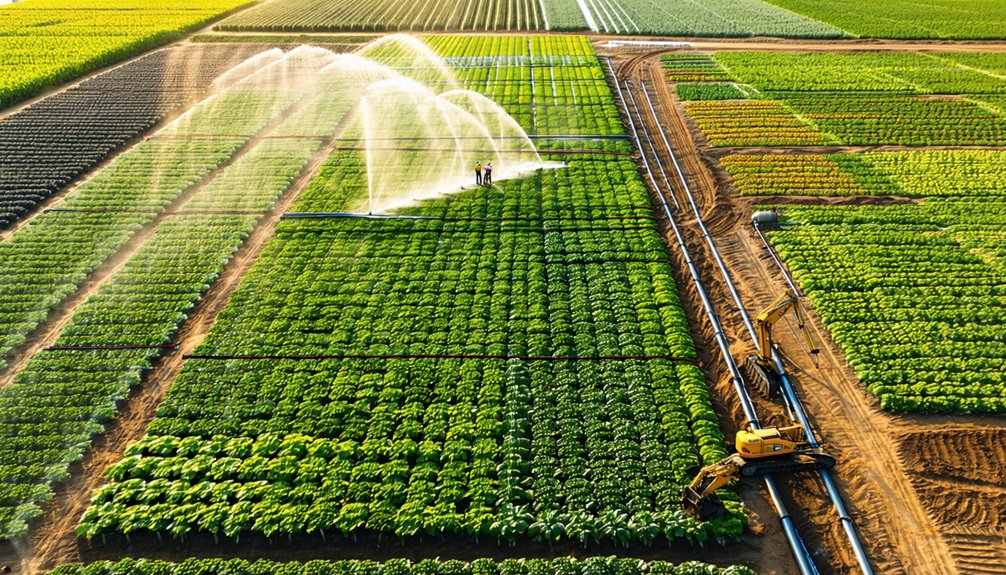
When selecting an irrigation system, the type chosen can greatly impact installation costs and overall efficiency. Various systems, such as drip, sprinkler, and subsurface irrigation, present different cost factors that can influence the total investment.
For example, drip irrigation is typically more expensive to install due to its specialized components, while sprinkler systems may offer lower initial costs but can result in higher operational expenses. The complexity of the system and required labor also play significant roles in determining irrigation system installation costs. Additionally, implementing drip irrigation can lead to substantial water savings and improved crop yields over time.
Ultimately, the choice of irrigation system should align with land characteristics and crop needs to ensure optimal performance and resource management, balancing both upfront expenses and long-term benefits.
Quality of Materials and Equipment
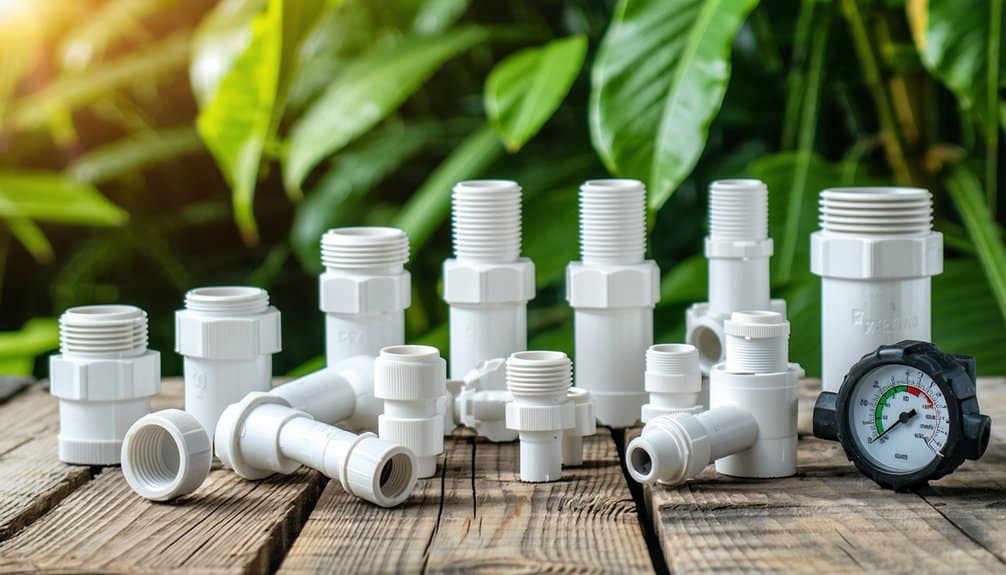
The quality of materials and equipment plays a crucial role in the overall effectiveness and longevity of an irrigation system. Factors such as material durability, brand reputation, and cost-effectiveness must be carefully considered to ensure reliable performance. Additionally, the cost analysis of various irrigation components can significantly affect the overall installation budget.
Material Durability and Longevity
Quality of materials and equipment plays a crucial role in determining the durability and longevity of an irrigation system. Higher-quality components, such as pipes, fittings, and valves, are designed to withstand environmental stresses, reducing the likelihood of failures.
Durable materials can resist corrosion, UV degradation, and temperature fluctuations, ensuring that the system operates efficiently over time. In contrast, lower-quality materials may lead to frequent repairs and replacements, ultimately increasing overall costs.
The selection of robust materials impacts not only the performance but also the maintenance frequency and lifespan of the system. Investing in quality upfront can result in significant long-term savings, making it essential for property owners to consider durability when planning irrigation system installations.
Equipment Brand Reputation
Brand reputation significantly influences the selection of equipment for irrigation system installations. Established brands are often associated with higher quality materials and reliable performance, impacting both installation choices and long-term satisfaction.
When evaluating equipment, potential buyers consider several factors:
- Quality Assurance: Reputable brands typically provide better quality control.
- Warranty and Support: Strong brands often offer comprehensive warranties and customer support.
- Innovative Technology: Leading brands are more likely to incorporate the latest advancements in irrigation technology.
- User Reviews and Ratings: Positive feedback from previous customers reinforces trust in the brand’s reliability.
As a result, the reputation of equipment brands plays a crucial role in determining not only the efficiency of the irrigation system but also its overall installation cost.
Cost-Effectiveness of Options
Selecting the right materials and equipment plays a significant role in the overall cost-effectiveness of an irrigation system. High-quality components may require a larger initial investment but often lead to lower maintenance costs and increased durability.
Conversely, opting for cheaper materials can result in frequent repairs and replacements, ultimately inflating long-term expenses. Evaluating the performance and lifespan of materials is crucial, as investing in reliable brands can enhance efficiency and reduce water waste.
Furthermore, compatibility among equipment is essential to ensure optimal functionality. In summary, careful consideration of material quality and equipment reliability can significantly impact the financial viability of an irrigation system, making it imperative for property owners to prioritize these factors during installation.
Labor Costs and Installation Complexity
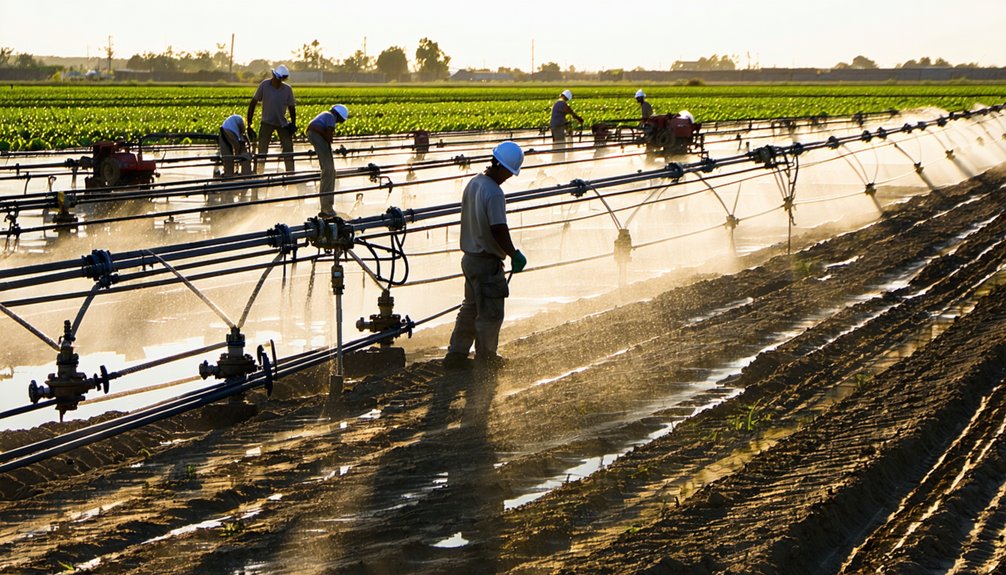
While the type of irrigation system chosen can significantly influence overall costs, labor expenses and installation complexity play crucial roles in determining the final price.
The installation process can vary widely depending on several factors, including:
- System Type: Different systems, such as drip or sprinkler, require varying levels of expertise and time.
- Site Conditions: Challenging terrain or existing landscaping can complicate installation efforts.
- Labor Rates: Geographic location affects labor costs, with urban areas typically charging more than rural settings.
- Installation Time: The longer the installation takes, the higher the labor costs will be, especially if specialized skills are needed.
Additionally, understanding the factors that influence the cost of commercial irrigation systems helps landowners anticipate the true cost of installing an irrigation system.
Water Source Availability and Accessibility
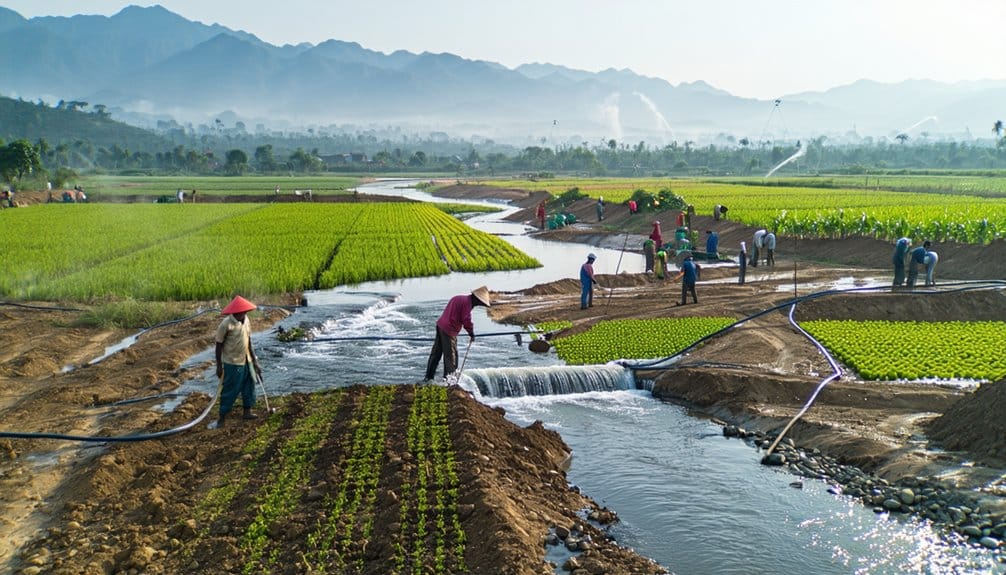
The availability and accessibility of a reliable water source significantly impact the cost and feasibility of irrigation system installation. Factors such as proximity to water, the quality of the water, and seasonal variability can influence both the initial setup and ongoing operational costs. For instance, relying on a nearby river may reduce transportation costs, while deeper groundwater sources might necessitate expensive drilling. Understanding greenhouse irrigation costs can help in making informed decisions about the most suitable water source for your system.
| Water Source Type | Accessibility Level | Cost Implications |
|---|---|---|
| Surface Water | High | Lower installation costs |
| Groundwater | Moderate | Higher drilling costs |
| Rainwater Harvesting | Variable | Initial setup costs |
| Reclaimed Water | Low | High treatment costs |
Understanding these factors aids in budget planning and system design.
Local Regulations and Permits
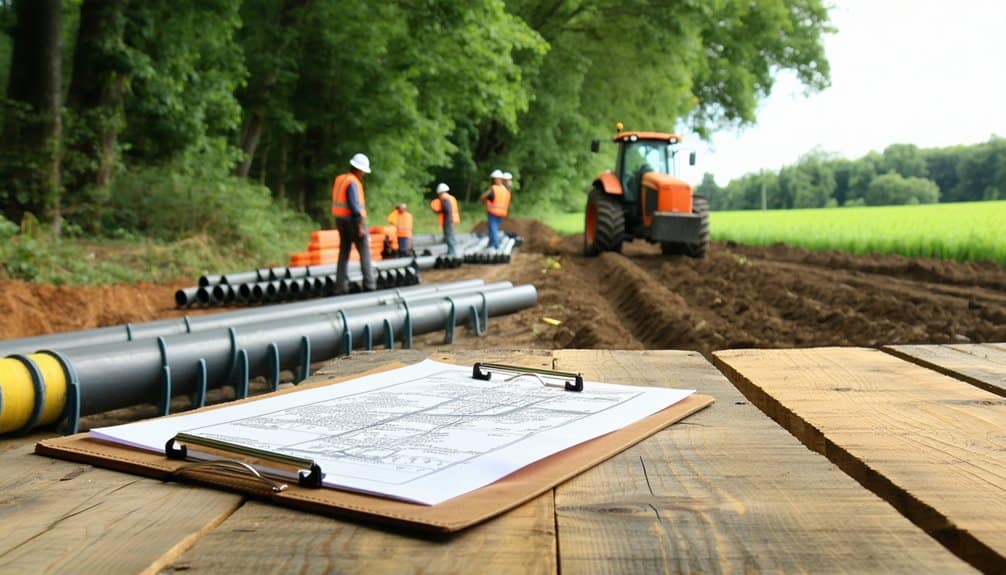
Understanding local regulations and permits is essential for successful irrigation system installation.
The permit application process can vary significantly by region, influencing timelines and costs.
Additionally, zoning restrictions and environmental regulations must be considered to ensure compliance and avoid potential fines.
Permit Application Process
Before embarking on an irrigation system installation, one must navigate the permit application process, which varies significantly based on local regulations.
Understanding these requirements is essential to avoid delays and potential fines. The following steps generally outline the process:
- Research Local Regulations: Investigate the specific requirements for irrigation systems in the local jurisdiction.
- Gather Necessary Documentation: Prepare all required documents, including site plans and design specifications.
- Submit Application: Complete and submit the permit application to the relevant local authority.
- Await Approval: Monitor the application status and be prepared to address any additional requests from the permitting agency.
Zoning Restrictions Impact
While navigating the permit application process, property owners must also consider zoning restrictions that can significantly affect the feasibility of their irrigation system installation.
Local zoning laws may dictate where and how irrigation systems can be installed, impacting property lines, setbacks, and land use classifications. These regulations vary by municipality and can include limitations on water usage and system types.
Consequently, property owners may face delays or additional costs if their proposed systems do not comply with these zoning restrictions. It is essential for property owners to conduct thorough research and consult with local authorities to ensure adherence to zoning laws, ultimately influencing both the timeline and budget of their irrigation projects.
Environmental Regulations Compliance
Environmental regulations play a crucial role in the installation of irrigation systems, as compliance with local laws and permits is often mandatory for property owners. These regulations ensure sustainable water use and protect local ecosystems. Non-compliance can lead to penalties or project delays, ultimately increasing costs.
Key factors influencing compliance include:
- Water Usage Limits: Restrictions on the amount of water that can be used for irrigation.
- Permit Requirements: Necessity of obtaining specific permits before installation.
- Environmental Impact Assessments: Evaluations needed to determine potential effects on local habitats.
- Documentation and Reporting: Obligations to maintain records and report usage to local authorities.
Understanding these elements can help property owners navigate the complexities of irrigation system installation effectively.
Maintenance and Future Upgrades
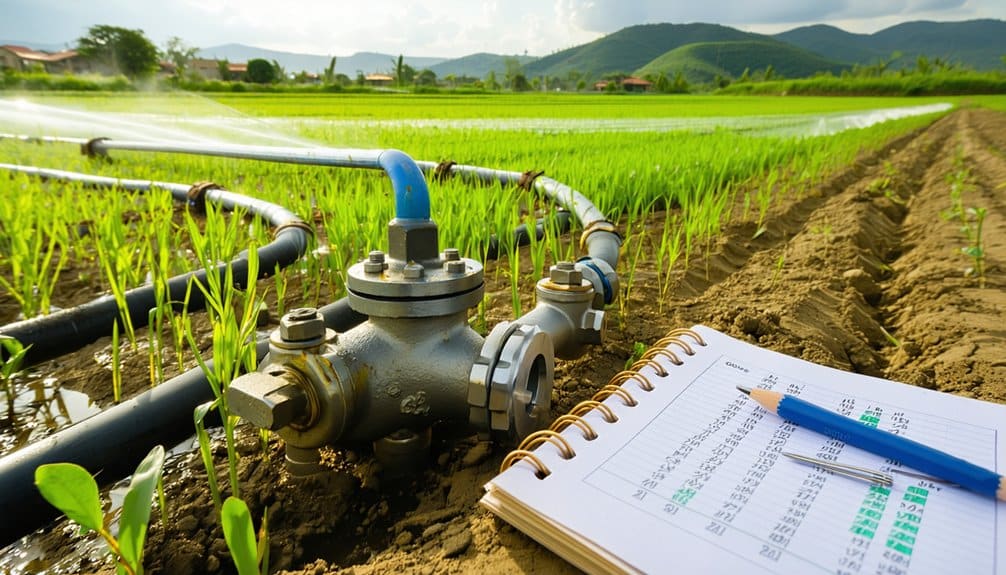
Although many homeowners focus primarily on the initial installation costs of an irrigation system, ongoing maintenance and potential future upgrades are essential considerations for long-term functionality and efficiency. Regular maintenance, such as checking for leaks and adjusting sprinkler heads, can prevent costly repairs and ensure optimal performance. Additionally, as technology advances, homeowners may wish to incorporate upgrades like smart controllers or more efficient sprinklers, which can improve water conservation and reduce utility bills. Understanding the cost of underground drip irrigation systems can also help in making informed decisions about maintenance and upgrades.
| Maintenance Task | Frequency |
|---|---|
| Leak Inspection | Monthly |
| Sprinkler Adjustment | Seasonal |
| System Check-Up | Annually |
| Technology Review | Every 3-5 years |
Investing in maintenance and upgrades fosters sustainability and enhances the overall value of the property.
Conclusion
In conclusion, the cost of irrigation system installation is shaped by various interrelated factors, including the size of the irrigated area and the chosen system type. Quality of materials, labor expenses, water accessibility, and compliance with local regulations also significantly impact overall costs. By considering these elements, homeowners and farmers can make informed choices that balance initial expenditures with long-term sustainability, ensuring their irrigation systems remain efficient and effective for years to come.