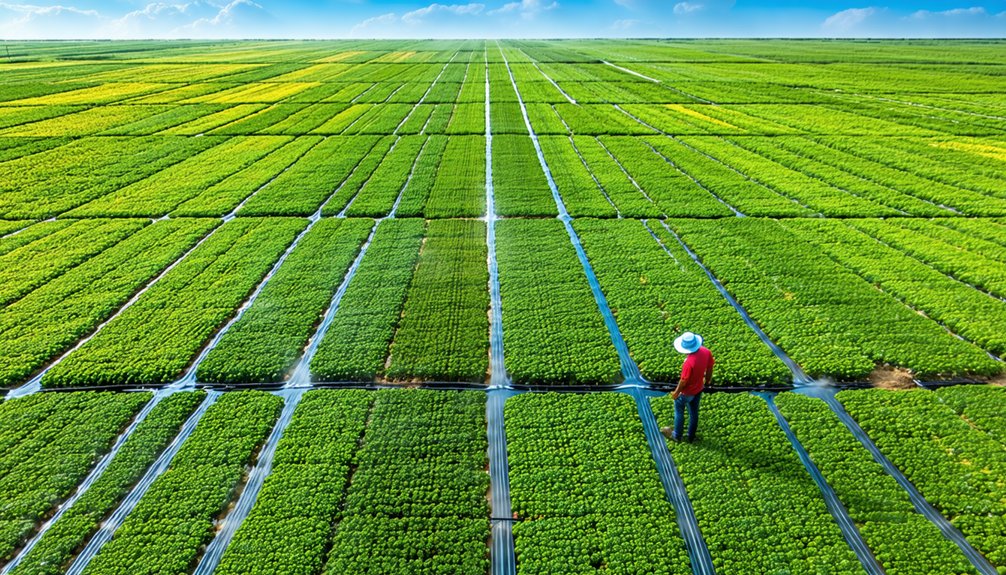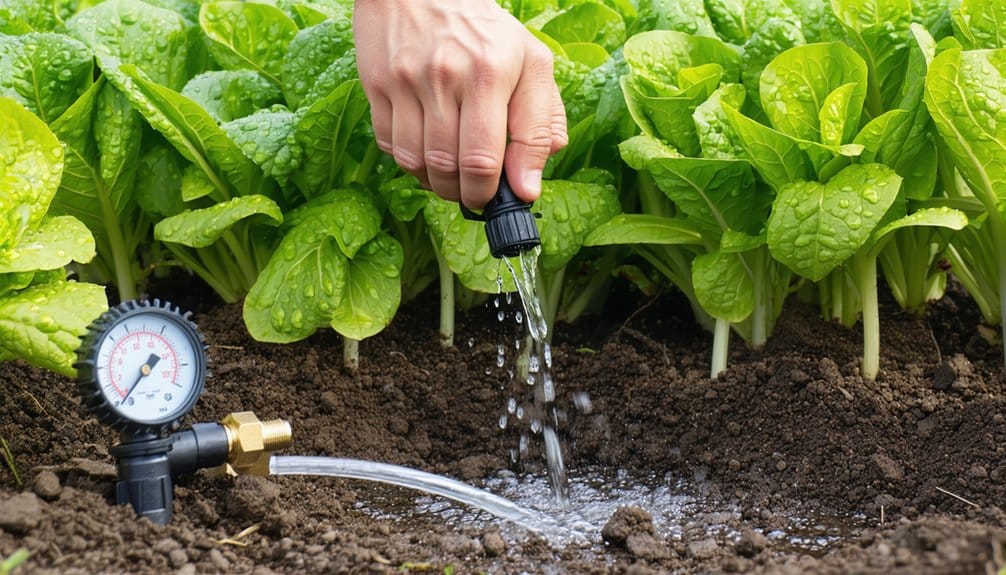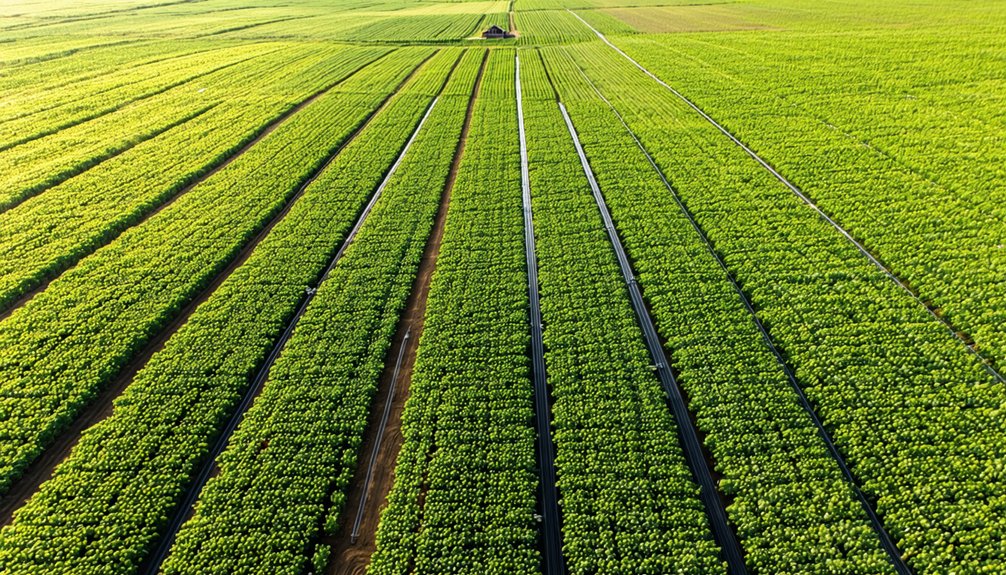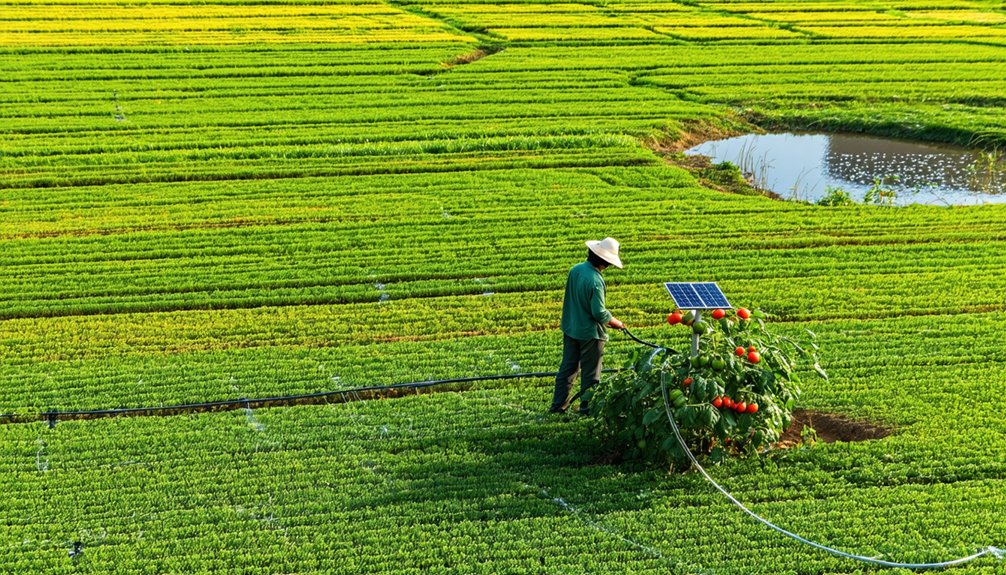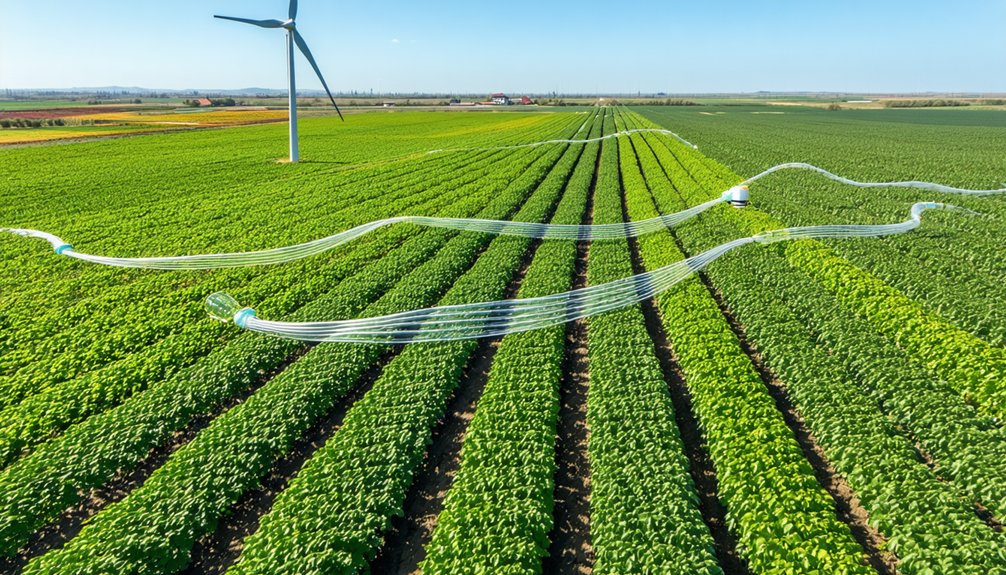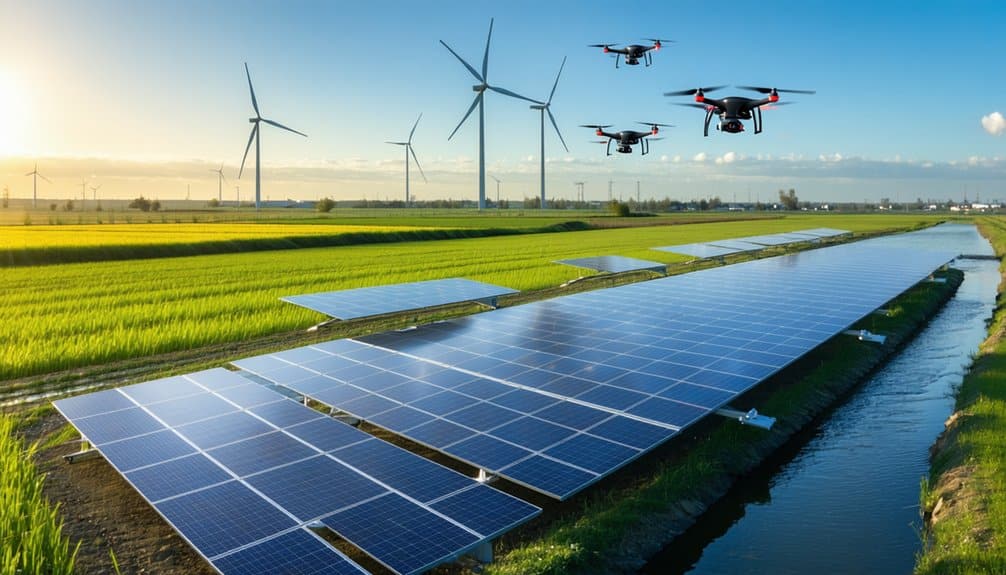

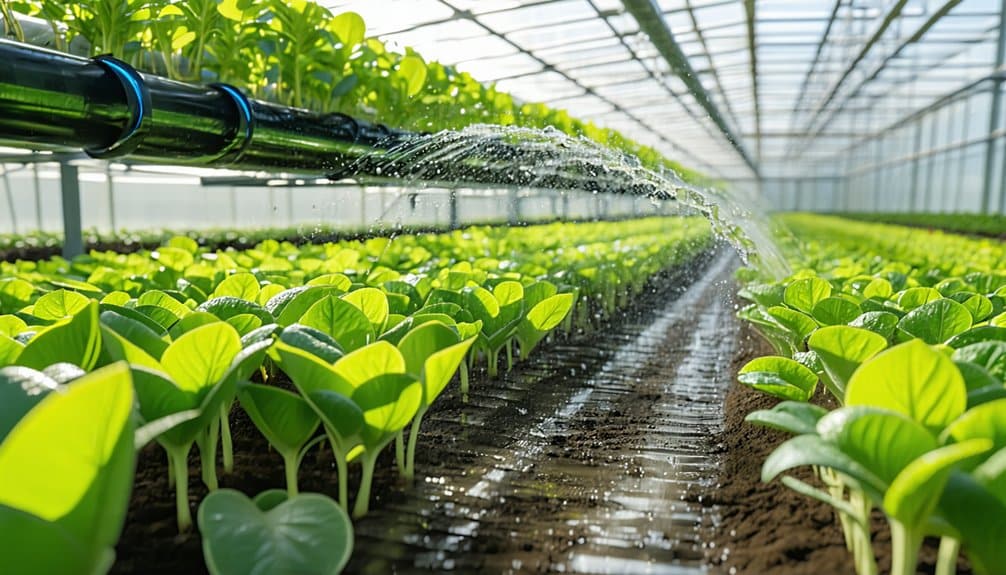
Understanding the cost of greenhouse irrigation systems is crucial for growers aiming to maximize efficiency and profitability. Initial setup costs, ongoing expenses, and the choice of irrigation methods all play significant roles in financial planning. Additionally, various factors can influence these costs, making it essential for farmers to evaluate their options thoroughly. As they explore potential savings and financial assistance, the complexities of these systems become increasingly apparent. What considerations should they prioritize to ensure the best investment?
Key Takeaways
- Initial setup costs vary by irrigation system type, including equipment purchase and installation labor expenses.
- Operating and maintenance expenses significantly affect profitability, including energy and water supply costs.
- Efficient irrigation systems enhance crop yield and can lead to long-term savings on utility bills.
- Various financial assistance programs exist, such as grants and loans for sustainable irrigation practices.
- Utility companies may offer rebates for energy-efficient technologies, helping offset initial costs.
Types of Greenhouse Irrigation Systems
Irrigation systems play a crucial role in the successful management of greenhouse environments. Various types of irrigation are utilized to ensure optimal water distribution, which is essential for plant growth.
Drip irrigation, a popular choice, delivers water directly to the plant roots, minimizing waste and promoting efficient moisture absorption. Another method is overhead irrigation, where water is sprayed onto plants, effectively covering larger areas but potentially leading to evaporation losses.
Subsurface irrigation, buried beneath the soil, provides a cost-effective irrigation solution by reducing water wastage and preventing disease. Each greenhouse irrigation system possesses unique advantages and challenges, allowing growers to select the most suitable method based on their specific needs and environmental conditions.
Initial Setup Costs
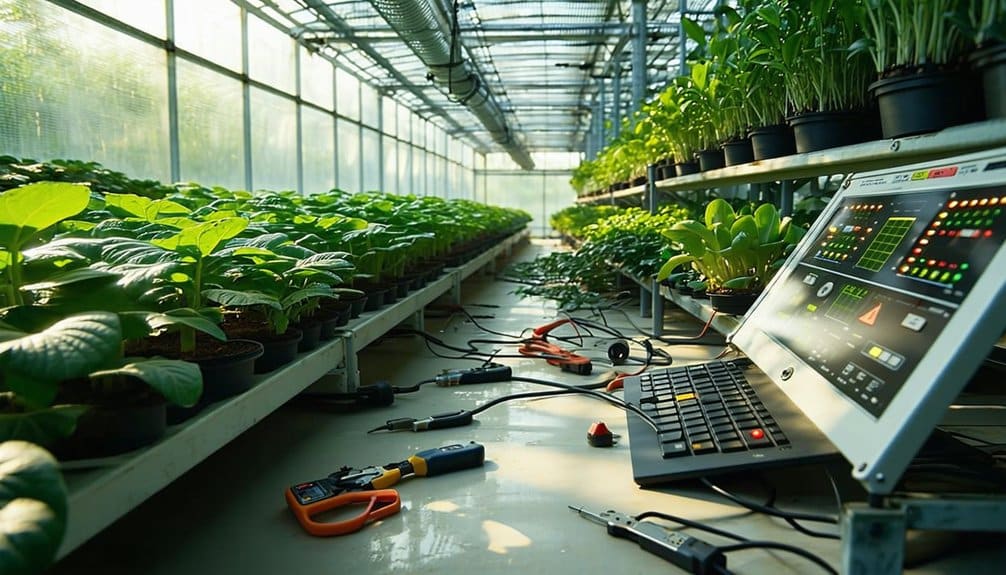
Initial setup costs for greenhouse irrigation systems can significantly impact overall budgeting.
These expenses typically include equipment purchase and installation labor costs, which are crucial for proper system functionality.
Understanding these financial components is essential for effective planning and investment in greenhouse operations.
Equipment Purchase Expenses
Establishing a greenhouse irrigation system entails significant equipment purchase expenses that can vary widely based on the scale and technology chosen. The irrigation system cost is influenced by factors such as the type of system—drip, overhead, or automated—as well as the components required, including pumps, tubing, emitters, and controllers.
For smaller operations, the initial investment may be less daunting; however, larger greenhouses may necessitate more advanced systems, leading to higher costs. Proper budgeting for greenhouse irrigation is essential to avoid unexpected financial strain.
It is advisable for growers to research various options, compare prices, and assess the long-term benefits of efficiency and crop yield to ensure that their investment aligns with their operational goals.
Installation Labor Costs
After determining the necessary equipment for a greenhouse irrigation system, attention turns to the installation labor costs associated with setting it up.
These costs can vary significantly based on several factors, including the complexity of the system and local labor rates. It is essential for greenhouse owners to budget for these expenses to ensure a successful installation.
Key components affecting labor costs include:
- System Complexity: More intricate systems require skilled labor, increasing costs.
- Labor Rates: Rates vary by region and contractor experience, influencing overall expenses.
- Installation Time: Longer installation periods directly correlate with higher labor costs.
Understanding these factors allows for effective financial planning and helps avoid unexpected expenses during the installation process.
Operating and Maintenance Expenses
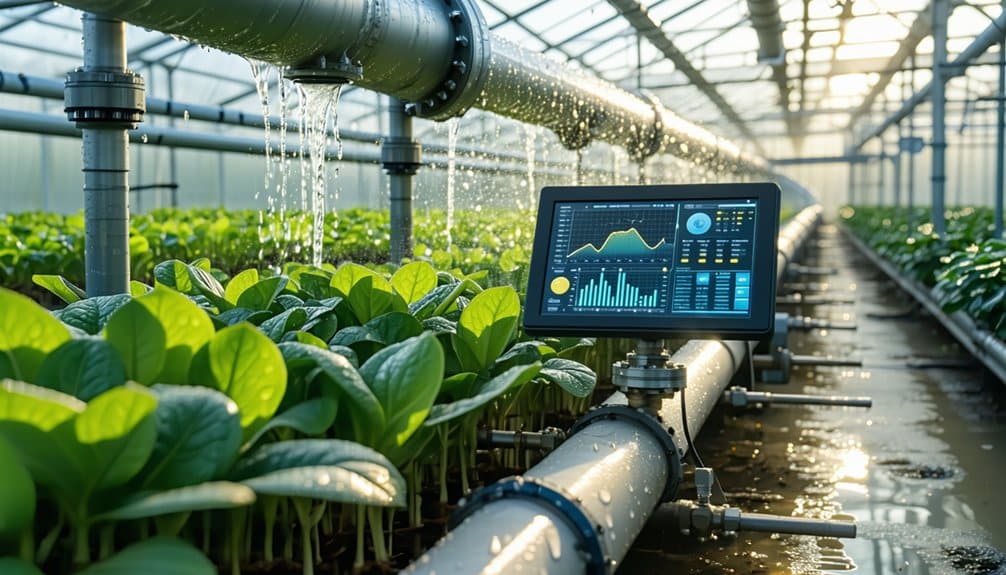
Operating and maintenance expenses are critical considerations for greenhouse irrigation systems.
Regular maintenance requirements, energy consumption costs, and water supply expenses can significantly impact overall profitability.
Understanding these factors is essential for effective budget management and operational efficiency.
Regular Maintenance Requirements
Regular maintenance is essential for the longevity and efficiency of greenhouse irrigation systems.
Regular checks and timely interventions can prevent costly repairs and ensure optimal water distribution.
Key maintenance requirements include:
- System Inspection: Regularly examine components such as pumps, pipes, and emitters for leaks or blockages.
- Cleaning Filters: Clogged filters can hinder water flow, so routine cleaning or replacement is necessary to maintain system performance.
- Adjusting Components: Periodically adjust the irrigation schedule and system components based on plant needs and seasonal changes, ensuring adequate hydration.
Energy Consumption Costs
Energy consumption represents a significant portion of the operating and maintenance expenses associated with greenhouse irrigation systems.
These systems often rely on electric pumps, fans, and control systems that require a steady energy supply to function effectively. The cost of electricity can vary widely based on location, usage patterns, and energy sources, impacting overall operational costs.
Additionally, energy-efficient technologies, such as solar-powered systems or variable frequency drives, can help mitigate these expenses but may require higher initial investments. Regular monitoring and upgrades to energy-efficient equipment can lead to long-term savings.
Ultimately, understanding energy consumption costs is crucial for greenhouse operators aiming to optimize their budgets while maintaining effective irrigation practices.
Water Supply Expenses
Water supply expenses represent a critical component of the overall operating and maintenance costs for greenhouse irrigation systems. These costs can vary significantly based on various factors, including water source and usage. Understanding these expenses is crucial for effective budgeting and resource management.
Key components of water supply expenses include:
- Water Source Fees: Charges associated with accessing groundwater or municipal water systems can fluctuate based on local regulations and availability.
- Pumping and Distribution Costs: Expenses related to the energy required for pumping water and maintaining distribution infrastructure, such as pipes and valves.
- Water Treatment Costs: Additional costs incurred for filtering and treating water to ensure it meets the quality requirements for plant health.
Effective management of these expenses can lead to more sustainable greenhouse operations.
Factors Influencing Irrigation System Costs
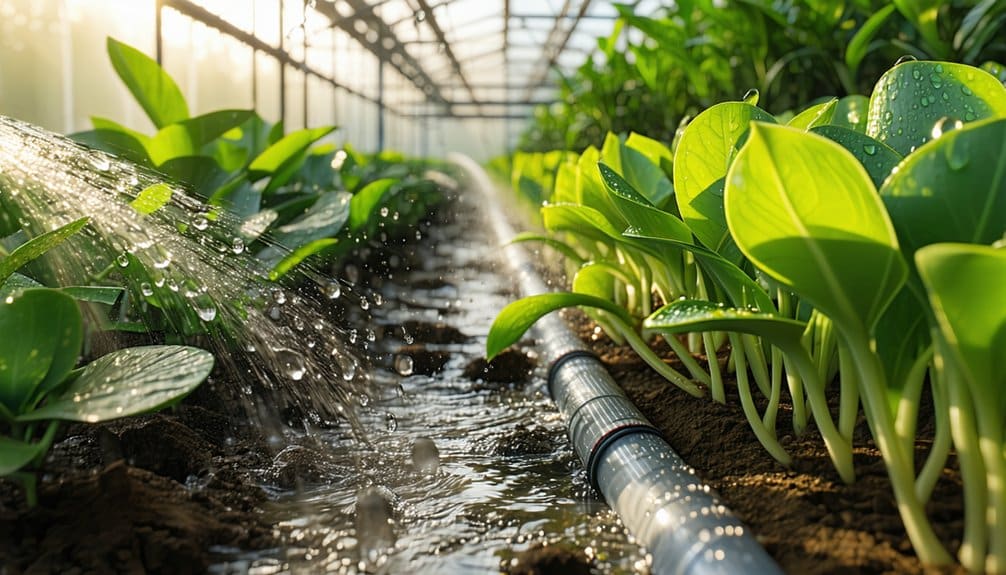
While various factors contribute to the overall costs of irrigation systems, initial investment, maintenance, and operational efficiency are among the most significant.
The initial investment encompasses the expenses related to purchasing equipment, installation, and necessary infrastructure.
Maintenance costs can fluctuate based on the system’s complexity and the frequency of repairs required. Additionally, the choice of materials plays a crucial role; high-quality components may lead to lower long-term maintenance expenses.
Operational efficiency, determined by the system’s design and technology, influences water usage and energy consumption. Well-designed systems can significantly reduce water waste and energy costs, ultimately impacting the overall financial performance of the greenhouse operation.
Understanding these factors is essential for making informed decisions regarding irrigation system investments.
Budgeting for Irrigation Systems
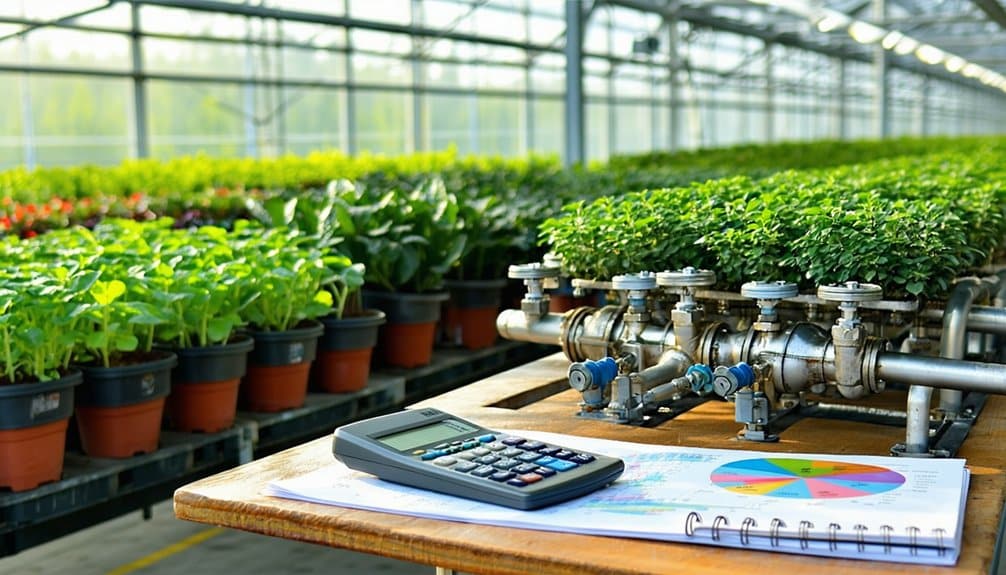
Effective budgeting for irrigation systems is crucial for greenhouse operations seeking to optimize both productivity and financial sustainability. A well-structured budget not only facilitates informed decision-making but also ensures that resources are allocated efficiently.
To achieve this, greenhouse managers should consider the following key components:
- Initial Investment: Assess the upfront costs associated with purchasing and installing the irrigation system, including equipment and labor.
- Operational Costs: Estimate ongoing expenses such as water usage, maintenance, and energy consumption, which can significantly impact overall budget.
- Contingency Funds: Allocate a portion of the budget for unexpected repairs or upgrades, ensuring financial flexibility in response to unforeseen challenges.
Cost Comparison of Different Systems
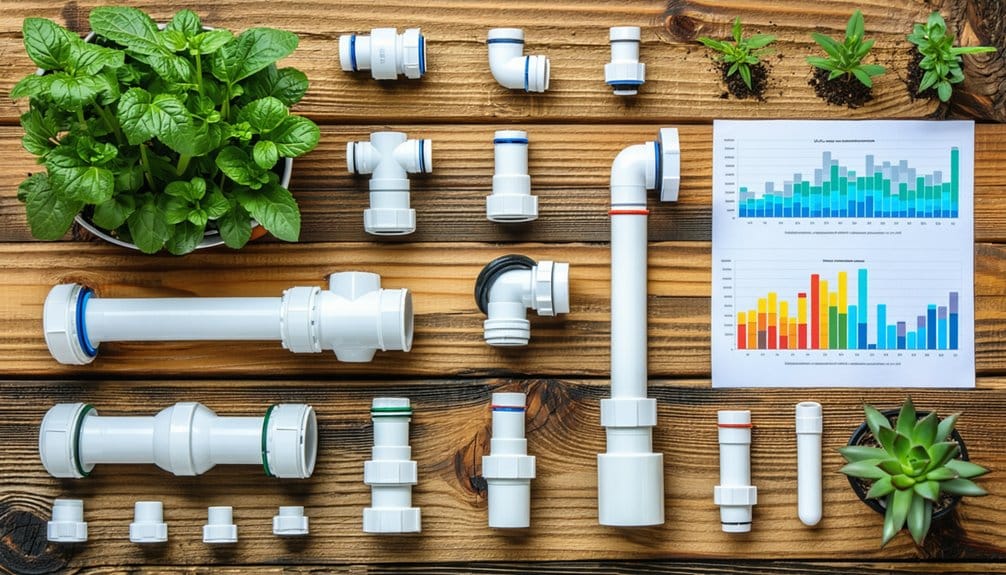
When evaluating greenhouse irrigation systems, a comprehensive cost comparison is essential for making an informed decision. Various irrigation systems, such as drip, overhead, and automated systems, exhibit differing initial investment levels and operational costs.
Drip irrigation systems, typically more expensive to install, offer water efficiency that can reduce long-term expenses. Conversely, overhead systems generally have lower upfront costs but may lead to higher water consumption, impacting future bills.
Automated systems often demand significant initial investment due to technology integration but can optimize water usage, potentially balancing costs over time.
Long-term Savings and Benefits
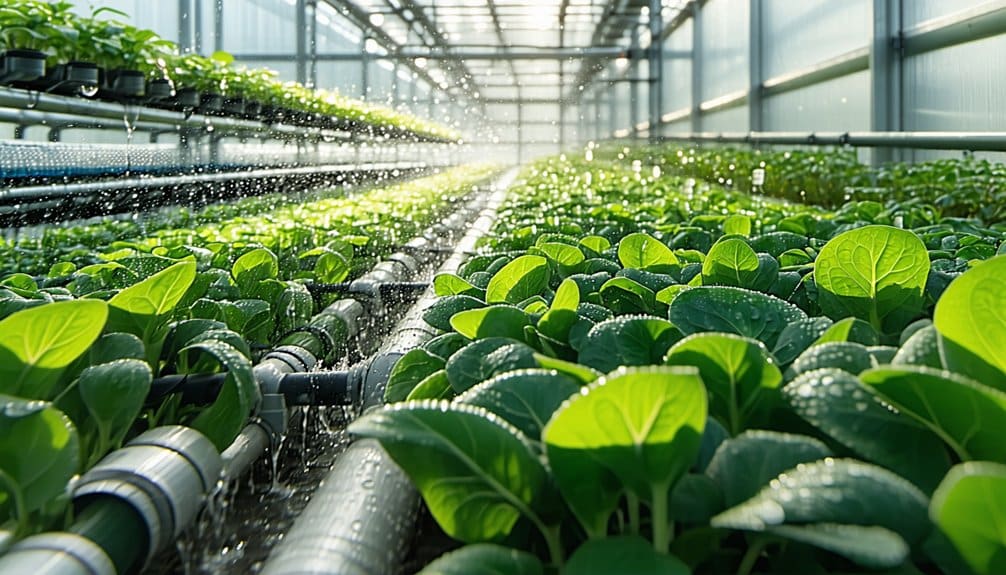
Investing in efficient greenhouse irrigation systems can yield significant long-term savings and benefits for operators.
These systems not only enhance crop yield but also optimize resource use, ultimately leading to a more sustainable operation.
The following are key advantages of adopting advanced irrigation technologies:
- Water Conservation: Precision irrigation minimizes water waste, ensuring plants receive only what they need, which lowers utility bills.
- Reduced Labor Costs: Automated systems decrease the need for manual labor, allowing personnel to focus on other essential tasks and improving overall productivity.
- Increased Crop Quality: Consistent and adequate watering results in healthier plants, leading to higher quality produce that can command better market prices.
Financial Assistance and Incentives
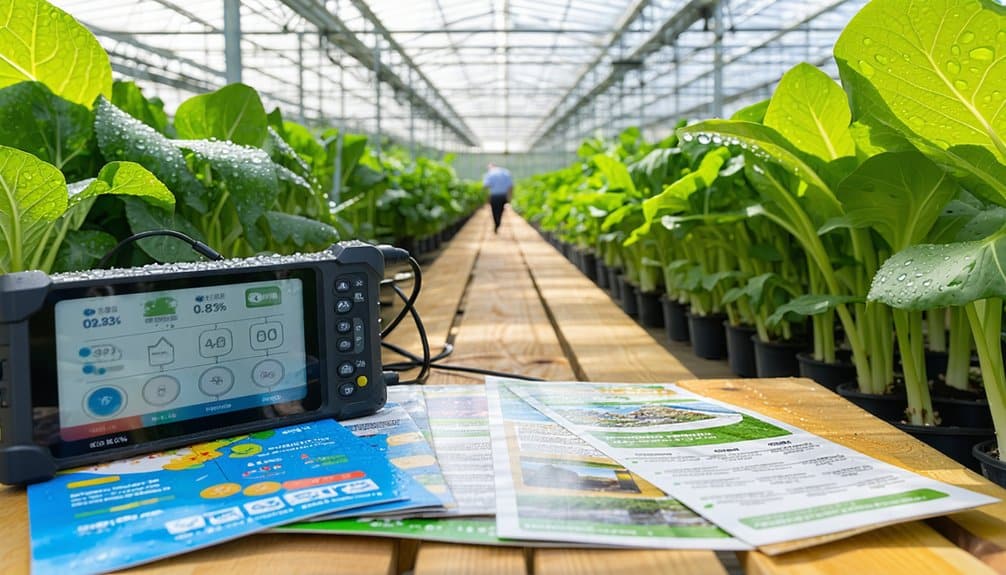
As greenhouse operators seek to implement advanced irrigation systems, they may find various financial assistance programs and incentives available to support their investments.
Government agencies, non-profit organizations, and private institutions often provide grants, low-interest loans, and tax credits to promote sustainable agricultural practices. Programs such as the USDA’s Environmental Quality Incentives Program (EQIP) and state-specific initiatives may offer significant funding opportunities.
Additionally, utility companies may provide rebates for energy-efficient irrigation technologies. By leveraging these financial resources, operators can offset initial costs and enhance the economic viability of their projects.
Staying informed about eligibility criteria and application processes is crucial for greenhouse operators to effectively access these valuable financial aids.
Conclusion
In conclusion, understanding the costs associated with greenhouse irrigation systems is essential for growers aiming to enhance their operational efficiency and financial viability. By evaluating various irrigation methods, considering initial setup and ongoing expenses, and exploring financial assistance options, farmers can make informed decisions that best suit their needs. Ultimately, investing in the right irrigation system not only optimizes water usage but also contributes to long-term savings and improved crop yields, fostering sustainable agricultural practices.