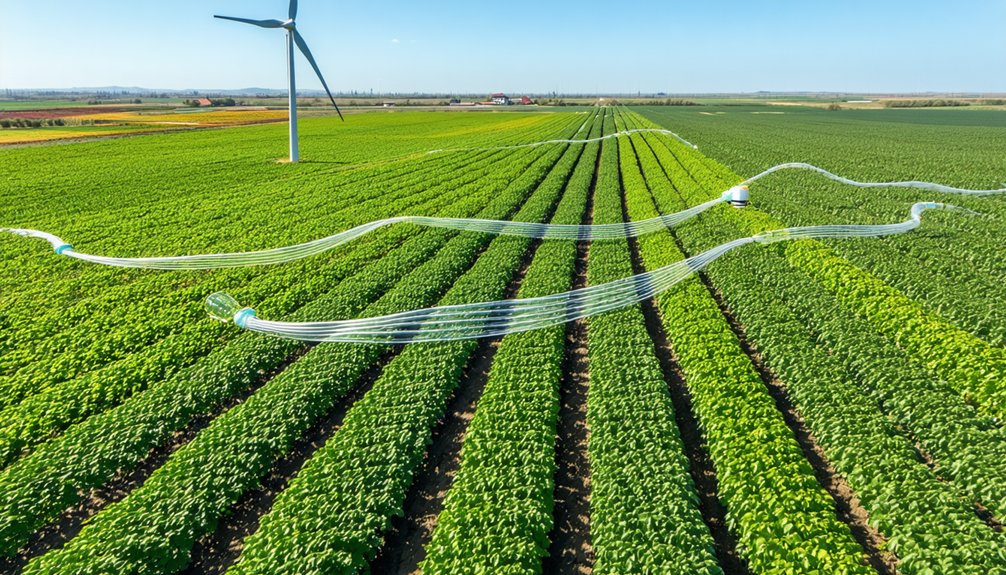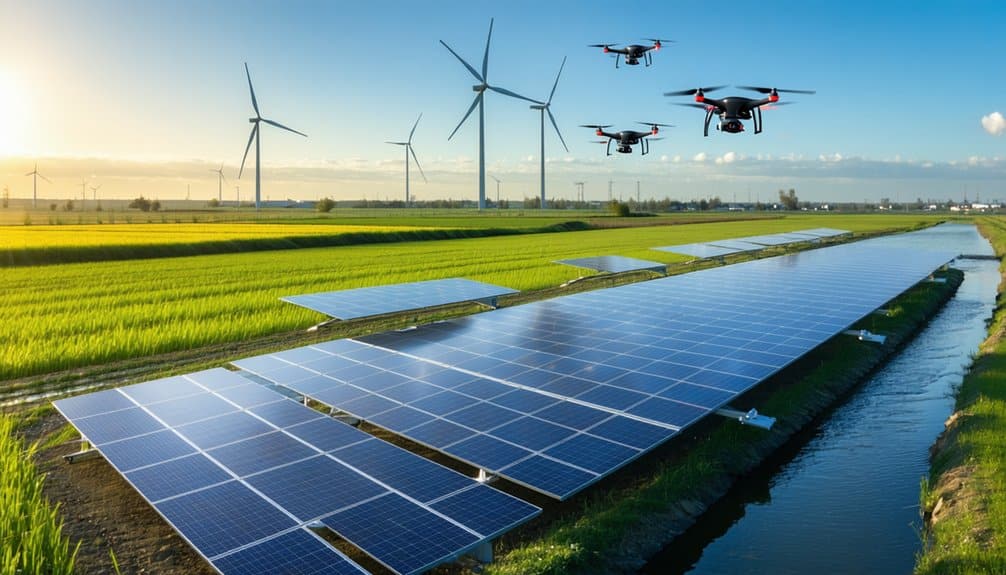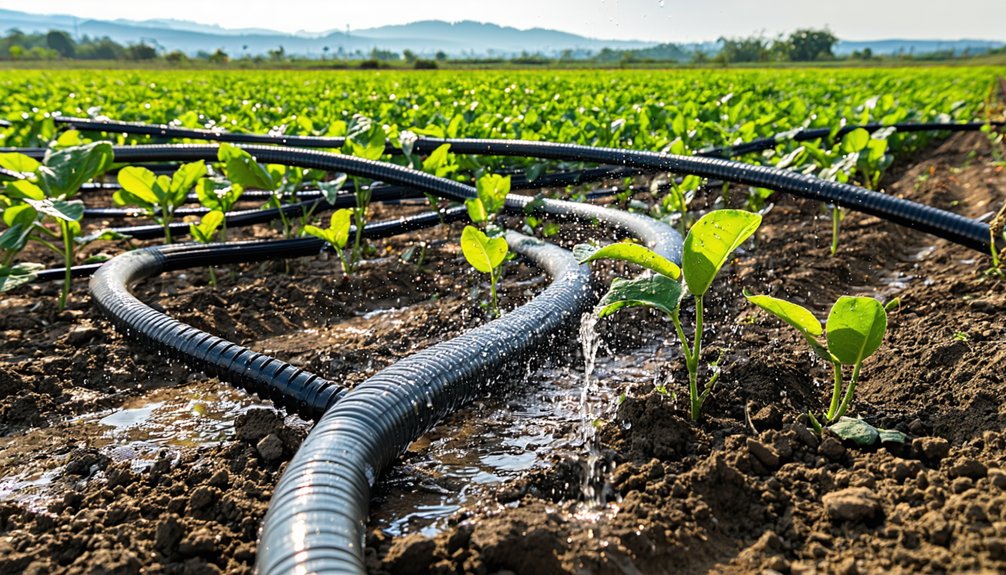
The cost of a drip irrigation system encompasses various factors that merit careful consideration. Initial installation expenses can be substantial, influenced by system complexity and labor needs. Yet, the long-term financial advantages, including lower water bills and enhanced crop yields, may justify these upfront costs. Understanding these elements is crucial for farmers seeking efficient irrigation solutions. What specific components will ultimately determine the overall investment?
Key Takeaways
- Initial installation costs vary based on farm size, system complexity, and material choices, impacting overall budgeting.
- Labor expenses for installation range from $50 to $100 per hour, with time varying based on system size.
- Regular maintenance and periodic replacement of components can add to long-term costs of drip irrigation systems.
- Automation through drip irrigation reduces labor needs, enhancing operational efficiency and lowering long-term labor costs.
- Regional cost variations affect installation and maintenance expenses, influenced by local labor rates and material availability.
Overview of Drip Irrigation Systems
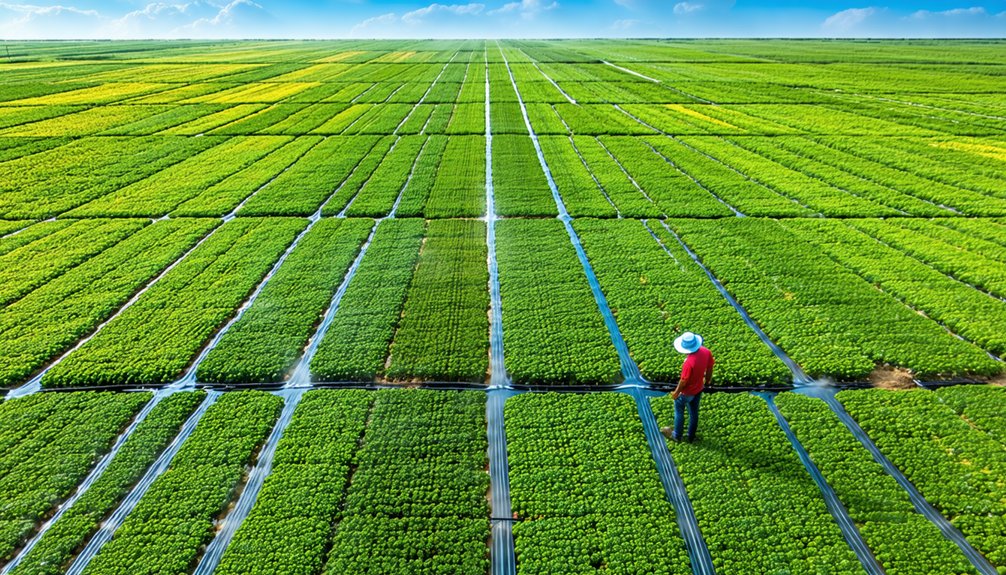
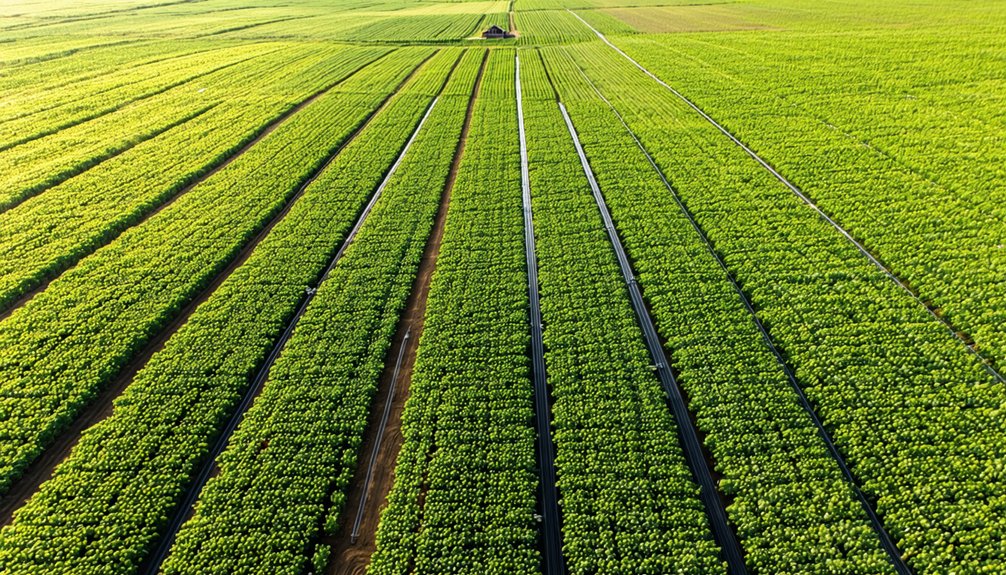
Drip irrigation systems represent a highly efficient method of delivering water directly to the root zones of plants. This precision minimizes water wastage and ensures that crops receive the exact amount of moisture needed for optimal growth.
The benefits of drip irrigation include improved crop yields, reduced labor costs, and decreased weed growth, making it an attractive option for farmers. While the initial drip irrigation system cost can be higher than traditional methods, the long-term savings in water and labor often justify the investment.
Proper irrigation system installation is crucial to maximize these advantages and ensure even water distribution. Overall, drip irrigation systems provide a sustainable solution for modern agriculture, balancing efficiency with environmental responsibility.
Initial Installation Costs
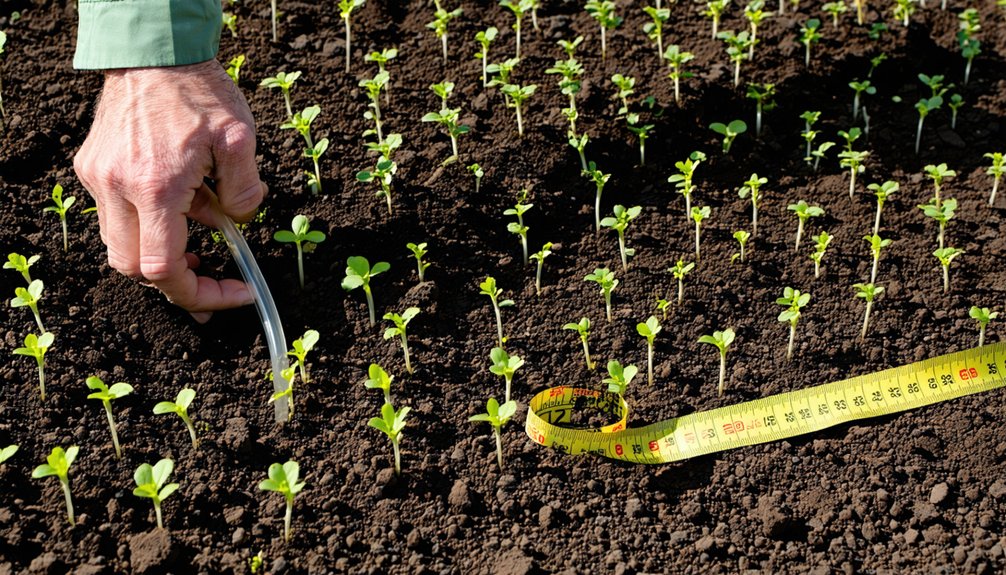
The initial installation costs of a drip irrigation system can vary significantly based on factors such as the size of the agricultural operation, the complexity of the system, and the materials used.
Generally, smaller farms may find more cost-effective irrigation solutions, while larger operations may incur higher expenses due to the increased scale.
Irrigation system pricing also fluctuates based on the choice of technology and components, such as emitters, tubing, and filtration systems.
Additionally, labor costs associated with installation can influence the overall budget.
Farmers must assess these factors carefully to determine the most suitable and economical option for their specific needs, ensuring that they achieve optimal efficiency and water conservation without overspending during the initial setup.
Components of a Drip Irrigation System
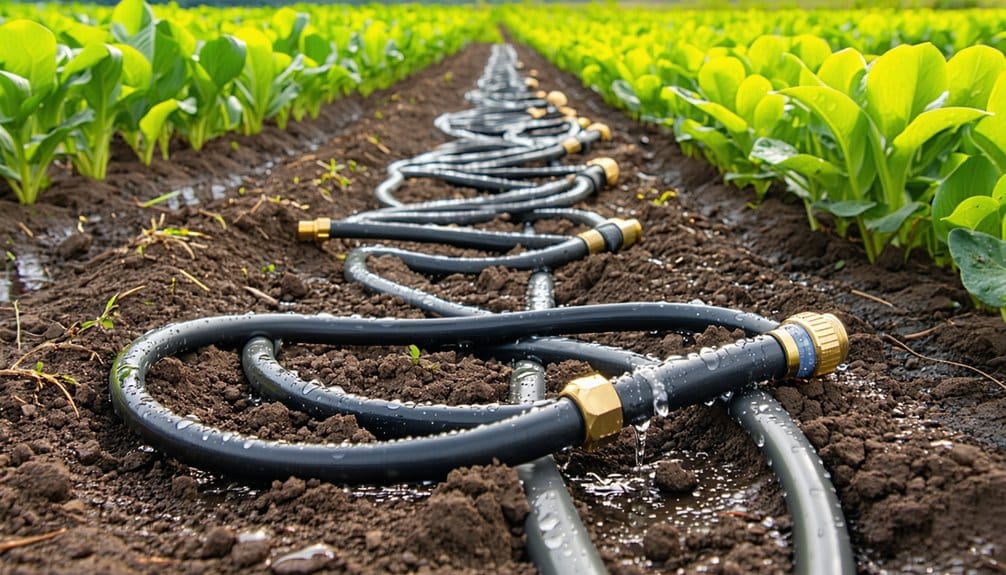
A drip irrigation system comprises several essential components that work together to deliver water efficiently to plants.
Understanding these components and exploring cost-effective materials can significantly impact overall system affordability.
This discussion will outline both the key elements of a drip irrigation setup and budget-friendly options available to users.
Essential System Components
Irrigation efficiency hinges on the careful selection of essential system components that make up a drip irrigation system.
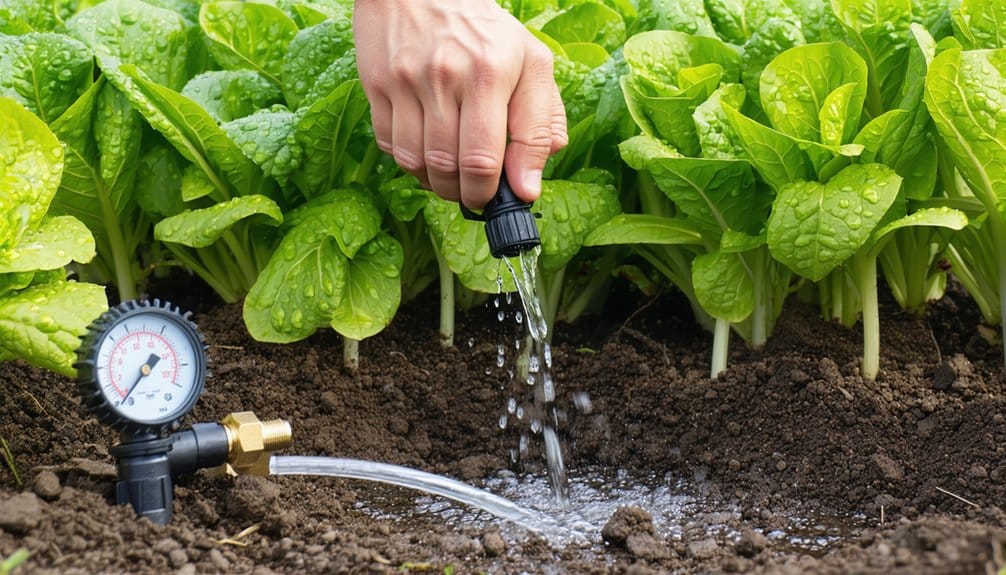
Key components include the mainline, which transports water from the source, and submains that distribute it throughout the field. Emitters, or drippers, are critical as they release the water directly to the plant roots at controlled rates.
Filters are necessary to remove impurities that could clog the emitters, while pressure regulators maintain optimal water pressure for uniform distribution. Additionally, tubing and connectors are vital for connecting various parts of the system.
Lastly, a controller can automate irrigation schedules, enhancing efficiency and reducing water waste. Each component plays a significant role in the overall effectiveness of the drip irrigation system.
Cost-Effective Materials Options
Selecting cost-effective materials for a drip irrigation system can significantly impact both initial investments and long-term operational costs. Utilizing affordable yet durable components fosters efficiency and sustainability. For instance, poly tubing offers a budget-friendly option for mainlines, while drip emitters can vary in price based on flow rates and materials.
| Material Type | Cost (per unit) | Durability (years) |
|---|---|---|
| Poly Tubing | $0.10 | 5-10 |
| Drip Emitters | $0.15 | 3-7 |
| Filter Systems | $25.00 | 10-15 |
| Pressure Regulators | $15.00 | 5-10 |
| Connectors | $0.05 | 3-5 |
Choosing wisely from these options can enhance efficiency and reduce unnecessary expenses in the long run.
Labor Expenses for Installation
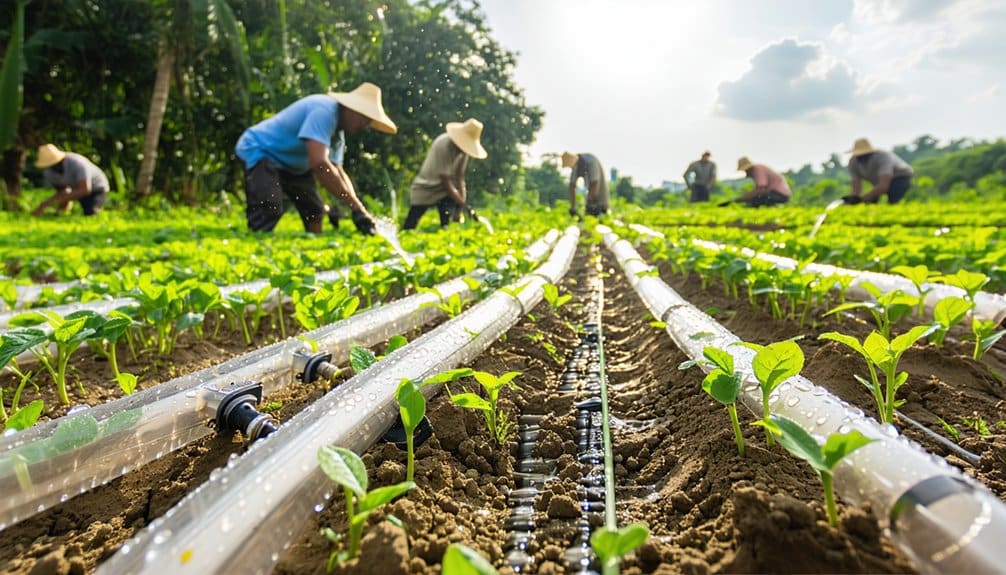
Labor expenses for the installation of a drip irrigation system can vary significantly based on several factors.
Hiring professional installers may provide expertise but comes at a higher cost, while DIY options can reduce expenses but require a certain level of skill.
Additionally, regional labor variations can further influence the overall installation costs, making it essential to consider these aspects when planning a drip irrigation system.
Hiring Professional Installers
How much should one expect to invest in hiring professional installers for a drip irrigation system?
Typically, labor costs for professional installation can range from $50 to $100 per hour, depending on the complexity of the project and the installer’s expertise.
Installation time can vary significantly; a small residential system may take about 4 to 8 hours, while larger agricultural setups could require multiple days.
Additional factors influencing costs include geographic location, the installer’s experience, and any preparatory work needed before installation, such as site assessment or land preparation.
DIY Installation Costs
Many homeowners considering a drip irrigation system may opt for DIY installation to save on labor costs. While this approach can be economical, it requires careful planning and execution.
Homeowners must assess their abilities, as mistakes can lead to increased expenses down the line. Key factors influencing DIY installation costs include:
- Tools: The need to invest in specialized equipment can add to initial expenses.
- Time: The project can be time-consuming, often leading to frustration if not managed well.
- Learning Curve: Gaining the necessary knowledge can be challenging, resulting in potential errors.
- Maintenance: Ongoing upkeep can incur additional costs if the system is not installed correctly.
Ultimately, DIY may save money but requires commitment and skill.
Regional Labor Variations
Regional variations in labor expenses can significantly impact the overall cost of installing a drip irrigation system.
Labor rates fluctuate based on geographic locations, influenced by factors such as local demand, cost of living, and agricultural practices. In regions with high labor costs, such as urban areas, installation rates may be substantially higher compared to rural settings where labor is often more affordable.
Additionally, areas with a strong agricultural presence may have a more skilled workforce familiar with irrigation systems, potentially reducing installation time and costs.
Understanding these regional labor differences is crucial for homeowners and farmers when budgeting for a drip irrigation system, as it can lead to notable discrepancies in the overall investment required for effective water management.
Maintenance Costs Over Time
Over a period of several years, maintenance costs for a drip irrigation system can vary significantly based on several factors, including system design, crop type, and environmental conditions.
To understand these costs, one must consider:
- Regular Inspections: Routine checks are essential to ensure the system operates efficiently, preventing costly repairs later.
- Replacement Parts: Components such as emitters and tubing wear out over time, requiring periodic replacement.
- Labor Costs: Hiring skilled technicians for maintenance can add to overall expenses, particularly in regions with higher wage rates.
- System Upgrades: As technology advances, upgrading parts may be necessary to enhance efficiency, adding to long-term costs.
These factors can significantly impact the total investment in maintaining a drip irrigation system, emphasizing the importance of careful planning.
Water Savings and Efficiency Benefits
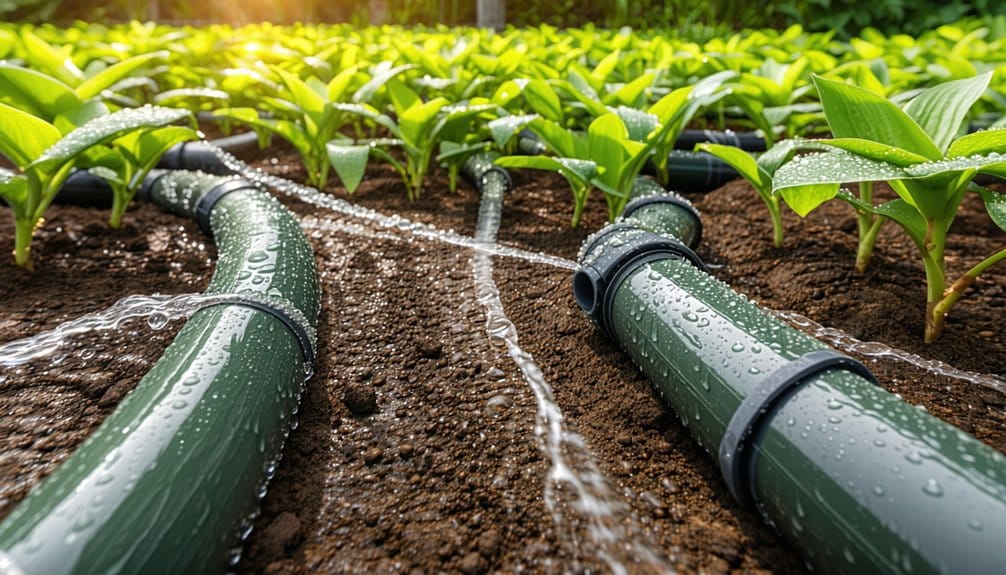
Effective maintenance of a drip irrigation system not only manages costs but also significantly contributes to water conservation.
By delivering water directly to the root zone of plants, drip irrigation minimizes evaporation and runoff, enhancing overall efficiency. This targeted approach ensures that plants receive the appropriate amount of water, reducing excess usage and promoting healthier growth.
Furthermore, studies have shown that drip systems can lead to water savings of up to 50% compared to traditional irrigation methods. The ability to monitor and adjust water application rates further optimizes resource use, ensuring that every drop counts.
As a result, farmers and gardeners can achieve sustainable practices while maintaining optimal plant health and yield, illustrating the system’s dual benefits of efficiency and conservation.
Long-Term Financial Benefits
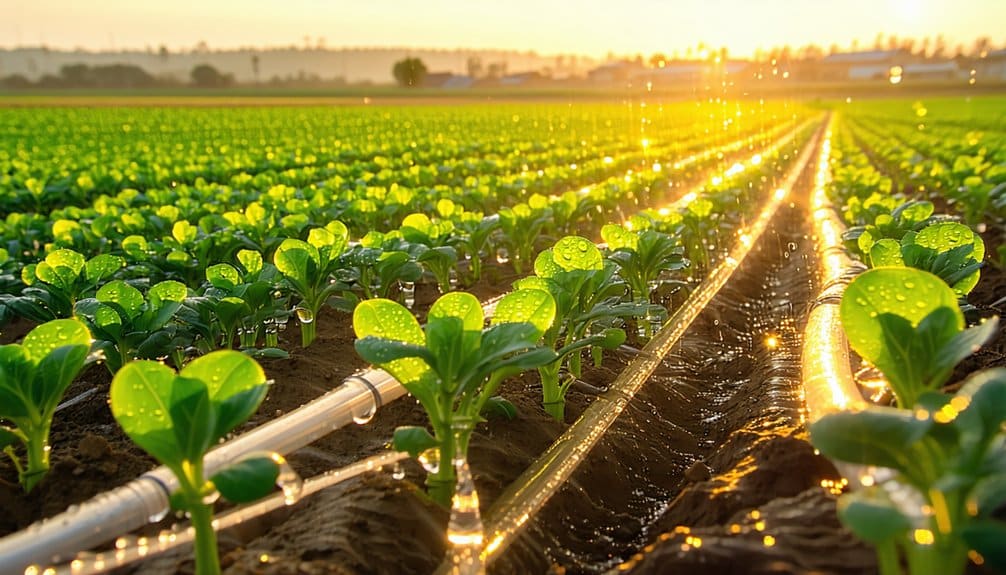
The long-term financial benefits of drip irrigation systems extend beyond initial installation costs.
By significantly enhancing water savings and efficiency, these systems contribute to lower utility bills over time.
Additionally, reduced labor costs further bolster the economic advantages, making drip irrigation a financially sound investment for agricultural operations.
Water Savings Efficiency
While traditional irrigation methods often lead to significant water waste, drip irrigation systems can dramatically enhance water savings efficiency, yielding substantial long-term financial benefits.
By precisely delivering water directly to the plant roots, these systems minimize evaporation and runoff, resulting in lower water bills and improved crop yields.
The following factors illustrate the emotional and financial impact of water savings efficiency:
- Lower Utility Costs: Reduced water consumption translates directly into decreased utility expenses, making budgets more manageable.
- Increased Crop Quality: Consistent moisture levels improve plant health, leading to higher quality produce.
- Environmental Responsibility: Efficient water use promotes sustainable farming practices, appealing to eco-conscious consumers.
- Long-term Viability: Reliable water sources ensure farming success, securing livelihoods for future generations.
Reduced Labor Costs
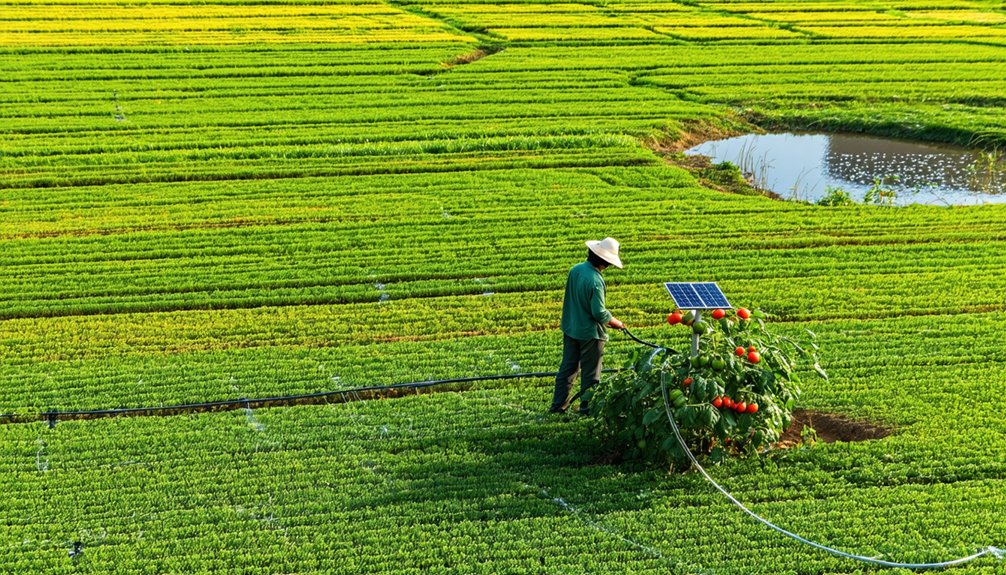
Implementing a drip irrigation system significantly reduces labor costs for farmers over time. This efficiency stems from the system’s automation, which minimizes the need for manual watering and monitoring.
Traditional irrigation methods often require extensive labor for setup, maintenance, and operation, while drip systems can function with less human intervention. Additionally, farmers benefit from reduced time spent managing water resources, allowing them to allocate labor to other essential tasks.
Over the long term, these savings can be substantial, contributing to overall operational efficiency. Furthermore, the precision of drip irrigation leads to healthier crops and potentially higher yields, enhancing financial returns.
Thus, the adoption of drip irrigation not only optimizes water usage but also significantly lowers labor expenses.
Comparing Drip Irrigation to Other Systems

When evaluating irrigation options, drip irrigation stands out for its efficiency and water conservation compared to traditional methods such as surface or sprinkler systems. This system delivers water directly to the plant roots, minimizing waste and enhancing growth.
In contrast, other systems can lead to evaporation and runoff, which can be detrimental to crops and the environment.
Key emotional aspects of drip irrigation include:
- Sustainability: Promotes responsible water use, protecting precious resources for future generations.
- Cost Efficiency: Reduces water bills and lowers long-term operational costs.
- Enhanced Crop Health: Provides precise watering, leading to better yields and quality.
- Labor Reduction: Decreases the need for manual watering, freeing time for other essential farm tasks.
Regional Cost Variations
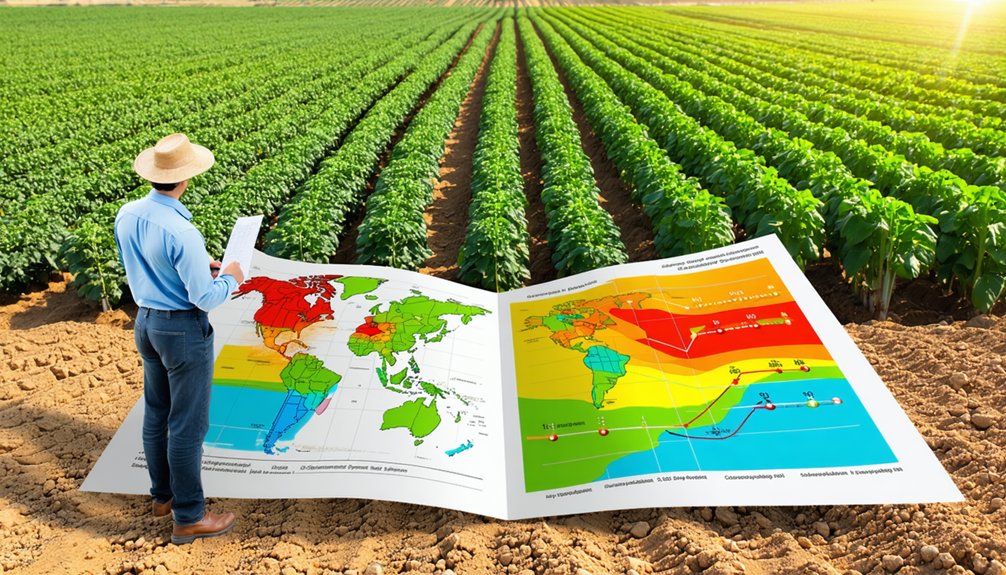
Understanding regional cost variations is crucial for farmers considering drip irrigation systems, as these costs can significantly differ based on location. Factors influencing these variations include local labor rates, material availability, and climate conditions.
For instance, regions with abundant water resources may see lower installation costs compared to arid areas where advanced systems are necessary. Additionally, local regulations and agricultural practices can influence the overall expense of setting up a system.
Farmers in rural areas may face higher transportation costs for materials, while urban proximity may offer more competitive pricing due to better access to suppliers.
Ultimately, understanding these regional differences allows farmers to budget effectively and select the most suitable system for their specific circumstances.
Return on Investment for Drip Irrigation
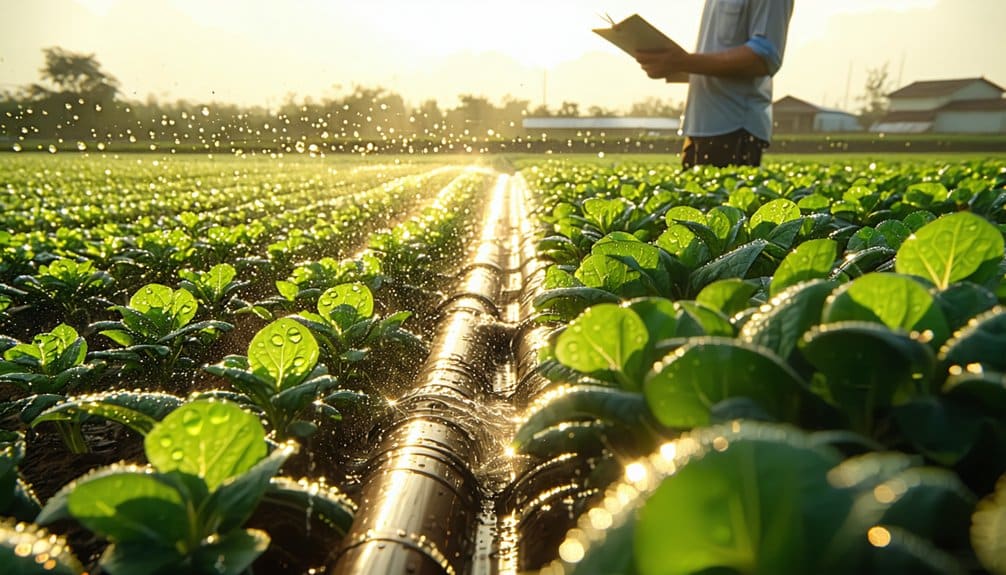
Evaluating the return on investment (ROI) for drip irrigation systems reveals significant financial implications for farmers. By optimizing water usage and enhancing crop yields, farmers can experience substantial long-term savings.
The investment in drip irrigation often leads to:
- Reduced Water Costs: Farmers often see a decrease in water bills, boosting profitability.
- Increased Crop Production: Improved water efficiency can lead to higher quality and quantity of crops.
- Labor Savings: Automation reduces the need for manual watering, lowering labor costs.
- Sustainability Benefits: Drip irrigation promotes environmental stewardship, appealing to eco-conscious consumers.
Conclusion
In conclusion, while the initial investment in a drip irrigation system may be substantial, the long-term benefits, including reduced water usage and enhanced crop productivity, often justify the costs. Farmers must consider installation and maintenance expenses alongside regional factors to make informed decisions. Ultimately, a thorough evaluation of these elements can lead to a favorable return on investment, making drip irrigation a viable option for sustainable agricultural practices.