
Sprinkler irrigation systems play a crucial role in modern agriculture and landscaping. Understanding the various types, such as stationary and portable systems, is essential for effective water management. Key design principles guide their implementation, ensuring optimal plant health and resource efficiency. Yet, many users overlook critical maintenance practices that affect system performance. Exploring these elements reveals not only the benefits but also the challenges faced in maximizing the effectiveness of irrigation systems. What insights await?
Key Takeaways
- Sprinkler irrigation systems include stationary, portable, and micro-spray types, each suited for different applications and terrains.
- Key components of these systems are pumps, pipes, sprinkler heads, valves, and controllers for effective water management.
- Proper design principles involve understanding plant water needs, optimizing sprinkler layouts, and calculating pressure loss for efficient operation.
- Common uses include agricultural crop irrigation for yield maximization and landscape maintenance for efficient moisture management.
- Maintenance practices like regular inspections, debris clearing, and leak monitoring are essential for system longevity and efficiency.
Overview of Sprinkler Irrigation Systems
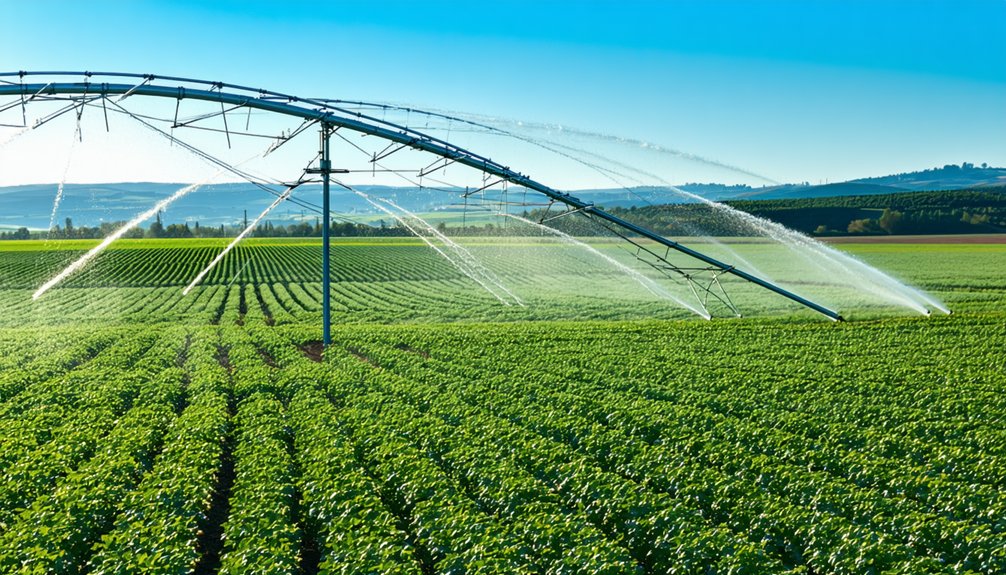
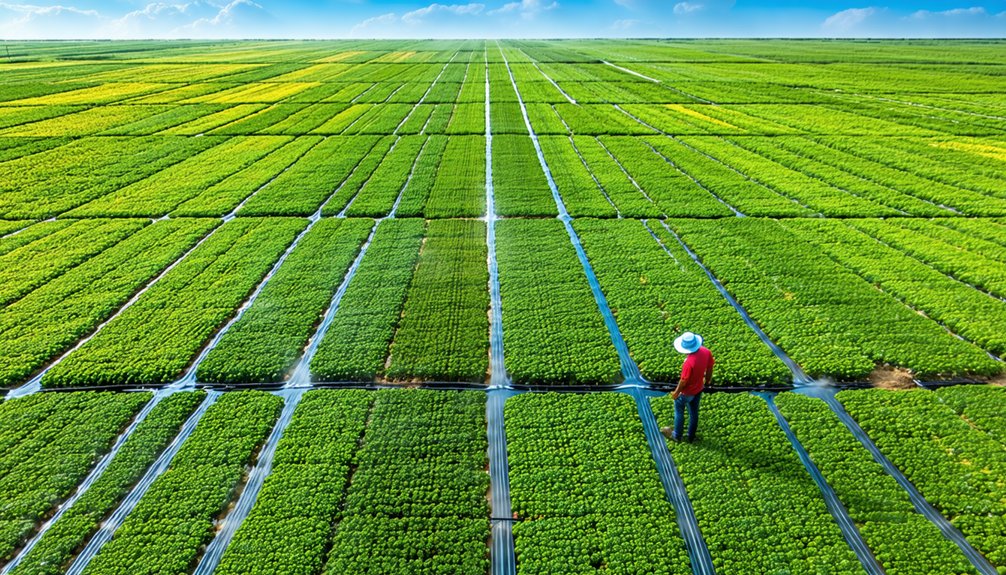
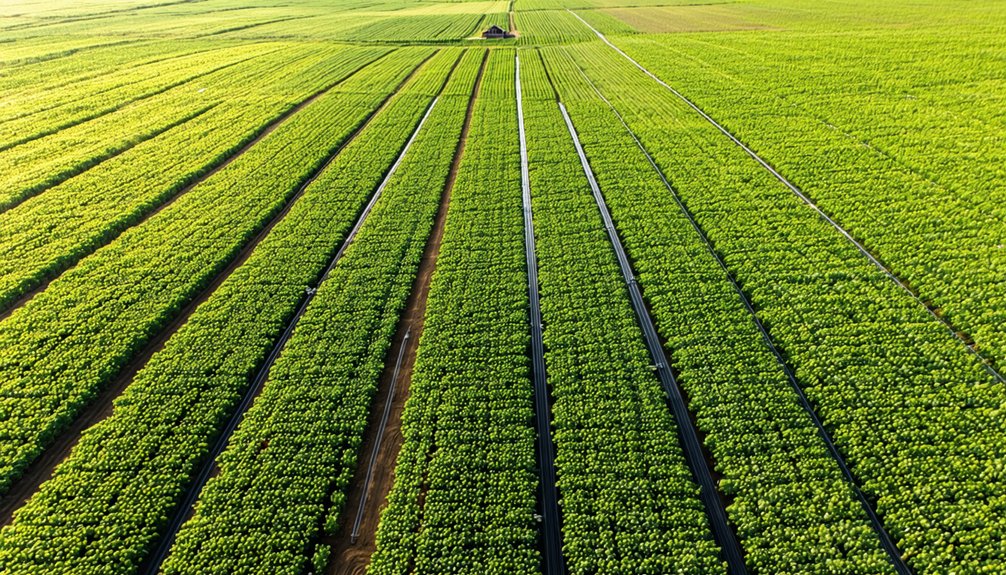
Sprinkler irrigation systems are vital tools in modern agriculture, designed to deliver water efficiently and uniformly across various types of crops. These systems utilize a network of pipes, pumps, and sprinklers to ensure that water reaches the root zones of plants, promoting healthy growth.
Effective irrigation system design is crucial for maximizing water use efficiency and minimizing wastage. Sprinkler irrigation systems are commonly used in fields, orchards, and gardens, adapting to diverse crop requirements. They can accommodate various terrains, making them suitable for both large-scale farms and smaller gardens.
Additionally, these systems can be automated, allowing for precise control over watering schedules, which helps conserve water and improve crop yields. Their flexibility and efficiency make them indispensable in sustainable agriculture practices. Furthermore, the mechanism of sprinkler irrigation allows for even distribution of water, which is essential for preventing overwatering or underwatering of crops.
Types of Sprinkler Irrigation Systems
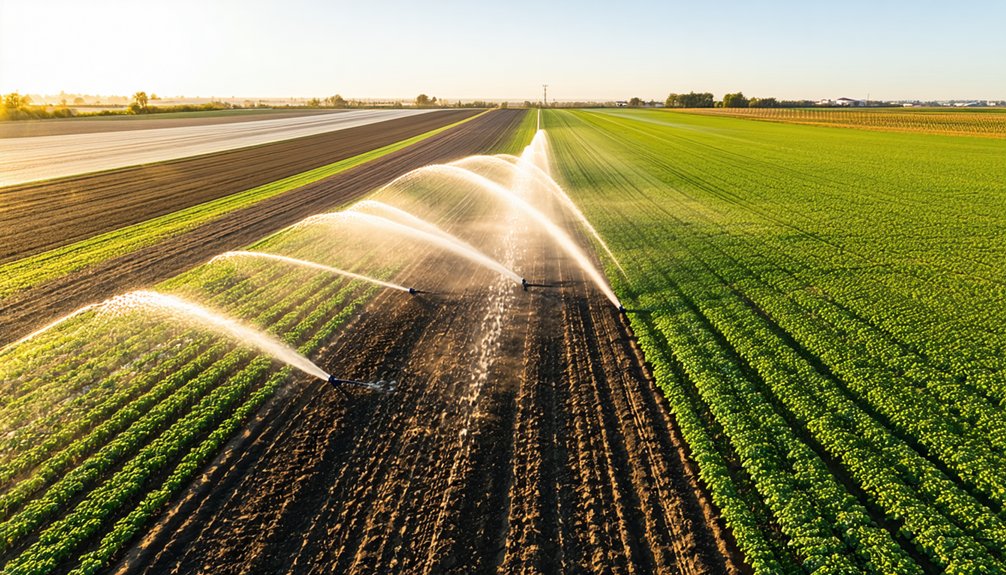
Various types of sprinkler irrigation systems cater to different agricultural and landscaping needs. Stationary systems offer fixed coverage, while portable systems provide flexibility in application. Additionally, micro-spray irrigation systems target specific areas with precision, enhancing water efficiency. Understanding sprinkler irrigation system components is essential for optimizing performance and ensuring effective water distribution.
Stationary Sprinkler Systems
Stationary sprinkler systems represent a fundamental approach to irrigation, effectively delivering water to specific areas without the need for movement.
These systems are typically fixed in place and can be strategically positioned to optimize coverage for various types of irrigation needs, such as gardens, lawns, or crops. They offer numerous irrigation system benefits, including reduced labor costs and consistent water distribution.
With the ability to customize spray patterns and water pressure, stationary systems ensure that plants receive adequate moisture while minimizing waste. Furthermore, they are often easier to maintain than more complex systems, making them an attractive option for homeowners and small-scale farmers.
Portable Sprinkler Systems
While stationary systems provide fixed irrigation solutions, portable sprinkler systems offer the flexibility to adapt to changing needs and environments.
These systems are particularly useful for homeowners and farmers who require versatility in their irrigation practices. Portable sprinklers can be easily moved, allowing users to cover different areas as needed. They come in various designs, catering to specific requirements.
Key features of portable sprinkler systems include:
- Lightweight and easy to transport
- Adjustable spray patterns for different coverage
- Compatibility with garden hoses or water supplies
- Cost-effective solution for small to medium-sized areas
- Simple setup and maintenance
Micro-Spray Irrigation Systems
Micro-spray irrigation systems represent a specialized approach to delivering water directly to plants with minimal waste.
These systems utilize small, low-pressure sprinkler heads that emit a fine spray of water, allowing for efficient coverage of specific areas. They are particularly beneficial for gardens, flower beds, and landscape features where targeted watering is essential.
Micro-spray systems can be easily adjusted to accommodate various plant sizes and types, making them versatile for both residential and commercial applications. Additionally, they help reduce evaporation and runoff, contributing to water conservation efforts.
Installation is straightforward, often requiring less infrastructure than traditional sprinkler systems. Overall, micro-spray irrigation systems provide an effective solution for optimizing water use while promoting healthy plant growth.
Components of a Sprinkler System
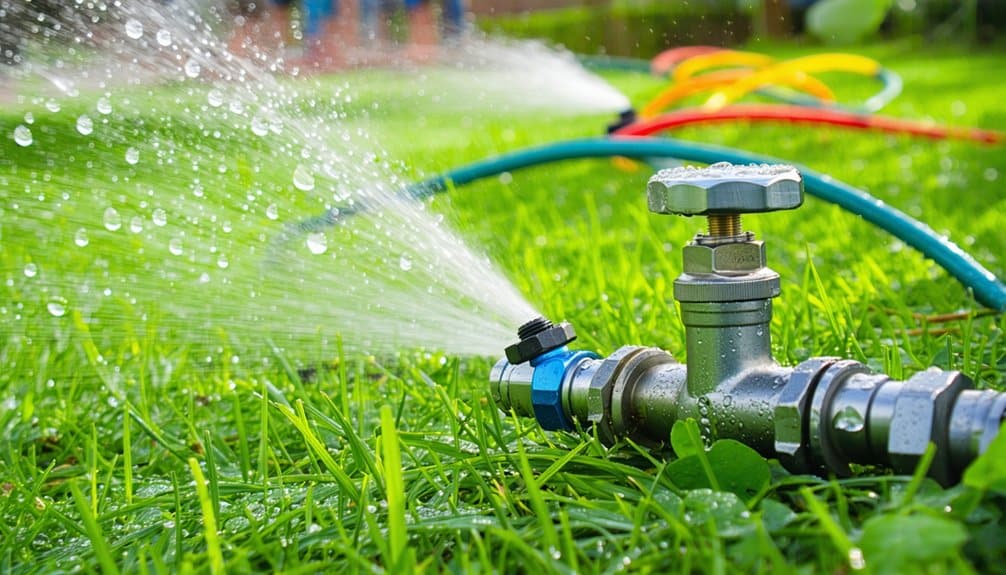
A well-designed sprinkler system consists of several essential components that work together to ensure efficient water distribution.
Each part plays a crucial role in delivering water to the intended areas, maximizing coverage and minimizing wastage.
The main components include:
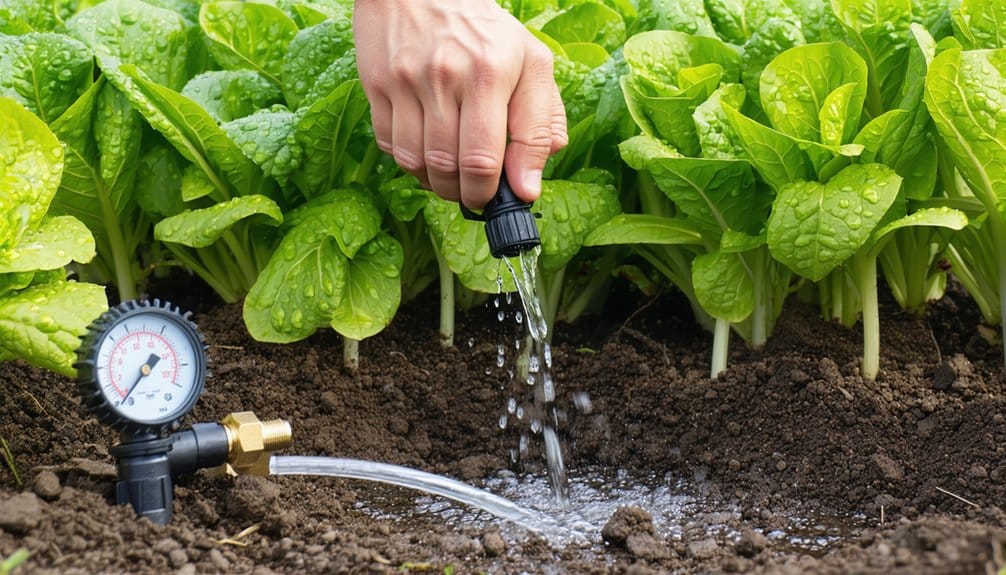
- Pump: Provides the necessary pressure to distribute water throughout the system.
- Mainline and Lateral Pipes: Transport water from the source to the sprinklers.
- Sprinkler Heads: Emit water in various patterns and intensities, tailored to specific needs.
- Valves: Control water flow, enabling sections of the system to be activated or deactivated.
- Controller: Automates the system, allowing for scheduled watering based on environmental conditions.
Additionally, understanding the various components is vital for optimizing system performance.
Together, these elements create an efficient and functional sprinkler irrigation system.
Sprinkler System Design Principles
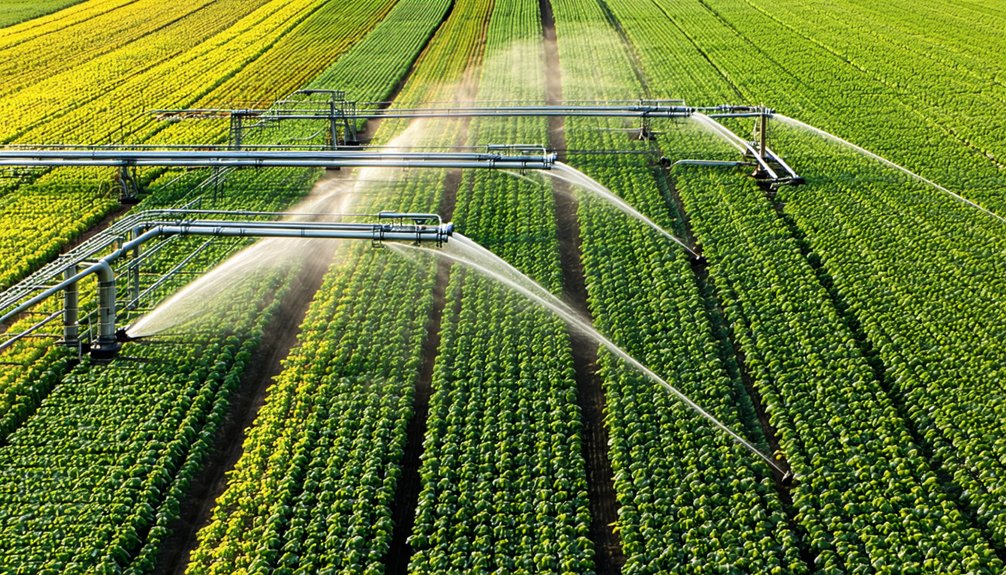
Effective sprinkler system design relies on several key principles that ensure optimal water distribution and resource efficiency.
First, understanding the water requirements of the specific plants or crops is crucial, allowing for tailored irrigation strategies.
Next, selecting appropriate sprinkler types and layouts minimizes overlap and ensures uniform coverage.
Hydraulics also play a vital role; calculating pressure loss and flow rates ensures that the system operates effectively under varying conditions.
Additionally, incorporating zoning can enhance efficiency by allowing targeted irrigation.
Lastly, regular maintenance and system evaluations are essential to identify issues and make necessary adjustments. Furthermore, implementing efficient water management practices can significantly improve system performance and reduce water waste.
Benefits of Using Sprinkler Irrigation
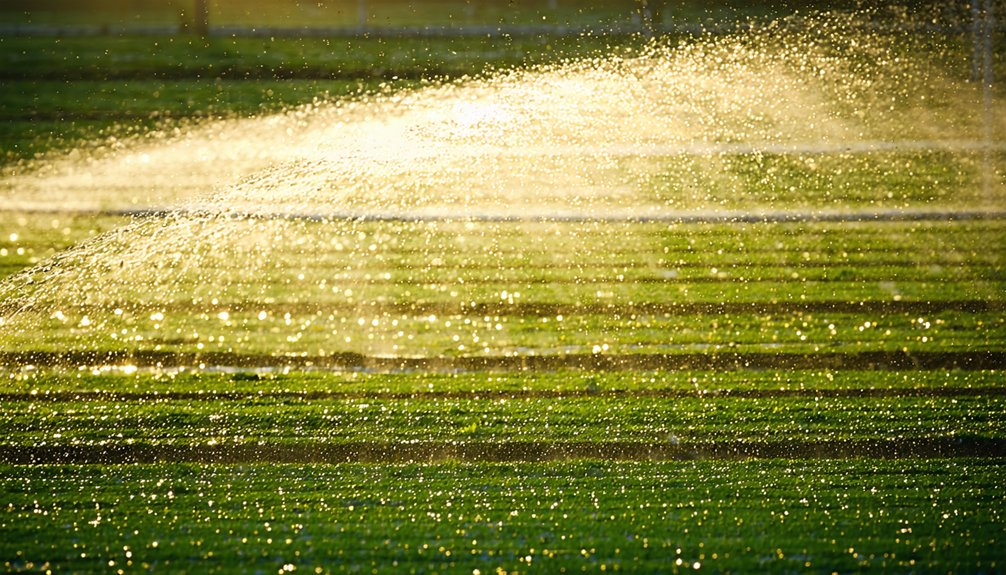
While traditional irrigation methods can be labor-intensive and inefficient, sprinkler irrigation offers numerous advantages that enhance agricultural productivity and water conservation.
This modern approach enables farmers to optimize water usage and improve crop yields.
Key benefits include:
- Efficient Water Distribution: Sprinklers can cover large areas uniformly, minimizing water wastage.
- Reduced Labor Costs: Automation of irrigation reduces the need for manual labor.
- Flexible Scheduling: Irrigation can be easily scheduled to meet specific crop needs and weather conditions.
- Soil Erosion Prevention: Gentle water application helps maintain soil structure and reduces erosion.
- Fertility Management: Sprinkler systems can incorporate fertilizers and pesticides directly into the water, ensuring efficient nutrient delivery to plants.
These advantages support sustainable farming practices and promote environmental stewardship. Additionally, advanced irrigation systems can help optimize water efficiency even further through precise control mechanisms.
Common Applications of Sprinkler Systems
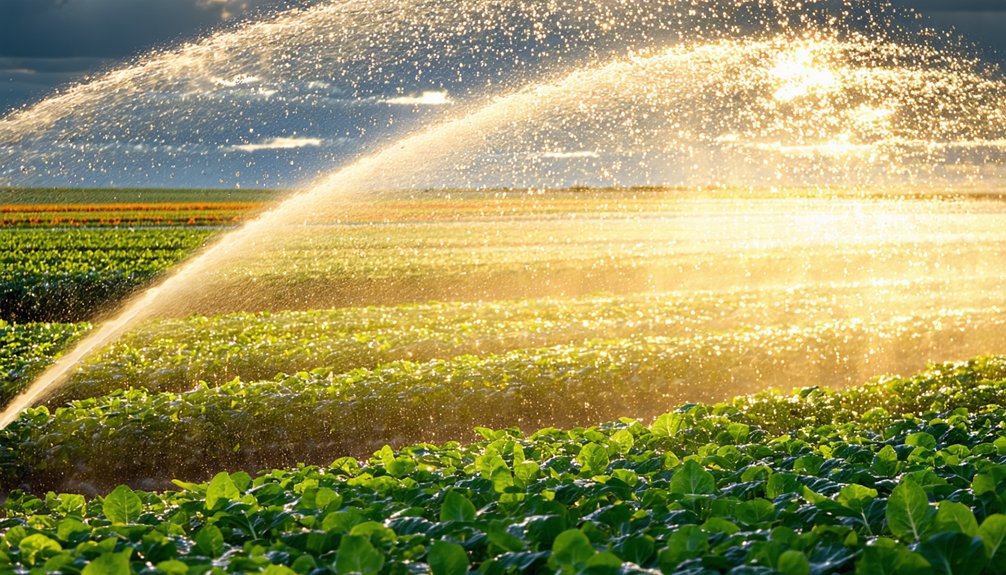
Sprinkler irrigation systems are widely utilized in various contexts, primarily for agricultural crop irrigation and landscape maintenance.
These systems efficiently deliver water to crops, ensuring optimal growth and yield. Additionally, they are essential for maintaining the health and appearance of gardens and landscaped areas. Moreover, lawn sprinkler systems can also enhance water conservation by minimizing evaporation and runoff.
Agricultural Crop Irrigation
Irrigating agricultural crops efficiently is crucial for maximizing yield and ensuring sustainability in farming practices.
Sprinkler irrigation systems offer a versatile solution for various crop types and growing conditions. These systems can be tailored to meet specific agricultural needs, enhancing water management and crop health.
Key applications of sprinkler systems in agricultural crop irrigation include:
- Uniform distribution of water across fields
- Efficient use of fertilizers and pesticides through chemigation
- Adaptability to different terrain and soil types
- Minimization of water runoff and evaporation losses
- Reduction of labor costs through automated systems
Landscape and Garden Maintenance
Effective landscape and garden maintenance relies heavily on efficient irrigation methods, with sprinkler systems emerging as a popular choice. These systems provide uniform water distribution, ensuring that lawns, flower beds, and shrubs receive adequate moisture.
Various types of sprinkler systems, such as stationary, oscillating, and drip, cater to different landscape needs, allowing for flexibility in design and application. Homeowners and professional landscapers often utilize these systems to minimize water wastage while maximizing plant health.
Additionally, automated timers can be integrated into sprinkler systems, offering convenience and precision in watering schedules. This technology not only promotes lush greenery but also supports sustainable practices by conserving water resources, making it an essential component of modern landscape and garden maintenance.
Maintenance Tips for Sprinkler Systems
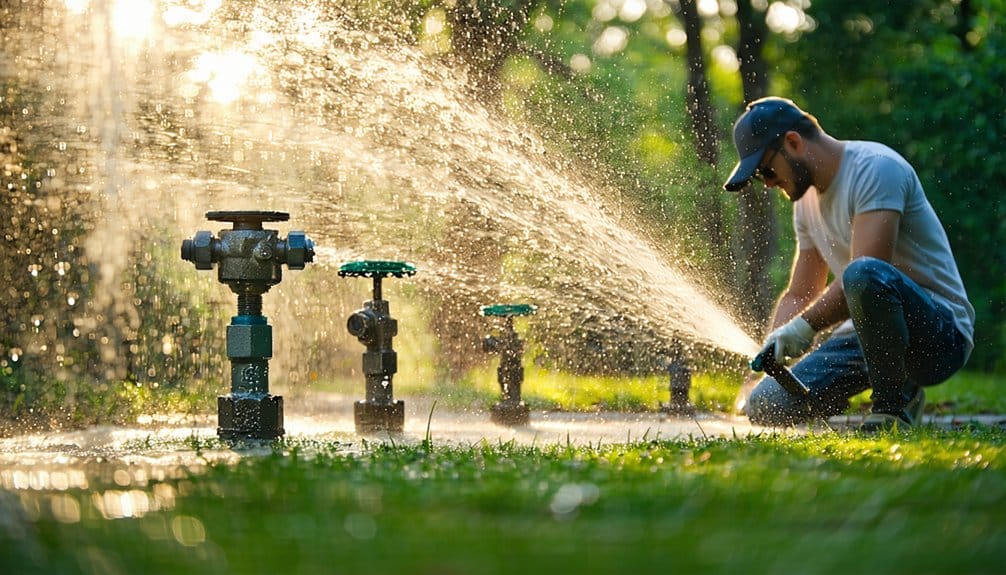
Regular maintenance of sprinkler systems is crucial for ensuring optimal performance and longevity. Neglecting maintenance can lead to inefficiencies, water waste, and costly repairs.
To maintain a sprinkler system effectively, consider the following tips:
- Inspect Sprinkler Heads: Regularly check for clogs or damage to ensure even water distribution.
- Adjust Timers: Update watering schedules based on seasonal changes and rainfall to conserve water.
- Clear Debris: Remove leaves, dirt, and other debris that can obstruct sprinkler function.
- Check for Leaks: Monitor pipes and fittings for leaks, which can waste water and increase bills.
- Winterize the System: In colder climates, ensure the system is properly drained to prevent freeze damage.
Additionally, investing in a high-quality automatic lawn sprinkler system can streamline maintenance and enhance water efficiency. Adhering to these practices can significantly enhance a system’s efficiency and lifespan.
Future Trends in Sprinkler Irrigation Technology
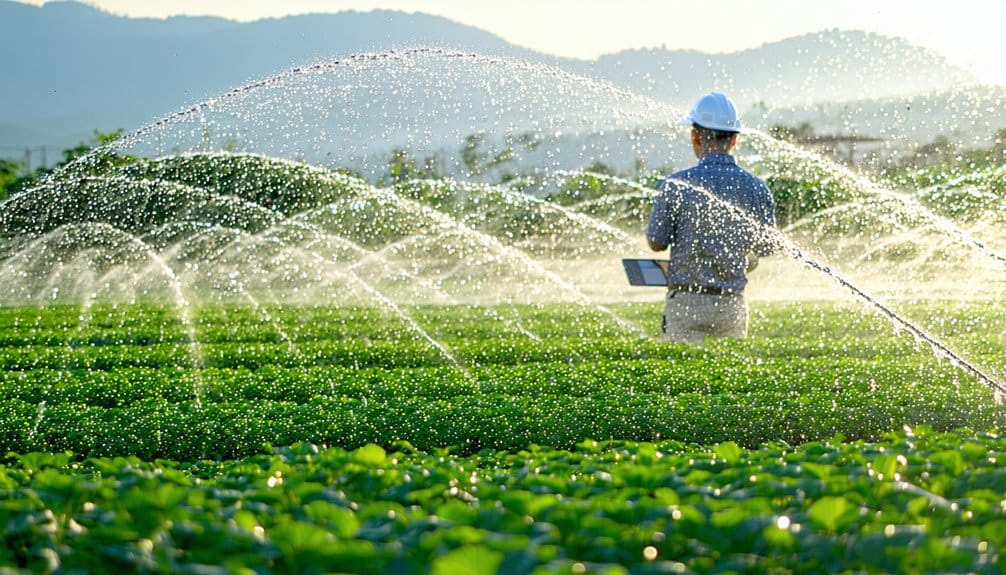
As advancements in technology continue to reshape agricultural practices, the future of sprinkler irrigation systems is poised for significant transformation.
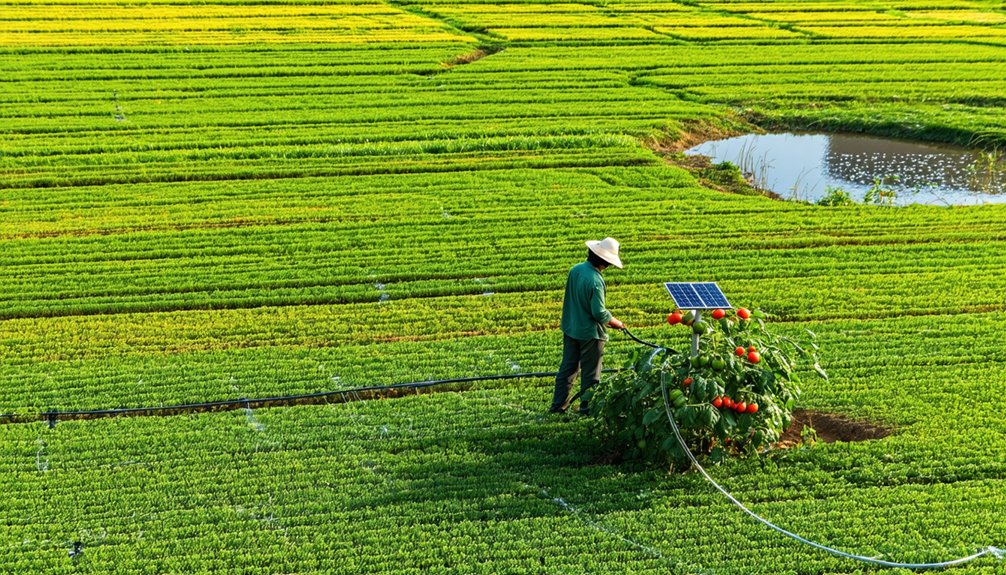
Emerging trends include the integration of smart technology, enabling real-time monitoring and control via mobile applications. This technology allows for data-driven decisions on water usage, optimizing efficiency and reducing waste.
Additionally, advancements in sensor technology are facilitating precision irrigation, where systems can adjust based on soil moisture levels and weather conditions.
Moreover, the development of energy-efficient pumps and automated scheduling systems will further enhance sustainability. The adoption of systems like Boom Irrigation can complement these trends by providing targeted water application to large areas, maximizing resource efficiency.
As farmers increasingly adopt these innovations, they will not only improve crop yields but also contribute to water conservation efforts, aligning agricultural practices with environmental stewardship.
The future promises a more efficient and responsible approach to irrigation.
Conclusion
In conclusion, sprinkler irrigation systems offer diverse solutions tailored to various agricultural and landscaping needs. By understanding the different types, components, and design principles, users can optimize water distribution and enhance plant health. The benefits of efficient moisture management extend beyond yield maximization and sustainability, underscoring the importance of proper maintenance and the integration of emerging technologies. As the industry evolves, advancements in sprinkler irrigation will continue to play a crucial role in resource conservation and effective land management.