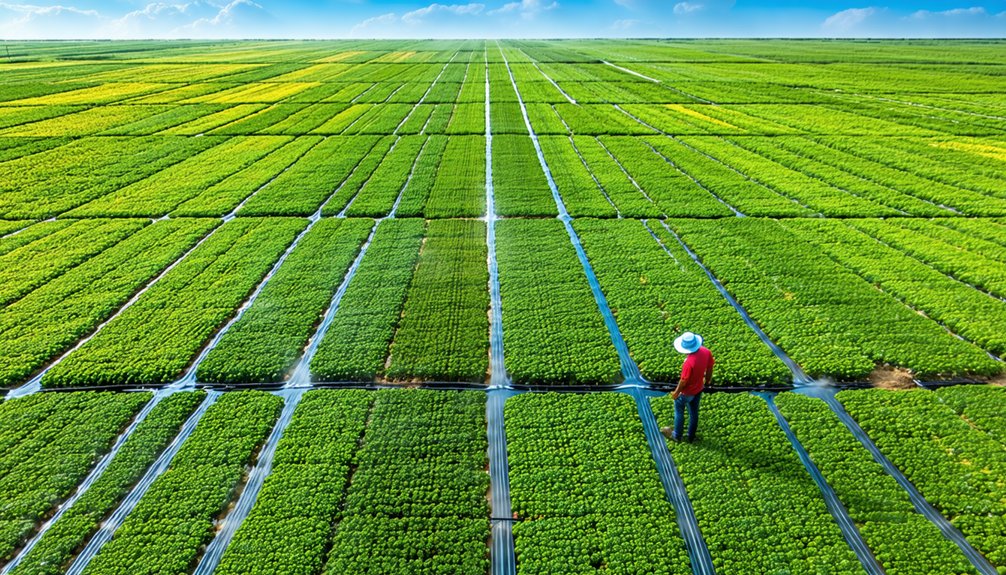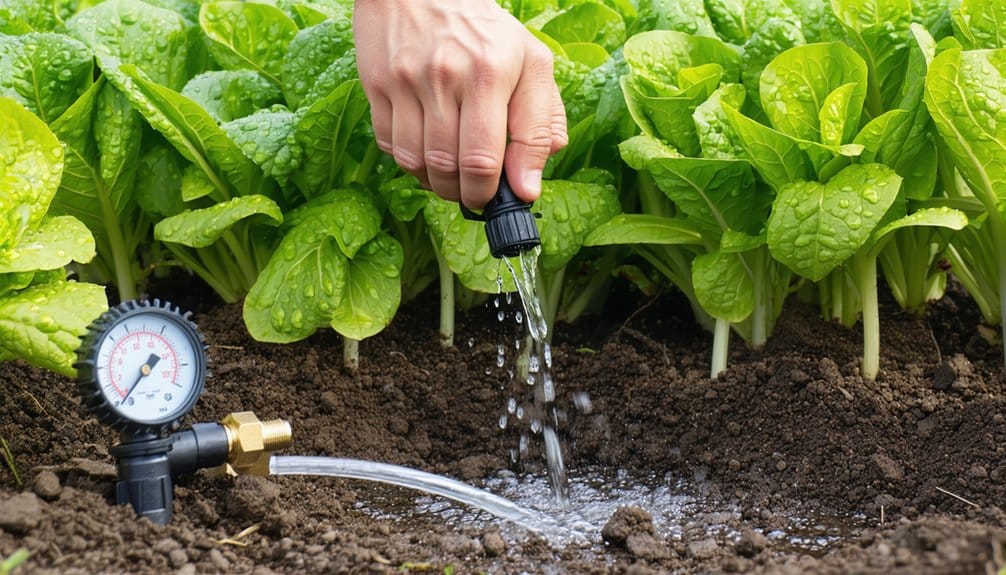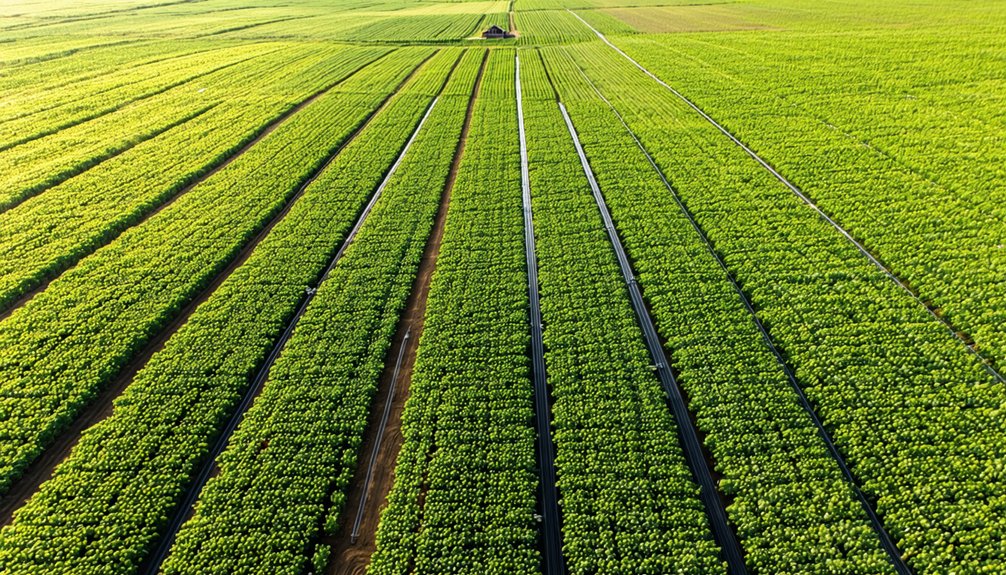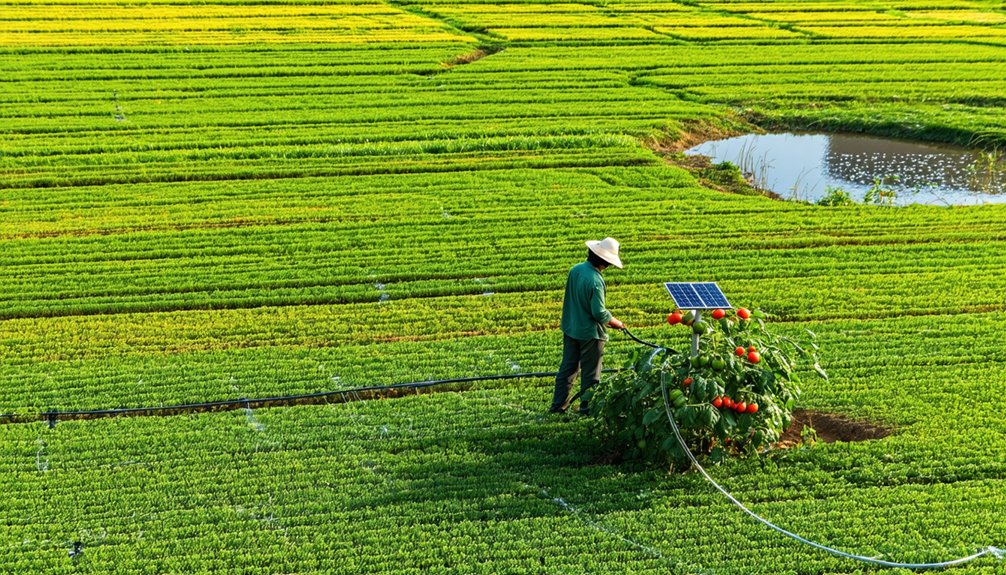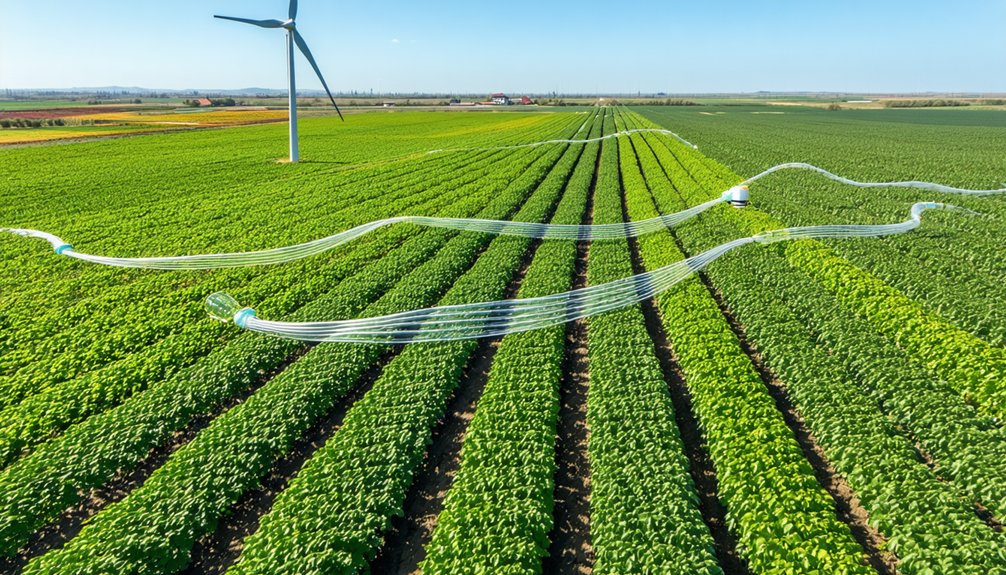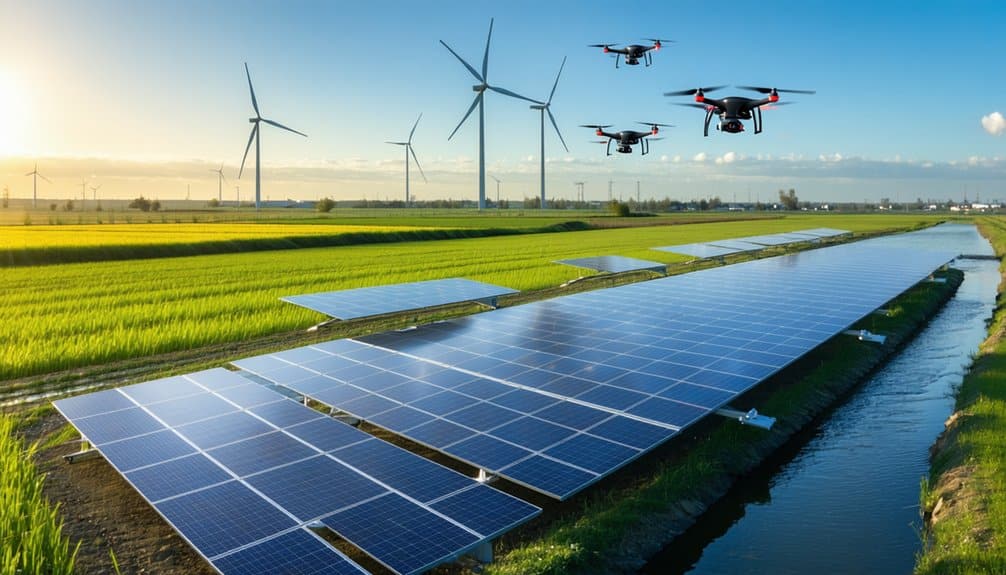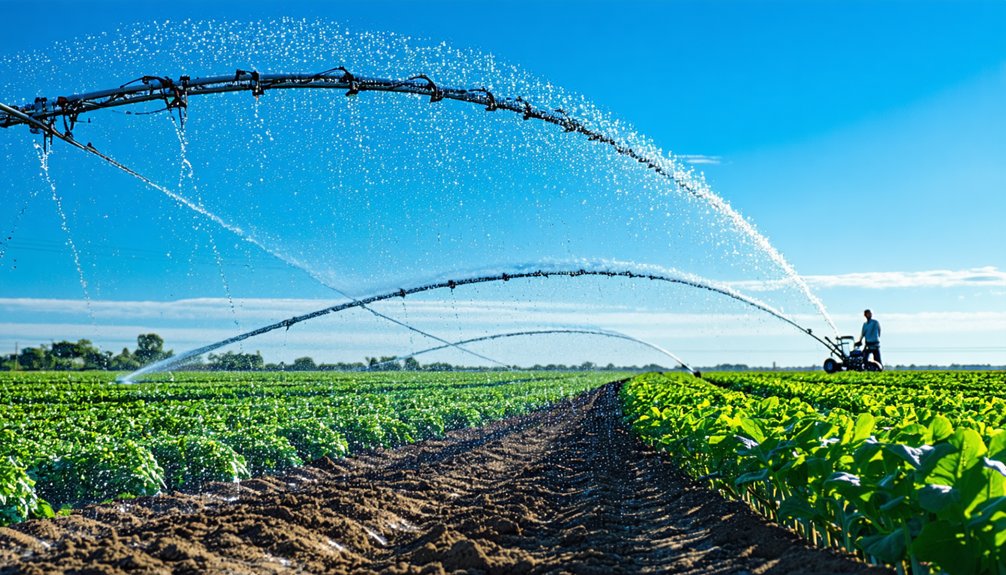
Maximizing crop yield is a complex process that hinges on effective irrigation practices. Irrigation sprinkler systems play a pivotal role in ensuring crops receive adequate water, especially in regions facing water scarcity. Understanding the different types of systems and their applications can significantly influence agricultural productivity. However, selecting the right system involves careful consideration of various factors that can impact efficiency. This guide will explore those crucial elements and their implications for modern farming.
Key Takeaways
- Choose the right sprinkler system type (e.g., drip, center pivot) based on field size, crop type, and water source availability for optimal irrigation efficiency.
- Implement tailored irrigation schedules that align with specific crop needs and local weather conditions to maximize water absorption and minimize waste.
- Regularly maintain and inspect the irrigation system to ensure proper function, addressing leaks, clogs, and pressure issues to enhance water efficiency.
- Utilize advanced technologies like smart sensors and automated systems for real-time monitoring and precision irrigation, improving resource management and crop yield.
- Incorporate drainage systems and soil moisture sensors to optimize water usage and adapt to changing soil conditions for healthier plant growth.
Understanding the Importance of Irrigation Sprinkler Systems
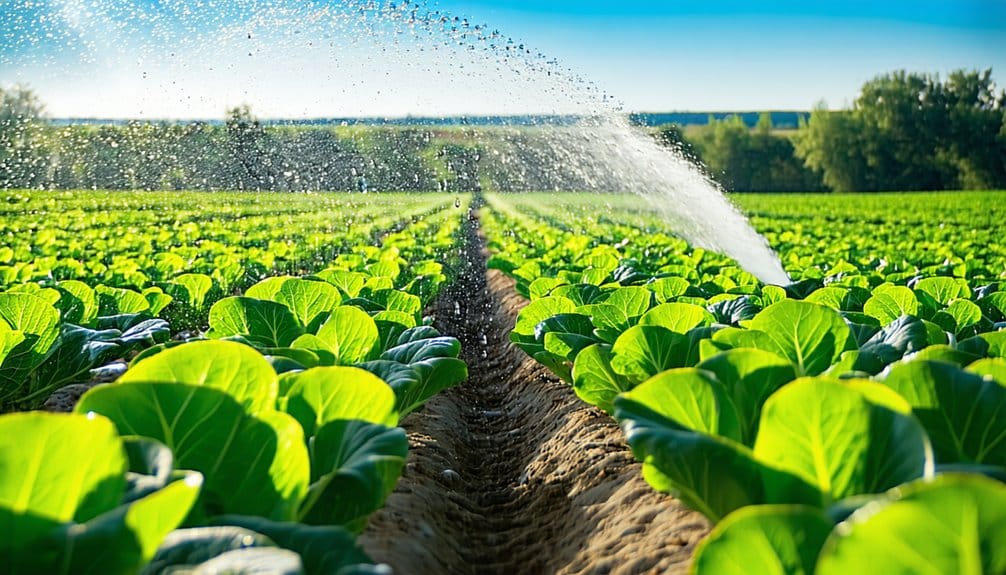
Why is the role of irrigation sprinkler systems pivotal in modern agriculture? These systems are essential for efficient farm irrigation, ensuring that crops receive adequate water, particularly in areas prone to drought.
By delivering water directly to the root zones, sprinkler systems minimize waste and maximize absorption, which is crucial for maintaining healthy plants. Properly implemented, these systems can significantly enhance crop yield, enabling farmers to produce more food while conserving water resources.
The precision of sprinkler systems allows for tailored irrigation schedules based on specific crop needs and weather conditions, optimizing resource management.
Different Types of Irrigation Sprinkler Systems
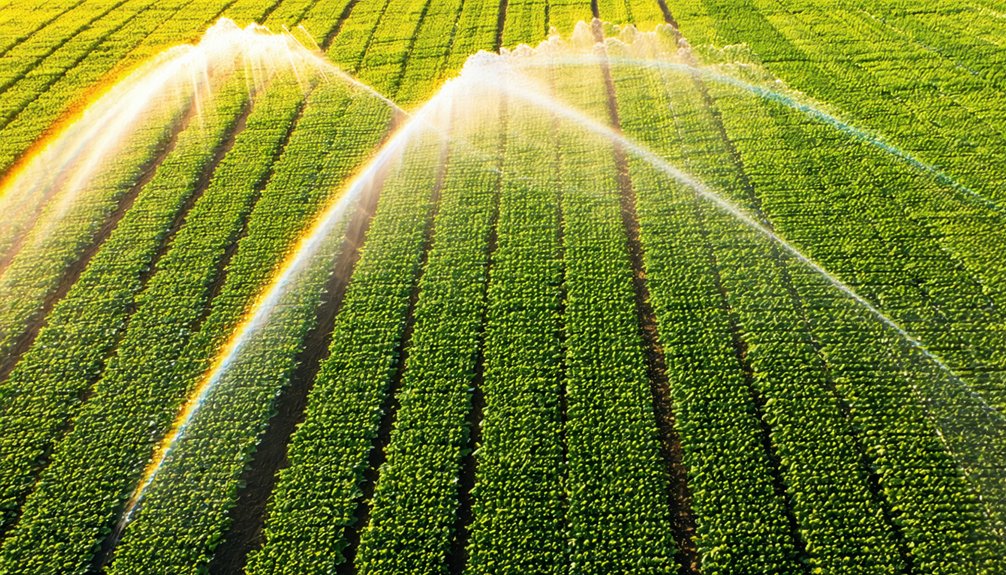
As farmers seek to optimize water usage in their fields, understanding the various types of irrigation sprinkler systems available becomes essential. Each system offers unique benefits, requiring careful consideration in a farm sprinkler setup. The three primary types include:
| Type | Description | Best For |
|---|---|---|
| Center Pivot | Rotates around a pivot point | Large, flat fields |
| Drip Irrigation | Delivers water directly to roots | High-value crops |
| Sprinkler System | Disperses water over a wide area | General crop irrigation |
Effective irrigation maintenance is critical to ensure these systems operate efficiently, minimizing water wastage and maximizing crop yield. Farmers must assess their specific needs to select the most suitable system for their operations.
Key Factors to Consider When Choosing a Sprinkler System
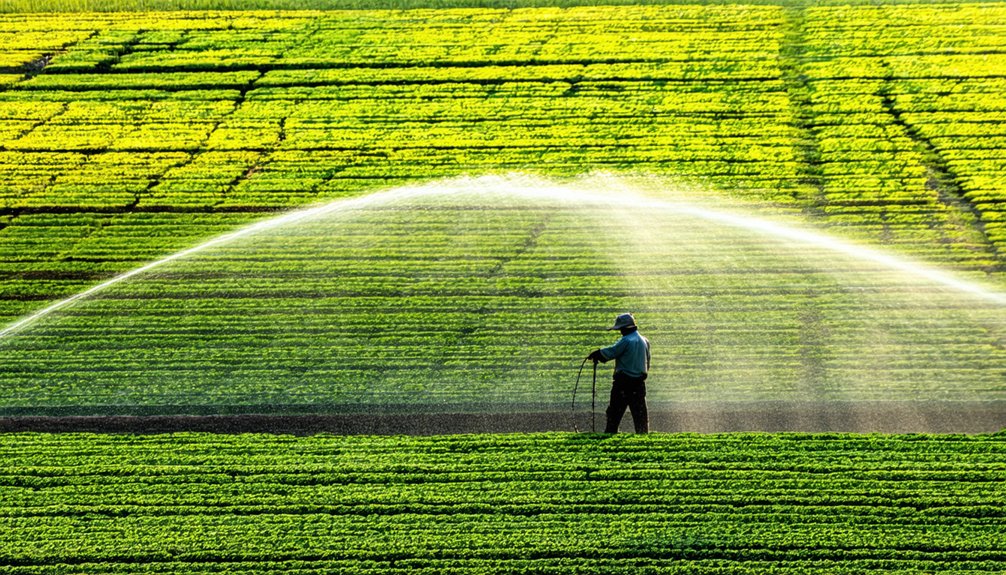
When selecting a sprinkler system, farmers must weigh several key factors to ensure optimal water management and crop health.
First, the size and layout of the field play a crucial role, as they determine the type and number of sprinklers needed. Additionally, water source availability and quality are vital; inadequate or contaminated water can hinder crop growth.
Farmers should also consider the system’s efficiency, including its uniformity of water distribution and potential evaporation losses. Maintenance requirements and operational costs are essential for long-term sustainability.
Finally, local climate and soil types influence the choice, as different environments may necessitate specific sprinkler designs to maximize effectiveness.
Designing an Effective Irrigation Layout
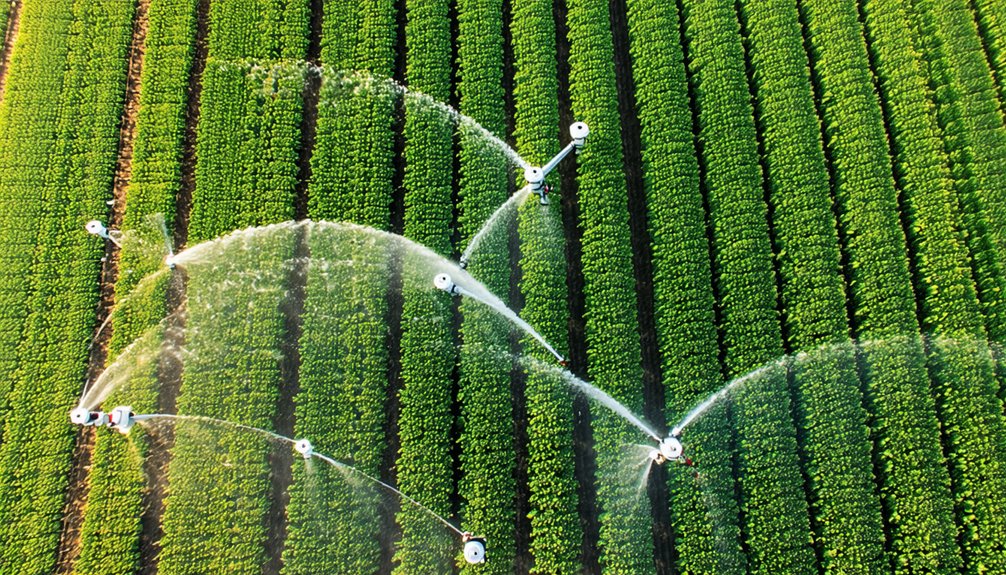
An effective irrigation layout is essential for maximizing water efficiency and ensuring healthy crop yields. Proper design begins with understanding the topography of the land and the specific water requirements of different crops.
A grid or zone layout often works best, allowing for even distribution of water across varying soil types. It is crucial to consider the placement of sprinkler heads to minimize overlap and reduce water waste.
Additionally, incorporating features such as drainage systems and soil moisture sensors can enhance operational efficiency. Regular assessments of the irrigation layout enable farmers to adjust for changing conditions, optimizing water usage and promoting sustainable agriculture.
Installation Process for Sprinkler Systems
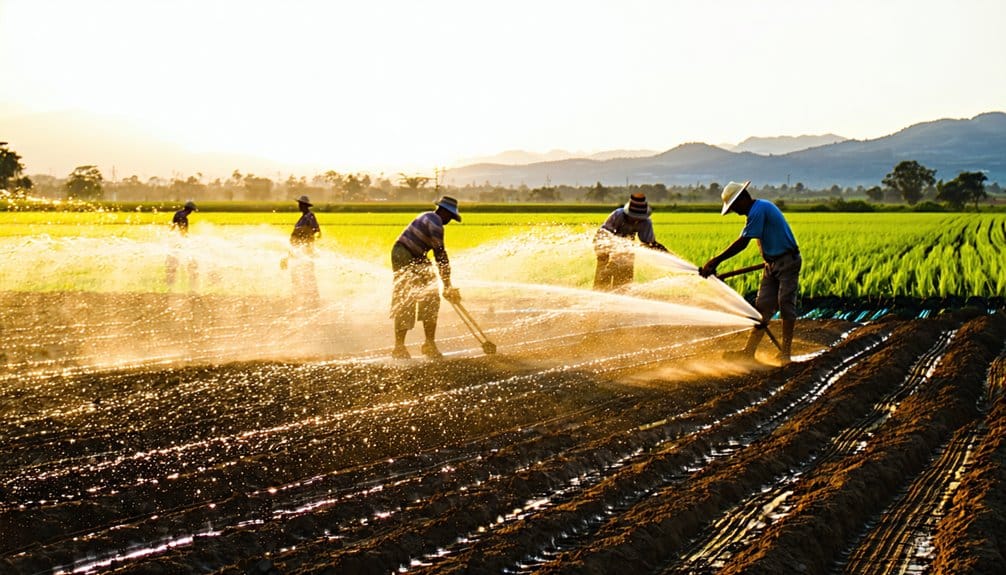
Installing a sprinkler system requires careful planning and execution to ensure optimal performance and longevity. The process begins with assessing the land’s topography and soil type, followed by selecting the appropriate sprinkler type based on the crops and water availability. Proper spacing and layout are crucial to maximize coverage and minimize waste.
| Step | Description |
|---|---|
| 1. Site Assessment | Analyze land features and soil characteristics. |
| 2. System Design | Create a layout plan, including sprinkler heads. |
| 3. Material Selection | Choose durable pipes, fittings, and sprinklers. |
| 4. Installation | Assemble and position components as per design. |
This systematic approach ensures that the irrigation system operates efficiently and effectively, promoting healthy crop growth.
Optimal Scheduling for Irrigation
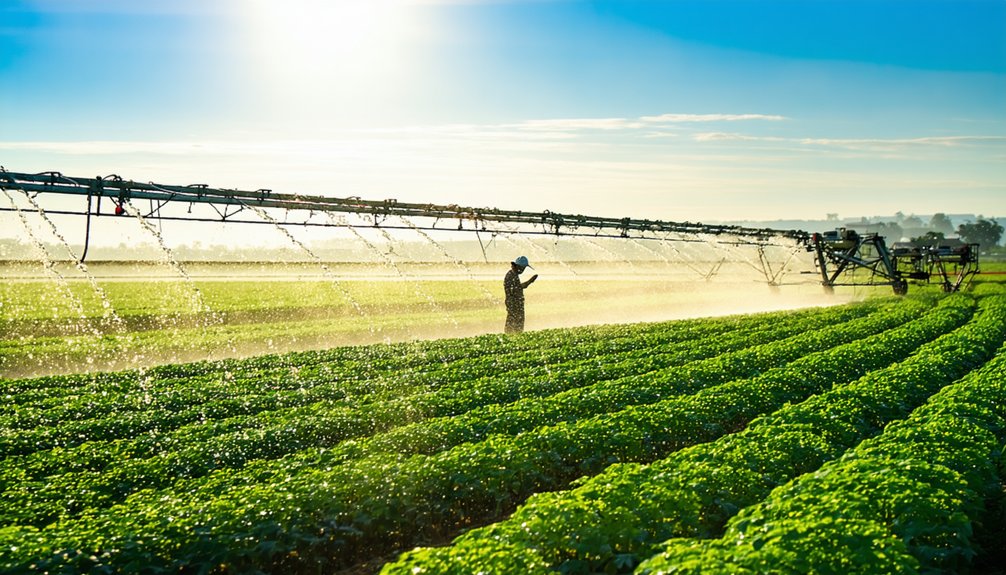
How can farmers ensure their crops receive the right amount of water without waste? Optimal scheduling for irrigation is crucial in achieving this balance. By carefully planning irrigation times and durations, farmers can enhance water efficiency and crop health.
Key strategies for optimal scheduling include:
- Soil Moisture Monitoring: Regularly checking soil moisture levels helps determine when and how much to irrigate.
- Weather Forecasting: Utilizing weather data allows farmers to adjust schedules based on rainfall predictions and temperature fluctuations.
- Crop Water Requirements: Understanding the specific water needs of different crops ensures that they receive adequate hydration without excess.
Maintaining Your Irrigation Sprinkler System
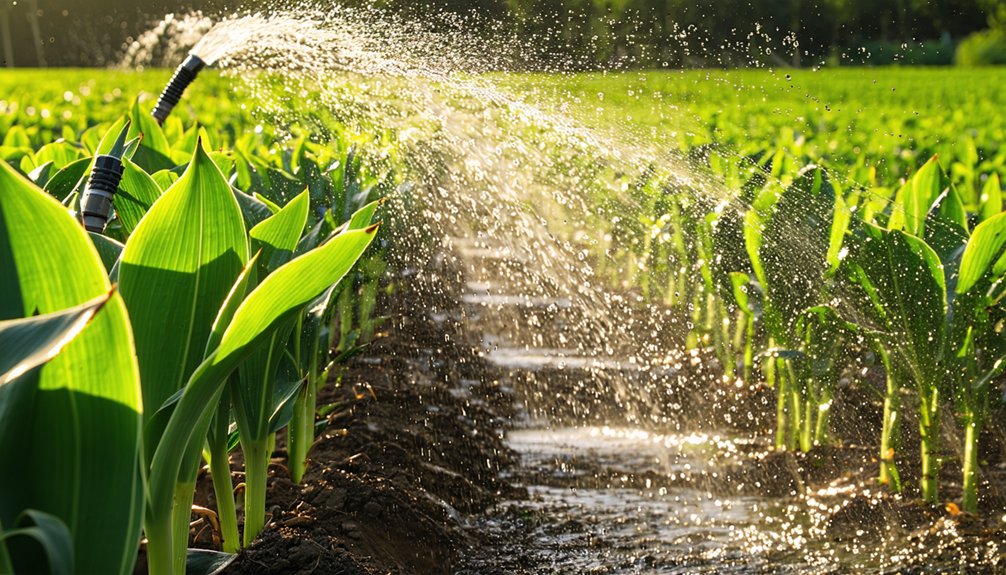
Effective irrigation scheduling can only be maximized when the irrigation system itself is properly maintained. Regular inspections are essential to ensure components function efficiently. Checking for leaks, clogs, and broken parts can prevent water wastage and ensure optimal water distribution.
It is vital to clean filters and sprinkler heads periodically to maintain proper pressure and coverage. Additionally, adjusting the system according to seasonal changes and crop requirements enhances performance. Controllers and timers should be calibrated and tested to ensure accurate operation.
Maintaining the irrigation system not only improves water efficiency but also prolongs the lifespan of equipment. By adhering to a consistent maintenance schedule, farmers can significantly enhance crop yield while conserving valuable resources.
Troubleshooting Common Irrigation Issues
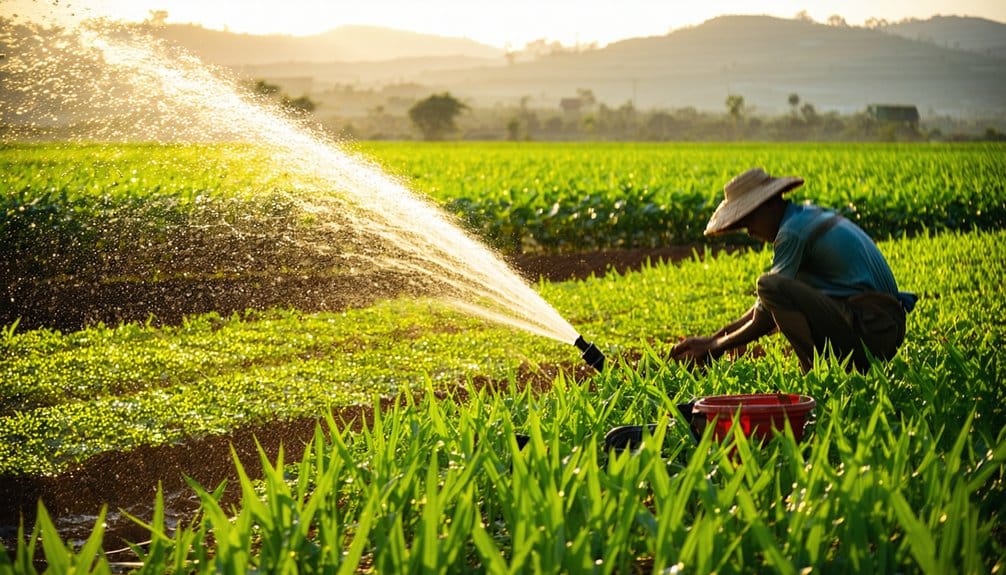
When managing a farm irrigation system, various common issues can disrupt water distribution and efficiency.
Identifying problems such as uneven water distribution, clogged nozzles and filters, and system pressure inconsistencies is essential for optimal performance.
Addressing these concerns promptly can significantly enhance irrigation effectiveness and crop health.
Identifying Uneven Water Distribution
Determining the presence of uneven water distribution in an irrigation system can be crucial for maintaining healthy crops and landscapes.
Identifying this issue early can prevent water loss and crop stress, ultimately maximizing yield.
Farmers can look for several key indicators:
- Dry spots: Areas where the soil remains parched, indicating insufficient water reach.
- Over-saturated zones: Patches where water pools, suggesting excessive delivery or poor drainage.
- Wilting plants: Plants showing signs of dehydration or stress may signal inadequate irrigation.
Clogged Nozzles and Filters
Although irrigation systems are designed to deliver water efficiently, clogged nozzles and filters can significantly hinder performance and disrupt water distribution. Clogs often occur due to mineral deposits, debris, or algae buildup, preventing the proper flow of water.
When nozzles become blocked, they can lead to uneven watering, impacting crop health and yield. Regular maintenance is essential to prevent these issues; farmers should routinely inspect and clean nozzles and filters.
A simple flush with water can often dislodge minor obstructions. For more severe clogs, soaking nozzles in a vinegar solution can dissolve mineral buildup.
Addressing clogged components promptly ensures optimal irrigation performance and contributes to healthier crops, ultimately maximizing agricultural productivity.
System Pressure Problems
Proper system pressure is crucial for the efficient operation of farm irrigation sprinkler systems, as inadequate or excessive pressure can lead to a range of issues.
When pressure is not within the optimal range, it can affect water distribution and crop health.
Common pressure-related problems include:
- Low Pressure: Results in insufficient water coverage, leading to dry patches in fields.
- High Pressure: Causes excessive misting, which can waste water and lead to erosion.
- Pressure Fluctuations: Can damage sprinkler components and disrupt uniform irrigation.
Regular monitoring and maintenance of pressure are essential to ensure that the system operates effectively, maximizing crop yield and conserving water resources.
Proper adjustments and repairs can mitigate these issues, ensuring optimal irrigation performance.
Advanced Technologies in Irrigation Systems
Advancements in technology have significantly transformed irrigation systems, enhancing efficiency and sustainability in agricultural practices. Modern systems utilize precision irrigation techniques, such as drip and subsurface irrigation, which minimize water waste and target specific plant needs. Additionally, smart sensors and automated controls allow farmers to monitor soil moisture levels in real-time, ensuring optimal irrigation scheduling.
| Technology | Benefits | Examples |
|---|---|---|
| Drip Irrigation | Reduces water usage | Vineyards, greenhouses |
| Smart Sensors | Real-time monitoring | Soil moisture sensors |
| Automated Systems | Saves labor and time | Central control units |
| Variable Rate Irrigation | Customizes water application | Crop-specific settings |
| Remote Management | Access data from anywhere | Mobile apps |
These innovations foster sustainable farming practices while maximizing crop yield.
Conclusion
In conclusion, selecting and optimizing irrigation sprinkler systems is crucial for maximizing crop yield and ensuring sustainable agricultural practices. By understanding the various types of systems, considering key factors during selection, and implementing effective maintenance and scheduling, farmers can enhance water efficiency. Incorporating advanced technologies further promotes optimal performance, ultimately leading to healthier crops and increased food production. A strategic approach to irrigation not only conserves vital resources but also supports food security in an ever-changing climate.