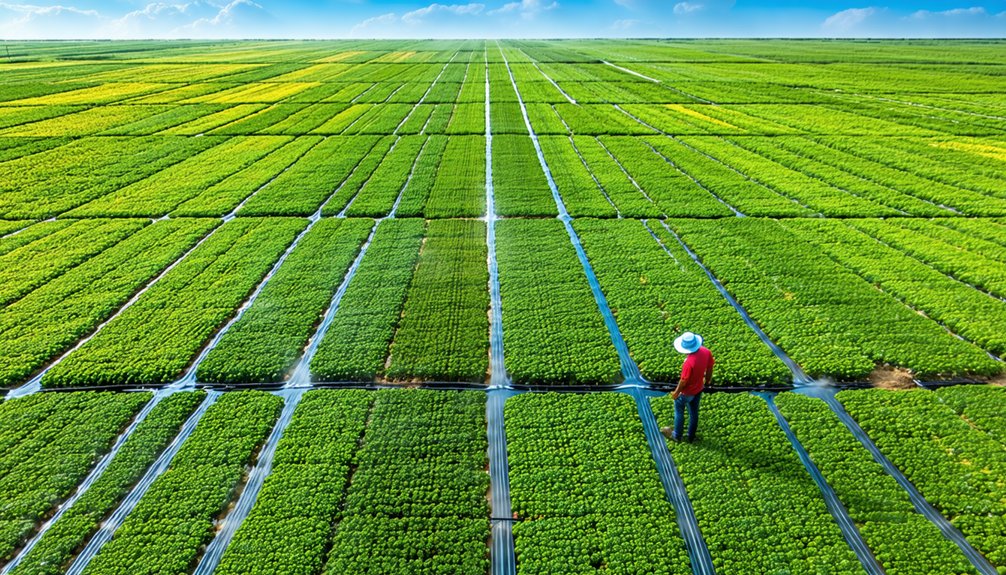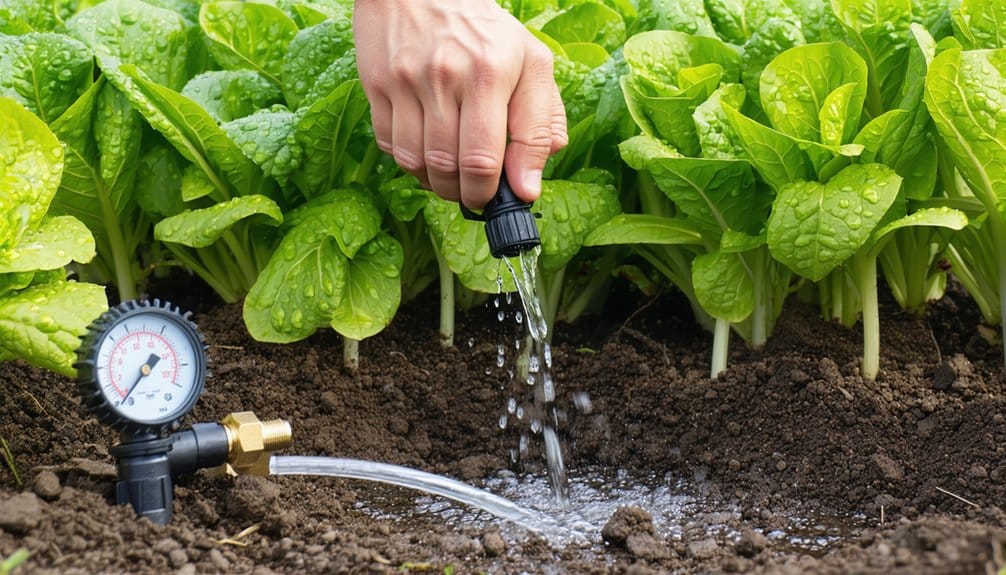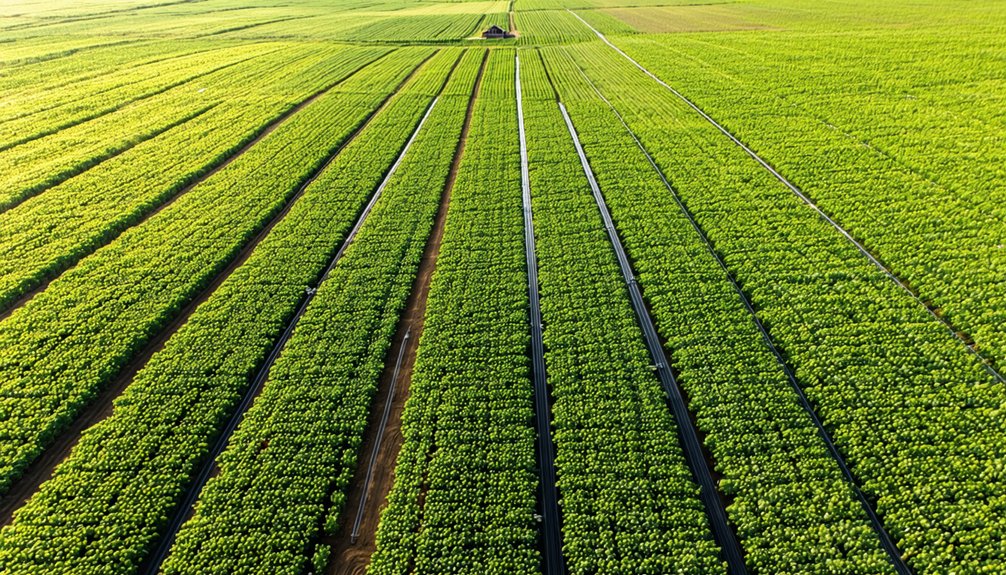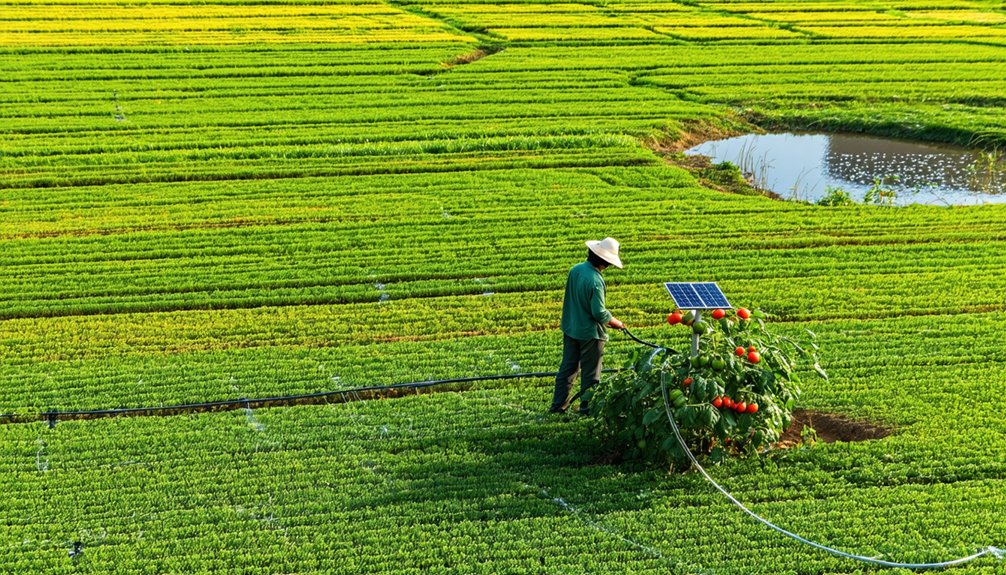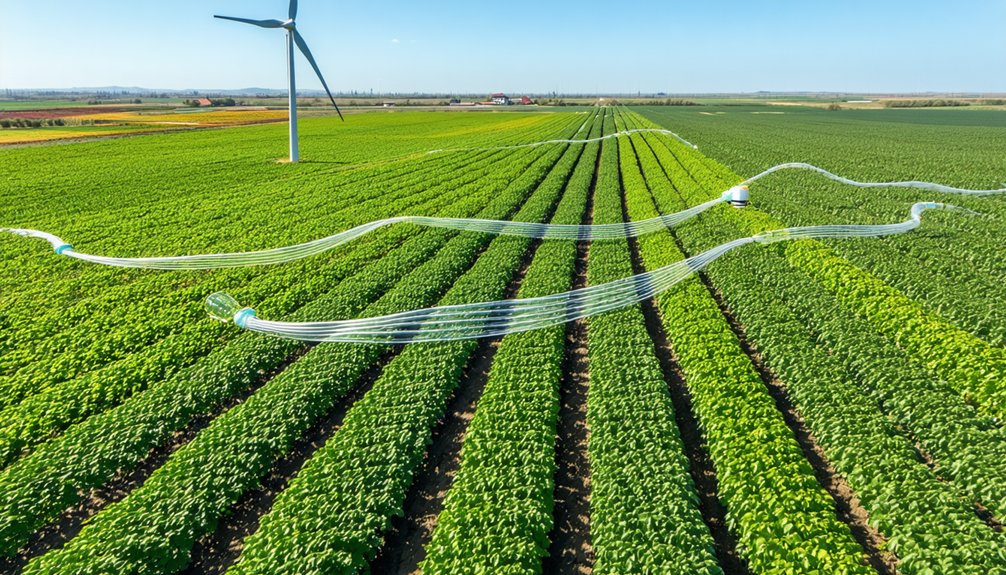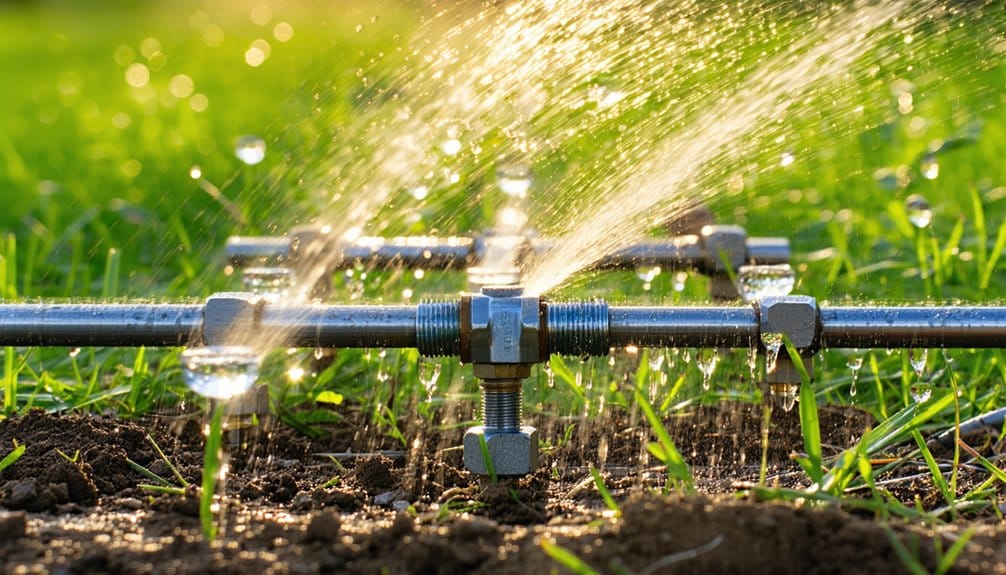
A sprinkler irrigation system consists of several crucial components that work together to ensure effective water distribution. Understanding each part is essential for optimal performance. From the water source and pump to the valves and sprinkler heads, every element plays a significant role. Additionally, the controller and backflow preventer contribute to system efficiency and water quality. As one explores these components, the complexities and interdependencies of the system become increasingly apparent.
Key Takeaways
- A reliable water source and pump are crucial for optimal water flow and pressure in a sprinkler irrigation system.
- Mainline and lateral lines transport water, with proper sizing and installation preventing leaks and ensuring efficient distribution.
- Valves regulate water flow, while pressure regulators maintain consistent pressure for even watering across the landscape.
- Sprinkler heads and emitters deliver water in various ways, tailored to specific irrigation needs and plant requirements.
- Controllers automate watering schedules, while backflow preventers protect potable water supplies from contamination, ensuring system functionality and compliance.
Water Source
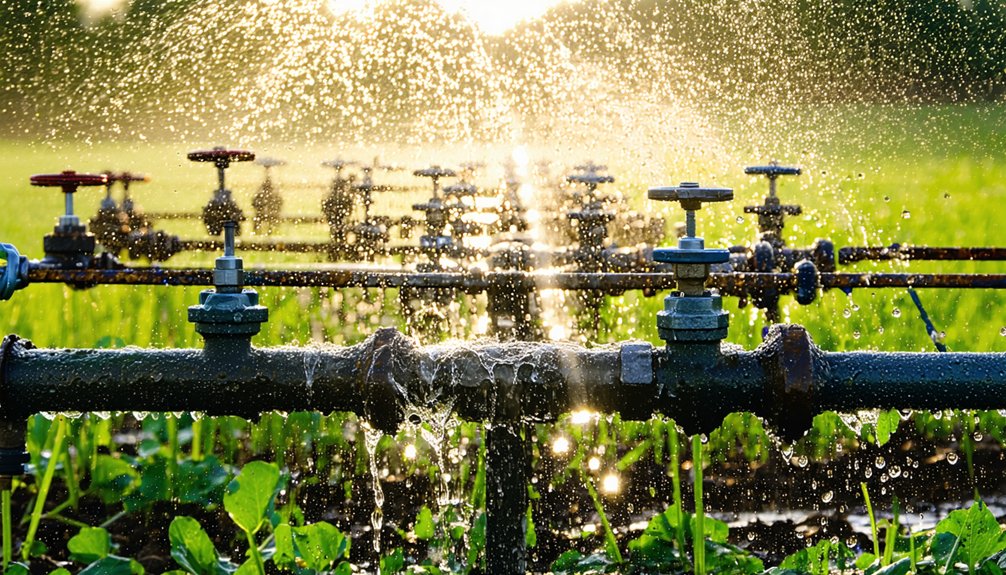
A reliable water source is crucial for the effective operation of a sprinkler irrigation system. The efficiency of this irrigation system largely depends on the availability and quality of water.
Various irrigation system parts, such as pipes and nozzles, require adequate pressure and flow to function optimally. Without a consistent water supply, these components cannot deliver the necessary moisture to crops or landscapes.
Additionally, the source of water must be assessed for contaminants that could affect soil and plant health. Proper management of the water source not only enhances irrigation system efficiency but also promotes sustainable agricultural practices.
Ultimately, the choice and maintenance of the water source play a pivotal role in the overall success of a sprinkler irrigation system.
Pump
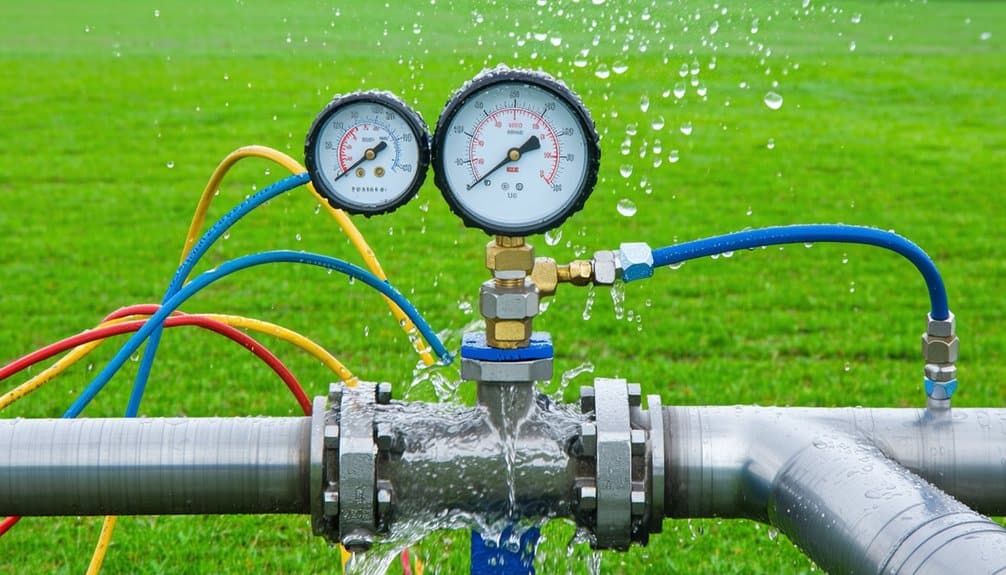
The pump is a critical component of a sprinkler irrigation system, responsible for moving water from the source to the distribution network.
Understanding the various types of pumps and their specific applications is essential for efficient irrigation.
Additionally, implementing best maintenance practices can significantly enhance the longevity and performance of the pump.
Pump Types Explained
Understanding the various types of pumps is essential for optimizing a sprinkler irrigation system, as each pump type serves a specific purpose and offers unique advantages. Key pump types include centrifugal, positive displacement, and submersible, each contributing differently to the efficiency of sprinkler system components.
| Pump Type | Advantages | Applications |
|---|---|---|
| Centrifugal | High flow rates | Large agricultural fields |
| Positive Displacement | Consistent flow under pressure | Residential gardens |
| Submersible | Space-saving and quiet | Deep well irrigation |
| Diaphragm | Handles viscous liquids | Fertilizer injection |
| Solar | Eco-friendly options | Remote areas with no electricity |
Understanding these pumps aids in effective irrigation system maintenance, ensuring optimal performance and longevity of the system.
Maintenance Best Practices
Effective maintenance practices for pumps are vital to ensure the long-term functionality and efficiency of a sprinkler irrigation system. Regularly inspecting the pump for leaks, corrosion, and wear can prevent significant issues.
It is essential to check the oil levels and change the lubricant as recommended by the manufacturer. Additionally, cleaning the intake screen and ensuring that the pump is free from debris can enhance performance.
Routine testing of the pump’s pressure and flow rate provides insight into its operational efficiency. Seasonal maintenance, such as winterization, protects the pump from freezing temperatures.
Lastly, maintaining accurate records of all maintenance activities helps in identifying patterns or recurrent issues, facilitating timely interventions to prolong the pump’s lifespan.
Mainline
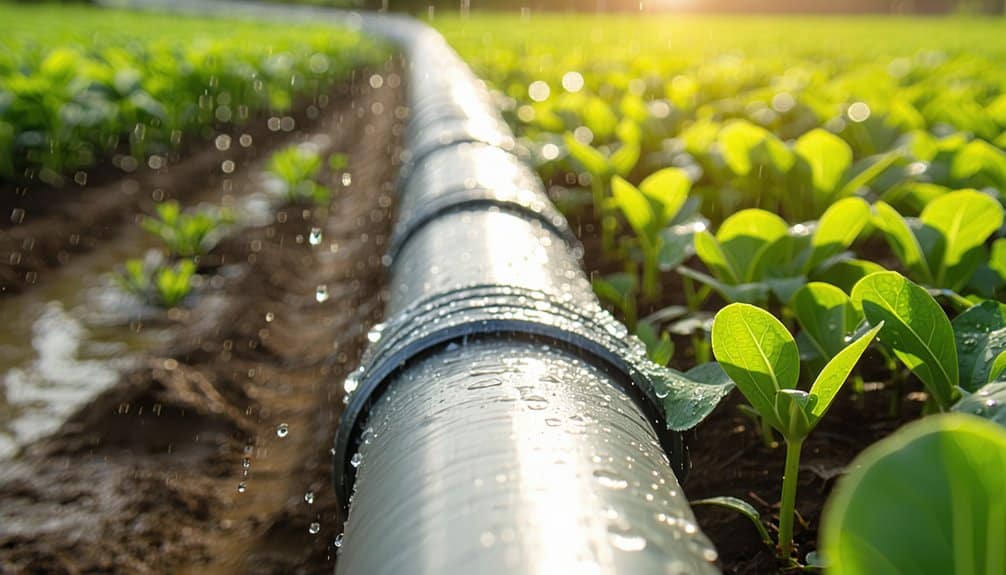
The mainline serves as a crucial component in a sprinkler irrigation system, transporting water from the pump to various distribution points.
Its functionality is influenced by the materials used, which can vary in durability and efficiency.
Understanding the different types of materials and their respective benefits is essential for optimizing irrigation performance.
Mainline Functionality Overview
While the mainline serves as a critical component in a sprinkler irrigation system, its primary function is to transport water from the source to various distribution points throughout the system.
This conduit connects the water source, such as a well or municipal supply, to lateral lines that deliver water directly to the plants. The mainline must be adequately sized to handle the required water flow and pressure, ensuring efficient operation.
Proper installation and maintenance are essential for preventing leaks and blockages, which can lead to reduced effectiveness and wasted resources.
Understanding the mainline’s functionality allows for better management of the entire irrigation system, ultimately contributing to optimal water distribution and promoting healthy plant growth.
Material Types Explained
Choosing the right material for the mainline in a sprinkler irrigation system is crucial for ensuring durability and efficiency. The most common materials include PVC, polyethylene, and galvanized steel. Each material has distinct advantages and limitations, making the selection process important for long-term functionality.
| Material | Advantages | Disadvantages |
|---|---|---|
| PVC | Lightweight, cost-effective | Brittle in cold weather |
| Polyethylene | Flexible, resistant to UV rays | Less durable than PVC |
| Galvanized Steel | Strong, long-lasting | Heavier, prone to rust |
Understanding these materials helps users make informed decisions, ensuring that the mainline effectively supports their irrigation needs and maintains system integrity.
Valves
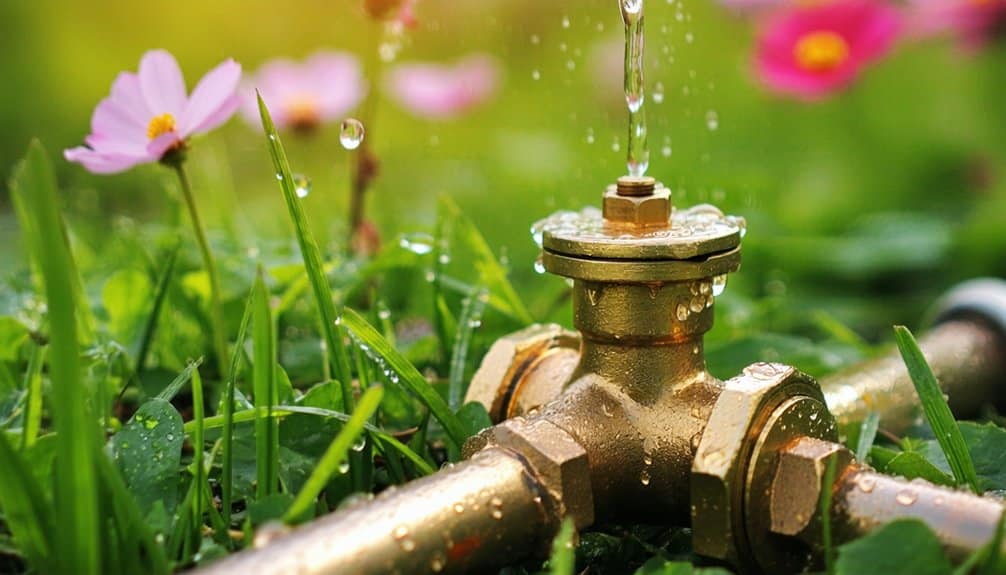
Valves play a crucial role in the efficient operation of sprinkler irrigation systems, as they regulate the flow of water throughout the network.
These components enable users to control when and how much water is delivered to specific areas, ensuring optimal irrigation. Different types of valves, such as gate, globe, and ball valves, serve various functions, from isolation to flow control.
Automatic valves, often integrated into smart irrigation systems, enhance convenience by allowing for remote operation and scheduling.
Proper installation and maintenance of valves are essential to prevent leaks and ensure longevity.
Understanding the specific requirements of the irrigation system can help in selecting the right valves, ultimately contributing to a more effective and efficient watering solution.
Sprinkler Heads
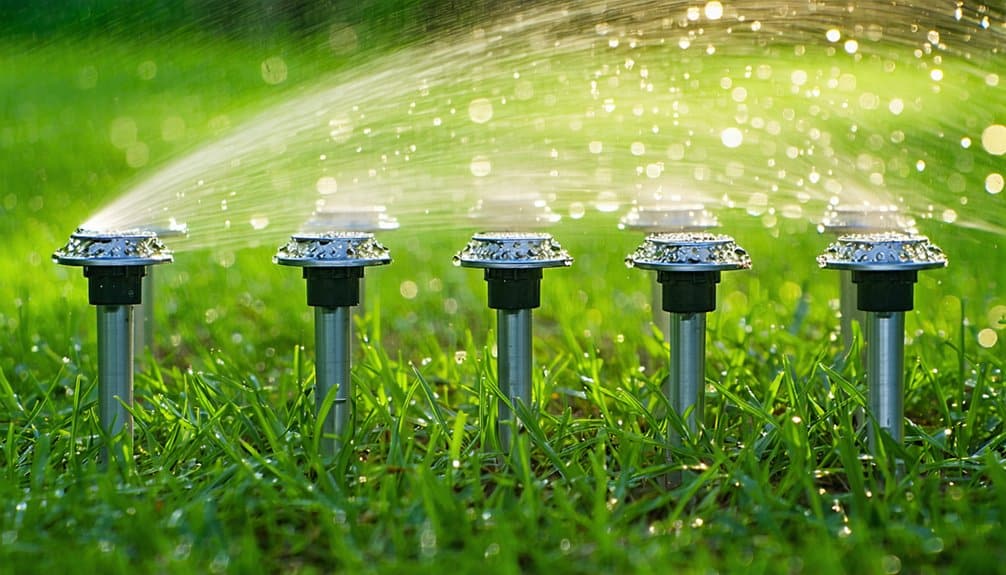
Sprinkler heads are crucial components of irrigation systems, available in various types to meet different watering needs.
Their proper placement and coverage areas significantly affect the efficiency and effectiveness of the irrigation process.
Understanding the characteristics of each type helps in achieving optimal water distribution across the landscape.
Types of Sprinkler Heads
When selecting a sprinkler head, understanding the different types available is crucial for effective irrigation.
Sprinkler heads generally fall into four main categories: stationary, oscillating, rotating, and drip.
Stationary heads are fixed in place and deliver water in a specific pattern, making them suitable for small areas.
Oscillating heads move back and forth, providing broader coverage for medium-sized spaces.
Rotating heads utilize a rotating nozzle to cover larger areas, ideal for lawns or gardens.
Drip irrigation heads release water slowly at the plant’s base, making them efficient for garden beds and containers.
Each type serves distinct purposes, and selecting the right one depends on the specific irrigation needs and layout of the landscape.
Placement and Coverage Areas
Effective placement of sprinkler heads is essential for maximizing irrigation efficiency and ensuring even water distribution across the landscape. The configuration of these heads influences coverage areas significantly.
Sprinkler heads should be strategically positioned to eliminate dry spots and minimize overlap. It is crucial to assess the type of vegetation, soil characteristics, and slope of the land when determining placement. For instance, rotary heads are suitable for larger areas due to their extended reach, while spray heads work well for smaller spaces.
Furthermore, adjusting the angle and height of the heads can improve water distribution patterns. Regular assessments and adjustments to the system can help maintain optimal coverage, promoting healthy plant growth and conserving water resources.
Lateral Lines
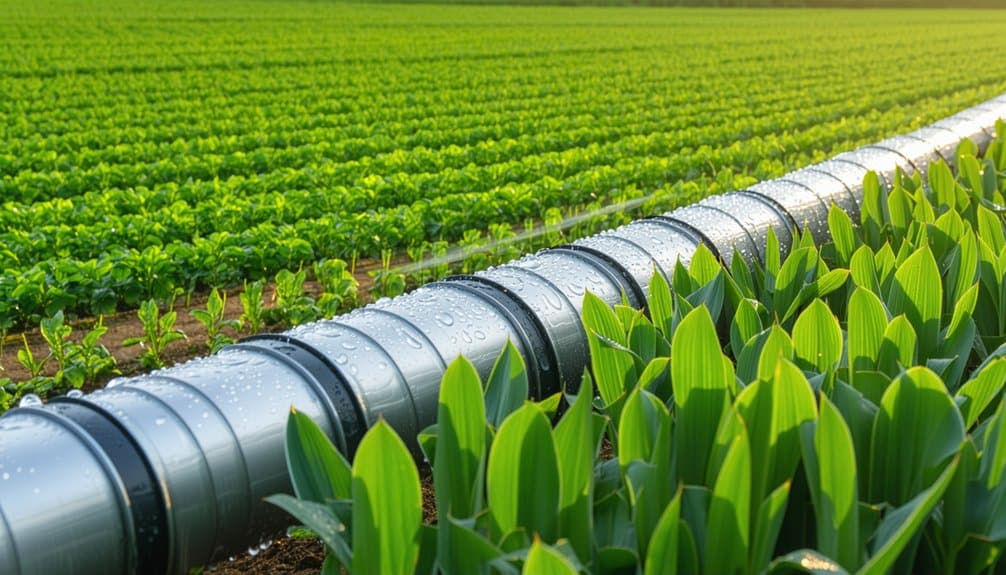
Lateral lines play a crucial role in the efficiency of a sprinkler irrigation system, serving as the primary conduit for distributing water to the designated areas of a landscape or field.
These lines connect the main supply line to the individual sprinkler heads, ensuring that water flows evenly and reaches the intended locations. Typically made of durable materials such as PVC or polyethylene, lateral lines are designed to withstand pressure fluctuations and environmental conditions.
Their proper installation and maintenance are essential for preventing leaks and blockages, which can lead to uneven watering. Additionally, the layout of lateral lines should be carefully planned to optimize coverage and minimize water wastage, ultimately contributing to a more efficient irrigation system.
Controller
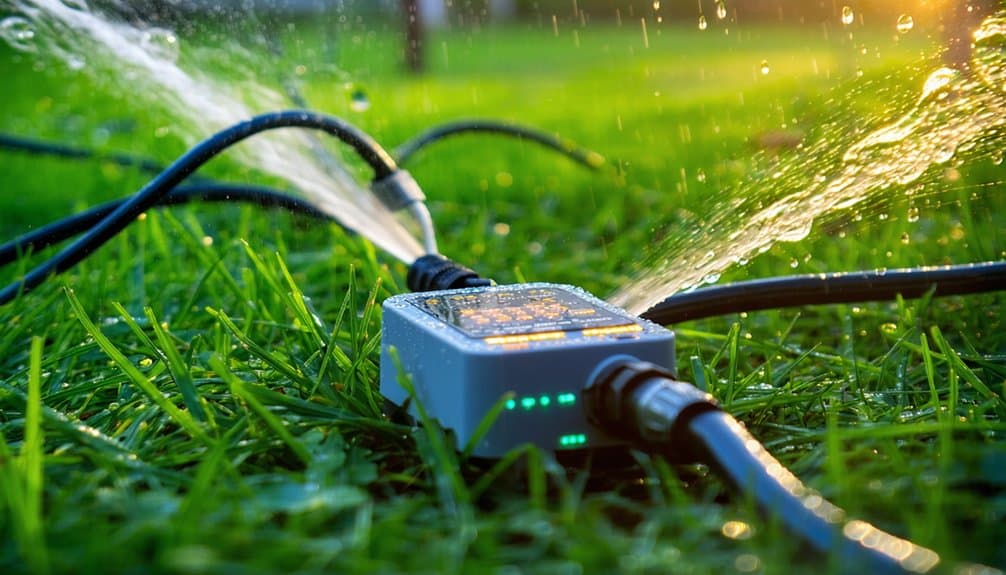
A controller is a vital component of a sprinkler irrigation system, orchestrating the operation of the entire setup, including the lateral lines. It manages watering schedules, ensuring that plants receive the appropriate amount of water at optimal times. Modern controllers often feature programmable options, allowing users to customize settings based on specific plant needs and environmental conditions.
| Feature | Description | Benefits |
|---|---|---|
| Programmability | Customizable watering schedules | Tailored irrigation management |
| Sensor Integration | Adjusts based on weather data | Water conservation and efficiency |
| User Interface | Digital or app-based controls | User-friendly operation |
| Manual Override | Option to manually control watering | Flexibility in unforeseen conditions |
This functionality enhances both plant health and water resource management.
Backflow Preventer
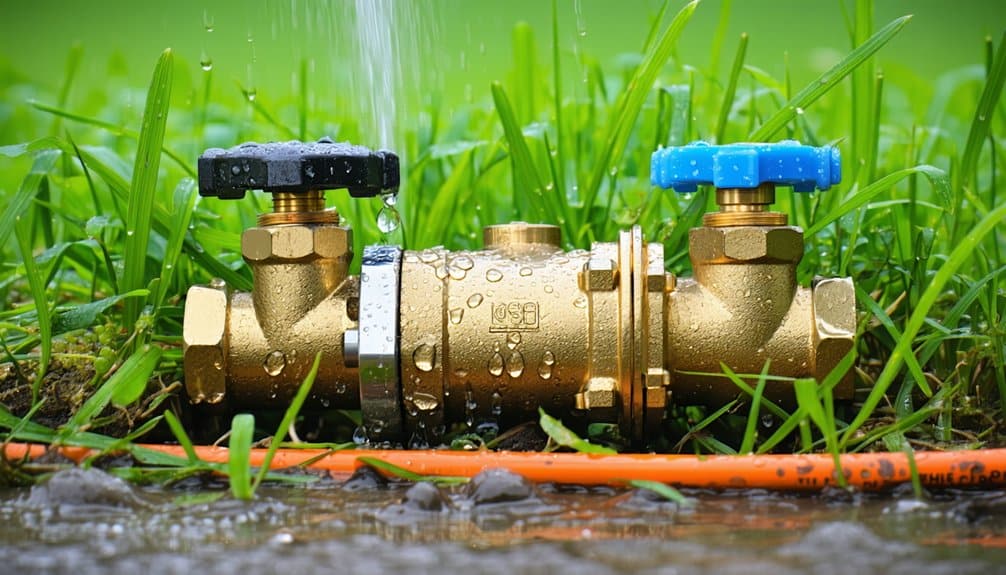
Backflow preventers are essential devices in sprinkler irrigation systems, designed to protect potable water supplies from contamination. These devices ensure that water flows in one direction, preventing any backflow that could introduce harmful substances into the drinking water supply.
Backflow preventers are crucial for maintaining public health and complying with local water regulations.
- Health Protection: They prevent harmful contaminants from entering the drinking water supply.
- Regulatory Compliance: Many jurisdictions require backflow prevention devices for irrigation systems.
- System Integrity: They help maintain the efficiency and reliability of the entire irrigation system.
Incorporating a backflow preventer not only safeguards water quality but also enhances the overall functionality of the sprinkler irrigation system.
Pressure Regulator
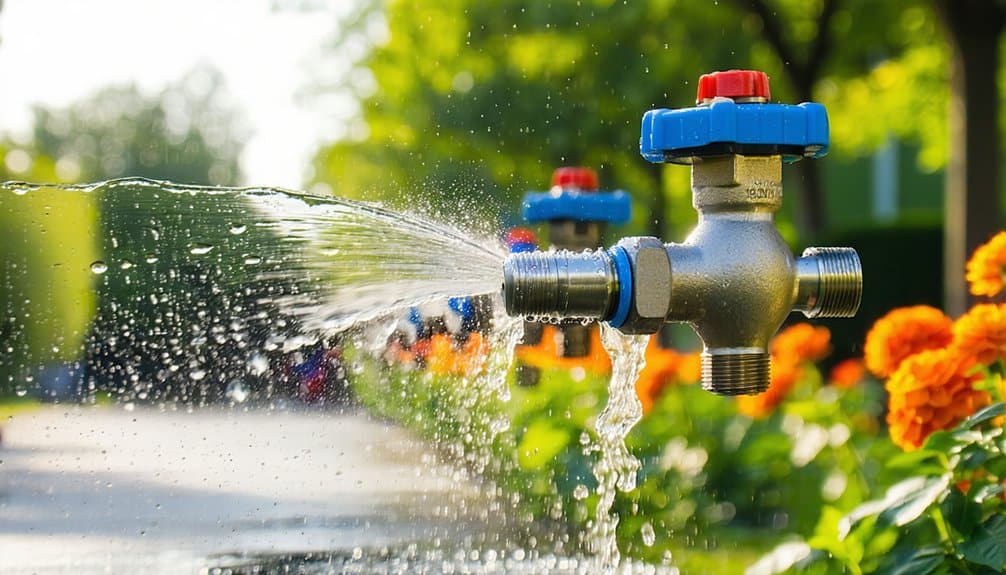
The pressure regulator plays a vital role in sprinkler irrigation systems by controlling and stabilizing water pressure throughout the network.
Maintaining optimal pressure is crucial, as it ensures that water is delivered evenly and efficiently to all areas of the landscape. Without a pressure regulator, fluctuations in water pressure can lead to uneven watering, which may result in dry patches or over-saturation in certain areas.
These devices typically function by reducing high incoming pressure to a consistent, lower level that is suitable for the specific irrigation system.
Regular maintenance and inspection of the pressure regulator are essential to ensure its effective operation, as debris or malfunctions can compromise the entire irrigation system’s performance, ultimately affecting plant health and water usage efficiency.
Emitters
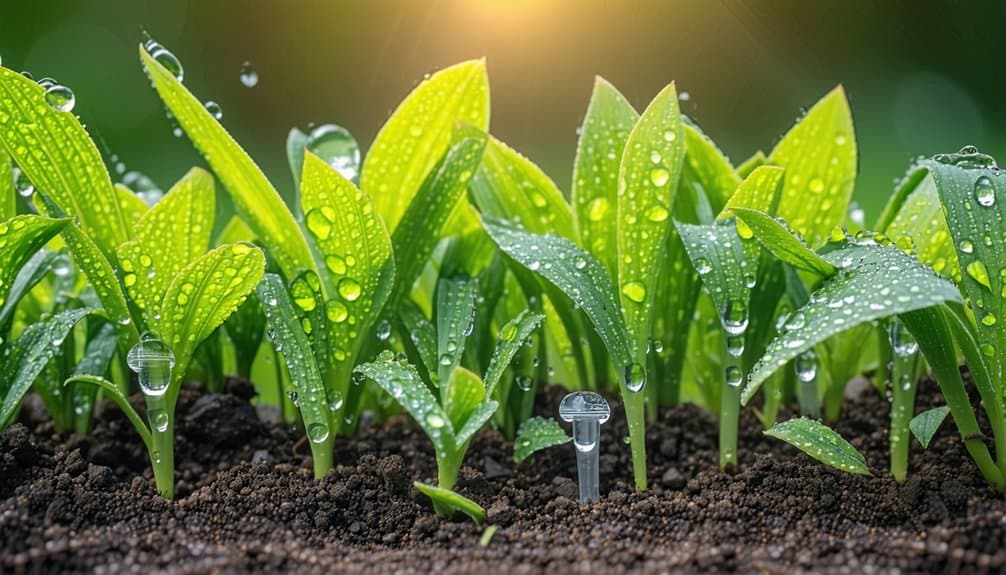
Emitters serve as crucial components in sprinkler irrigation systems, delivering water directly to the root zones of plants. They function by regulating the flow and distribution of water, ensuring that each plant receives the appropriate amount necessary for optimal growth.
Emitters can vary in design and functionality, making them adaptable to different types of crops and soil conditions.
- Types of Emitters: Drippers, micro-sprays, and bubbler emitters cater to various irrigation needs.
- Flow Rate Control: Emitters are available in different flow rates to match plant water requirements.
- Efficiency: Proper emitter placement and selection enhance water conservation and reduce waste.
Understanding emitters is essential for maximizing the effectiveness of an irrigation system.
Conclusion
In conclusion, a well-functioning sprinkler irrigation system relies on the harmonious integration of its essential components. From the water source and pump that initiate flow, to the mainline, valves, and sprinkler heads that distribute water, each part plays a critical role. The controller schedules operations, while backflow preventers and pressure regulators ensure water quality and optimal performance. Understanding these components is vital for effective water management, promoting healthy plants and sustainable agricultural practices.