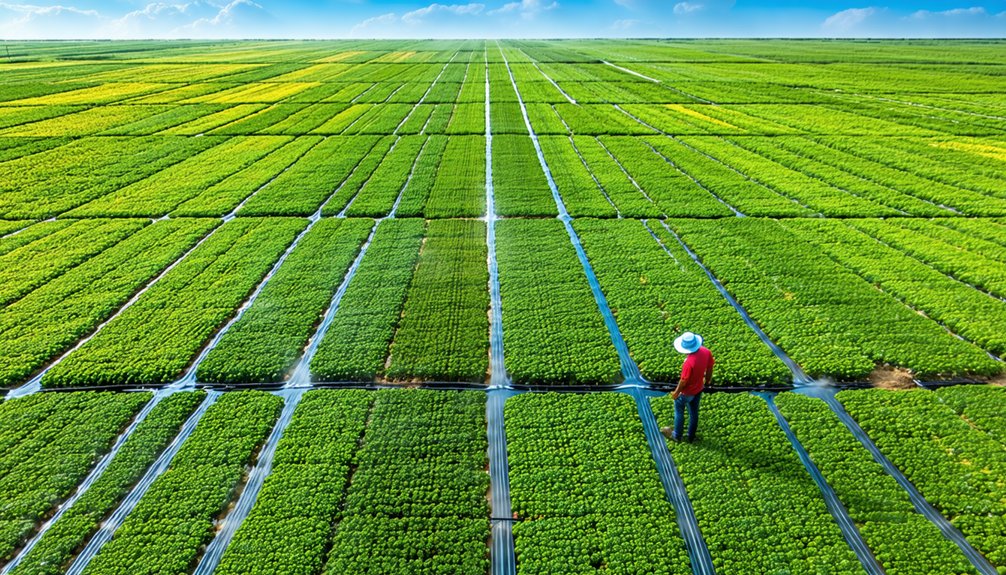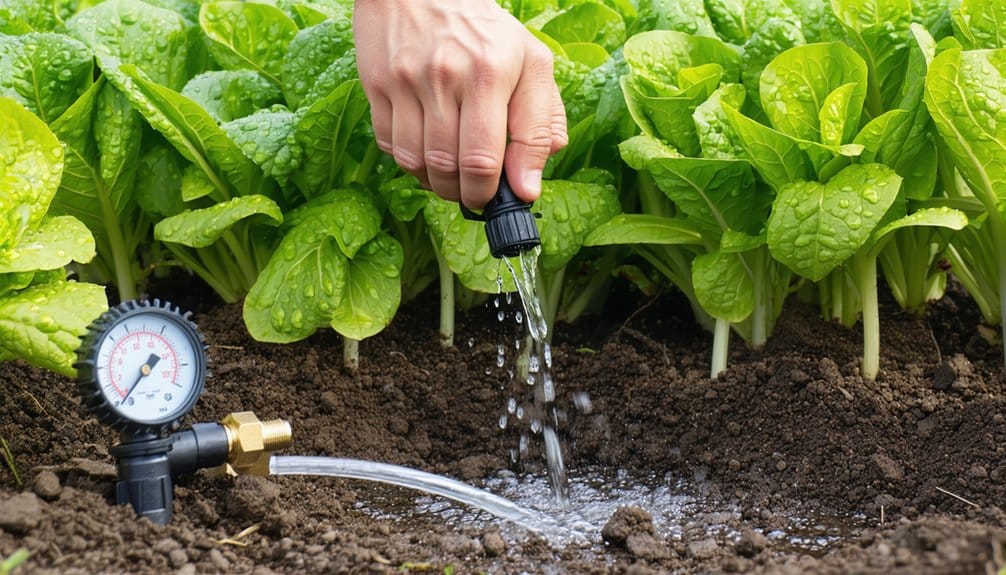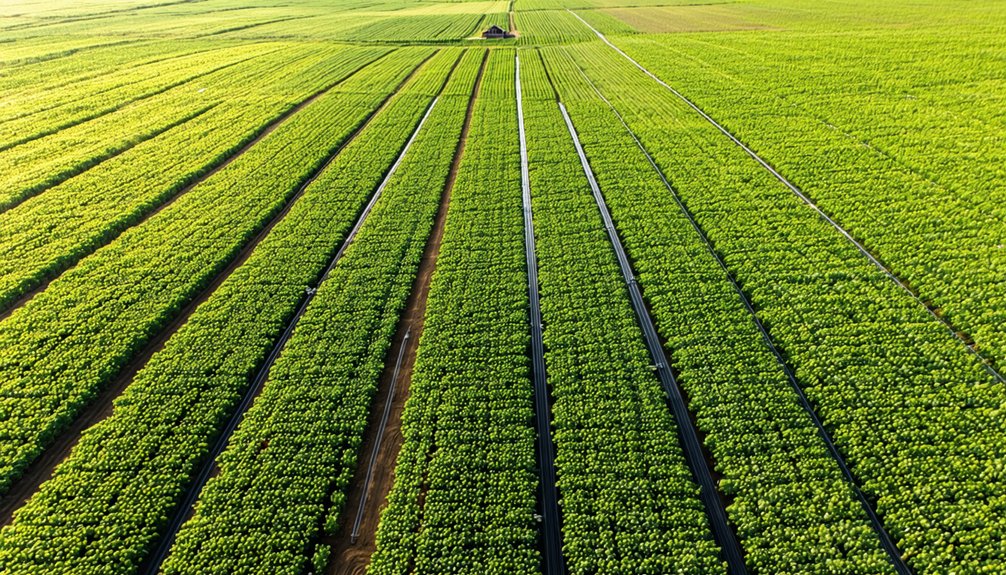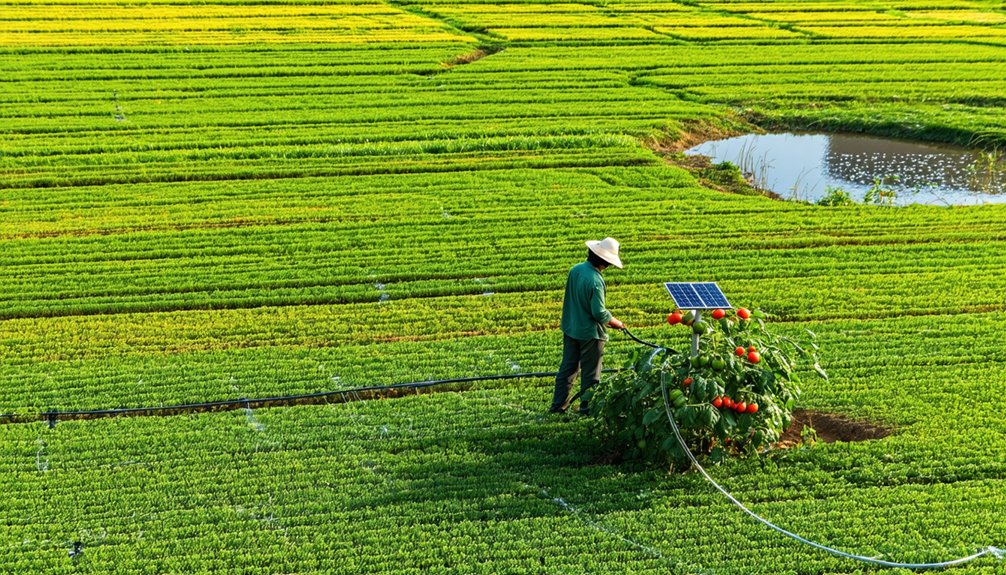

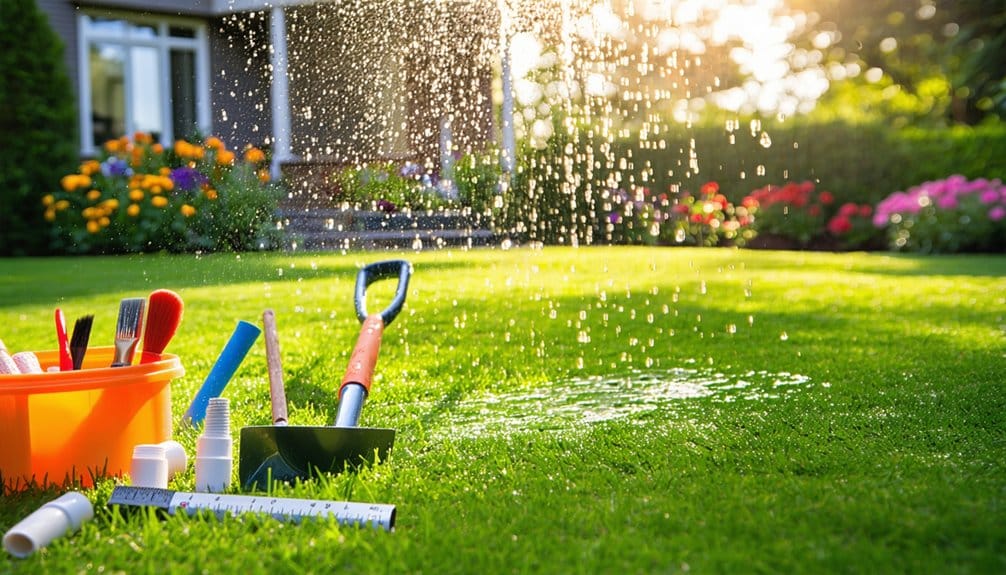
The costs associated with installing a sprinkler system can vary widely based on several key factors. Property size and landscape complexity play significant roles in determining expenses. Additionally, the choice between automatic and manual systems can further influence pricing. As homeowners consider these elements, they must also account for material and labor costs. Understanding these variables is essential for making informed decisions about sprinkler system installation. What other factors should be considered in this investment?
Key Takeaways
- The size and complexity of the property greatly influence the overall cost of the sprinkler system installation.
- Different types of systems, such as stationary, oscillating, or in-ground, have varying price ranges and material costs.
- Labor costs can significantly impact total expenses and vary based on installation complexity and local rates.
- Incorporating smart technology and additional features can enhance efficiency but may increase initial investment costs.
- DIY installation can save money but requires time, research, and knowledge of local regulations, while professional services ensure proper setup.
Factors Influencing Sprinkler System Costs
When considering the installation of a sprinkler system, several factors can significantly influence the overall costs. The size of the property plays a crucial role; larger areas require more extensive systems, increasing the sprinkler system cost.
Additionally, the complexity of the landscape, including slopes and garden beds, can affect the irrigation installation cost, as more specialized equipment might be needed. The choice between automatic and manual systems also impacts the cost of the sprinkler system, with automated options generally priced higher due to advanced technology.
Labor costs vary by region and can also add to the overall expense, emphasizing the importance of obtaining multiple quotes. Understanding these factors helps homeowners make informed decisions regarding their irrigation needs.
Types of Sprinkler Systems and Their Price Ranges
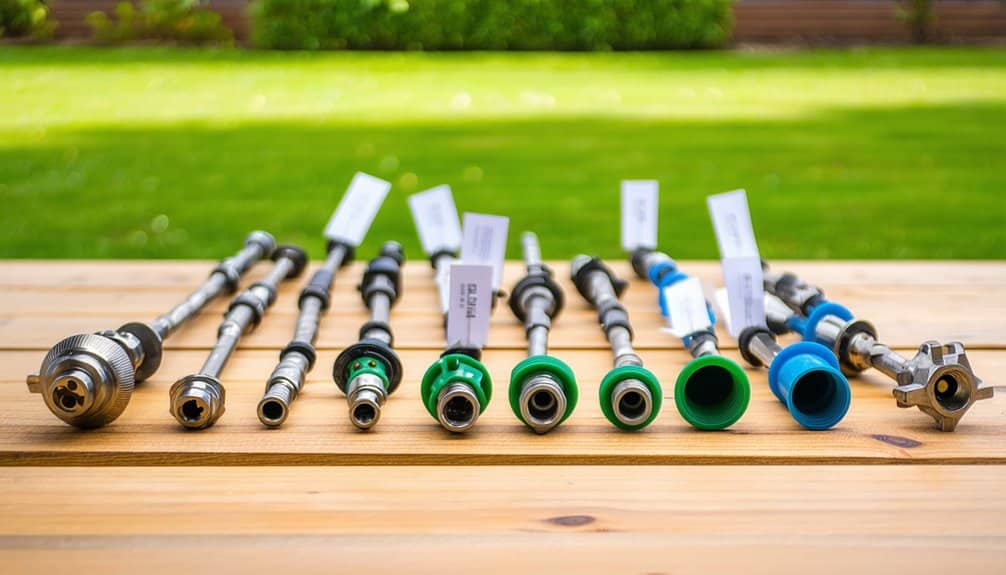
Various types of sprinkler systems cater to different irrigation needs and budgets. The most common options include stationary, oscillating, and in-ground sprinkler systems.
Stationary systems, often the most affordable sprinkler system, typically range from $20 to $100. Oscillating systems offer more coverage, with prices generally between $50 and $200.
In-ground systems, designed for larger lawns, can be more expensive, with lawn sprinkler system prices ranging from $2,000 to $5,000 depending on the complexity and size of the installation.
Homeowners should consider their specific needs and budget when selecting a system, as various features and configurations can significantly impact the overall cost.
Ultimately, the right choice ensures efficient irrigation while aligning with financial constraints.
Material Costs for Sprinkler Installation
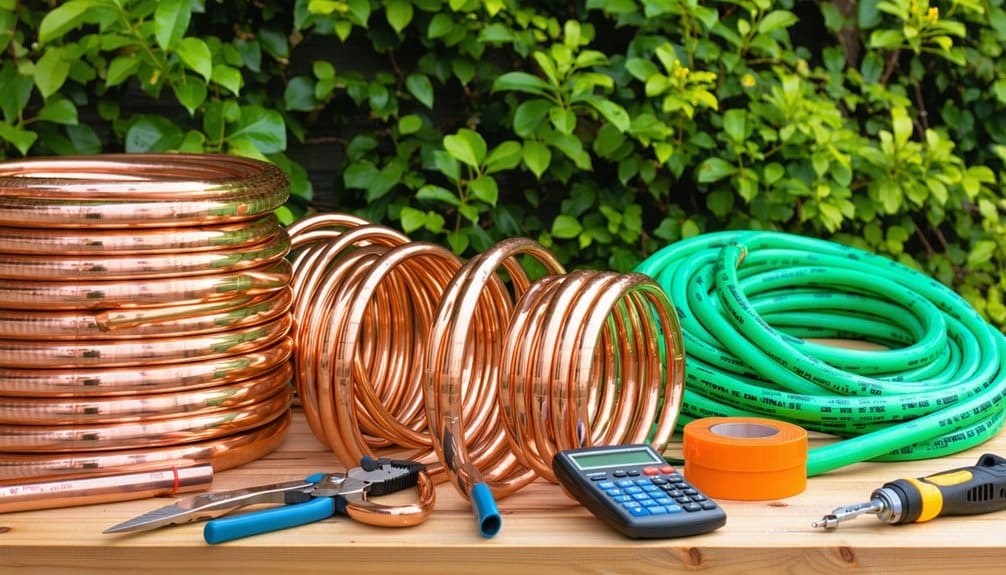
Although the type of sprinkler system chosen plays a significant role in overall costs, the materials required for installation also contribute substantially to the budget. Key materials include pipes, fittings, valves, and sprinkler heads, each varying in price based on quality and brand.
PVC pipes are commonly used for their affordability and durability, while copper pipes, though more expensive, offer longevity. Additionally, sprinkler heads come in various types, such as stationary, rotating, and drip, each impacting material costs.
Other essential components include controllers and timers, which can range from basic to advanced models. Overall, careful selection of materials is crucial, as they not only affect installation costs but also the system’s efficiency and long-term performance.
Labor Costs and Installation Fees
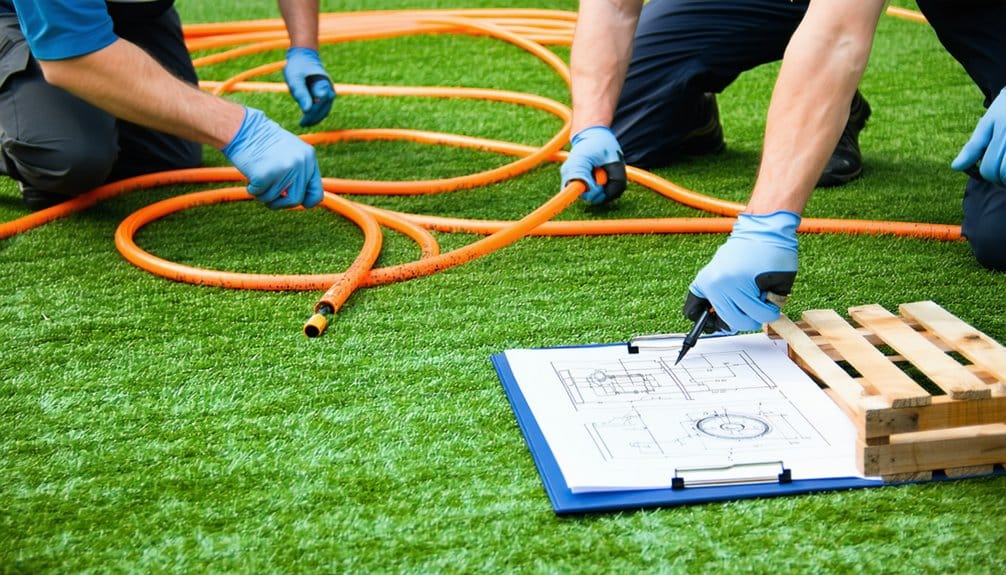
Labor costs and installation fees represent a significant portion of the overall expense when installing a sprinkler system, as skilled professionals are often required to ensure proper setup and functionality.
The complexity of the installation can greatly influence these costs, which may vary based on several factors.
- Expertise of the installation team
- Size and layout of the property
- Type of sprinkler system being installed
- Local labor rates and regulations
- Time required for completion
Homeowners should obtain multiple quotes from licensed contractors to better understand the labor costs involved.
Additionally, it is advisable to consider the long-term benefits of professional installation, which can lead to improved system efficiency and reduced maintenance issues.
Additional Features That Affect Pricing
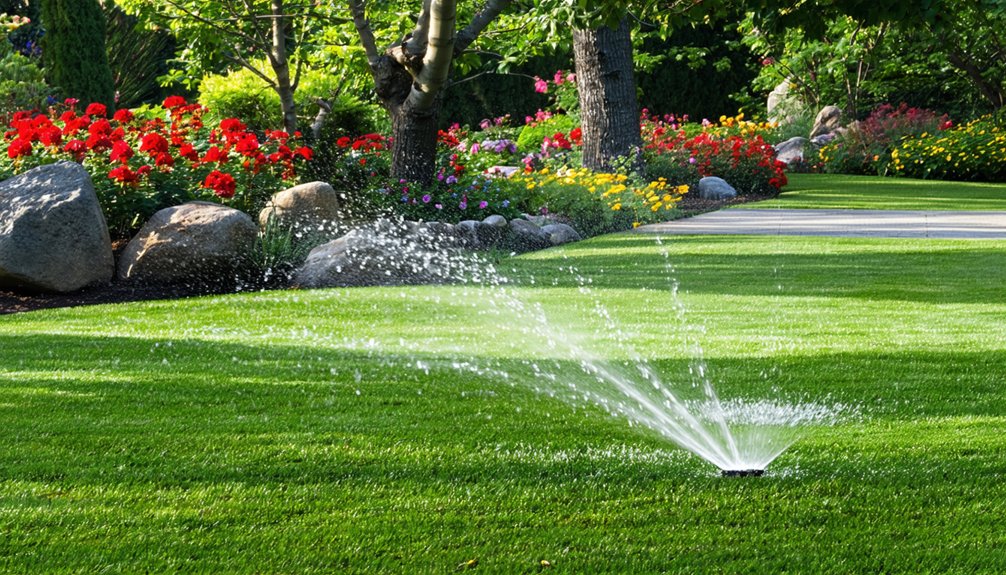
When considering the costs of installing a sprinkler system, several additional features can significantly influence pricing.
The configuration of irrigation zones, integration of smart technology, and the choice of water sources are crucial factors that potential buyers must evaluate.
Each of these elements contributes to the overall investment, impacting both functionality and efficiency of the system.
Irrigation Zones Configuration
Irrigation zones configuration plays a crucial role in determining the overall cost of installing a sprinkler system. Properly designed zones ensure efficient water distribution, which can significantly impact both installation and long-term maintenance expenses.
Various factors contribute to the complexity and cost of setting up these zones, including:
- Size of the property: Larger areas require more zones.
- Type of plants: Different plants have varying water needs.
- Topography: Slopes or uneven ground may necessitate additional adjustments.
- Soil type: Different soils absorb water at different rates.
- Water pressure: Insufficient pressure may require booster pumps or additional equipment.
Understanding these elements can lead to a more effective and economical irrigation system.
Smart Technology Integration
How can smart technology integration enhance the efficiency of a sprinkler system while influencing overall costs? Smart technology, such as weather sensors and automated controllers, optimizes water usage by adjusting schedules based on real-time conditions. These enhancements can lead to water conservation and reduced utility bills, but they also add to installation expenses.
| Feature | Cost Impact |
|---|---|
| Smart controllers | Medium to High |
| Soil moisture sensors | Medium |
| Weather sensors | Low to Medium |
Investing in smart technology can yield long-term savings and efficiency, making it a valuable consideration for homeowners looking to enhance their sprinkler systems while being mindful of overall expenditures.
Water Source Considerations
What factors should homeowners consider regarding the water source for their sprinkler system?
The choice of water source can significantly impact both installation costs and long-term maintenance. Homeowners need to evaluate various options to ensure efficiency and sustainability.
- Water Pressure: Assessing existing water pressure is crucial for optimal system performance.
- Source Type: Options include municipal water, well water, or rainwater harvesting; each has unique cost implications.
- Availability: Consistent access to the chosen water source affects reliability and scheduling.
- Filtration Needs: Some sources may require filtration systems to prevent clogging.
- Environmental Impact: Consideration of local regulations and ecological effects can influence the overall design and expenses.
Maintenance Costs Over Time
Maintenance costs for a sprinkler system are an important consideration for homeowners.
Regular inspections are necessary to ensure optimal performance, while repair and replacement expenses can arise unexpectedly.
Additionally, seasonal adjustments are often required to adapt to changing weather conditions, further contributing to ongoing maintenance costs.
Regular Inspections Needed
Regular inspections play a crucial role in ensuring the longevity and efficiency of a sprinkler system.
These routine checks help identify potential issues before they escalate, ultimately saving homeowners money on costly repairs. Regular evaluations can also enhance water usage efficiency, promoting environmental sustainability.
Key benefits of regular inspections include:
- Early detection of leaks or blockages
- Ensuring proper coverage and pressure
- Verification of timer settings and programming
- Assessing the condition of sprinkler heads and nozzles
- Maintaining compliance with local regulations
Investing in regular inspections not only keeps a sprinkler system functioning optimally but also contributes to a healthier landscape and reduced water waste.
Homeowners should schedule these evaluations as part of their overall maintenance plan.
Repair and Replacement Expenses
Routine inspections contribute to the overall health of a sprinkler system, but inevitable wear and tear can lead to repair and replacement expenses over time. Components such as pipes, valves, and sprinkler heads may deteriorate due to environmental factors or age.
Common issues include leaks, clogs, and mechanical failures, which can escalate repair costs if not addressed promptly. Homeowners should budget for periodic repairs, as neglecting minor issues can result in more significant damages and expenses down the line.
Additionally, replacement of outdated or inefficient components may be necessary to maintain optimal performance. Understanding these potential costs is essential for effective financial planning and ensuring a functional irrigation system that meets the needs of the landscape.
Seasonal Adjustments Required
As seasons change, the need for seasonal adjustments in a sprinkler system becomes apparent, influencing maintenance costs over time.
Regular modifications ensure optimal performance and water efficiency, which can affect overall expenses. Homeowners should anticipate specific adjustments that may require additional investment.
- Irrigation Schedule Changes: Modify watering times and frequencies based on seasonal weather patterns.
- Sprinkler Head Adjustments: Realign or replace heads to accommodate plant growth and landscape changes.
- Winterization: Prepare the system for colder months to prevent damage from freezing.
- Spring Activation: Inspect and test systems after winter to ensure proper functionality.
- Summer Efficiency Checks: Evaluate water usage and system performance during peak seasons for adjustments.
These seasonal considerations are crucial for maintaining the longevity and efficacy of sprinkler systems.
Comparing DIY Installation vs. Professional Services
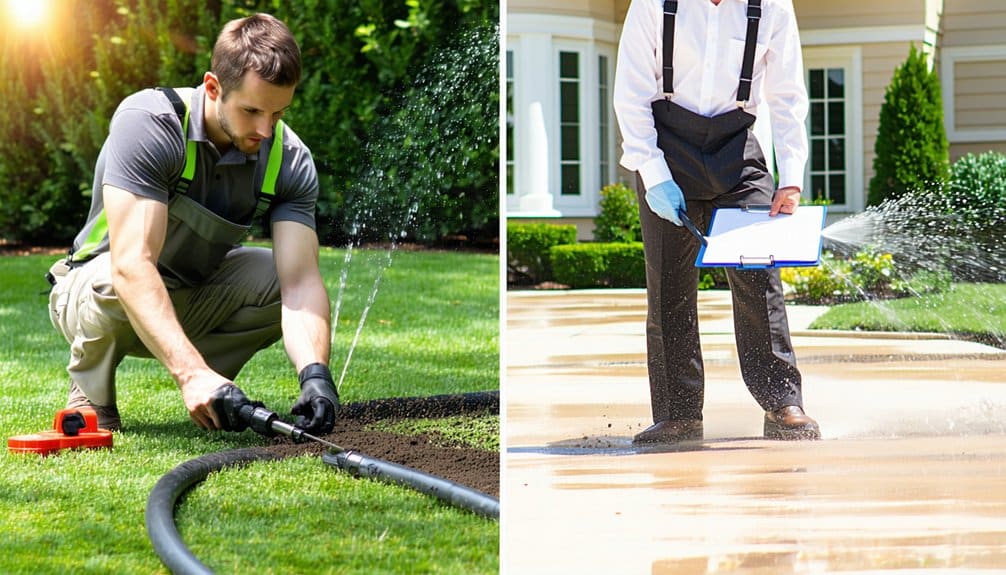
When considering the installation of a sprinkler system, homeowners often face the decision between a do-it-yourself (DIY) approach and hiring professional services.
DIY installation can be appealing due to potential cost savings and the satisfaction of completing a project independently. However, it requires a significant investment of time, research, and physical labor, as well as a solid understanding of irrigation design and local regulations.
Conversely, professional services offer expertise, ensuring that the system is installed correctly and efficiently. While the initial costs may be higher, professionals can often identify potential issues early, preventing costly mistakes.
Ultimately, the choice hinges on the homeowner’s skill level, budget, and the complexity of the sprinkler system desired.
Financing Options for Sprinkler System Installation
While many homeowners recognize the benefits of installing a sprinkler system, the associated costs can be a significant barrier.
Fortunately, several financing options are available to help alleviate this burden. Homeowners can explore various solutions that cater to their financial situations and preferences.
- Home Improvement Loans: Secured loans specifically for home upgrades.
- Credit Cards: Using rewards or low-interest offers for immediate costs.
- Personal Loans: Unsecured loans with flexible terms.
- Manufacturer Financing: Offered by some sprinkler system providers.
- Government Programs: Grants or low-interest loans for water-efficient installations.
These options enable homeowners to invest in a sprinkler system while managing their finances effectively.
Conclusion
In conclusion, understanding the costs associated with installing a sprinkler system requires careful consideration of various factors, including property size, system type, and labor expenses. By evaluating material costs and potential maintenance needs, homeowners can make informed decisions that fit their budget. Whether opting for a DIY approach or hiring professionals, being aware of the financial implications ensures a successful installation and long-term satisfaction with the irrigation system. Ultimately, investing wisely in a sprinkler system can enhance landscape health and efficiency.