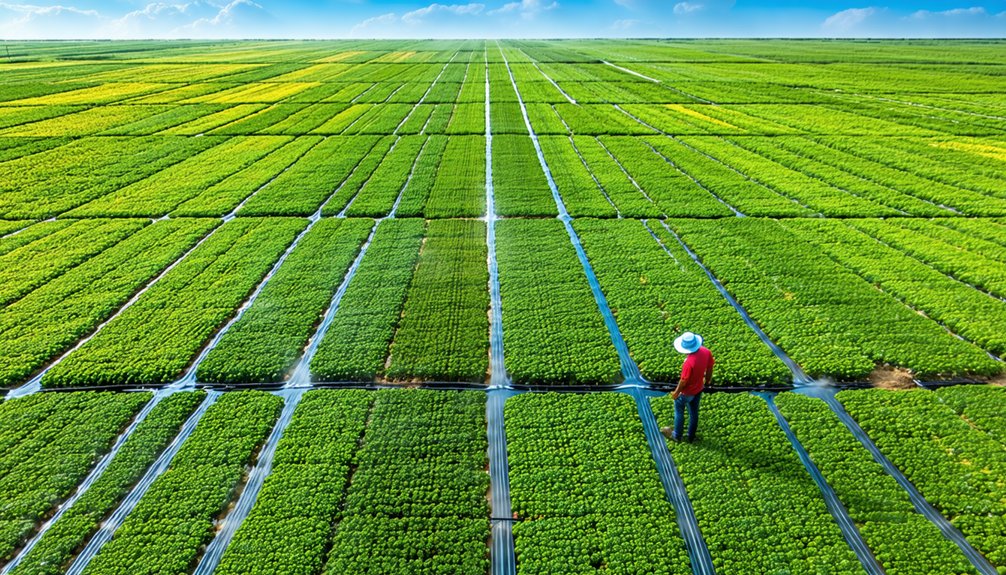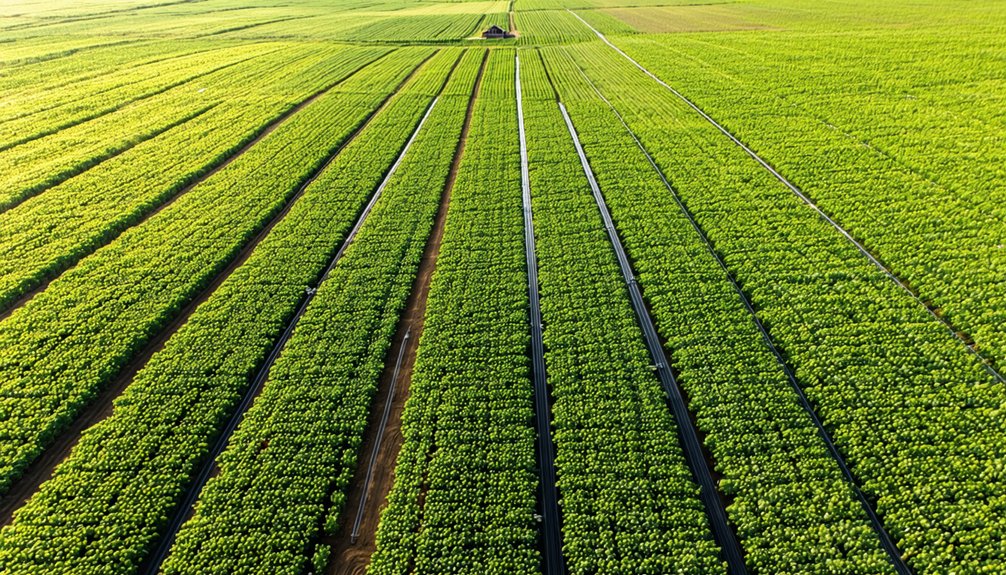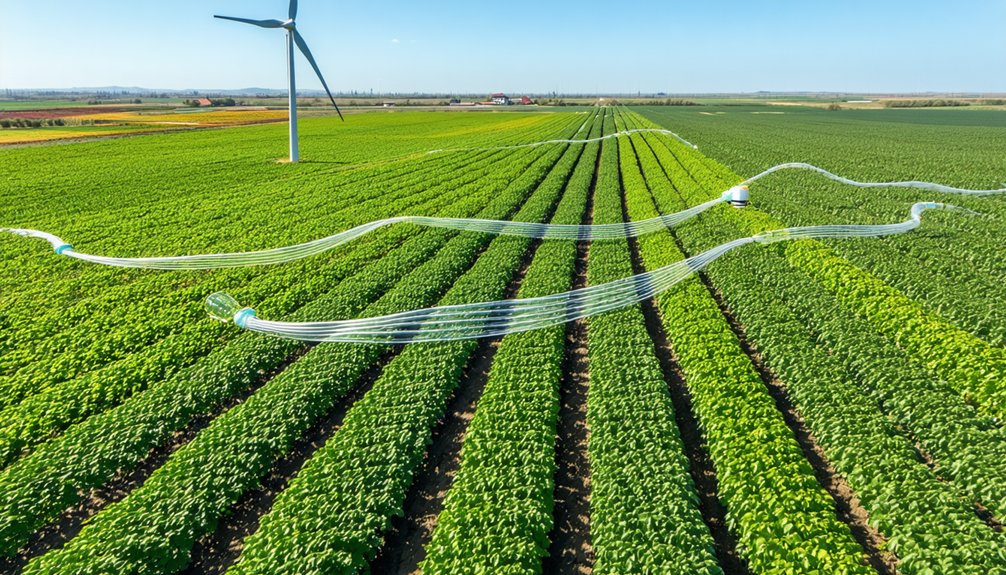

When it comes to efficient irrigation methods, side roll irrigation offers a compelling option for modern agriculture. This system not only improves water efficiency but also ensures uniform distribution for healthier crops. You’ll find that its adaptability to various landscapes makes it a practical choice for many farmers. But what specific advantages does it provide, and how can it impact both your yields and the environment? Let’s explore these benefits further.
What Is Side Roll Irrigation?
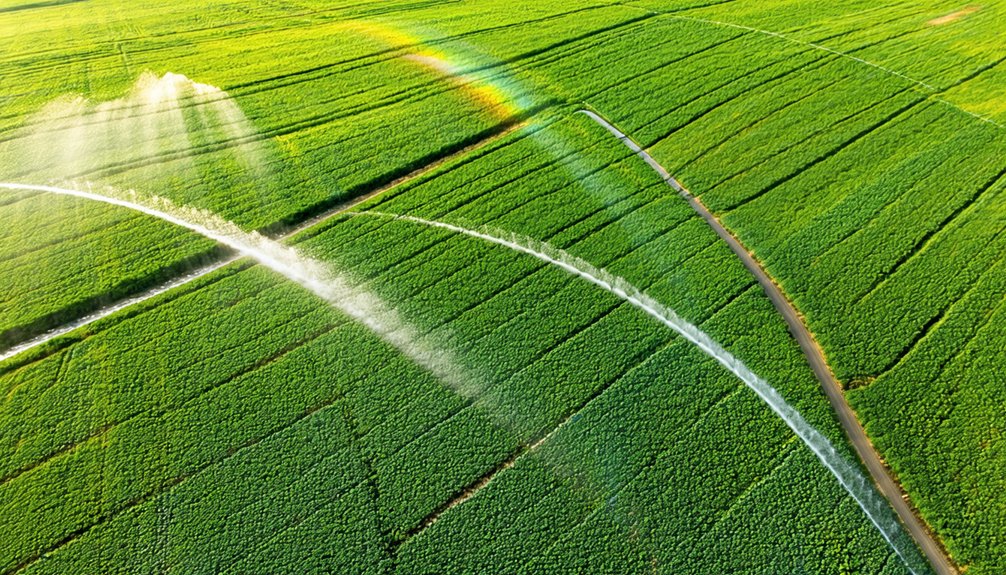
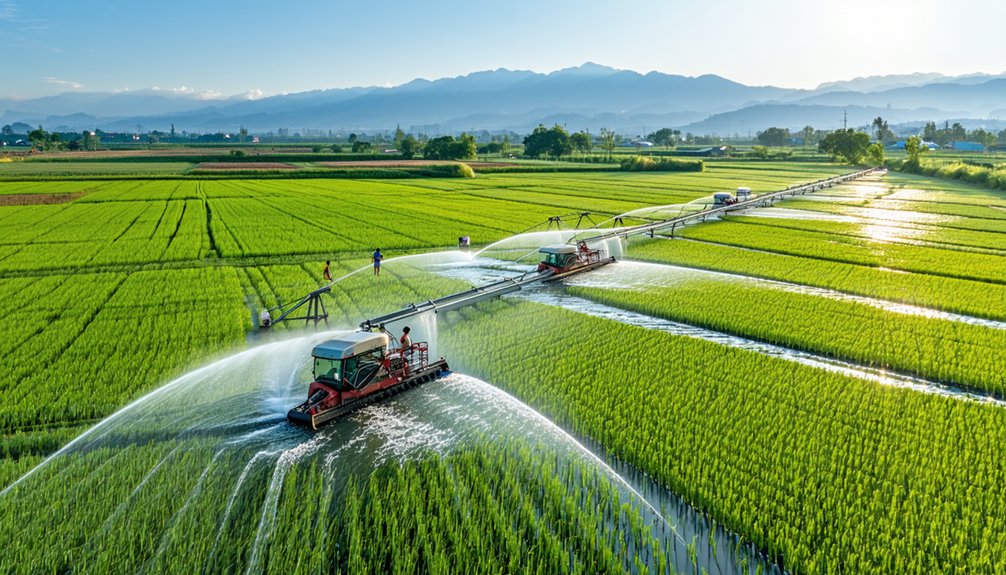
Side roll irrigation is a highly efficient method of watering crops, utilizing a system of pipes and sprinklers mounted on wheeled frames.
You’ll find that this technique allows for uniform water distribution, maximizing irrigation efficiency. As the wheeled frames move across the field, they deliver water directly to the plants, reducing waste and ensuring that every inch of your crops gets the moisture they need.
Additionally, side roll irrigation is a cost-effective irrigation solution, minimizing labor and energy costs while increasing crop yields.
Historical Development of Side Roll Irrigation
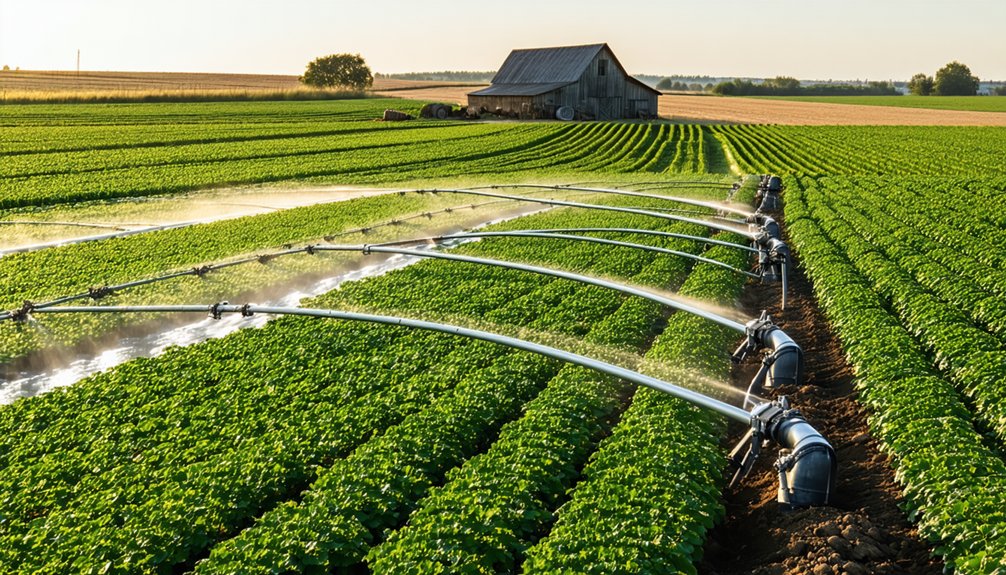
The evolution of side roll irrigation reflects the ongoing quest for efficient farming techniques. You’ll find that this method emerged in the mid-20th century as farmers sought ways to maximize water usage and enhance crop yield.
Initially, traditional irrigation methods dominated, but their limitations became evident. Side roll systems, with their ability to move across fields, offered significant benefits. They minimize water waste and ensure even distribution, which leads to healthier crops and improved yields.
As farmers adopted this innovative approach, they noticed not only increased efficiency but also a reduction in labor costs. The historical development of side roll irrigation showcases a transition toward smarter farming practices, ultimately transforming the agricultural landscape for the better.
Components of Side Roll Irrigation Systems
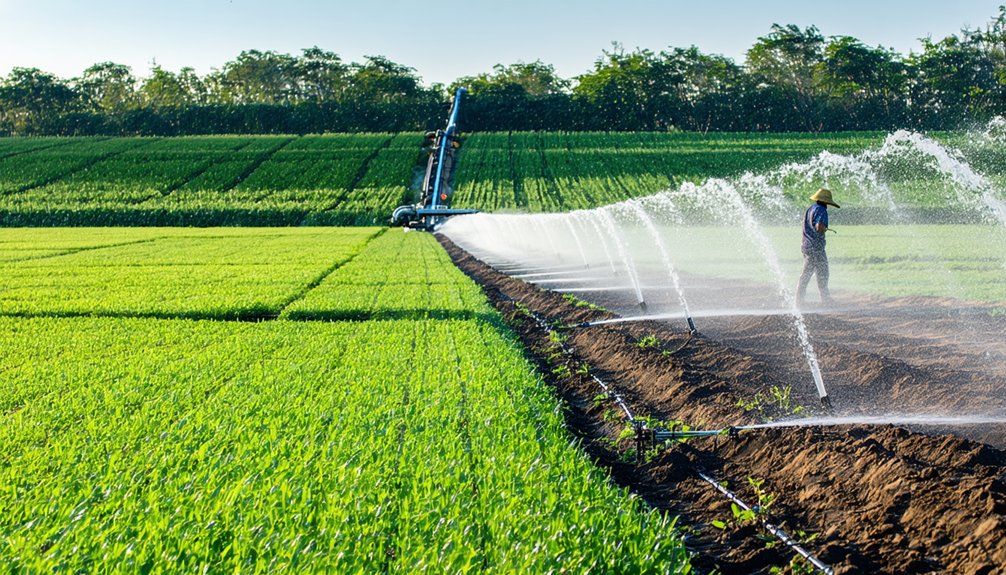
A side roll irrigation system consists of several key components that work together to deliver water efficiently across fields.
You’ll find a series of rolling towers that support the entire system, allowing it to move smoothly over the terrain. The main pipe, connected to a water source, runs along the length of the system, distributing water through smaller lateral pipes.
Each lateral pipe is equipped with nozzles that release water evenly across your crops. Additionally, you’ll have a drive mechanism, often powered by a motor, to facilitate movement.
Finally, a control system enables you to adjust the flow rate and timing, ensuring optimal water delivery. These components make side roll irrigation effective and user-friendly.
How Side Roll Irrigation Works
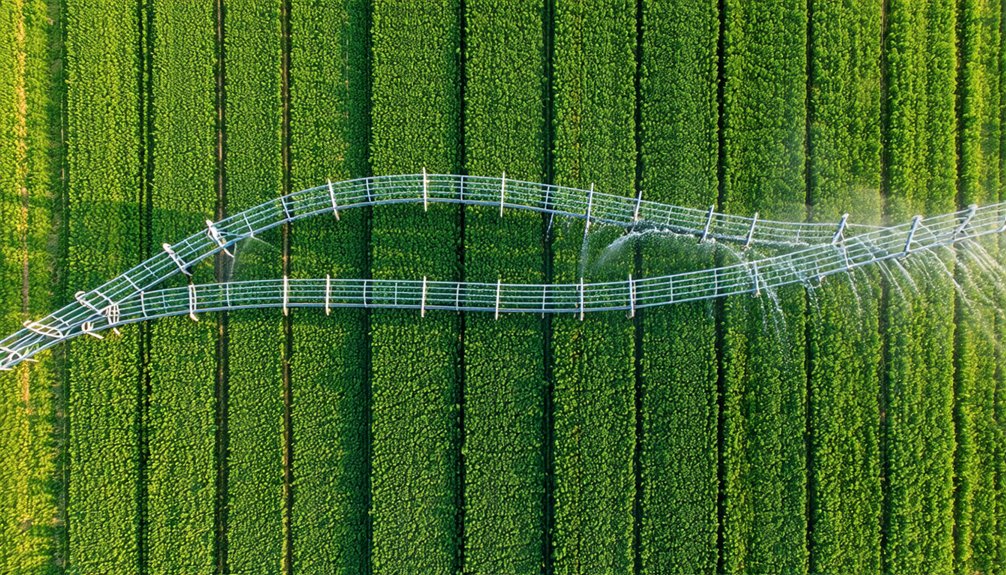
Side roll irrigation operates through a unique mechanism that allows water to be distributed evenly across your fields.
Mechanism of Operation
While understanding how side roll irrigation works, you’ll discover it relies on a simple yet effective mechanism.
This system features a series of wheeled towers that move along a set path, guiding the irrigation equipment across your field. The pipes connected to these towers deliver water directly to the crops as they roll.
You can adjust the speed of the system, allowing for precise control over the irrigation process. As the towers move, they create a gentle, consistent flow of water, ensuring even coverage.
This design minimizes water wastage and allows for efficient use of resources. By utilizing gravity and pressure, side roll irrigation effectively distributes water where it’s needed most, enhancing crop growth and yield.
Water Distribution Patterns
Water distribution patterns in side roll irrigation systems play a crucial role in ensuring crops receive the right amount of moisture.
As you set up the system, the lateral movement of the pipes allows water to be distributed evenly across the field. This setup minimizes runoff and promotes deep soil penetration, which helps roots access moisture effectively.
Each pass of the system creates a pattern that targets specific areas, ensuring no spot is over or under-watered. By adjusting the speed and frequency of the rolls, you can optimize water application according to your crops’ needs.
Understanding these patterns lets you make informed decisions, leading to healthier plants and better yields. Proper management is key to maximizing the benefits of side roll irrigation.
Crop Suitability Factors
When considering crop suitability for side roll irrigation, it’s essential to evaluate the specific needs of your plants. Different crops have varying water requirements, so knowing how much moisture each type needs is crucial.
Generally, side roll irrigation works well for row crops like corn, soybeans, and wheat, which thrive with consistent watering. You should also consider soil type; sandy soils drain quickly, while clay soils retain moisture longer.
Additionally, plant spacing and growth habits matter—ensure your crops have enough space for water distribution without overcrowding. Lastly, monitor local climate conditions, as temperature and humidity can influence water usage.
Advantages of Side Roll Irrigation
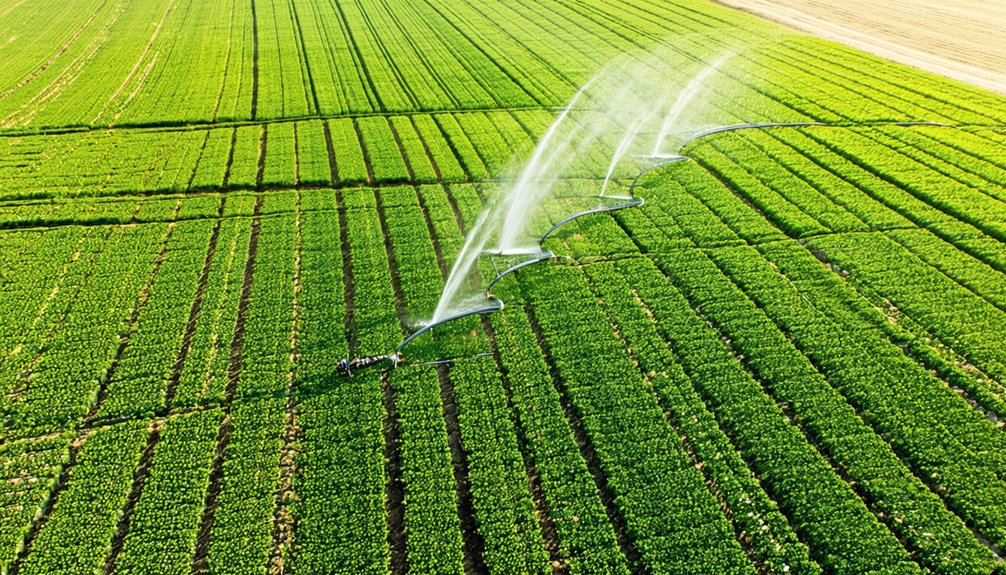
Although many irrigation methods exist, side roll irrigation stands out for its unique advantages. This system’s mobility allows you to easily adjust or reposition it to suit your field’s layout and crop needs.
It provides uniform water distribution, which helps promote healthy plant growth and reduces the risk of over-saturation in specific areas. You’ll also appreciate the reduced labor and maintenance costs, as these systems often require less manual intervention compared to fixed systems.
Additionally, the ability to irrigate large areas efficiently means you can maximize productivity without significantly increasing water usage. With side roll irrigation, you’ve got a flexible, efficient option that enhances your farming practices while keeping costs manageable.
Water Efficiency and Conservation
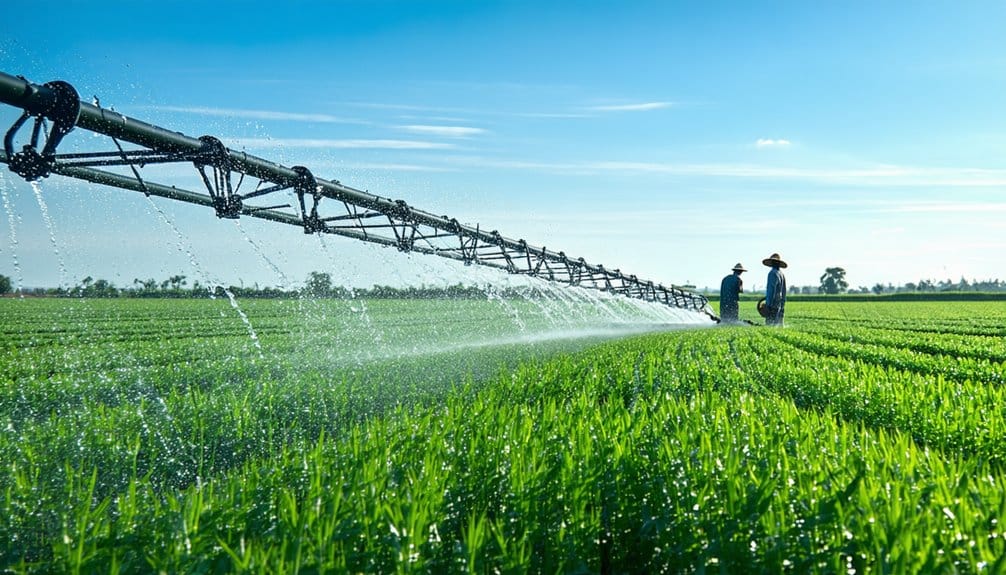
When you use side roll irrigation, you’ll notice a significant reduction in water waste.
This method not only promotes better soil moisture retention but also ensures efficient water delivery to your crops.
Reduced Water Waste
As farmers increasingly seek sustainable practices, reduced water waste through side roll irrigation stands out as a vital solution.
This system efficiently delivers water directly to your crops, minimizing evaporation and runoff. You’ll notice that by using side roll irrigation, you can target specific areas, ensuring every drop counts.
Unlike traditional methods, which often lead to water pooling and wastage, this approach promotes uniform distribution, reducing excess moisture in unwanted areas.
Soil Moisture Retention
Soil moisture retention is crucial for enhancing water efficiency and conservation in agriculture, especially with side roll irrigation.
When you implement this system, it helps maintain optimal moisture levels in the soil, reducing the need for frequent watering.
This means your crops can thrive even during dry spells, maximizing yield without wasting precious water resources.
Efficient Delivery Systems
Maintaining optimal soil moisture is only part of the equation for effective irrigation; efficient delivery systems play a key role in maximizing water use and conservation.
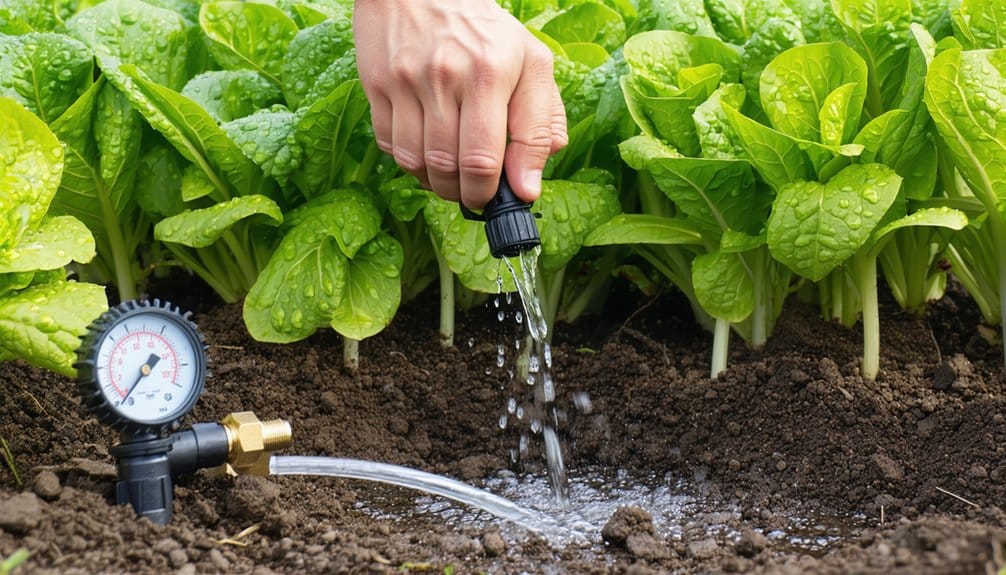
You’ll want to ensure that your system distributes water evenly across the field, minimizing waste and ensuring each plant receives adequate moisture. Utilizing technologies like pressure regulators and low-flow emitters can help achieve this.
Furthermore, implementing timers and soil moisture sensors allows you to tailor your irrigation schedule to current weather conditions, reducing unnecessary watering.
Crop Yield Improvement With Side Roll Irrigation
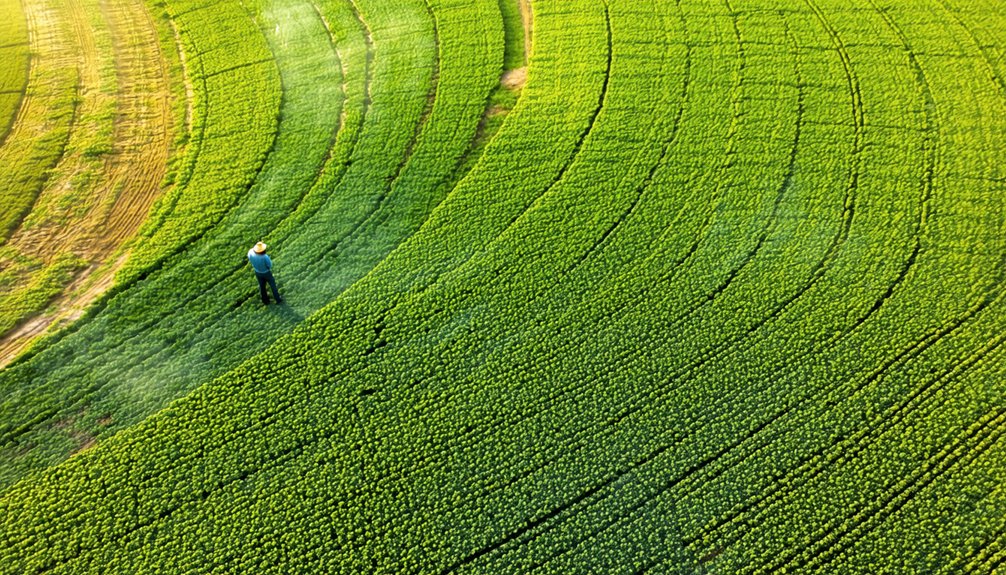
When you implement side roll irrigation, you can significantly enhance crop yields by providing consistent moisture directly to the root zone.
This system allows for efficient water distribution, reducing both overwatering and underwatering risks. With optimal moisture levels, your crops can absorb nutrients more effectively, leading to healthier growth.
Additionally, side roll irrigation minimizes weed growth by delivering water only where it’s needed, which can further boost crop productivity.
The result? You’ll notice stronger plants and higher yields at harvest time. You’re not just watering your fields; you’re creating an environment that promotes robust growth and resilience against pests and diseases.
In the end, adopting this irrigation method pays off with better quality crops and improved harvest results.
Cost-Effectiveness of Side Roll Irrigation
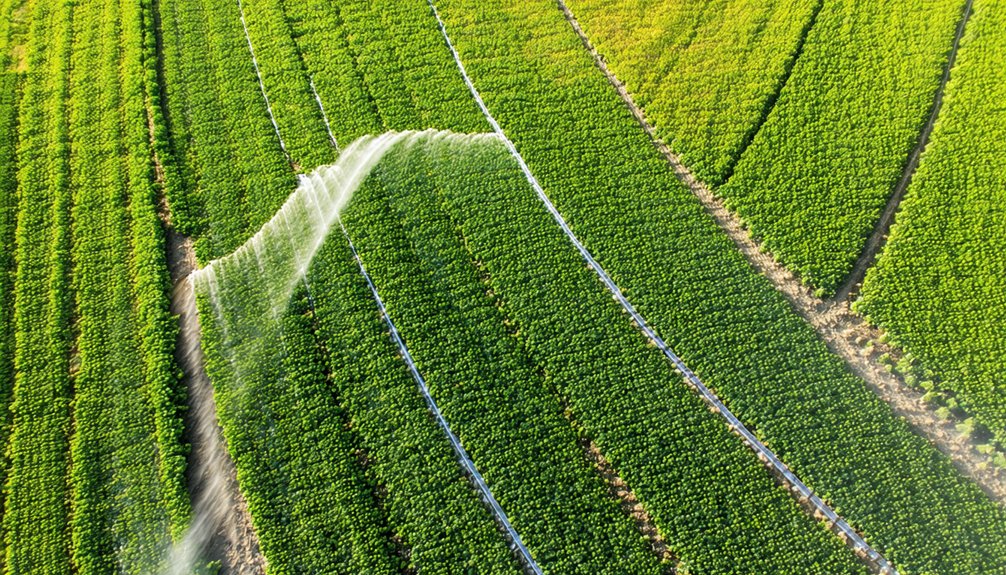
While many irrigation systems can strain your budget, side roll irrigation stands out as a cost-effective solution for farmers. Its design reduces both installation and maintenance costs, making it an attractive option.
You’ll find that side roll systems use less energy compared to traditional methods, which means lower utility bills. Their efficiency allows for optimal water distribution, helping you achieve better crop yields without excessive resource expenditure.
Additionally, the durability of side roll equipment minimizes repair costs over time. By investing in this system, you’re not only saving money upfront but also ensuring long-term financial benefits for your farm.
Environmental Impact of Side Roll Irrigation
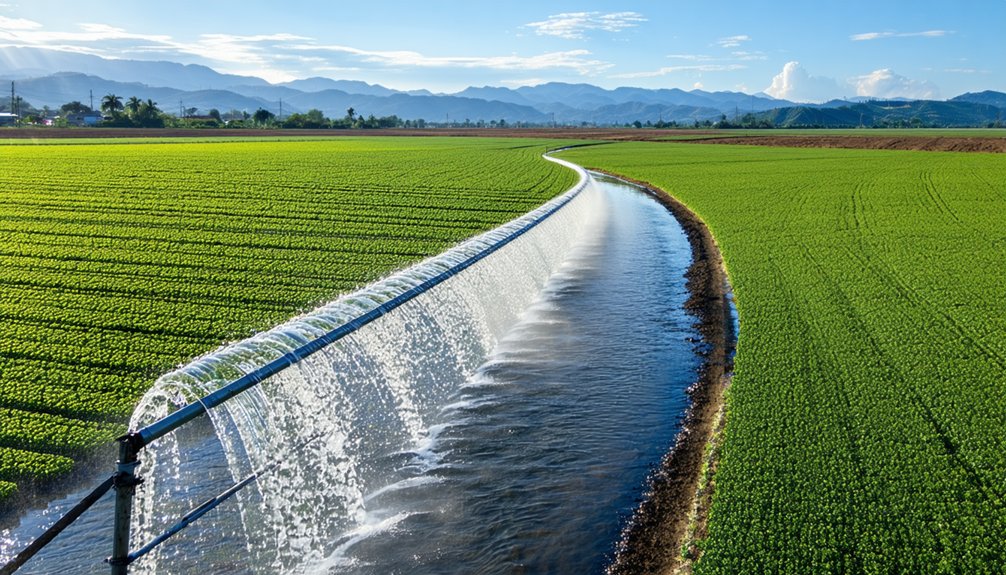
Investing in side roll irrigation not only brings financial advantages but also contributes positively to the environment. This system efficiently distributes water, reducing runoff and minimizing soil erosion.
You’ll notice healthier soil structure as it retains moisture better, promoting beneficial microbial activity. With reduced water usage, you’re also lowering the demand on local water supplies, ensuring sustainability.
Moreover, side roll irrigation encourages precision in water application, meaning you’re less likely to over-irrigate. This helps prevent waterlogging and salinization, which can be detrimental to crops.
Additionally, by using this method, you’re decreasing the energy required for pumping water, leading to lower greenhouse gas emissions. Ultimately, adopting side roll irrigation means you’re making a responsible choice for both agriculture and the planet.
Future Trends in Side Roll Irrigation Technology
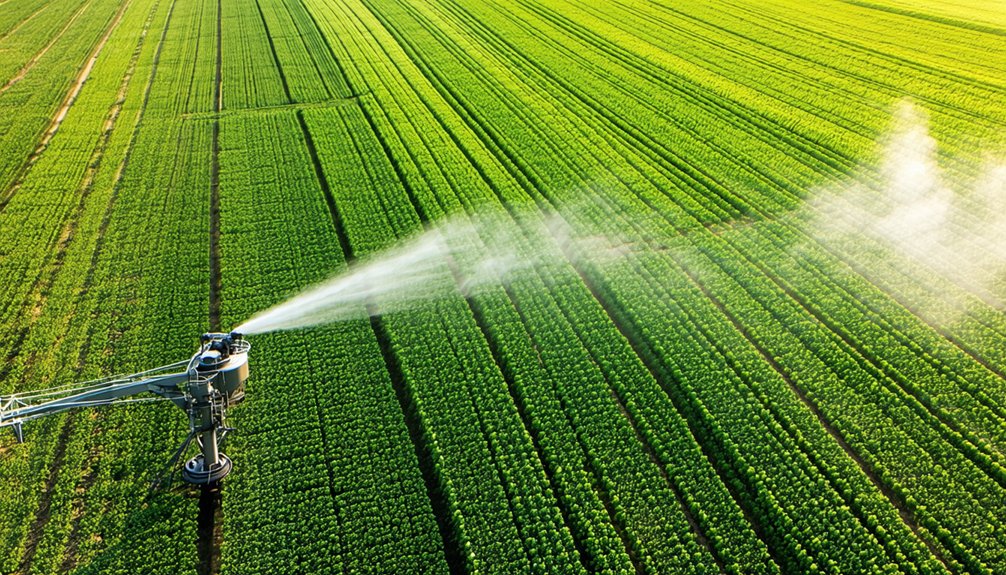
As technology continues to evolve, side roll irrigation is poised to benefit from innovative advancements that enhance efficiency and sustainability.
You’ll see smart sensors and IoT devices being integrated, allowing real-time monitoring of soil moisture levels and weather conditions. This data-driven approach will help you optimize water usage, reducing waste and costs.
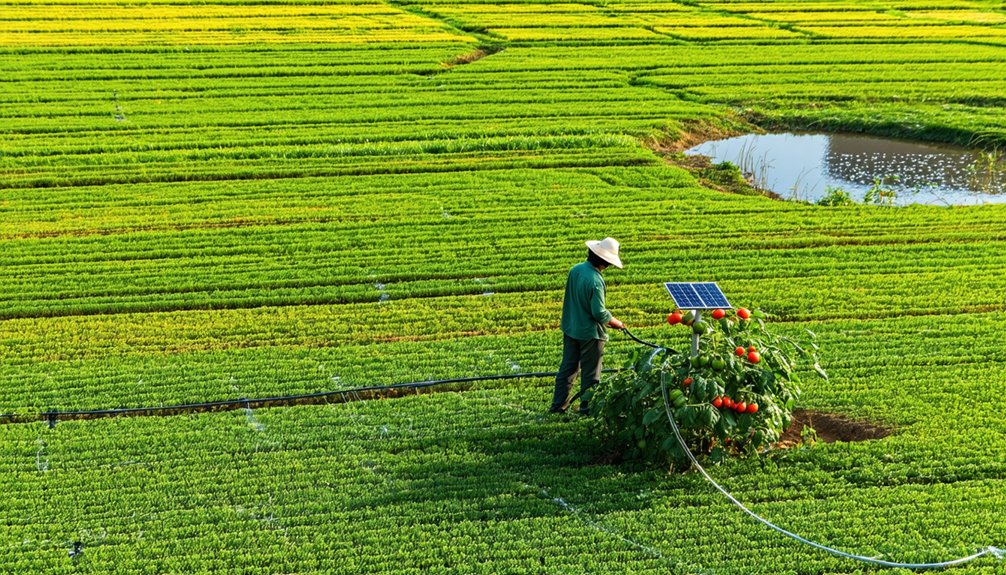
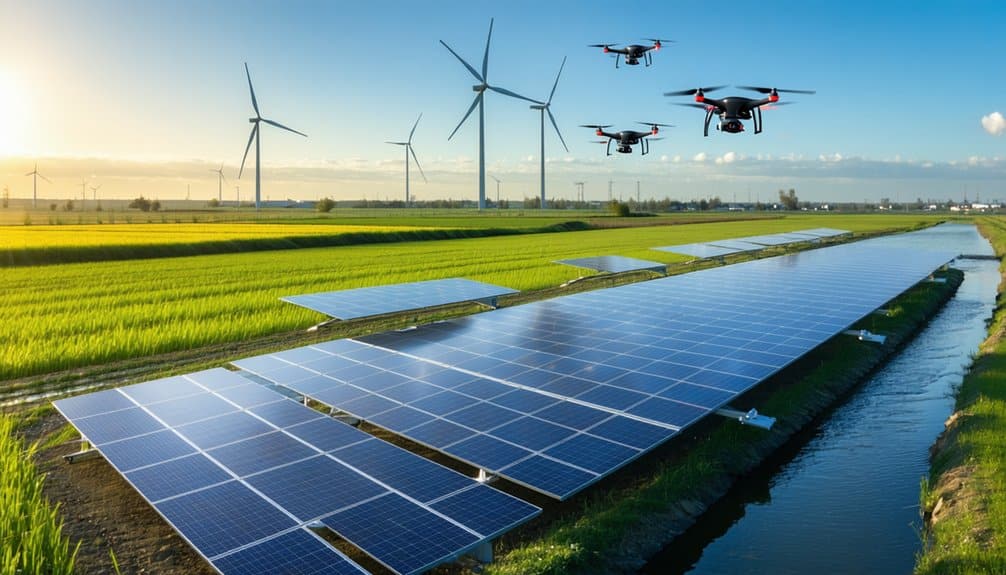
Additionally, advancements in materials will likely lead to lighter and more durable components, making installation and maintenance easier. Renewable energy sources, like solar panels, may power these systems, further decreasing their carbon footprint.
With these trends, you’ll not only improve crop yields but also contribute to environmental conservation. Embracing these technologies will ensure your side roll irrigation systems remain effective and sustainable in the future.
Conclusion
In conclusion, side roll irrigation is a game-changer for modern farming. Its efficient water distribution not only boosts crop yields but also cuts down on labor and maintenance costs. By minimizing environmental impacts like runoff and soil erosion, it supports healthier ecosystems. As you explore innovative agricultural practices, consider how adopting side roll irrigation can enhance your farming operations, making them more sustainable and profitable for the future. Embrace this technology and watch your crops thrive!