

Homeownership comes with the responsibility of maintenance and repair, which can often be underestimated. Regular upkeep is essential for preserving property value and ensuring safety. However, many homeowners neglect to budget for these expenses, leading to financial strain when unexpected repairs arise. Understanding the true cost of maintenance is crucial. What factors should homeowners consider to avoid pitfalls and ensure their investments remain sound?
Key Takeaways
- Regular home maintenance minimizes long-term repair costs and preserves overall property value, enhancing your home’s appeal to potential buyers.
- Understanding common types of repairs, such as plumbing and electrical issues, helps homeowners budget effectively for unexpected expenses.
- Consulting professional estimates and utilizing online resources can provide accurate insights into repair costs and aid in financial planning.
- Seasonal maintenance checklists, including HVAC servicing and gutter cleaning, prevent costly repairs and improve home efficiency.
- Establishing an emergency fund ensures immediate access to funds for urgent repairs, reducing financial strain and supporting long-term homeownership success.
The Importance of Home Maintenance
Although many homeowners may overlook the significance of regular upkeep, the importance of home maintenance cannot be overstated.
Routine maintenance plays a crucial role in minimizing long-term repair expenses. By addressing minor issues promptly, homeowners can avoid the higher costs associated with extensive repairs that often arise from neglect.
This proactive approach not only reduces home maintenance costs but also contributes to the overall value preservation of the property. Well-maintained homes tend to retain their market value better and attract potential buyers more readily.
Consequently, investing time and resources in proper maintenance creates a safer, more comfortable living environment while safeguarding one’s financial investment in the long term.
Ultimately, a commitment to home maintenance is a wise decision for any homeowner.
Common Types of Home Repairs
Homeowners inevitably encounter various types of repairs throughout their property ownership journey, as wear and tear naturally occur over time.
Common repairs often include plumbing issues, such as leaky faucets or clogged drains, electrical problems like faulty wiring or blown fuses, and roof maintenance, which can involve shingle replacements or leaks.
Additionally, HVAC systems may require regular servicing to ensure efficiency.
To manage these repairs effectively, homeowners should prioritize home budgeting, setting aside funds specifically for unexpected issues.
By planning ahead, they can reduce financial strain and explore options for saving on repairs, such as performing minor fixes themselves or seeking multiple quotes from contractors.
This proactive approach can ultimately enhance a home’s longevity and value.
Estimating Repair Costs
How can homeowners accurately estimate repair costs to ensure their budgets align with potential expenses? Estimating repair costs requires a systematic approach that involves research and planning.
Homeowners can utilize several methods to gauge potential expenses effectively:
- Consulting Professional Estimates: Engaging contractors or repair specialists can provide accurate insights into expected costs based on specific issues.
- Researching Online Resources: Websites and forums dedicated to home improvement often offer cost breakdowns and average expenses for various repairs.
- Using Cost Calculators: Many online tools allow homeowners to input project details, yielding estimates based on regional pricing trends.
Factors Influencing Maintenance Expenses
Accurate estimation of repair costs is only part of the equation; various factors also significantly influence ongoing maintenance expenses.
The age and condition of a home play a crucial role, as older properties often require more frequent repairs. Local climate conditions can also impact maintenance needs; for example, homes in areas with harsh winters may face more wear and tear.
Additionally, the quality of materials used during construction or renovations affects long-term durability and repair frequency. Homeowners’ diligence in routine maintenance can further influence costs; neglecting small issues often leads to more significant, expensive repairs.
Finally, local labor rates and availability can vary, affecting overall maintenance expenses and the affordability of timely repairs.
Seasonal Maintenance Checklist

As the seasons change, a comprehensive seasonal maintenance checklist becomes essential for preserving a home’s integrity and efficiency.
Homeowners should prioritize specific tasks to prevent costly repairs and ensure a comfortable living environment.
Key maintenance tasks include:
- Inspecting and cleaning gutters to avoid water damage and foundation issues.
- Checking HVAC systems to ensure optimal performance and energy efficiency.
- Sealing windows and doors to maintain indoor temperatures and reduce energy costs.
The Role of Home Inspections

Home inspections play a crucial role in identifying potential issues within a property, ultimately influencing maintenance and repair costs.
Common findings during these inspections can range from minor concerns to significant structural problems, which can impact a homeowner’s financial planning.
Understanding the importance of these evaluations can help homeowners make informed decisions regarding their property.
Importance of Home Inspections
While many homeowners may overlook the necessity of regular home inspections, these evaluations play a crucial role in maintaining property value and ensuring safety. A thorough inspection can identify potential issues before they escalate into costly repairs, providing peace of mind for homeowners.
Key benefits of home inspections include:
- Preventative Maintenance: Identifying issues early helps homeowners address problems before they worsen.
- Safety Assurance: Inspections can uncover hazards such as faulty wiring or structural weaknesses, ensuring a safer living environment.
- Informed Decision-Making: Knowing the condition of a home aids in making informed decisions regarding future investments or renovations.
Ultimately, regular home inspections are essential for safeguarding a property’s integrity and enhancing its overall value.
Common Inspection Findings
During a home inspection, various common findings often emerge that can significantly impact a homeowner’s maintenance strategy.
Among the most frequently reported issues are roof leaks, which can lead to extensive water damage if not addressed.
Electrical problems, such as outdated wiring or insufficient outlets, also pose safety risks.
Additionally, plumbing leaks and poor drainage systems can result in costly repairs if left unresolved.
Structural concerns, including foundation cracks or wood rot, may indicate serious underlying issues requiring immediate attention.
Furthermore, the presence of pests, such as termites, can compromise a home’s integrity.
DIY vs. Professional Services
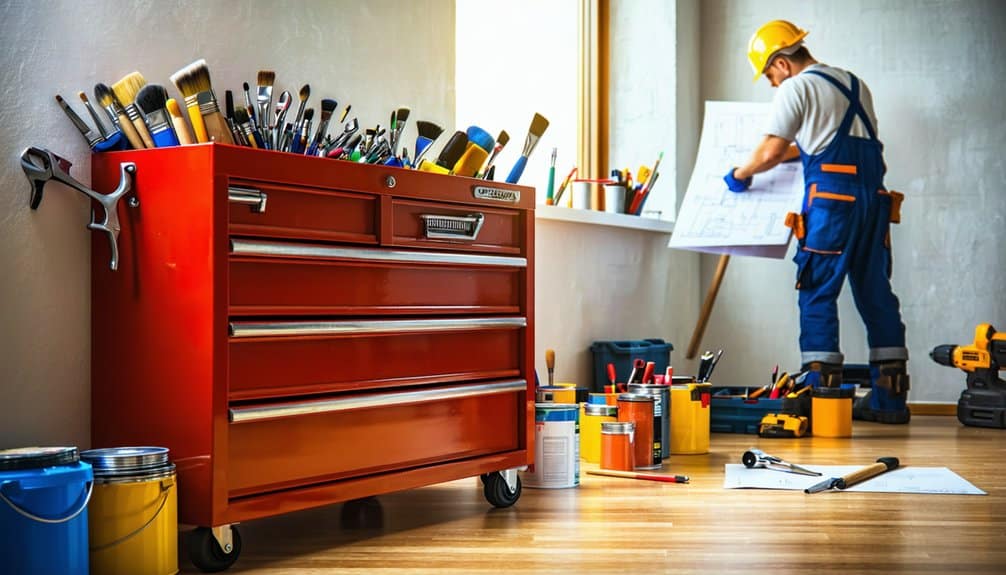
How does one decide between tackling a home repair project themselves or hiring a professional? Homeowners often weigh their skills, the complexity of the task, and potential costs.
DIY projects can be rewarding and cost-effective, but they may also lead to costly errors if not executed properly. Conversely, professionals bring expertise and efficiency, though they come with higher upfront costs.
Factors to consider include:
- Skill Level: Assess personal capability and experience with similar tasks.
- Time Commitment: Evaluate how much time the project will require versus professional availability.
- Project Complexity: Determine if the repair requires specialized tools or knowledge that might exceed DIY capabilities.
Ultimately, the decision hinges on balancing these considerations against individual circumstances.
Budgeting for Unexpected Repairs
Effective budgeting for unexpected repairs begins with the establishment of an emergency fund, which serves as a financial buffer during unforeseen circumstances.
Additionally, regular maintenance planning can help mitigate the risk of costly repairs by addressing potential issues before they escalate.
Together, these strategies equip homeowners to handle emergencies without significant financial strain.
Emergency Fund Importance
Financial security is essential for homeowners, particularly when it comes to managing unexpected repairs. An emergency fund acts as a financial buffer, ensuring that unforeseen repair costs do not lead to financial strain. It provides peace of mind, allowing homeowners to address urgent issues without delay.
Key reasons to maintain an emergency fund include:
- Immediate Access: Funds are readily available for urgent repairs, such as plumbing issues or roof leaks.
- Financial Stability: Avoids reliance on credit cards or loans, which can lead to debt accumulation.
- Stress Reduction: Alleviates anxiety associated with unexpected financial burdens, enabling homeowners to make informed decisions.
Incorporating an emergency fund into a budget is crucial for long-term homeownership success.
Regular Maintenance Planning
Homeowners who prioritize an emergency fund also recognize the importance of regular maintenance planning to prevent unexpected repair costs. By setting aside funds for routine upkeep, they mitigate the risk of larger, unanticipated expenses that can arise from neglect. This proactive approach not only protects their investment but also ensures a safe and comfortable living environment.
| Maintenance Task | Estimated Cost | Frequency |
|---|---|---|
| HVAC Check-Up | $150 | Annually |
| Roof Inspection | $200 | Every 2 Years |
| Plumbing Maintenance | $100 | Semi-Annually |
Long-term Benefits of Regular Maintenance
Regular maintenance brings significant advantages that extend well beyond immediate repairs. Homeowners who commit to regular upkeep often experience enhanced property value and longevity of their assets.
The positive impacts can be substantial:
- Cost savings: Preventative measures reduce the likelihood of expensive emergency repairs.
- Increased safety: Routine checks can identify hazardous issues before they escalate, ensuring a safer living environment.
- Energy efficiency: Well-maintained systems function more efficiently, reducing utility costs and environmental impact.
Resources for Homeowners on Maintenance Costs
Homeowners often seek reliable resources to estimate their annual maintenance expenses effectively.
Understanding essential maintenance resources can guide them in planning and budgeting for necessary repairs.
Access to accurate information is crucial for maintaining a home and avoiding unexpected costs.
Estimating Annual Expenses
Estimating annual expenses for home maintenance is critical for effective budgeting and financial planning. Homeowners should assess various factors to accurately forecast these costs.
A comprehensive understanding of potential expenses allows for better preparedness and peace of mind.
- Regular maintenance tasks: Such as HVAC servicing, gutter cleaning, and lawn care.
- Unexpected repairs: Costs associated with plumbing issues, roof leaks, or appliance breakdowns can arise without warning.
- Seasonal preparations: Expenses for winterizing the home or preparing for hurricane season can also accumulate.
Essential Maintenance Resources
While maintaining a home can be challenging, numerous resources exist to help homeowners navigate maintenance costs effectively. Online platforms such as HomeAdvisor and Angie’s List provide cost estimates for various repairs and maintenance tasks, allowing homeowners to budget appropriately.
Additionally, local hardware stores often offer workshops and guides on DIY maintenance, empowering homeowners to tackle minor repairs themselves. Home inspection services can also provide valuable insights into potential maintenance issues, helping to prevent costly repairs in the future.
Furthermore, local government websites frequently publish maintenance checklists and seasonal reminders, keeping homeowners informed about essential upkeep. By utilizing these resources, homeowners can make informed decisions, ultimately minimizing unexpected expenses related to home maintenance.
Conclusion
In conclusion, understanding the true cost of home maintenance and repair is essential for homeowners seeking to protect their investment. By recognizing the importance of regular upkeep, budgeting for unexpected repairs, and weighing DIY options against professional services, homeowners can effectively manage their financial responsibilities. Ultimately, proactive maintenance not only preserves property value but also enhances safety and peace of mind, ensuring a more secure and enjoyable living environment for years to come.