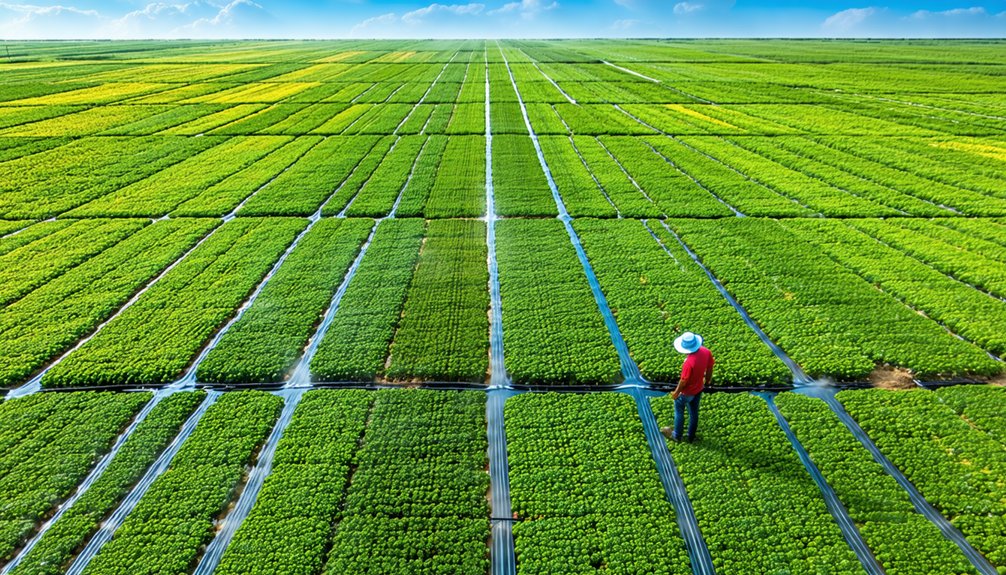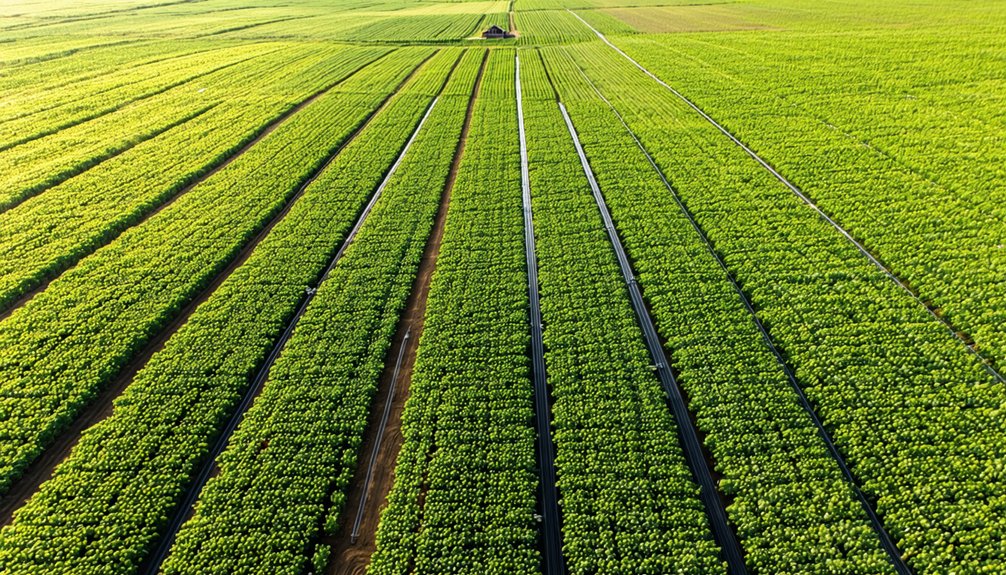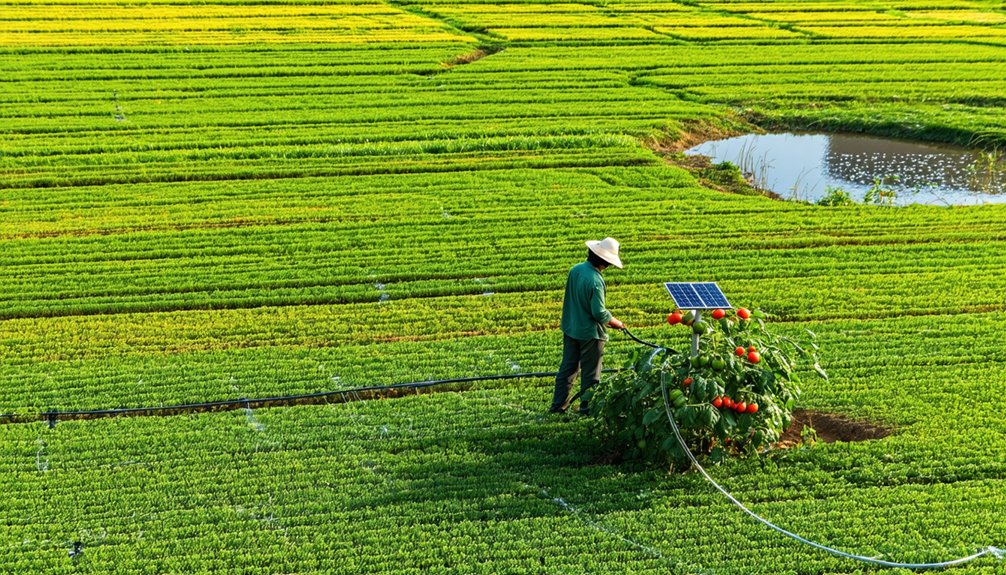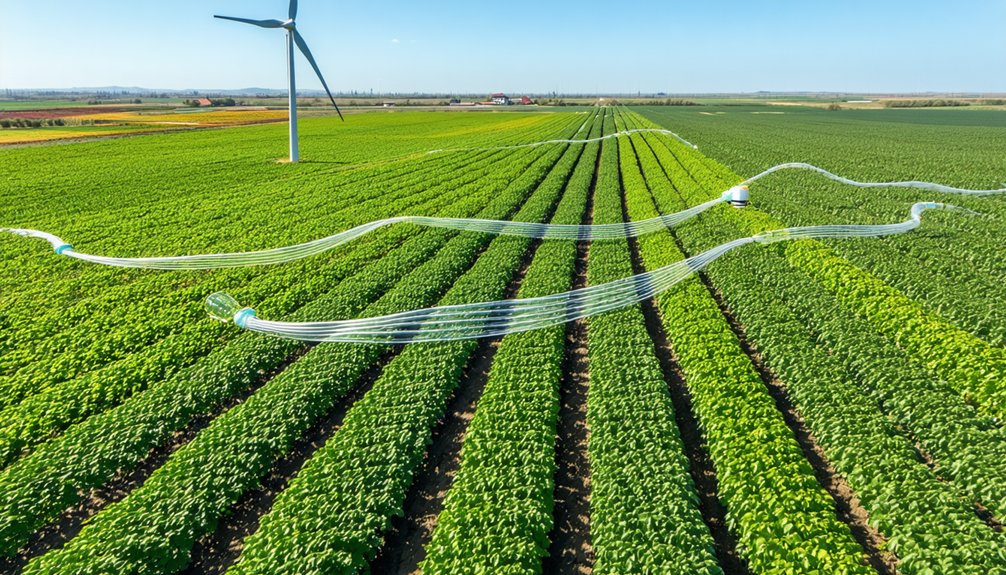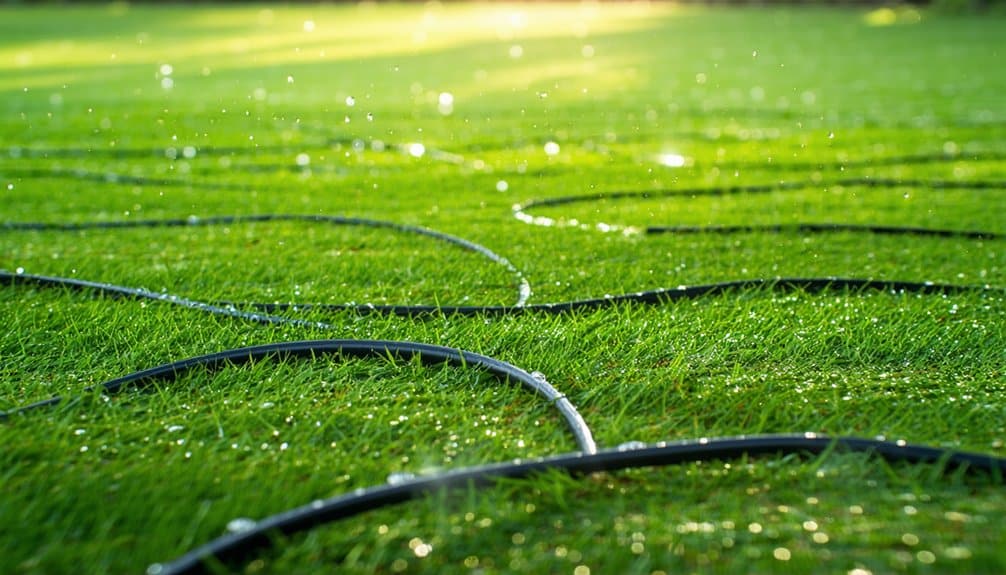
If you’re looking to enhance your lawn care routine, underground drip irrigation systems could be the solution you need. These systems efficiently deliver water directly to the roots, promoting healthier plants while saving resources. You’ll not only cut down on water bills but also reduce weeds. Curious about how to implement this innovative approach and what benefits it brings? Let’s explore the key components and planning considerations that can transform your landscape.
Advantages of Underground Drip Irrigation Systems
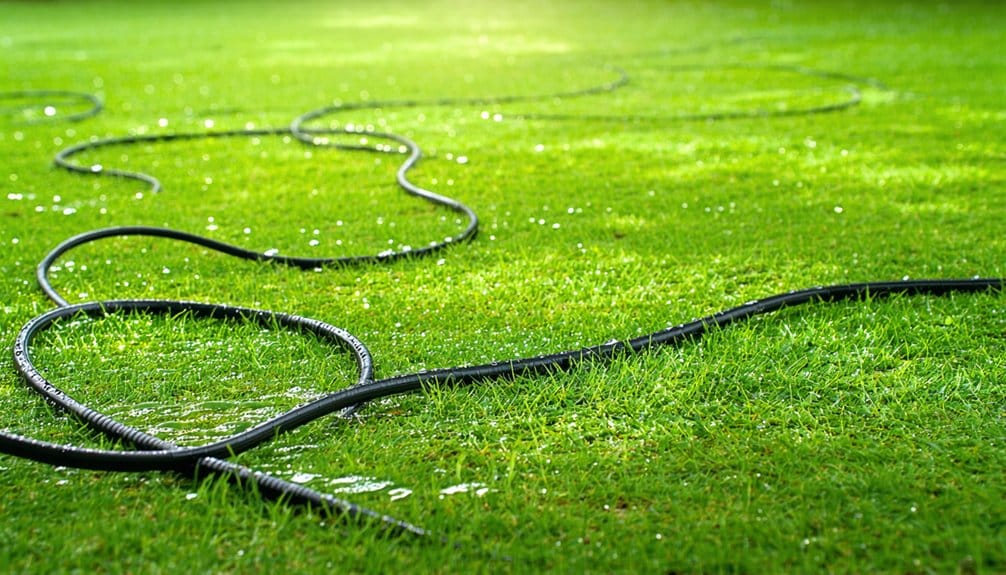
When you choose underground drip irrigation systems, you’re not just investing in your lawn; you’re also embracing efficiency and sustainability.
These systems deliver water directly to the root zone, minimizing waste and ensuring your plants thrive. You’ll find that drip irrigation installation is straightforward, often requiring less labor and time than traditional methods.
Plus, once it’s in place, irrigation system maintenance is minimal, allowing you to focus on enjoying your garden instead of constantly managing it.
With reduced evaporation and runoff, your water usage decreases, saving you money and benefiting the environment.
Components of a Drip Irrigation System
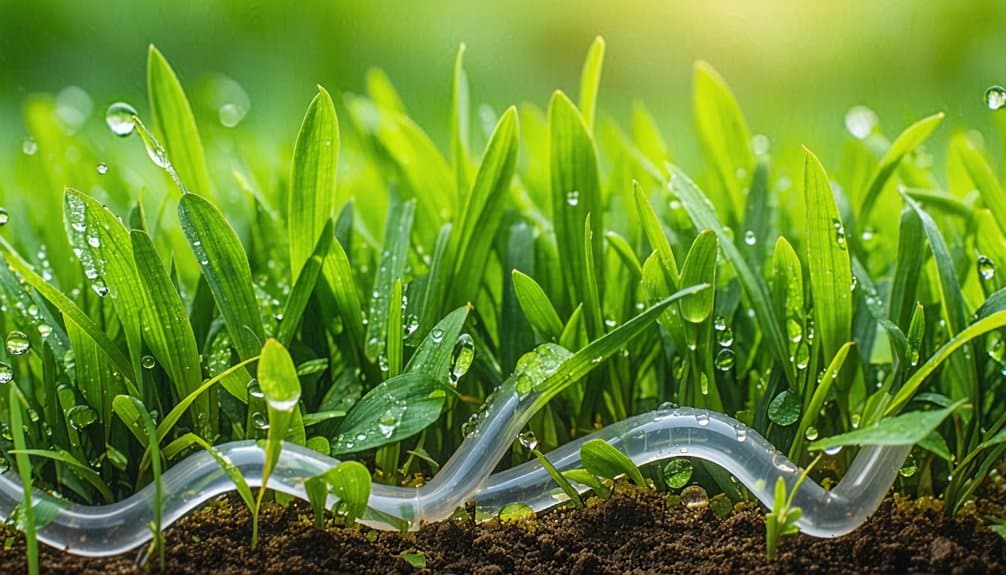
Understanding the components of a drip irrigation system is essential for effective lawn care, as each part plays a crucial role in delivering water efficiently.
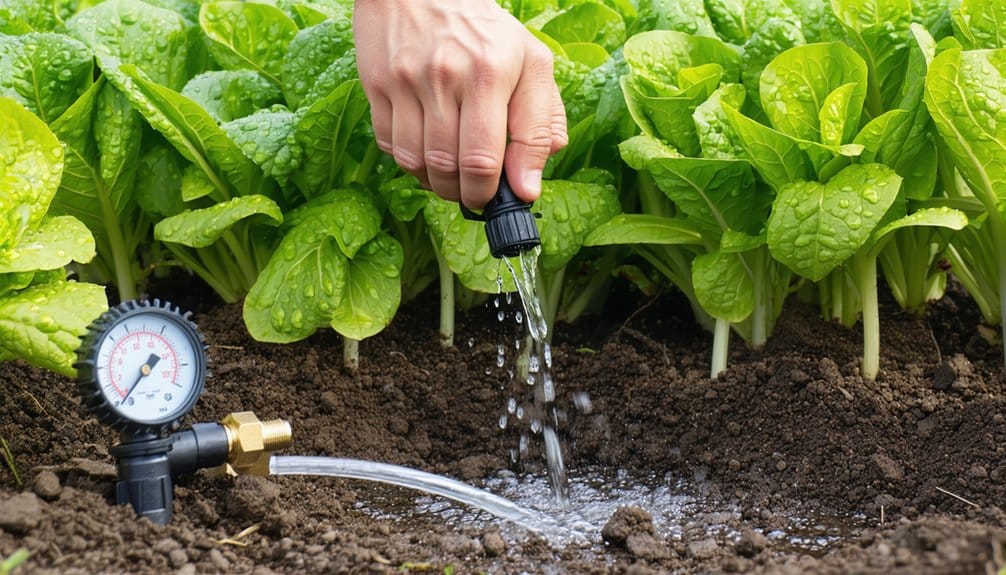
A typical system includes a water source, a filter to remove debris, and a pressure regulator to ensure optimal water flow. You’ll also need drip tubing that distributes water directly to the roots, plus emitters that control the water delivery rate.
Connectors and stakes help secure the tubing in place, while a timer can automate watering schedules for convenience.
Planning Your Drip Irrigation Layout
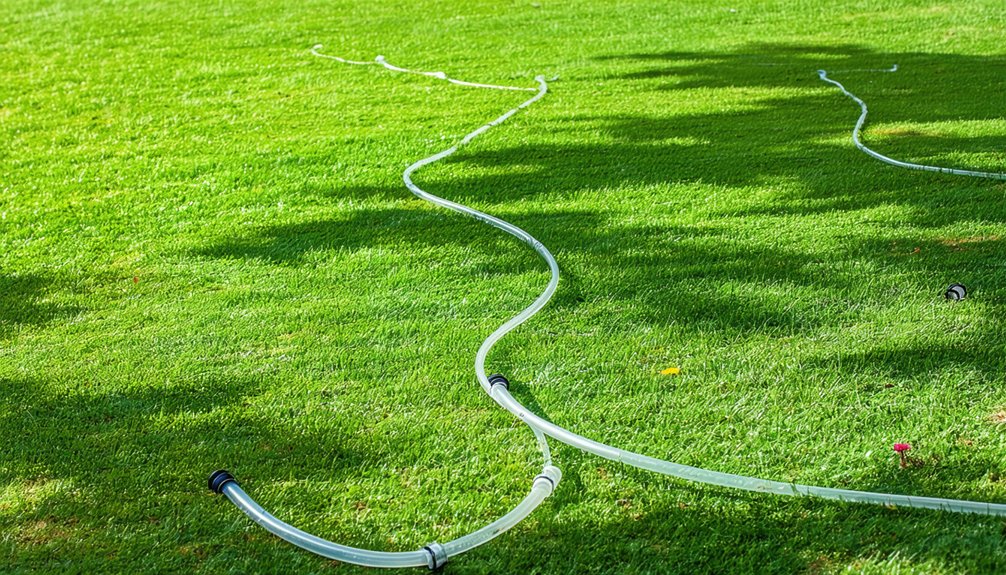
As you plan your drip irrigation layout, consider the unique needs of your lawn and garden.
Start by mapping out the areas you want to water, noting plant types and their water requirements. Group plants with similar needs together to optimize efficiency.
Next, identify the layout of your garden beds and lawn, ensuring your system can deliver water evenly across all areas. Remember to account for sunlight exposure, as shaded areas may need less water.
Use a combination of mainlines and feeder lines to reach all plants effectively.
Finally, think about accessibility for maintenance and adjustments.
This thoughtful planning will help you create an efficient system that conserves water while promoting healthy plant growth.
Step-by-Step Installation Guide
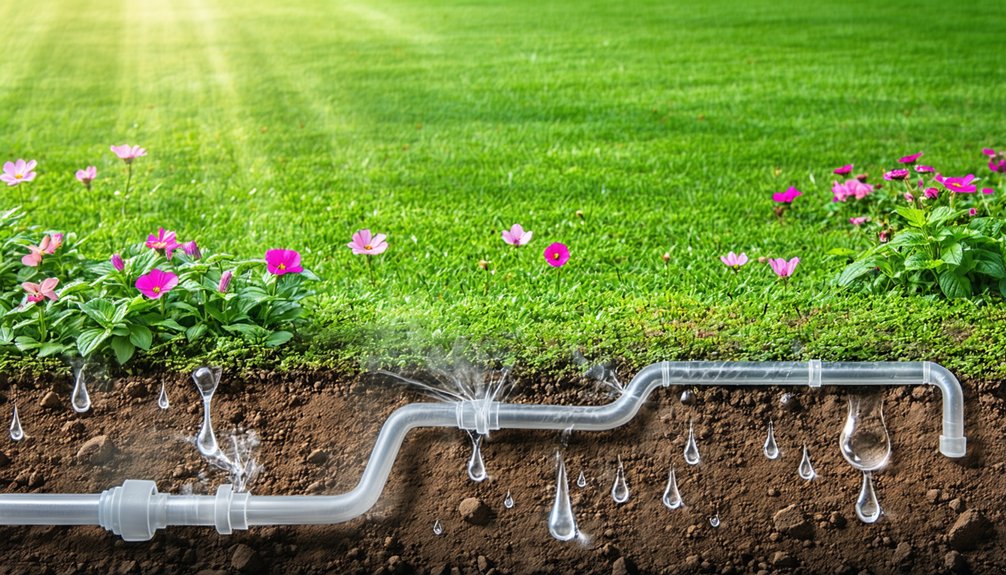
Now that you’ve planned your drip irrigation layout, it’s time to gather the required materials and tools for installation.
This guide will walk you through the installation process step by step, ensuring you set up your system efficiently.
Let’s get started on bringing your lawn to life!
Required Materials and Tools
To set up a drip irrigation system for your lawn, you’ll need a few essential materials and tools. First, gather drip tubing, emitters, and connectors to deliver water precisely where it’s needed.
You’ll also need a filter to keep debris out of the system and a pressure regulator to maintain optimal water flow. A shovel or trenching tool will help you dig the necessary trenches for the tubing.
Don’t forget a measuring tape to ensure proper spacing between emitters. A stake or anchor can hold the tubing in place, while a timer can automate your watering schedule.
Lastly, have a pair of scissors or a utility knife handy for cutting the tubing to the desired lengths.
Installation Process Overview
With your materials and tools ready, you can start the installation of your drip irrigation system.
First, plan your layout to determine where your lines will run. Mark the spots for your emitters.
Next, dig trenches about 6-12 inches deep for the mainline tubing. Lay the mainline, connecting it to the water source, ensuring there are no leaks.
Now, attach the drip tubing to the mainline and cut it to fit your layout. Insert emitters at your marked spots, securing them properly.
Cover the tubing with soil, ensuring it’s buried enough to protect it.
Finally, test the system by turning on the water, checking for any leaks or adjustments needed. Your underground drip irrigation system is now ready to go!
Maintenance Tips for Optimal Performance
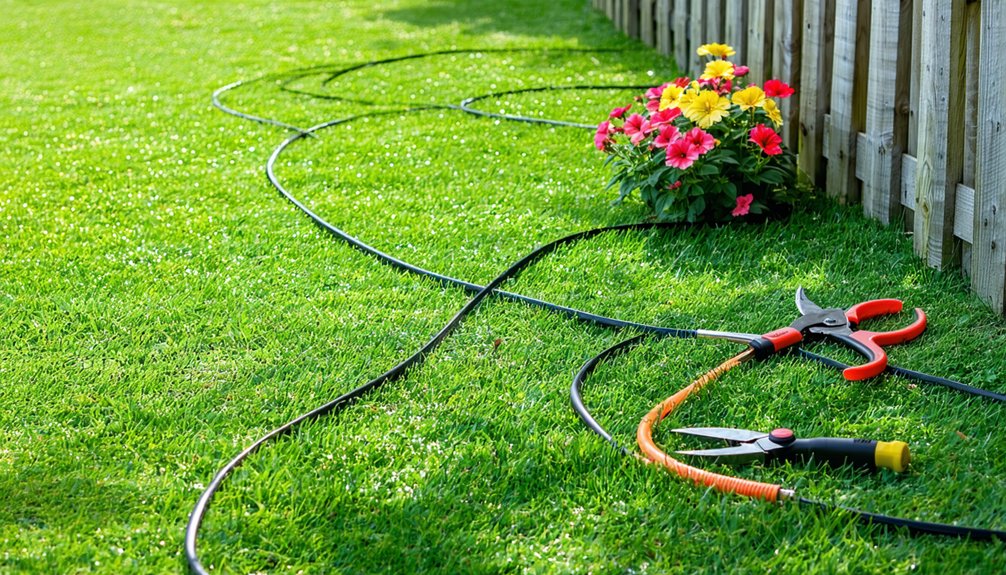
While maintaining your drip irrigation system might seem daunting, a few simple practices can ensure optimal performance and longevity.
Start by regularly checking your emitters for clogs and cleaning them if needed. Inspect the entire system for leaks or damage, especially after heavy rains or freezing temperatures.
It’s also important to adjust your watering schedule based on seasonal changes, ensuring your plants receive adequate moisture without overwatering.
Additionally, flush your system at least once a season to remove any built-up debris.
Finally, keep an eye on the surrounding landscape; trimming back plants or grass can prevent them from obstructing water flow.
Troubleshooting Common Issues
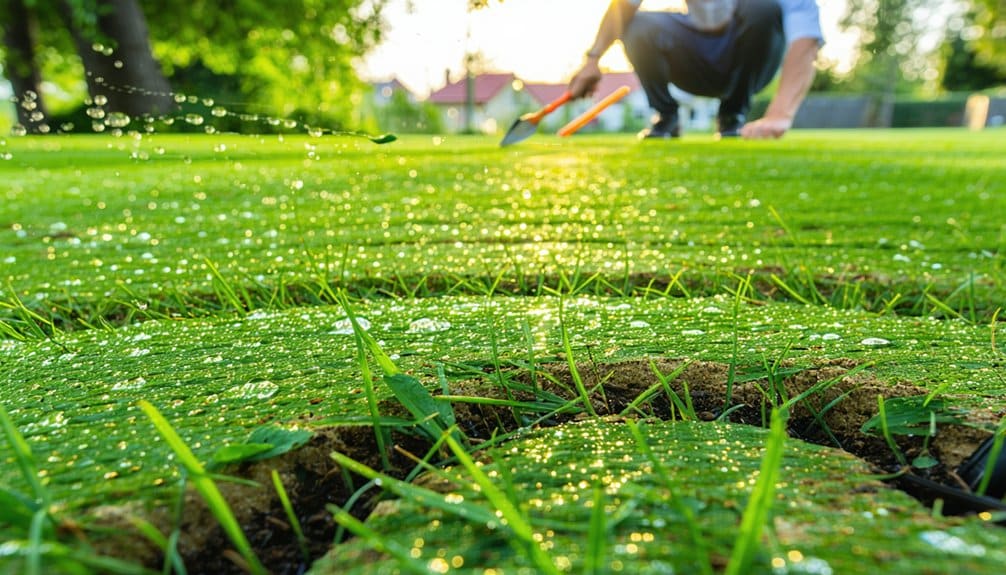
Although drip irrigation systems are efficient, they can encounter common issues that may affect their performance.
One frequent problem is clogging in the emitters. To fix this, check for dirt or mineral buildup and clean or replace them as needed.
Another issue is uneven watering; this might mean your system’s pressure is off. You can adjust the pressure regulator or check for leaks in the lines.
Sometimes, roots may invade the tubing, obstructing flow. If that’s the case, carefully trim them back.
Lastly, always inspect your timer or controller settings to ensure they’re programmed correctly.
Environmental Benefits of Drip Irrigation
When you choose drip irrigation for your lawn, you’re not just making it greener; you’re also making a positive impact on the environment.
This efficient system conserves water by delivering it directly to the roots, minimizing waste.
Plus, it helps reduce soil erosion, keeping your lawn healthy and vibrant.
Water Conservation Efficiency
Drip irrigation systems offer remarkable water conservation efficiency, making them an essential choice for environmentally conscious gardeners.
By delivering water directly to the plant roots, these systems minimize evaporation and runoff, ensuring that every drop counts. You’ll notice a significant reduction in water usage compared to traditional sprinklers, often using up to 50% less water.
This targeted approach not only conserves water but also promotes healthier plants, as they receive consistent moisture without waterlogging. Plus, with adjustable timers, you can schedule watering to coincide with the most effective times, further enhancing efficiency.
Reduced Soil Erosion
By utilizing drip irrigation systems, you can significantly reduce soil erosion in your garden.
Traditional watering methods often lead to runoff, which can wash away valuable topsoil. With drip irrigation, water is delivered directly to the roots, minimizing surface water movement. This targeted approach encourages deep root growth, helping plants anchor themselves better in the soil.
Additionally, the slower application rate of drip systems allows the soil to absorb water more effectively, reducing the risk of erosion caused by heavy rainfall. You’ll not only protect your soil but also maintain its health and fertility over time.
Cost Analysis and Long-Term Savings
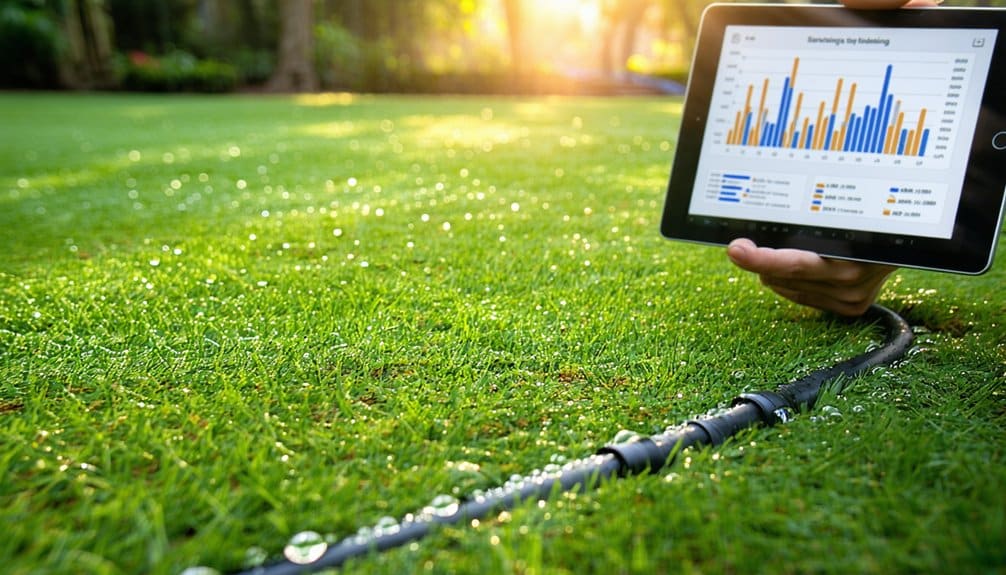
Installing a drip irrigation system can initially seem like a hefty investment, but the long-term savings often make it worthwhile. By targeting water directly to plant roots, you reduce waste and cut down on your water bill significantly.
Over time, you’ll notice lower utility costs as these systems use up to 50% less water than traditional methods. Plus, fewer resources spent on fertilizers and pesticides mean additional savings.
Maintenance costs are also minimal, as these systems are durable and efficient. Consider the increased property value, too, as a well-maintained lawn impresses potential buyers.
In the end, the initial expense pales in comparison to the financial benefits you’ll reap, making this investment a smart choice for your lawn care.
Conclusion
By embracing underground drip irrigation systems, you’re not just transforming your lawn care routine; you’re also promoting healthier plants while conserving water and reducing costs. With easy installation and minimal maintenance, these systems fit seamlessly into any landscape. Plus, you’ll enjoy the environmental benefits that come with sustainable practices. So why wait? Start your journey towards a greener, more efficient lawn today and watch your plants thrive like never before!