
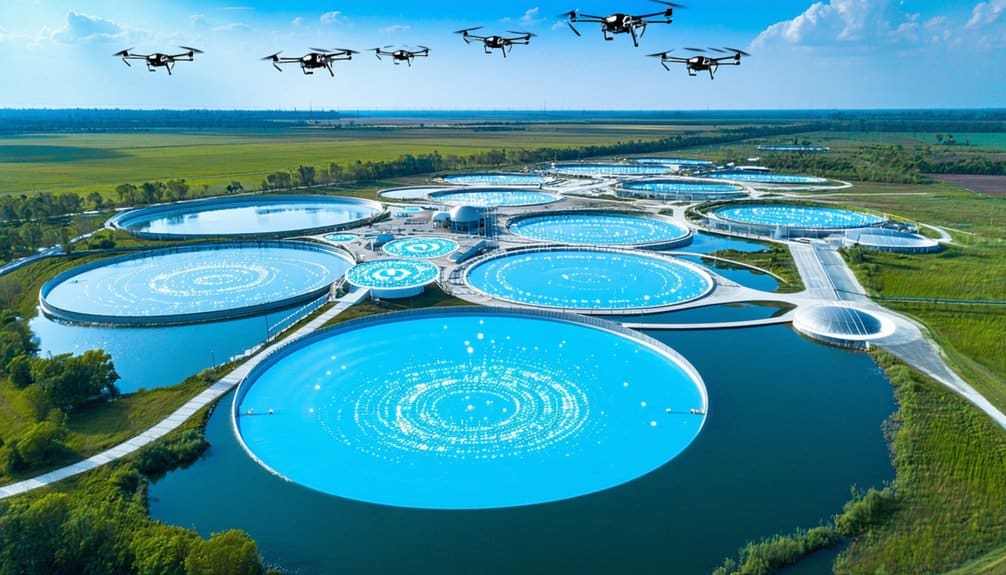
The integration of remote control technology in water management is gaining traction. This approach utilizes IoT sensors and automated systems to enhance efficiency and sustainability. By continuously monitoring water distribution networks, municipalities can address issues promptly and reduce waste. However, implementing these systems comes with its own set of challenges. Understanding these complexities is crucial for successful adoption, as the future of urban water management hinges on effective solutions. What lies ahead in this evolving landscape?
Key Takeaways
- Remote control technology enables real-time monitoring and management, enhancing efficiency in water distribution systems.
- IoT sensor integration allows for immediate data collection, improving decision-making and resource allocation.
- Automated control systems reduce labor costs and streamline operations, promoting cost efficiency in water management.
- Advanced data analytics enhance predictive maintenance, minimizing downtime and optimizing resource usage.
- Successful case studies demonstrate significant reductions in water consumption and improved urban water management through technology integration.
Overview of Remote Control Technology in Water Management
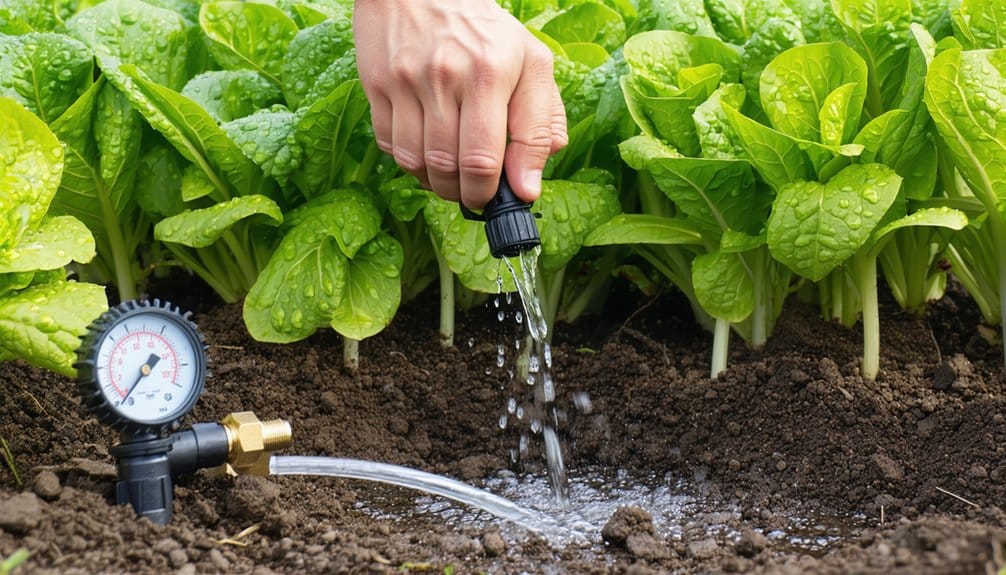
Remote control technology is transforming the landscape of water management by enhancing efficiency and responsiveness. This innovative approach enables real-time monitoring and control of water distribution systems, which is crucial for smart water management.
By integrating technology in water management, operators can assess water quality, detect leaks, and adjust flow rates remotely, leading to improved resource allocation. Remote control systems facilitate data collection and analysis, allowing for informed decision-making that optimizes water usage and reduces waste.
Additionally, these technologies support predictive maintenance, minimizing downtime and operational costs. The adoption of remote control technology marks a significant shift towards more sustainable practices in water management, ensuring that resources are utilized effectively while meeting the growing demands of urban populations.
Benefits of Implementing Remote Control Systems
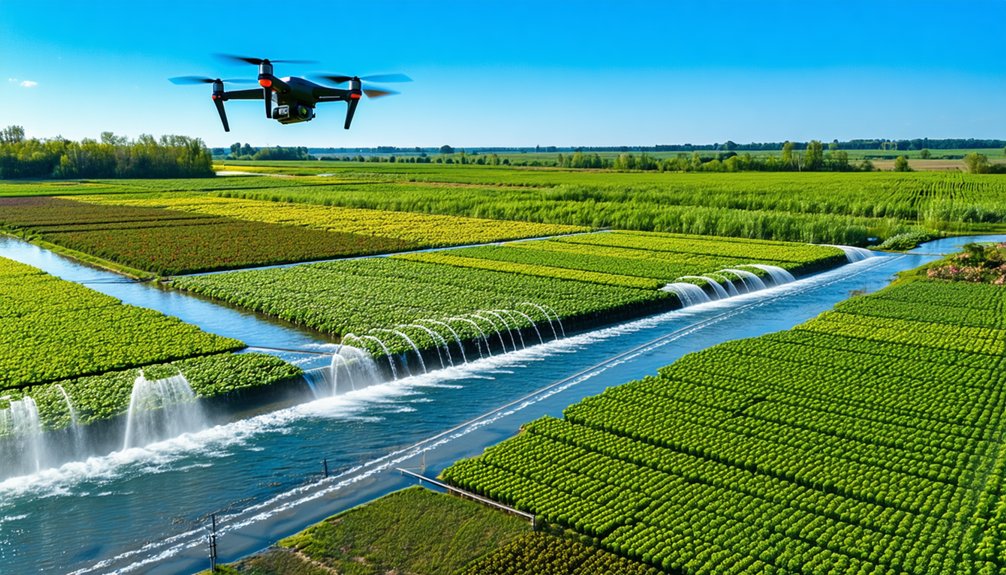
Implementing remote control systems in water management offers numerous advantages that enhance operational efficiency and sustainability. These systems enable real-time monitoring, reducing response times during emergencies and facilitating proactive maintenance. By automating processes, they lower operational costs and improve resource allocation. Additionally, remote control water systems enhance data accuracy, leading to better decision-making and increased reliability in water supply management.
| Benefit | Description | Impact |
|---|---|---|
| Real-time Monitoring | Constant oversight of water systems | Faster response to issues |
| Cost Efficiency | Reduced labor and resource costs | Lower operational expenses |
| Improved Data Accuracy | Enhanced decision-making via precise information | Increased reliability and planning |
Key Technologies Driving Remote Water Management
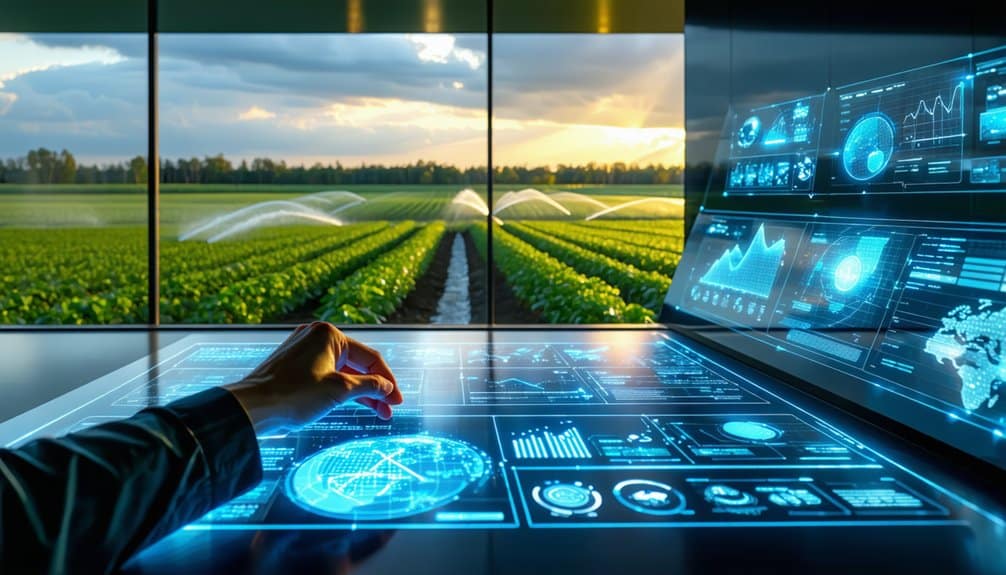
Key technologies are transforming remote water management through innovations such as IoT sensor integration, automated control systems, and advanced data analytics applications.
These tools empower operators to monitor and manage water resources more effectively, enhancing efficiency and sustainability.
As these technologies evolve, they promise to further optimize water management practices across various sectors.
IoT Sensor Integration
As water scarcity becomes an increasingly pressing issue, the integration of IoT sensors emerges as a transformative solution for effective water management.
These sensors enable real-time monitoring of water quality, consumption, and distribution, providing valuable data to optimize resource allocation. By collecting information on parameters such as flow rates, temperature, and contaminants, IoT sensors facilitate informed decision-making and prompt responses to potential issues.
Furthermore, this technology enhances predictive maintenance of infrastructure, reducing waste and ensuring sustainable usage. The seamless connectivity of IoT devices allows for remote access to critical information, empowering stakeholders to implement efficient water management practices.
Ultimately, the integration of IoT sensors plays a crucial role in addressing the challenges posed by water scarcity and promoting sustainable resource management.
Automated Control Systems
Automated control systems revolutionize remote water management by streamlining operations and enhancing efficiency. These systems utilize advanced technologies to monitor and regulate water flow, pressure, and quality in real-time, minimizing the need for manual intervention.
By integrating with IoT sensors, automated control systems provide critical data that enables precise adjustments to water distribution and treatment processes. This leads to reduced waste, improved resource allocation, and lower operational costs.
Furthermore, automated systems can swiftly respond to environmental changes or system malfunctions, ensuring consistent water supply and safety. As municipalities and industries increasingly adopt these technologies, the potential for enhanced sustainability and resilience in water management becomes more evident, paving the way for a smarter water infrastructure.
Data Analytics Application
The integration of data analytics into remote water management significantly enhances decision-making processes and operational efficiency.
By utilizing advanced algorithms and machine learning techniques, water management systems can analyze large volumes of data collected from various sources, including sensors and weather forecasts. This analysis allows for predictive modeling, enabling managers to anticipate demand fluctuations and optimize resource allocation.
Furthermore, real-time data monitoring helps identify leaks and inefficiencies, facilitating prompt responses to potential issues. The application of data analytics also supports regulatory compliance by ensuring accurate reporting and forecasting.
Ultimately, leveraging data analytics empowers water management organizations to operate more sustainably and effectively, driving improvements in both service delivery and environmental stewardship.
Case Studies: Successful Implementations
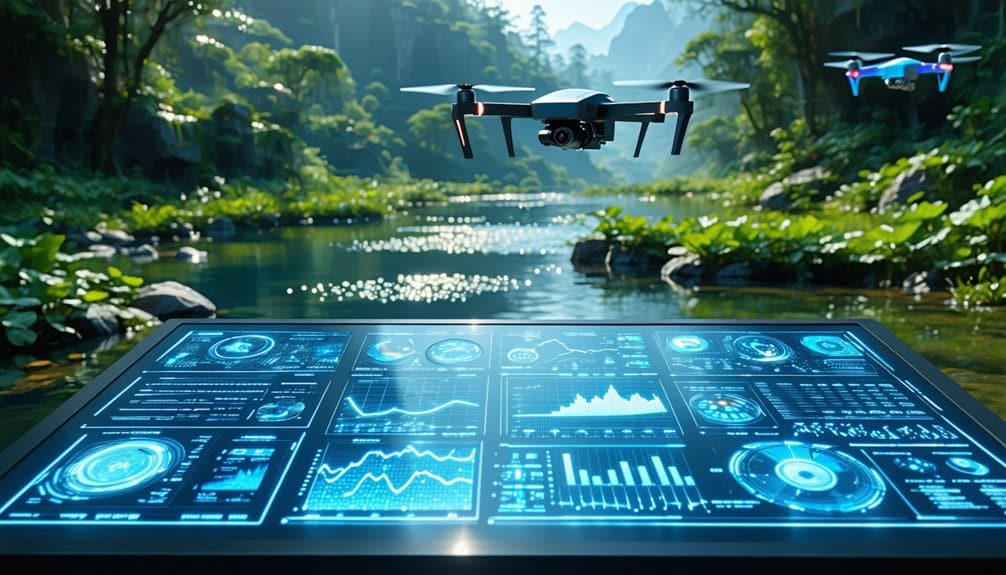
Successful implementations of innovative water management strategies have emerged worldwide, showcasing the potential for transformative change in resource efficiency.
These case studies illustrate how remote control technology can optimize water usage and enhance sustainability efforts.
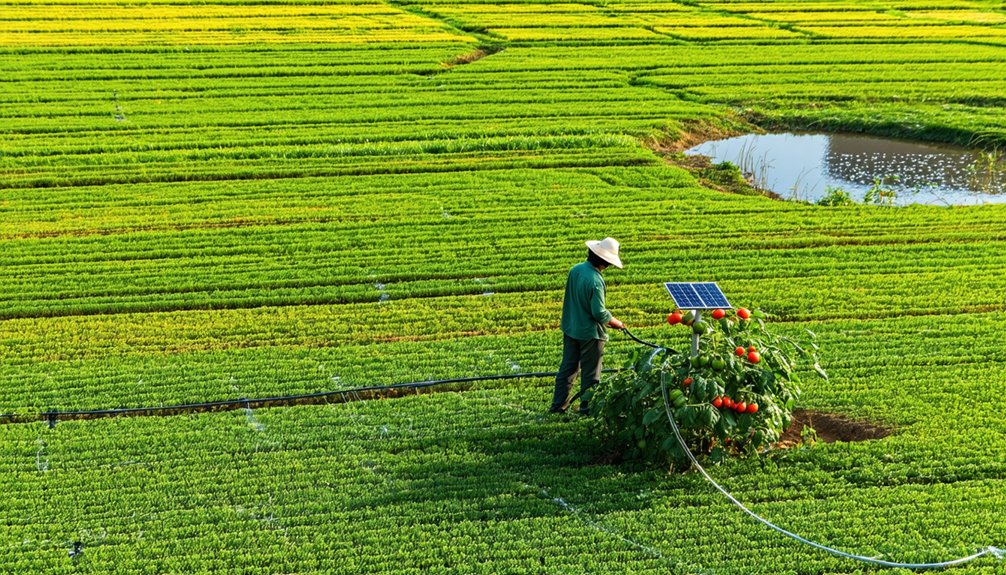
- In California, a smart irrigation system reduced water consumption by 30% in agricultural settings, significantly improving crop yields.
- A project in Singapore used real-time monitoring to manage urban stormwater, leading to a 50% decrease in flooding incidents during heavy rainfall.
- In Australia, remote-controlled water distribution networks increased access to clean water for remote communities, ensuring equitable resource allocation.
These examples highlight the successful integration of technology in water management, emphasizing its role in addressing global water challenges effectively.
Challenges and Solutions in Remote Water Management
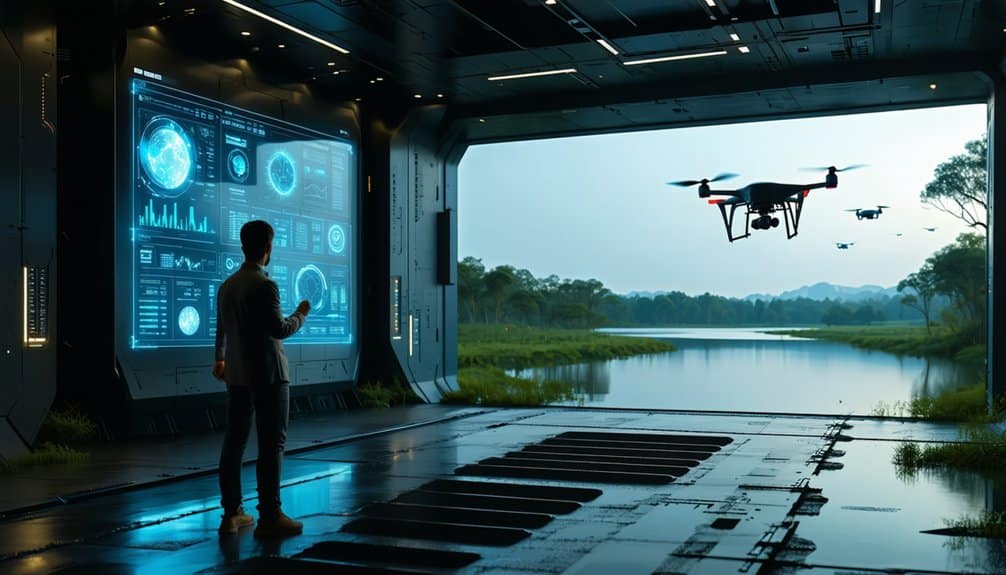
While remote water management offers significant advantages, it also faces several challenges that require innovative solutions. Key issues include data security, technology integration, and system reliability. Addressing these challenges is crucial for optimizing water resources effectively.
| Challenge | Solution |
|---|---|
| Data Security | Implement robust encryption and authentication protocols. |
| Technology Integration | Foster collaboration among stakeholders for standardization. |
| System Reliability | Conduct regular maintenance and updates to minimize downtime. |
Future Trends in Water Management Technology

Emerging technologies are set to transform water management practices significantly. Innovations in data analytics, artificial intelligence, and IoT (Internet of Things) are reshaping how water resources are monitored and controlled.
These advancements promise to enhance efficiency and sustainability while reducing waste.
- Smart Sensors: Deployment of real-time monitoring systems to detect leaks and optimize water distribution.
- Predictive Analytics: Utilization of advanced algorithms to forecast water demand and supply, enabling proactive management strategies.
- Decentralized Systems: Increased adoption of localized water treatment solutions, improving accessibility and reducing the burden on centralized infrastructures.
As these trends emerge, stakeholders will need to adapt to foster an integrated approach to water management that meets future challenges.
Best Practices for Adopting Remote Control Solutions
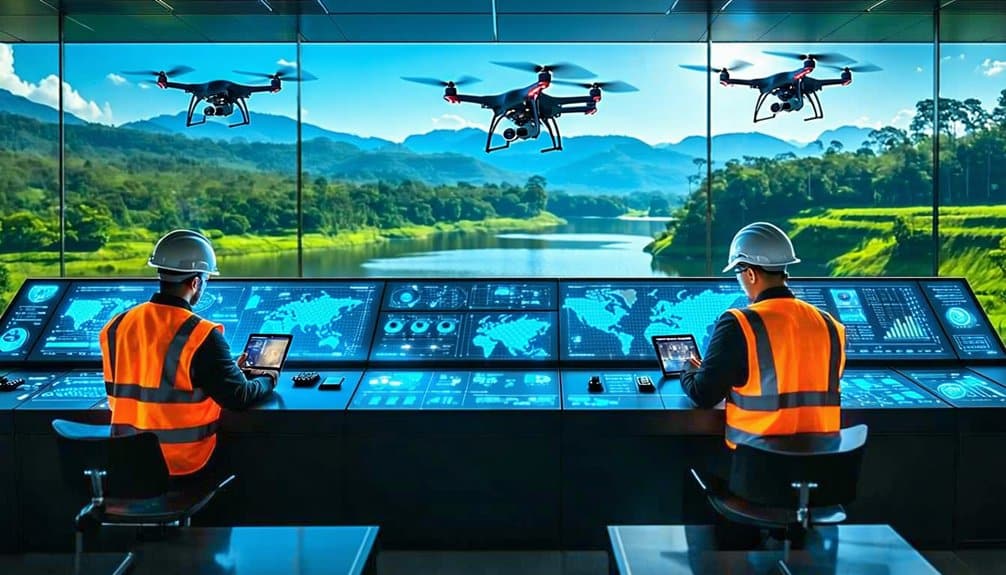
When adopting remote control solutions in water management, it is essential to first assess the infrastructure needs to ensure compatibility and effectiveness.
Additionally, prioritizing data security measures will protect sensitive information from potential breaches.
Comprehensive training and support strategies are also crucial to empower personnel in utilizing these advanced technologies successfully.
Assessing Infrastructure Needs
Assessing infrastructure needs is crucial for organizations seeking to implement remote control solutions in water management. A thorough evaluation enables organizations to identify the existing strengths and weaknesses of their systems, ensuring that new technologies are integrated effectively.
Key considerations during this assessment include:
- Current System Capabilities: Understanding the limitations and functionalities of existing infrastructure helps in determining necessary upgrades.
- Technological Compatibility: Ensuring that new remote control technologies align with current systems to avoid integration issues.
- Resource Availability: Evaluating financial and human resources is essential for sustaining long-term implementation and maintenance of remote control solutions.
Ensuring Data Security
As organizations implement remote control solutions in water management, ensuring data security becomes paramount to safeguard sensitive information and maintain system integrity.
Establishing robust encryption protocols is essential to protect data during transmission. Regularly updating software and firmware can mitigate vulnerabilities, while employing multi-factor authentication adds an extra layer of security.
Conducting periodic security audits helps identify potential weaknesses and address them proactively. Additionally, organizations should implement strict access controls, ensuring only authorized personnel can access sensitive systems.
Training employees on security best practices fosters a culture of vigilance. Finally, creating a comprehensive incident response plan ensures that organizations can swiftly address any potential breaches, minimizing damage and restoring normal operations efficiently.
These strategies collectively enhance data security in remote control applications.
Training and Support Strategies
Successful implementation of remote control solutions in water management requires effective training and support strategies to ensure that personnel can utilize these technologies efficiently.
Organizations must prioritize comprehensive training programs that not only cover the technical aspects of remote control systems but also emphasize best practices for data interpretation and decision-making.
Ongoing support is equally vital, fostering an environment where employees feel comfortable seeking assistance and sharing feedback.
- Hands-on Training Sessions: Provide practical experience with equipment to build confidence.
- Regular Workshops and Refresher Courses: Keep staff updated on system upgrades and new features.
- Dedicated Support Teams: Establish a knowledgeable team for troubleshooting and guidance, enhancing user experience and operational efficiency.
Conclusion
In conclusion, the integration of remote control technology in water management signifies a pivotal shift towards enhanced efficiency and sustainability. By leveraging IoT sensors and automated systems, urban water distribution networks can optimize resource allocation, swiftly address issues, and lower operational costs. As challenges are met with innovative solutions, the future of water management promises to be more resilient and adaptive, ensuring that urban populations benefit from reliable and sustainable water resources.