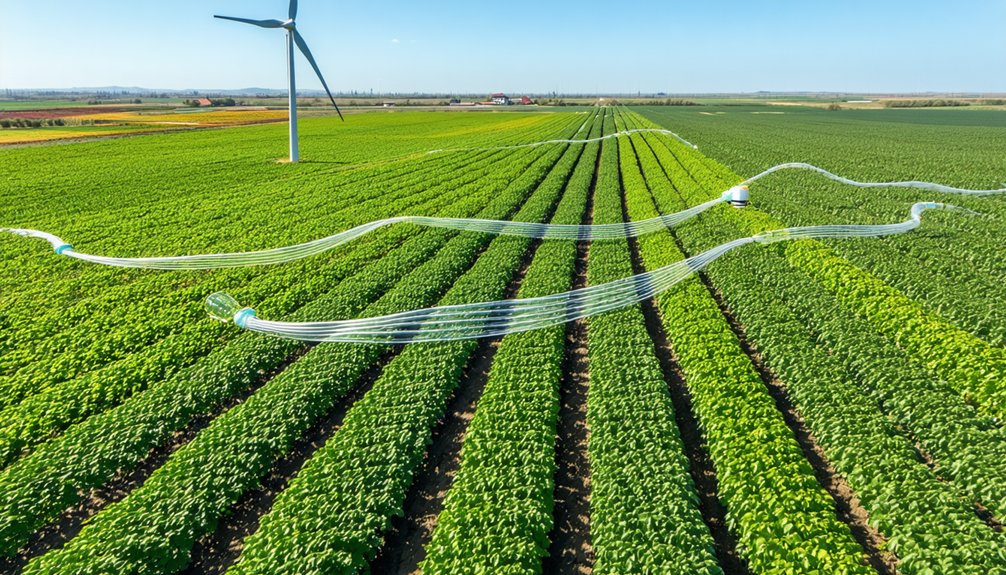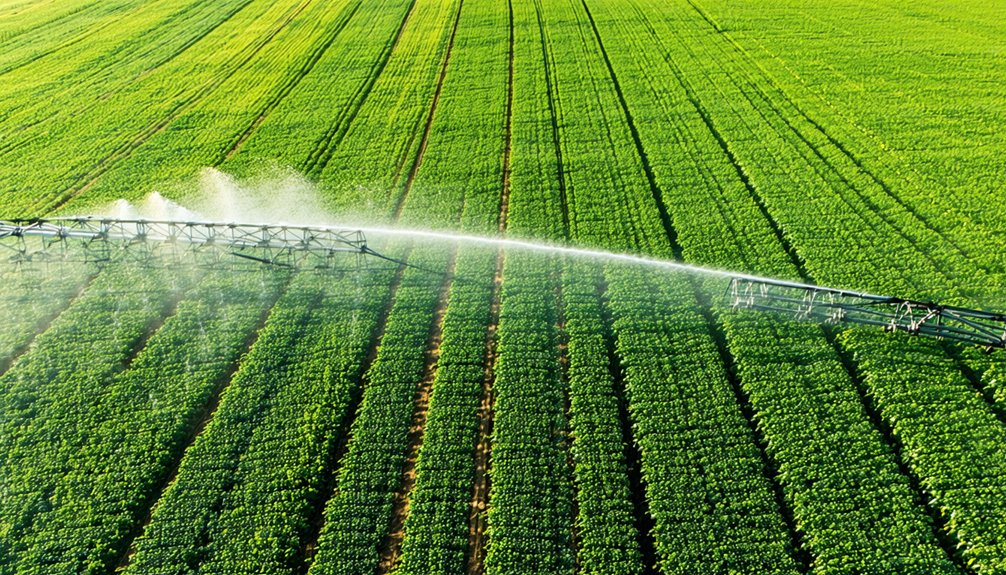
Maximizing crop yields with a wheel line irrigation system requires a strategic approach to water management. These systems offer benefits such as uniform distribution and reduced waste. Understanding how to tailor irrigation to specific crops can significantly impact productivity. However, challenges remain in implementation and maintenance. Exploring these factors can reveal key insights into enhancing agricultural efficiency and sustainability. What specific techniques can further elevate the effectiveness of these systems?
Key Takeaways
- Ensure optimal moisture levels by selecting the right crops, such as corn and alfalfa, for wheel line irrigation systems.
- Implement regular maintenance, including inspecting for leaks and cleaning nozzles, to enhance system efficiency.
- Utilize automation for precise water delivery, reducing labor costs and minimizing human error in irrigation practices.
- Monitor soil compatibility and adjust system layout to maximize uniform water distribution and prevent overlaps.
- Adopt precision irrigation technology for real-time adjustments, improving water efficiency and crop health for higher yields.
Understanding Wheel Line Irrigation Systems
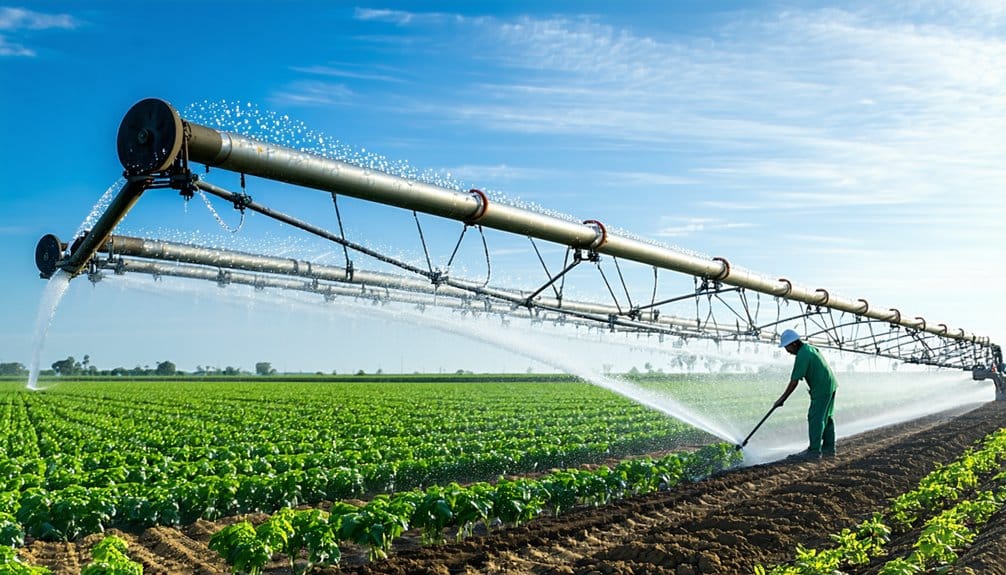
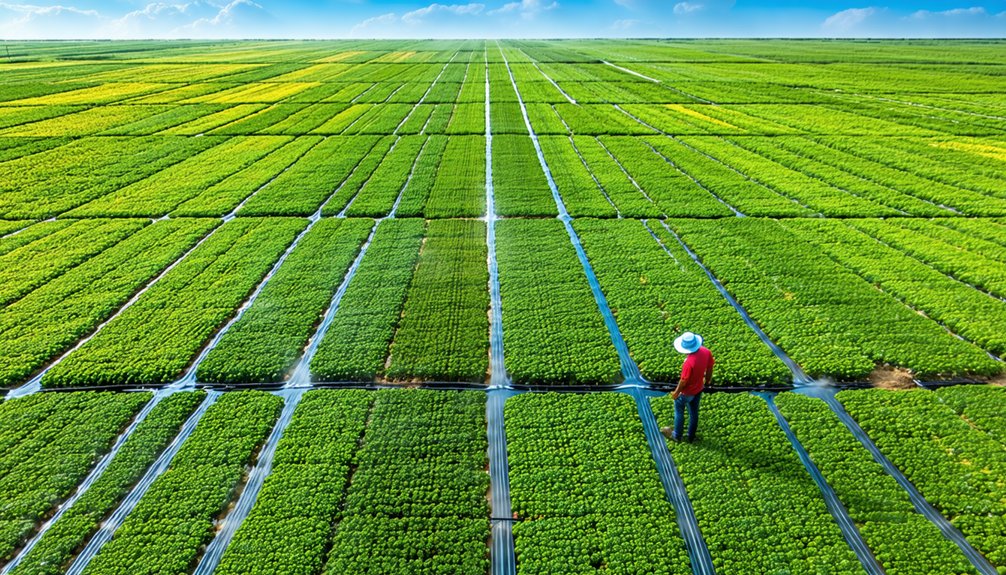
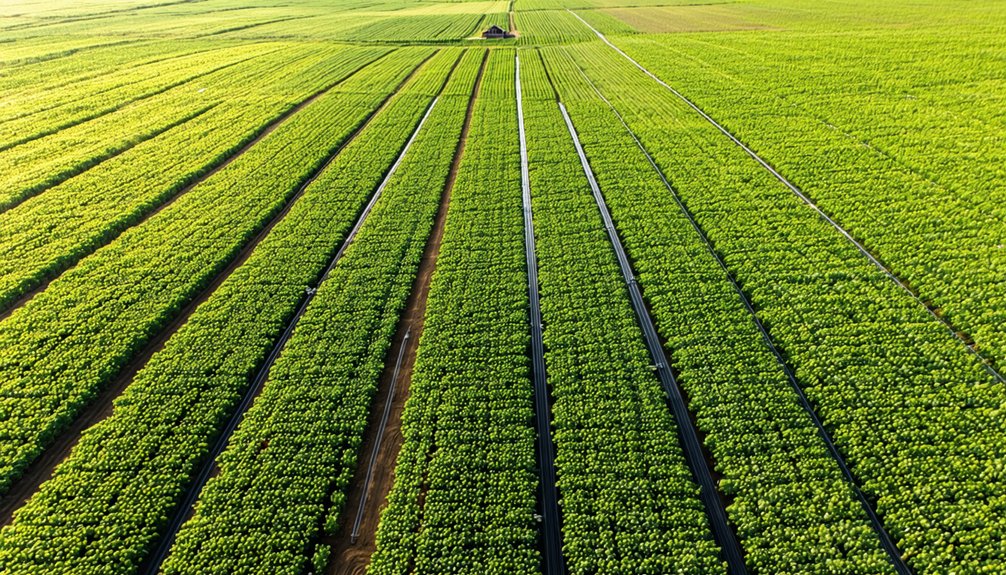
Wheel line irrigation systems are pivotal in modern agricultural practices, offering a versatile solution for efficient water distribution. These systems consist of a series of wheeled, movable pipes that transport water across fields.
Designed for flexibility, wheel line irrigation allows farmers to adjust the system’s layout according to crop needs and field configurations. This adaptability enhances agriculture water management by ensuring that water reaches the root zones of plants effectively.
Moreover, wheel line irrigation systems can be automated, further improving their efficiency and ease of use. By minimizing water waste and providing targeted irrigation, these systems play a crucial role in optimizing crop growth and maintaining soil health, essential for sustainable agricultural practices.
Key Advantages of Wheel Line Irrigation
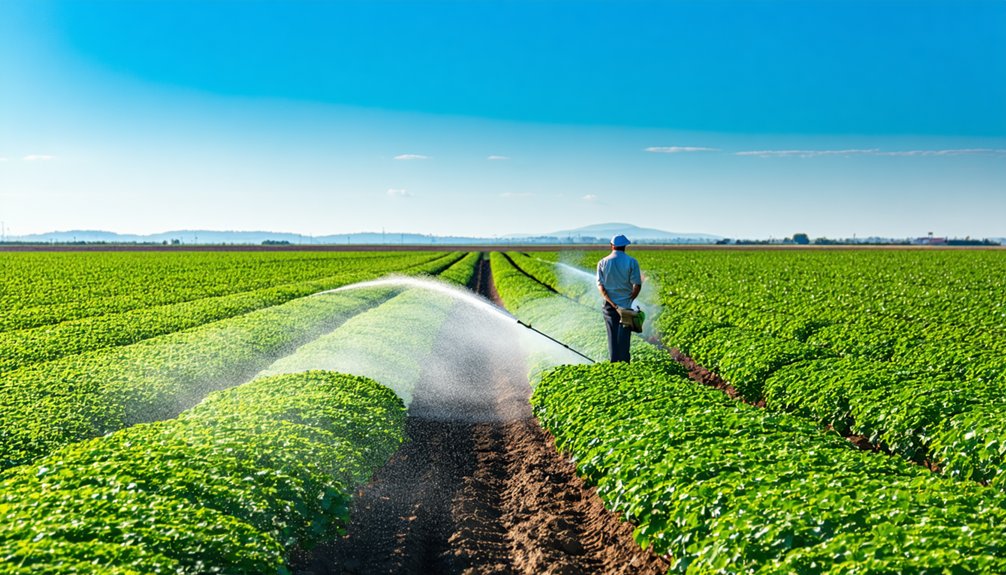
Wheel line irrigation offers several key advantages that can significantly enhance agricultural productivity.
Its efficient water distribution ensures optimal moisture levels for crops, while also reducing labor costs through automated operation.
Additionally, the system’s versatility allows for various crop applications, making it suitable for diverse farming practices.
Efficient Water Distribution
When considering irrigation systems, efficient water distribution stands out as a significant advantage of wheel line irrigation. This method provides uniform coverage across fields, which is essential for maximizing farm irrigation efficiency.
Wheel line systems utilize a series of movable pipes that can be adjusted to deliver water precisely where it is needed, ensuring optimal moisture levels for crops. Compared to traditional crop irrigation methods, wheel lines reduce water waste and minimize runoff, making them an environmentally friendly choice.
Labor Cost Reduction
By streamlining the irrigation process, wheel line systems significantly reduce labor costs associated with traditional farming methods.
The automation and efficiency of these systems allow farmers to allocate resources more effectively, minimizing the need for extensive manual labor. This reduction in labor not only cuts costs but also enhances productivity, enabling farmers to focus on other critical aspects of crop management.
- Less time spent on manual irrigation tasks
- Decreased need for additional labor force
- Enhanced operational efficiency, allowing for multitasking
Versatile Crop Application
The adaptability of wheel line irrigation systems extends beyond labor cost reduction, offering significant advantages for diverse crop applications.
These systems can efficiently accommodate various crops, including vegetables, grains, and fruits, by providing adjustable watering patterns and rates. This versatility allows farmers to tailor irrigation to specific plant needs, ensuring optimal growth conditions and maximizing yield potential.
Moreover, wheel line systems can be easily repositioned to target different fields or sections, enhancing operational flexibility. The ability to manage water distribution precisely also aids in minimizing water waste, promoting sustainable farming practices.
Ultimately, the versatility of wheel line irrigation supports a range of agricultural practices, making it an invaluable tool for modern farmers seeking to improve productivity and resource management.
Optimal Crop Selection for Wheel Line Systems
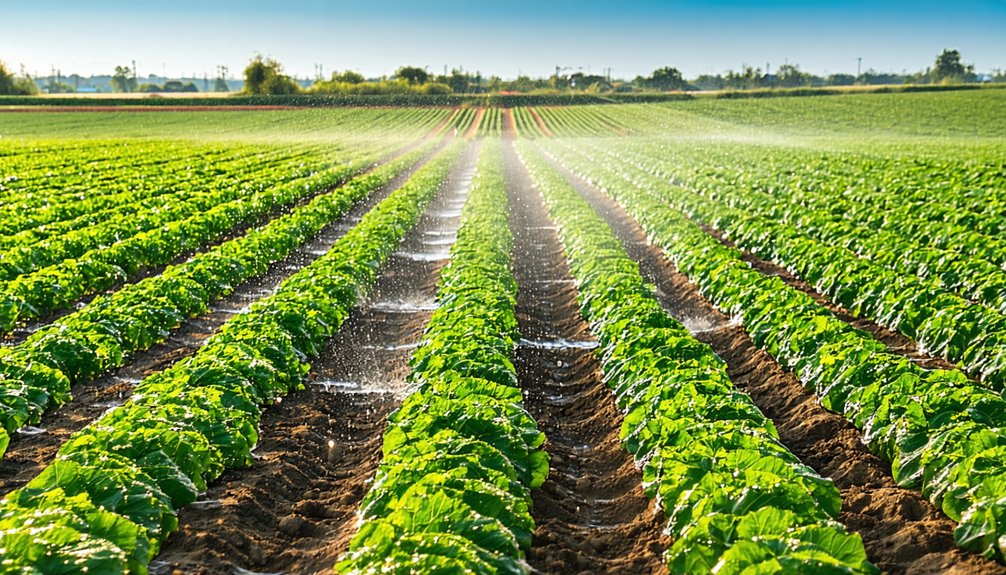
Optimal crop selection for wheel line irrigation systems is crucial for maximizing yields.
Farmers must consider both the best crops suited for irrigation and the compatibility of their soil types to ensure successful growth.
Best Crops for Irrigation
Selecting the best crops for wheel line irrigation systems can significantly enhance agricultural productivity, particularly when considering water efficiency and growth requirements.
Certain crops thrive under these irrigation systems due to their adaptability to consistent moisture and nutrient availability.
- Corn: This crop benefits from regular watering, as it requires substantial moisture during its growth stages.
- Alfalfa: Known for its deep root system, alfalfa effectively utilizes the water provided by wheel line systems while promoting soil health.
- Vegetables: Many vegetables, including lettuce and tomatoes, require precise moisture levels for optimal growth, making them ideal candidates for irrigation.
Soil Compatibility Considerations
Understanding soil compatibility is crucial for maximizing the effectiveness of wheel line irrigation systems, as different soil types can significantly affect water retention and nutrient availability.
Sandy soils, for example, drain quickly and may require more frequent irrigation, while clay soils retain water but can lead to waterlogging if over-irrigated.
Loamy soils, considered ideal for many crops, balance drainage and retention effectively.
When selecting crops, farmers must evaluate the soil’s texture, structure, and organic matter content to determine the most suitable options.
Additionally, soil pH and salinity levels should be assessed, as these factors influence nutrient uptake.
Installation Process for Wheel Line Irrigation
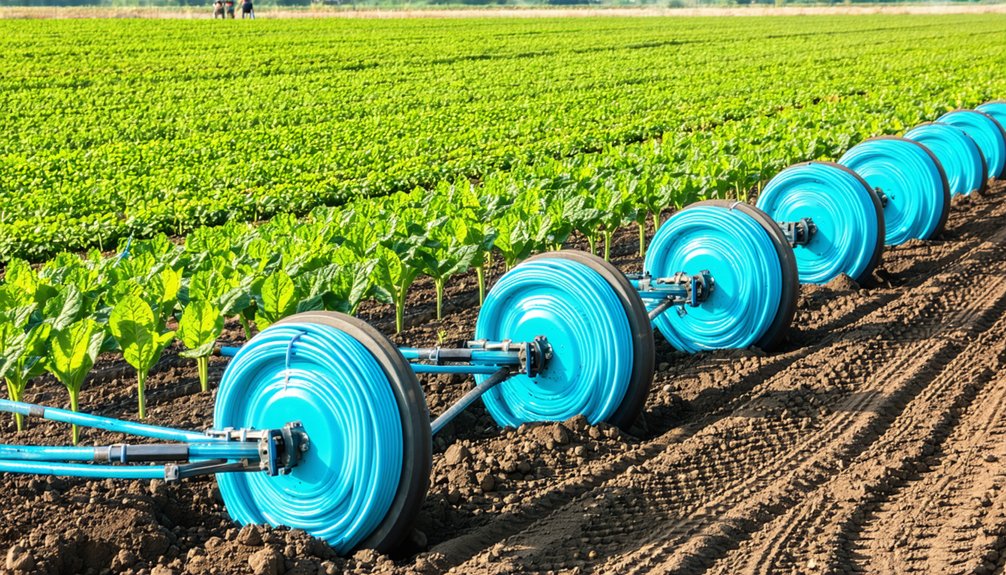
The installation process for wheel line irrigation requires careful planning and execution to ensure efficiency and effectiveness.
This systematic approach is essential for achieving optimal water distribution across the fields.
Key steps in the installation process include:
- Site Assessment: Evaluating soil type, topography, and existing water sources to determine the best layout and equipment required.
- Equipment Selection: Choosing appropriate wheel line systems based on field size, crop type, and water availability to maximize performance.
- System Layout: Strategically positioning the wheel lines to minimize overlaps and ensure uniform coverage, which helps in reducing water waste.
Adhering to these guidelines can significantly enhance the performance of the irrigation system, ultimately contributing to improved crop yields.
Efficient Operation Techniques
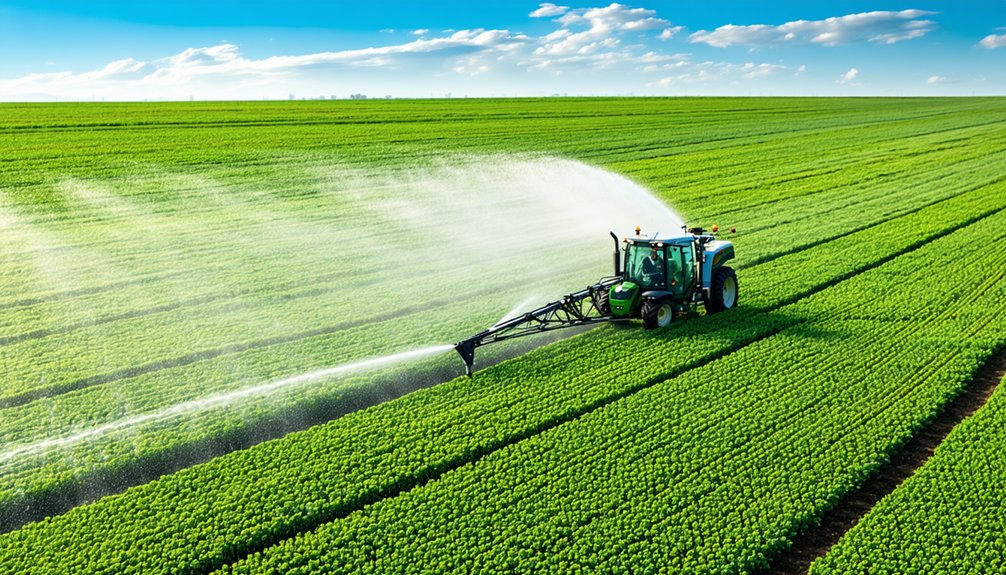
Optimizing wheel line irrigation requires the implementation of efficient operation techniques that can enhance water distribution and minimize resource waste.
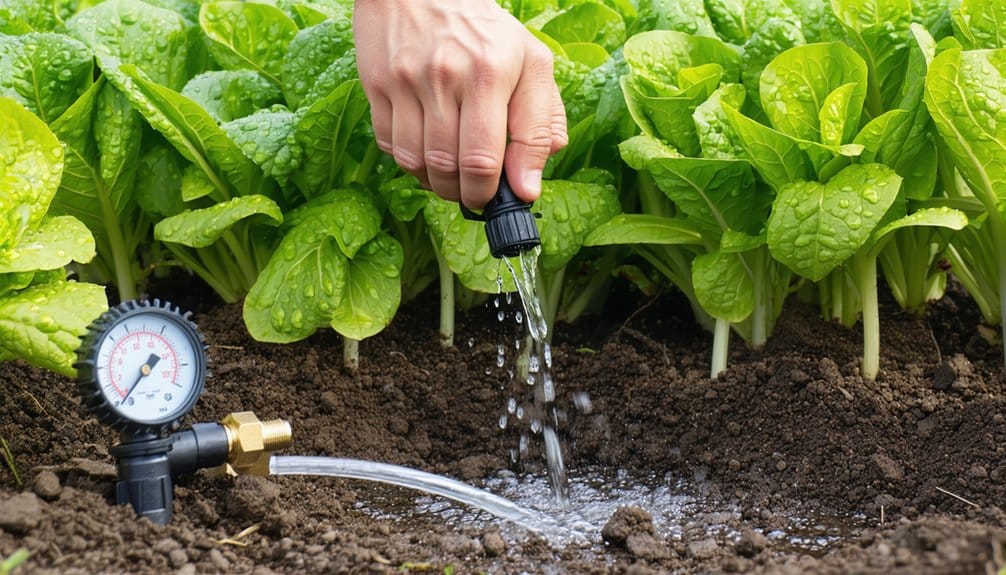
Proper scheduling of irrigation sessions is crucial, ensuring that water is delivered during optimal times to maximize absorption and reduce evaporation. Additionally, monitoring soil moisture levels can help determine the precise amount of water needed, preventing over-irrigation.
Adjusting the speed of the wheel line can also improve coverage uniformity, allowing for better application rates. Utilizing flow meters aids in monitoring water usage, ensuring that systems operate within designed parameters.
Furthermore, implementing windbreaks can reduce wind drift, improving overall efficiency. By adopting these techniques, farmers can significantly boost crop yields while conserving water resources.
Maintenance Best Practices
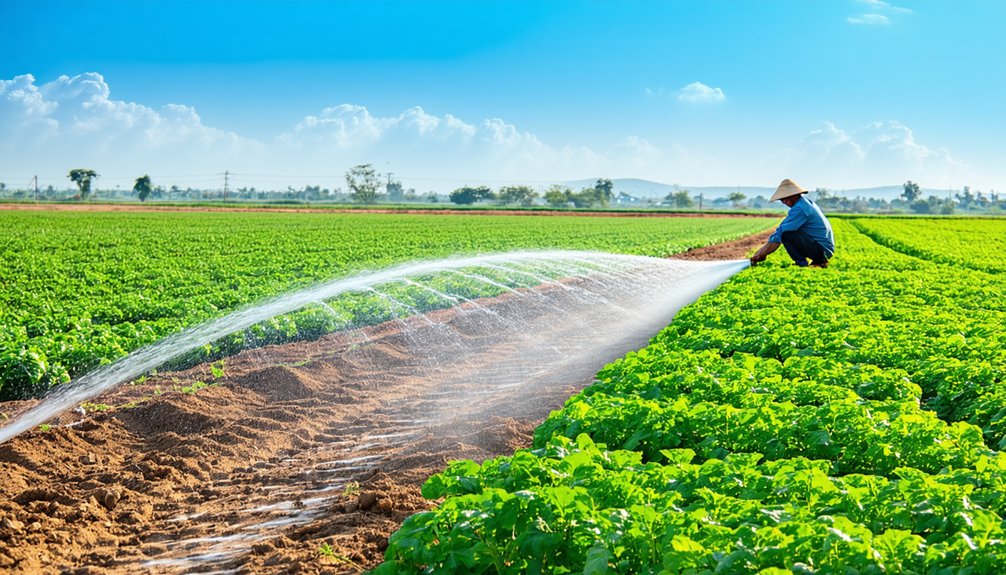
Regular maintenance of wheel line irrigation systems is essential to ensure their longevity and efficiency. This proactive approach minimizes downtime and enhances productivity, ultimately benefiting crop yields.
Key practices should be implemented routinely to maintain optimal performance.
- Inspect and clean the irrigation lines and nozzles to prevent clogging.
- Check for leaks or wear in hoses and connectors, replacing any damaged components promptly.
- Lubricate moving parts, such as wheels and pivot points, to ensure smooth operation.
Troubleshooting Common Issues
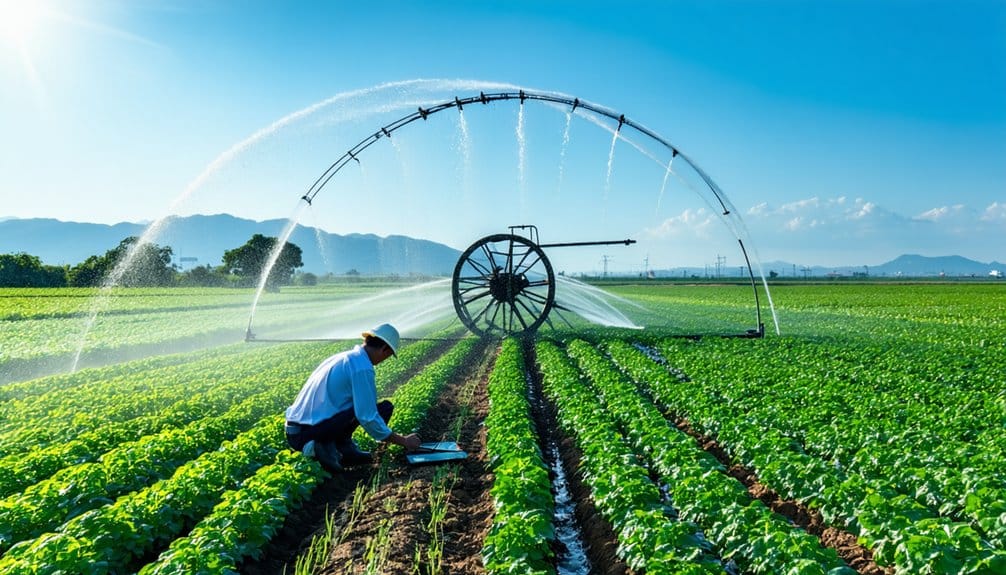
Effective maintenance practices set the foundation for identifying and resolving issues within wheel line irrigation systems.
Common problems include uneven water distribution, which may result from clogged nozzles or misaligned wheels. Regular inspections can help detect these issues early.
Additionally, leaks in hoses or fittings can cause water loss and reduce efficiency; operators should routinely check for signs of wear or damage.
Furthermore, inadequate pressure can lead to poor irrigation performance, necessitating an evaluation of pump functionality and system design.
Addressing these issues promptly not only ensures optimal water delivery but also maximizes crop yields.
Future Trends in Irrigation Technology
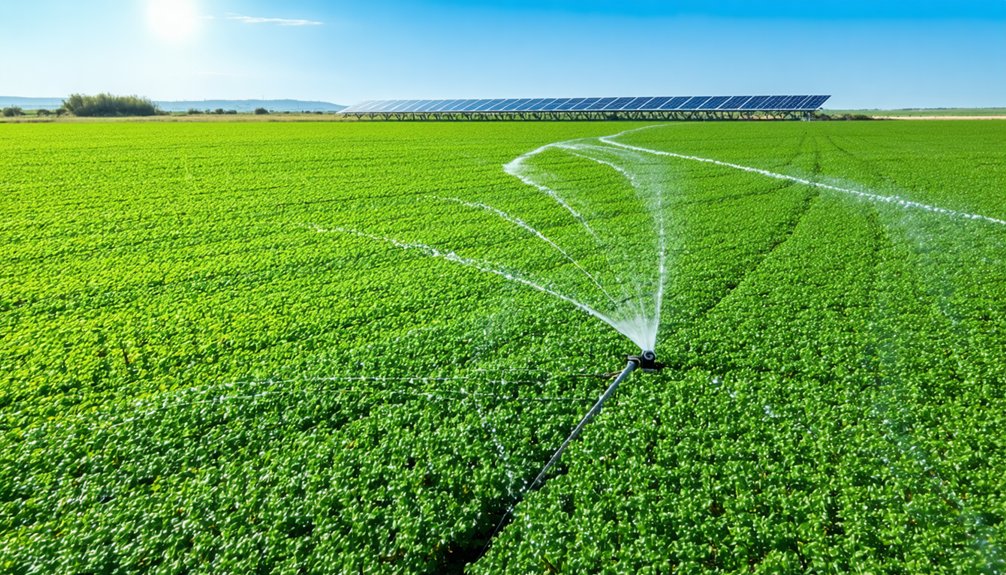
As agricultural demands continue to evolve, advancements in irrigation technology are poised to revolutionize how farmers manage water resources. Innovations such as precision irrigation, automation, and data analytics are transforming traditional practices.
These trends not only enhance efficiency but also contribute to sustainable water use, which is critical in an era of climate uncertainty.
- Precision Irrigation: Delivers the right amount of water to crops based on real-time data.
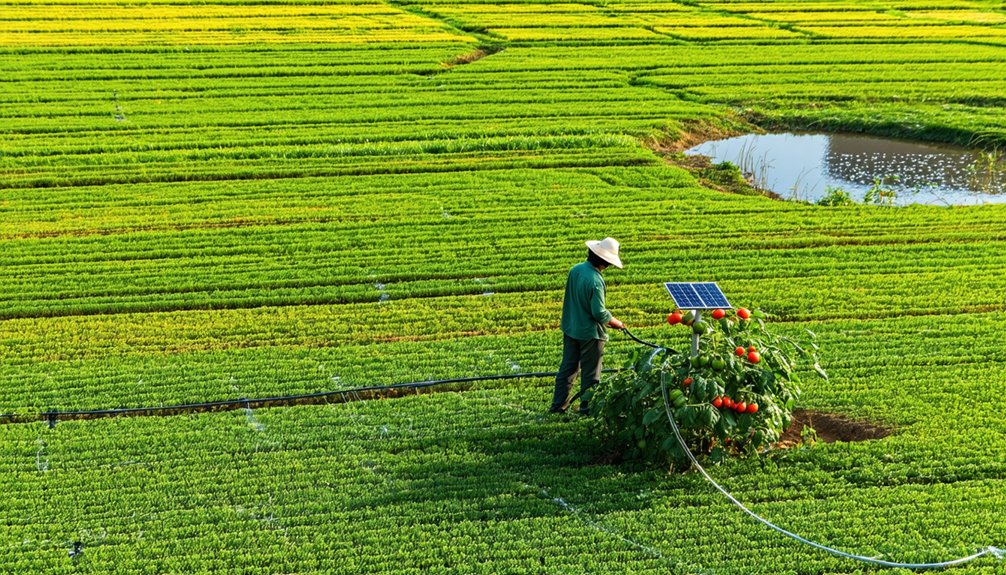
- Automation: Reduces labor costs and human error through smart irrigation systems.
- Data Analytics: Helps in predicting crop needs and optimizing water usage through collected insights.
These advancements ensure that farmers can meet increasing production demands while conserving precious water resources.
Conclusion
In conclusion, wheel line irrigation systems offer a practical solution for maximizing crop yields through efficient water distribution and tailored moisture management. By understanding their advantages, selecting appropriate crops, and implementing best practices in installation and maintenance, farmers can significantly enhance productivity. Additionally, staying informed about future trends in irrigation technology will further empower agriculturalists to adopt innovative strategies, ultimately fostering sustainable practices and ensuring long-term agricultural success.