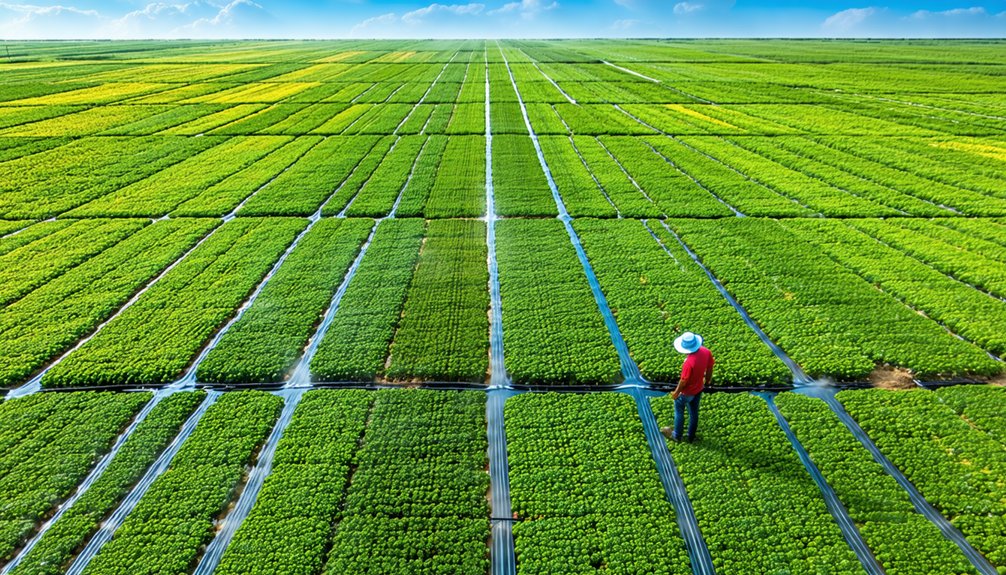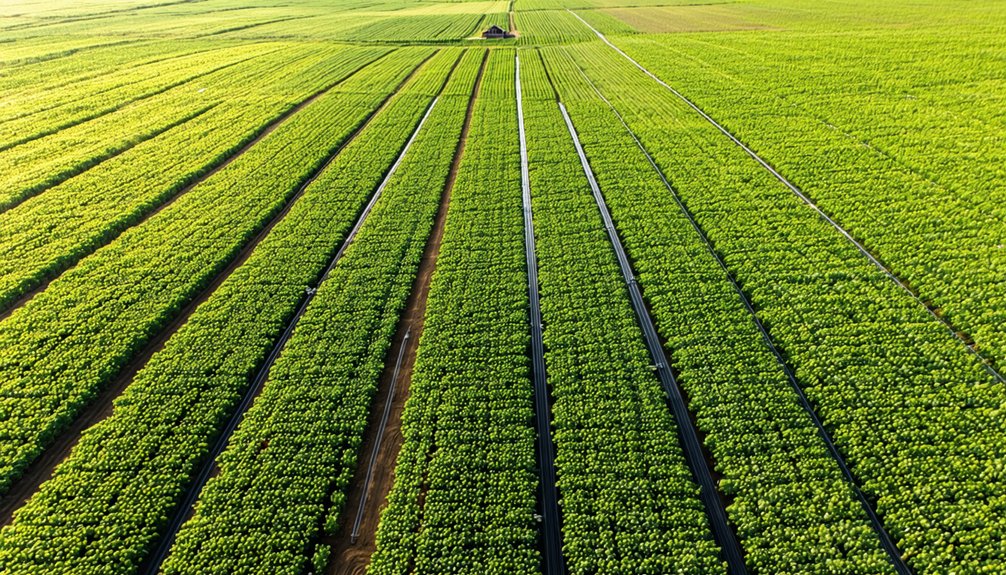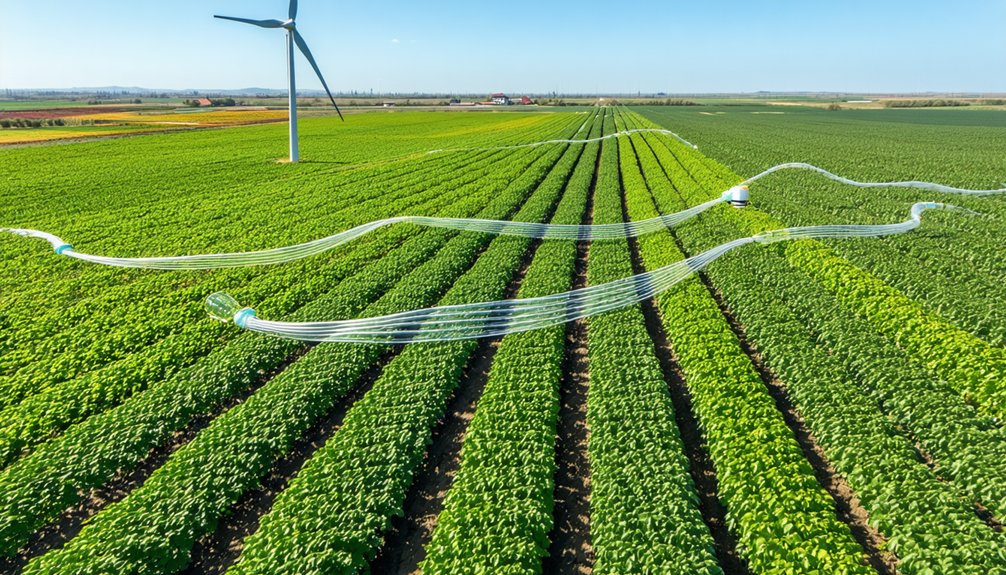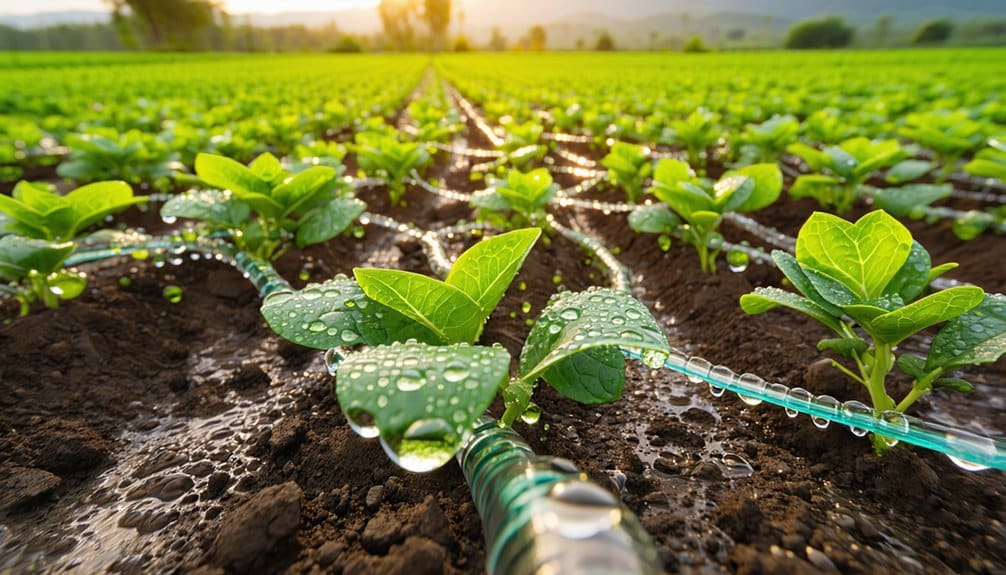
If you’re curious about how drip irrigation can transform your gardening or farming practices, you’re not alone. This efficient watering method directly connects water to plant roots, promoting healthier growth and conserving resources. But how does it all work? Understanding the components and mechanics of a drip irrigation system can help you make informed decisions for your plants. Let’s explore the intricacies behind this innovative approach.
The Basics of Drip Irrigation
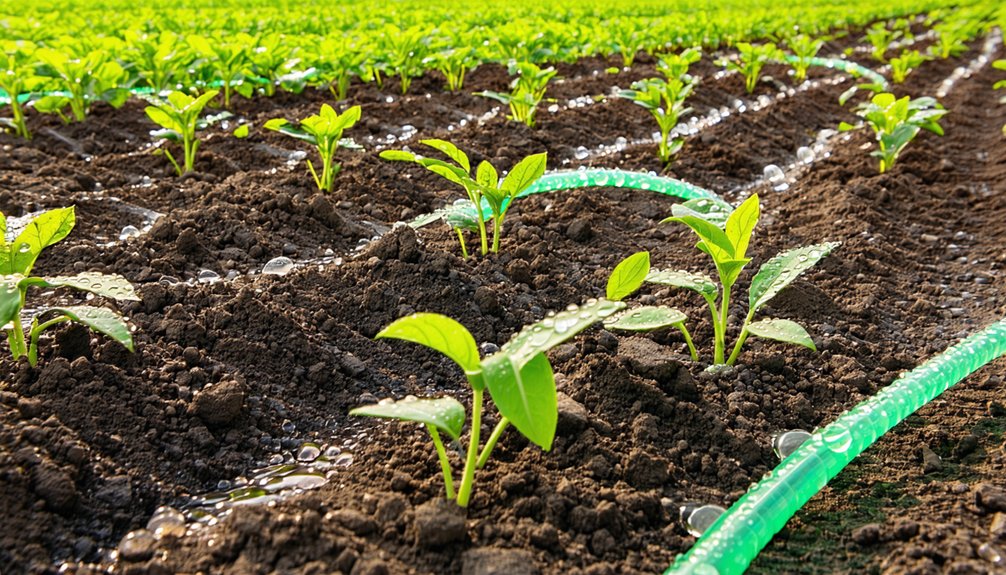
Drip irrigation is a smart and efficient way to water your plants directly at their roots. This method minimizes water waste and promotes healthier growth.
Essentially, drip irrigation delivers water slowly and precisely through a network of tubing and emitters. You might wonder how drip irrigation works—well, it uses pressure to push water through the system, ensuring each plant gets exactly what it needs.
When planning your drip irrigation setup, consider the layout of your garden and the specific needs of your plants. You’ll want to ensure even coverage and adjust flow rates accordingly.
Components of a Drip Irrigation System
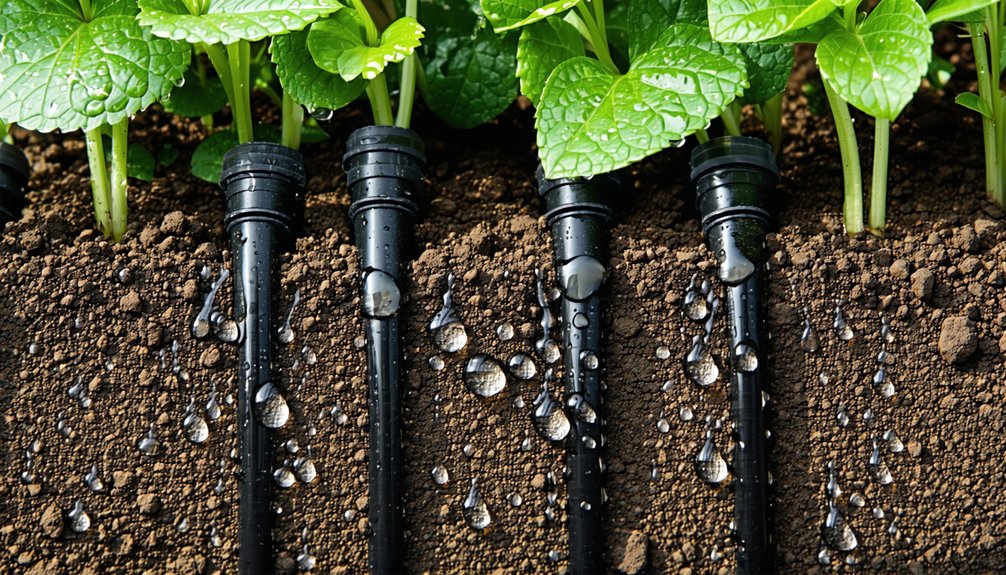
A successful drip irrigation system relies on several key components that work together to deliver water directly to your plants’ roots.
First, you’ll need a reliable water source, such as a tank or municipal supply. Next, a filter ensures your system stays clean by removing debris.
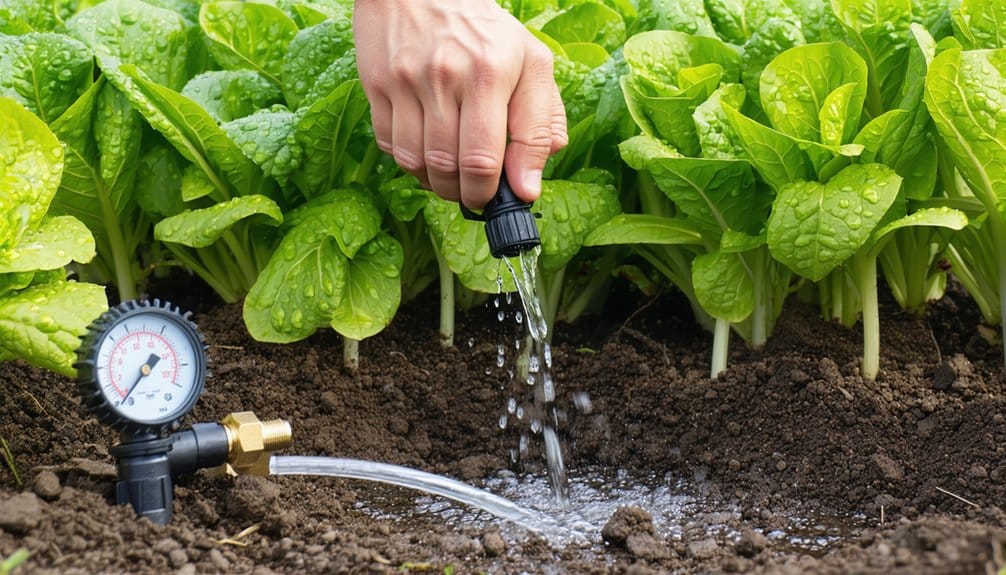
Pressure regulators are essential for maintaining an optimal water flow, while tubing transports water to each plant. Emitters, or drippers, control the water release, allowing for targeted delivery.
These components create the benefits of drip irrigation, like conserving water and reducing weed growth.
When setting up your drip irrigation application, ensure each part is correctly installed to maximize efficiency and promote healthy plant growth.
With the right components, your garden will thrive!
How Drip Irrigation Works
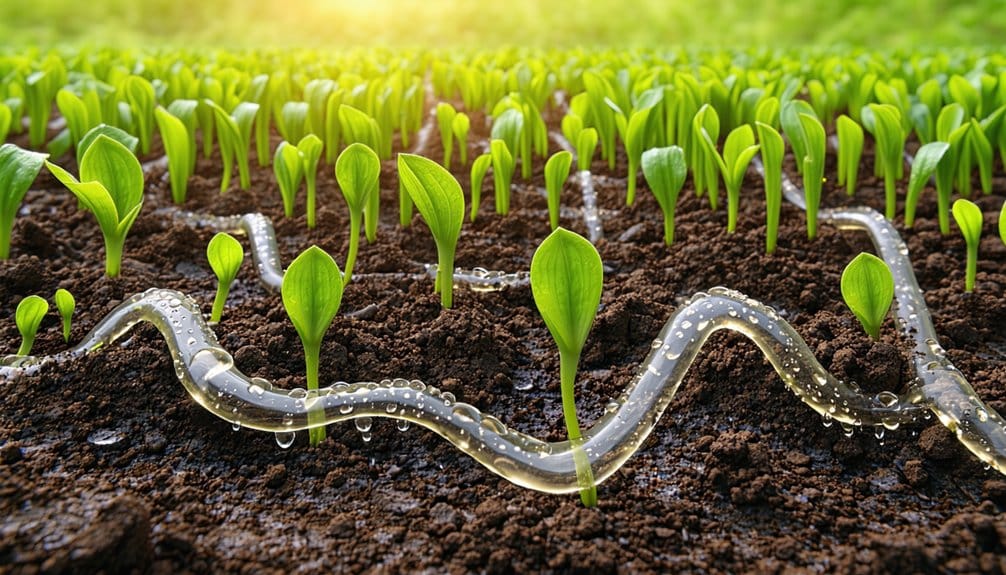
Understanding how drip irrigation works is essential for anyone looking to optimize their watering practices. This efficient system delivers water directly to your plants’ roots through a network of tubing and emitters.
As water flows from a central source, it travels through the mainline and lateral lines, reaching each emitter. These emitters release controlled amounts of water at a slow rate, ensuring your plants get the moisture they need without wastage.
You can adjust the flow rate and timing based on your plants’ specific requirements. By using pressure regulators and filters, you’ll maintain a consistent water supply while preventing clogs.
This method reduces evaporation and runoff, making it a sustainable choice for your garden or farm.
Advantages of Drip Irrigation
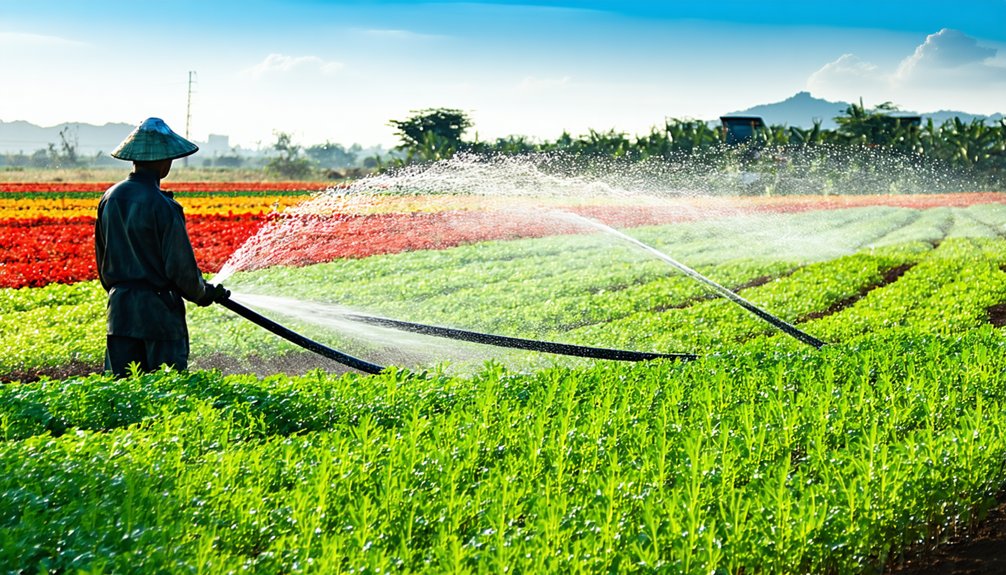
One of the biggest advantages of drip irrigation is its ability to conserve water while maximizing plant growth. By delivering water directly to the root zone, you minimize evaporation and runoff, ensuring every drop counts. This targeted approach not only saves water but also promotes healthier plants, as they receive consistent moisture.
Additionally, drip irrigation reduces weed growth since water isn’t spread over the entire area. This means less competition for your plants and fewer resources wasted.
You’ll also enjoy reduced labor costs since the system requires less manual intervention. Moreover, with less disease risk due to limited water on foliage, your plants thrive.
Common Applications of Drip Irrigation
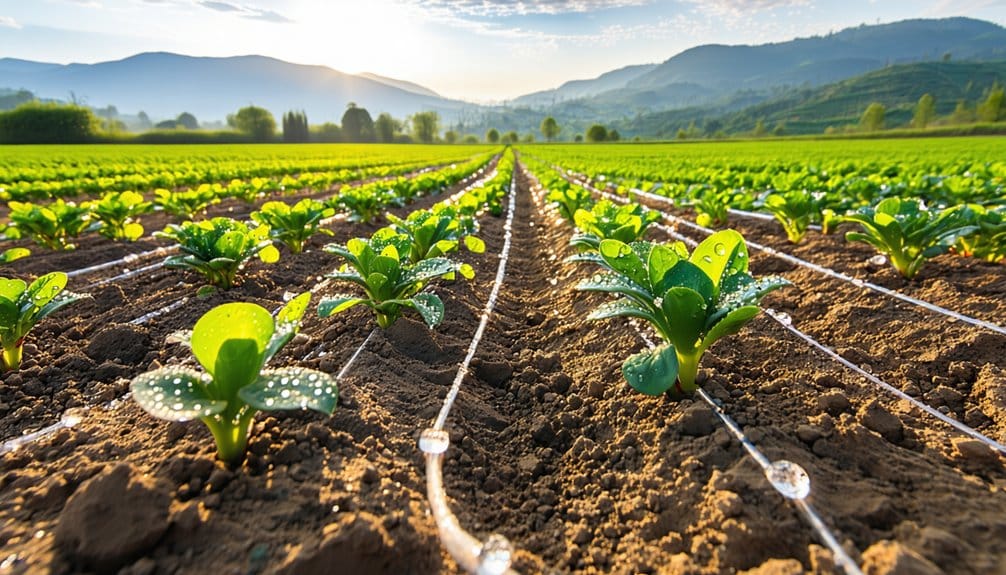
Drip irrigation finds its place in various agricultural and horticultural settings, making it a versatile choice for many growers.
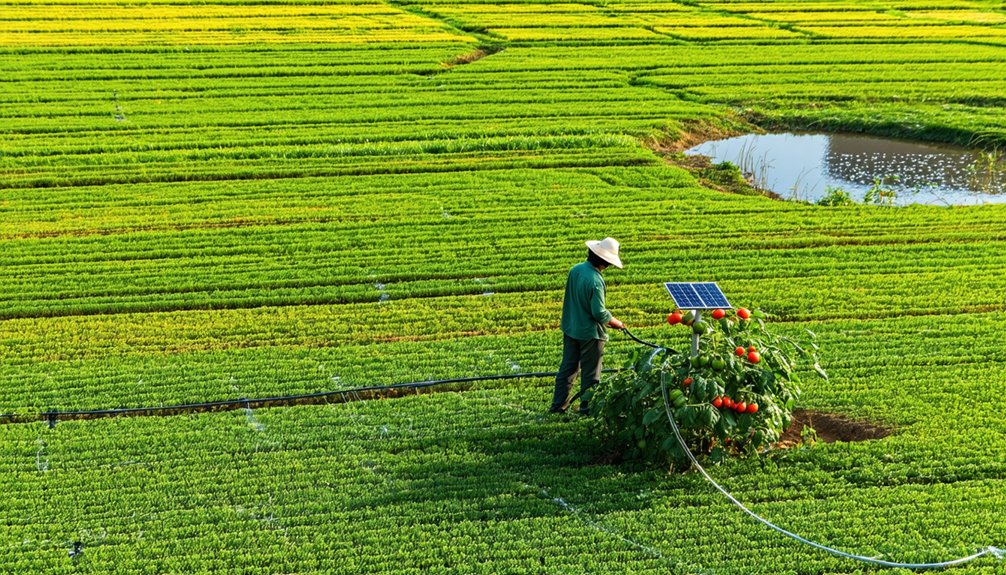
You can use it effectively in row crops, such as tomatoes and peppers, where precise watering is crucial for optimal growth. Drip systems are also ideal for orchards, ensuring that each tree receives the right amount of moisture without waste.
In landscaping, you can keep your flower beds and shrubs healthy with targeted watering, reducing the risk of disease. Greenhouses benefit from drip irrigation too, allowing for controlled moisture levels in a compact space.
Whether you’re cultivating vegetables, fruits, or ornamental plants, drip irrigation can enhance your yield and conserve water, giving you a sustainable edge in your gardening efforts.
Installation and Maintenance Tips
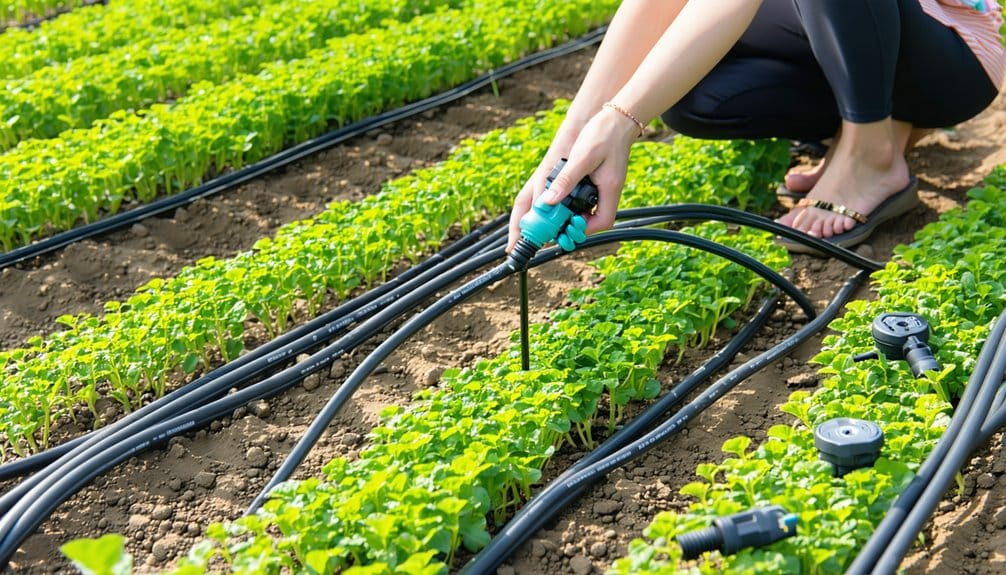
When setting up a drip irrigation system, it’s essential to plan your layout carefully to ensure efficient water distribution.
Start by mapping out your garden or field, noting the types of plants and their water requirements. Use high-quality materials, like UV-resistant tubing, to ensure durability.
Position your mainline near a water source and run it along your planting rows. Install emitters at appropriate intervals based on plant needs. Regularly check for clogs and leaks, as these can waste water.
During maintenance, flush the system to remove any debris and adjust the emitters if necessary.
Don’t forget to winterize your system by draining water to prevent damage from freezing temperatures. Following these tips will help keep your drip irrigation system running smoothly.
Environmental Impact of Drip Irrigation
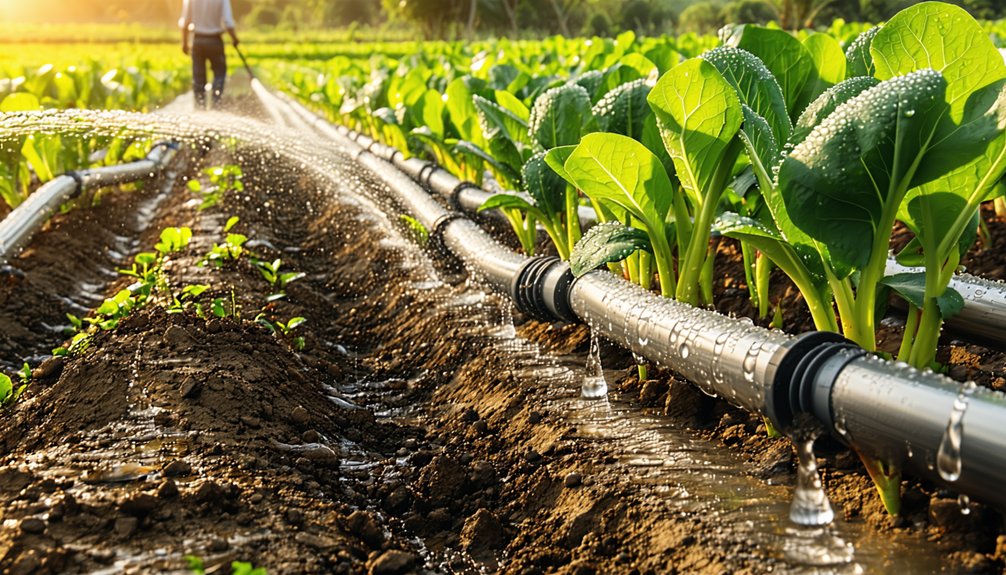
The environmental impact of drip irrigation is significant, especially when it comes to conserving water. By delivering water directly to plant roots, you minimize evaporation and runoff, which means every drop counts. This efficient system allows you to grow crops in arid regions, reducing the need for water extraction from natural sources.
Additionally, using less water helps maintain local ecosystems and supports biodiversity.
Drip irrigation also lowers the risk of soil erosion and nutrient leaching, promoting healthier soil over time. You’ll find that this method can lead to reduced pesticide usage, as water is applied precisely where it’s needed.
Conclusion
In conclusion, drip irrigation is a game-changer for efficient gardening and farming. By delivering water right to the roots, it not only conserves water but also promotes healthier plants. With its easy installation and low maintenance, you can reap the benefits while being environmentally friendly. Whether you’re growing vegetables in your backyard or managing a large agricultural field, adopting drip irrigation can transform your approach to watering and help you achieve sustainable growth.