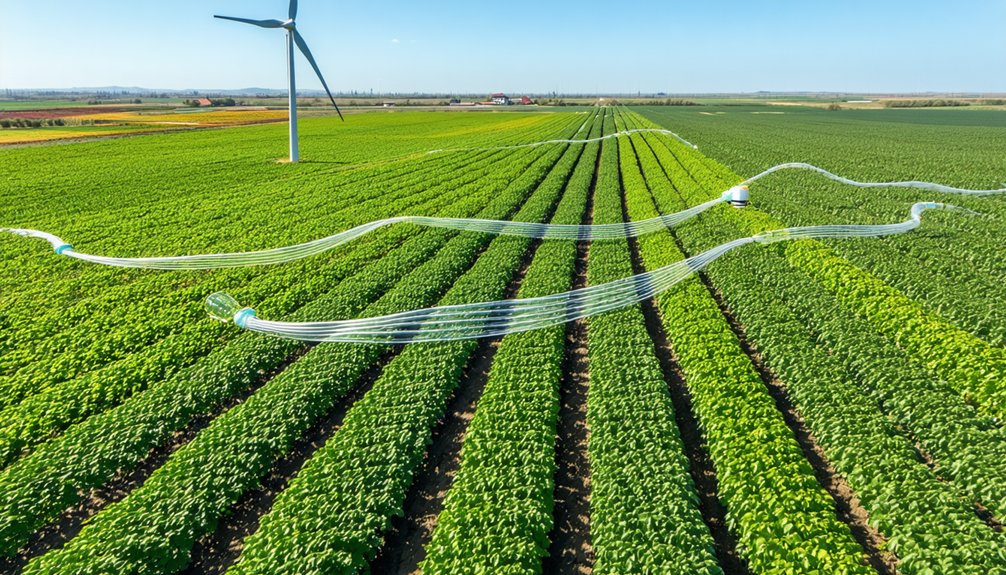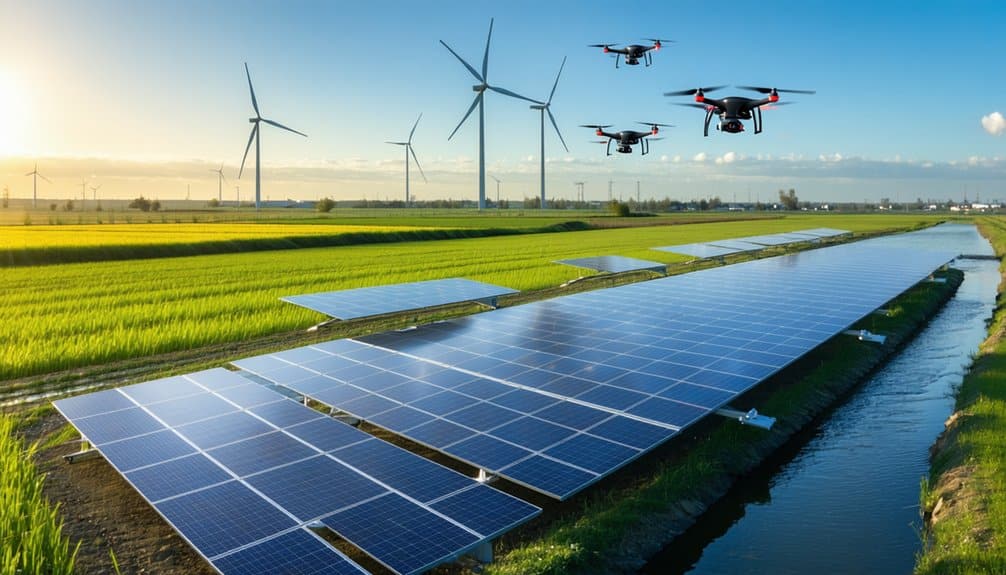

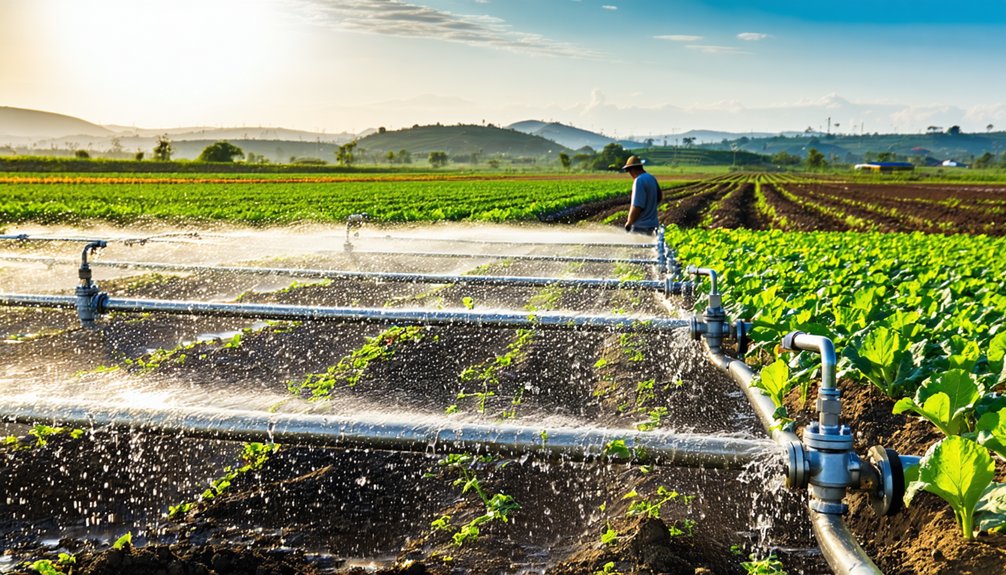
Traveling irrigation systems offer a modern solution for efficient water management in agriculture. Understanding the costs associated with these systems is crucial for farmers aiming for sustainability. Various factors, such as installation expenses and ongoing maintenance, play significant roles in the total budget. Additionally, environmental regulations and local labor rates can influence overall expenditures. As farmers evaluate their options, they must consider how these elements will impact their long-term investment strategy. What insights will emerge from a deeper analysis?
Key Takeaways
- Traveling irrigation systems vary in cost based on field size, crop type, local climate, and equipment quality.
- Installation expenses depend on system complexity, labor availability, and site preparation requirements.
- Ongoing maintenance and operational costs include energy, water fees, and compliance with regulations.
- Environmental regulations and assessments may incur additional administrative fees before installation.
- Conducting a cost-benefit analysis is essential for evaluating initial investments against long-term savings and operational efficiency.
Overview of Traveling Irrigation Systems
Traveling irrigation systems represent a significant advancement in agricultural technology, designed to enhance water efficiency across various landscapes.
These systems utilize a mobile setup that moves across fields, distributing water evenly and effectively. Farmers benefit from improved crop yields while conserving water resources.
When considering an irrigation system cost, factors such as the size of the field, type of crops, and local climate play a crucial role.
Establishing a budget for an irrigation system is essential for farmers to ensure they select a system that meets their needs without overspending.
Key Components Affecting Costs
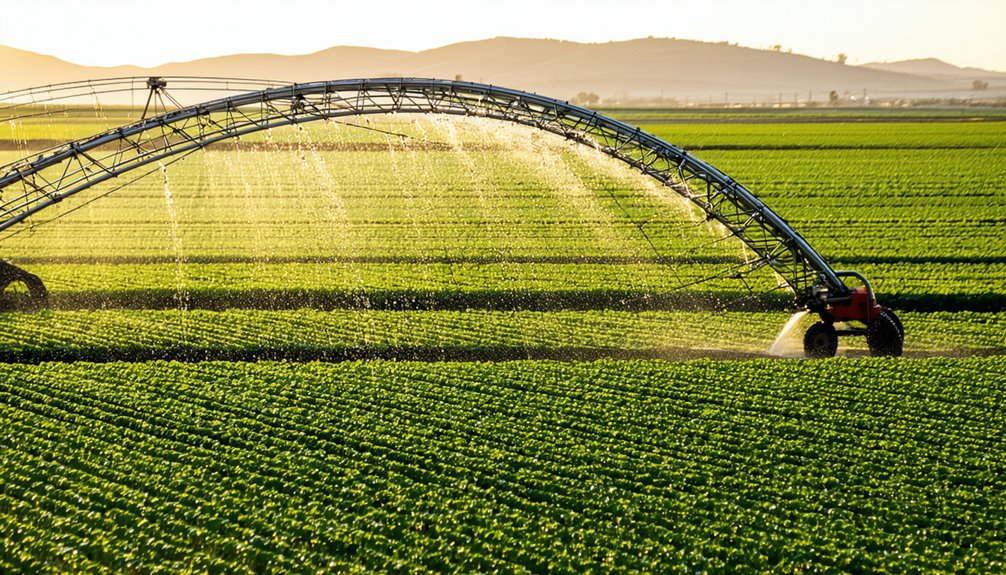
Several key components influence the overall cost of a traveling irrigation system. The quality and type of equipment, such as pumps, reels, and hoses, significantly affect pricing. Higher-quality materials often offer durability and efficiency, thus justifying their cost.
Additionally, the system’s size and capacity must be considered; larger systems generally incur higher costs. Labor costs associated with setup and maintenance can also impact the overall investment.
Implementing cost-saving irrigation tips, like choosing the right system for specific land conditions, can help minimize expenses. Ultimately, investing in an irrigation system should focus not only on initial costs but also on long-term savings and efficiency, ensuring that the system meets the agricultural needs effectively.
Installation Expenses
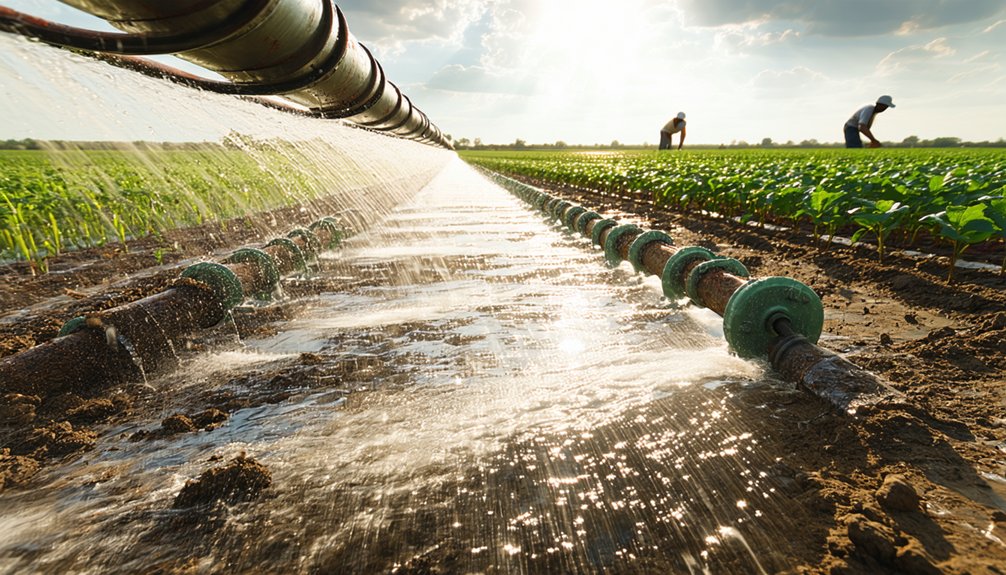
Installation expenses for a traveling irrigation system can vary significantly based on several factors.
These factors include the size of the agricultural land, the complexity of the system design, and the type of equipment selected. Additionally, local labor costs and the availability of skilled installers can impact expenses.
For instance, larger fields may require more extensive piping and additional machinery, leading to higher costs. Furthermore, the choice between manual or automated systems can also influence installation prices, with automated options typically incurring more upfront expenses.
Finally, site preparation and any necessary permits or regulations may add to the overall installation budget. Understanding these variables is essential for accurate cost estimation when planning a traveling irrigation system.
Maintenance and Operational Costs
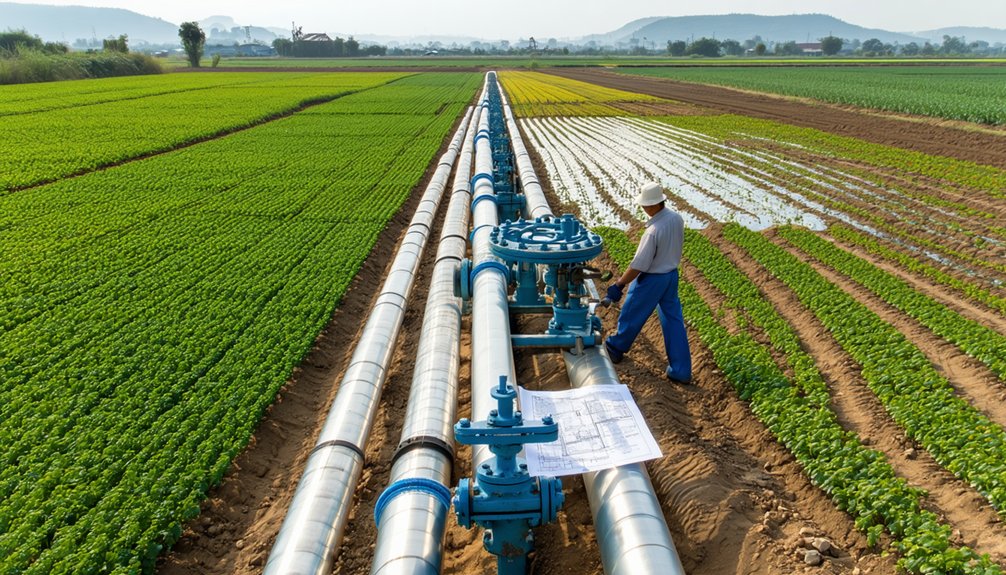
Maintaining a traveling irrigation system involves ongoing expenses that can impact overall farm budgets. Regular upkeep is essential to ensure optimal performance and longevity of the system.
Costs may include routine inspections, repairs, and replacement of worn-out components such as hoses, nozzles, and motors. Additionally, energy costs for running the system can be significant, especially if the irrigation is powered by electricity or fuel.
Water usage fees must also be considered, as they vary by region and can fluctuate seasonally. Farmers should also account for potential costs associated with maintaining water quality and addressing any environmental regulations.
Labor Considerations
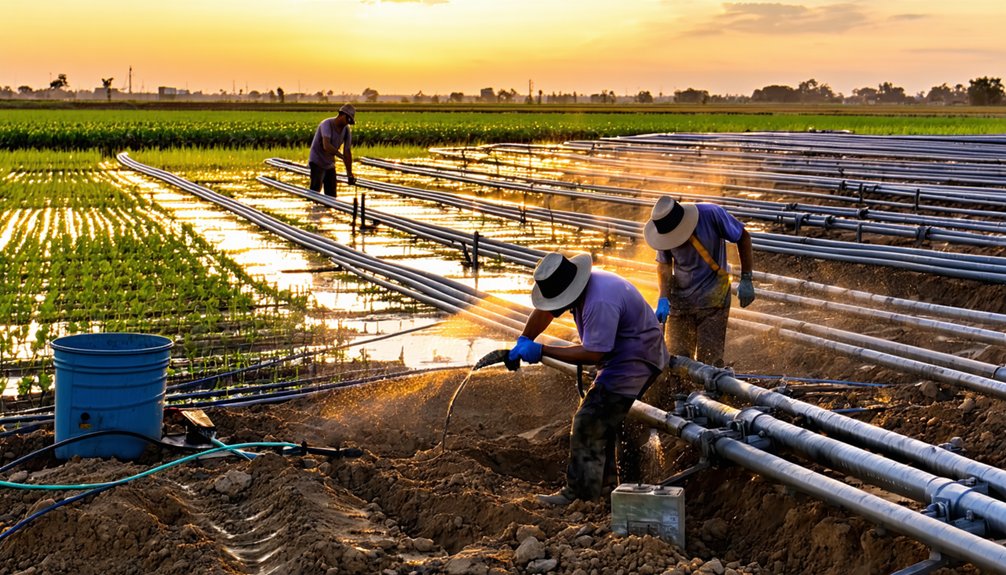
Effective management of a traveling irrigation system requires careful consideration of labor needs. The efficiency of operations largely depends on the skill level and availability of personnel responsible for monitoring, operating, and maintaining the system. Labor costs can vary based on factors such as employment type, skill level, and regional wage differences.
| Labor Type | Estimated Hours/Week | Cost per Hour |
|---|---|---|
| Operator | 10 | $15 |
| Maintenance Tech | 5 | $20 |
| Seasonal Workers | 20 | $12 |
| Supervisor | 5 | $25 |
Assessing these factors helps in budgeting appropriately for labor expenses while ensuring the efficient operation of the irrigation system. Proper training can also enhance productivity, reducing long-term costs.
Size and Coverage Area Impact
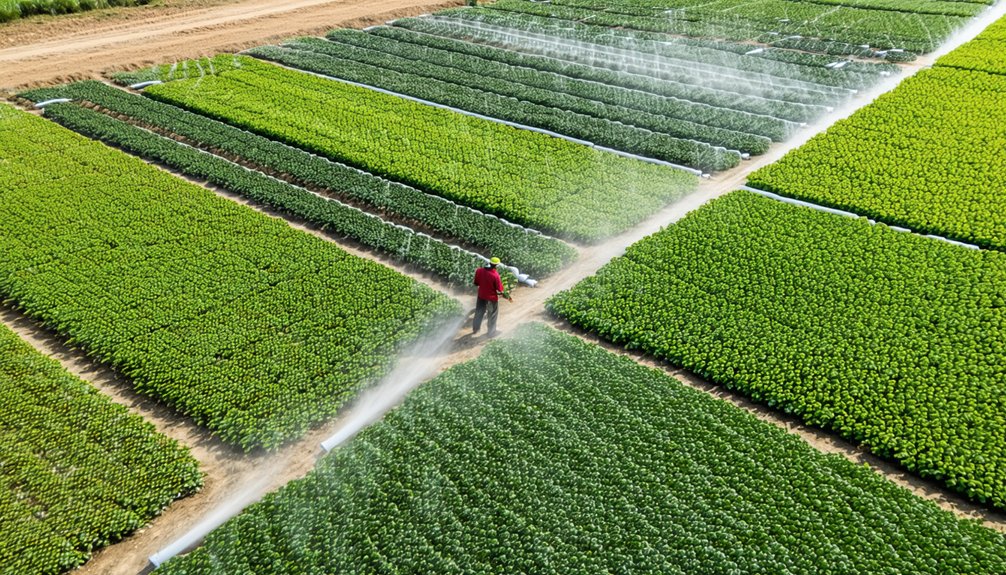
The size and coverage area of a traveling irrigation system significantly influence its overall effectiveness and cost.
Area dimensions must be carefully considered to ensure that the system’s capacity requirements align with the landscape’s complexity.
Understanding these factors is essential for optimizing irrigation efficiency and managing expenses.
Area Dimensions Considerations
Area dimensions significantly influence the overall cost and efficiency of a traveling irrigation system. The size of the area to be irrigated directly affects the type and scale of equipment required.
Larger fields may necessitate more powerful systems or multiple units to ensure uniform coverage, leading to higher initial investment and operational costs. Additionally, the shape and layout of the area can complicate the design, requiring tailored solutions that further increase expenses.
Coverage area also impacts water distribution efficiency, as uneven terrain may demand specialized technology to prevent water loss or over-irrigation.
Therefore, careful consideration of area dimensions is essential in optimizing both the effectiveness and financial investment of a traveling irrigation system.
System Capacity Requirements
Determining system capacity requirements is crucial for optimizing irrigation efficiency and effectiveness. The size and coverage area significantly impact the selection of a traveling irrigation system. A large area necessitates a higher capacity system to ensure uniform water distribution, preventing under- or over-irrigation.
Conversely, smaller areas may require less extensive systems, which can be more cost-effective. Additionally, the specific crop types and their water needs must be considered when calculating capacity. A well-sized system enhances water conservation efforts and reduces operational costs.
Properly assessing these requirements not only ensures adequate irrigation but also influences installation and maintenance expenses, ultimately affecting the overall cost of the traveling irrigation system.
Landscape Complexity Factors
Factors such as landscape complexity significantly influence the selection and cost of a traveling irrigation system. Various elements contribute to these complexities, particularly size and coverage area. Understanding these factors is essential for effective planning and budgeting.
- Size of the Landscape: Larger areas require more extensive systems, increasing both material and installation costs.
- Terrain Variability: Uneven or hilly landscapes necessitate specialized equipment to ensure even water distribution, which can elevate expenses.
- Type of Vegetation: Different plants have varying water needs; thus, a diverse landscape may require a more sophisticated system, impacting overall costs.
Considering these aspects allows for better decision-making in the installation of a traveling irrigation system.
Water Source and Quality Costs
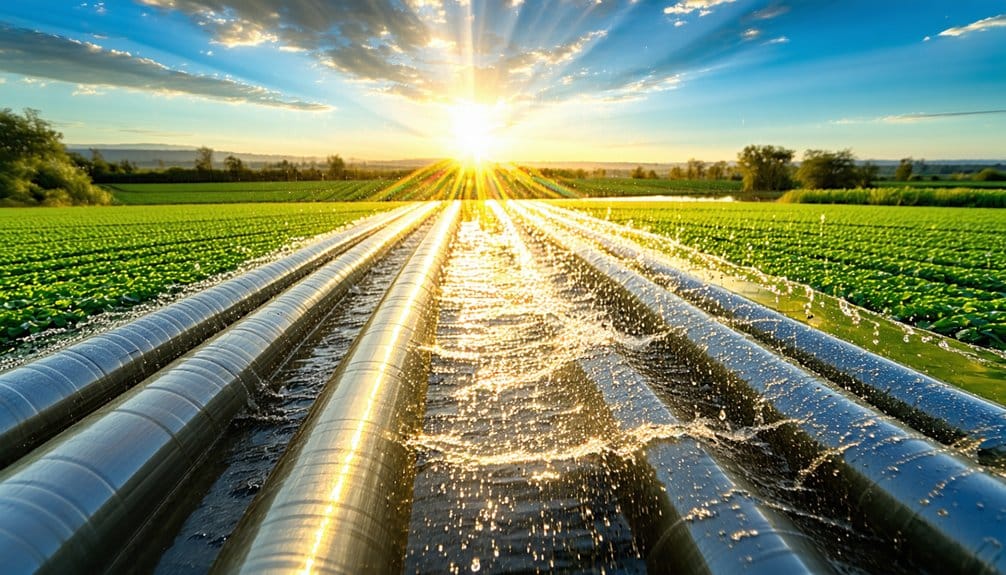
While assessing the costs associated with a traveling irrigation system, the quality and source of water play a crucial role in the overall expense. Accessing a reliable water source, whether from groundwater, surface water, or municipal supplies, can significantly impact installation and operational costs.
Higher-quality water may require advanced filtration or treatment systems to remove contaminants, adding to the initial investment. Additionally, proximity to the water source affects the cost of piping and pumping infrastructure.
If a system relies on seasonal sources, variability in availability can lead to increased operational expenses. Therefore, evaluating both the source and quality of water is essential for accurately estimating the total costs of a traveling irrigation system.
Environmental and Regulatory Factors
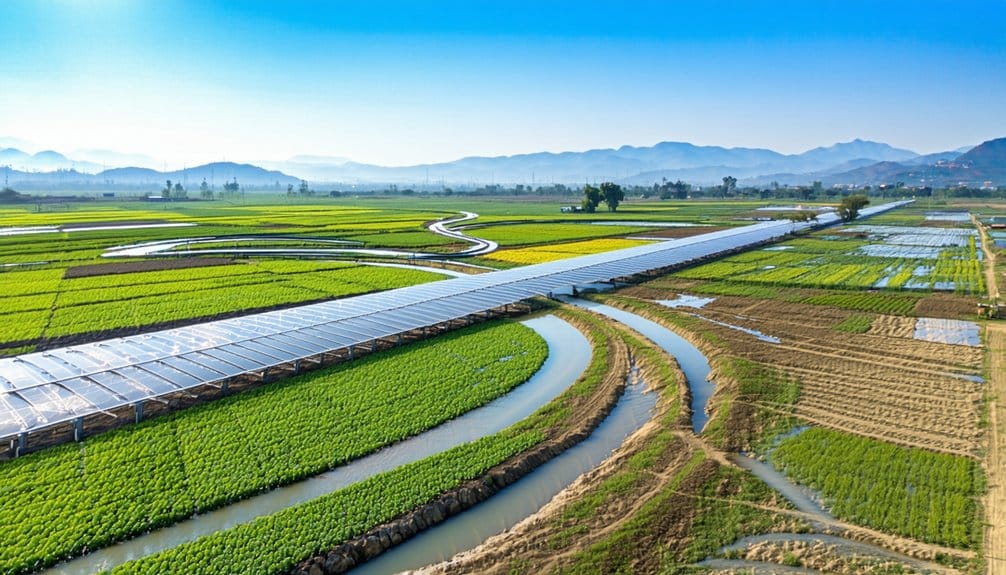
As environmental concerns continue to rise, regulatory factors surrounding traveling irrigation systems have become increasingly significant.
These regulations help mitigate negative impacts on ecosystems and ensure sustainable water use. Key aspects influencing costs include:
- Water Usage Regulations: Different regions implement restrictions on water extraction to prevent depletion of local aquifers and waterways.
- Environmental Impact Assessments: Before installation, operators may need to conduct assessments to evaluate potential ecological damage, which can incur additional costs.
- Permitting Processes: Securing permits for operation often involves administrative fees and compliance with local, state, or federal laws, affecting overall budget planning.
Understanding these factors is crucial for operators aiming to comply with regulations while managing costs effectively in their irrigation practices.
Cost-Benefit Analysis and Long-Term Investment
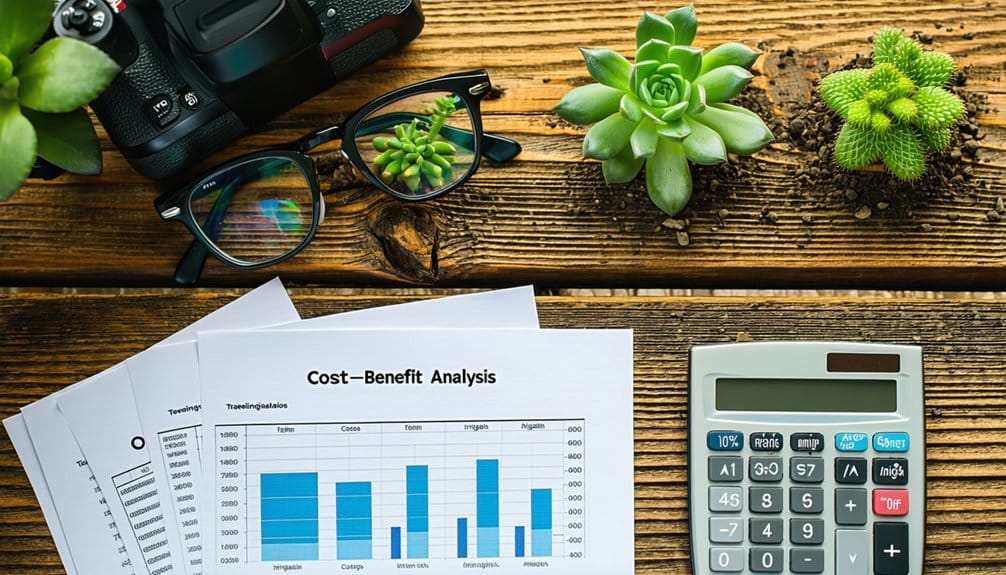
Conducting a cost-benefit analysis is essential for operators considering the implementation of a traveling irrigation system, as it allows them to weigh initial capital expenditures against potential long-term savings and productivity gains.
Operators must evaluate factors such as installation costs, maintenance, and operational efficiency. The analysis should also consider water conservation benefits, reduced labor costs, and improved crop yields, which can significantly enhance profitability over time.
Additionally, assessing the lifespan of the system and potential technological advancements can further influence the investment decision. A thorough understanding of these variables enables operators to make informed choices that align with their financial goals and sustainability objectives, ensuring that the investment in a traveling irrigation system yields favorable returns in the long run.
Conclusion
In conclusion, understanding the costs associated with traveling irrigation systems is crucial for farmers seeking to optimize their investments. By considering key factors such as installation, maintenance, labor, and environmental regulations, they can make informed decisions that align with their long-term goals. A thorough cost-benefit analysis not only highlights potential savings but also promotes sustainable water usage, ultimately enhancing crop yields and ensuring financial viability in an increasingly competitive agricultural landscape.