
Drip irrigation septic systems present a unique approach to wastewater management. Understanding the costs associated with their installation is essential for homeowners considering this option. Factors such as materials, labor, and regional pricing can significantly influence expenses. However, the potential long-term savings and environmental benefits may outweigh the initial investment. As homeowners assess their options, a closer look at these elements could reveal surprising insights. What might these systems mean for sustainable living?
Key Takeaways
- Initial installation costs for drip irrigation septic systems range from $5,000 to $20,000, influenced by regional pricing and system complexity.
- Material expenses include specialized components like drip tubing and filters, which contribute to the overall investment.
- Labor and site preparation costs vary based on local rates, land clearing, and soil testing requirements.
- Financing options include personal loans, home equity loans, and potential government grants for eco-friendly upgrades.
- Regular maintenance is less frequent than traditional systems, primarily focusing on filter checks to ensure optimal performance.
Understanding Drip Irrigation Septic Systems
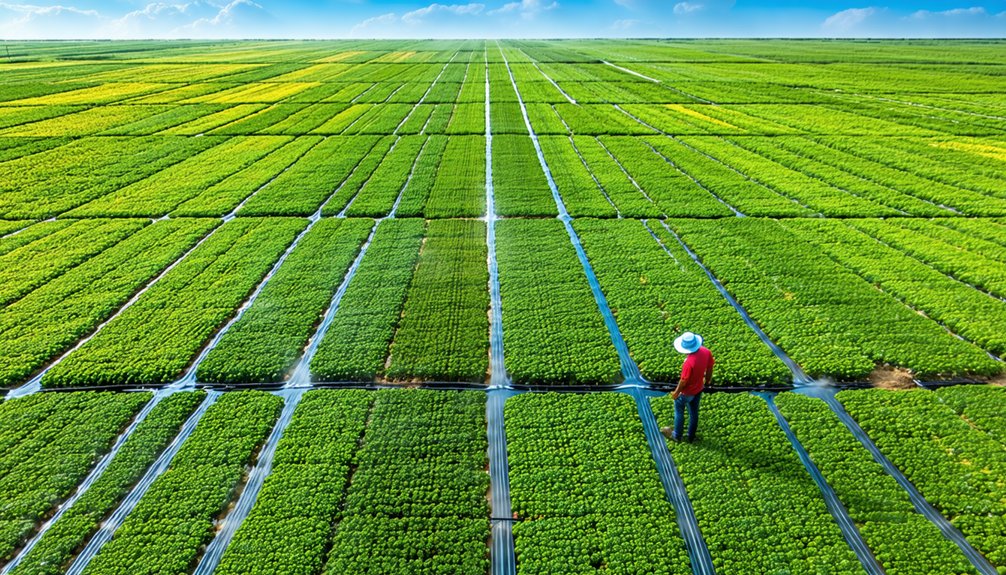
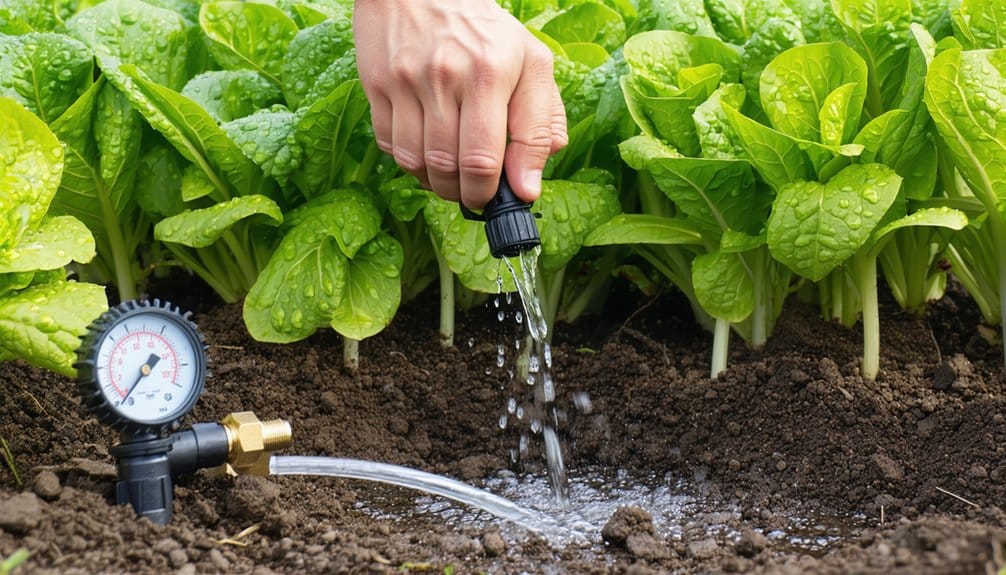
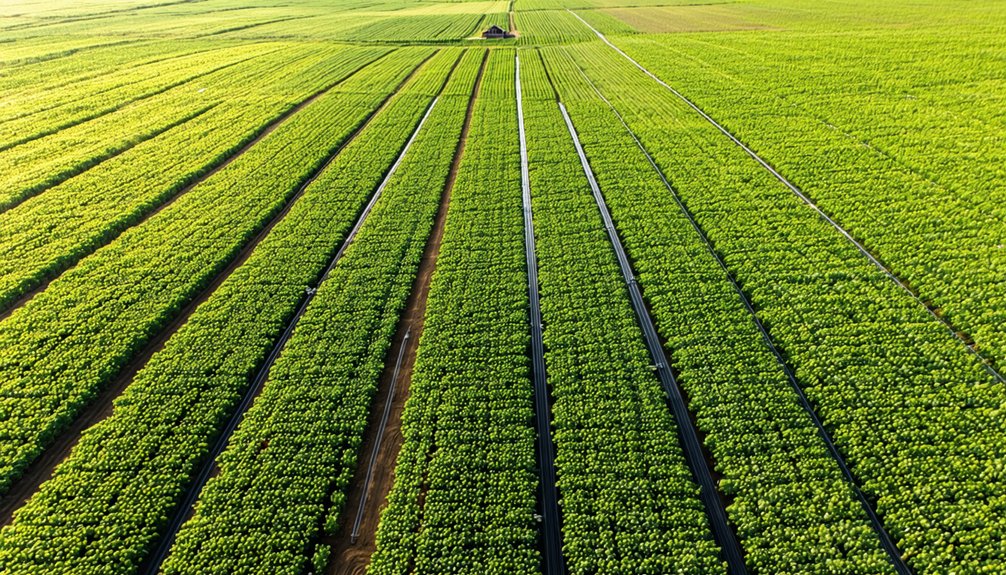
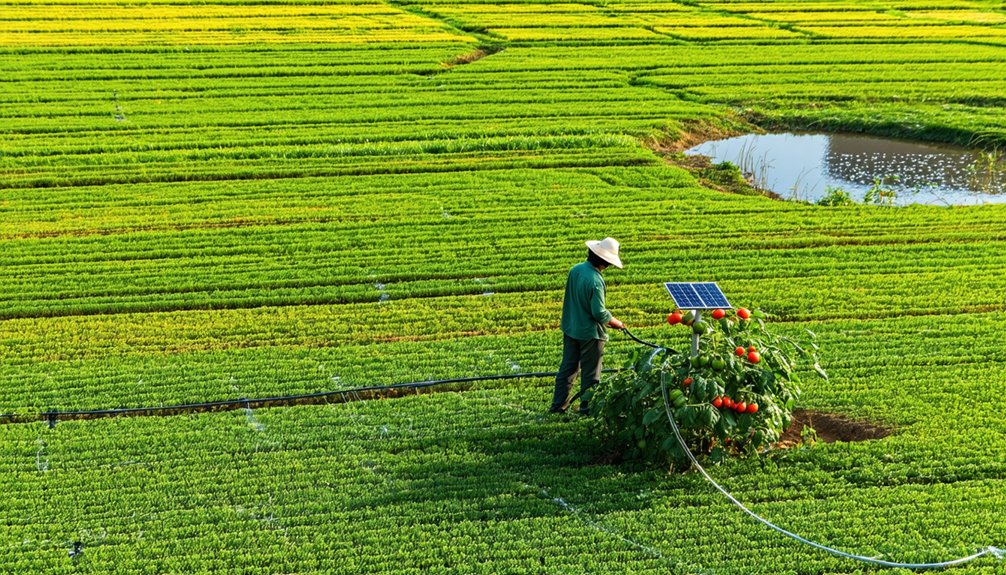
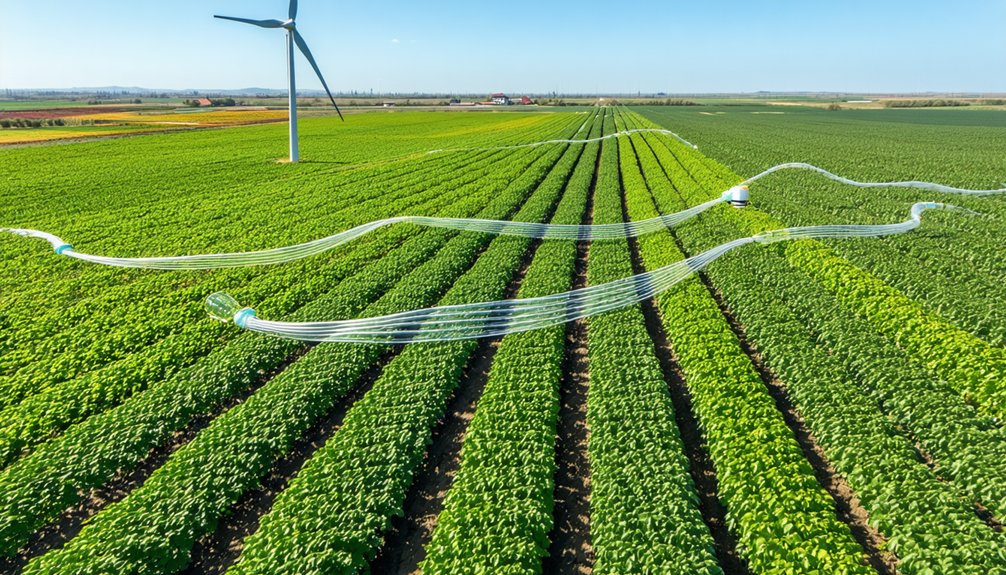
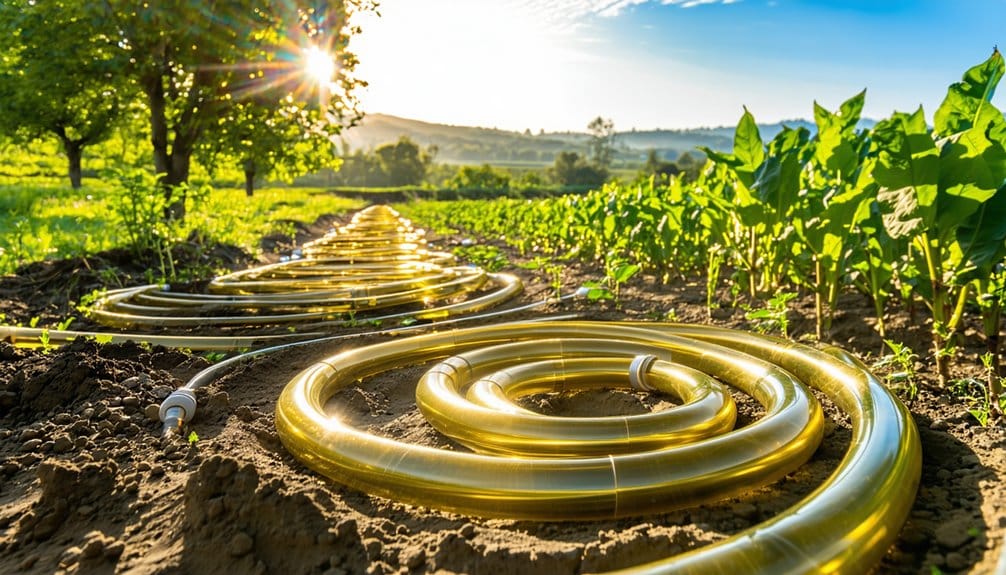
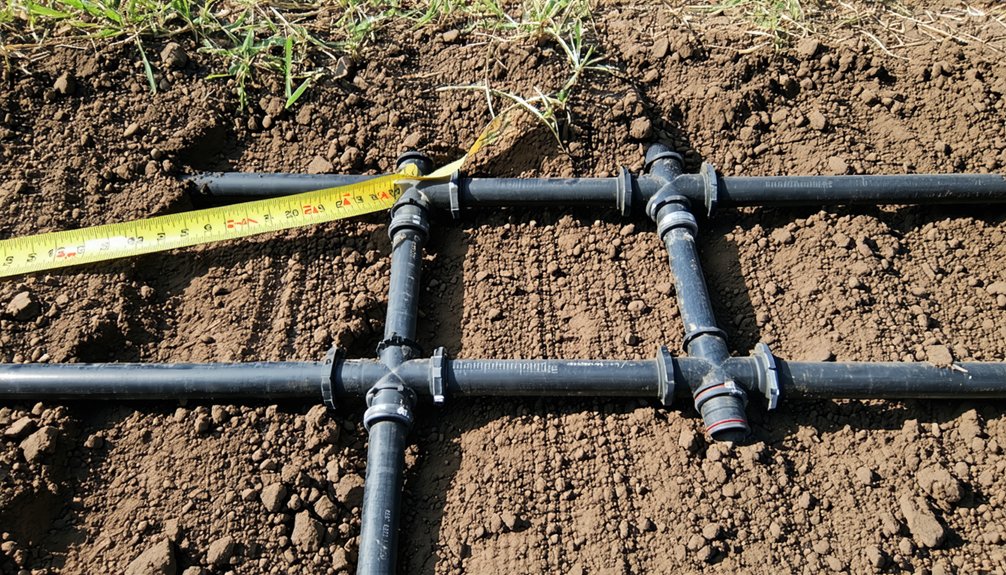
Drip irrigation septic systems represent an innovative approach to wastewater management. These systems utilize a network of pipes that distribute treated wastewater directly to the soil through drip lines, promoting efficient absorption and minimizing surface runoff.
Unlike traditional septic systems, which rely on drain fields, drip irrigation systems can be installed in various landscapes, making them versatile. They are designed to operate under lower pressure, allowing for more controlled distribution of effluent.
While the septic system cost can be higher initially, the long-term benefits, such as reduced water usage and improved soil health, can offset these expenses. Proper irrigation system installation is crucial to ensure optimal performance and compliance with local regulations, highlighting the importance of professional expertise in the process.
Initial Installation Costs
When considering the initial installation costs of drip irrigation septic systems, several key factors emerge.
These include material and equipment expenses, labor costs, and site preparation expenses.
Understanding these components is essential for accurate budgeting and project planning.
Material and Equipment Expenses
Setting up a drip irrigation septic system involves various material and equipment expenses that can significantly impact the overall budget. The primary costs include specialized drip tubing, emitters, filters, and a pump, all essential for efficient operation.
These components must be durable and reliable to ensure effective septic system maintenance over time. While initial costs may seem high, investing in these materials can lead to long-term savings, making them a cost-effective septic system choice for many homeowners.
Additionally, the choice of materials will influence the system’s longevity and performance, further underscoring the importance of selecting quality equipment. Proper planning and budgeting for these expenses are crucial for a successful installation.
Labor Costs Involved
Labor costs represent a significant portion of the initial installation expenses for a drip irrigation septic system. These costs can vary based on factors such as regional labor rates, the complexity of the installation, and the experience of the technicians. Typically, the labor expenses encompass site assessment, system installation, and testing.
| Task | Estimated Cost Range |
|---|---|
| Site Assessment | $200 – $500 |
| Installation Labor | $1,000 – $3,000 |
| System Testing & Finalization | $300 – $600 |
Site Preparation Expenses
Site preparation expenses are a crucial component of the initial installation costs for a drip irrigation septic system.
These expenses typically include land clearing, grading, and soil testing. Proper site preparation ensures that the system functions efficiently and complies with local regulations. Clearing the land of vegetation and debris is essential for creating a suitable installation area.
Grading the site helps achieve proper drainage and prevents water pooling, which can lead to system failure. Soil testing determines the appropriate depth and materials needed for installation, influencing the overall cost.
Homeowners should budget for these expenses, as neglecting site preparation can result in costly repairs and inefficiencies in the long run. Careful planning and assessment can mitigate unexpected financial burdens.
Factors Influencing Installation Expenses
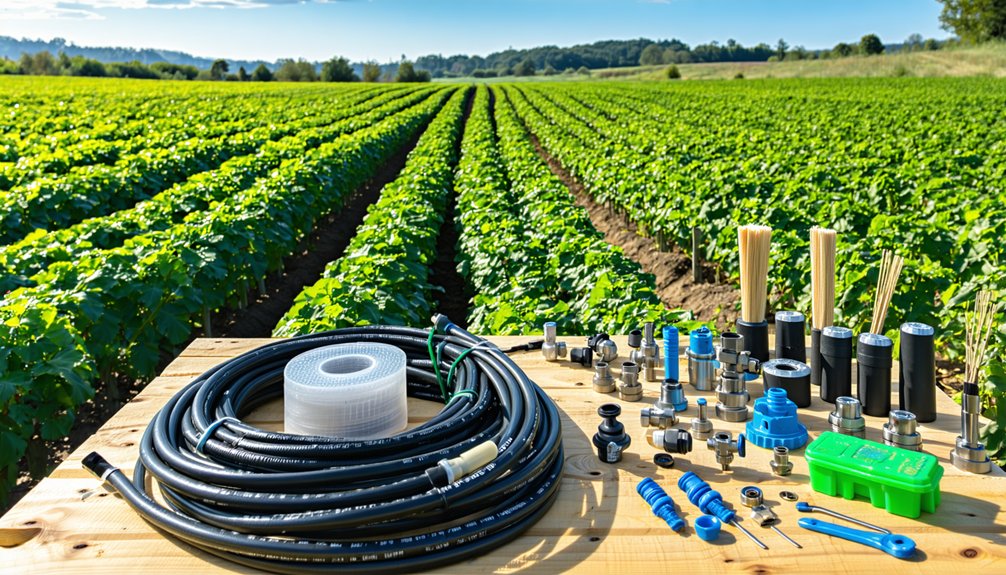
Several factors can significantly affect the installation expenses of drip irrigation septic systems.
The size and complexity of the system, the type of soil at the installation site, and local regulatory requirements all play crucial roles in determining overall costs.
Understanding these elements can help homeowners anticipate financial commitments associated with their septic system installations.
System Size and Complexity
When determining the installation expenses of a drip irrigation septic system, the size and complexity of the system play crucial roles.
Larger systems require more materials and labor, which can significantly increase costs. Additionally, the complexity of the design—such as the number of zones, the type of emitters used, and the integration with existing plumbing—also impacts the overall expense.
A straightforward installation with minimal components will generally be less expensive than a multi-zone system that requires extensive planning and engineering.
Furthermore, systems that need to accommodate higher wastewater volumes or incorporate advanced technology, like monitoring systems, will lead to higher installation costs.
Understanding these factors is essential for accurate budget planning.
Soil Type Considerations
The type of soil present on a property can significantly affect the installation expenses of a drip irrigation septic system. Various soil characteristics can influence both the complexity and cost of installation.
Key factors include:
- Drainage Capacity: Soils with poor drainage may require additional infrastructure, increasing costs.
- Soil Texture: Sandy soils drain quickly, while clay soils hold water, affecting system design and expenses.
- Soil Compaction: Highly compacted soils may necessitate extra excavation or soil amendments, raising labor costs.
- Percolation Rate: The rate at which water moves through soil determines the system’s efficiency and may require more extensive design adjustments.
Understanding these soil factors can help property owners anticipate and manage costs effectively during installation.
Local Regulations Impact
Although local regulations vary widely, they can significantly influence the installation expenses of drip irrigation septic systems. Municipal codes may dictate specific design requirements, including system size, layout, and material standards, which can increase costs.
Permitting processes can also add to expenses; some areas require extensive documentation and inspections, prolonging project timelines. Additionally, regulatory compliance may necessitate hiring specialized contractors familiar with local laws, further driving up costs.
Environmental considerations, such as proximity to water sources and protective zones, may impose additional restrictions that can complicate installation. Thus, understanding and navigating these regulations is crucial for homeowners, as failure to comply can result in fines or system failures, ultimately affecting both financial and environmental outcomes.
Long-Term Maintenance Costs
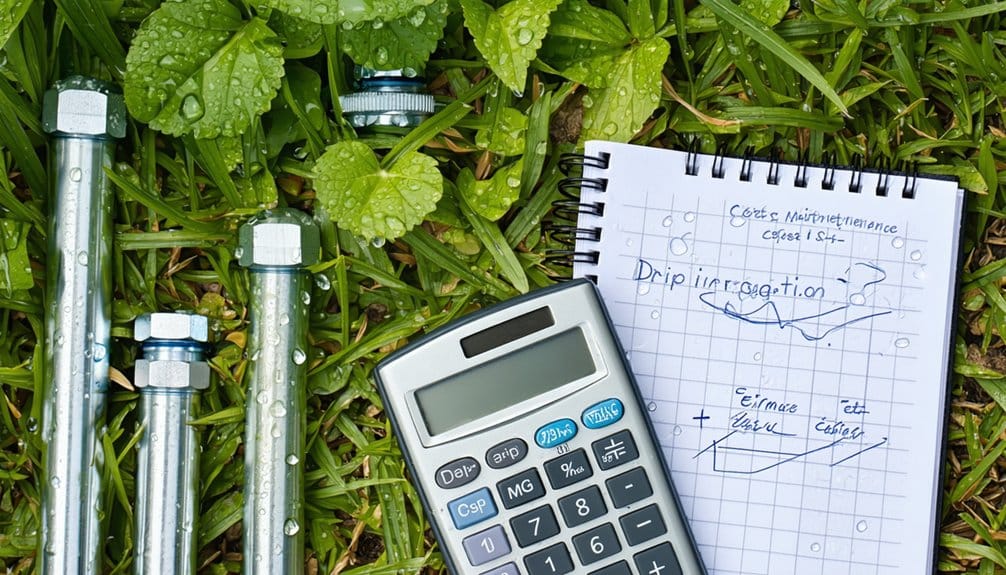
Regular maintenance is crucial for managing the long-term costs associated with drip irrigation septic systems. Over time, neglecting maintenance can lead to costly repairs and system inefficiencies.
Homeowners should be aware of the following long-term maintenance costs:
- Regular Inspections: Routine checks should be scheduled at least once a year to ensure the system operates effectively.
- Filter Cleaning: Filters must be cleaned periodically to prevent clogging and maintain system efficiency.
- Pump Replacement: Depending on usage, pumps may require replacement every 5 to 10 years, impacting overall costs.
- Soil Testing: Conducting soil tests every few years helps identify any needed adjustments to the system, ensuring optimal performance.
Potential Savings and Benefits
Investing in a drip irrigation septic system can lead to significant long-term savings and numerous environmental benefits.
These systems are designed to use water efficiently, reducing overall consumption and lowering utility bills. Their precise application minimizes water waste, which can result in decreased costs for homeowners.
Additionally, drip irrigation systems contribute to healthier soil and plant growth, as they deliver nutrients directly to the root zone. This method reduces the risk of contamination in nearby water sources, promoting a cleaner environment.
Furthermore, their durability often results in lower repair and replacement costs over time.
Comparing Drip Irrigation to Traditional Systems
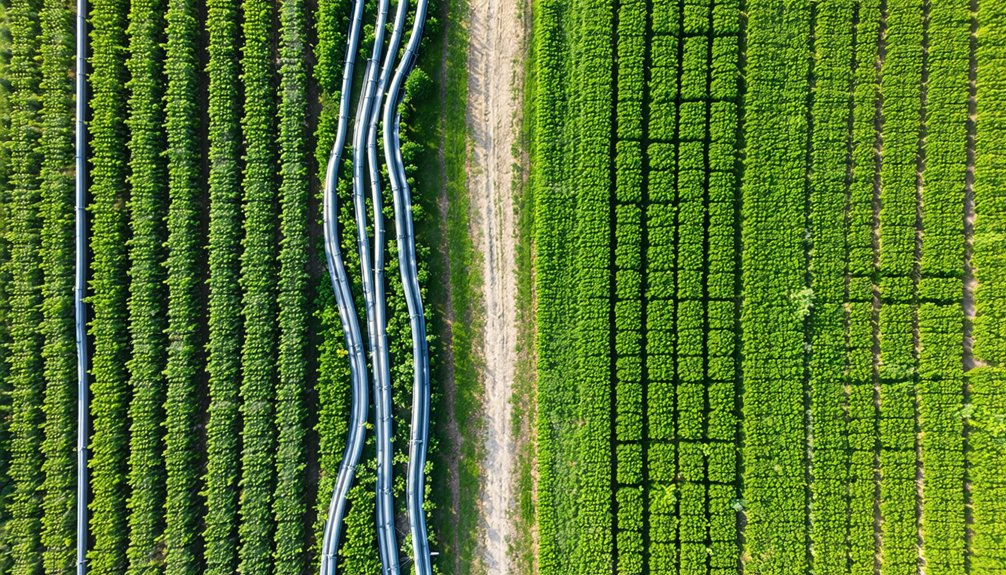
When evaluating wastewater management options, drip irrigation systems often stand out in comparison to traditional septic systems due to their innovative design and efficiency.
The differences between these two systems can significantly impact performance and maintenance.
- Water Usage: Drip irrigation uses less water compared to traditional systems, promoting conservation.
- Soil Health: It enhances soil aeration and nutrient distribution, supporting better plant growth.
- Installation: Drip systems typically require less land area and can be installed in various soil types.
- Maintenance: While traditional systems may need periodic pumping, drip systems often require less frequent maintenance, although filter checks are necessary.
These factors contribute to the ongoing popularity of drip irrigation systems for wastewater management.
Regional Variations in Pricing
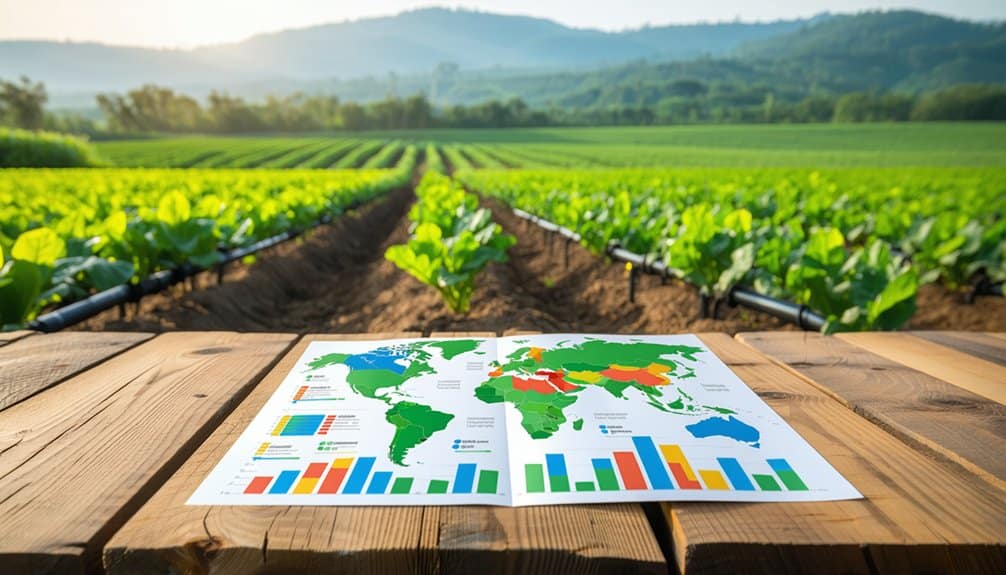
Pricing for drip irrigation septic systems can vary significantly across different regions due to factors such as local regulations, soil types, and labor costs. For instance, areas with stringent environmental regulations may see higher installation costs, while regions with more flexible guidelines tend to be less expensive. Additionally, the availability of skilled labor can influence pricing, as rural areas may face higher labor costs due to limited workforce availability.
| Region | Average Cost per System |
|---|---|
| Northeast US | $8,000 – $15,000 |
| Southeast US | $5,000 – $10,000 |
| West Coast US | $10,000 – $20,000 |
Understanding these regional variations is crucial for homeowners planning to install a drip irrigation septic system.
Financing Options for Drip Irrigation Systems
How can homeowners effectively finance the installation of a drip irrigation septic system? Various financing options are available to ease the financial burden. Homeowners should consider the following:
- Personal Loans: These unsecured loans can be used for home improvements, including irrigation systems.
- Home Equity Loans: Utilizing home equity allows homeowners to borrow against their property for larger expenses.
- Government Grants and Subsidies: Some local and state programs offer financial assistance for environmentally friendly upgrades.
- Payment Plans with Contractors: Many contractors provide flexible payment options, allowing homeowners to spread costs over time.
Conclusion
In conclusion, drip irrigation septic systems present a viable option for homeowners seeking efficient wastewater management solutions. While the initial installation costs may be higher than traditional systems, the long-term savings on water usage and utility bills, combined with environmental benefits, make them a worthy investment. By understanding the various factors influencing costs and exploring financing options, homeowners can confidently choose a system that aligns with their financial and sustainability goals.