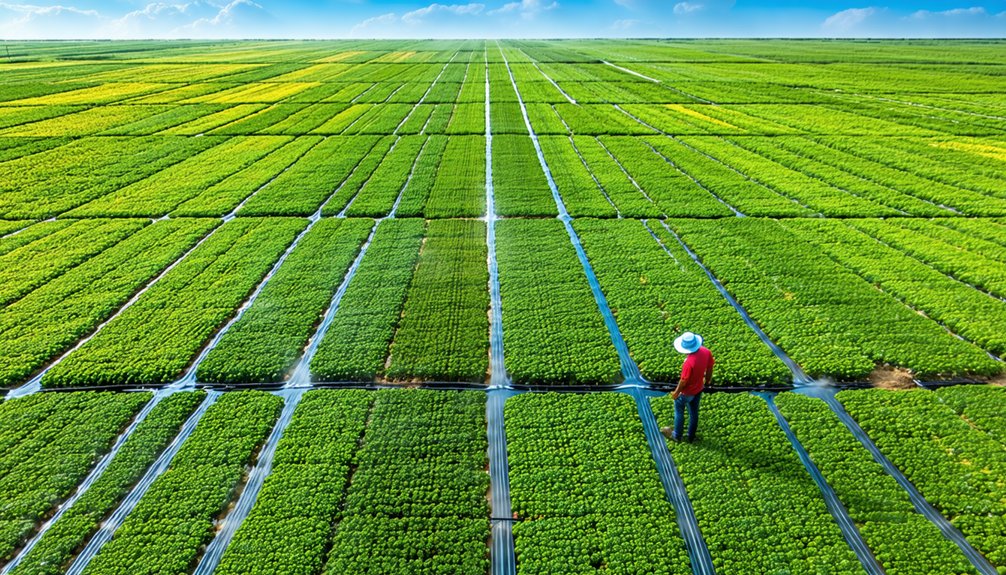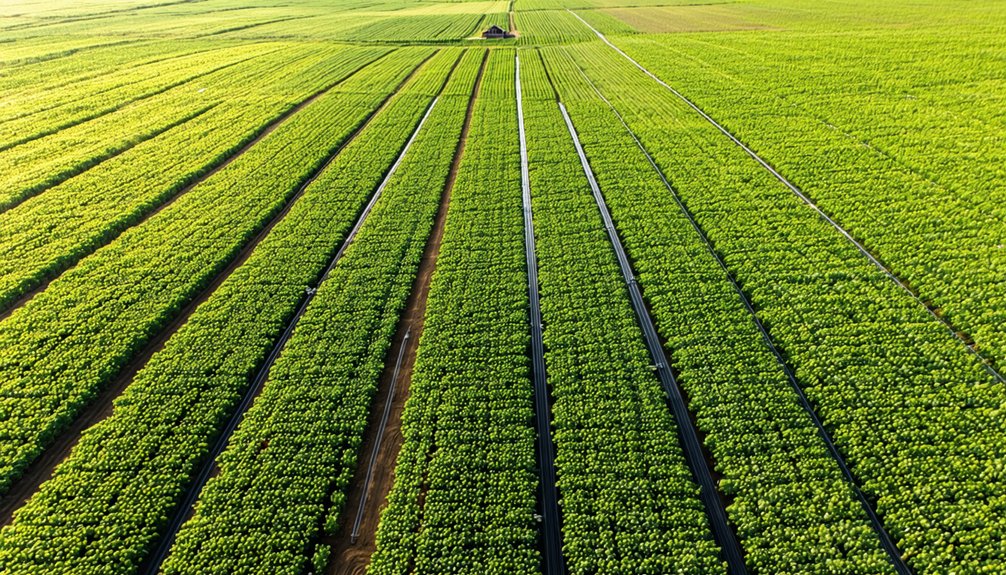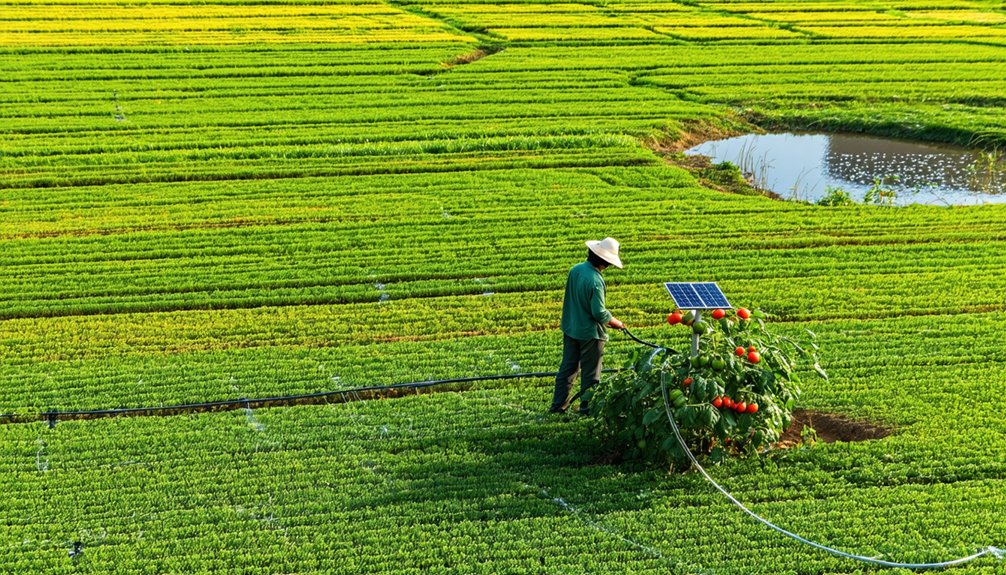

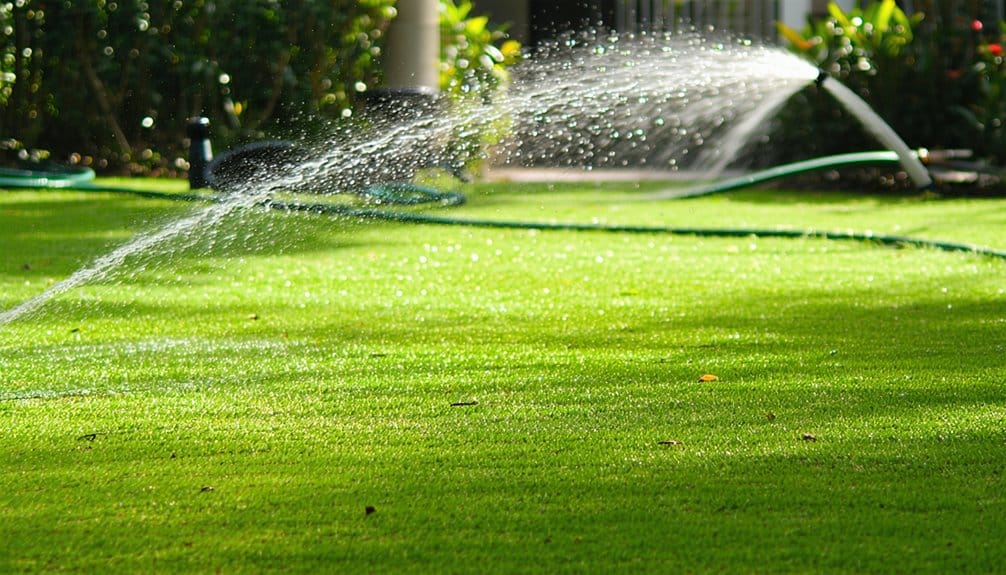
Understanding the various types of lawn irrigation systems is crucial for effective water management. Each system offers distinct advantages and can cater to different landscaping needs. From versatile sprinkler systems to efficient drip irrigation methods, choices abound. The selection process involves considering factors such as lawn size, soil type, and budget. What systems work best under specific conditions? Exploring these options reveals solutions for optimal growth and sustainability.
Key Takeaways
- Sprinkler systems provide effective water distribution and can be automated for efficiency in lawn care.
- Drip irrigation delivers water directly to roots, minimizing waste and promoting healthier plant growth.
- Smart irrigation systems adjust watering schedules based on soil moisture and weather data, enhancing efficiency.
- Surface irrigation is cost-effective for large areas, while subsurface irrigation conserves water and reduces weed growth.
- Choosing the right system depends on lawn size, soil type, plant needs, water source, and budget.
Sprinkler Systems
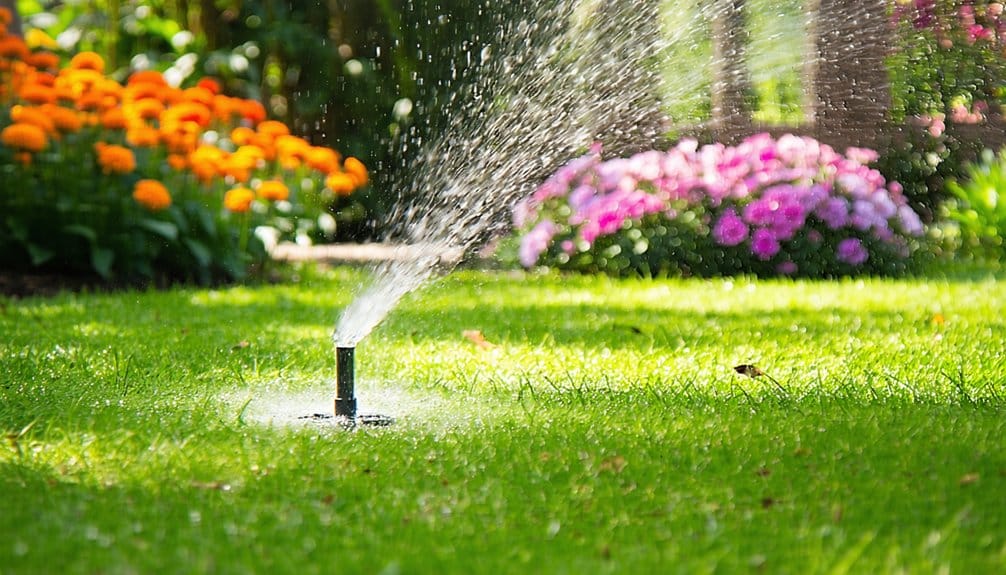
When considering effective lawn care, many homeowners turn to sprinkler systems for their efficient water distribution.
These lawn irrigation systems are designed to deliver water evenly across the entire lawn, ensuring that each area receives adequate moisture.
Sprinkler systems come in various types, including stationary, oscillating, and rotating models, allowing homeowners to choose the best fit for their specific landscape needs.
Automated timers can also be integrated, optimizing water usage and reducing waste.
Proper installation and maintenance of sprinkler systems are crucial for achieving optimal performance and promoting healthy grass growth.
Drip Irrigation
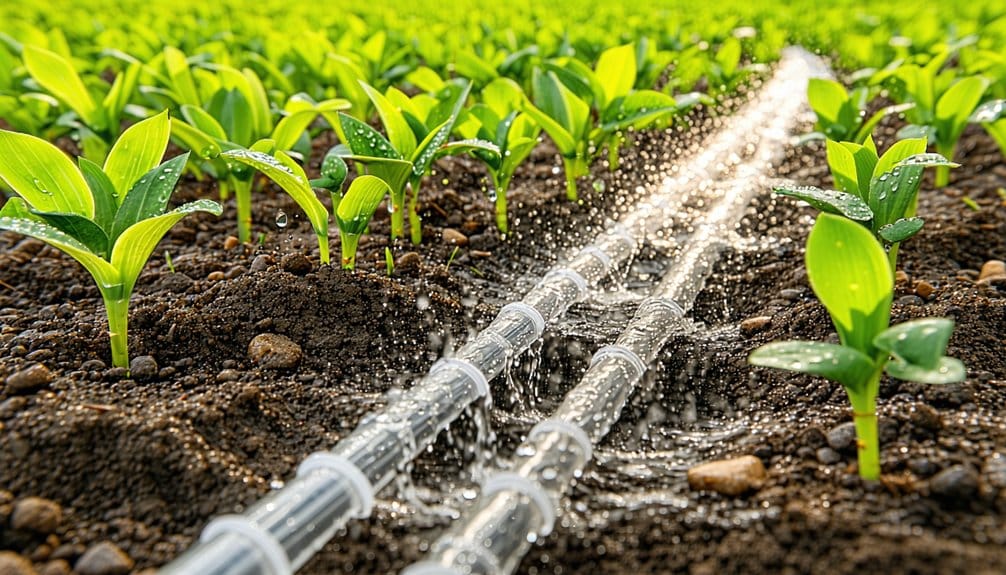
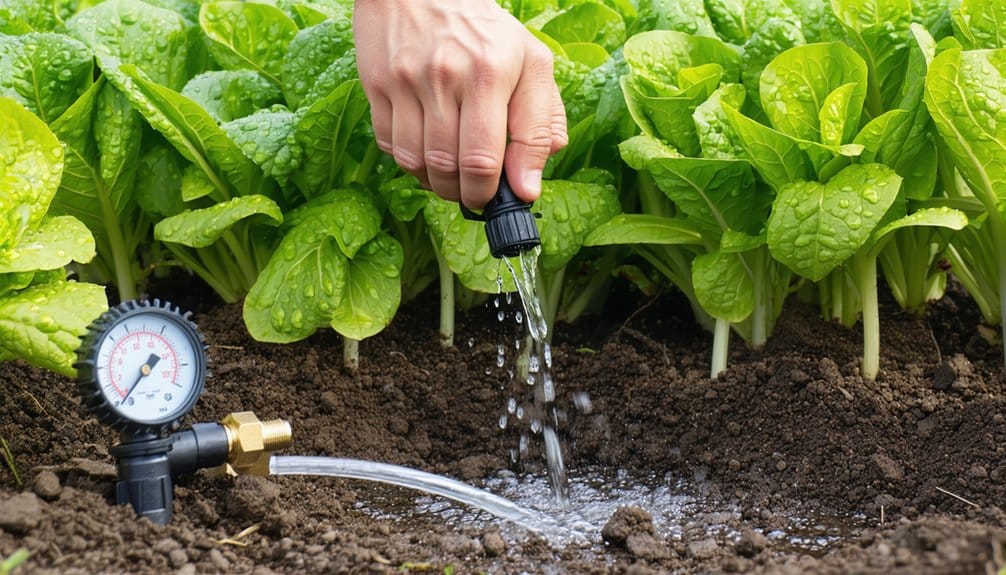
Drip irrigation is an efficient method of watering that delivers water directly to the plant roots, minimizing waste and promoting healthier growth.
Understanding its benefits, the installation process, and essential maintenance tips can help homeowners make informed decisions.
This system offers a practical solution for achieving optimal lawn health while conserving water resources.
Benefits of Drip Irrigation
Although various irrigation methods exist, drip irrigation stands out for its efficiency and effectiveness in delivering water directly to plant roots.
This system significantly reduces water wastage by minimizing evaporation and runoff, making it one of the most water-conserving types of irrigation available.
Drip irrigation also promotes healthier plant growth, as it provides consistent moisture levels and reduces the risk of diseases associated with overwatering.
Additionally, this method allows for targeted fertilization, as nutrients can be delivered directly to the roots along with water.
Furthermore, drip irrigation systems are versatile and can be adapted to various landscapes, making them suitable for both residential and commercial use.
Installation Process Overview
A successful drip irrigation system installation involves several key steps that ensure optimal performance and efficiency. Initially, it is crucial to assess the garden layout and determine plant water requirements. Next, selecting appropriate materials, such as tubing and emitters, is vital. Following this, the installation of main lines and laterals should proceed, ensuring proper spacing to deliver water efficiently. Finally, testing the system for leaks and adjusting emitter flow rates is essential for functionality.
| Step | Description |
|---|---|
| Assess Layout | Evaluate garden design and plant needs |
| Select Materials | Choose tubing and emitters |
| Install System | Set up main lines and laterals |
Maintenance and Care Tips
Proper maintenance of a drip irrigation system is essential for ensuring its longevity and efficiency. Regularly inspecting the system for leaks or blockages is crucial, as even minor issues can lead to significant water waste.
Cleaning filters and emitters helps maintain optimal water flow, while flushing the system periodically removes accumulated debris. Additionally, monitoring water pressure ensures that the system operates within the recommended range, preventing damage to components.
Seasonal adjustments might be necessary to accommodate changing weather patterns and plant needs. Lastly, protecting the system from freezing temperatures during winter months can prevent costly repairs.
Soaker Hoses
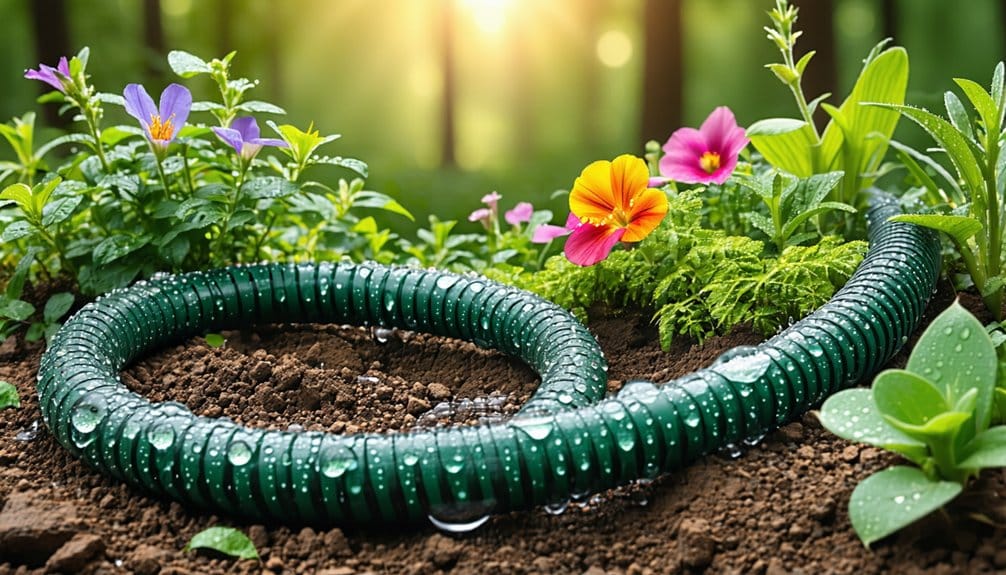
Soaker hoses are an efficient irrigation option that allows water to seep directly into the soil, promoting healthy plant growth.
Understanding how they work, along with their benefits and installation tips, can help homeowners make the most of this irrigation method.
This discussion will explore these key aspects of soaker hoses.
How Soaker Hoses Work
Many gardeners appreciate the efficiency of soaker hoses, which deliver water directly to the soil at a slow and steady rate.
These hoses are made from porous materials that allow water to seep out along their length, ensuring deep penetration into the root zone. Typically laid out on the surface of the soil, soaker hoses can be arranged in various patterns to accommodate different garden layouts.
They connect to a standard water source, often requiring low water pressure for optimal performance. By utilizing gravity and capillary action, soaker hoses promote even moisture distribution while minimizing evaporation.
This method of irrigation is particularly effective for garden beds, flower borders, and vegetable patches, ensuring that plants receive consistent hydration where it is most needed.
Benefits of Soaker Hoses
While various irrigation methods exist, the benefits of soaker hoses stand out for their ability to provide efficient and targeted watering.
These hoses deliver moisture directly to the root zone, ensuring plants receive the water they need without unnecessary runoff. Their porous design allows water to seep out slowly, which minimizes evaporation and conserves water.
Additionally, soaker hoses are easy to install and can be laid out in various configurations to fit different garden layouts.
- Promote deep root growth
- Reduce weed growth by limiting surface moisture
- Lower water bills through efficient usage
- Minimize fungal diseases by avoiding overhead watering
- Environmentally friendly, utilizing less water overall
Installation Tips and Tricks
Although installing soaker hoses may seem straightforward, attention to detail can significantly enhance their effectiveness.
First, it is essential to lay the hoses in a serpentine pattern to ensure even water distribution. Additionally, the hoses should be buried under a layer of mulch to minimize evaporation and protect them from damage.
Homeowners should also consider connecting multiple hoses with connectors for larger areas and ensure the water pressure is appropriate, as excessive pressure can lead to uneven watering or damage.
Furthermore, testing the system before finalizing the installation allows for adjustments in hose placement.
Regular maintenance, such as flushing the hoses to remove clogs, will prolong their lifespan and optimize performance, ensuring that plants receive adequate moisture.
Lawn Care With Flood Irrigation
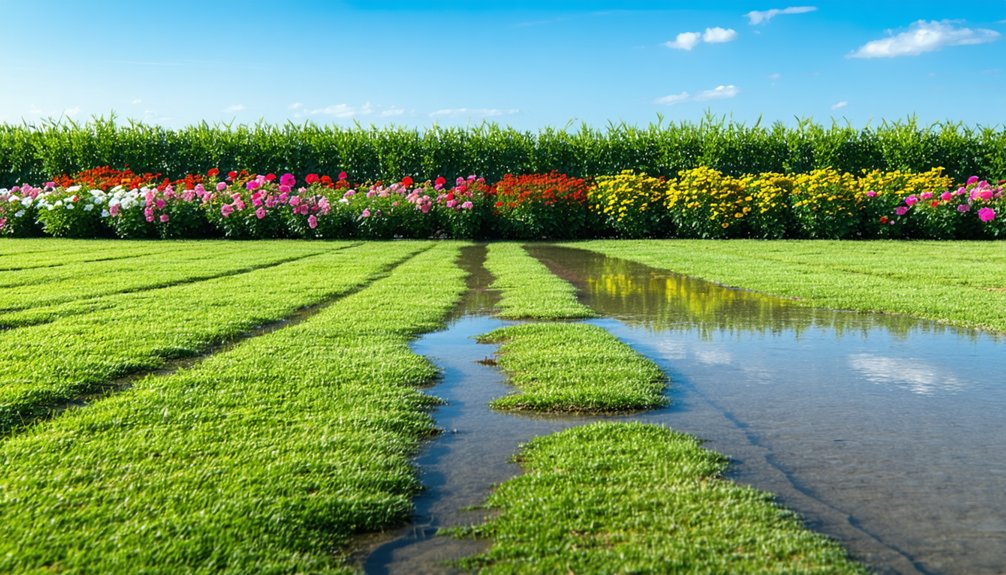
Flood irrigation, which involves the controlled flooding of fields to deliver water directly to the soil, can be an effective method for maintaining healthy lawns. This technique is particularly beneficial in areas with specific soil types and climates that support its use.
- Promotes deep root growth by saturating the soil thoroughly.
- Reduces water evaporation compared to traditional methods.
- Can be cost-effective for large properties with flat terrain.
- Helps in controlling weeds by creating a uniform wet layer.
- Allows for nutrient distribution as water carries fertilizers to the root zone.
However, it is essential to monitor water levels and avoid over-saturation to prevent issues such as soil erosion or root rot.
Proper management ensures that flood irrigation remains a viable option for lawn care.
Smart Irrigation Systems
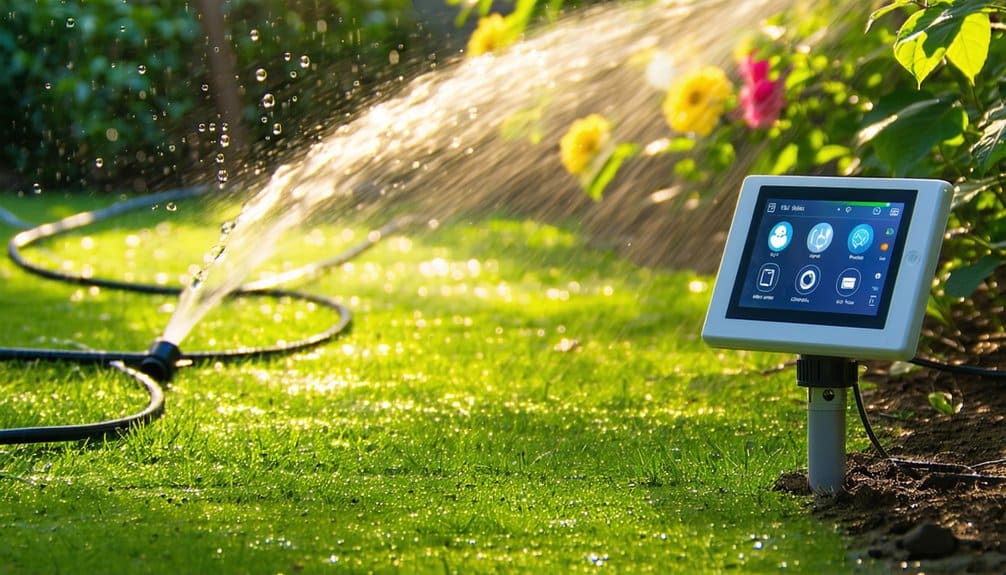
Smart irrigation systems represent a modern advancement in lawn care, offering a more efficient and precise way to manage water usage compared to traditional methods like flood irrigation.
These systems utilize technology such as soil moisture sensors, weather data, and timers to optimize irrigation schedules. By adjusting watering based on environmental conditions, smart systems minimize water waste and enhance plant health.
Users can often control these systems remotely via smartphones or computers, providing convenience and flexibility. Moreover, many smart irrigation systems are designed to integrate with home automation platforms, allowing for seamless operation within a smart home ecosystem.
Ultimately, these innovations lead to cost savings and promote sustainable water management practices in lawn care.
Surface Irrigation Techniques
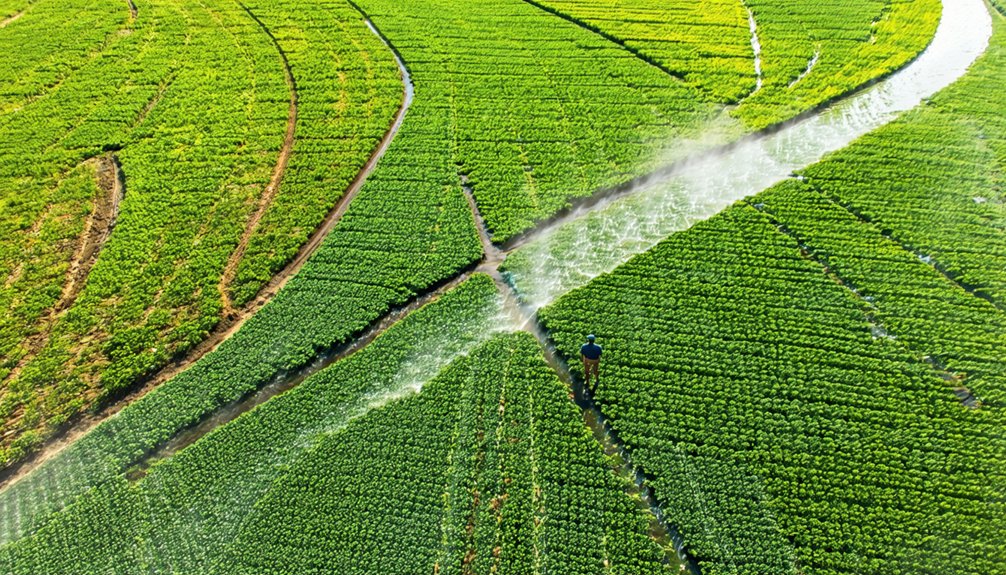
While many modern irrigation methods focus on technology, surface irrigation techniques remain a foundational approach in lawn care.
These methods involve the distribution of water across the soil surface, allowing it to infiltrate naturally. They are particularly beneficial for certain types of terrain and vegetation.
Surface irrigation is not only cost-effective but also simple to implement and maintain.
- Utilizes gravity to distribute water evenly
- Suitable for various soil types, including clay and loam
- Effective for large areas, minimizing labor costs
- Encourages deep root growth by promoting consistent moisture
- Reduces evaporation loss compared to other methods
Through these advantages, surface irrigation continues to be a viable option for many landscape and agricultural applications.
Subsurface Irrigation Methods
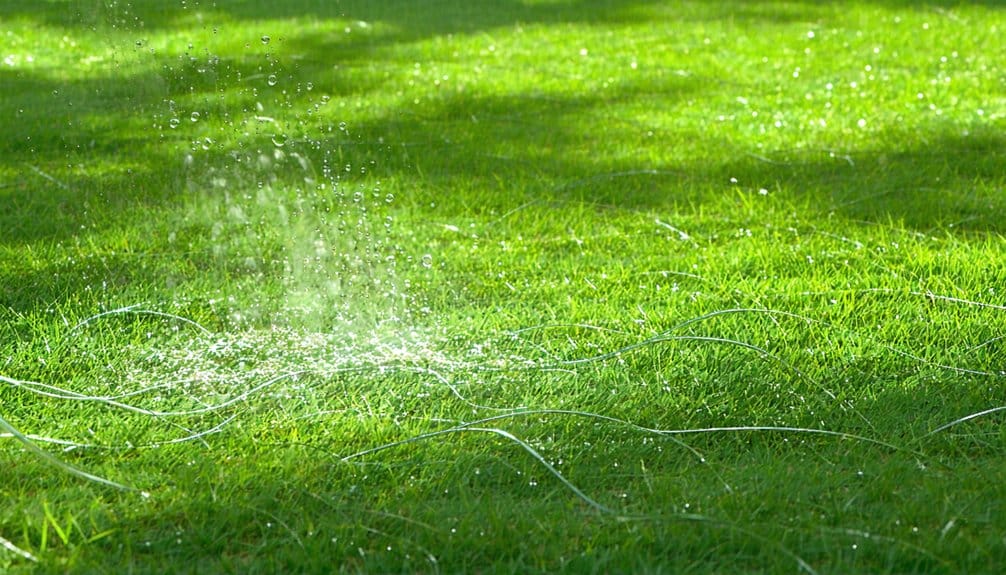
Subsurface irrigation methods offer a sophisticated approach to watering plants by delivering moisture directly to the root zone beneath the soil surface. This technique utilizes buried pipes or tubes that emit water slowly, allowing it to infiltrate the soil and reach plant roots effectively.
One significant advantage of subsurface irrigation is its ability to minimize evaporation and surface runoff, promoting water conservation. Additionally, this method reduces weed growth since moisture is concentrated below the surface.
Subsurface systems can be tailored to various soil types and crop needs, enhancing overall efficiency. However, installation can be complex and may require professional expertise to ensure proper layout and functioning, making it a consideration for those seeking sustainable irrigation solutions.
Choosing the Right System for Your Lawn
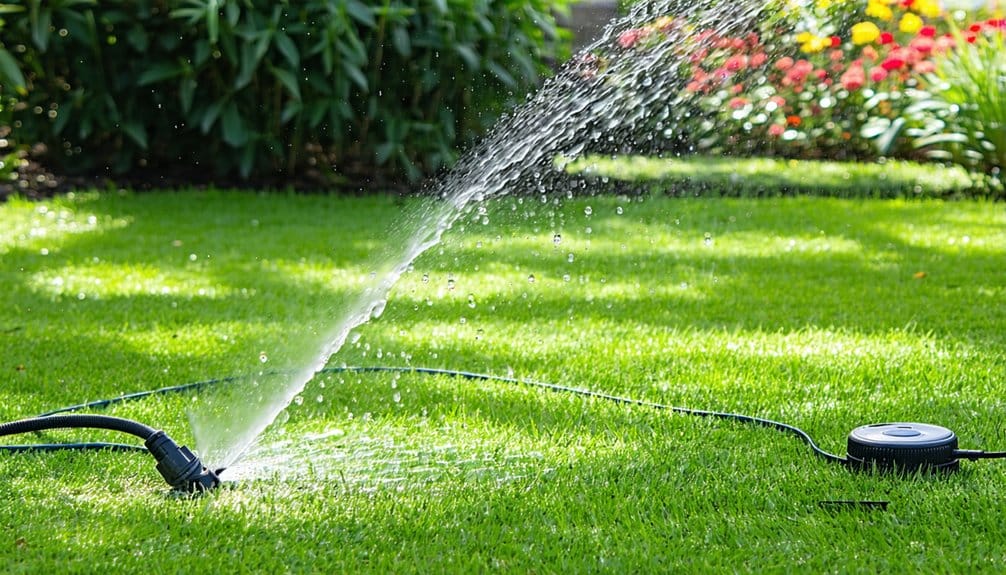
How can homeowners determine the most suitable irrigation system for their lawn? Selecting the right irrigation system involves assessing various factors that cater to the specific needs of the lawn and the homeowner’s lifestyle.
- Lawn Size: Larger areas may require more extensive systems, while smaller lawns can benefit from simpler options.
- Soil Type: Different soils absorb water at varying rates, influencing the choice of system.
- Plant Types: Assessing the types of plants can help determine their watering needs.
- Water Source: Availability and pressure of the water supply play a crucial role in system selection.
- Budget: Homeowners must consider installation and maintenance costs when choosing an irrigation system.
Conclusion
In conclusion, selecting the appropriate lawn irrigation system is crucial for efficient water management and promoting healthy plant growth. With various options available, including sprinkler systems, drip irrigation, and smart technologies, homeowners can tailor their approach to suit their specific landscape needs. By considering factors such as lawn size, soil type, and budget, individuals can implement an effective irrigation strategy that conserves water while ensuring a thriving and sustainable outdoor environment.