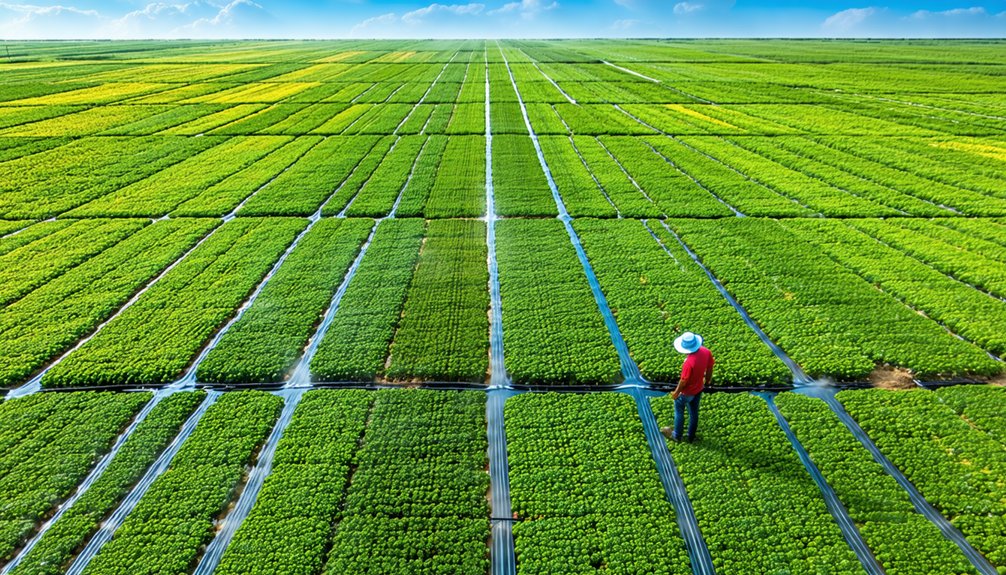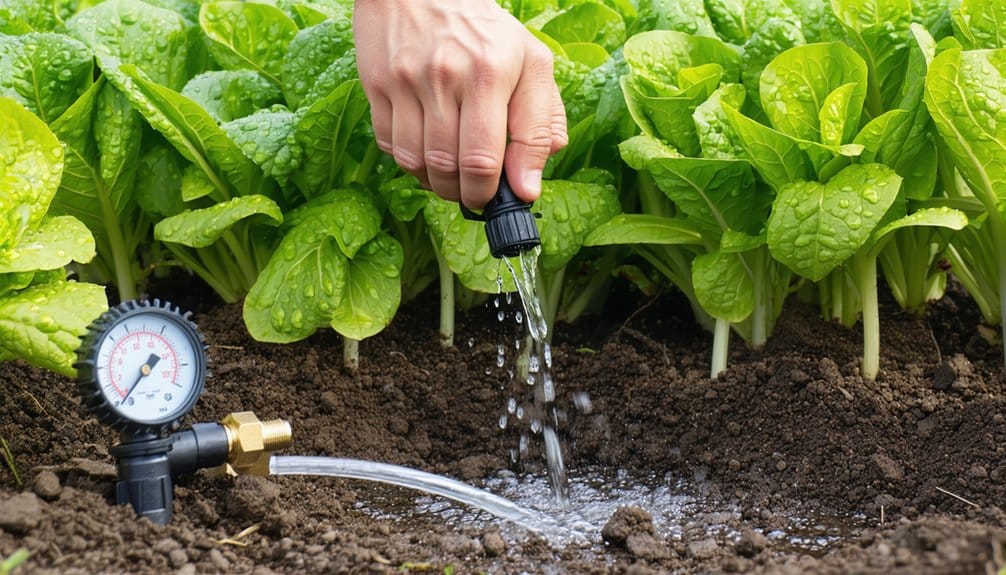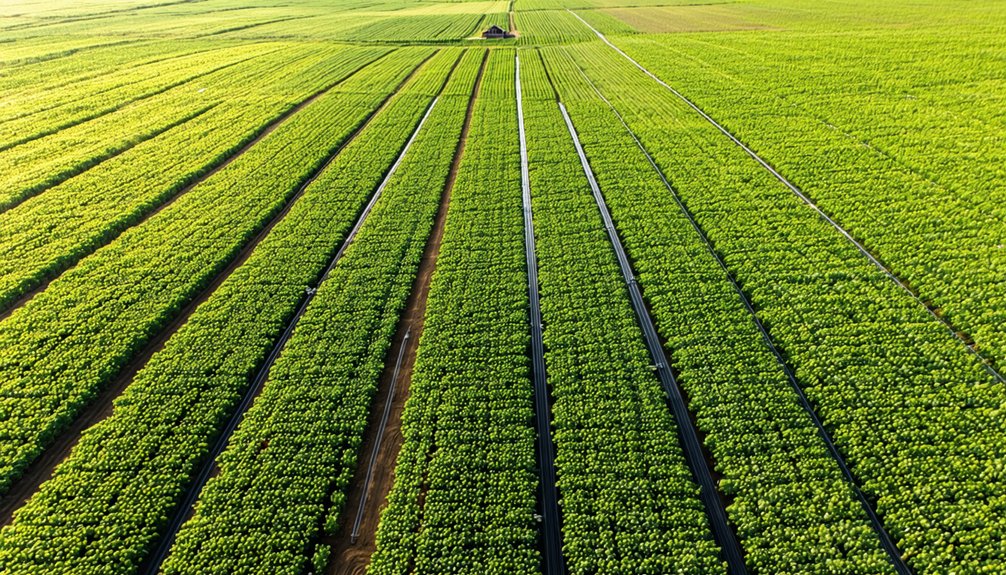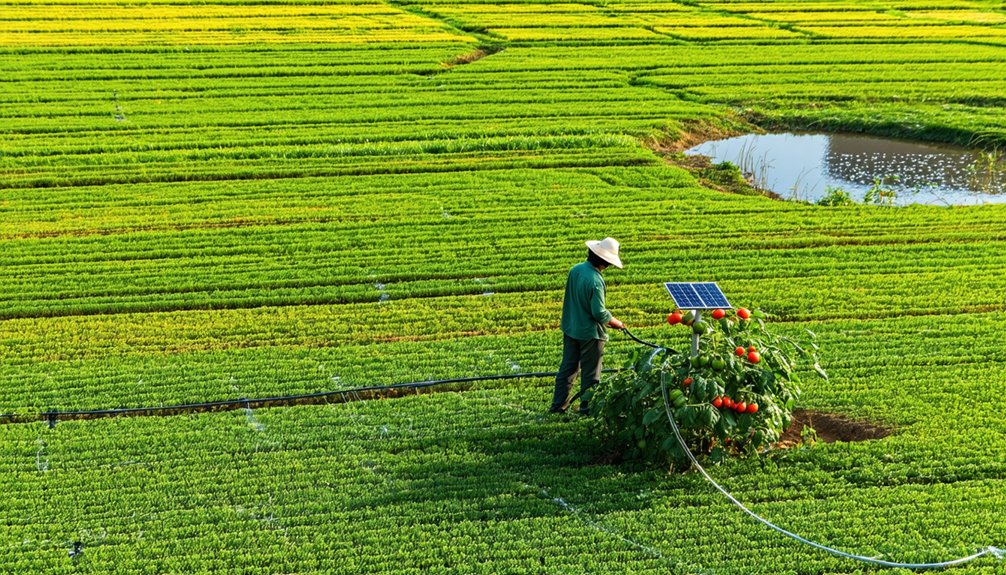

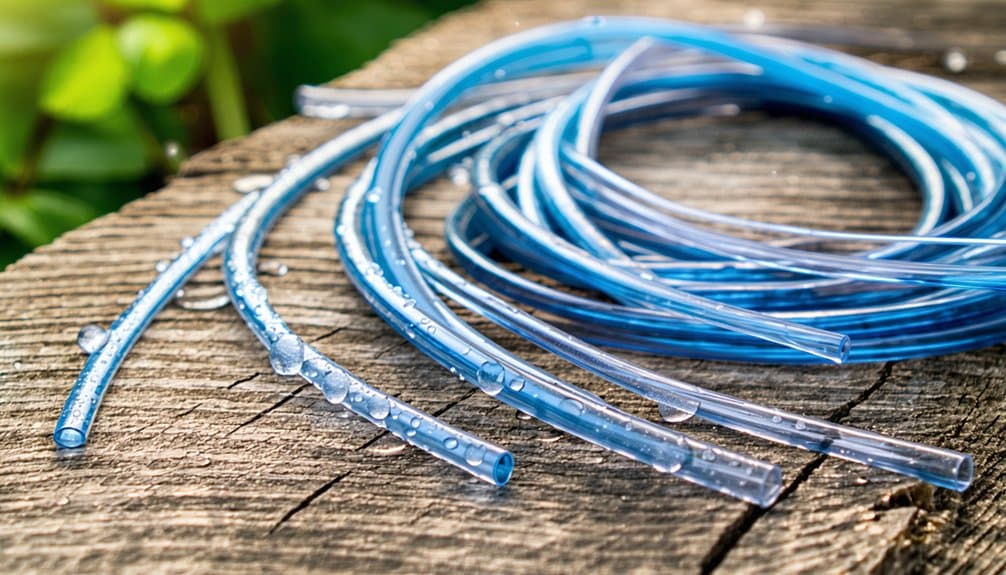
When it comes to drip irrigation, selecting the right tubing size is essential for success. You need to consider various factors, like your plants’ needs and garden size. Each diameter serves a unique purpose, and the wrong choice could lead to inefficiencies. Understanding these details can significantly impact your garden’s health. So, how do you determine the best fit for your specific situation? Let’s explore the options available.
Overview of Drip Irrigation Tubing Sizes
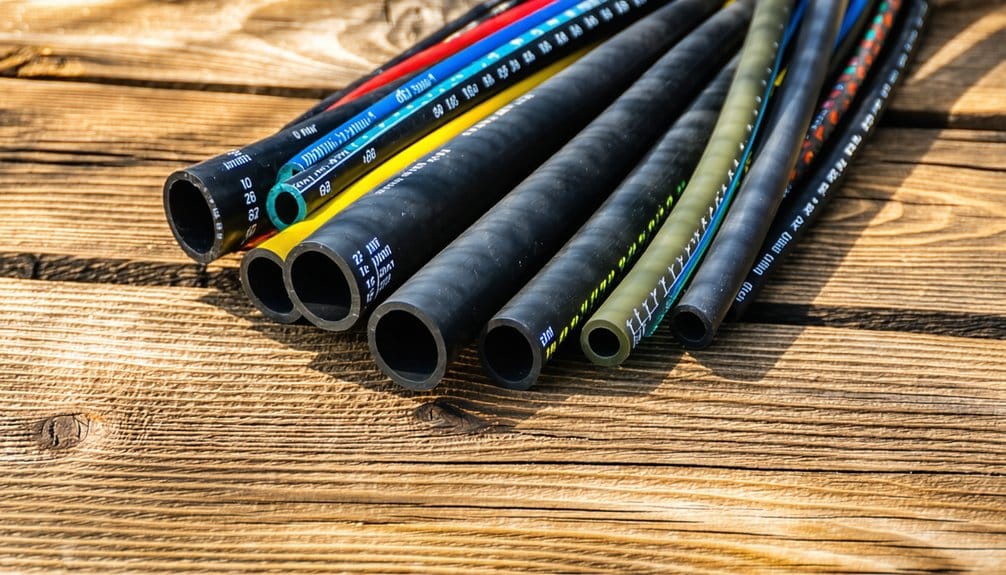
When it comes to drip irrigation, understanding tubing sizes is crucial for effective watering. You’ll find that drip irrigation tubing comes in various dimensions, each serving specific needs.
When selecting tubing size, consider factors like the flow rate, the length of your system, and the plants’ water requirements. A smaller diameter tubing can deliver water slowly and is great for delicate plants, while larger sizes can handle more volume, ideal for larger gardens.
Matching the correct tubing size to your system ensures efficient water distribution, reduces pressure loss, and minimizes waste. Take the time to research and choose wisely, as the right tubing size will significantly impact your garden’s health and productivity.
Your plants will thank you for it!
Common Tubing Diameter Options
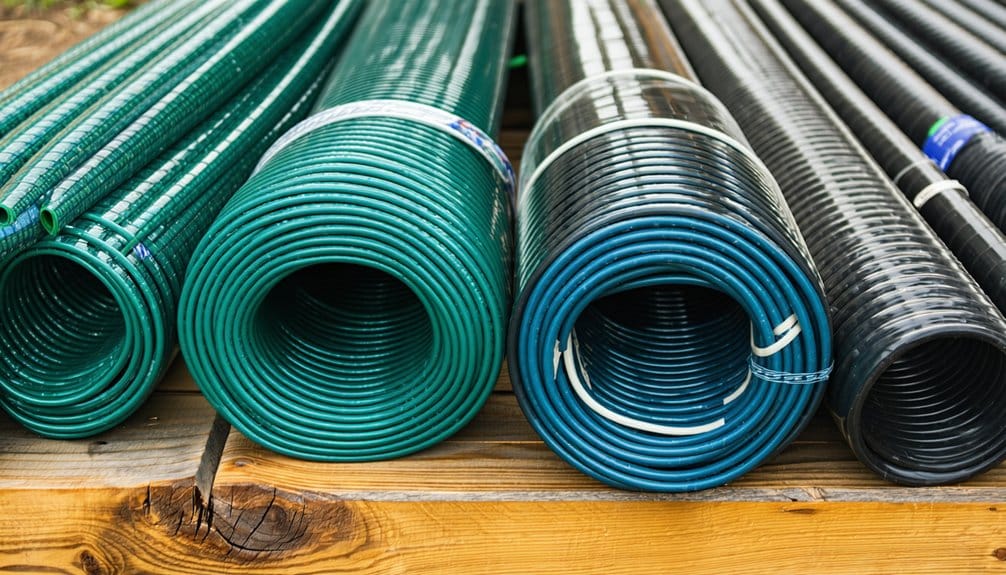
Drip irrigation tubing typically comes in several common diameters, including ¼-inch, ½-inch, and ¾-inch options. Each size plays a crucial role in your irrigation system, impacting water distribution and efficiency.
The ¼-inch tubing is great for small gardens or container plants, allowing for precise watering. The ½-inch option suits medium-sized areas, providing a balance between flow and coverage. If you’re working with larger spaces, the ¾-inch tubing delivers higher volumes of water, ideal for extensive planting.
When choosing your tubing size, consider your specific needs and how each option affects drip irrigation maintenance. Proper selection and maintenance will ensure your system operates effectively, promoting healthy plants and conserving water.
Factors Influencing Tubing Size Selection
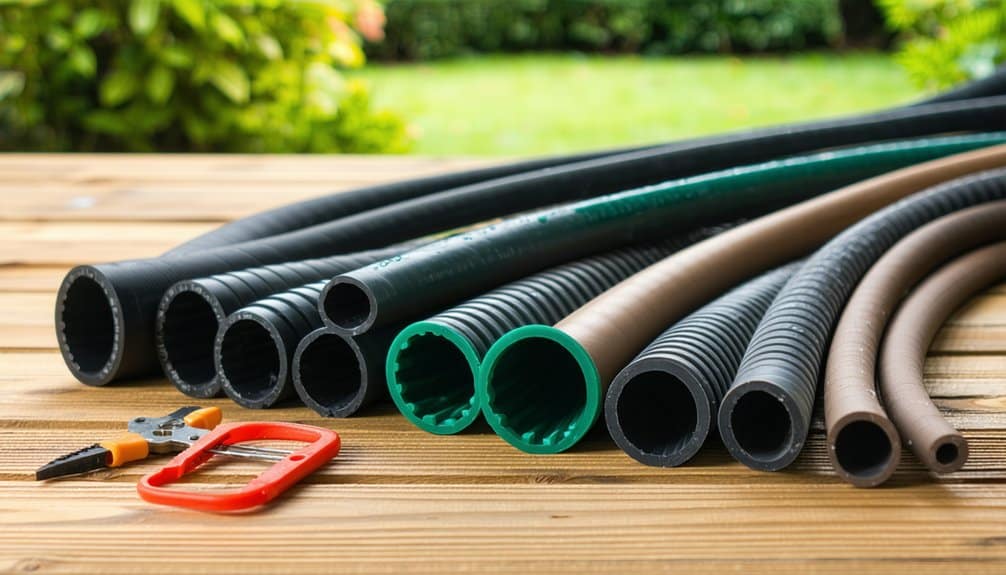
When choosing the right tubing size for your drip irrigation system, consider the specific water needs of your plants.
The layout of your system also plays a crucial role in determining the appropriate diameter.
Plant Water Requirements
Understanding plant water requirements is crucial for selecting the right tubing size in your drip irrigation system. Different plants have varying needs based on their size, growth stage, and environmental factors. For instance, young seedlings require less water than established plants.
You should also consider soil type; sandy soils drain quickly, while clay retains moisture. Additionally, the local climate plays a significant role—hotter regions may need more frequent watering.
By determining how much water your plants need, you can select tubing that delivers the right flow rate and pressure. This ensures your plants receive adequate hydration without overwatering, promoting healthy growth and reducing waste.
Always monitor your plants’ health to adjust as necessary.
System Layout Design
Choosing the right tubing size for your drip irrigation system hinges on several design factors that can significantly impact efficiency and plant health.
First, consider the layout of your garden or farm. If you have long rows, larger tubing can help maintain water pressure over distance.
Next, think about the type of plants you’re watering; different species have varying water needs, which can influence your choice.
Additionally, evaluate your water source’s pressure and flow rate, as these factors will dictate how effectively your system operates.
Lastly, anticipate future expansions or changes in your garden.
Comparing Pressure Ratings of Different Tubing Sizes
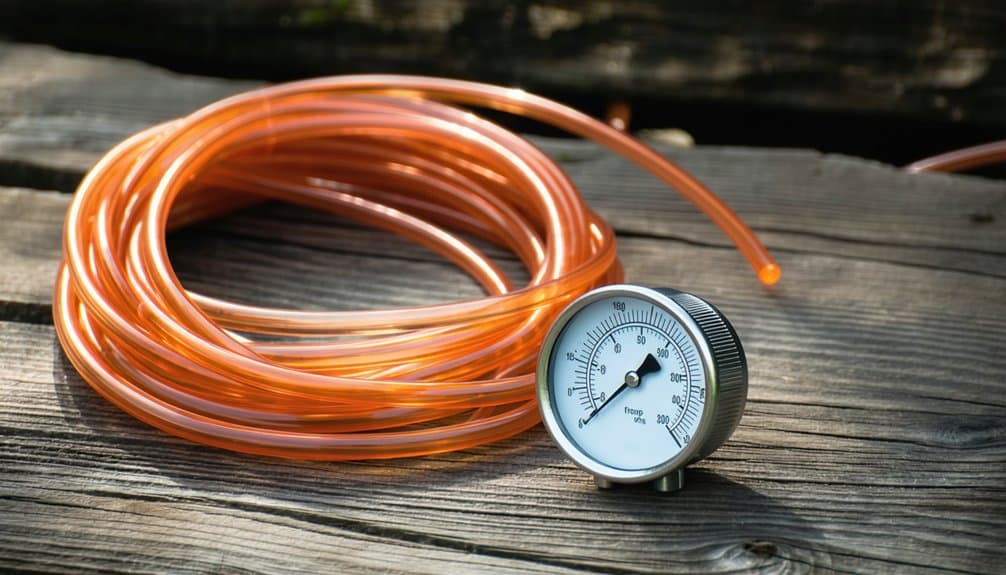
Although various tubing sizes are available for drip irrigation, their pressure ratings play a crucial role in determining system efficiency.
When you choose tubing, consider how the pressure rating affects water flow and distribution. Larger diameter tubing generally has a lower pressure drop, allowing for better performance in longer runs. In contrast, smaller tubing can create higher pressure but may not handle long distances effectively.
It’s essential to match the pressure rating with your system’s requirements to prevent issues like uneven watering or system failure. For optimal results, always check the manufacturer’s specifications to ensure the tubing can handle the pressure generated by your irrigation system.
This way, you’ll maintain a healthy and efficient garden or landscape.
Installation Considerations for Various Tubing Sizes
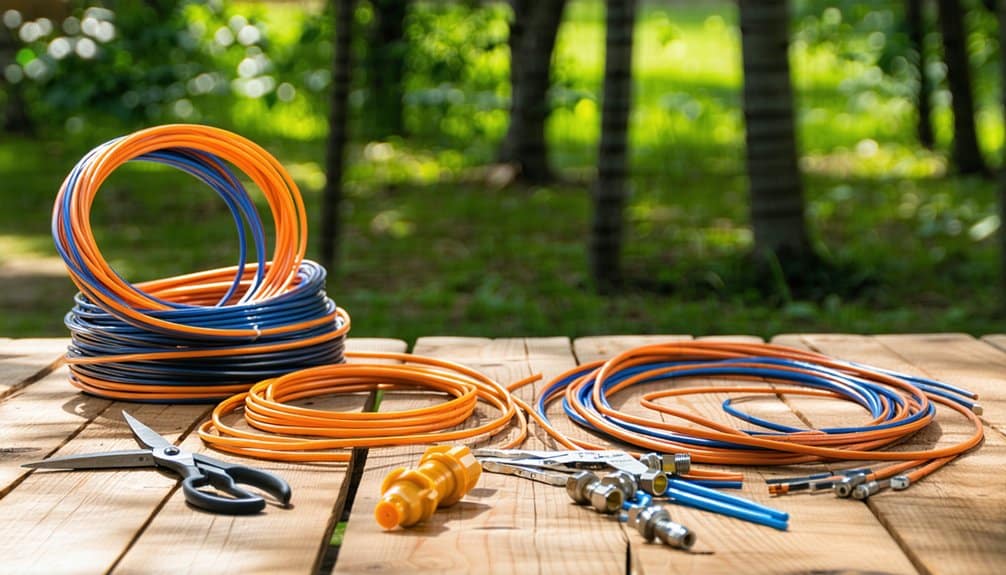
When you choose drip irrigation tubing, the diameter plays a crucial role in how effectively water reaches your plants.
You’ll also need to consider the length of the tubing and how it affects pressure throughout your system. Each of these factors can significantly impact your installation’s efficiency and overall performance.
Tubing Diameter Impact
Understanding how tubing diameter affects your installation is crucial for optimizing your drip irrigation system. The diameter of the tubing directly influences the flow rate and distribution of water to your plants.
If you choose a smaller diameter, you might struggle with water delivery, especially over larger areas. Conversely, larger tubing can accommodate higher flow rates but may require more fittings and connectors, complicating installation.
Consider your garden’s specific needs; if you’re working with delicate plants that need slow watering, a narrower diameter might be best. On the other hand, if you’re irrigating a vast area, larger tubing will help maintain efficiency.
Ultimately, selecting the right diameter ensures your system runs smoothly and effectively meets your watering requirements.
Length and Pressure Factors
As you plan your drip irrigation system, considering the length of your tubing and the pressure involved is vital for optimal performance.
Longer tubing can lead to pressure loss, which affects water distribution. To maintain consistent pressure, keep runs under 100 feet when possible. If your system exceeds this length, consider using larger diameter tubing or adding pressure regulators.
Also, think about the water source’s pressure; it should ideally be between 15 to 30 PSI for most drip systems. If the pressure is too high, use pressure reducers to prevent damage.
Monitor your system regularly to ensure efficient operation and adjust as needed. By paying attention to these factors, you’ll ensure your plants receive the right amount of water consistently.
Maintenance Tips for Drip Irrigation Systems
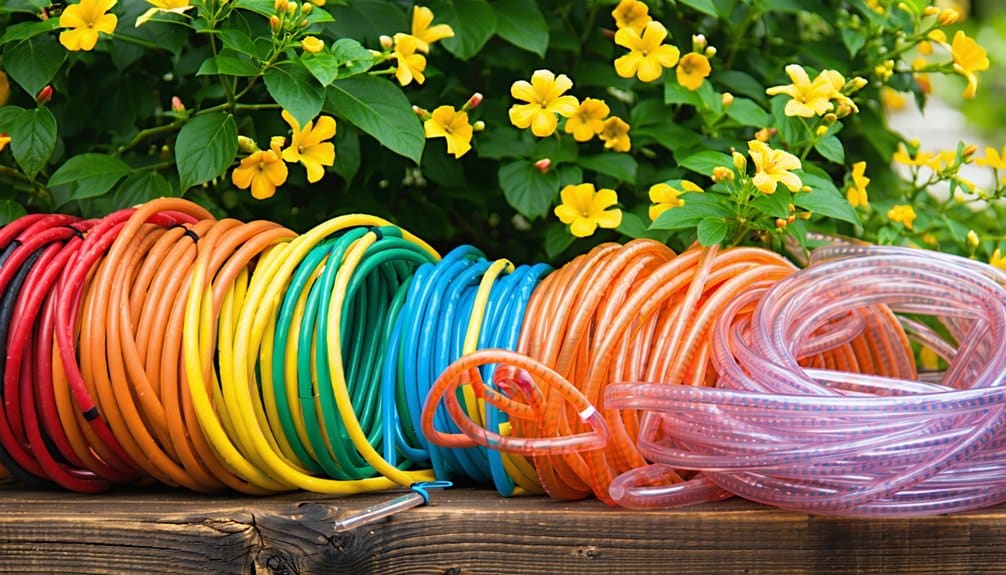
To keep your drip irrigation system running efficiently, regular maintenance is essential.
Start by checking for clogs in emitters and filters; clean them out as needed. Inspect the tubing for leaks or damage, and replace any worn sections immediately to prevent water loss.
It’s also wise to flush your system periodically to clear out sediments that can build up over time. Monitor your water pressure, ensuring it’s within the recommended range to avoid stress on your system.
Lastly, adjust your watering schedule seasonally to match your crops’ needs, and always keep an eye on plant health for signs of under or over-watering.
Regular maintenance not only extends the life of your system but also enhances its performance.
Choosing the Right Tubing for Specific Crops and Soils
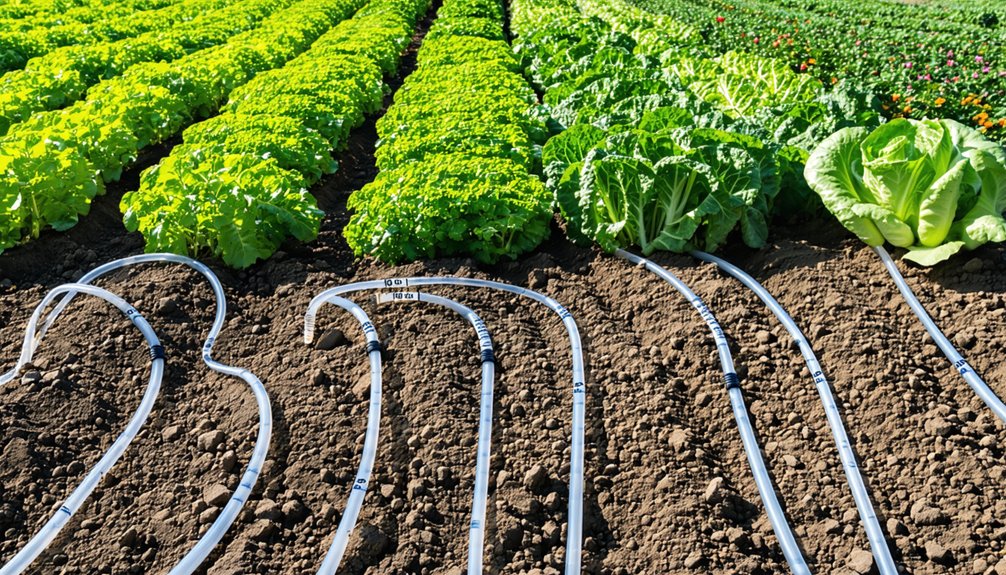
When selecting tubing for your drip irrigation system, consider the specific needs of your crops and soil types. Different plants have varying water requirements, so choose tubing that delivers the right amount of moisture.
For sandy soils, you might opt for smaller diameter tubing with more emitters to prevent water from draining too quickly. In contrast, clay soils may benefit from larger tubing with fewer emitters, allowing for gradual absorption.
Also, think about your crop spacing; closer plantings need more frequent watering points. Don’t forget to check the pressure ratings of the tubing, as they need to align with your system’s capabilities.
Ultimately, matching the tubing to your crops and soil ensures efficient irrigation and healthier plants.
Conclusion
In conclusion, selecting the right drip irrigation tubing size is essential for your garden’s success. By understanding the various diameters and considering factors like soil type and plant needs, you can optimize water distribution and enhance growth. Remember to compare pressure ratings and keep installation and maintenance in mind to ensure your system operates efficiently. With the right tubing, you’ll create a thriving environment for your plants while minimizing waste and maximizing productivity. Happy gardening!