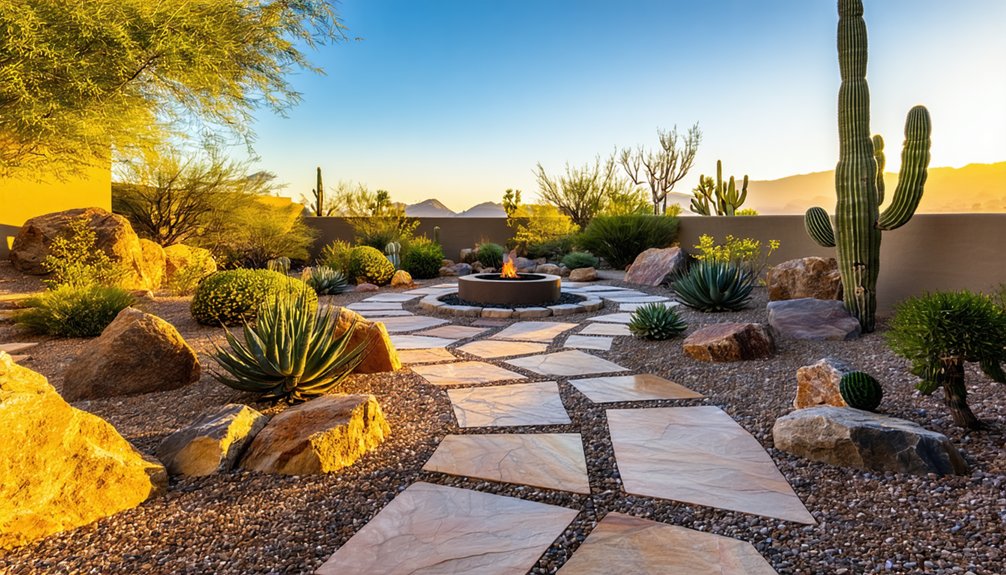

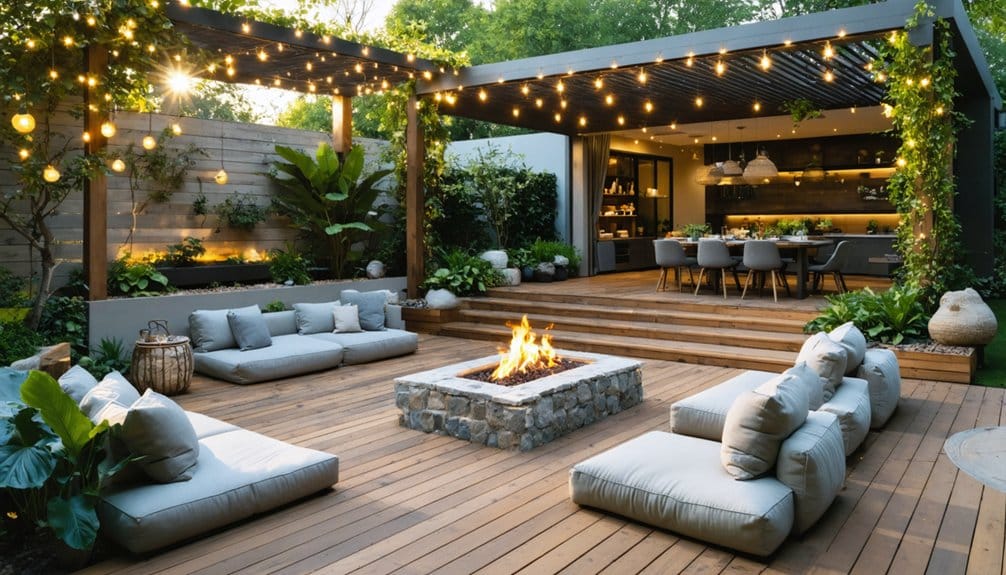
Transforming a backyard into a functional and inviting outdoor space requires thoughtful design choices. From integrating natural materials to adding practical features, each element contributes to a cohesive environment. Understanding how to balance aesthetics with usability can elevate any patio. Exploring essential ideas can reveal how to maximize both comfort and style outdoors, setting the stage for a backyard that suits various needs and preferences.
Key Takeaways
- Create a cozy fire pit area with comfortable seating and ambient lighting to extend outdoor enjoyment into cooler evenings.
- Incorporate natural stone and sustainable materials like reclaimed wood or bamboo for rustic appeal and eco-friendly patio design.
- Design an outdoor kitchen with durable appliances, strategic seating, and built-in storage for seamless dining experiences.
- Add a pergola with climbing plants and multi-level patios to provide shade, seasonal interest, and distinct functional zones.
- Use varied lighting options such as solar lights, LED spotlights, and string lights to enhance ambiance and energy efficiency.
Incorporate a Cozy Fire Pit Area
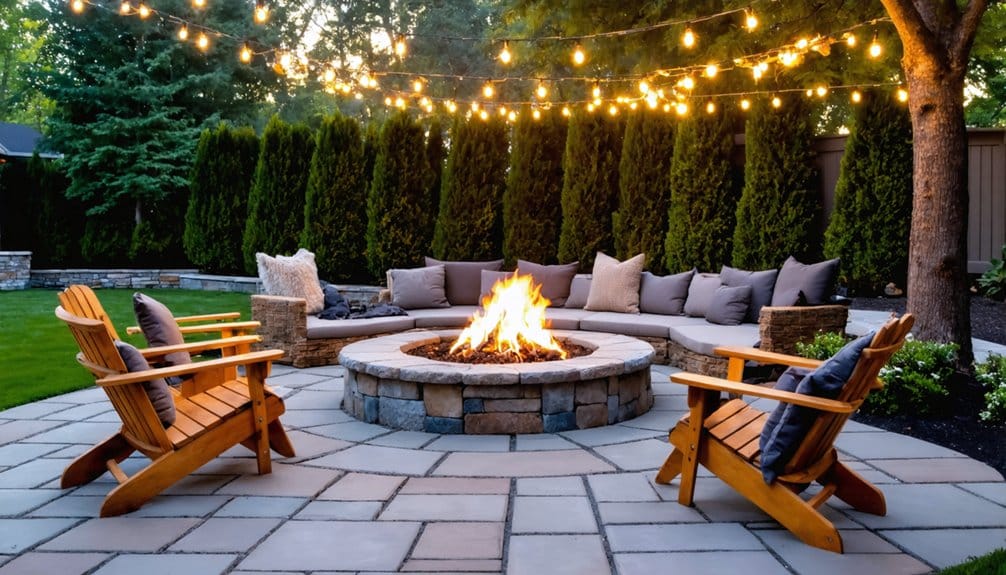
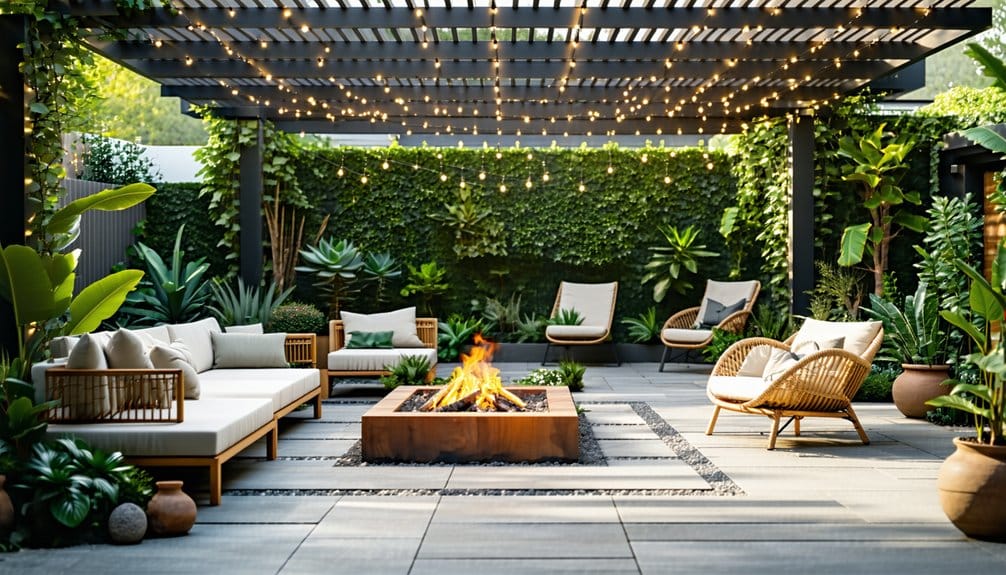
Although a fire pit can serve as a focal point for any backyard patio, its true value lies in creating a warm and inviting atmosphere.
Incorporating a cozy fire pit area is a popular choice among patio design ideas, enhancing the functionality and aesthetic appeal of an outdoor living space. This feature encourages social gatherings, providing a natural gathering spot for family and friends.
When planning a backyard makeover, strategically positioning the fire pit with comfortable seating and ambient lighting can elevate the overall experience.
Additionally, selecting materials and styles that complement the existing patio design ensures cohesion. A well-designed fire pit area not only adds warmth but also extends the usability of the outdoor space into cooler evenings, making it an essential element in modern backyard transformations.
Use Natural Stone for a Rustic Look
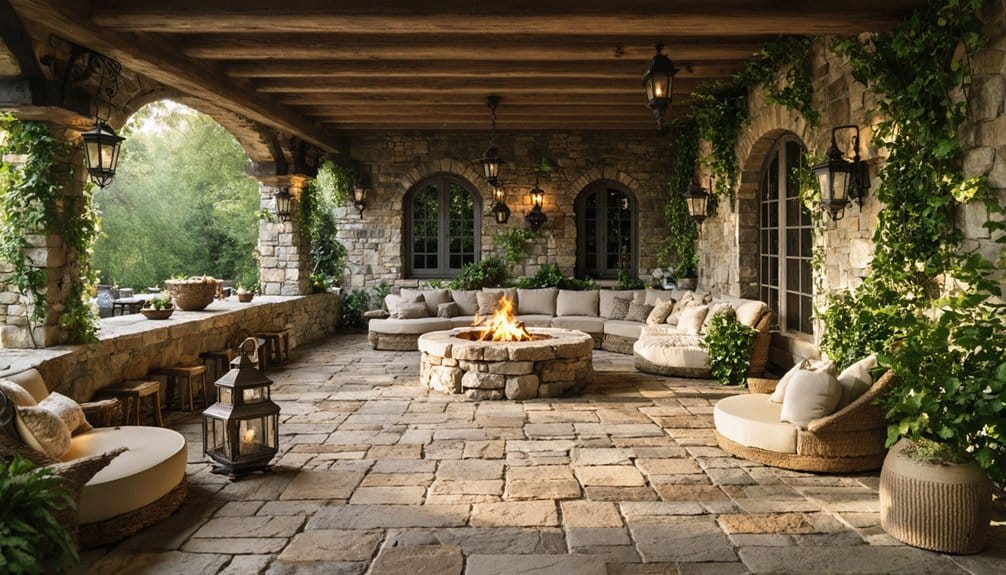
Beyond creating inviting focal points like fire pits, the choice of materials plays a significant role in defining a patio’s character.
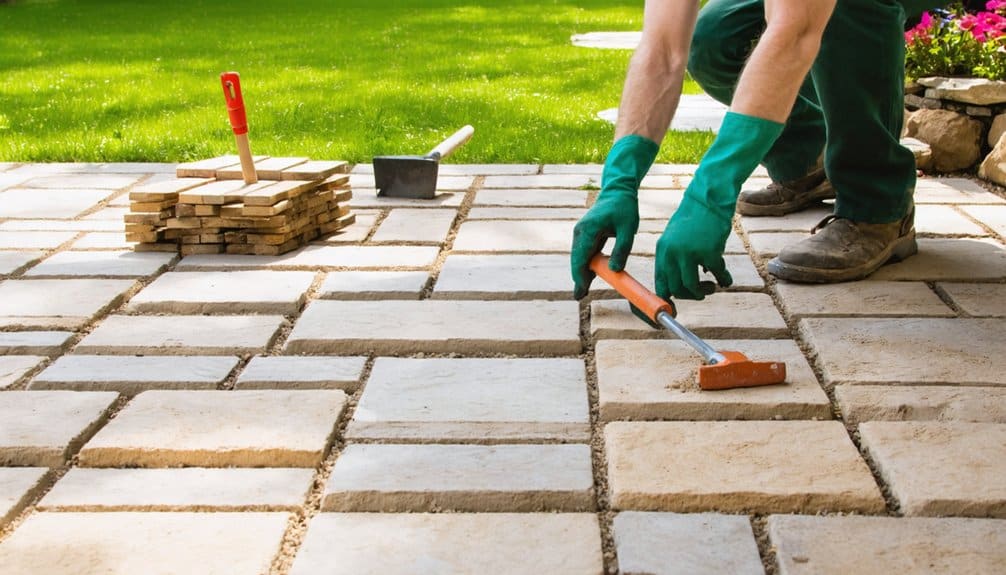
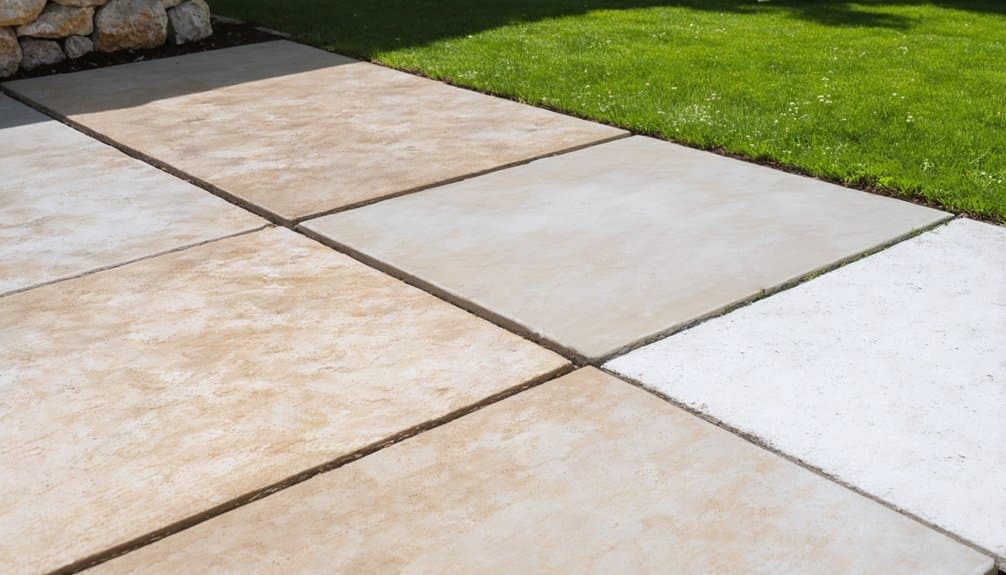
Using natural stone offers a timeless, rustic appeal that blends seamlessly with outdoor surroundings. Its varied textures and earthy tones provide visual interest and durability, making it an excellent choice for those seeking a low-maintenance yet elegant patio surface.
Incorporating natural stone aligns with practical landscaping tips, enhancing both aesthetics and functionality.
For enthusiasts exploring diy patio designs, natural stone can be adapted to various layouts, from irregular flagstones to neatly cut pavers, allowing customization to personal style and garden shape.
This material choice elevates the outdoor space, creating a warm, organic ambiance that complements natural landscapes without overwhelming them.
Create an Outdoor Kitchen and Dining Space
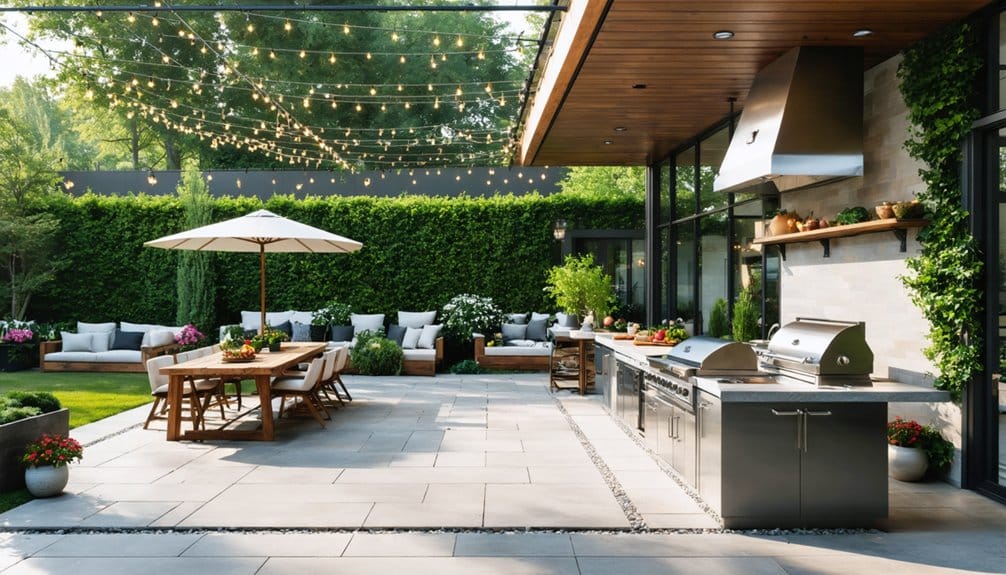
A well-designed outdoor kitchen and dining space transforms a backyard into a functional and social hub. Incorporating essential appliances such as a grill, refrigerator, and sink allows for convenient meal preparation without frequent trips indoors.
Durable, weather-resistant materials like stainless steel and stone ensure longevity and ease of maintenance. Strategically arranged seating, including a dining table and comfortable chairs, encourages gatherings and shared meals.
Proper lighting enhances usability during evening hours, while built-in storage keeps utensils and cookware organized. Integrating countertops provides ample workspace, facilitating efficient cooking and serving.
Add a Pergola With Climbing Plants
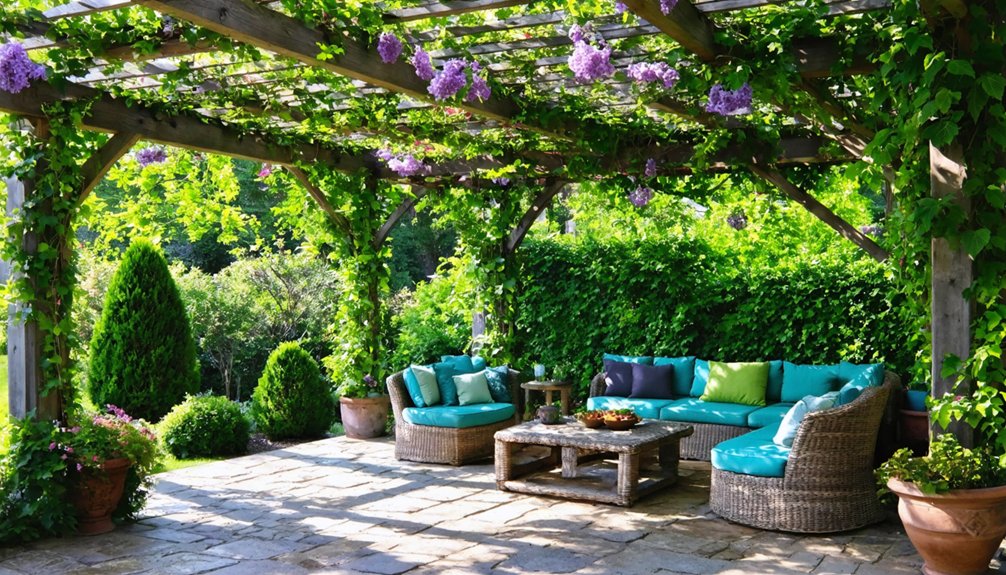
Enhancing an outdoor kitchen and dining area with a pergola introduces both shade and structure to the backyard space. Pergolas provide an open framework that defines the area without enclosing it, maintaining an airy, inviting atmosphere.
When combined with climbing plants such as wisteria, jasmine, or grapevines, pergolas gain natural beauty and additional shade. These plants soften the architectural lines and create seasonal interest through flowers and foliage changes.
Moreover, the greenery helps cool the space by filtering sunlight, making it more comfortable during warmer months. This combination promotes a seamless integration between built elements and nature, elevating the patio’s aesthetic appeal and usability.
Strategically placed pergolas with climbing plants can transform a simple backyard into a charming, functional outdoor retreat.
Design a Multi-Level Patio Layout
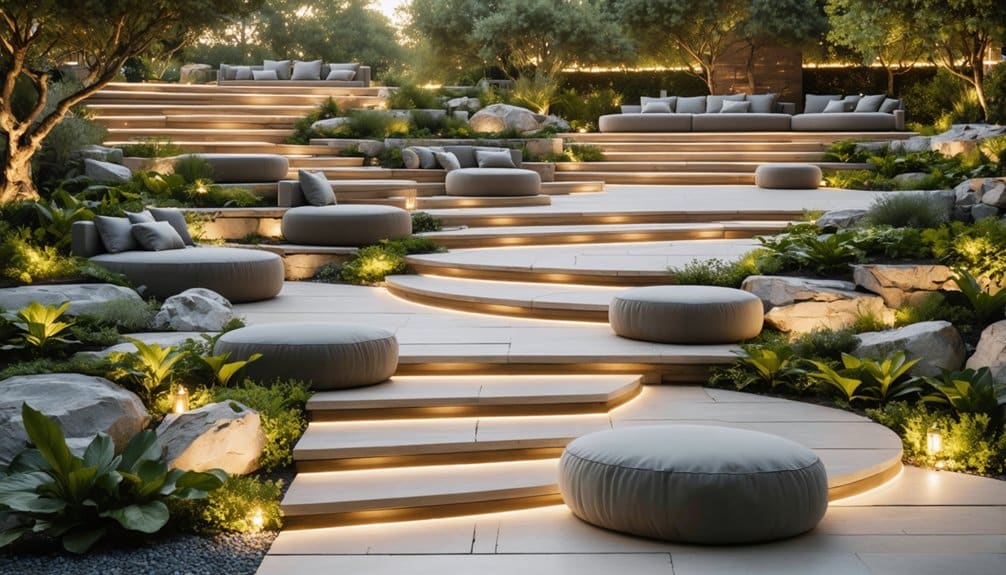
A multi-level patio layout takes advantage of elevation changes to create visual interest and functional separation.
Different levels can be designed to zone distinct activity areas, such as dining, lounging, or gardening.
This approach optimizes space and enhances the overall usability of the backyard.
Elevation Changes Benefits
When elevation changes are incorporated into a patio design, they create distinct zones that enhance both functionality and visual appeal. These variations in height add depth and dimension, transforming a flat outdoor space into an engaging environment.
Elevation shifts can improve drainage, preventing water accumulation and protecting patio materials. They also offer opportunities to define pathways and seating areas naturally, without relying solely on furniture or décor. Gradual steps or retaining walls can serve as subtle boundaries or seating options themselves.
Additionally, elevation changes can maximize views, allowing for better sightlines across the backyard or toward landscape features. Overall, integrating elevation differences enriches the patio experience by combining practicality with aesthetic interest, making outdoor spaces more dynamic and enjoyable.
Zoning Different Activity Areas
Elevation changes not only add visual interest but also provide natural opportunities to designate distinct activity zones within a patio.
By creating a multi-level layout, different functions such as dining, lounging, and cooking can be separated while maintaining a cohesive outdoor space. Raised platforms can serve as intimate seating areas, while lower levels accommodate larger gatherings or play zones.
Steps or short retaining walls help define these zones without obstructing sightlines, promoting flow and accessibility. Incorporating varied materials or textures further distinguishes each area, enhancing both aesthetics and functionality.
This strategic zoning maximizes usability by catering to diverse activities simultaneously, making the backyard more inviting and practical for users of all ages and preferences.
Integrate Built-In Seating With Storage
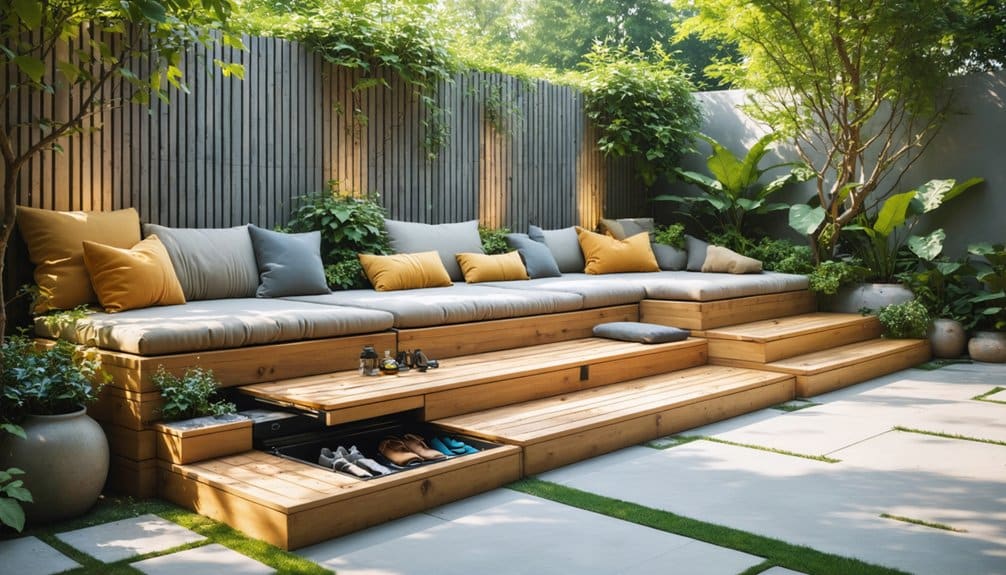
Maximizing space and functionality, built-in seating with storage transforms a patio into a practical and inviting area. This design approach offers a dual purpose by providing comfortable seating while concealing storage compartments beneath benches or within low walls.
Such integrated storage solutions help keep outdoor spaces tidy by housing cushions, gardening tools, or children’s toys, reducing clutter. Materials like wood, stone, or composite blends ensure durability and cohesion with the patio’s overall aesthetic. Custom-built units can be tailored to fit specific dimensions, optimizing awkward spaces.
Additionally, built-in seating encourages social interaction by defining gathering spots, making patios more welcoming for guests. This combination of comfort and utility enhances both the visual appeal and everyday usability of backyard patios.
Utilize Colorful Outdoor Rugs and Cushions
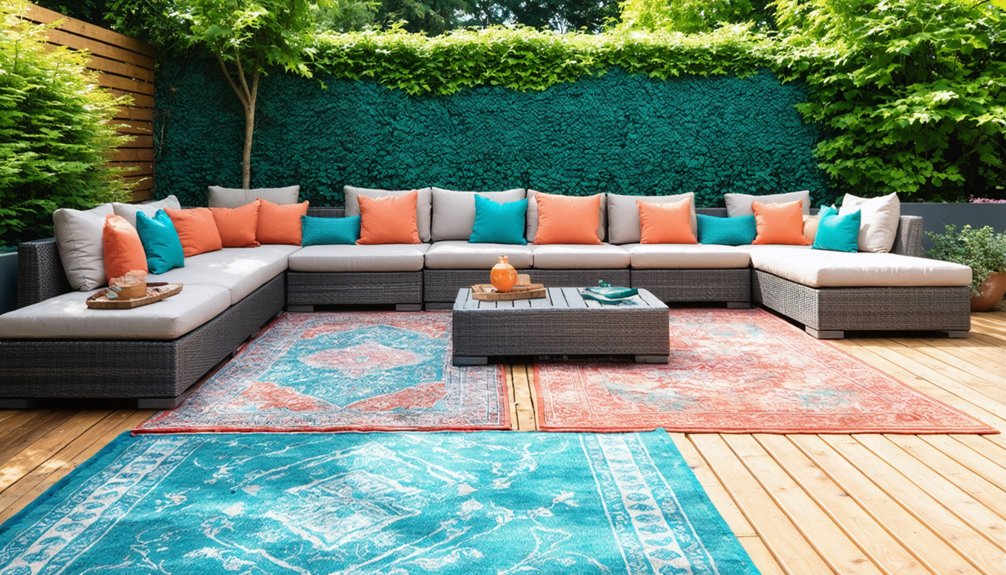
Adding built-in seating with storage establishes a strong foundation for a patio’s layout, creating defined areas for relaxation and socializing.
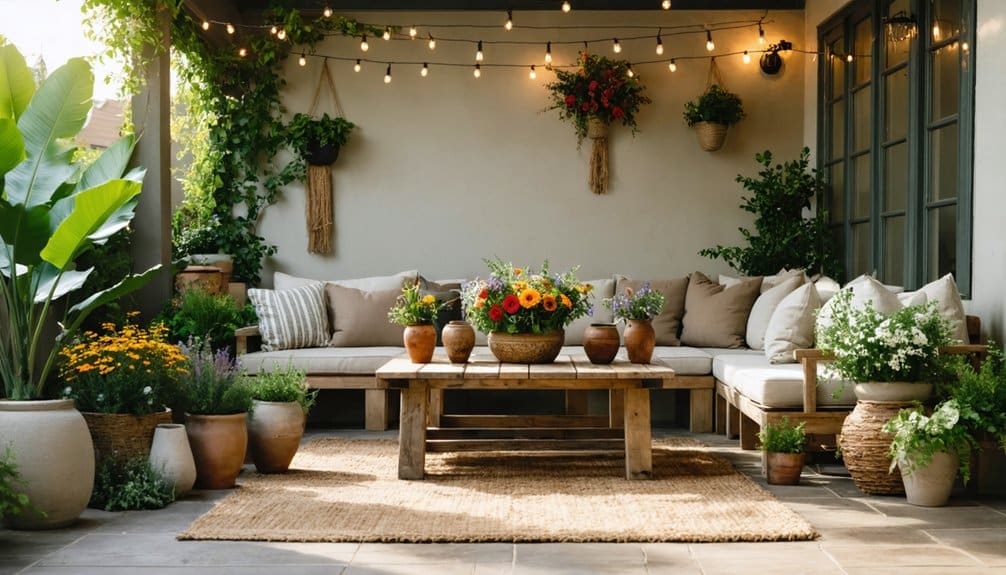
To further enhance comfort and visual appeal, incorporating colorful outdoor rugs and cushions is essential. These elements introduce vibrant hues and patterns, transforming a plain patio into an inviting space.
Outdoor rugs not only define seating zones but also add texture and warmth underfoot, making the area feel cozier. Cushions provide soft support while allowing homeowners to personalize their space with seasonal or thematic colors.
Selecting weather-resistant fabrics ensures durability against sun and moisture, maintaining brightness and quality over time.
Thoughtful coordination between rugs and cushions can unify the patio’s aesthetic, elevating both style and comfort without overwhelming the design.
Install String Lights for Ambiance
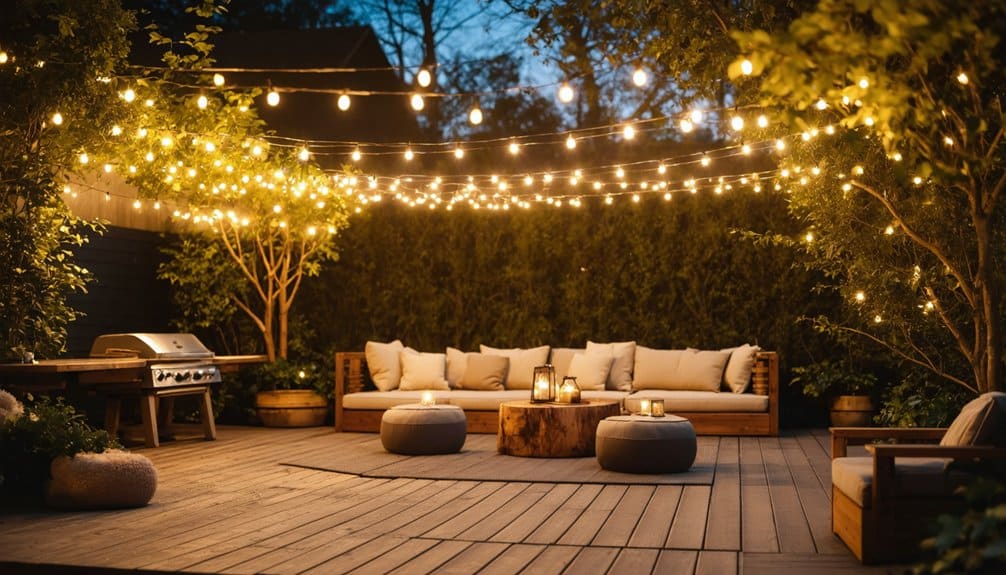
Selecting the appropriate type of string lights is essential for both style and functionality.
Strategic placement and arrangement can enhance the patio’s atmosphere and usability.
Considering energy-efficient options helps balance ambiance with sustainability.
Choosing Light Types
How can lighting transform the atmosphere of a backyard patio? Selecting the appropriate light types is crucial in creating a balanced and inviting outdoor space.
String lights, commonly used for ambiance, offer warmth and a festive feel. Beyond string lights, other options enhance functionality and style:
- Lanterns: Provide a rustic or elegant touch, suitable for tables or pathways.
- Solar Lights: Eco-friendly and low maintenance, ideal for garden borders.
- LED Spotlights: Highlight architectural features or plants with focused illumination.
Each light type contributes differently to the patio’s mood and usability.
Thoughtful selection ensures a harmonious blend of aesthetics and practicality, elevating the outdoor experience without overwhelming the space.
Placement and Arrangement
When string lights are thoughtfully placed and arranged, they can transform a backyard patio into a warm and inviting retreat. Strategic placement enhances both functionality and aesthetics, creating a balanced ambiance. Common arrangements include overhead draping, outlining structures, or wrapping around trees and posts. The height and spacing of lights influence brightness and mood, with softer light achieved through wider spacing and higher installation. Ensuring power sources are accessible and cords are safely managed is essential for both appearance and safety.
| Placement Strategy | Effect on Ambiance |
|---|---|
| Overhead Draping | Creates a canopy-like feel |
| Outlining Structures | Highlights architectural features |
| Wrapping Trees/Posts | Adds vertical interest |
| Zigzag Across Patio | Maximizes light coverage |
Energy Efficiency Options
Although string lights enhance the ambiance of a backyard patio, choosing energy-efficient options can significantly reduce electricity consumption and environmental impact.
Selecting LED string lights is a primary step, as they consume up to 75% less energy than incandescent bulbs and have longer lifespans.
Solar-powered string lights offer an alternative by harnessing sunlight, eliminating the need for electrical outlets and reducing utility costs.
Additionally, incorporating timers or smart plugs allows automatic control over lighting duration, preventing unnecessary energy use.
- Use LED bulbs for lower energy consumption and durability.
- Opt for solar-powered string lights to utilize renewable energy.
- Install timers or smart plugs to optimize lighting schedules and minimize waste.
These strategies collectively improve energy efficiency while maintaining a warm, inviting patio atmosphere.
Include a Water Feature for Relaxation
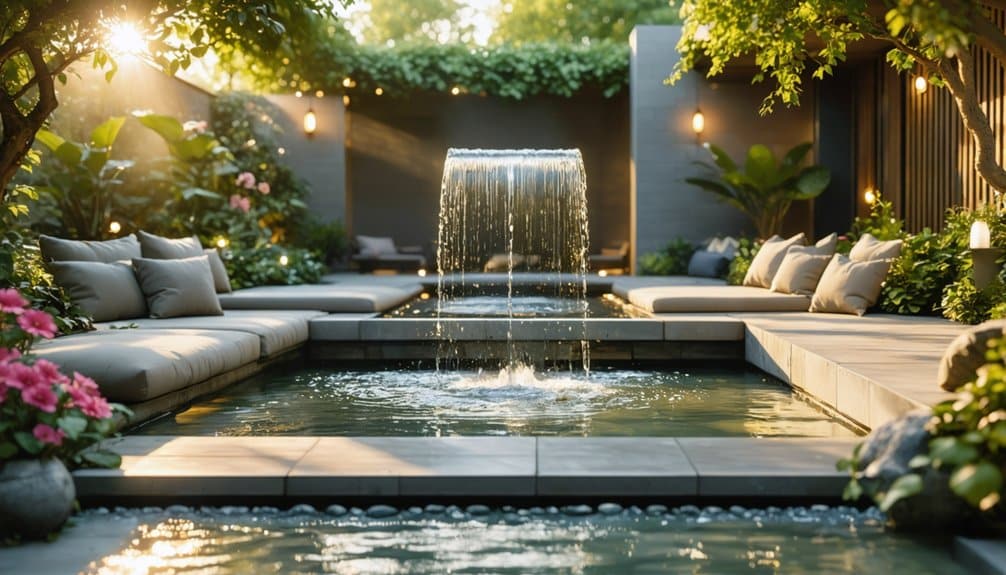
A water feature can serve as a tranquil centerpiece in any backyard patio, enhancing the atmosphere with soothing sounds and visual appeal. Incorporating elements such as fountains, ponds, or waterfalls introduces a calming auditory backdrop that masks unwanted noise and promotes relaxation.
These features also attract local wildlife, adding dynamic natural interest to the space. Placement near seating areas maximizes enjoyment, creating an inviting environment for meditation or social gatherings.
Additionally, water features can be designed to complement the patio’s style, whether modern or rustic, balancing aesthetics with functionality. Proper maintenance ensures longevity and prevents stagnation.
Opt for Sustainable and Eco-Friendly Materials
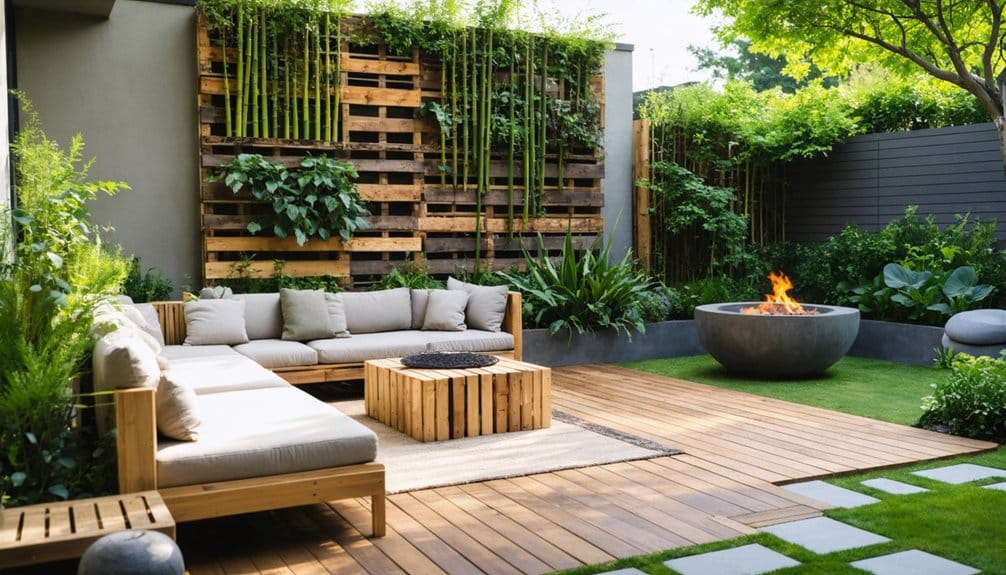
Selecting eco-friendly materials such as reclaimed wood, recycled composite decking, or natural stone can enhance both the aesthetic and environmental value of a patio.
Sustainable choices reduce resource consumption and minimize ecological impact. These materials often offer durability and low maintenance, making them practical for long-term outdoor use.
Eco-Friendly Material Options
When designing a backyard patio, incorporating sustainable and eco-friendly materials not only reduces environmental impact but also enhances the space’s natural aesthetic.
Selecting appropriate materials is crucial for achieving a balance between durability, style, and eco-consciousness.
Key eco-friendly material options include:
- Reclaimed Wood: Utilizes salvaged timber, reducing waste and minimizing deforestation while adding rustic charm.
- Bamboo: A rapidly renewable resource known for its strength and unique grain, suitable for decking and furniture.
- Recycled Composite Materials: Made from recycled plastics and wood fibers, these materials offer longevity with minimal maintenance and resist weather damage.
These choices contribute to an environmentally responsible patio design that complements the outdoor environment while maintaining functionality and appeal.
Benefits of Sustainable Choices
Although initial costs may vary, choosing sustainable and eco-friendly materials for a patio offers long-term benefits that extend beyond aesthetics. These materials contribute to environmental preservation by reducing waste and lowering carbon footprints. Additionally, sustainable options often exhibit enhanced durability and require less maintenance, leading to cost savings over time. Homeowners can enjoy healthier outdoor spaces as eco-friendly materials avoid harmful chemicals.
| Benefit | Description |
|---|---|
| Environmental Impact | Reduces pollution and conserves natural resources |
| Durability | Longer lifespan with less frequent replacements |
| Health & Safety | Minimizes exposure to toxic substances |
Opting for sustainable choices supports a greener future while enhancing the patio’s functionality and appearance.
Frequently Asked Questions
How Do I Choose the Best Patio Furniture for My Space?
Choosing the best patio furniture involves assessing available space, considering comfort, durability, and style preferences. Prioritizing weather-resistant materials and scale ensures functionality and aesthetic harmony, enhancing outdoor living experiences effectively.
What Are the Maintenance Tips for Outdoor Wood Decking?
Maintenance tips for outdoor wood decking include regular cleaning, sealing or staining annually, inspecting for damage, removing debris promptly, and preventing water pooling. Proper care prolongs wood life and maintains appearance, ensuring durability against weather conditions.
How Can I Protect My Patio From Harsh Weather Conditions?
Protecting a patio from harsh weather involves applying waterproof sealants, using durable materials, covering with weather-resistant furniture, installing awnings or pergolas, and ensuring proper drainage to prevent water damage and prolong the patio’s lifespan.
What Are the Latest Trends in Outdoor Heating Options?
The latest trends in outdoor heating include energy-efficient infrared heaters, stylish propane fire pits, eco-friendly electric fireplaces, and smart heating systems controlled via apps, enhancing comfort while complementing modern patio aesthetics and sustainability goals.
How Do I Plan Lighting for Safety and Functionality on My Patio?
Planning patio lighting for safety and functionality involves layering ambient, task, and accent lights. Pathway lights ensure visibility, while adjustable fixtures highlight key areas. Energy-efficient LEDs and smart controls enhance usability and security effectively.
Conclusion
By integrating these top patio design ideas, any backyard can be transformed into a serene and inviting retreat. From cozy fire pits and natural stone accents to outdoor kitchens and pergolas adorned with climbing plants, each element enhances both functionality and aesthetic appeal. Thoughtful features like multi-level layouts, colorful textiles, ambient lighting, and soothing water elements further elevate the space. Embracing sustainable materials ensures that the outdoor oasis remains beautiful and eco-friendly for years to come.