
Patio maintenance requires more than occasional sweeping. Different materials demand specific cleaning methods and protective treatments to preserve their appearance and functionality. Without proper care, surfaces can deteriorate, leading to costly repairs. Understanding the right tools, cleaning techniques, and sealing processes is crucial for long-lasting results. This guide explores these elements in detail and highlights common challenges, ensuring your patio remains a durable and attractive outdoor space.
Key Takeaways
- Identify your patio material to select suitable cleaning methods and sealers for concrete, natural stone, brick, or pavers.
- Thoroughly remove debris and scrub with appropriate brushes before rinsing and drying the surface fully for effective cleaning.
- Choose sealers based on material compatibility, desired finish, and environmental conditions to enhance durability and appearance.
- Apply sealant evenly using a brush, roller, or sprayer, following manufacturer guidelines and allowing adequate drying between coats.
- Maintain regularly by sweeping, spot cleaning stains promptly, inspecting for damage, and addressing moss or algae growth to prevent issues.
Understanding Different Types of Patio Surfaces
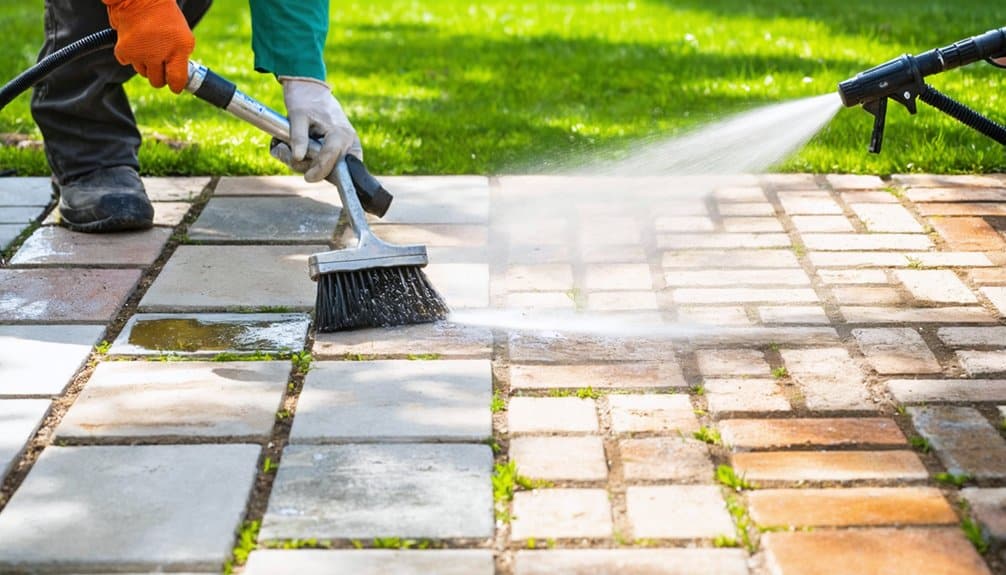
Although patios vary widely in materials and design, understanding the characteristics of different patio surfaces is essential for effective maintenance.
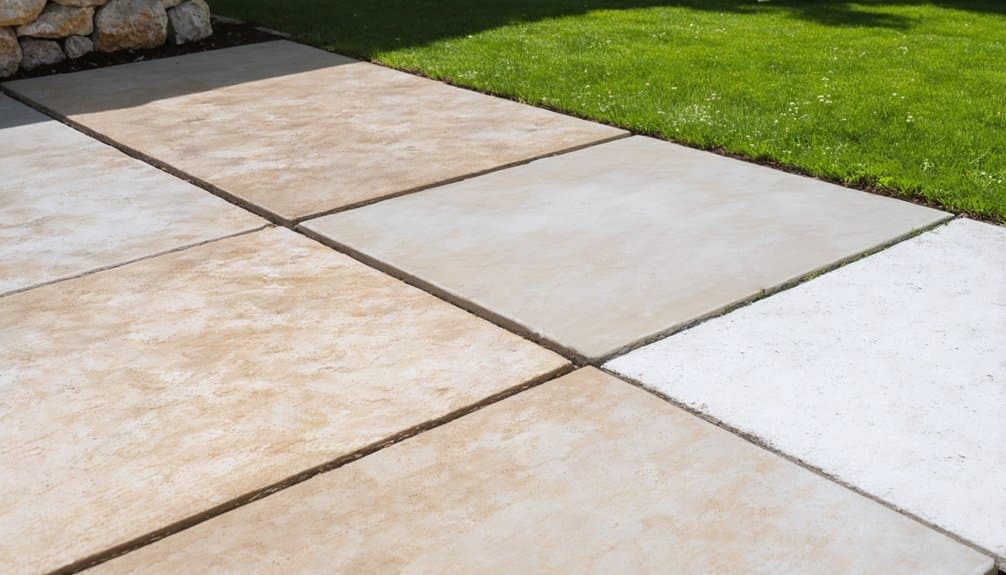
Common surfaces include concrete, natural stone, brick, and pavers, each requiring specific patio maintenance approaches. Concrete is durable but prone to cracking, needing regular sealing to prevent damage.
Natural stone offers aesthetic appeal but demands careful patio surface maintenance to avoid staining and erosion. Brick patios require attention to mortar joints and weed control.
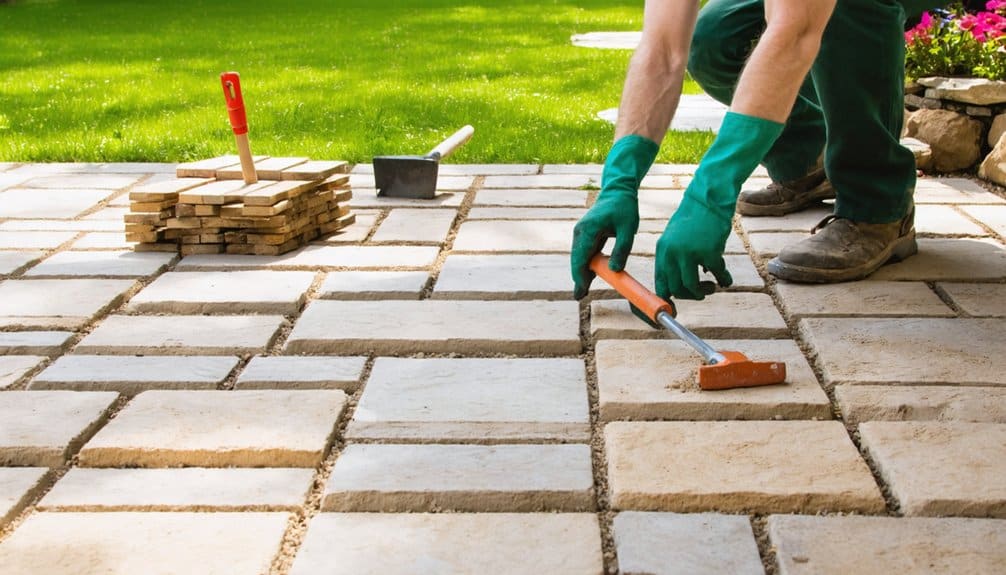
Pavers provide flexibility but need periodic leveling and joint refilling. Recognizing these differences aids in applying appropriate patio care tips, ensuring longevity and appearance.
Tailored maintenance routines optimize the surface’s durability, preventing costly repairs. Awareness of material-specific needs is fundamental to successful patio maintenance strategies.
Essential Tools and Materials for Patio Maintenance
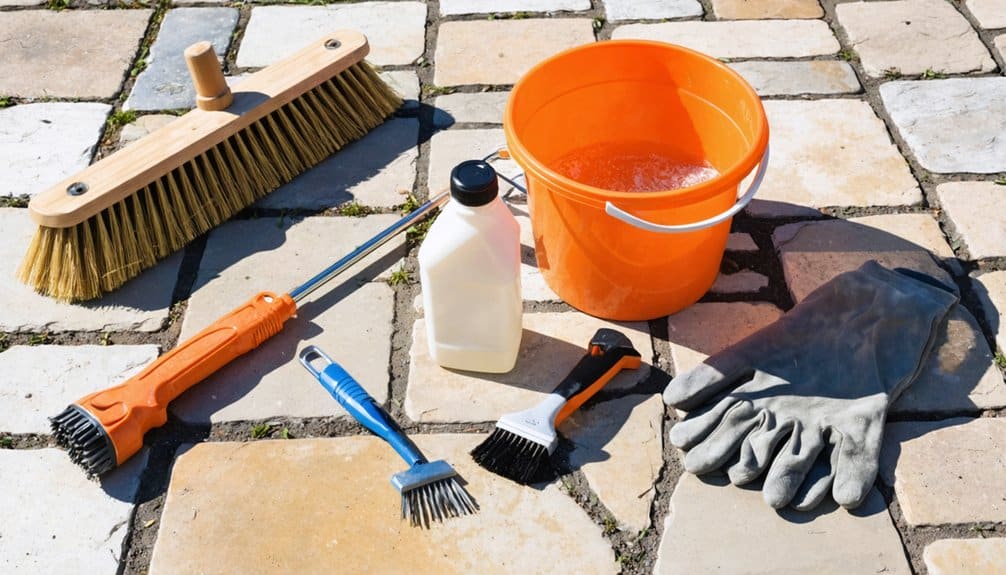
Proper patio maintenance requires a selection of cleaning tools such as brushes, brooms, and pressure washers to effectively remove dirt and debris.
Additionally, sealing materials like sealants and primers are essential to protect the surface from weather damage and stains.
Having these tools and materials ready ensures the patio remains in good condition throughout the year.
Cleaning Tools Checklist
Several key tools and materials are necessary for effective patio maintenance, ensuring surfaces remain clean and well-preserved.
For cleaning patio surfaces, essential items include a stiff-bristled broom to remove loose dirt and debris, a garden hose or pressure washer for rinsing, and a bucket for mixing cleaning solutions.
Additionally, a scrub brush with durable bristles helps tackle stubborn stains. Using gloves protects hands during the cleaning process, while a squeegee aids in drying surfaces evenly.
Proper cleaning tools prepare the patio for subsequent sealing patio steps, ensuring sealants adhere effectively.
Having these cleaning tools on hand streamlines the maintenance process, promoting longevity and aesthetic appeal of the patio surface without unnecessary complications or damage.
Sealing Materials Needed
Once the patio surface is thoroughly cleaned and dried, the next step involves gathering the materials required for sealing.
Essential sealing materials include a high-quality patio sealer suitable for the specific patio material, such as concrete, stone, or brick. A paint roller or brush is necessary for even application. Additionally, a paint tray or bucket facilitates the sealer’s distribution.
Protective gloves and safety glasses are recommended to prevent contact with chemicals. A mask may be required if working with solvent-based sealers in enclosed areas.
Drop cloths or plastic sheeting protect surrounding plants and surfaces from accidental spills. Finally, a clean, lint-free cloth or sponge is useful for wiping off excess sealer or addressing small areas.
These tools and materials ensure an efficient and effective sealing process.
Step-by-Step Guide to Cleaning Your Patio
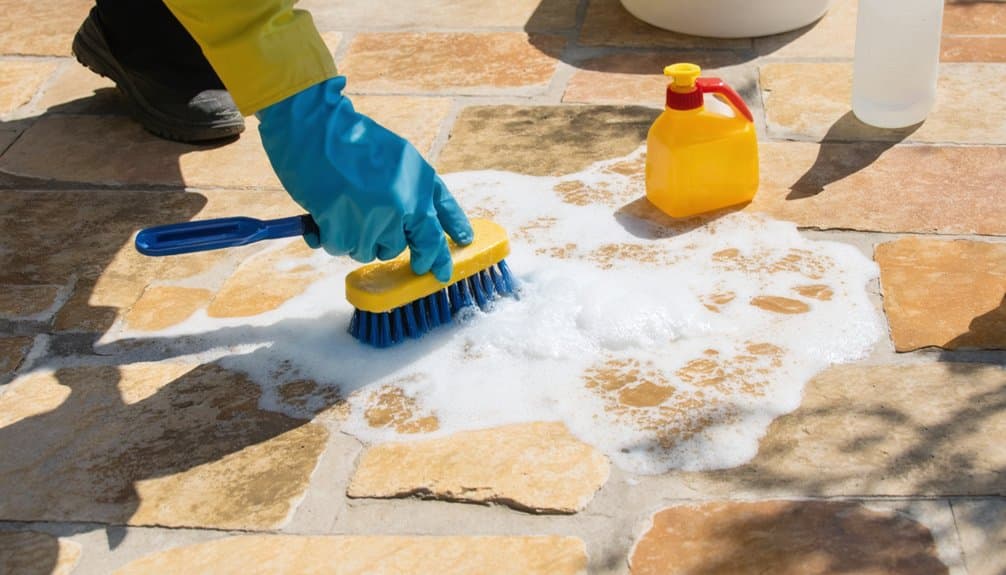
The cleaning process begins with removing all debris from the patio surface to ensure effective treatment.
Selecting the appropriate cleaning solution is essential for addressing specific stains and materials.
Finally, scrubbing followed by thorough rinsing completes the cleaning, restoring the patio’s appearance.
Clearing Debris First
A thorough removal of leaves, twigs, and other debris is essential before any deeper cleaning can begin. This initial step prevents dirt and organic material from embedding into the patio surface during washing, which can cause staining and deterioration over time.
Begin by using a sturdy broom or leaf blower to clear large debris efficiently. Pay close attention to corners and between pavers where debris tends to accumulate. For stubborn dirt or stuck-on debris, a plastic scraper can be employed carefully to avoid damaging the surface.
Clearing debris also facilitates an accurate assessment of the patio’s condition, revealing areas that may need special attention during cleaning or sealing. Completing this step ensures the patio is prepared for subsequent cleaning processes.
Choosing Cleaning Solutions
Although selecting the appropriate cleaning solution depends on the patio material and level of soiling, careful consideration ensures effective cleaning without damage.
Different surfaces require specific products to avoid discoloration or erosion. For example, concrete patios tolerate stronger cleaners, while wood demands gentler, pH-balanced solutions.
Additionally, environmental safety and ease of use influence the choice. It is important to test a small, inconspicuous area before full application.
Key points to consider when choosing cleaning solutions:
- Material compatibility: Match cleaner formulation to patio surface (stone, wood, concrete, or brick).
- Soil severity: Use mild detergents for light dirt and specialized cleaners for tough stains or mold.
- Environmental impact: Opt for eco-friendly, biodegradable products to protect surrounding plants and soil.
Scrubbing and Rinsing
Once the appropriate cleaning solution is selected and tested, attention shifts to the scrubbing and rinsing process to remove dirt and residues effectively.
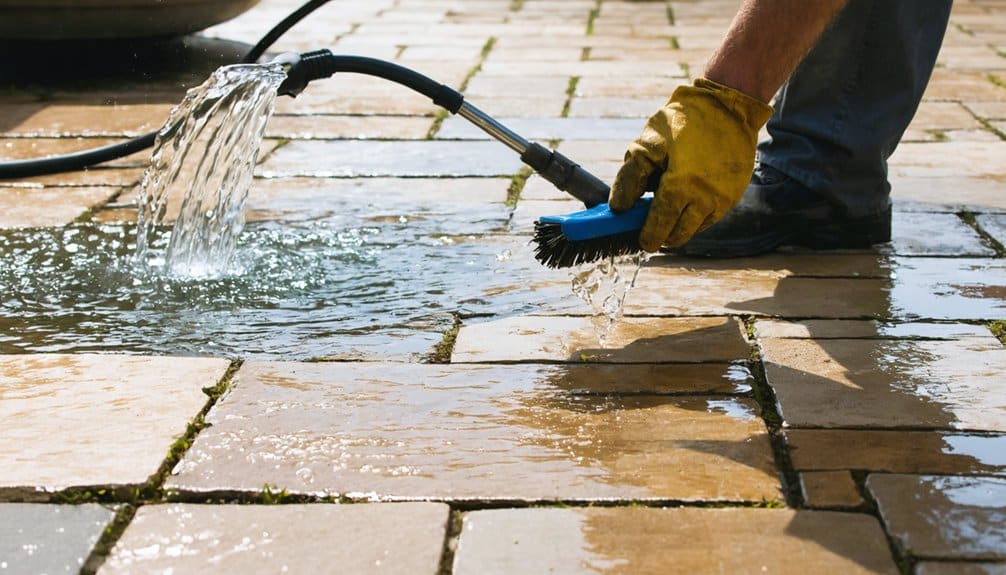
Using a stiff-bristled brush, the surface should be scrubbed systematically, working in small sections to ensure thorough coverage. Circular or back-and-forth motions help dislodge grime embedded in textured surfaces.
After scrubbing, the area requires rinsing with clean water, preferably via a garden hose with moderate pressure to wash away loosened debris without damaging the patio.
It is essential to avoid leaving cleaning agents on the surface, as residue can affect sealing later. For stubborn stains, repeated scrubbing and rinsing may be necessary.
Finally, the patio should be allowed to dry completely before proceeding to sealing or further maintenance steps.
Choosing the Right Sealer for Your Patio Surface
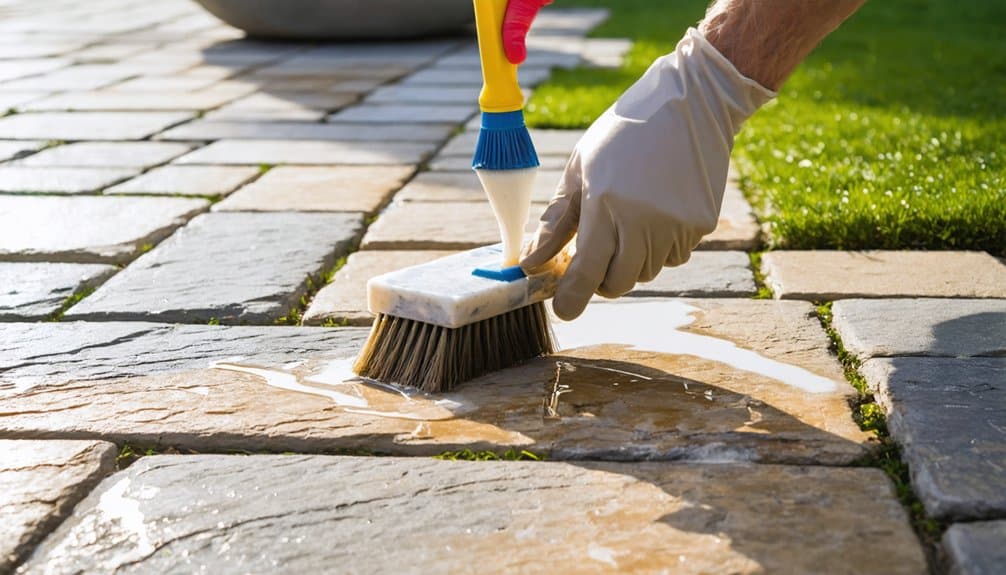
Because each patio surface material has unique characteristics, selecting the appropriate sealer is essential to ensure effective protection and longevity.
Different sealers are formulated to enhance durability, resist weather damage, and maintain the surface’s appearance. Understanding the type of patio—whether concrete, stone, brick, or wood—guides the choice of sealer. Some sealers offer waterproofing, while others focus on stain resistance or UV protection.
Key considerations when choosing a sealer include:
- Compatibility with the patio material to avoid damage or discoloration
- Desired finish, such as matte, glossy, or natural look
- Environmental factors, including exposure to sun, rain, and temperature fluctuations
Selecting the right sealer ensures the patio remains attractive and structurally sound over time.
How to Properly Apply Patio Sealant
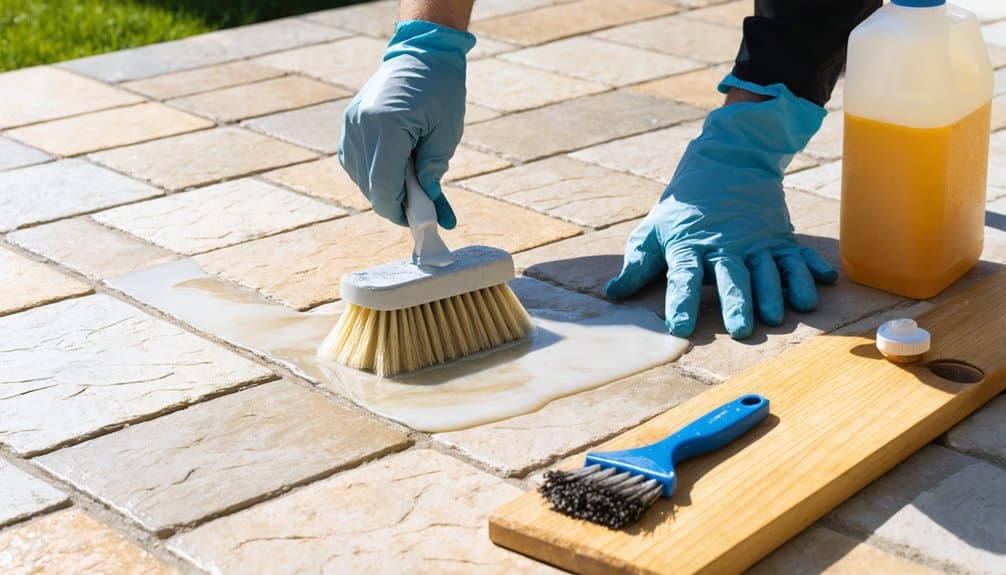
Applying patio sealant requires careful preparation and methodical execution to achieve optimal protection and appearance.
First, the surface must be completely clean and dry to ensure proper adhesion. Using a brush, roller, or sprayer, apply the sealant evenly, working in small sections to avoid overlap marks.
It is crucial to follow the manufacturer’s recommended coverage rate and application thickness. Avoid pooling by spreading the sealant uniformly.
Allow sufficient drying time between coats if multiple layers are required, typically 1 to 4 hours depending on product instructions and weather conditions.
Finally, keep the patio free from foot traffic and moisture until fully cured, which can take up to 48 hours.
Proper application enhances durability, resists stains, and maintains the patio’s aesthetic appeal.
Tips for Regular Patio Upkeep and Spot Cleaning
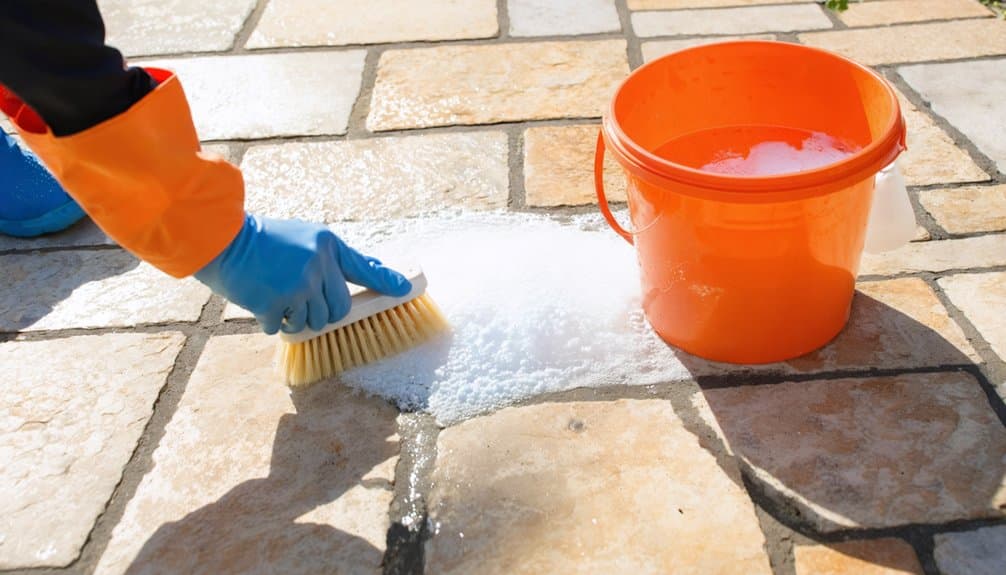
Maintaining a patio’s appearance and longevity goes beyond the initial application of sealant. Regular upkeep and prompt spot cleaning are essential to preserve the surface’s integrity and aesthetic appeal. Routine maintenance prevents dirt buildup and stains from becoming permanent, extending the life of the patio.
For effective upkeep, it is important to:
- Sweep the patio frequently to remove debris and prevent surface abrasion.
- Address spills and stains immediately using appropriate cleaning agents to avoid discoloration.
- Inspect the surface periodically for minor damages or dirt accumulation that require targeted cleaning.
These practices help maintain a clean, attractive patio and reduce the need for intensive restoration later. Consistent attention ensures the sealed surface continues to protect the patio from environmental wear and tear.
Troubleshooting Common Patio Maintenance Issues
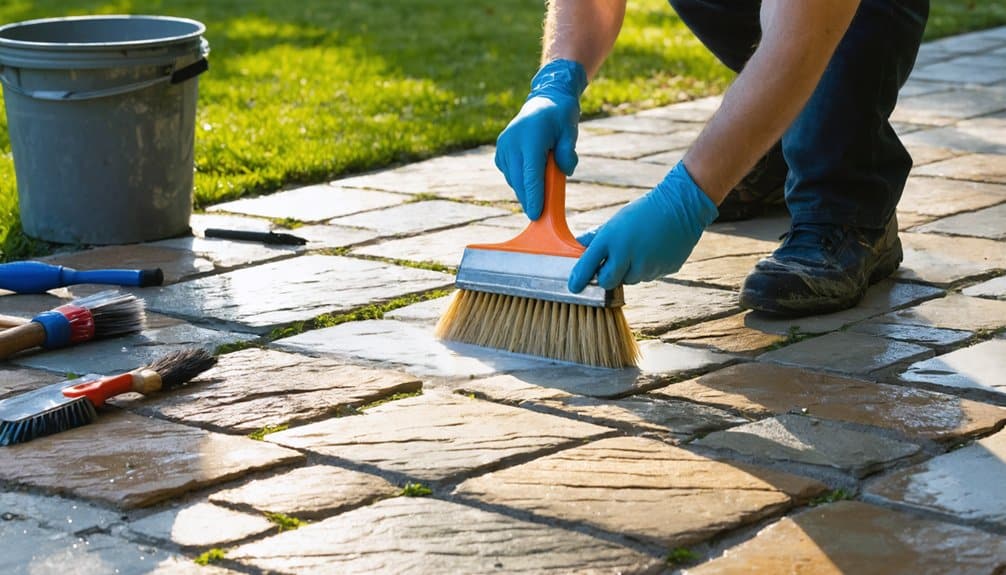
When common problems arise on a patio, identifying their causes quickly is crucial to prevent further damage. Issues like staining, cracking, or moss growth can deteriorate both appearance and structure. Timely troubleshooting ensures longevity and safety.
| Problem | Cause | Emotional Impact |
|---|---|---|
| Stains | Food spills, rust, or mold | Frustration over mess |
| Cracks | Weather changes, settling | Concern for safety |
| Moss or algae | Moisture, shade | Annoyance and slipperiness |
| Fading | Sun exposure, wear | Disappointment in look |
Addressing these issues promptly preserves the patio’s aesthetic and functional value, offering peace of mind and enhancing outdoor enjoyment.
Frequently Asked Questions
How Does Weather Affect Patio Sealing Longevity?
Weather significantly impacts patio sealing longevity; exposure to extreme temperatures, UV rays, rain, and humidity can cause sealants to degrade faster, leading to cracking, peeling, and reduced protection, thus necessitating more frequent resealing.
Can Patio Sealers Cause Allergies or Health Issues?
Patio sealers may emit volatile organic compounds (VOCs) during application, potentially causing respiratory irritation or allergic reactions in sensitive individuals. Proper ventilation and protective gear minimize health risks associated with exposure to these chemicals.
Are There Eco-Friendly Patio Cleaning Alternatives?
Eco-friendly patio cleaning alternatives include using vinegar, baking soda, and castile soap solutions. These natural agents effectively remove dirt and mold without harsh chemicals, reducing environmental impact and minimizing potential health risks associated with conventional cleaners.
How Often Should Patios Be Professionally Inspected?
Patios should be professionally inspected every one to two years to identify structural issues, wear, or damage early. More frequent inspections may be necessary in harsh climates or if heavy use accelerates wear and tear.
What Are the Signs of Underlying Patio Structural Damage?
Signs of underlying patio structural damage include large cracks, uneven surfaces, sinking or shifting areas, water pooling, and visible deterioration of materials. These indicators often suggest foundational issues requiring professional assessment and repair.
Conclusion
Mastering patio maintenance ensures the longevity and beauty of outdoor spaces by addressing the specific needs of various patio surfaces. Utilizing the right tools, cleaning methods, and sealants protects against damage and wear. Consistent upkeep, including regular inspections and spot cleaning, prevents common issues like stains and cracks. By following these essential practices, homeowners can preserve their patios’ appearance and functionality, creating inviting, durable outdoor environments for years of enjoyment.