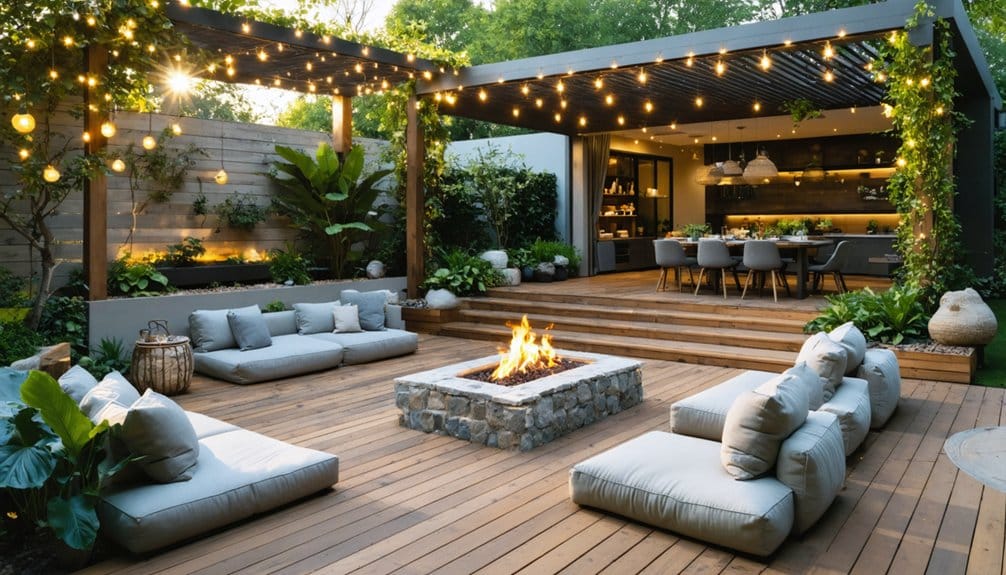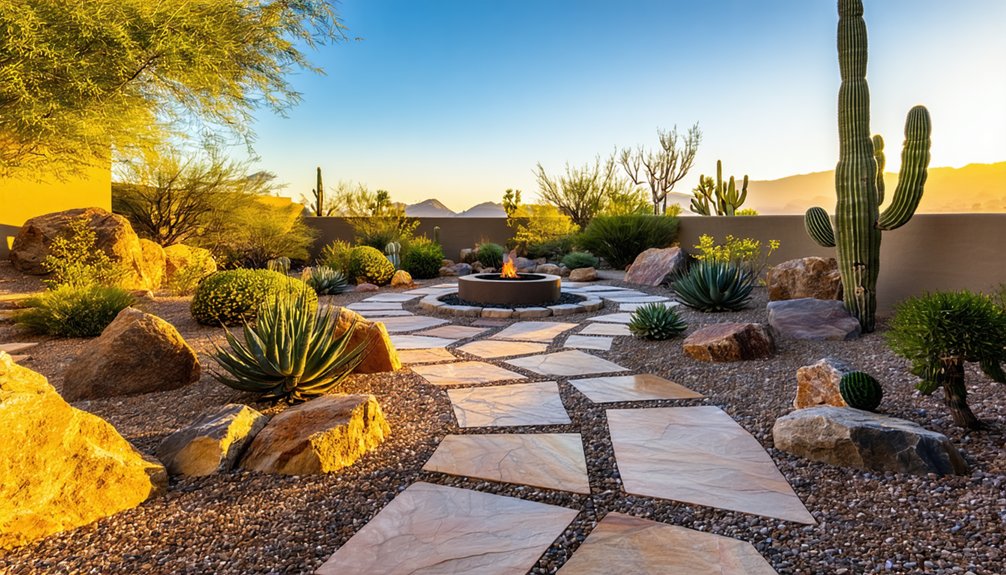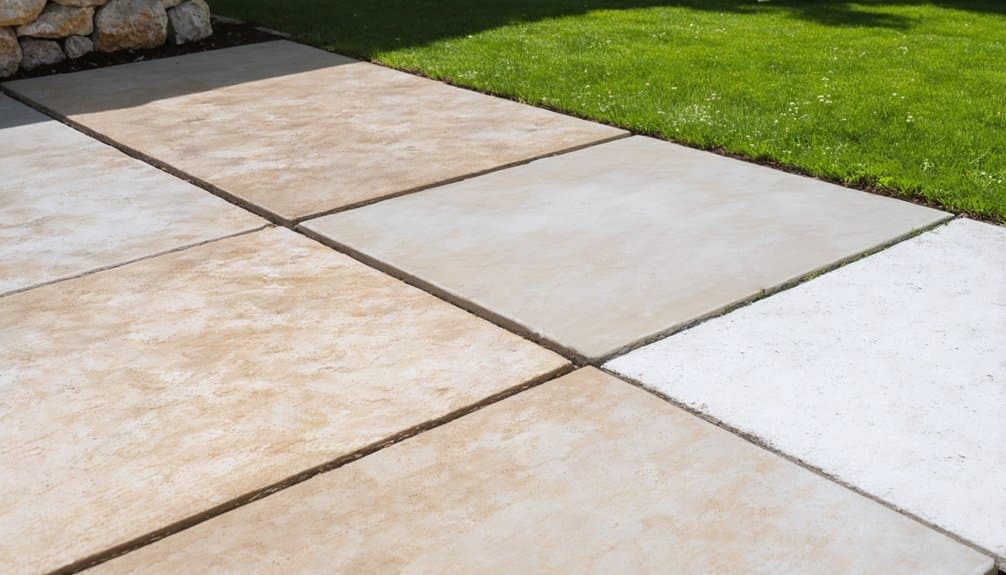
Selecting the appropriate material for a patio involves balancing several factors, from durability to aesthetics. Concrete, pavers, and natural stone each offer distinct advantages and potential drawbacks depending on the intended use and environment. Understanding how these materials perform under various conditions can influence both the longevity and appearance of an outdoor space. The choice made today will shape the patio’s functionality and style for years ahead.
Key Takeaways
- Concrete suits budgets needing low-cost, durable patios with versatile finishes and lower labor for faster installation.
- Pavers offer design flexibility, easy individual replacements, and better freeze-thaw resistance, ideal for creative layouts in variable climates.
- Natural stone provides timeless elegance and durability but requires higher initial costs, skilled installation, and specialized maintenance.
- Consider long-term upkeep: concrete needs sealing and occasional cleaning, pavers require joint care, and stone demands gentle cleaning to prevent damage.
- Evaluate environmental impact and climate: pavers recycle materials and resist frost well, concrete has high carbon footprint, and stone sourcing affects ecosystems.
Durability and Longevity of Patio Materials
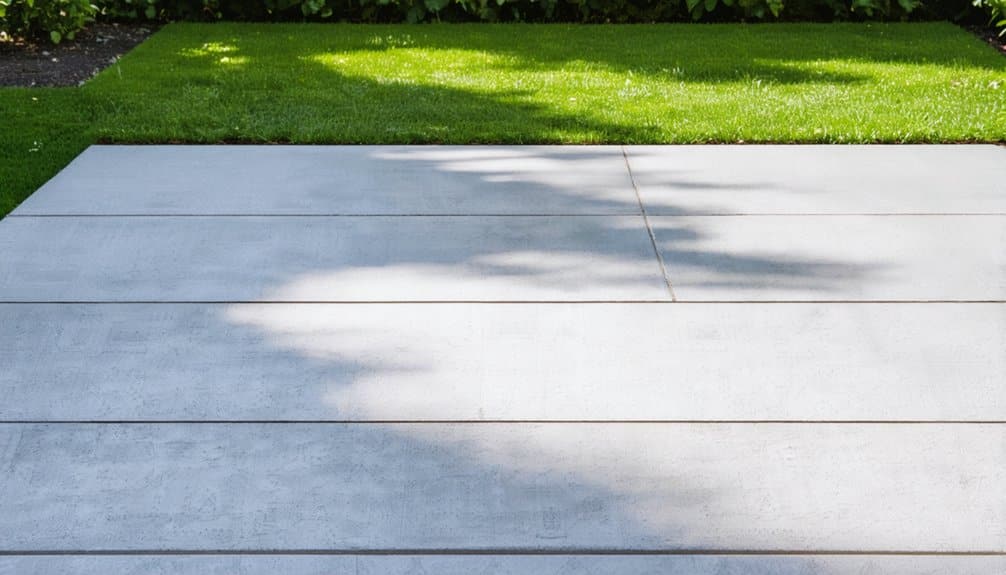
When selecting patio materials, durability and longevity are critical factors that directly impact maintenance needs and overall value.
Concrete patio surfaces are known for their strength and resistance to wear, making them a long-lasting option that can withstand heavy traffic and various weather conditions.
In comparison, a pavers patio offers flexibility and durability, as individual pavers can be replaced if damaged, extending the patio’s lifespan.
Both options require periodic upkeep, but concrete may need sealing to prevent cracks, while pavers demand regular joint maintenance to avoid weed growth.
Evaluating the expected lifespan and resilience of patio materials helps homeowners choose a solution that balances durability with manageable maintenance, ensuring the patio remains functional and attractive over time.
Aesthetic Appeal and Design Versatility
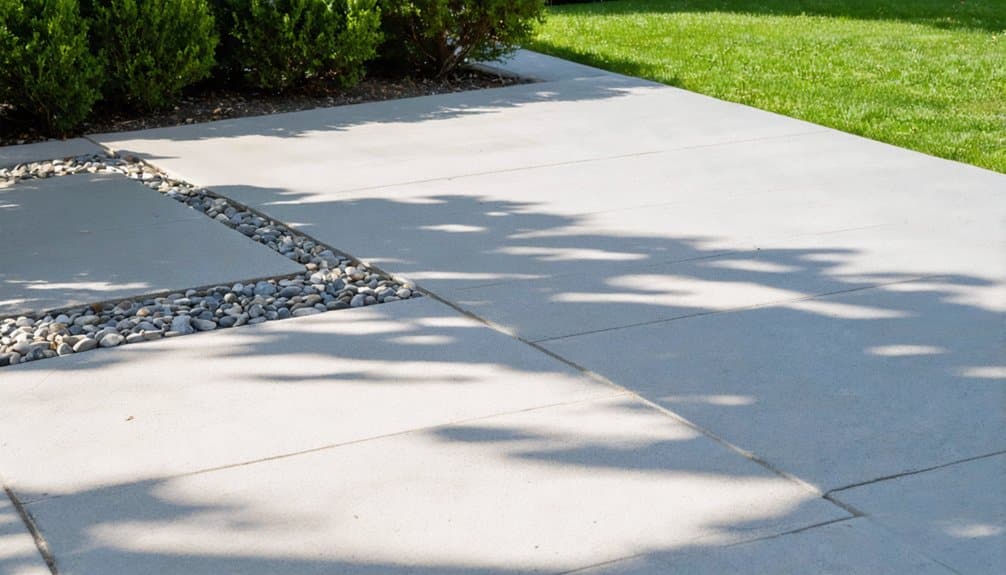
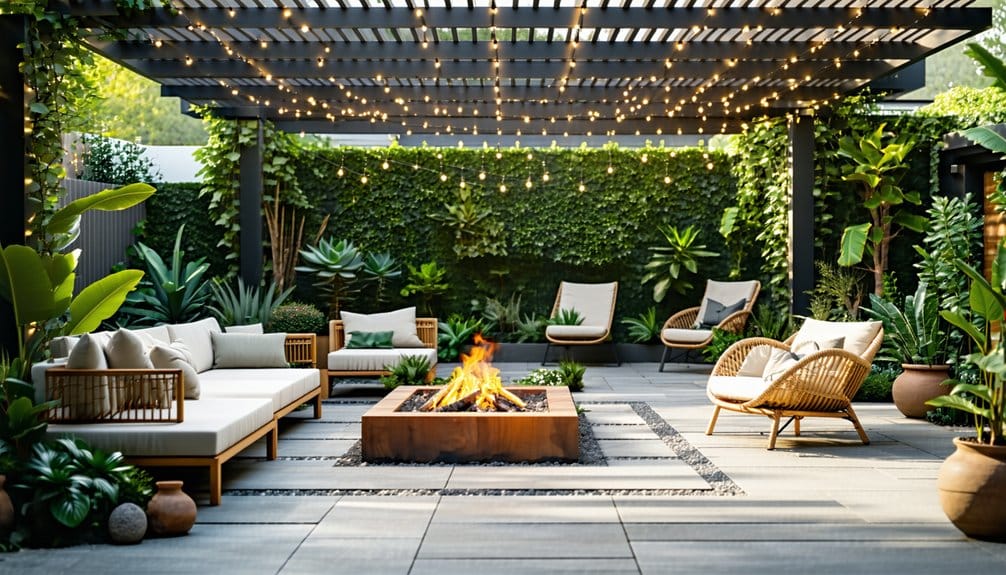
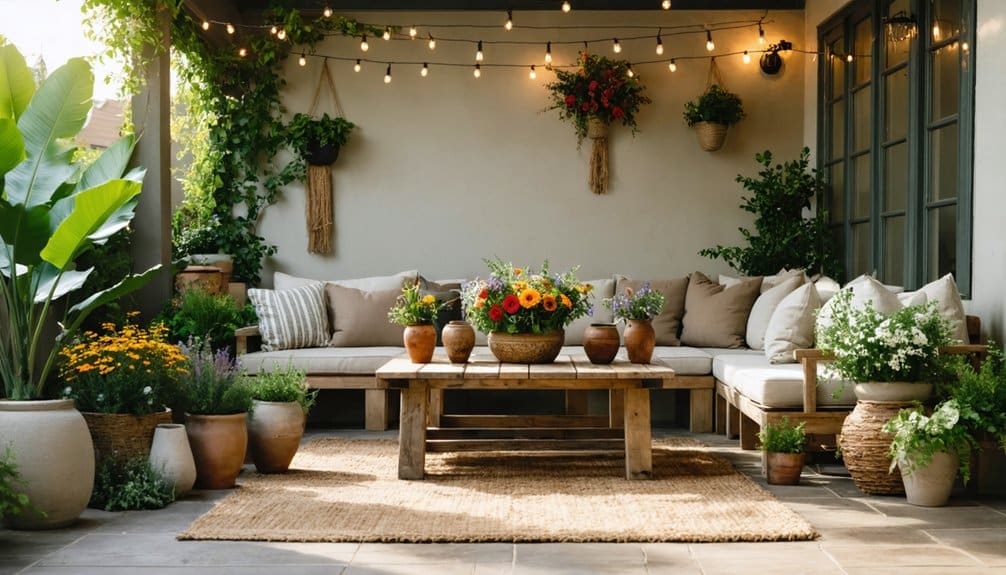
Aesthetic appeal significantly influences the choice of patio materials, as it shapes the overall ambiance and complements the surrounding environment.
When choosing patio material, options such as concrete, pavers, and natural stone each offer distinct visual qualities. A stone patio, for instance, provides timeless elegance and organic texture, blending seamlessly with natural landscapes.
Concrete allows for versatile finishes and color customization, adapting to contemporary or traditional styles. Pavers offer diverse shapes and patterns, enhancing design flexibility.
The ability to mix materials or incorporate borders further expands design possibilities. Ultimately, understanding the aesthetic characteristics and design versatility of each material aids in selecting a patio that aligns with personal style and harmonizes with the home’s exterior and garden setting.
Installation Process and Time Requirements
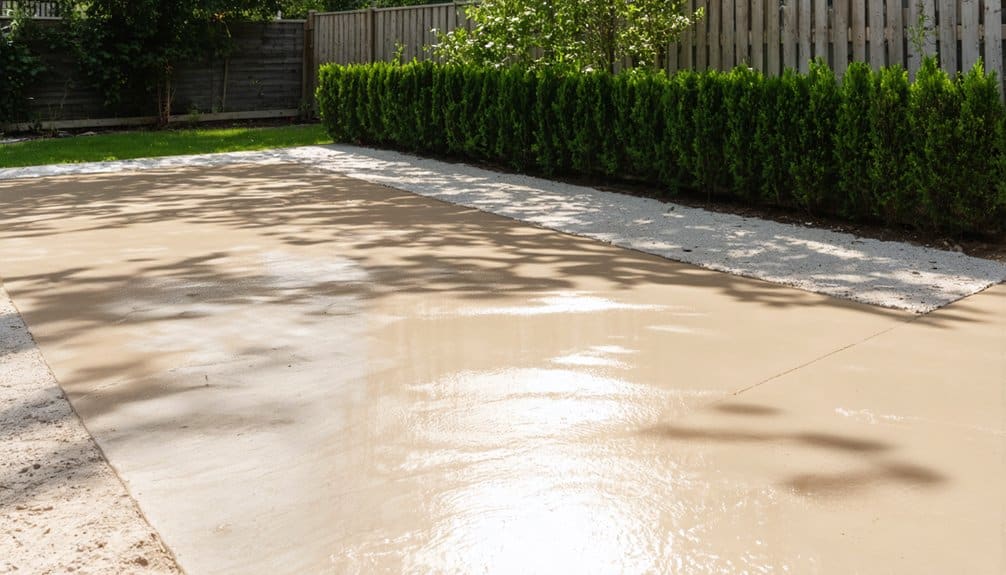
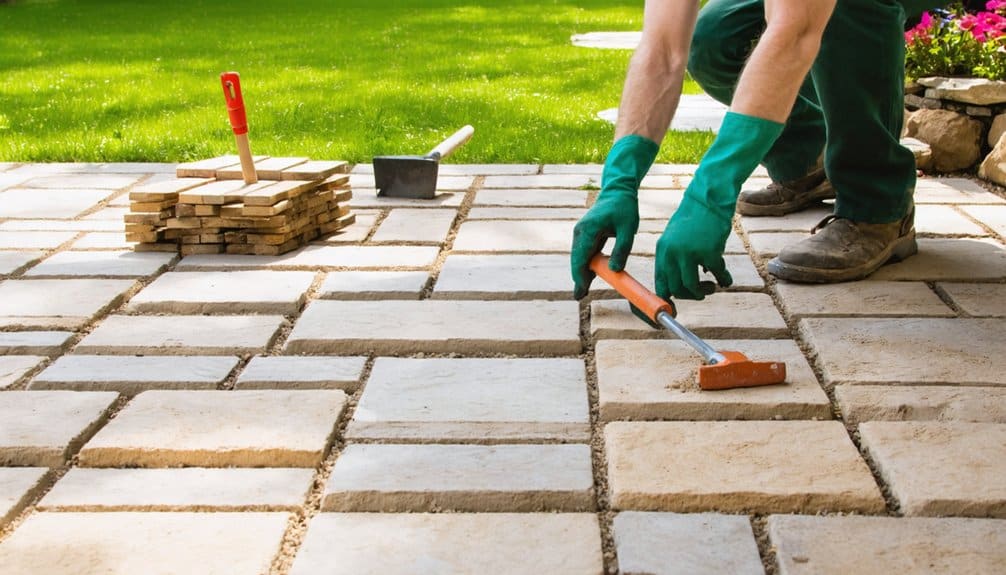
Beyond design considerations, the choice of patio material also impacts the installation process and the time required to complete the project. Concrete typically involves pouring and curing, which can take several days but requires less labor overall. Pavers need precise placement and leveling, extending the installation time but allowing phased work. Natural stone demands careful fitting and often custom cutting, leading to longer installation periods and higher labor costs. The table below summarizes these factors:
| Material | Installation Steps | Estimated Time |
|---|---|---|
| Concrete | Pouring, leveling, curing | 3-7 days |
| Pavers | Base preparation, placement | 2-5 days |
| Stone | Cutting, fitting, leveling | 4-10 days |
Understanding these differences helps in planning project timelines effectively.
Maintenance Needs and Upkeep Costs
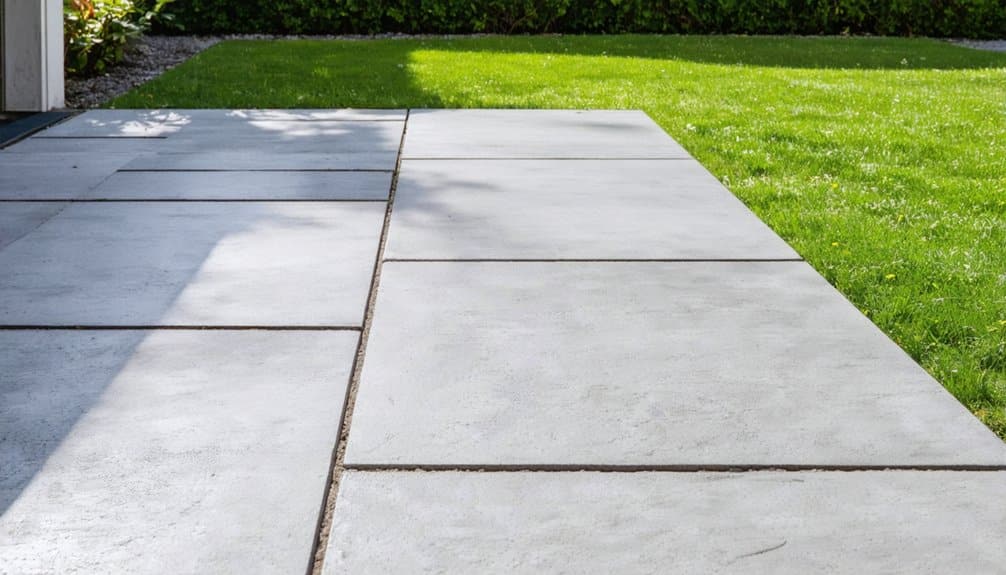
Maintenance requirements vary significantly depending on the patio material, influencing both cleaning routines and repair frequency.
Some materials demand regular upkeep to prevent damage, while others may have higher initial costs but lower long-term expenses.
Evaluating these factors helps determine the overall investment needed to maintain the patio’s appearance and functionality.
Cleaning Requirements
How often a patio material requires cleaning can significantly influence its overall upkeep costs.
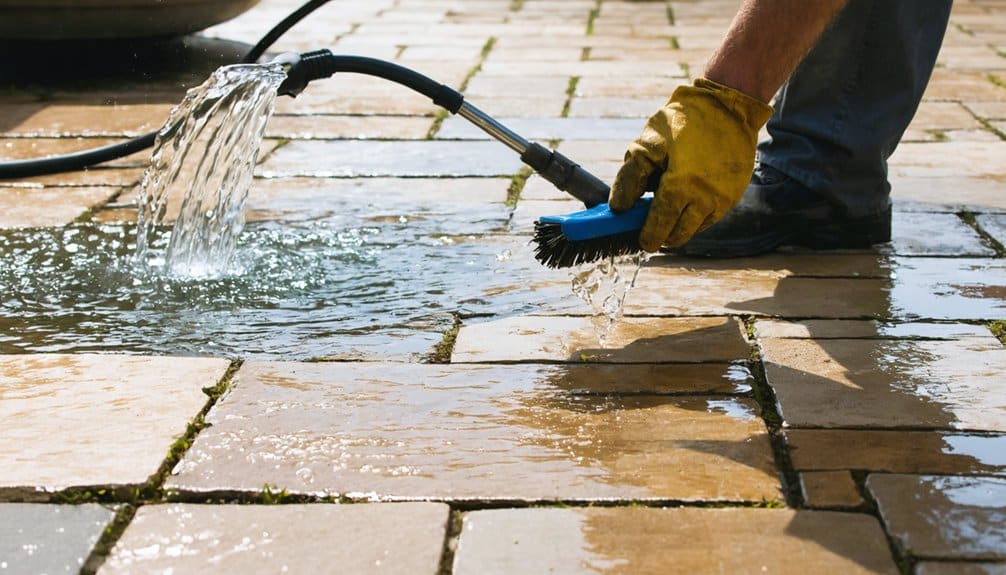
Concrete patios typically need periodic sweeping and occasional power washing to remove dirt and stains.
Pavers may require more frequent cleaning due to their joints, where dirt and weeds can accumulate, necessitating regular brushing and rinsing.
Natural stone patios demand careful cleaning with specialized cleaners to avoid damage, often requiring more effort to preserve their appearance.
Additionally, sealants applied to concrete and stone surfaces help reduce staining and simplify cleaning but need reapplication over time.
Repair and Replacement
Cleaning routines directly affect the longevity and condition of patio materials, making repair and replacement considerations an important aspect of overall upkeep.
Concrete patios, while durable, can develop cracks due to settling or weather changes and typically require patching or resurfacing to maintain appearance.
Pavers offer the advantage of easy repair; individual units can be lifted and replaced without disturbing the entire surface, simplifying maintenance.
Natural stone, although robust, may chip or crack, necessitating careful replacement of damaged pieces to preserve the patio’s aesthetic integrity.
Each material’s repair process varies in complexity and frequency, influencing the effort and cost involved in upkeep.
Understanding these factors helps in selecting a patio material aligned with desired maintenance commitments.
Long-Term Cost
The financial implications of patio upkeep extend beyond initial installation, encompassing ongoing expenses that vary widely among materials.
Concrete typically requires minimal maintenance, such as occasional sealing and cleaning, resulting in relatively low long-term costs.
Pavers demand more frequent upkeep, including joint refilling, weed control, and periodic sealing, which can increase expenses over time.
Natural stone, while durable, often entails higher maintenance due to its susceptibility to staining and weathering; regular sealing and specialized cleaning products are necessary to preserve its appearance.
Additionally, stone repair can be costly if damage occurs.
Homeowners should consider these maintenance needs and associated costs when selecting patio material, balancing initial investment against long-term financial commitment to ensure the choice aligns with budget and lifestyle expectations.
Cost Comparison: Budgeting for Your Patio
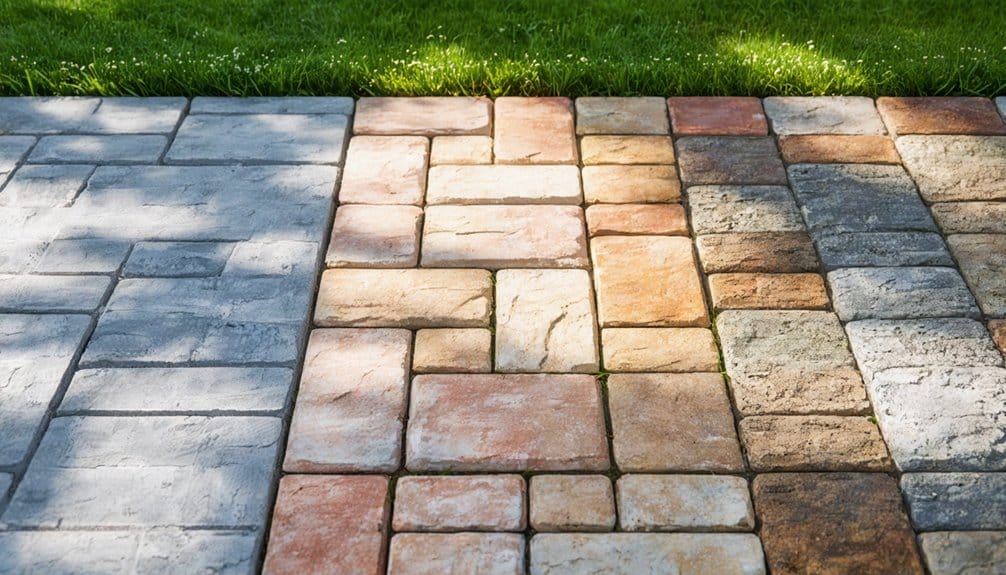
When planning a patio, understanding the initial material expenses is crucial for setting a realistic budget.
Long-term maintenance costs also impact the overall investment and should be factored in.
Additionally, installation labor charges can vary significantly depending on the chosen materials and complexity of the project.
Initial Material Expenses
Budgeting for a patio begins with understanding the initial material expenses, which vary widely depending on the chosen material. Concrete is typically the most affordable option, offering cost efficiency for large areas. Pavers fall in the mid-range category, balancing price and aesthetic flexibility. Natural stone commands the highest initial investment due to its durability and visual appeal.
| Material | Average Cost per Sq Ft | Typical Range |
|---|---|---|
| Concrete | $5 – $10 | Low |
| Pavers | $10 – $20 | Moderate |
| Natural Stone | $15 – $30 | High |
These figures provide a baseline for comparison, aiding in realistic patio budgeting. Selecting a material aligns with financial constraints and design goals.
Long-Term Maintenance Costs
Although initial expenses are crucial, long-term maintenance costs significantly impact the overall affordability of patio materials.
Concrete requires periodic sealing and occasional crack repairs, which are relatively low-cost but necessary to prevent deterioration.
Pavers demand regular joint refilling and weed control, alongside potential replacement of shifted or damaged units, leading to moderate maintenance expenses.
Natural stone generally incurs higher upkeep due to its susceptibility to staining and weathering, necessitating frequent sealing and specialized cleaning products. Additionally, stone may require professional restoration over time, increasing costs.
Considering durability and maintenance frequency helps in budgeting effectively.
While concrete offers the lowest ongoing costs, pavers and stone require more consistent care, which can accumulate, affecting the long-term financial commitment tied to each material choice.
Installation Labor Charges
Maintenance expenses are only part of the total cost of a patio; installation labor charges also play a significant role in overall budgeting.
Labor costs vary depending on the material complexity and installation process. Concrete patios generally require less labor, as the process involves pouring and finishing a slab.
Pavers demand more precision, including base preparation and individual placement. Natural stone installations are the most labor-intensive, requiring skilled craftsmanship to fit irregular shapes and ensure stability.
- Concrete: Lower labor costs due to straightforward pouring and finishing.
- Pavers: Moderate labor costs involving careful layout and base work.
- Stone: Highest labor costs attributed to detailed cutting and fitting by skilled masons.
Understanding these differences helps in accurately forecasting total patio expenses.
Environmental Impact and Sustainability
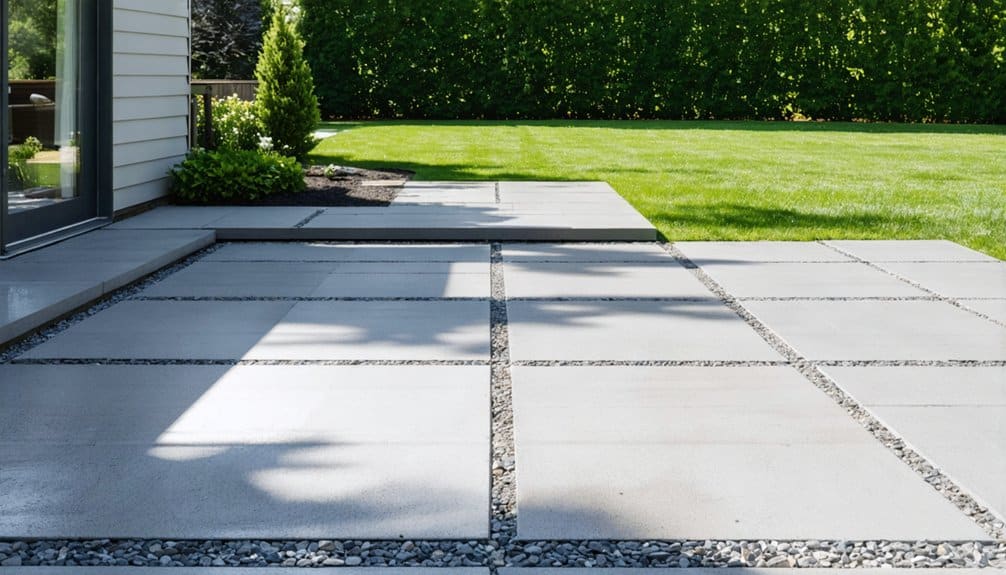
When selecting materials for a patio, considering environmental impact and sustainability is crucial to minimizing ecological footprints.
Concrete production involves high energy consumption and carbon emissions due to cement manufacturing. However, advances in low-carbon concrete and recycled content have improved its sustainability profile.
Pavers often use natural or recycled materials, and their modular nature allows for easier repairs or replacements, reducing waste.
Stone is a natural material with minimal processing, offering durability and longevity, but quarrying can disrupt ecosystems and consume resources.
Additionally, permeable options in pavers and stone can enhance stormwater management, reducing runoff and supporting local water cycles.
Evaluating sourcing practices, material lifespan, and recyclability helps ensure the selected patio material aligns with environmental goals without compromising functionality.
Climate Considerations and Material Performance
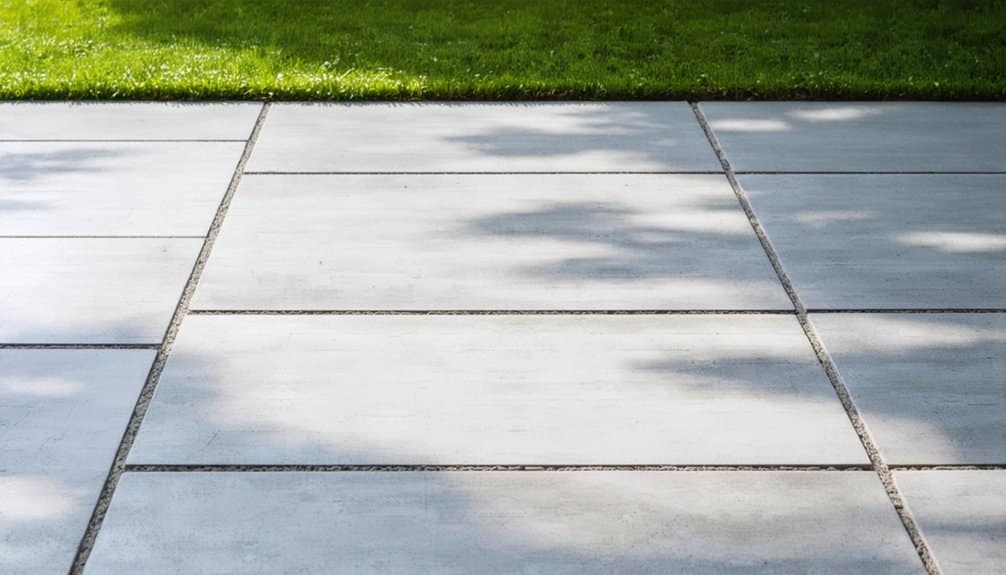
Because patios are exposed to varying weather conditions, selecting materials that perform well in the local climate is essential for durability and comfort.
Concrete, pavers, and stone each respond differently to temperature fluctuations, moisture, and sunlight. When choosing, consider the following:
- Freeze-Thaw Resistance: In colder climates, materials must withstand expansion and contraction without cracking. Pavers often handle this better than concrete.
- Heat Retention: Stone and concrete can absorb and retain heat, potentially making patios uncomfortable in hot regions. Light-colored pavers may reflect sunlight, reducing heat buildup.
- Moisture Management: Porous materials like some stones may absorb water, leading to damage or moss growth in humid areas, while sealed concrete offers better water resistance.
Understanding these factors ensures the patio remains functional and visually appealing through seasonal changes.
Frequently Asked Questions
Can I Install Patio Materials Myself or Should I Hire a Professional?
Determining whether to install patio materials independently depends on skill level and project complexity. While DIY can save costs, professionals ensure proper preparation and durability, reducing future repairs and enhancing overall quality and safety of the patio installation.
How Do Patio Materials Affect Home Resale Value?
Patio materials influence home resale value by affecting curb appeal, durability, and maintenance costs. High-quality, visually appealing materials like stone or pavers typically enhance value more than basic concrete, appealing to potential buyers seeking longevity and aesthetics.
Are There Safety Concerns Related to Slippery Surfaces?
Safety concerns related to slippery surfaces include increased risk of falls and injuries, especially when wet. Textured or rough materials and anti-slip treatments can improve traction, reducing hazards and enhancing overall outdoor safety for users.
What Are the Best Materials for Pet-Friendly Patios?
The best materials for pet-friendly patios are non-toxic, slip-resistant, and durable. Options like textured concrete, natural stone with rough surfaces, and interlocking pavers provide safety, comfort, and easy maintenance for pets.
Can I Mix Different Materials for My Patio Design?
Mixing different materials in patio design is feasible and can enhance aesthetic appeal. Careful planning ensures compatibility, durability, and cohesive style. Balancing textures and colors creates a visually interesting, functional outdoor space tailored to specific needs.
Conclusion
Selecting the ideal patio material requires balancing durability, aesthetics, installation, maintenance, cost, and environmental factors. Concrete suits those seeking affordability and low upkeep, while pavers offer design flexibility with moderate maintenance. Natural stone provides unmatched elegance and longevity but demands higher investment and care. Considering climate and personal preferences ensures the chosen material enhances outdoor living spaces effectively. Thoughtful evaluation guarantees a patio that combines function and style for lasting enjoyment.