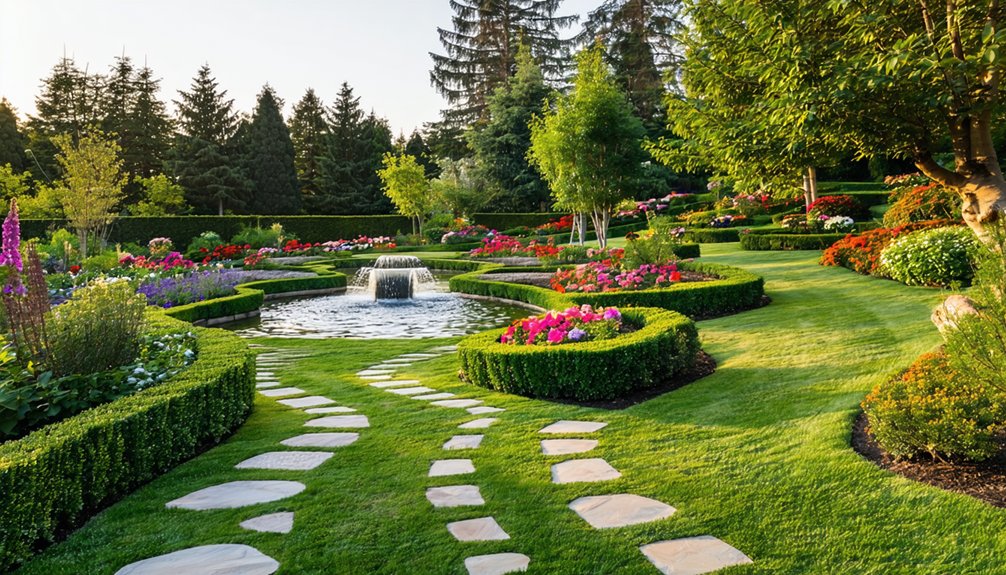

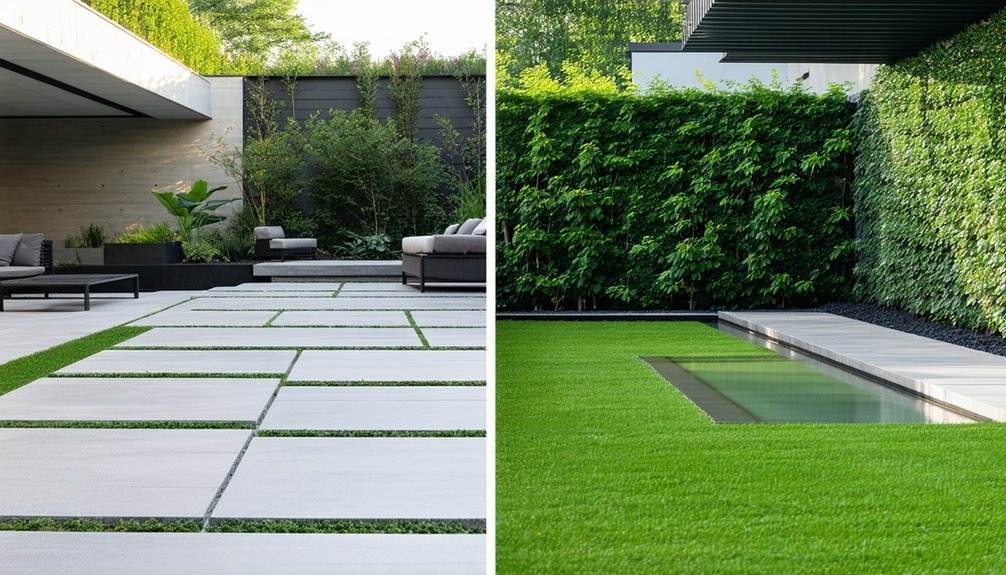
Deciding between modern and traditional landscape design involves more than personal taste. Each style carries distinct characteristics that influence not only the appearance but also the functionality and upkeep of outdoor spaces. Understanding these differences, along with how they align with a home’s architecture and the homeowner’s lifestyle, is essential. Exploring these aspects reveals considerations that go beyond aesthetics, potentially impacting long-term satisfaction and maintenance efforts.
Key Takeaways
- Modern landscape design emphasizes simplicity, clean lines, and sustainable materials for a minimalist, functional outdoor space.
- Traditional landscape design features symmetry, formal structure, and classic elements like fountains and trimmed hedges.
- Modern designs use neutral colors and fewer sculptural plants, while traditional designs incorporate diverse colors and varied textures.
- Maintenance for modern landscapes focuses on pruning and hardscape upkeep, whereas traditional landscapes require seasonal care and detailed pruning.
- Budget considerations include material costs—modern favors concrete and metal, traditional uses wood and stone—with traditional landscapes generally needing higher maintenance expenses.
Defining Modern Landscape Design
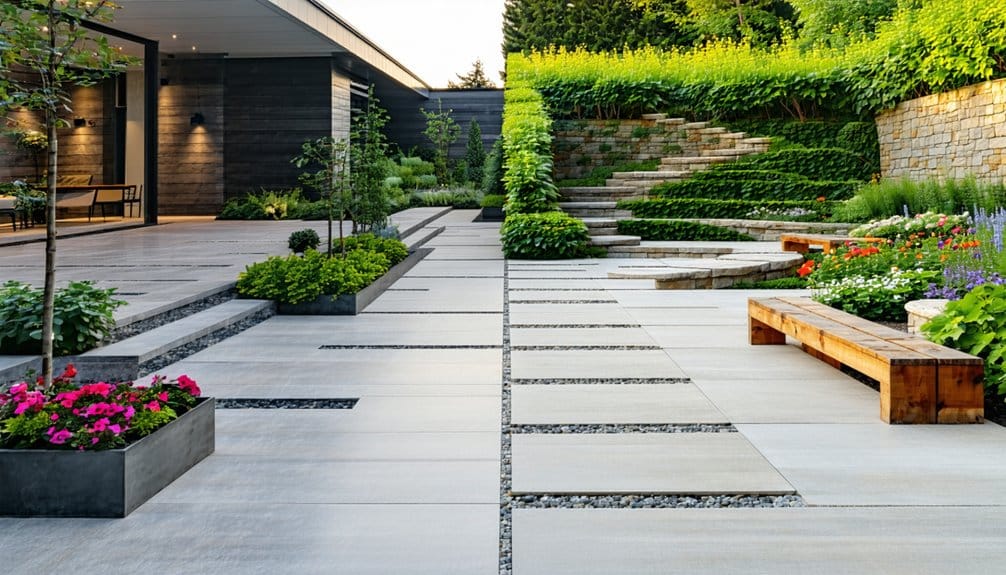
Although modern landscape design incorporates various styles, it primarily emphasizes simplicity, functionality, and a seamless integration between outdoor spaces and the natural environment.
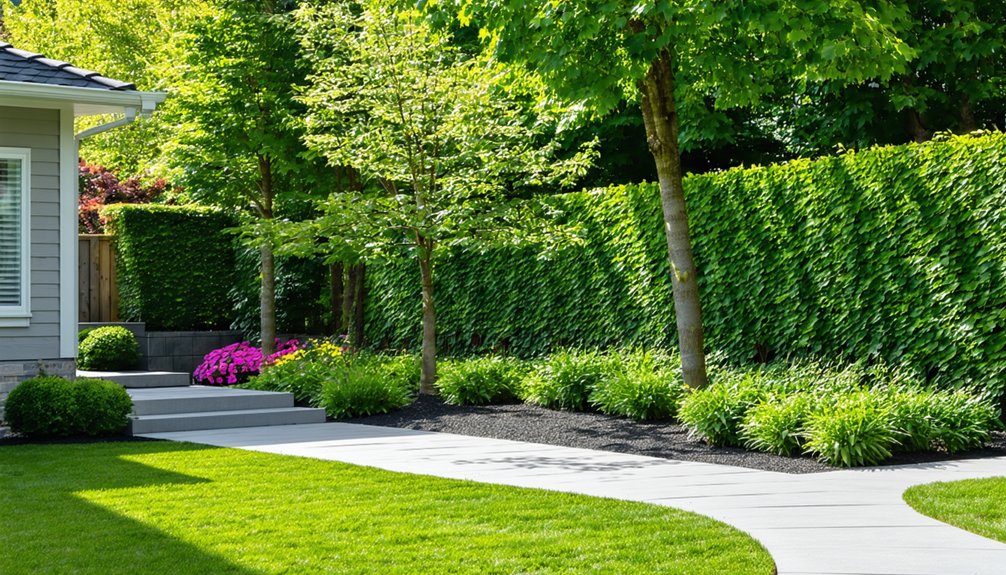
This approach to home landscape design favors clean lines, open spaces, and minimalistic plantings that complement architectural elements. When choosing landscape style, modern design often incorporates sustainable materials and native plants to enhance ecological balance.
The focus is on creating outdoor areas that serve practical purposes, such as entertaining or relaxation, while maintaining visual harmony. Modern landscape design avoids excessive ornamentation, instead highlighting natural textures and geometric forms.
This style suits homeowners seeking a contemporary aesthetic that aligns with environmental consciousness and efficient use of space, making it a popular choice in current home landscape design trends.
Characteristics of Traditional Landscape Design
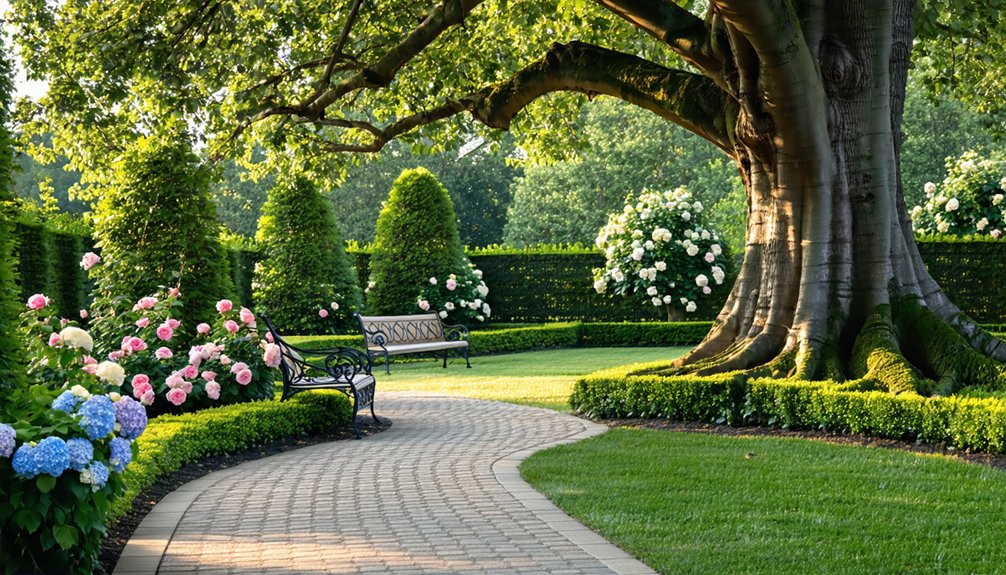
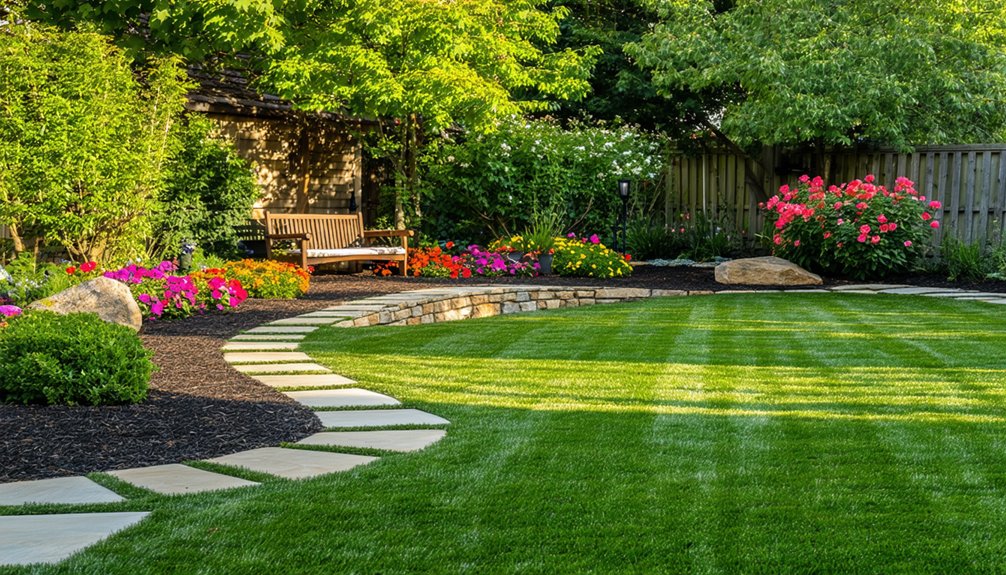
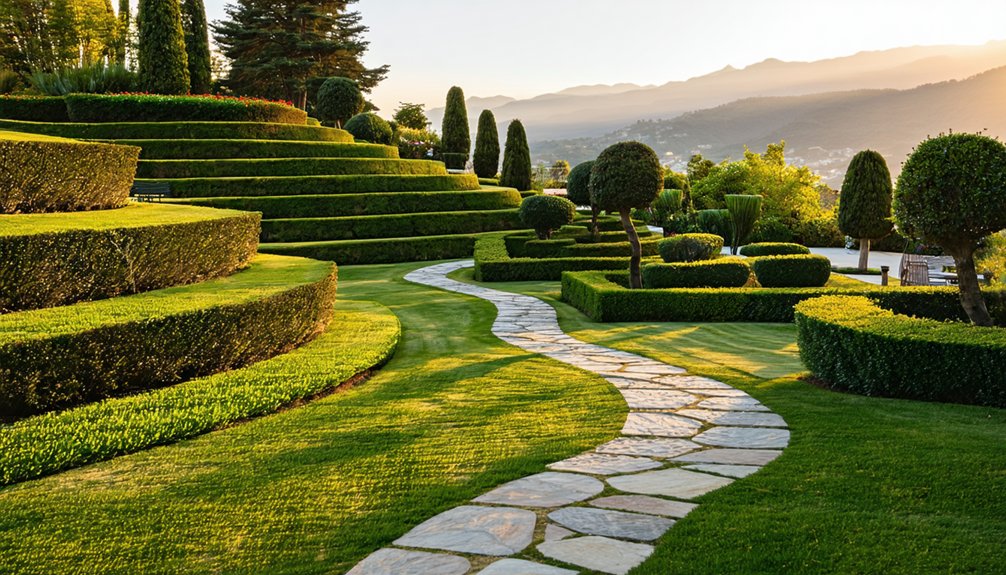
Traditional landscape design is defined by its emphasis on symmetry, order, and formal structure. It often features geometric shapes, neatly trimmed hedges, and well-defined pathways that create balanced, harmonious spaces.
Classic elements such as fountains, statues, and formal garden beds are common, reflecting a timeless aesthetic. This style prioritizes consistency and repetition, often incorporating traditional plant species arranged in predictable patterns.
In a landscape design comparison, traditional landscape design stands out for its adherence to historical garden principles and a strong sense of permanence. It contrasts with more fluid or minimalist approaches by focusing on established design rules and craftsmanship.
Key Differences Between Modern and Traditional Styles
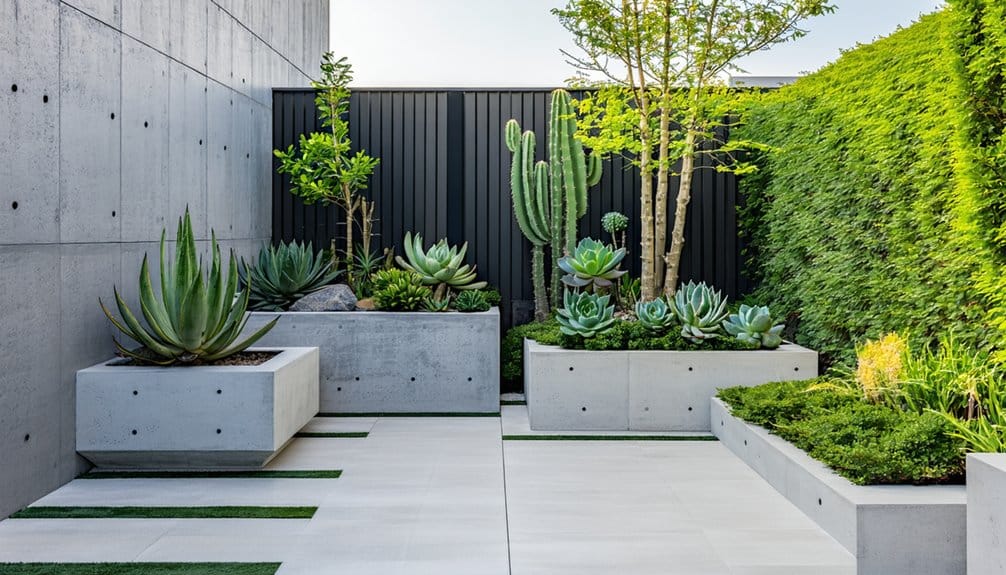
While both modern and traditional landscape designs aim to create inviting outdoor spaces, they diverge significantly in their principles and aesthetics.
Modern landscapes emphasize simplicity, clean lines, and minimalism, whereas traditional designs focus on intricate details and layered plantings. The choice between these styles affects the overall feel and functionality of the space.
Key differences include:
- Form and Structure: Modern designs favor geometric shapes; traditional ones use natural, flowing forms.
- Color Palette: Modern styles use neutral or monochromatic tones; traditional landscapes incorporate diverse, vibrant colors.
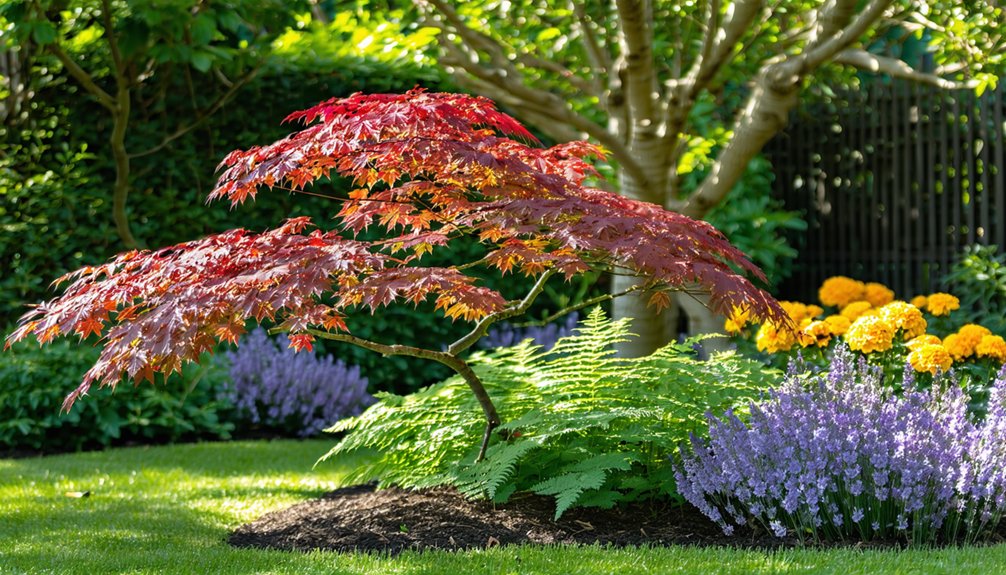
- Plant Selection: Modern landscapes prefer fewer, sculptural plants; traditional ones use a variety of species for texture.
- Layout: Modern layouts are open and spacious; traditional layouts are often compartmentalized and dense.
Materials Commonly Used in Modern Landscapes
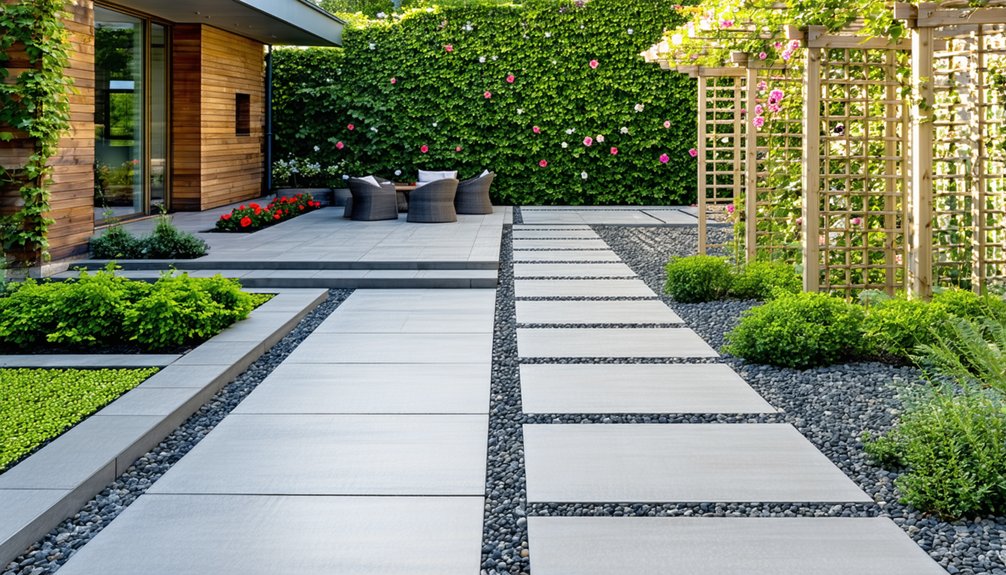
Materials play a significant role in defining the character of modern landscape designs, complementing their emphasis on simplicity and clean lines. Commonly, materials such as concrete, steel, and glass are favored for their sleek, industrial appearance and durability. These elements create a minimalist aesthetic that emphasizes geometric shapes and open spaces.
Additionally, natural materials like smooth stone and gravel are incorporated to balance the hardness of metals and concrete, adding texture without overwhelming the design. Wood is used selectively, often in refined finishes, to introduce warmth while maintaining a streamlined look.
Synthetic materials, including composite decking and resin, also appear due to their low maintenance and clean appearance. Overall, modern landscapes prioritize materials that promote functionality, longevity, and a restrained visual impact.
Materials Commonly Used in Traditional Landscapes
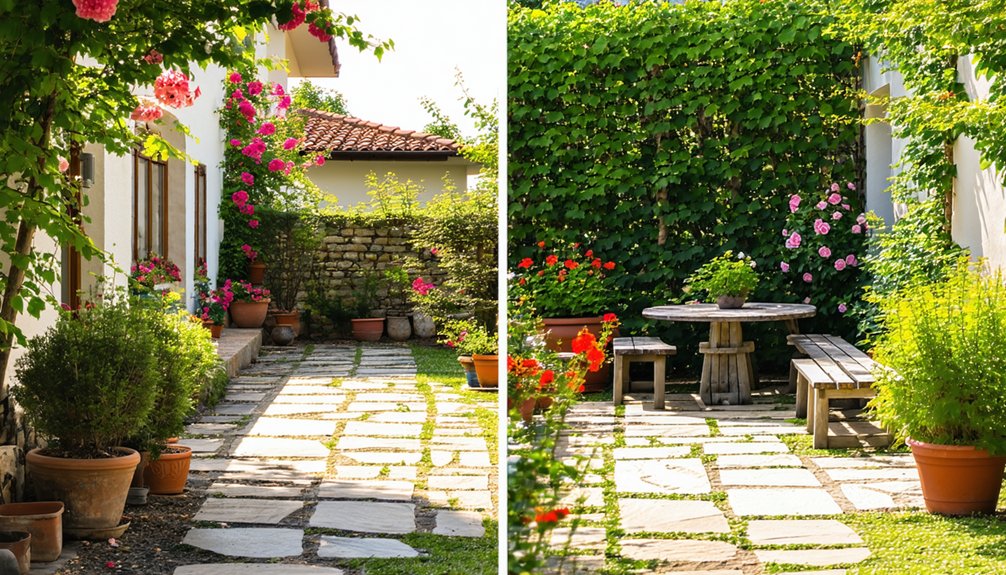
Traditional landscapes often incorporate natural stone features that provide durability and timeless appeal.
Classic wood elements are also commonly used, adding warmth and a sense of craftsmanship to outdoor spaces.
Together, these materials create a cohesive and enduring aesthetic.
Natural Stone Features
The enduring appeal of natural stone lies in its ability to blend seamlessly with outdoor environments, offering both durability and aesthetic versatility.
Traditional landscapes often incorporate natural stone to create timeless features that complement the surrounding greenery. These elements enhance texture and structure, providing a grounded, organic feel.
Common natural stone features in traditional landscape design include:
- Flagstone patios and walkways – known for their irregular shapes and earthy tones.
- Stone retaining walls – used to manage slopes and add visual interest.
- Cobblestone accents – often found in borders or driveways for a classic look.
- Boulders and rock gardens – integrated as focal points or natural barriers.
Each offers functional and decorative benefits, reinforcing the traditional style’s connection to nature.
Classic Wood Elements
Numerous types of wood contribute to the timeless charm of classic landscape design. Cedar, redwood, and oak are commonly chosen for their durability and natural resistance to decay and insects. These woods are often used for fencing, pergolas, and garden benches, adding warmth and texture to outdoor spaces.
Treated pine is another practical option, favored for its affordability and structural strength, though it requires regular maintenance. Traditional landscapes frequently incorporate wooden planters and raised beds, emphasizing organic materials that blend seamlessly with natural surroundings.
The use of wood in classic designs reflects a preference for enduring materials that age gracefully, complementing stone and greenery. Proper treatment and sealing extend the lifespan of wood elements, ensuring functionality and aesthetic appeal over time.
Maintenance Requirements for Modern Landscapes
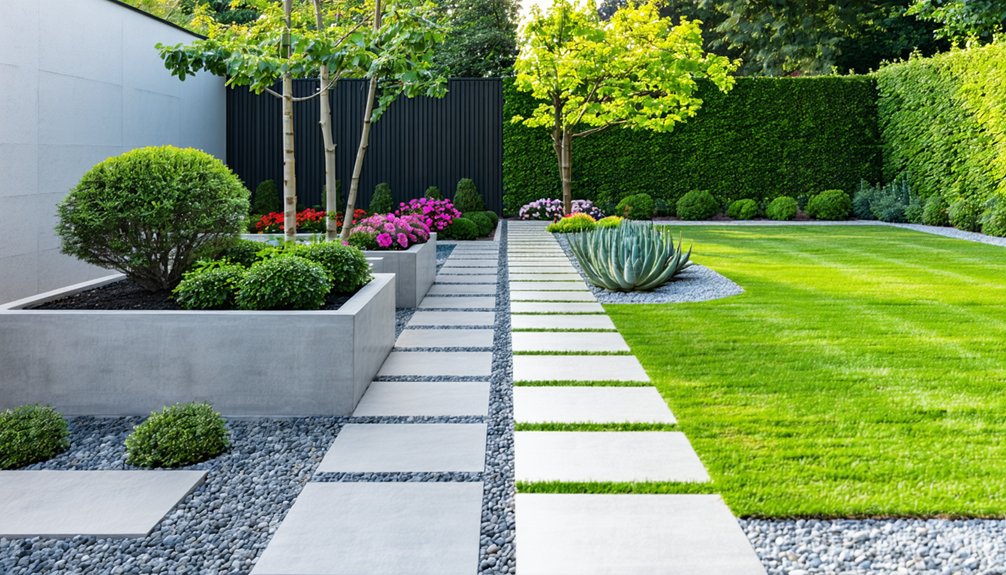
Although modern landscapes often emphasize aesthetic appeal and sustainability, their maintenance requirements remain a crucial consideration.
Maintaining a modern landscape involves distinct tasks that ensure its clean, minimalist look endures while supporting ecological benefits. Key maintenance aspects include:
- Regular pruning of sculptural plants to retain defined shapes.
- Cleaning and upkeep of hardscape elements like concrete, metal, or stone surfaces to prevent staining and wear.
- Monitoring irrigation systems optimized for water efficiency to prevent over- or under-watering.
- Managing mulch and ground cover to suppress weeds and enhance soil health.
These focused maintenance activities support the longevity and visual impact of modern landscapes while aligning with their sustainable design principles.
Maintenance Requirements for Traditional Landscapes
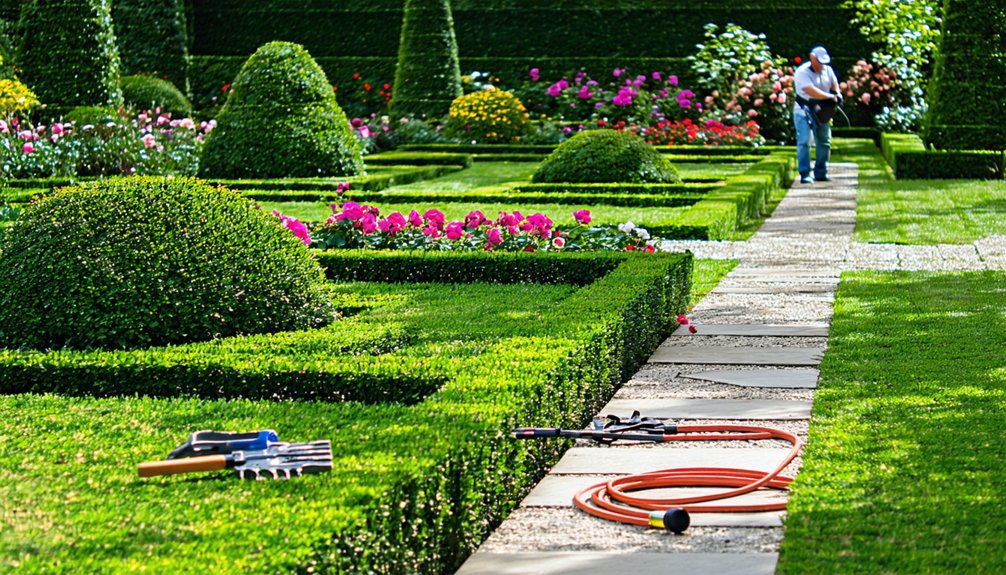
Traditional landscapes demand consistent seasonal care to maintain their aesthetic and health.
Proper watering and fertilizing schedules are essential to support plant growth throughout the year.
Additionally, regular pruning and pest control help preserve the landscape’s structure and prevent damage.
Seasonal Care Needs
Because plant health fluctuates throughout the year, the maintenance requirements for traditional landscapes must adapt to seasonal changes. This adaptation ensures that plants remain healthy and visually appealing across different weather conditions.
Key seasonal care needs include:
- Spring Pruning: Removing dead branches and shaping plants to encourage new growth.
- Summer Mulching: Applying mulch to conserve soil moisture and regulate temperature.
- Fall Cleanup: Clearing fallen leaves and debris to prevent disease and prepare for winter.
- Winter Protection: Shielding sensitive plants from frost and harsh winds using coverings or insulation.
Each season demands specific actions to maintain the landscape’s vitality, emphasizing the importance of a flexible, timely maintenance routine tailored to traditional garden elements.
Watering and Fertilizing
Effective watering and fertilizing practices are essential to sustain plant health and promote growth in established landscapes.
Traditional landscapes often feature a variety of native and non-native plants requiring consistent moisture levels. Watering schedules must be adjusted seasonally to avoid over- or under-watering, ensuring deep soil penetration to encourage strong root systems.
Fertilizing typically involves applying balanced, slow-release fertilizers tailored to specific plant species to provide steady nutrient availability. Timing is crucial; fertilization is best performed during active growth periods to maximize uptake and minimize nutrient loss.
Additionally, soil testing can guide precise fertilizer application, preventing excess use that may harm plants or the environment.
Pruning and Pest Control
Maintaining plant health in established landscapes requires regular pruning and vigilant pest control.
Traditional landscapes often feature mature trees and shrubs that need periodic trimming to promote growth, remove dead or diseased branches, and maintain shape.
Pest control involves monitoring for insects and diseases that can damage plants, using both chemical and organic methods as appropriate.
Effective pruning and pest management contribute to the longevity and aesthetic appeal of traditional gardens.
Key maintenance tasks include:
- Scheduled pruning to prevent overgrowth and improve air circulation.
- Inspection for common pests like aphids, scale, and caterpillars.
- Application of insecticides or natural pest deterrents when infestations occur.
- Removal of infected plant material to reduce disease spread and maintain overall plant health.
How to Choose a Landscape Design That Complements Your Home
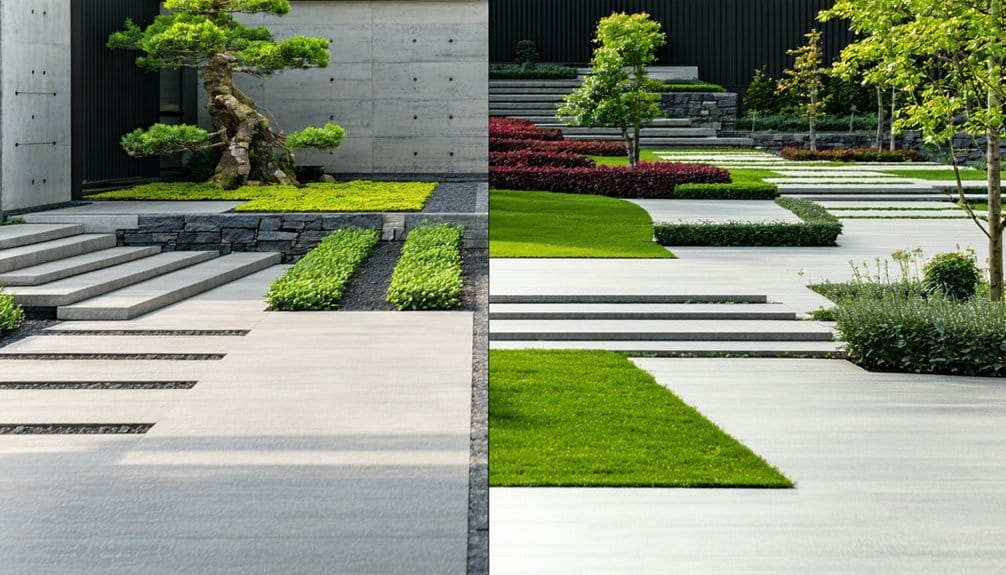
Where should one begin when selecting a landscape design that enhances the character of a home? The process starts by evaluating architectural style, color schemes, and surrounding environment. A cohesive landscape design reflects the home’s aesthetics while considering functionality and maintenance. Homeowners should also assess plant types, shapes, and textures to harmonize with exterior materials and rooflines. Below is a comparison to guide decisions:
| Aspect | Modern Landscape | Traditional Landscape |
|---|---|---|
| Shapes | Clean lines, geometric forms | Curved, naturalistic forms |
| Plant Selection | Minimalist, drought-resistant | Diverse, flowering shrubs |
| Materials | Concrete, metal, glass | Stone, wood, brick |
| Color Palette | Neutral, monochromatic | Warm, varied |
| Maintenance | Low to moderate | Moderate to high |
Budget Considerations for Modern vs. Traditional Landscaping
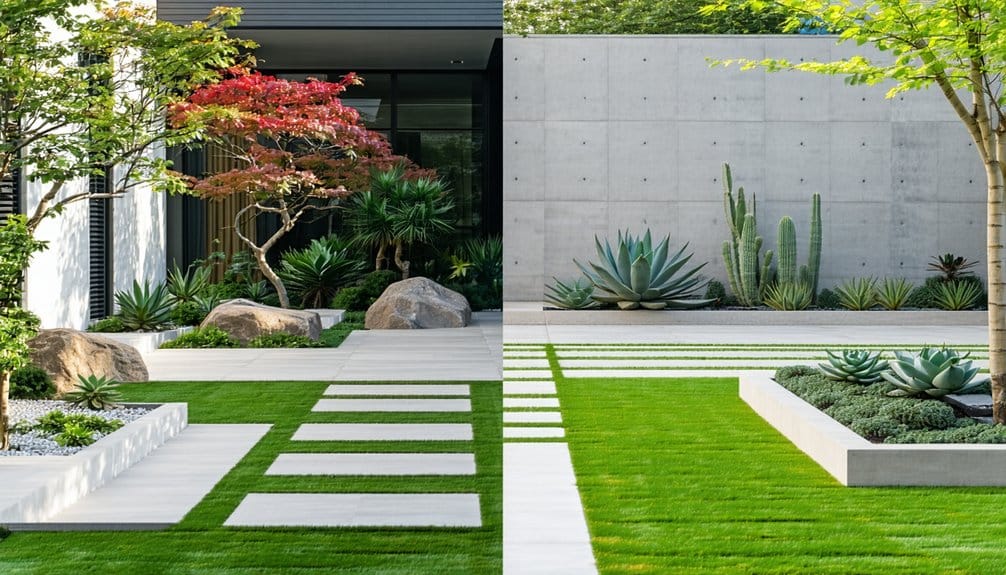
Although both modern and traditional landscaping enhance a home’s appeal, their budget requirements often differ significantly.
Modern landscaping typically involves minimalistic elements, clean lines, and innovative materials, which can increase costs, especially for custom features and hardscaping. Traditional landscaping often relies on established plant varieties and classic layouts, which may reduce initial expenses but require ongoing maintenance.
Key budget considerations include:
- Material Costs – Modern designs favor concrete, metal, and engineered products; traditional designs use more natural stone and wood.
- Plant Selection – Traditional gardens require diverse, mature plants; modern gardens use fewer, often drought-resistant species.
- Labor Expenses – Modern projects may demand specialized installation; traditional designs rely on routine landscaping work.
- Maintenance – Traditional landscapes often incur higher upkeep costs due to pruning and fertilizing, while modern landscapes focus on sustainability and lower maintenance.
Understanding these factors helps homeowners allocate budgets effectively.
Conclusion
Choosing between modern and traditional landscape design depends on personal style, maintenance preferences, and the home’s architectural character. Modern landscapes offer simplicity and sustainability with minimal upkeep, while traditional designs provide timeless elegance with more detailed care. Evaluating budget, desired aesthetics, and lifestyle needs ensures a harmonious outdoor space that enhances property value and enjoyment. Ultimately, informed decision-making leads to a landscape design that best complements the homeowner’s vision and practical requirements.