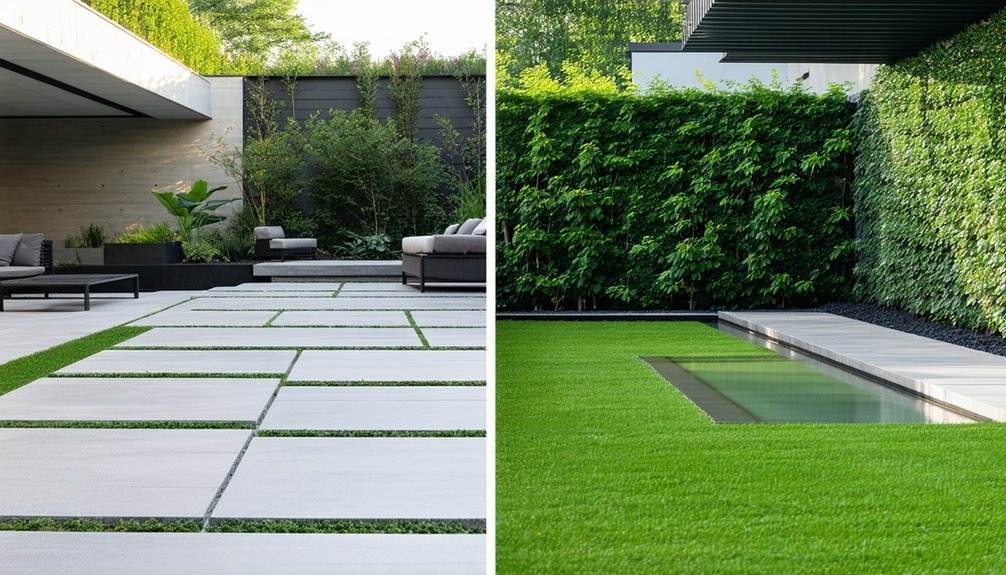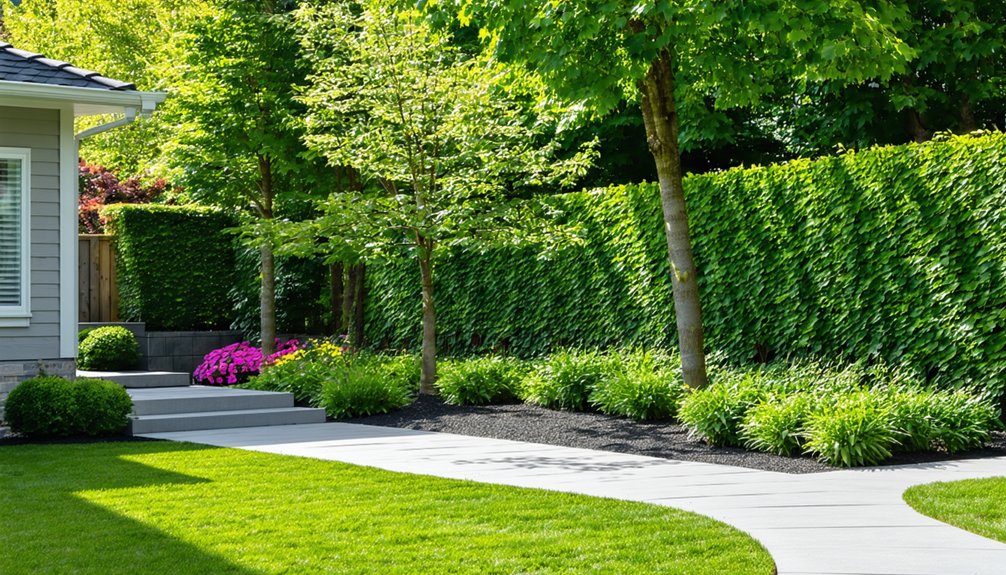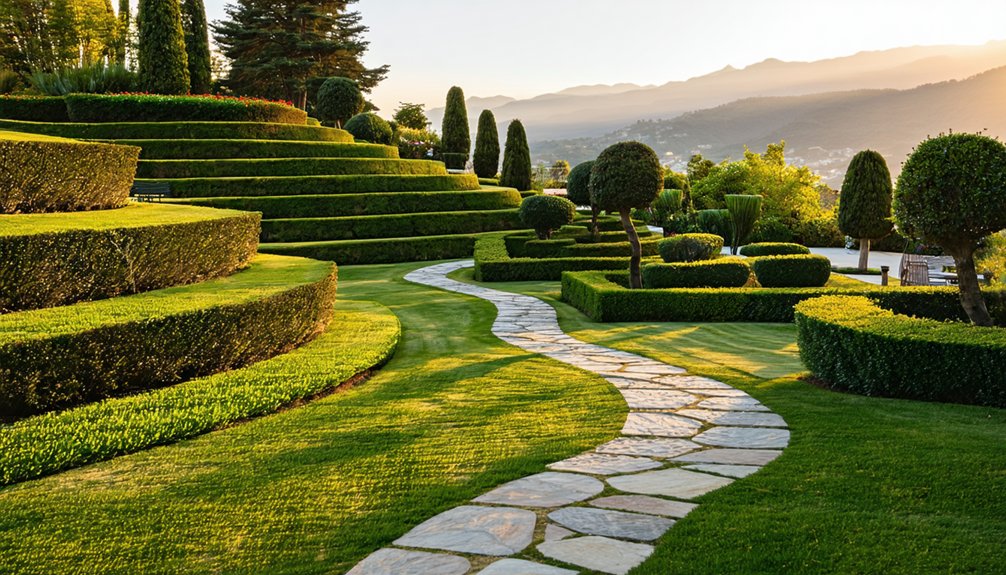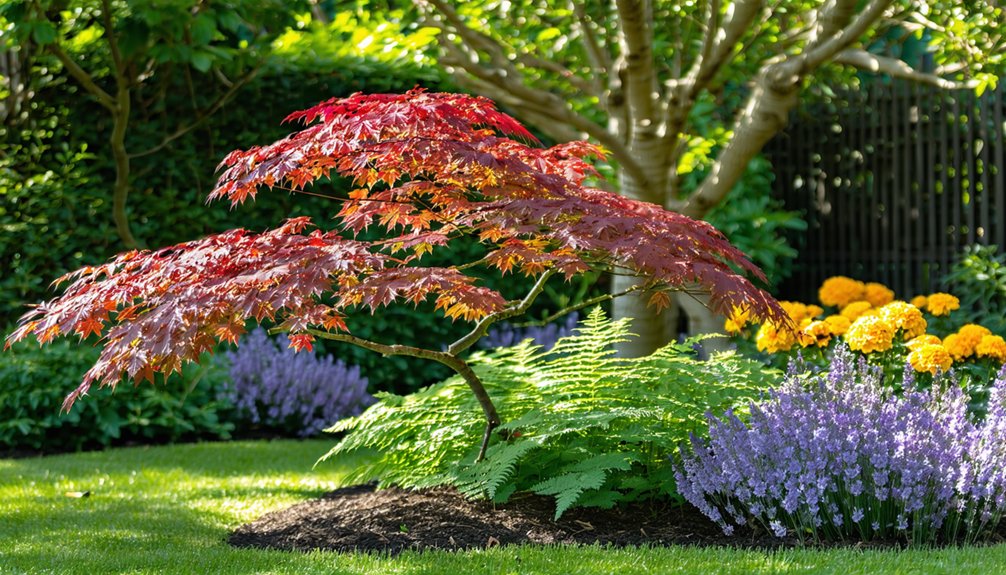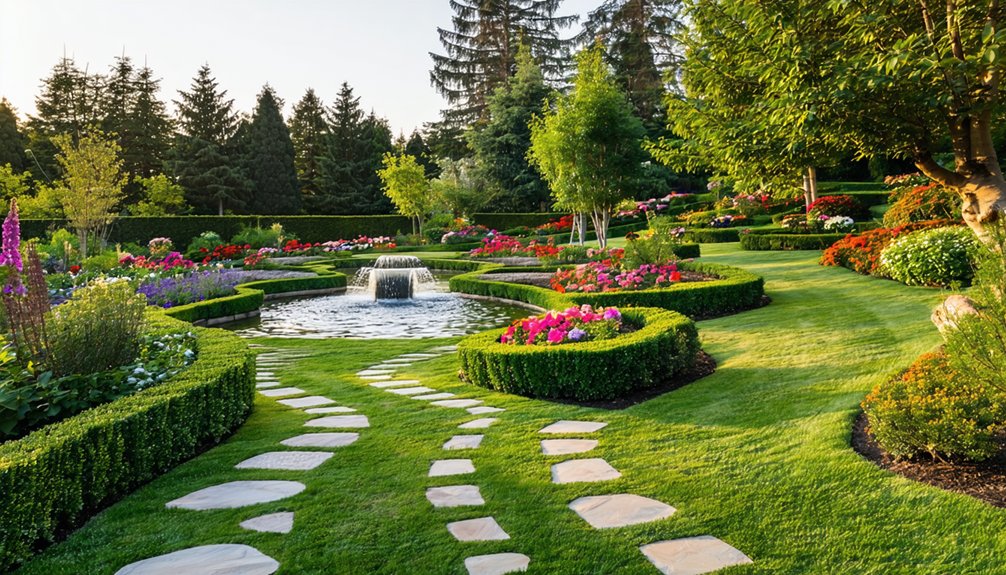

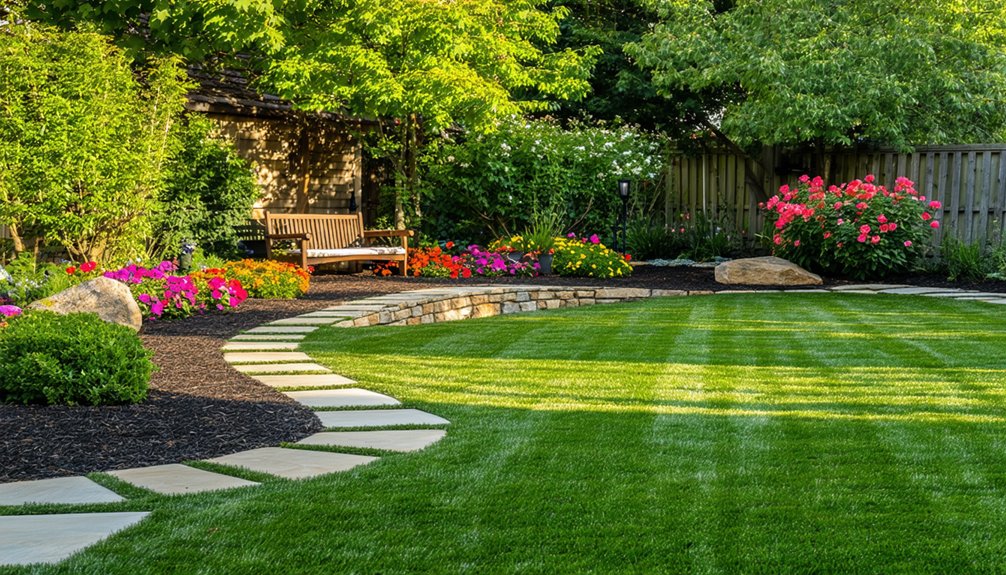
A thoughtfully designed outdoor space can transform the way a property is experienced, blending aesthetics with practical use. Achieving this balance requires understanding fundamental design principles and adapting them to the specific conditions of the site. Choices in plant selection, material durability, and layout impact not only appearance but also long-term functionality. Exploring these elements reveals how to create an environment that is both inviting and sustainable, setting the stage for meaningful improvements.
Key Takeaways
- Assess your outdoor space thoroughly, considering sunlight, soil, drainage, and intended use to guide design decisions effectively.
- Apply core landscape design principles like unity, balance, contrast, and scale for harmonious and appealing compositions.
- Select climate-appropriate, native, and drought-tolerant plants to ensure sustainability and reduce maintenance needs.
- Create distinct functional zones with comfortable seating, lighting, and pathways to enhance usability and visual appeal.
- Incorporate sustainable practices such as efficient irrigation, native plants, and regular maintenance to promote ecological balance and long-term vitality.
Understanding the Fundamentals of Landscape Design
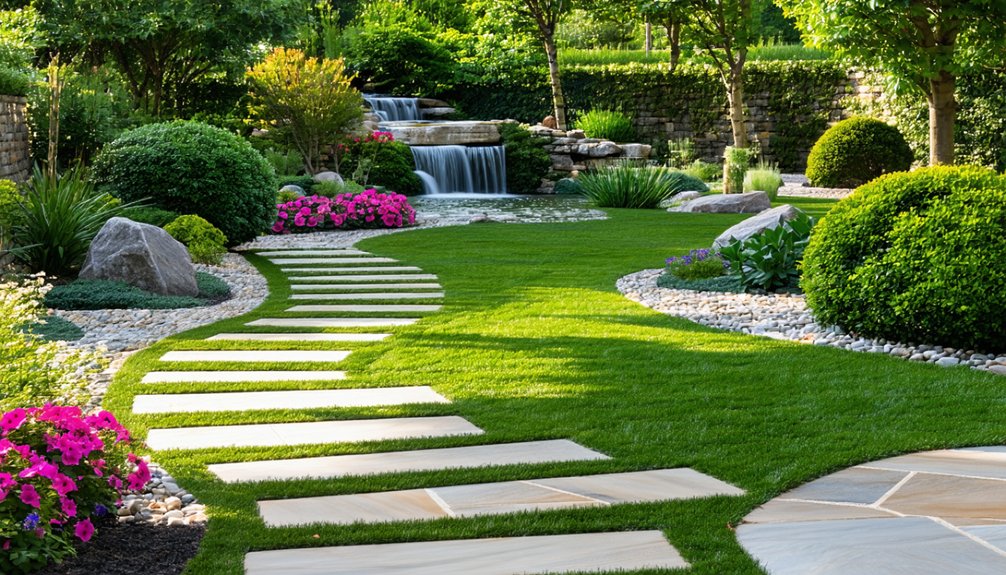
Although landscape design encompasses a wide range of styles and techniques, its fundamentals remain rooted in principles that balance aesthetics, functionality, and environmental harmony.
Core landscape design principles emphasize unity, balance, contrast, and scale to create cohesive outdoor environments. Effective outdoor space design integrates natural elements with built structures, ensuring usability while enhancing visual appeal.
Adhering to landscape best practices involves careful plant selection suited to climate and soil conditions, proper irrigation planning, and sustainable maintenance strategies. Mastering scale and proportion in design is essential for ensuring that elements within the landscape complement one another and contribute to an overall harmonious composition.
These fundamentals guide designers in crafting spaces that are not only beautiful but also practical and environmentally responsible. Understanding these basics provides a foundation for transforming outdoor areas into inviting, harmonious settings that meet both human needs and ecological considerations.
Assessing Your Outdoor Space and Setting Goals
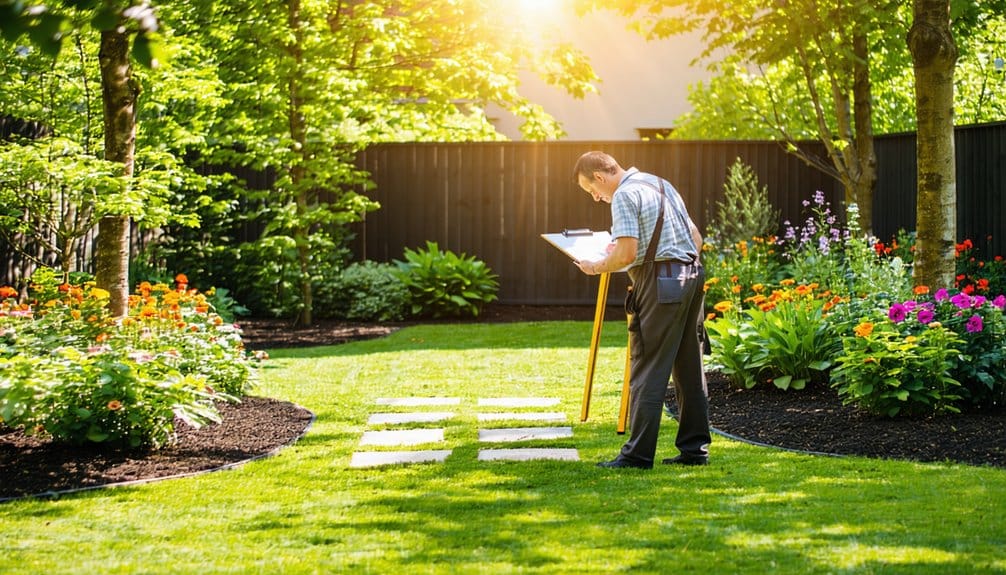
How should one begin transforming an outdoor area into a well-designed landscape? The initial step involves a thorough assessment of the existing space and clearly setting goals. Understanding site conditions such as sunlight, soil type, and drainage is essential. Defining the purpose—whether for relaxation, entertainment, or aesthetics—guides design choices. Integrating landscape design tips focused on functionality and visual appeal leads to effective landscape design. A successful landscape design incorporates essential design principles that enhance both beauty and usability.
| Aspect | Considerations | Goals |
|---|---|---|
| Sunlight | Full sun, partial, or shade | Plant selection, seating |
| Soil Quality | pH, texture, drainage | Improve soil or amend |
| Space Dimensions | Size, shape | Functional zones |
| Usage | Entertainment, privacy, play | Prioritize needs |
This structured evaluation ensures a purposeful and balanced outdoor transformation.
Selecting Plants and Materials for Durability and Aesthetics
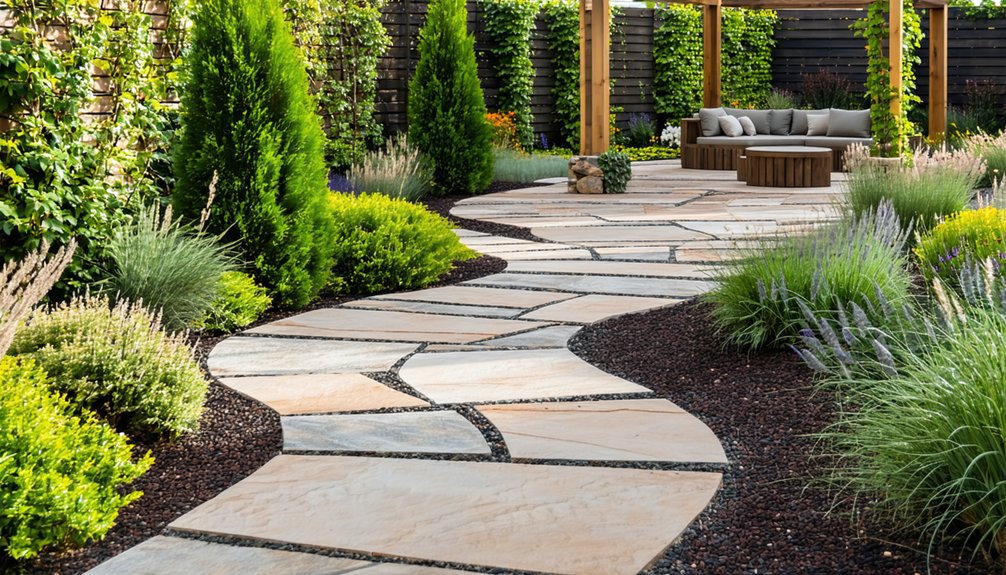
Selecting plants suited to the local climate ensures both survival and minimal maintenance.
Durable materials contribute to the longevity and functionality of the landscape design.
Integrating color and texture harmoniously enhances the overall visual appeal. Additionally, creating focal points within the garden can draw attention and provide structure to the design.
Climate-Appropriate Plant Choices
When designing landscapes, considering the local climate is essential to ensure that plant choices thrive while maintaining their aesthetic appeal. Selecting species adapted to the region’s temperature, precipitation, and soil conditions reduces maintenance and irrigation requirements.
Native plants often provide resilience and support local ecosystems, enhancing sustainability. Additionally, drought-tolerant or heat-resistant varieties suit arid zones, while frost-hardy plants withstand colder climates.
Key considerations for climate-appropriate plant choices include:
- Matching plants to USDA hardiness zones
- Choosing species tolerant to local rainfall patterns
- Prioritizing native or well-adapted plants
- Considering sun exposure and soil drainage
- Selecting plants with complementary bloom times for year-round interest
These principles foster durable, visually pleasing landscapes aligned with environmental realities.
Long-Lasting Material Options
Beyond choosing plants suited to the climate, the longevity and visual appeal of a landscape also depend on the materials used throughout the design.
Durable materials such as natural stone, concrete, and weather-resistant wood ensure structural elements withstand environmental stress and maintain aesthetic integrity over time. Selecting materials with proven resistance to moisture, UV exposure, and temperature fluctuations reduces maintenance frequency and replacement costs.
Incorporating permeable pavers or gravel enhances drainage while preserving functionality. Additionally, opting for high-quality metals like stainless steel or powder-coated aluminum in fixtures prevents corrosion and extends lifespan.
Harmonizing Color and Texture
Although durability is essential, achieving visual harmony through the thoughtful combination of color and texture elevates landscape design. Selecting plants and materials that complement each other enhances both functionality and aesthetics.
Color contrasts and textural variety create dynamic interest, while cohesive palettes foster unity. Durable materials such as stone, metal, and treated wood provide structural balance, whereas foliage diversity—combining broad leaves, fine grasses, and flowering plants—adds tactile richness.
The integration of these elements must consider seasonal changes and maintenance requirements to sustain vibrancy over time. Key considerations include:
- Pairing cool-toned foliage with warm-colored flowers
- Mixing smooth stone surfaces with rough bark textures
- Using evergreen plants to maintain year-round color
- Incorporating grasses for movement and softness
- Selecting weather-resistant materials that age gracefully
Creating Functional and Inviting Outdoor Areas
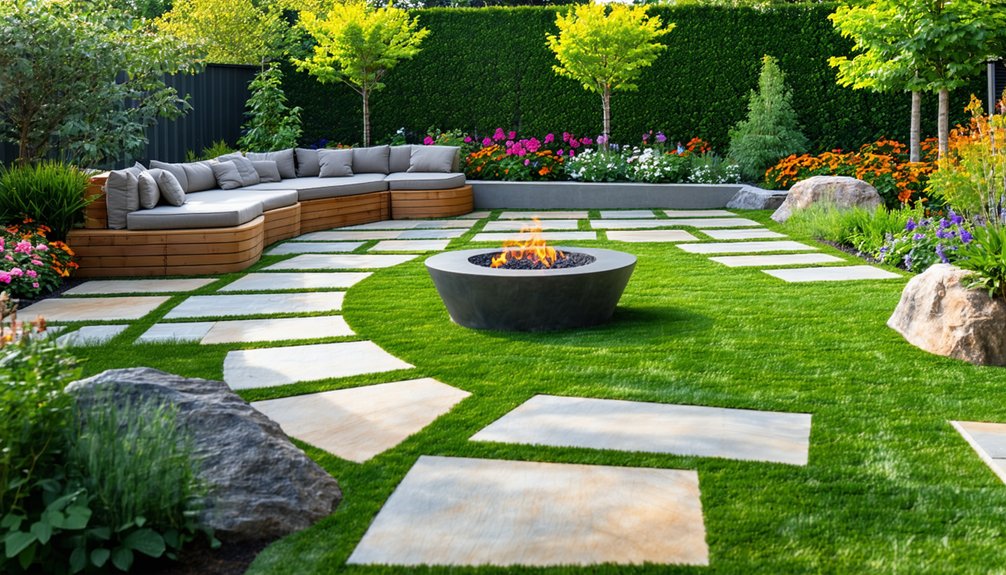
How can outdoor spaces be designed to balance practicality with aesthetic appeal? Effective landscape design integrates functionality with inviting elements by considering the users’ needs and spatial flow.
Defining distinct zones—such as dining, lounging, and play areas—ensures purposeful use while maintaining visual harmony. Incorporating comfortable seating, adequate lighting, and weather protection enhances usability.
Pathways and transitions should guide movement naturally, preventing clutter and congestion. Selecting durable materials aligned with the environment supports longevity without sacrificing style.
Thoughtful placement of plants and decorative features contributes to a welcoming atmosphere without overwhelming the space. Additionally, avoiding common landscape design mistakes can further enhance the overall effectiveness of the design. Ultimately, prioritizing both comfort and design coherence creates outdoor areas that are not only attractive but also serve daily activities efficiently, encouraging frequent use and enjoyment.
Incorporating Sustainable and Eco-Friendly Practices
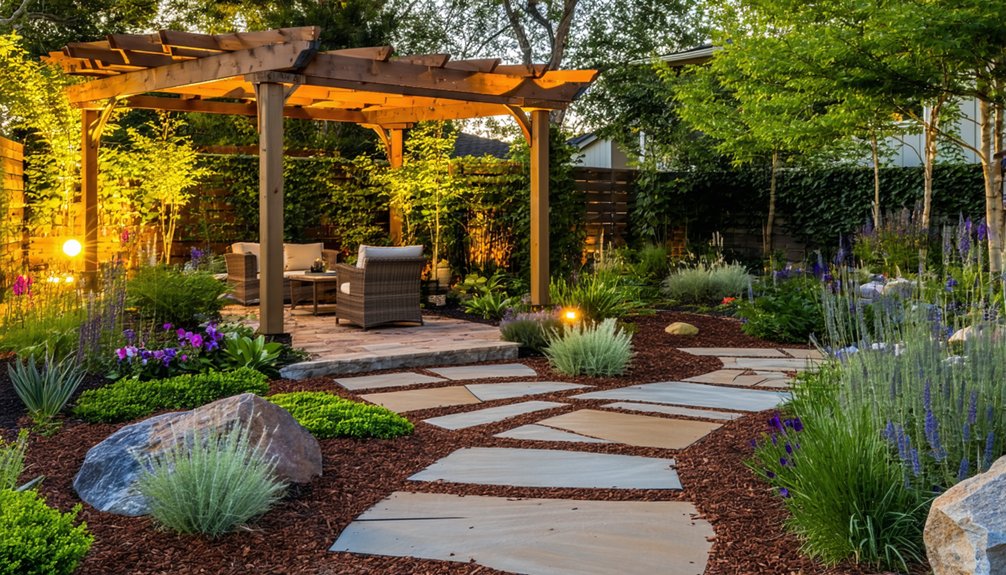
Incorporating sustainable and eco-friendly practices is essential in modern landscape design.
Emphasizing native plant selection supports local ecosystems and reduces maintenance needs.
Additionally, implementing water conservation techniques helps preserve resources while maintaining healthy outdoor environments.
Native Plant Selection
When selecting plants for a landscape, prioritizing native species fosters sustainability by supporting local ecosystems and reducing resource consumption.
Native plants are adapted to the regional climate and soil, requiring less water, fertilizer, and pesticides. They provide essential habitat and food for native wildlife, including pollinators and birds.
Incorporating native species enhances biodiversity and promotes ecological balance within the garden. Additionally, these plants contribute to soil health and help prevent erosion, ensuring long-term landscape vitality.
Key benefits of native plant selection include:
- Improved resilience to local pests and diseases
- Reduced need for irrigation and chemical inputs
- Support for native pollinators and wildlife
- Preservation of regional plant heritage
- Enhanced soil stabilization and nutrient cycling
Water Conservation Techniques
Effective water conservation techniques are essential for sustainable landscape design, especially in regions prone to drought or water restrictions.
Implementing efficient irrigation systems, such as drip irrigation and soaker hoses, minimizes water waste by delivering moisture directly to plant roots. Utilizing rainwater harvesting systems captures and stores precipitation for later use, reducing reliance on municipal water supplies.
Incorporating drought-tolerant and native plants further decreases water demand, as these species are adapted to local climate conditions. Mulching around plants helps retain soil moisture and suppresses evaporation.
Additionally, designing landscapes with proper grading and permeable surfaces promotes groundwater recharge and limits runoff. Integrating these eco-friendly practices supports water conservation goals while maintaining healthy, attractive outdoor spaces.
Maintaining and Adapting Your Landscape Over Time
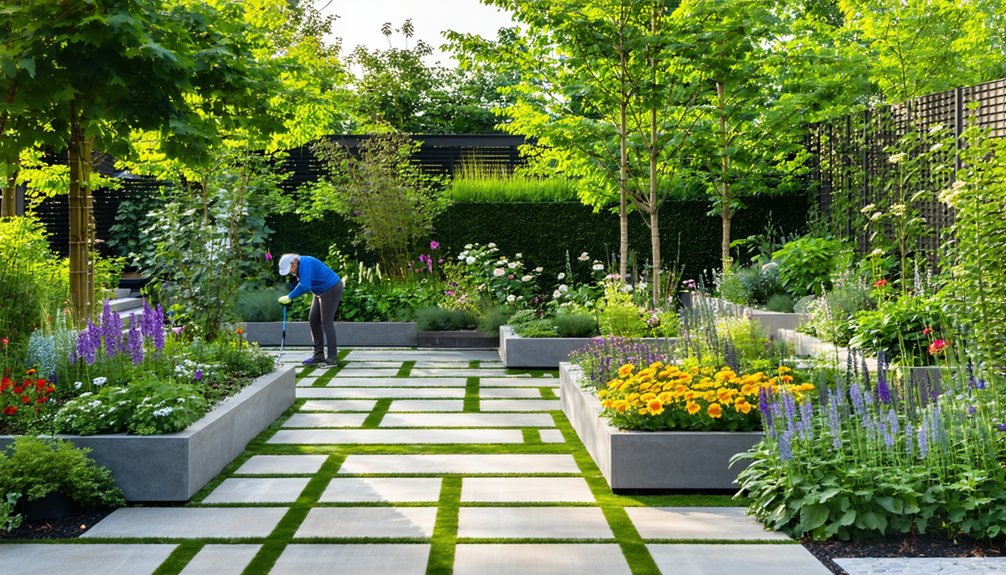
Although a well-designed landscape provides immediate aesthetic appeal, its long-term success depends on regular maintenance and thoughtful adaptation.
Over time, environmental changes, plant growth, and evolving preferences necessitate adjustments to preserve functionality and beauty. Proper care ensures plant health, prevents overgrowth, and addresses seasonal shifts.
Adapting the landscape can involve replacing aging plants, modifying irrigation systems, or updating design elements to meet new needs.
Incorporating elements from modern landscape design can enhance the adaptability and sustainability of your outdoor space.
Key practices for maintaining and adapting landscapes include:
- Pruning and trimming to control growth and shape plants
- Monitoring soil health and adjusting nutrients accordingly
- Updating irrigation schedules based on seasonal rainfall
- Replacing plants that no longer thrive or fit the design
- Incorporating new features to reflect changing lifestyle or climate conditions
Consistent attention secures the landscape’s vitality and relevance over time.
Conclusion
Revamping an outdoor space through thoughtful landscape design enhances both beauty and functionality. By understanding core principles, assessing site conditions, and choosing climate-appropriate plants and materials, a cohesive and inviting environment is achieved. Integrating distinct activity zones alongside sustainable practices ensures long-term vitality and environmental responsibility. Regular maintenance and adaptability further support the landscape’s success, creating a harmonious outdoor area that thrives and evolves over time.