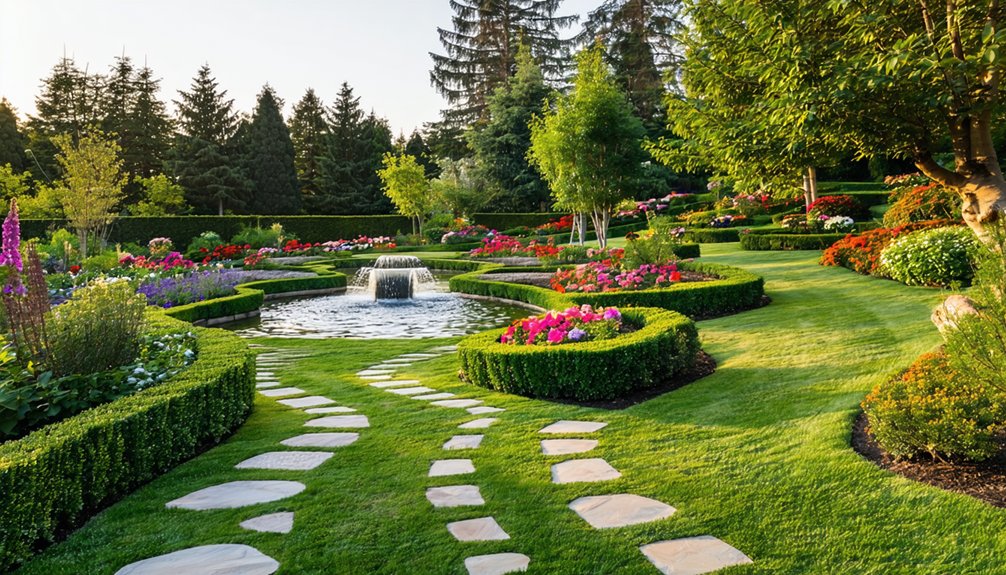
Successful landscape design requires careful consideration of many factors often overlooked by homeowners and professionals alike. From soil quality to plant selection, small missteps can lead to costly, unsightly outcomes. Understanding common pitfalls helps prevent frustration and ensures long-term satisfaction. Yet, the nuances of scale, drainage, and maintenance frequently escape attention, creating challenges that only become apparent after the work is done. Addressing these areas thoughtfully can make all the difference.
Key Takeaways
- Test soil quality and match plants to soil pH and texture to avoid poor growth and costly replacements.
- Choose plants suited to local climate and hardiness zones to ensure sustainability and prevent invasive species problems.
- Design proper drainage systems and evaluate site slope to prevent water accumulation, erosion, and plant damage.
- Maintain scale and proportion by avoiding overcrowding, ensuring balanced spaces with good air circulation and clear focal points.
- Plan for maintenance and incorporate focal points and energy-efficient lighting to enhance long-term appeal and usability.
Overlooking the Importance of Soil Quality
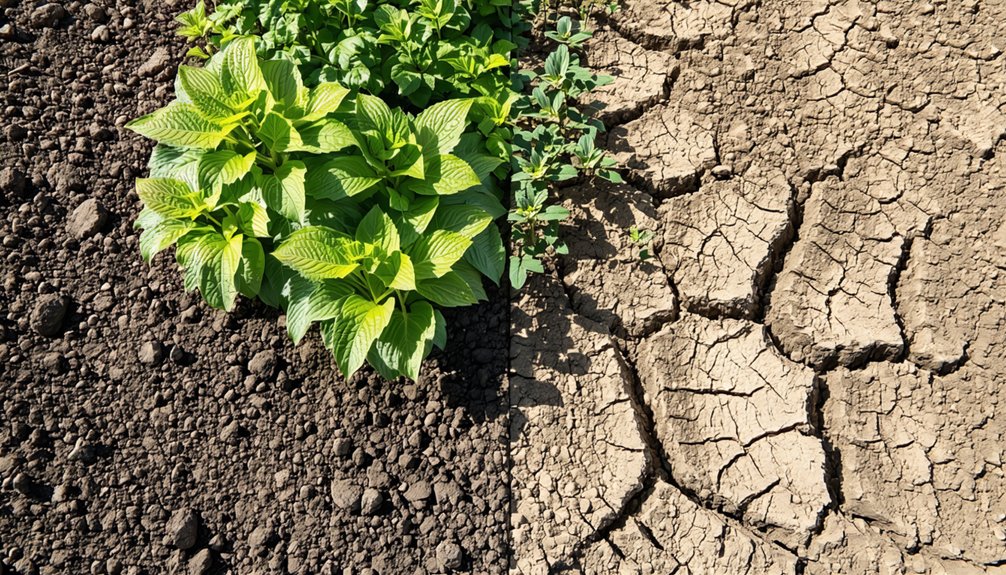
Soil quality serves as the foundation for any successful landscape design. One of the most frequent landscape design mistakes is neglecting soil assessment and preparation. Poor soil conditions can stunt plant growth, reduce nutrient availability, and increase susceptibility to pests and disease.
Avoiding design mistakes requires testing soil pH, texture, and fertility before selecting plants. Incorporating organic matter and proper drainage can improve soil structure and support healthy root systems. Ignoring these factors often results in common landscaping blunders, such as plant failure or excessive maintenance needs.
Landscape professionals emphasize that prioritizing soil health not only promotes plant vitality but also enhances long-term landscape sustainability. Addressing soil quality at the outset is crucial for achieving a thriving, resilient outdoor space.
Ignoring the Climate and Plant Hardiness Zones
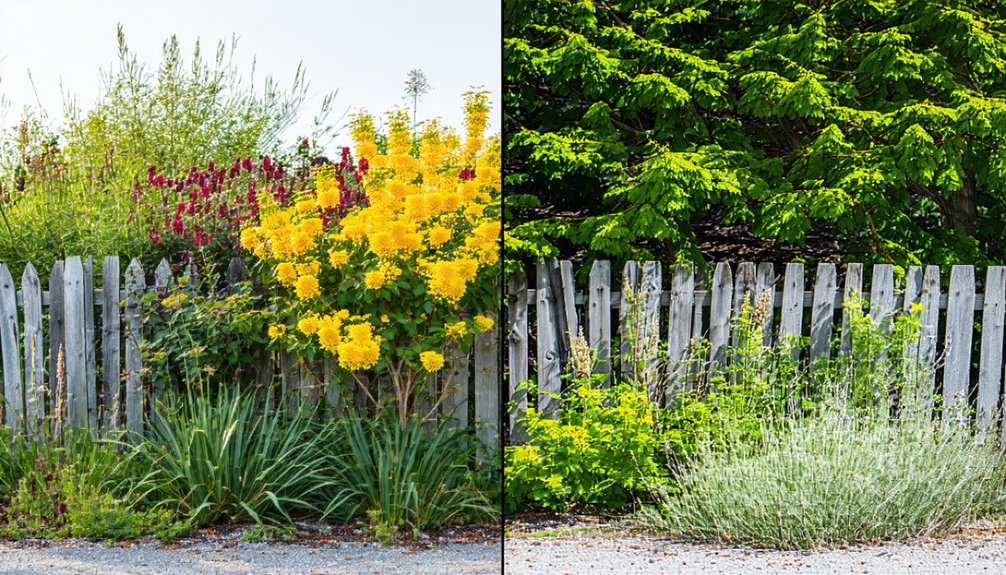
A fundamental error in landscape design involves neglecting the local climate and plant hardiness zones. Ignoring these factors can lead to plant failure, wasted resources, and frustration.
Understanding these zones is critical for selecting species that thrive in specific temperature ranges and environmental conditions.
Key landscape design tips to ensure successful landscape design include:
- Research local climate and hardiness zones before choosing plants.
- Select native or well-adapted plants to enhance sustainability.
- Avoid exotic species that may struggle or become invasive.
- Plan for seasonal changes to maintain year-round appeal.
Adhering to these guidelines prevents costly mistakes and promotes a resilient, vibrant landscape that withstands local weather extremes.
Failing to Plan for Proper Drainage
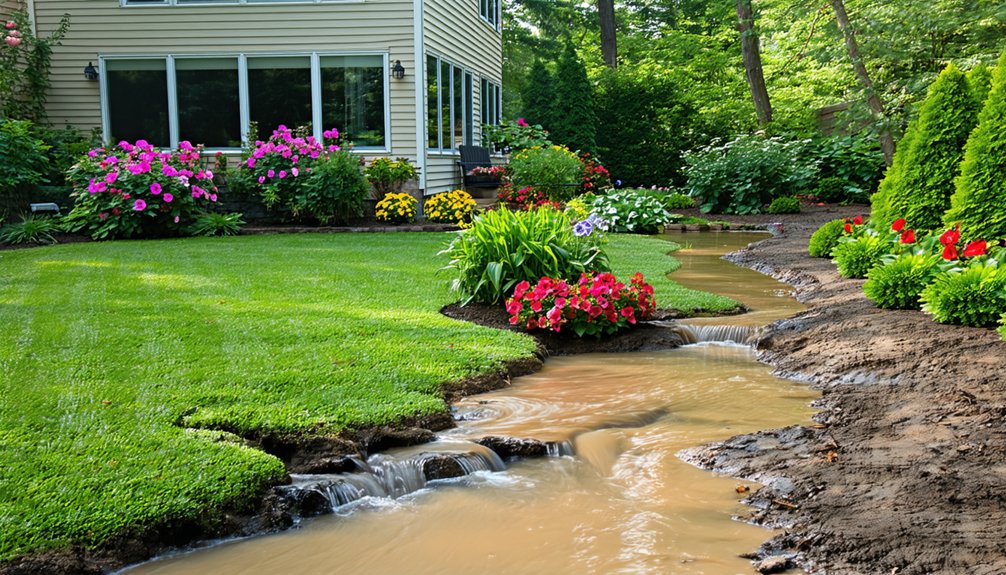
Proper drainage is a critical aspect often overlooked in landscape design.
Evaluating the site slope and incorporating effective drainage systems are essential to prevent water accumulation.
Without these measures, landscapes risk damage and reduced plant health.
Assessing Site Slope
When site slope is not carefully evaluated, water runoff can accumulate in unintended areas, leading to erosion, flooding, and damage to plantings. Proper assessment of the slope is essential to ensure water flows away from structures and vulnerable landscape elements.
Ignoring this step can cause costly repairs and a diminished outdoor experience.
Common issues caused by poor slope assessment include:
- Soil erosion that destabilizes plant roots and landscape features.
- Water pooling that promotes mold growth and attracts pests.
- Structural damage to foundations from persistent moisture.
- Frustration and disappointment over a landscape that fails to function as intended.
Accurate slope evaluation helps prevent these problems, promoting a healthier, more durable landscape.
Installing Drainage Systems
How water is managed within a landscape critically influences its longevity and functionality. Installing drainage systems without a comprehensive plan often leads to water pooling, soil erosion, and damage to structures.
Proper drainage design requires evaluating soil types, slope, and rainfall patterns to select suitable solutions such as French drains, channel drains, or dry wells. Ignoring these factors can result in inadequate water flow and costly repairs.
Additionally, drainage components must be correctly positioned and integrated with existing landscape features to ensure efficient water movement. Failure to do so compromises plant health and hardscape stability.
Therefore, meticulous planning and professional guidance are essential when installing drainage systems to prevent common mistakes that undermine landscape performance and durability.
Preventing Water Accumulation
Many landscapes suffer from water accumulation due to inadequate drainage planning. This issue can lead to soil erosion, plant damage, and foundation problems. Proper drainage prevents standing water and protects the integrity of the landscape.
To avoid these pitfalls, consider these critical steps:
- Assess the land’s natural slope to direct water away effectively.
- Incorporate permeable surfaces that facilitate water absorption.
- Install French drains or swales to manage runoff efficiently.
- Regularly maintain drainage systems to prevent blockages and overflow.
Ignoring these measures risks costly repairs and diminished curb appeal. Proactive drainage planning ensures a healthy, attractive landscape that withstands heavy rainfall and prevents water-related damage.
Neglecting Scale and Proportion in Design
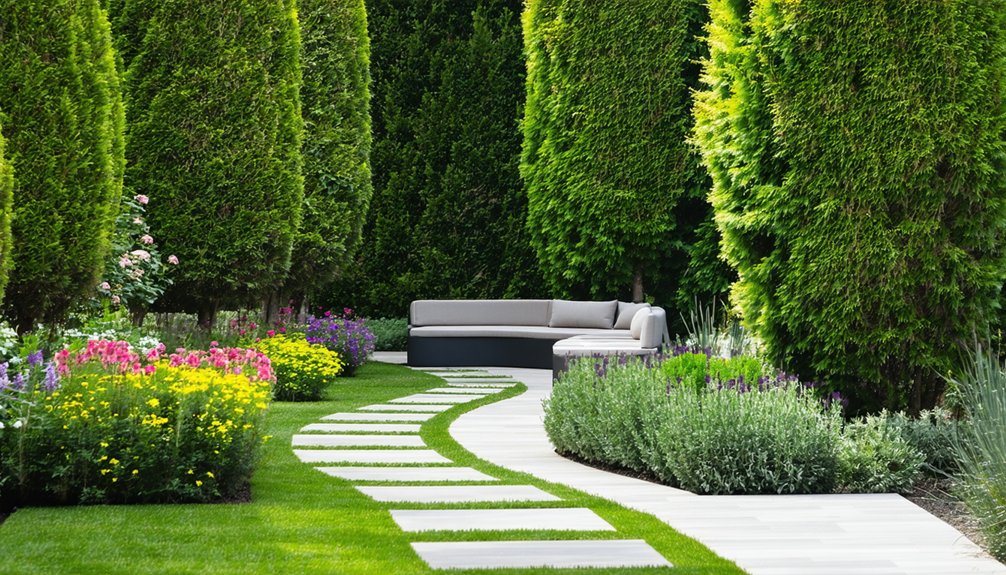
Although scale and proportion are fundamental principles in landscape design, they are frequently overlooked, leading to unbalanced and awkward outdoor spaces. Proper consideration of these elements ensures that plants, structures, and features relate harmoniously to each other and to the surrounding environment.
Neglecting scale can result in oversized or undersized elements that disrupt visual flow and spatial functionality. For example, planting large trees too close to small patios overwhelms the area, while tiny plants in a vast lawn appear insignificant.
Proportion affects how viewers perceive the landscape’s cohesion; mismatched sizes can create clutter or emptiness. Designers must evaluate site dimensions and human scale, selecting elements that complement the setting.
Thoughtful application of scale and proportion enhances aesthetic appeal and usability, avoiding common design pitfalls.
Choosing Invasive or Unsuitable Plants
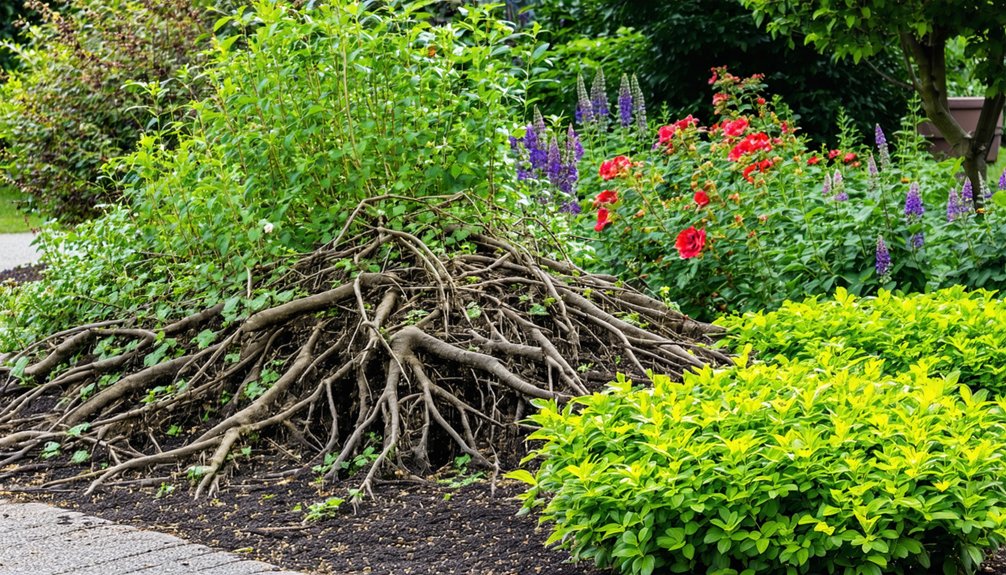
Selecting plants without considering their invasive potential can disrupt local ecosystems and require excessive maintenance.
It is essential to evaluate whether a species is suited to the regional climate to ensure healthy growth and sustainability.
Additionally, matching plants to the specific soil and water conditions of the site prevents poor performance and resource waste.
Recognizing Invasive Species
How can one identify plants that threaten local ecosystems? Recognizing invasive species is crucial to preserving native biodiversity and preventing environmental harm. These plants often spread aggressively, outcompeting native flora and disrupting habitat balance. Key indicators include rapid growth and reproduction, adaptability to various conditions, and lack of natural predators.
- They dominate landscapes, crowding out native plants and reducing wildlife food sources.
- Their presence can lead to soil degradation and altered water cycles.
- Invasive species often escape natural controls, causing unchecked expansion.
- They contribute to loss of ecosystem resilience, increasing vulnerability to pests and diseases.
Awareness and careful selection of plants ensure landscape designs support, rather than undermine, ecological health.
Climate Compatibility Matters
When plants are introduced without regard for climate compatibility, they can struggle to thrive or become invasive, disrupting local ecosystems. Selecting species suited to the local climate ensures healthier growth and reduces maintenance needs.
Plants adapted to regional temperature ranges, humidity levels, and seasonal patterns are more likely to flourish, requiring fewer resources. Conversely, unsuitable plants may fail to establish, wasting time and investment. Moreover, some non-native species can outcompete native flora if conditions favor their spread, leading to biodiversity loss.
Landscape designers must research climate zones and consult regional plant guides to make informed choices. Prioritizing climate-compatible plants supports sustainable landscapes that coexist harmoniously with their environment while minimizing ecological harm and maintenance challenges.
Soil and Water Needs
Beyond climate compatibility, understanding the specific soil and water requirements of plants is vital to successful landscape design. Selecting invasive or unsuitable plants can lead to poor growth, excessive maintenance, and ecological imbalance.
Plants that demand more water than the local supply can strain resources, while those incompatible with soil pH or texture may fail to thrive. Additionally, invasive species often outcompete native flora, disrupting ecosystems.
Key emotional triggers to consider when choosing plants include:
- Frustration from constant watering and care due to unsuitable water needs.
- Disappointment when plants fail to establish or grow poorly.
- Anxiety over unintended ecological damage caused by invasive species.
- Regret associated with costly plant replacement or soil amendments.
Avoiding these mistakes ensures a healthier, sustainable landscape.
Skipping Maintenance Considerations
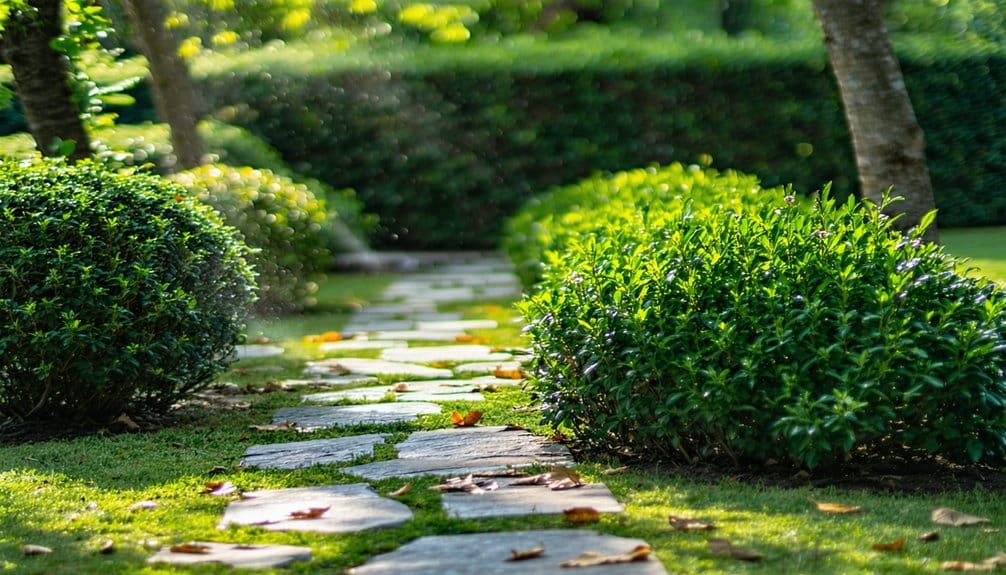
Although an attractive design may capture attention initially, neglecting maintenance considerations can quickly undermine the landscape’s long-term appeal and health. Proper planning must account for the effort required to sustain plant health, control weeds, and manage irrigation efficiently.
Overlooking these aspects often leads to overgrown, unhealthy vegetation or excessive resource consumption. Selecting plants solely for their appearance without considering growth rates, pruning needs, or seasonal changes burdens maintenance routines.
Additionally, ignoring accessibility for routine tasks complicates upkeep, increasing costs and labor. Sustainable landscapes balance aesthetic goals with practical maintenance demands, ensuring longevity and ease of care.
Ultimately, integrating maintenance strategies during design prevents deterioration, preserves visual harmony, and promotes a thriving environment that remains attractive and manageable over time.
Disregarding the Use of Focal Points
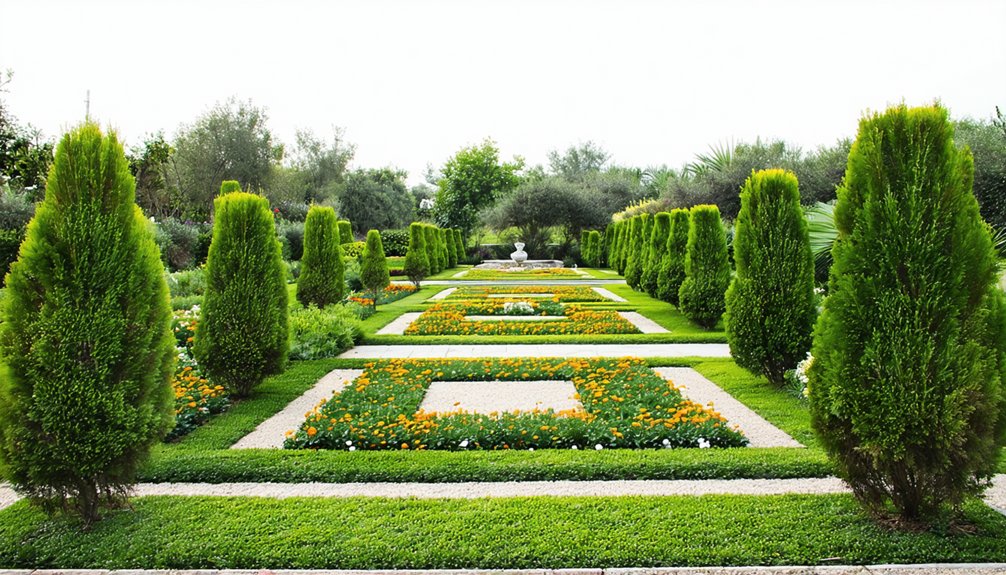
Focal points serve as visual anchors that guide the viewer’s eye and establish structure within a landscape. Disregarding their use results in a disjointed and uninspiring outdoor space.
Without focal points, the landscape lacks direction and interest, causing the viewer to feel lost or overwhelmed. Effective focal points create balance and highlight key elements.
To avoid this mistake, consider these emotional triggers:
- Curiosity – A unique sculpture or plant invites exploration.
- Serenity – A water feature offers calming visual and auditory appeal.
- Wonder – A striking tree or architectural element sparks admiration.
- Comfort – A cozy seating area draws people in for relaxation.
Incorporating focal points transforms a landscape from chaotic to captivating, engaging visitors on multiple sensory levels.
Underestimating the Impact of Lighting
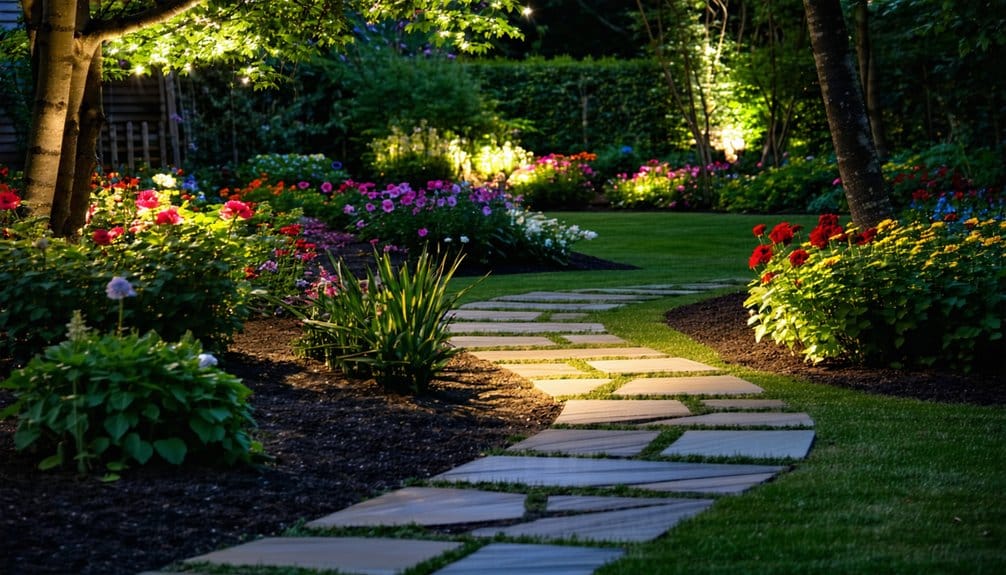
When overlooked, lighting can diminish the appeal and functionality of a landscape after dark. Proper illumination highlights architectural features, pathways, and plantings, enhancing safety and extending outdoor usability.
Many underestimate lighting’s ability to transform spaces, resulting in poorly lit or unevenly illuminated areas that appear uninviting or unsafe. Strategic placement of fixtures can create depth, emphasize textures, and guide movement, contributing to a cohesive design.
Conversely, insufficient or excessive lighting disrupts visual harmony and may cause glare or shadows that detract from the environment. Integrating energy-efficient, weather-resistant lighting solutions tailored to the landscape’s layout ensures both aesthetic and practical benefits.
Ignoring these factors often leads to missed opportunities for creating a welcoming nighttime atmosphere.
Overcrowding Plants and Features
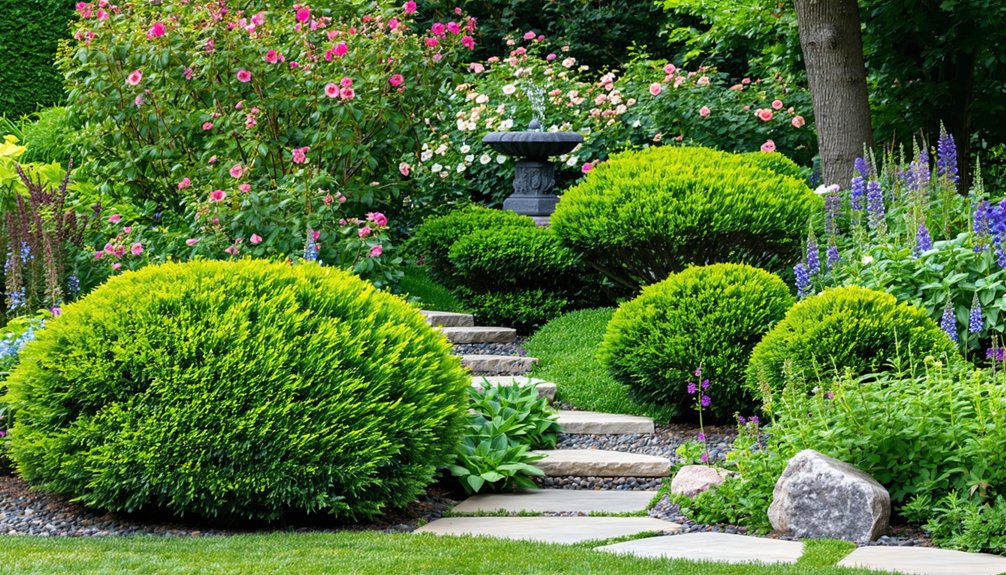
Dense clusters of plants and features can overwhelm a landscape, reducing visual appeal and restricting movement.
Overcrowding often leads to poor air circulation, increased pest problems, and stunted plant growth. It can also obscure focal points, making the space feel chaotic rather than harmonious.
Avoiding this mistake involves thoughtful planning and restraint.
- Frustration arises when pathways become narrow and difficult to navigate.
- Disappointment sets in as individual plants lose their distinctiveness.
- Anxiety grows from maintenance challenges caused by dense planting.
- Regret follows when the overall design lacks balance and openness.
Conclusion
Avoiding common landscape design mistakes is crucial for creating a functional and visually appealing outdoor space. Prioritizing soil quality, proper drainage, and plant hardiness ensures long-term plant health. Thoughtful consideration of scale, proportion, and focal points enhances aesthetic balance, while careful plant selection prevents invasive issues. Additionally, planning for maintenance and lighting supports sustainability and usability. By addressing these factors, one can achieve a harmonious landscape that remains beautiful and practical over time.