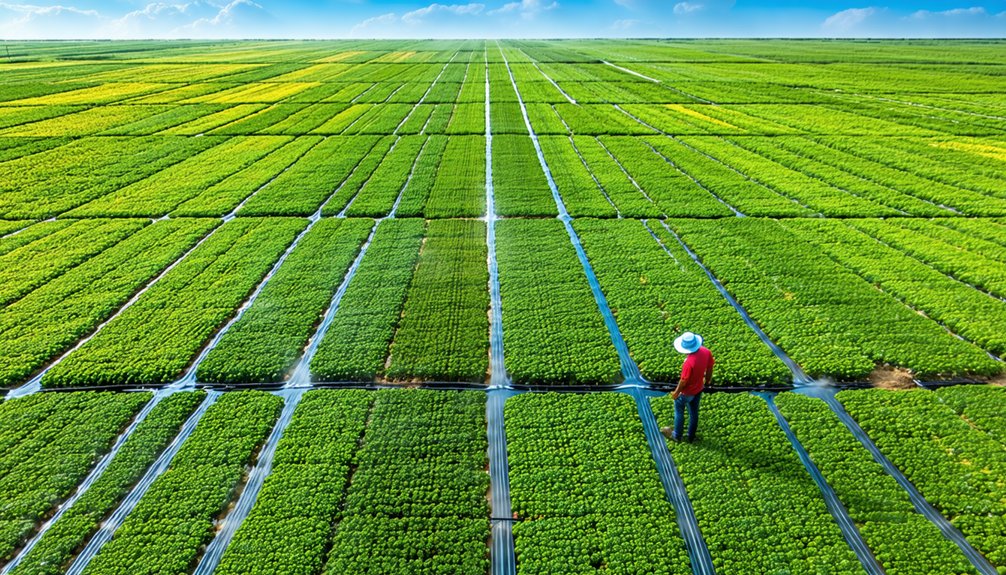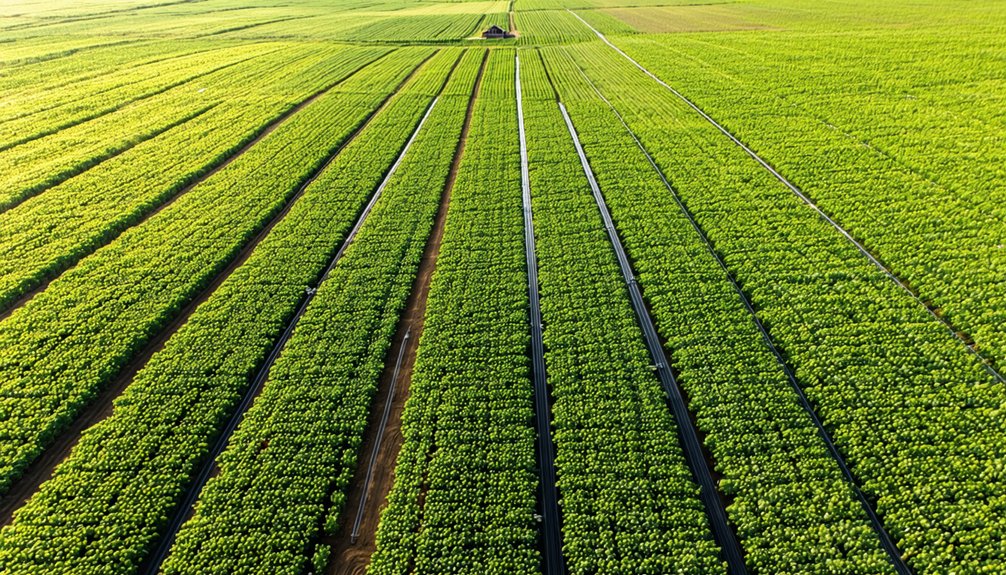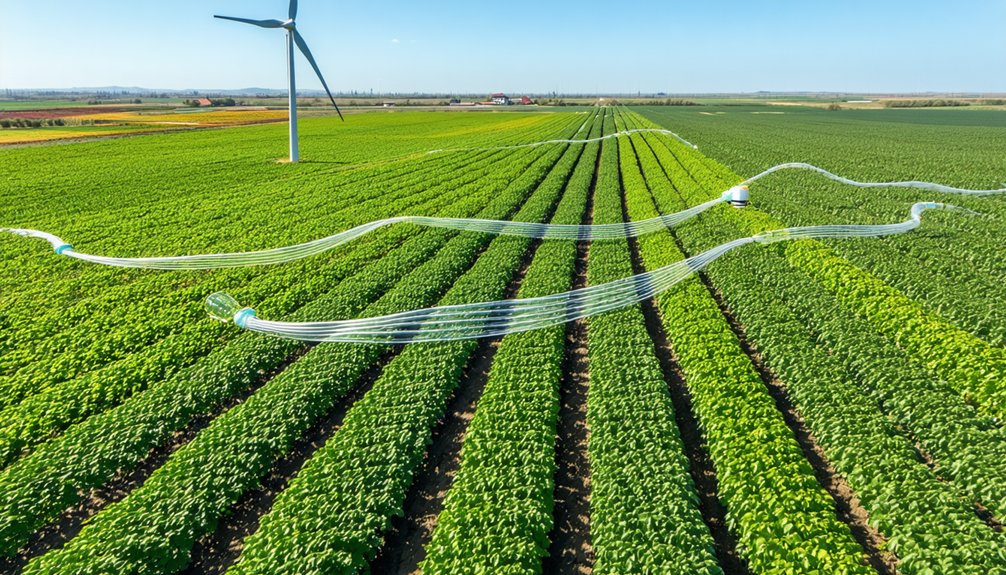

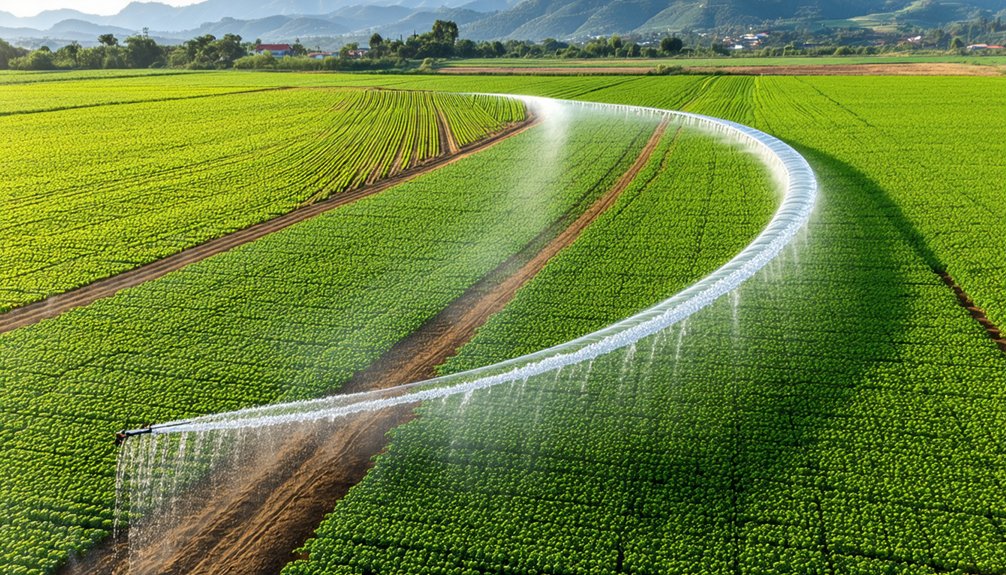
Traveling irrigation systems have emerged as a pivotal tool in modern agriculture. They provide precise water application, adapting to diverse crop requirements and field layouts. This innovation not only conserves resources but also enhances overall crop yield. However, the decision to invest in such technology involves careful consideration of various factors. Understanding these elements can be crucial for farmers aiming to optimize their production. What key aspects should they evaluate before making this significant choice?
Key Takeaways
- Implementing a traveling irrigation system ensures uniform water distribution, promoting optimal crop growth across various terrains.
- These systems reduce labor costs and time needed for irrigation compared to traditional methods, enhancing overall efficiency.
- Properly selecting equipment tailored to crop types and water requirements maximizes system effectiveness and minimizes waste.
- Routine maintenance practices, such as inspecting for leaks and adjusting pressure settings, maintain system performance and longevity.
- Analyzing initial investments against potential yield improvements helps assess the return on investment for traveling irrigation systems.
Understanding Traveling Irrigation Systems
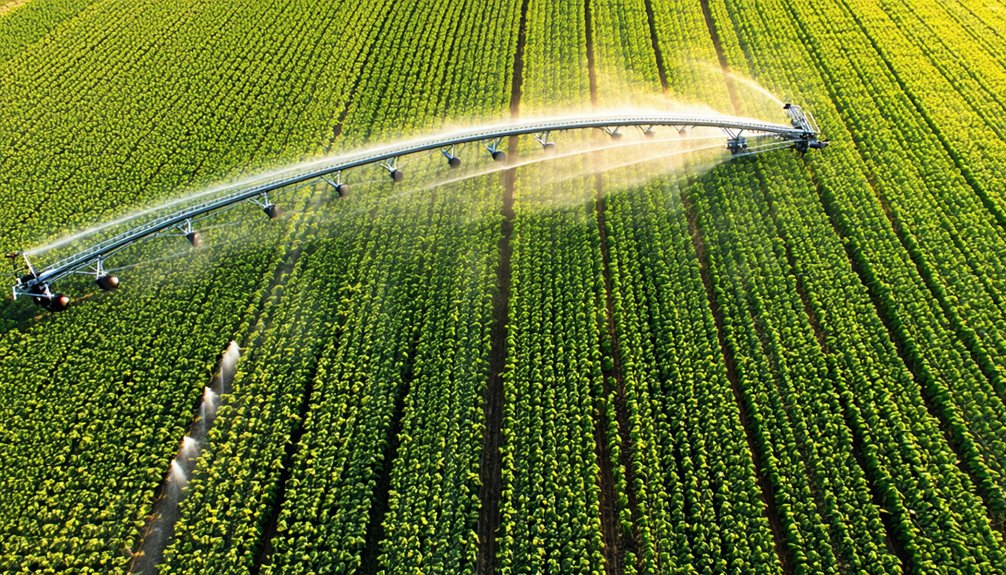
While many farmers seek efficient methods to enhance crop yields, understanding traveling irrigation systems is crucial for optimizing water usage.
These systems provide a mobile solution for farm irrigation, allowing water to be distributed evenly across various terrains. By utilizing a traveling irrigation system, farmers can ensure that crops receive adequate moisture while minimizing water waste.
Proper installation is essential, and an irrigation installation guide can help farmers navigate the process, ensuring that all components function effectively. Factors such as field layout and crop type should be considered during installation to maximize efficiency.
Ultimately, a well-implemented traveling irrigation system can significantly improve agricultural productivity and water conservation on farms.
Key Components of a Traveling Irrigation System
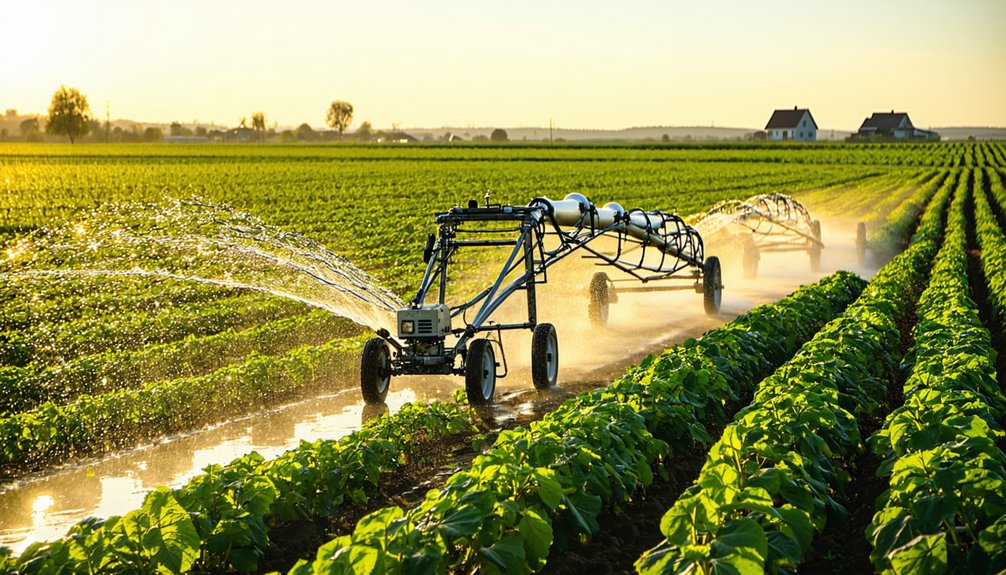
A traveling irrigation system comprises several essential components that work together to optimize water distribution.
Understanding these main system components, along with their operating mechanisms, is crucial for effective irrigation management.
This knowledge enables farmers to maximize efficiency and productivity in their agricultural practices.
Main System Components
Traveling irrigation systems are essential for optimizing water distribution in agricultural settings. These systems consist of several key components that work synergistically to enhance efficiency.
The primary part is the mainline, which transports water from the source to the field. Attached to this are lateral pipes that distribute water evenly across the crop area. The traveling mechanism, often powered by a motor, ensures the system moves across the field, providing uniform coverage.
Sprinkler heads are crucial for delivering water directly to the plants, promoting water conservation and minimizing waste. Additionally, control panels allow for precise management of irrigation schedules.
Together, these components facilitate increased crop yield while promoting sustainable farming practices.
Operating Mechanisms Explained
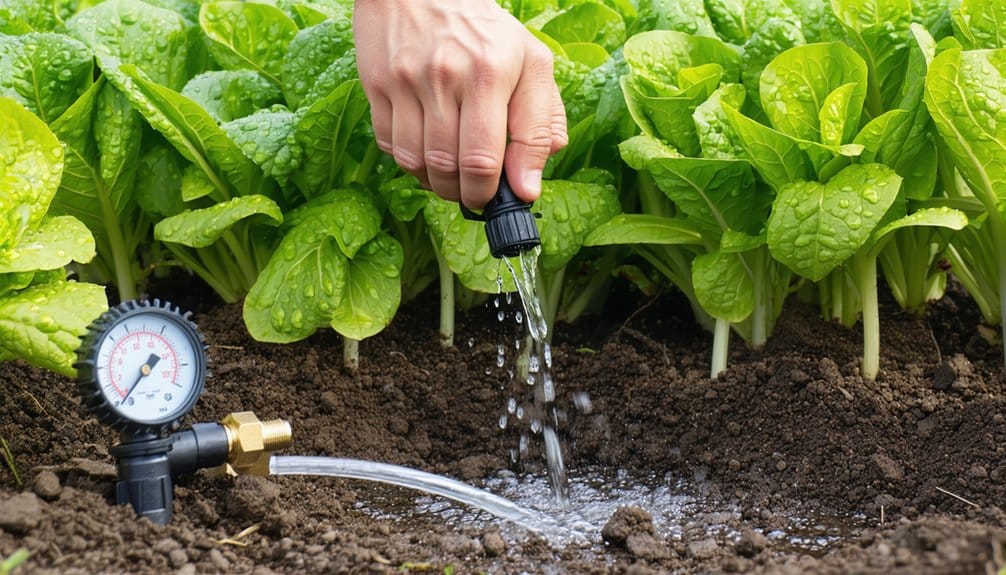
Irrigation systems operate through a series of interconnected mechanisms that ensure effective water delivery to crops. Key components include the water source, pumping system, and distribution network. The water source provides the necessary supply, while the pumping system generates the pressure needed for efficient distribution. The distribution network consists of pipes and hoses that transport water directly to the plants.
| Component | Function | Importance |
|---|---|---|
| Water Source | Supplies water | Essential for irrigation |
| Pumping System | Increases water pressure | Ensures efficient flow |
| Distribution Network | Delivers water to crops | Affects coverage area |
| Control Valves | Regulates water flow | Prevents overwatering |
| Sprinklers | Distributes water evenly | Maximizes crop yield |
Benefits of Using Traveling Irrigation for Farms
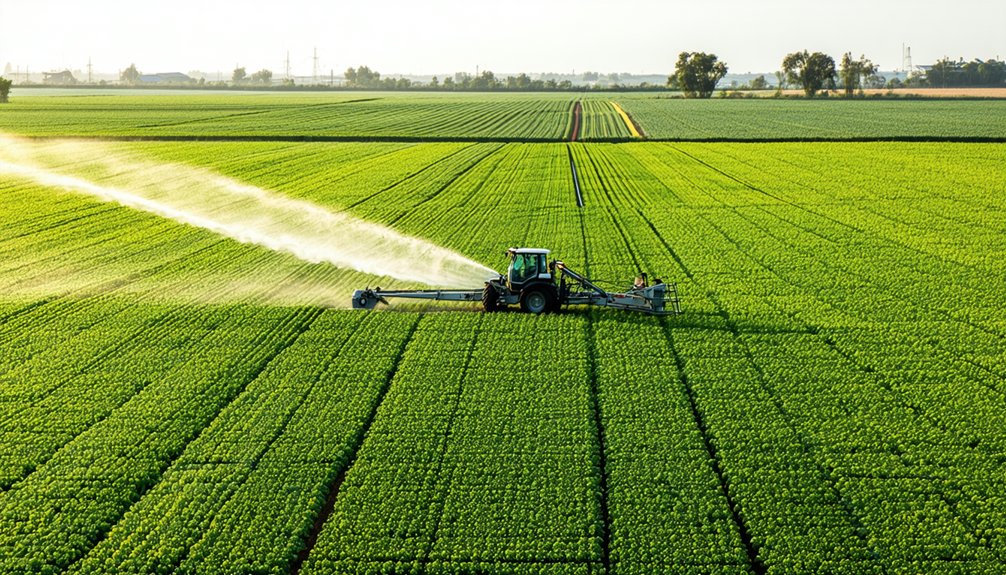
While many farmers seek efficient methods to enhance crop yields, utilizing traveling irrigation systems offers distinct advantages that can significantly improve farm production.
These systems provide uniform water distribution, ensuring crops receive adequate moisture, which is crucial for optimal growth. Additionally, traveling irrigation can adapt to various field shapes and sizes, making it versatile for diverse farm layouts.
The ability to cover large areas efficiently reduces labor costs and time spent on manual irrigation methods. Furthermore, these systems can conserve water by applying it directly to the root zone, minimizing evaporation and runoff.
Comparing Traveling Irrigation to Traditional Methods
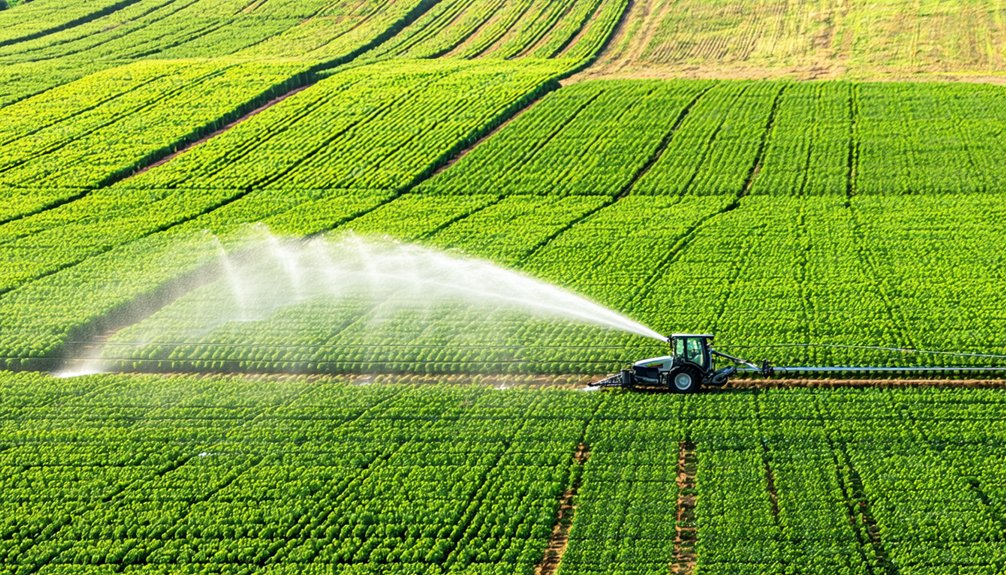
When comparing traveling irrigation to traditional methods, several key factors emerge, including water efficiency, labor costs, and crop yield impact.
Traveling irrigation systems often demonstrate superior water conservation, leading to reduced waste and lower costs.
Additionally, their effect on labor requirements and overall crop productivity warrants careful examination to determine the most effective approach for modern farming.
Water Efficiency Benefits
Farmers increasingly recognize that adopting traveling irrigation systems can significantly enhance water efficiency compared to traditional irrigation methods. Unlike fixed systems, traveling irrigation can be adjusted to match the specific needs of crops and varying field conditions. This adaptability minimizes water runoff and evaporation, optimizing usage.
Furthermore, these systems often utilize advanced technology, such as moisture sensors and automated timers, ensuring that water is applied only when necessary. Studies indicate that traveling irrigation can reduce water consumption by up to 30% compared to conventional methods.
Labor Cost Comparison
The adoption of traveling irrigation systems not only enhances water efficiency but also presents significant advantages in labor costs compared to traditional irrigation methods. Traditional systems often require more manual labor for setup, operation, and maintenance, which can increase overall expenses. In contrast, traveling irrigation systems automate many of these tasks, reducing the need for multiple workers and allowing for more efficient use of labor resources.
| Aspect | Traditional Methods | Traveling Irrigation Systems |
|---|---|---|
| Labor Requirement | High | Low |
| Setup Time | Extensive | Minimal |
| Operational Labor | Continuous | Intermittent |
| Maintenance Complexity | High | Low |
| Overall Cost Efficiency | Lower | Higher |
These factors contribute to lower operational costs and improved profitability for farmers.
Crop Yield Impact
While traditional irrigation methods have long been the standard in agriculture, traveling irrigation systems are increasingly recognized for their potential to enhance crop yields significantly.
These systems provide uniform water distribution and can be adjusted to meet the specific needs of various crops throughout their growth stages. Research indicates that farms utilizing traveling irrigation experience higher crop yields compared to those relying on fixed or flood irrigation methods.
This improvement can be attributed to better soil moisture management and reduced water stress on plants. Additionally, traveling irrigation systems can enable farmers to cover larger areas efficiently, promoting optimal growth conditions.
As a result, the adoption of these advanced irrigation techniques may contribute to greater overall agricultural productivity and sustainability.
Factors to Consider Before Installation
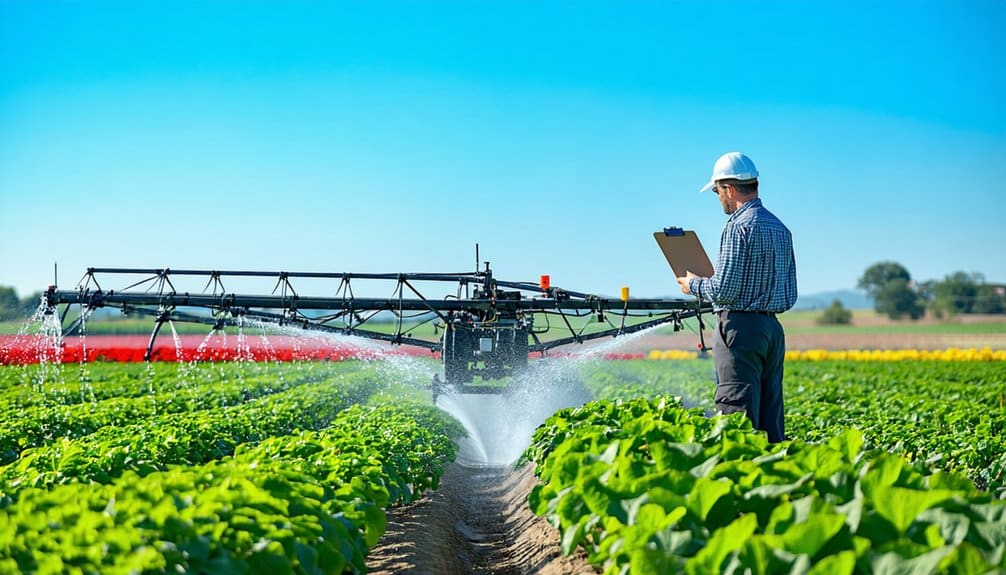
What critical elements should be evaluated prior to installing an irrigation system? Farmers must consider several factors to ensure optimal functionality and efficiency.
First, the water source’s availability and quality play a significant role in determining system effectiveness.
Soil type and topography should also be assessed, as they influence water absorption and distribution.
Additionally, understanding crop water requirements is essential for selecting the appropriate irrigation method.
Budget constraints and potential return on investment should be analyzed, as these factors will affect the choice of system.
Finally, local regulations and environmental impacts should not be overlooked, as compliance is crucial for sustainable farming practices.
Thorough examination of these elements can lead to informed decision-making and increased farm productivity.
Step-by-Step Guide to Installing a Traveling Irrigation System
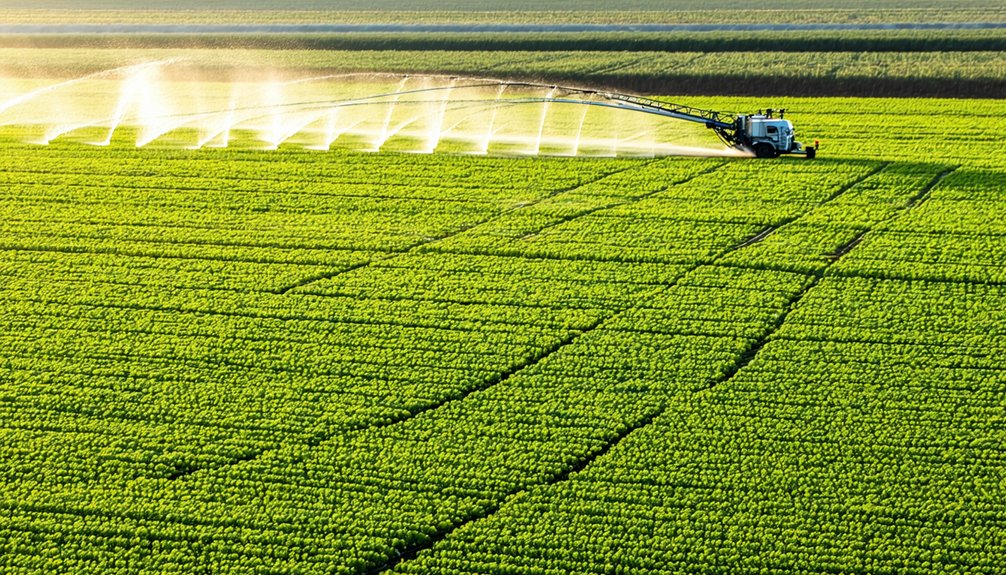
Installing a traveling irrigation system requires careful planning and understanding of the necessary equipment.
This guide will outline the selection of the right components, provide an overview of the installation process, and highlight essential maintenance and adjustments.
Selecting the Right Equipment
Selecting the right equipment is crucial for optimizing the effectiveness of a traveling irrigation system. Farmers should begin by assessing their specific water requirements, crop types, and field sizes.
Key components include the irrigation machine, which can vary in length and capacity, and must be appropriate for the farm’s layout. Additionally, choosing the right pump is essential for ensuring adequate water pressure and flow.
Farmers must also consider the types of hoses and fittings, which should match the system’s specifications to prevent leaks. Evaluating control mechanisms, such as timers and sensors, can enhance efficiency and minimize water waste.
Finally, consulting with agricultural specialists can provide insights into the best equipment options suited for individual farm needs.
Installation Process Overview
A successful installation of a traveling irrigation system requires careful planning and execution to ensure optimal functionality.
First, the farmer must assess the field layout, identifying the areas that need coverage and any obstacles that may impede the system’s movement.
Next, they should mark the intended travel path and determine the water source location.
After gathering the necessary equipment, including hoses, reels, and sprinkler heads, the installation can commence.
The farmer will then connect the components according to the manufacturer’s specifications, ensuring all connections are secure and leak-free.
Finally, testing the system is crucial to evaluate its performance and make any needed adjustments before full-scale operation.
This step-by-step approach lays the groundwork for effective irrigation management.
Maintenance and Adjustments Needed
Regular maintenance and timely adjustments are essential to ensure the longevity and efficiency of a traveling irrigation system. Operators should begin with a routine inspection, checking for leaks, clogs, and wear on hoses and fittings.
Cleaning filters regularly prevents blockages, enhancing water flow. Additionally, adjusting the speed of the traveling unit according to crop needs ensures optimal coverage.
Operators must also inspect and calibrate the system’s pressure settings to avoid under or over-irrigation. Seasonal checks should include verifying the alignment of the system to prevent uneven watering.
Lastly, documenting maintenance activities assists in forecasting future needs and making informed adjustments, contributing to overall farm productivity and resource management. Proper care ensures a well-functioning irrigation system throughout its operational lifespan.
Maintenance Tips for Optimal Performance
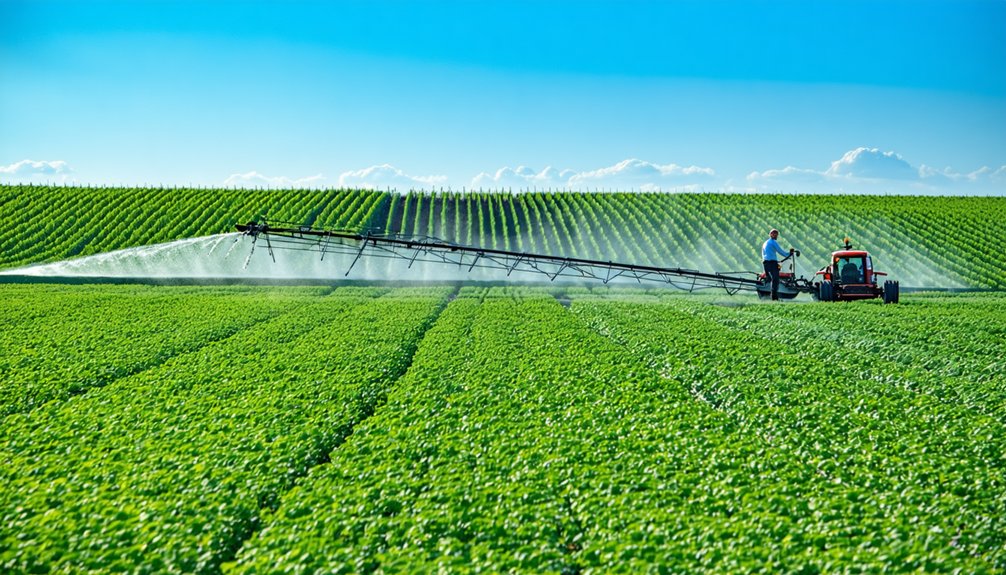
While irrigation systems are vital for maximizing farm production, their effectiveness hinges on proper maintenance. Regular inspections of components such as pumps, hoses, and sprinkler heads ensure that systems operate efficiently. Farmers should also check for clogs and leaks to prevent water waste. Additionally, maintaining the correct pressure is crucial for uniform water distribution.
| Maintenance Task | Frequency | Importance |
|---|---|---|
| Inspect components | Monthly | Prevents breakdowns |
| Clean filters and nozzles | Bi-weekly | Ensures efficient flow |
| Check system pressure | Weekly | Maintains uniformity |
Following these maintenance tips will help ensure optimal performance of irrigation systems, ultimately benefiting crop yield and farm productivity.
Cost Analysis: Is It Worth the Investment?
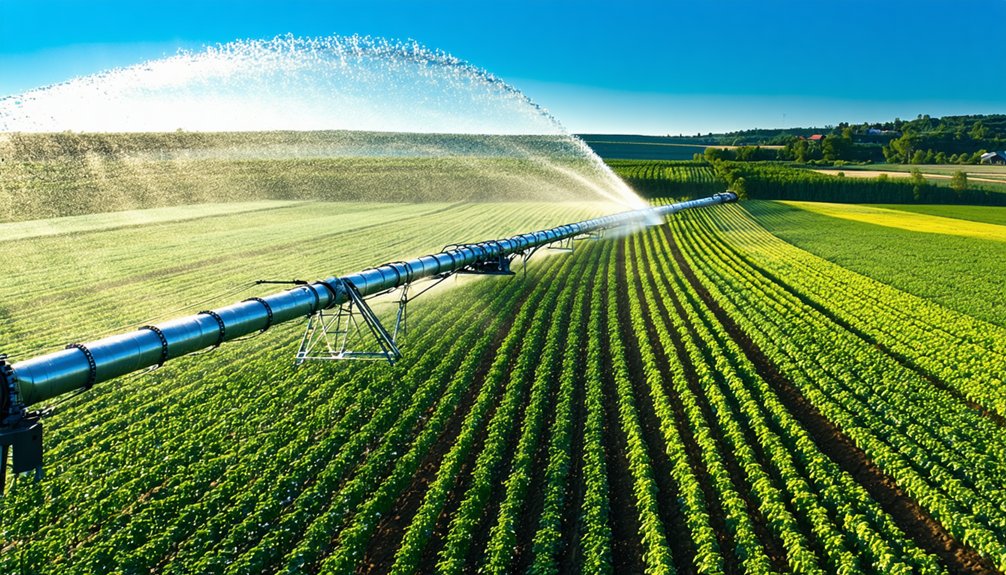
How can farmers determine if investing in irrigation systems pays off in the long run? A thorough cost analysis is essential.
Farmers must consider initial expenses, including equipment purchase and installation, along with ongoing costs such as maintenance and energy consumption. Comparing these costs to potential benefits is crucial. Enhanced crop yields, improved quality, and extended growing seasons can lead to increased revenue.
Additionally, farmers should assess water availability and local climate conditions, as these factors influence irrigation efficiency. Calculating return on investment (ROI) over several years helps clarify the financial viability of the system.
Ultimately, a detailed analysis allows farmers to make informed decisions, ensuring that the investment aligns with their long-term agricultural goals.
Case Studies: Successful Implementation on Farms
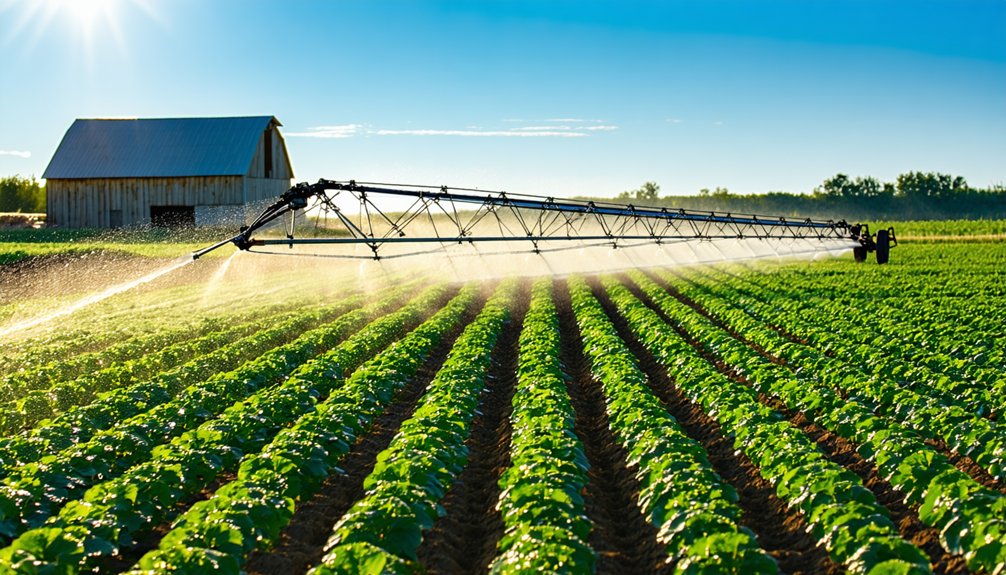
Numerous case studies highlight the successful implementation of irrigation systems on farms, showcasing significant improvements in productivity and sustainability.
For instance, a Midwest corn farm adopted a traveling irrigation system, resulting in a 30% increase in yield during drought conditions.
In California, a vineyard implemented similar technology, leading to a reduction in water usage by 40% while enhancing grape quality.
Another example includes a vegetable farm in Texas, where the introduction of precision irrigation allowed for targeted watering, improving crop health and reducing labor costs.
These cases illustrate that effective irrigation systems not only optimize water usage but also contribute to higher crop yields and better resource management, ultimately supporting farmers in achieving long-term agricultural goals.
Future Trends in Irrigation Technology
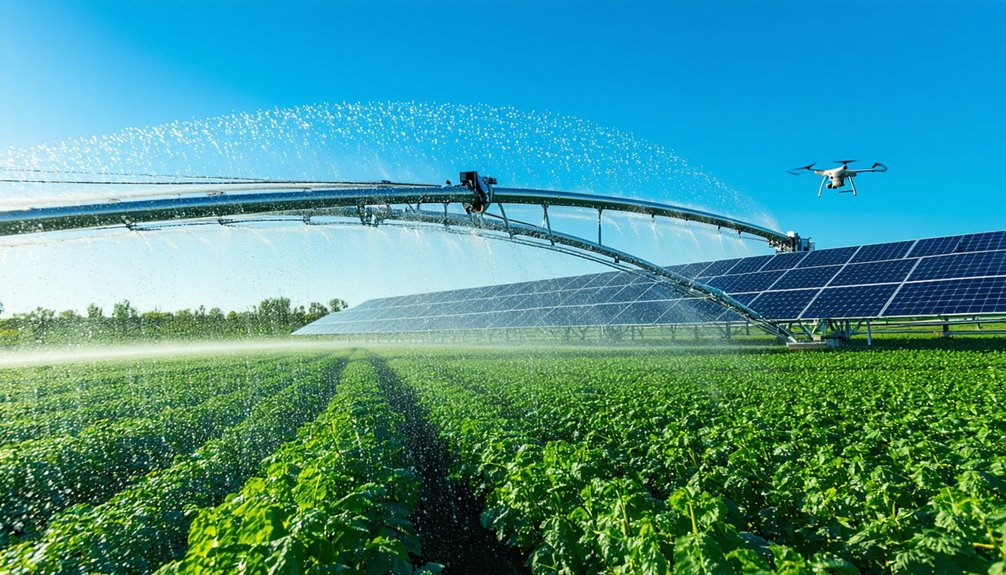
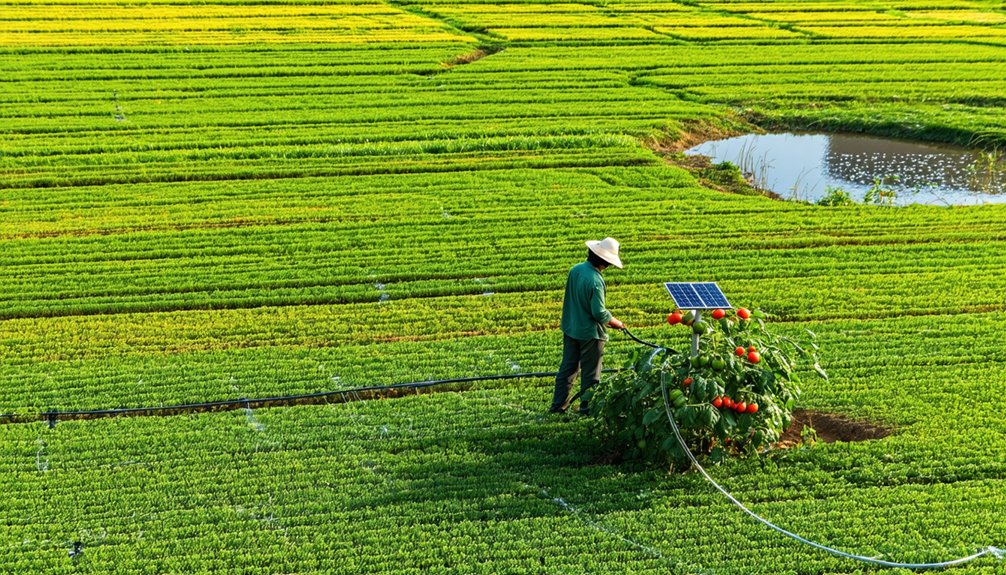
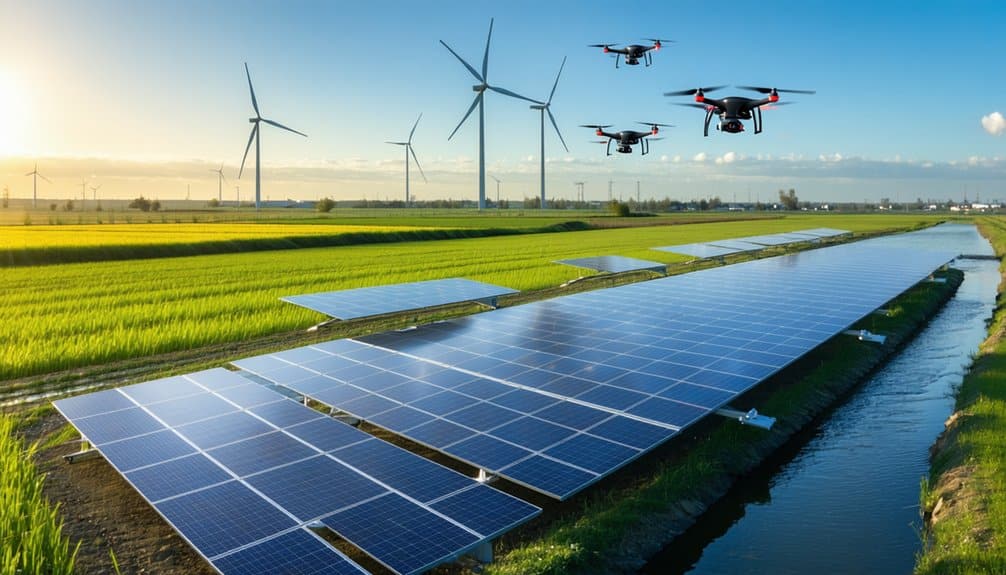
The advancements in irrigation technology are set to revolutionize farming practices, building on the successes seen in various case studies. Innovations such as smart irrigation systems, which utilize sensors and data analytics, are expected to enhance water efficiency and crop yields significantly. Furthermore, the integration of renewable energy sources, like solar-powered irrigation, will reduce operational costs while promoting sustainability. Automation and robotics will also play a crucial role, allowing farmers to manage irrigation systems remotely and with greater precision.
| Trend | Description |
|---|---|
| Smart Irrigation | Uses sensors to optimize water use |
| Solar-Powered Systems | Reduces energy costs and environmental impact |
| Automated Irrigation | Enhances efficiency through remote management |
| Data-Driven Analytics | Informs decision-making for crop health and yield |
| Eco-Friendly Solutions | Incorporates sustainable practices in agriculture |
Conclusion
In conclusion, traveling irrigation systems offer a transformative solution for maximizing farm production through efficient water management. By ensuring uniform distribution tailored to crop needs, these systems not only enhance yields but also promote resource conservation. The adaptability to diverse field shapes and reduced labor requirements further underscores their value. As agricultural practices continue to evolve, investing in advanced irrigation technology emerges as a crucial strategy for farmers seeking to boost productivity and sustainability in their operations.