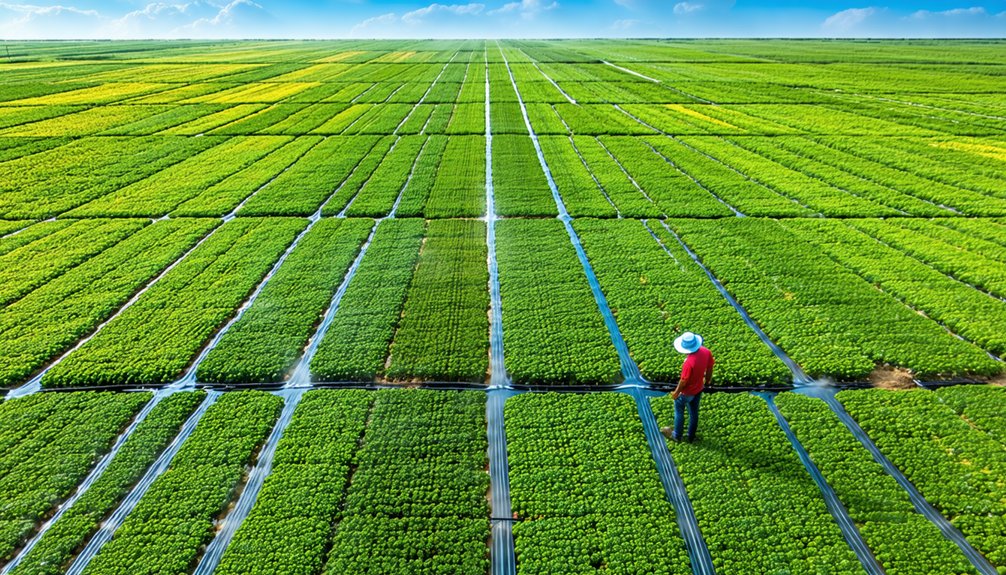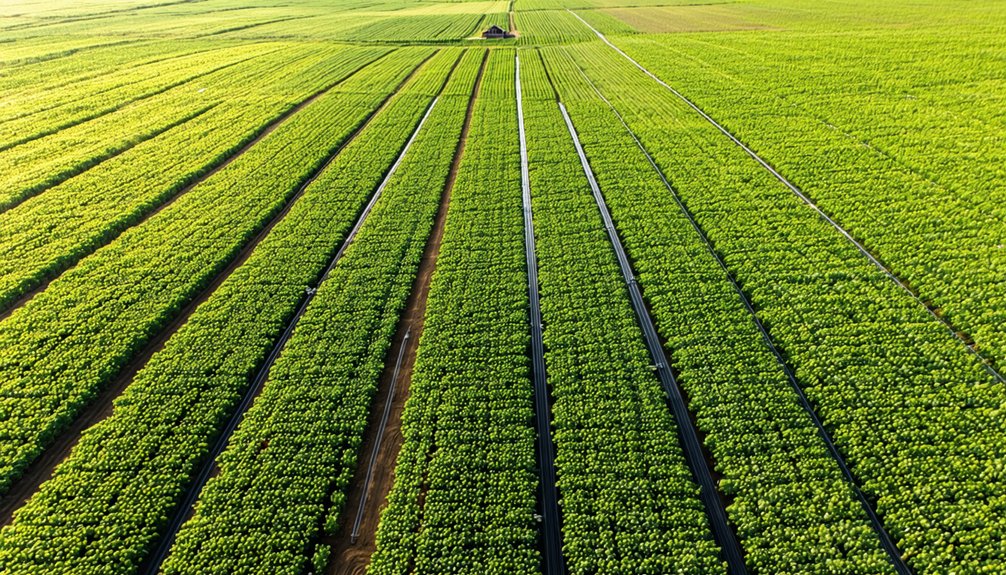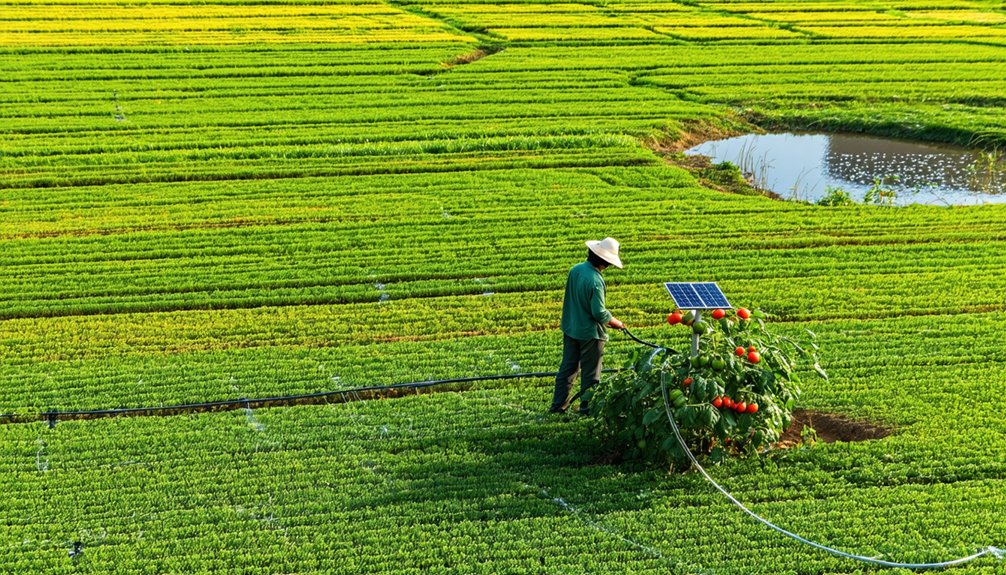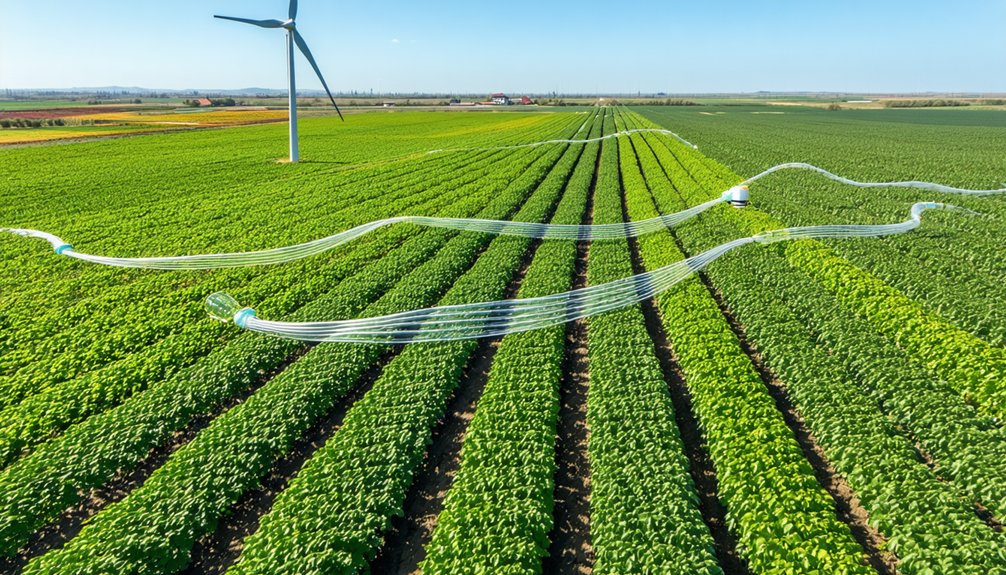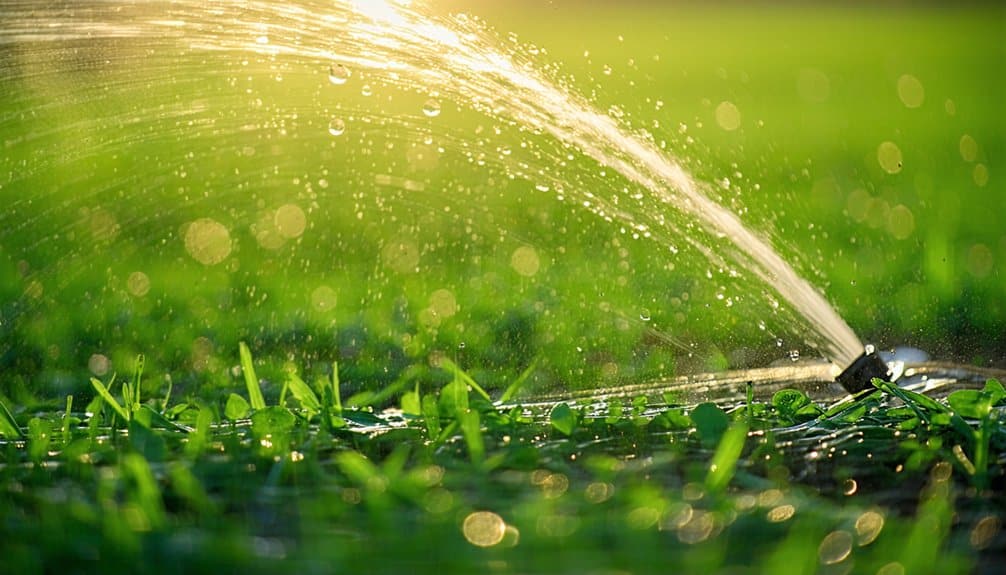
A sprinkler irrigation system consists of several critical components that work together to manage water efficiently. It begins with a reliable water source and includes a pumping station to ensure adequate pressure. The distribution network plays a vital role in delivering water to designated areas. Understanding these elements is essential for optimizing irrigation practices. However, the intricacies of how they function together remain to be explored further.
Key Takeaways
- A reliable water source, such as wells or ponds, is essential for effective sprinkler irrigation operation.
- Pumping stations draw water and maintain pressure, ensuring efficient distribution throughout the irrigation system.
- The distribution network, including pipes and valves, delivers water to designated irrigation areas evenly.
- Sprinkler heads and emitters determine water application methods, impacting coverage and minimizing waste.
- Control systems and timers enable automated management, optimizing watering schedules and monitoring soil moisture levels.
Water Source and Supply System
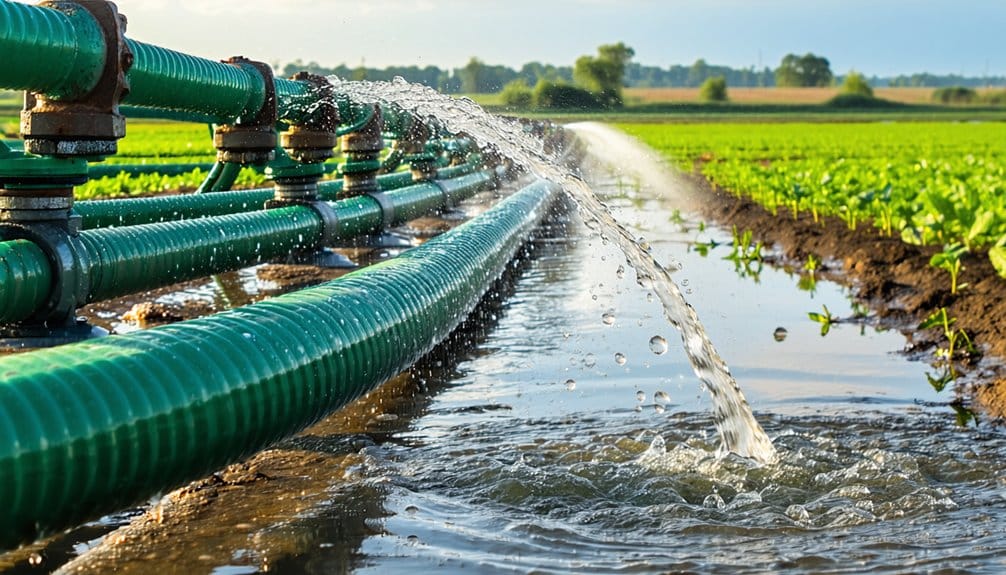
A reliable water source is crucial for the effective operation of a sprinkler irrigation system. The water source and supply system form the backbone of any irrigation setup, ensuring that water is available in sufficient quantity and quality.
Various components contribute to this system, including wells, ponds, or municipal supplies, which serve as the primary water sources. The irrigation system components, such as pipes, valves, and sprinkler heads, work in tandem with the water source to distribute water evenly across the intended area.
Proper management of the water supply system is essential to prevent shortages and ensure efficient operation. Ultimately, the effectiveness of a sprinkler irrigation system hinges on having a dependable water source that meets the needs of the crops being irrigated.
Pumping Station
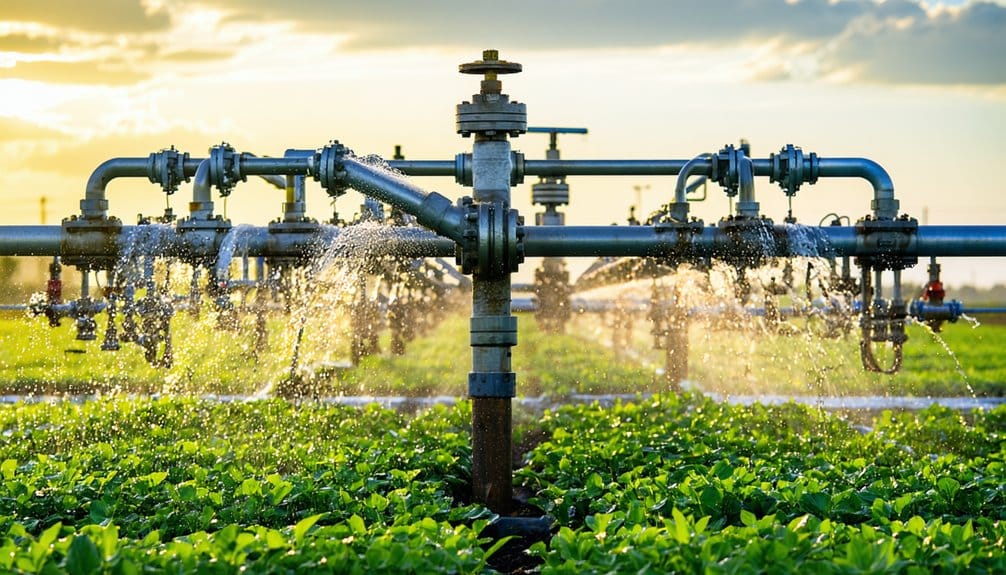
The pumping station plays a vital role in the functionality of a sprinkler irrigation system, acting as the mechanism that draws water from the established water sources. This component is essential for maintaining adequate water pressure and flow, ensuring that the irrigation system operates effectively.
Typically powered by electric or diesel engines, the pumping station can vary in size and capacity, depending on the scale of the irrigation project. It must be strategically located to optimize water delivery while minimizing energy consumption.
Additionally, proper maintenance of the pumping station is crucial to prevent breakdowns and inefficiencies that could disrupt the entire irrigation process. Overall, the reliability of a sprinkler irrigation system hinges significantly on the performance of the pumping station.
Distribution Network
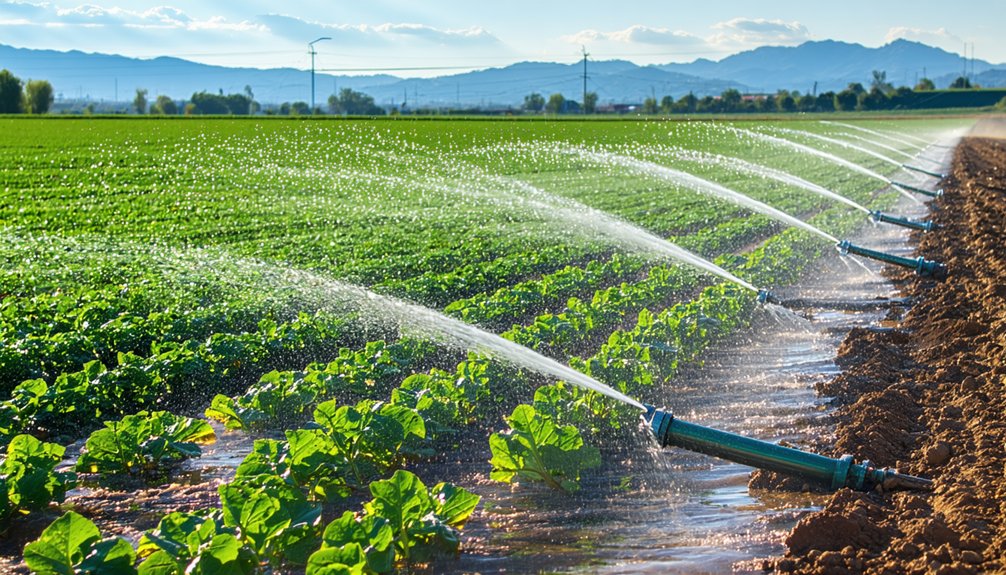
An efficient distribution network is crucial for the success of a sprinkler irrigation system, as it is responsible for delivering water from the pumping station to the designated areas of the landscape.
Various types of sprinkler irrigation utilize distinct distribution network structures, impacting efficiency and coverage.
Key components of the distribution network include:
- Pipes: Convey water from the source to the irrigation zones.
- Fittings: Connect pipes and facilitate direction changes.
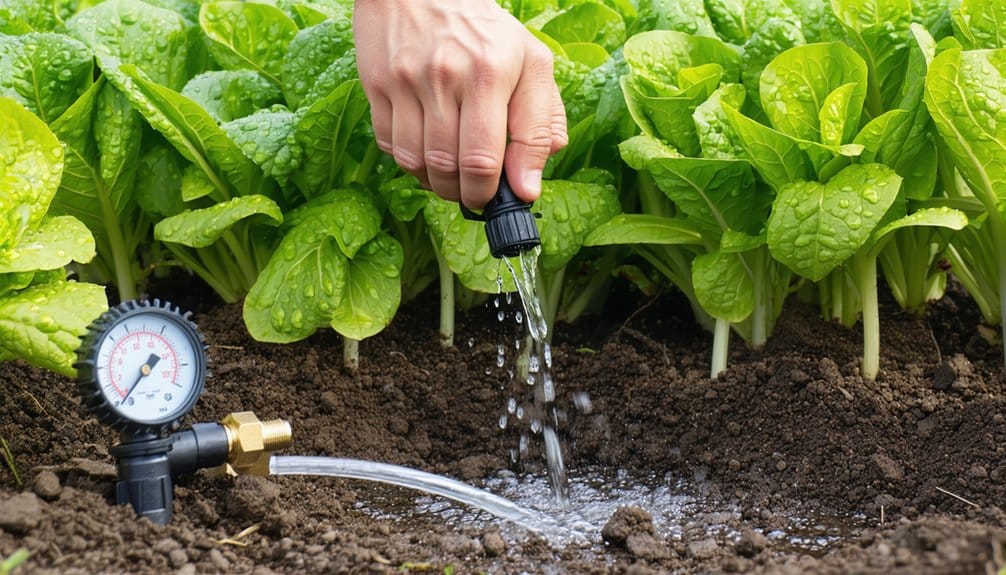
- Valves: Control water flow and pressure throughout the system.
- Pressure Regulators: Ensure consistent water pressure across different zones.
Understanding these components helps optimize the distribution network, ensuring that water is delivered uniformly and effectively to meet the needs of the landscape.
Sprinkler Heads and Emitters
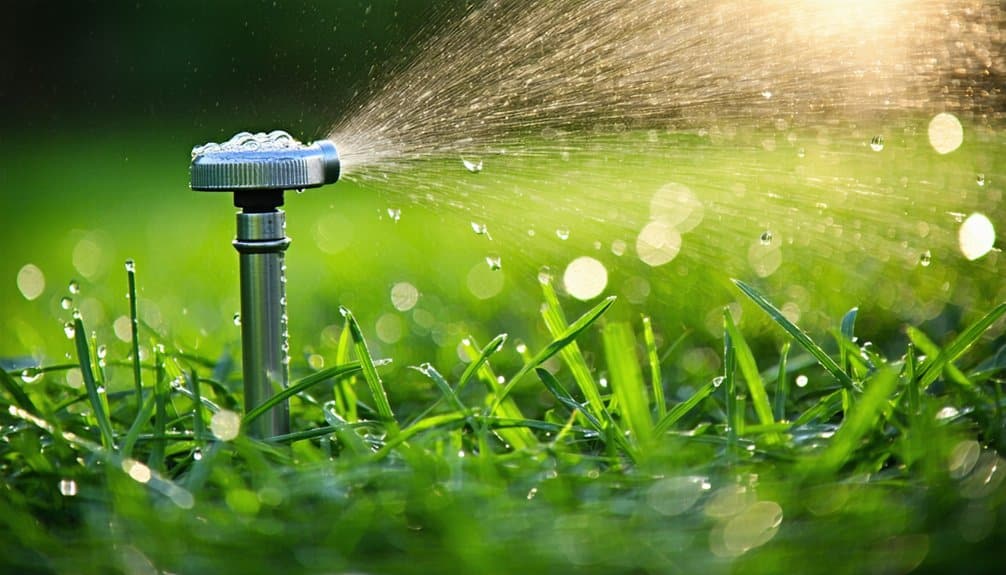
Sprinkler heads and emitters play a vital role in the effectiveness of a sprinkler irrigation system by determining how water is applied to the landscape. These components come in various types, including stationary, rotating, and drip emitters, each designed to meet specific watering needs.
Proper selection of sprinkler heads ensures uniform coverage, reducing water waste and promoting healthy plant growth. Regular sprinkler system maintenance is essential to ensure optimal performance; this includes checking for clogs, leaks, and adjusting the spray patterns.
Control Systems and Timers
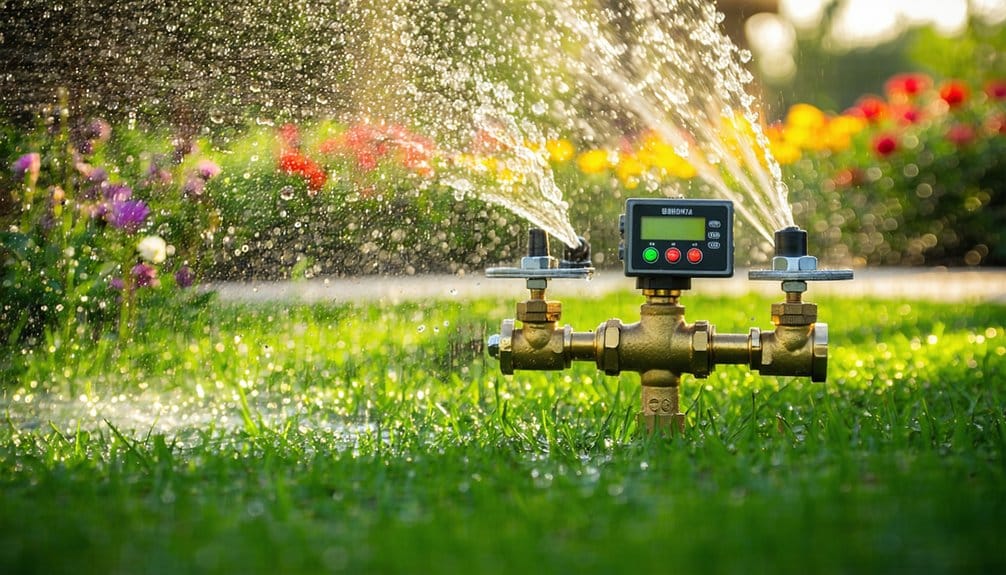
Effective control systems and timers are essential components of modern sprinkler irrigation systems, enabling precise management of water application.
These systems not only enhance efficiency but also contribute to healthy plant growth. Key aspects include:
- Automated Scheduling: Timers allow for programmed watering times, adapting to seasonal changes.
- Moisture Sensors: These devices monitor soil moisture levels, ensuring water is only applied when needed.
- Remote Access: Advanced systems offer app connectivity, allowing users to manage irrigation from anywhere.
- Troubleshooting Features: Built-in diagnostics help identify issues within the system, facilitating prompt troubleshooting of the sprinkler system.
These elements work together to optimize water use while promoting sustainable landscaping practices.
Conclusion
In summary, a well-designed sprinkler irrigation system is crucial for efficient water management in agricultural and landscaping practices. By incorporating a reliable water source, an effective pumping station, a comprehensive distribution network, and precise sprinkler heads, alongside advanced control systems and timers, these components work in harmony to ensure optimal irrigation. Understanding these elements not only promotes healthy plant growth but also contributes to sustainable water usage, highlighting the importance of effective irrigation strategies in today’s environmentally conscious landscape.