
A well-maintained lawn requires a reliable irrigation system. Understanding the various options available is crucial for homeowners seeking efficiency and effectiveness. From drip irrigation to sprinkler systems, each choice offers distinct advantages. Additionally, incorporating technology can further enhance water management. However, selecting the right system involves careful consideration of multiple factors. What aspects should be prioritized to achieve the best results? The answer may surprise you.
Key Takeaways
- Choose between sprinkler systems for broad coverage or drip irrigation for targeted watering to match your lawn’s specific needs.
- Implement automatic timers or smart controllers to optimize watering schedules and reduce water waste effectively.
- Assess water pressure and create a detailed landscape layout before installing an irrigation system to ensure compatibility and efficiency.
- Regular maintenance, like inspecting for leaks and cleaning sprinkler heads, is crucial for optimal performance and water conservation.
- While initial costs may be high, efficient irrigation systems lead to long-term savings on water bills and enhanced property value.
Understanding the Importance of Lawn Irrigation
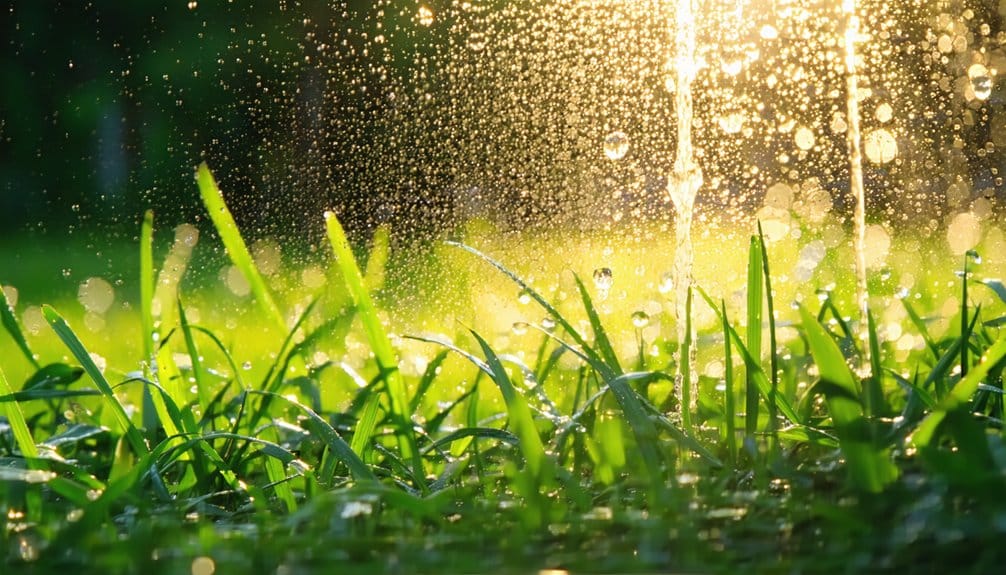
While many homeowners may underestimate the role of irrigation, it is crucial for maintaining a healthy and vibrant lawn. Proper lawn irrigation ensures that grass receives the necessary water to thrive, particularly during dry spells.
An efficient irrigation system not only conserves water but also promotes even distribution, reducing the risk of over- or under-watering. Homeowners should consider investing in the best irrigation system tailored to their specific landscape needs. This investment can lead to a lush, green lawn that enhances curb appeal and property value.
Furthermore, understanding the importance of lawn irrigation allows for better management of resources, ensuring that gardens and lawns remain resilient against drought and other environmental challenges.
Types of Irrigation Systems
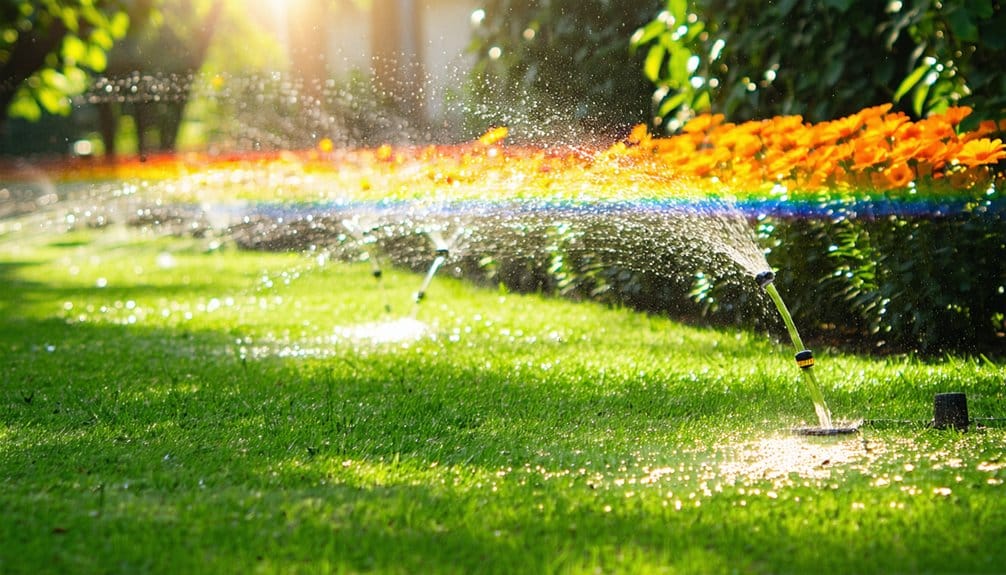
Irrigation systems for lawns can be categorized primarily into sprinkler and drip systems.
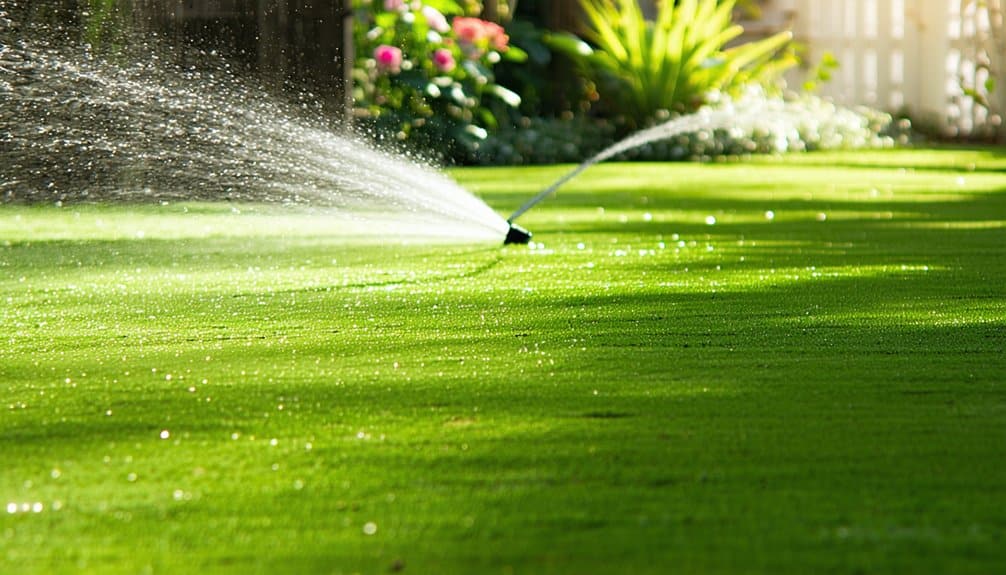
Sprinkler irrigation systems distribute water over a large area, mimicking natural rainfall.
In contrast, drip irrigation systems deliver water directly to the root zone, promoting efficiency and reducing waste.
Sprinkler Irrigation Systems
A variety of sprinkler irrigation systems are available to meet the diverse needs of lawn care. These systems are among the most popular irrigation system types, offering efficient water distribution for both residential and commercial landscapes.
The primary types include stationary, oscillating, and rotating sprinklers, each designed to cater to specific lawn sizes and shapes. Sprinkler systems can be either manual or automated, allowing for flexibility in irrigation system installation.
Automated systems often incorporate timers and moisture sensors, ensuring optimal watering schedules while conserving water. Properly installed sprinkler systems enhance lawn health and appearance by providing uniform coverage, reducing dry spots and overwatering.
Selecting the right type is crucial for effective lawn maintenance and water management.
Drip Irrigation Systems
For those seeking an alternative to traditional sprinkler systems, drip irrigation offers a highly efficient method of watering lawns and gardens.
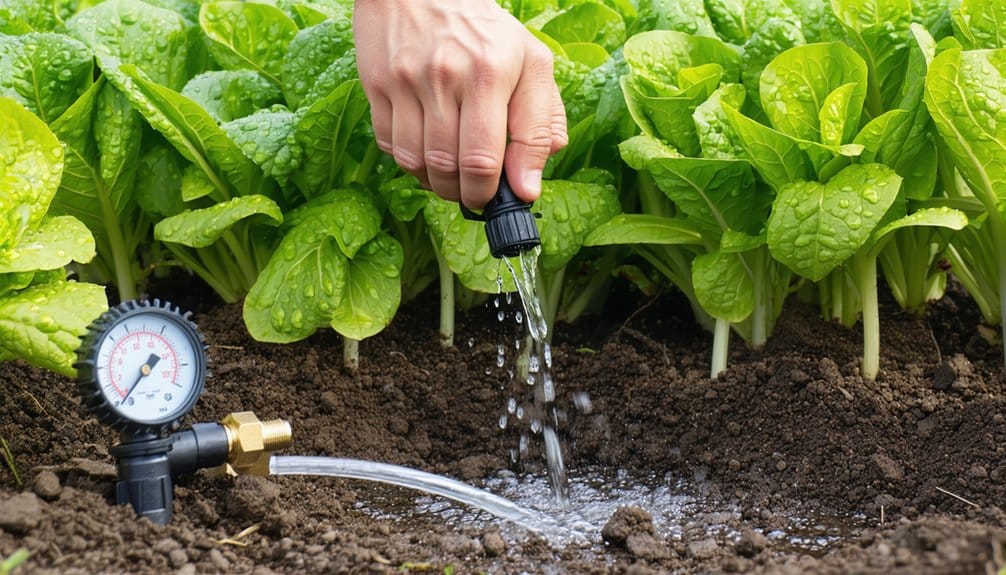
This system delivers water directly to the root zone of plants, minimizing evaporation and runoff. Drip irrigation is especially beneficial for areas with limited water supply or those looking to conserve water usage.
Key features of drip irrigation systems include:
- Precision watering: Delivers water exactly where it’s needed, reducing waste.
- Soil health: Encourages deep root growth and improves soil moisture retention.
- Flexibility: Easily adaptable to various garden layouts and plant types.
Drip Irrigation: Efficient Water Usage
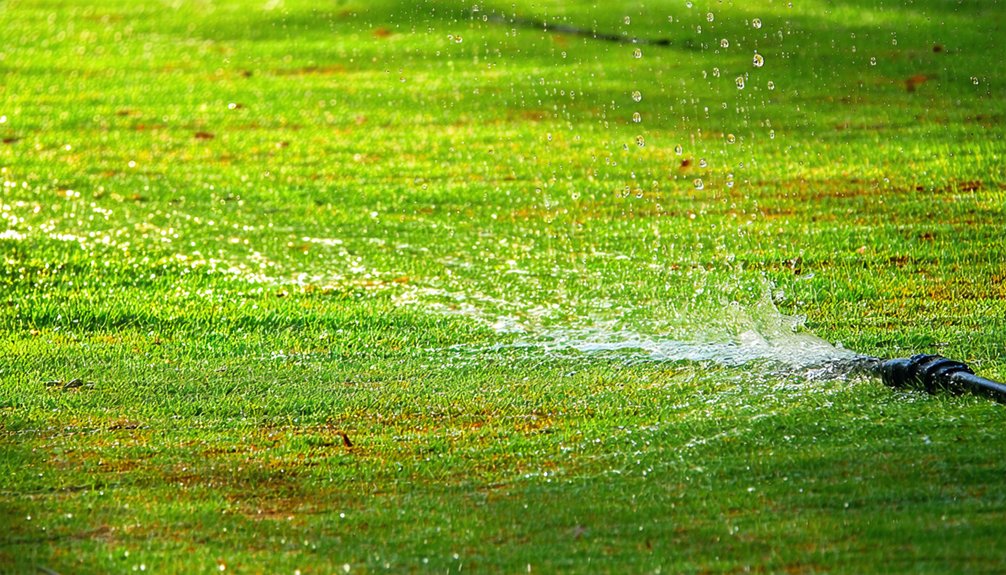
Drip irrigation stands out as a highly efficient method for conserving water in lawn care.
Understanding its water conservation benefits, along with the installation process and essential maintenance tips, can help homeowners optimize their irrigation practices.
This system not only promotes healthier plants but also significantly reduces water waste.
Water Conservation Benefits
Although traditional irrigation methods often lead to significant water loss through evaporation and runoff, drip irrigation stands out as a highly efficient alternative that maximizes water conservation.
This system delivers water directly to the plant roots, minimizing waste and ensuring that every drop counts.
The benefits of drip irrigation in water conservation include:
- Targeted watering: Water is applied directly where it’s needed, reducing excess moisture in other areas.
- Reduced evaporation: Water is delivered slowly, allowing it to seep into the soil rather than evaporate into the air.
- Lower runoff: The slow application rate decreases the chances of water running off into undesired areas.
Installation Process Overview
While implementing a drip irrigation system may seem daunting, understanding the installation process can simplify the task. First, one needs to assess the garden layout and determine the appropriate zones for irrigation.
Next, gathering essential components like drip tubing, emitters, connectors, and a pressure regulator is crucial. After marking the layout, the mainline tubing is laid out, followed by cutting and inserting emitter lines to deliver water directly to the plants.
Connecting to a water source, ensuring proper sealing, and testing the system for leaks are also important steps. Finally, covering exposed tubing with mulch can enhance aesthetics and help with moisture retention.
A well-installed drip irrigation system ensures efficient water distribution and promotes healthy plant growth.
Maintenance Tips and Tricks
Proper maintenance of a drip irrigation system is essential for maximizing water efficiency and ensuring optimal plant health.
Regular checks and upkeep can prevent costly repairs and enhance system longevity. Gardeners should consider implementing the following maintenance practices:
- Inspect emitters for clogs: Regularly check the emitters to ensure they are not blocked by sediment or debris, which can disrupt water flow.
- Adjust and clean filters: Filters should be cleaned frequently to maintain water clarity and prevent buildup that affects system performance.
- Monitor water pressure: Keeping an eye on water pressure ensures that the system operates within optimal ranges, promoting even distribution.
Sprinkler Systems: Coverage and Flexibility
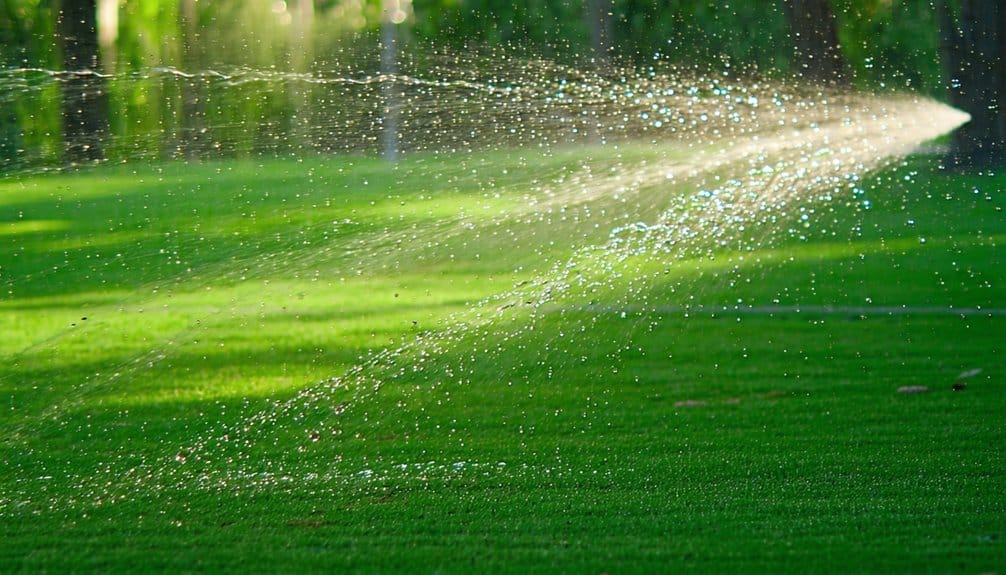
Sprinkler systems play a crucial role in maintaining healthy lawns by providing efficient water coverage and adaptability to various landscape designs. These systems come in different types, such as stationary, oscillating, and rotating, each offering unique benefits. Coverage is determined by the sprinkler’s range and pattern, allowing customization for diverse yard shapes and sizes. Flexibility is essential, enabling adjustments for seasonal changes and specific watering needs.
| Sprinkler Type | Coverage Area |
|---|---|
| Stationary Sprinkler | Small, fixed areas |
| Oscillating Sprinkler | Medium, rectangular |
| Rotating Sprinkler | Large, circular |
| Impact Sprinkler | Extensive, variable |
| Traveling Sprinkler | Large, linear |
Understanding these options helps homeowners select the right system for optimal results.
Soaker Hoses: Simple and Effective
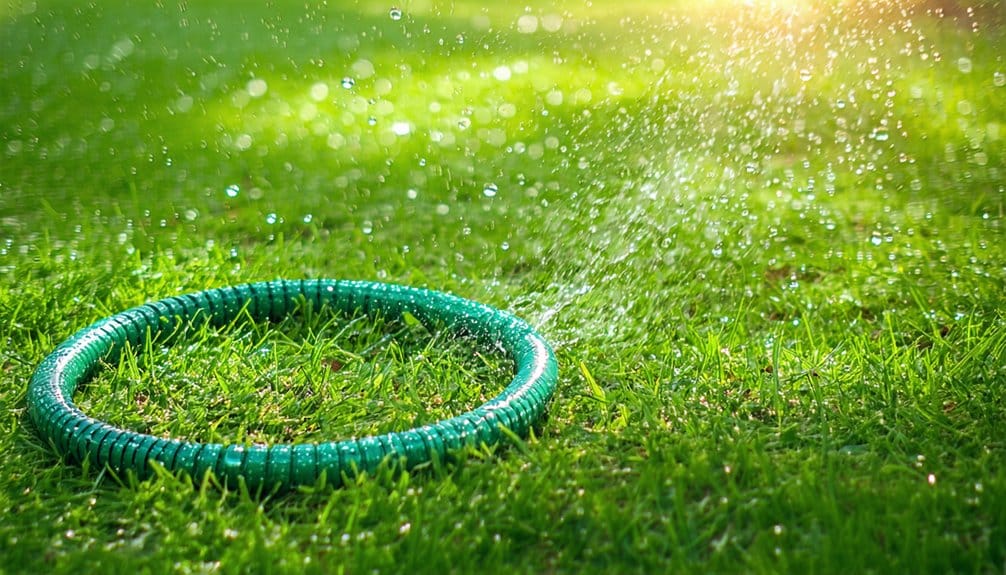
Soaker hoses offer a straightforward and efficient method for watering lawns and gardens, as they deliver moisture directly to the soil through tiny perforations along their length. This system minimizes water waste and allows for deep, consistent irrigation.
Key benefits of soaker hoses include:
- Reduced evaporation: Water seeps slowly into the ground, reducing loss to the air.
- Time-saving: They can be left unattended, allowing for efficient watering while freeing up time for other tasks.
- Versatility: Ideal for various garden layouts, they can be placed under mulch or along rows of plants.
Automatic Timers and Smart Controllers
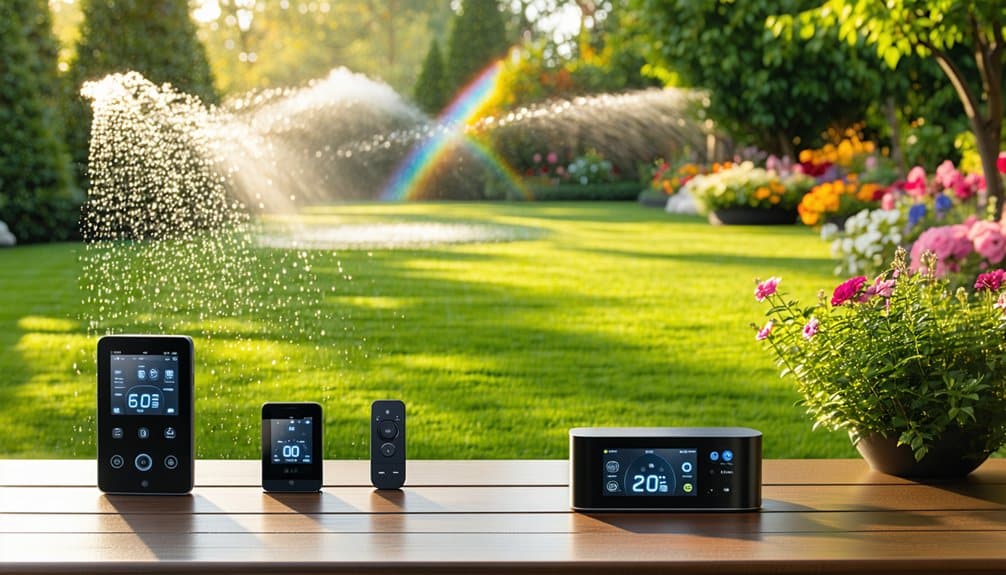
Irrigation efficiency can be further enhanced with the use of automatic timers and smart controllers. These devices allow homeowners to schedule watering times based on specific needs, reducing water waste and ensuring optimal lawn health.
Automatic timers can be set to operate at specific intervals, while smart controllers utilize weather data and soil moisture levels to adjust watering schedules dynamically. This technology not only saves time but also promotes responsible water usage.
Many smart controllers can be accessed through mobile applications, enabling users to monitor and modify settings remotely. By integrating these systems, homeowners can achieve a lush, healthy lawn while conserving resources and reducing their environmental footprint.
Installation Tips for Your Irrigation System
When planning for an irrigation system installation, homeowners should consider several essential factors to ensure optimal performance and efficiency.
Proper planning can prevent future issues and enhance water conservation.
- Assess Water Pressure: It is crucial to measure the water pressure to determine the right type of system and components needed.
- Map the Landscape: Homeowners should create a detailed layout of their lawn, marking areas that require more water and those that need less.
- Choose the Right Components: Selecting appropriate sprinklers, drip lines, and controllers suited for the specific garden type and climate conditions will improve effectiveness.
Taking these steps will help homeowners create a well-functioning irrigation system that meets their lawn’s unique needs.
Maintenance and Troubleshooting
Maintaining an irrigation system is essential for ensuring its longevity and efficient performance. Regular checks for leaks, clogs, and system functionality can prevent costly repairs. Seasonal adjustments and cleaning of sprinkler heads are also crucial to maintain optimal water distribution.
| Maintenance Task | Frequency | Importance |
|---|---|---|
| Inspect for leaks | Monthly | Prevent water waste |
| Clean filters | Quarterly | Ensure proper flow |
| Test system pressure | Biannually | Maintain efficiency |
When issues arise, a systematic approach to troubleshooting can identify problems quickly. This may involve checking timers, valves, and electrical connections, ensuring that the system operates smoothly throughout the year, ultimately achieving a healthy lawn.
Comparing Costs and Long-term Benefits
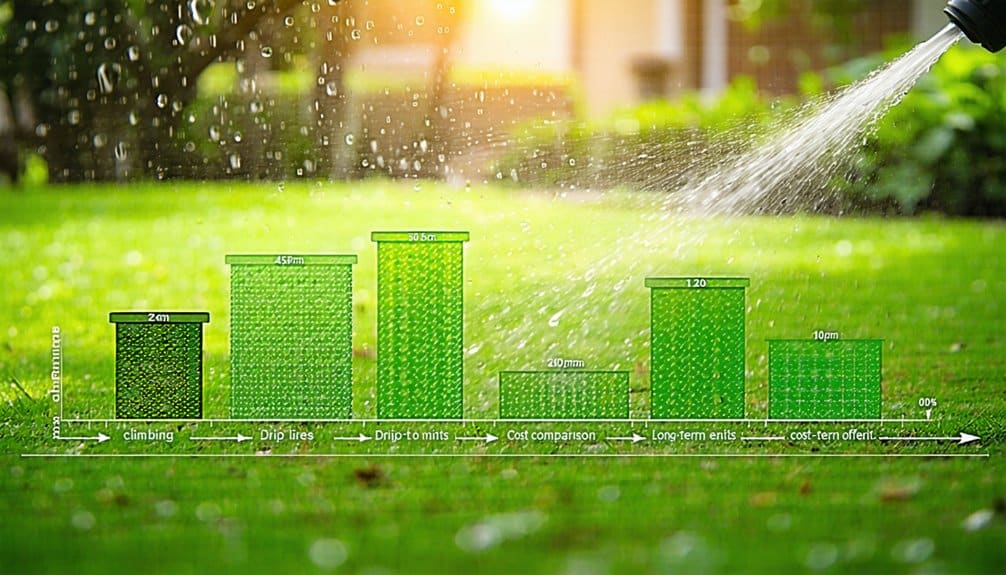
Investing in an irrigation system can yield significant long-term benefits, particularly when weighed against initial costs. Homeowners should consider various factors to understand the financial implications fully.
While the upfront investment can be substantial, the advantages often outweigh these expenses over time.
- Water Savings: Efficient systems reduce water waste, leading to lower utility bills.
- Increased Property Value: A well-maintained lawn enhances curb appeal and can boost home resale value.
- Time Efficiency: Automated systems save labor, allowing homeowners to focus on other tasks.
Conclusion
In conclusion, selecting the right irrigation system for a lawn is crucial for promoting healthy growth and conserving water. By understanding the various options, such as drip irrigation, sprinkler systems, and soaker hoses, homeowners can make informed decisions that suit their specific needs. Incorporating automatic timers and ensuring proper installation and maintenance further enhance efficiency and effectiveness. Ultimately, investing in a suitable irrigation system leads to a lush lawn, increased property value, and sustainable water usage.