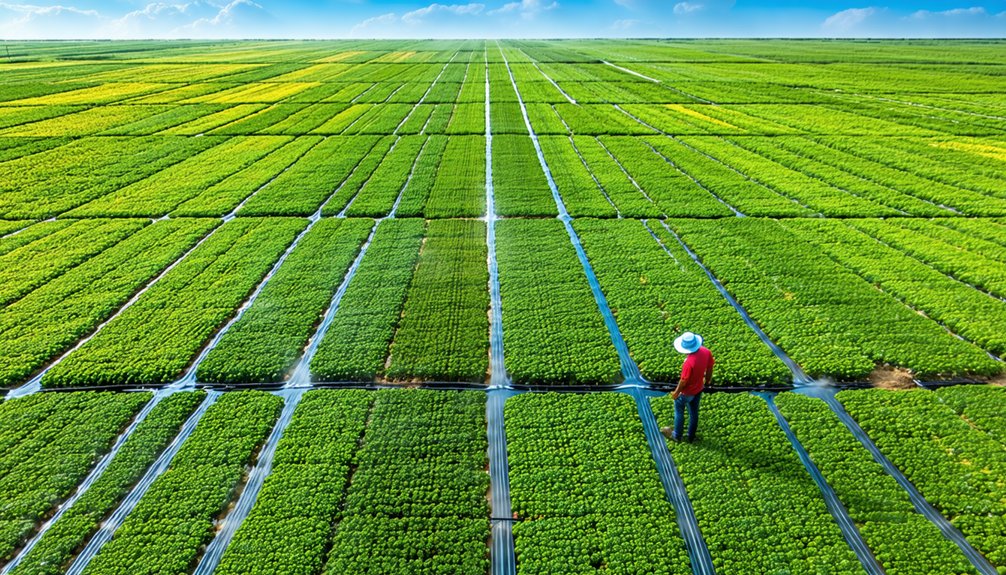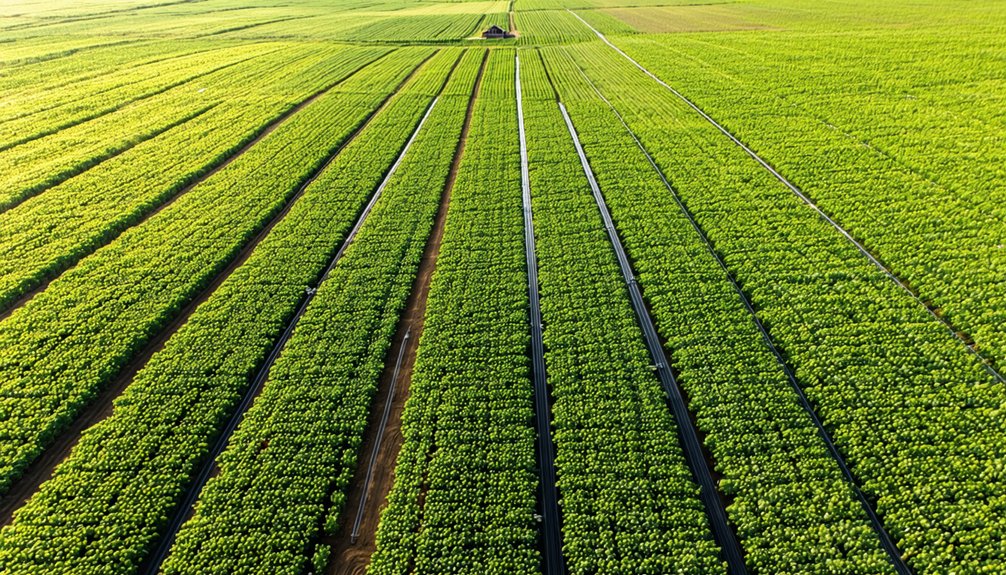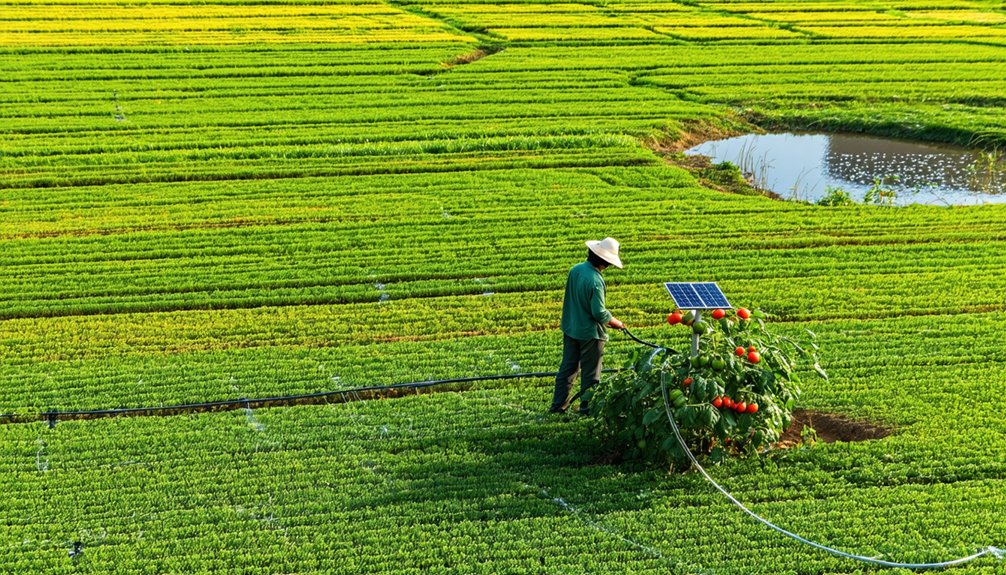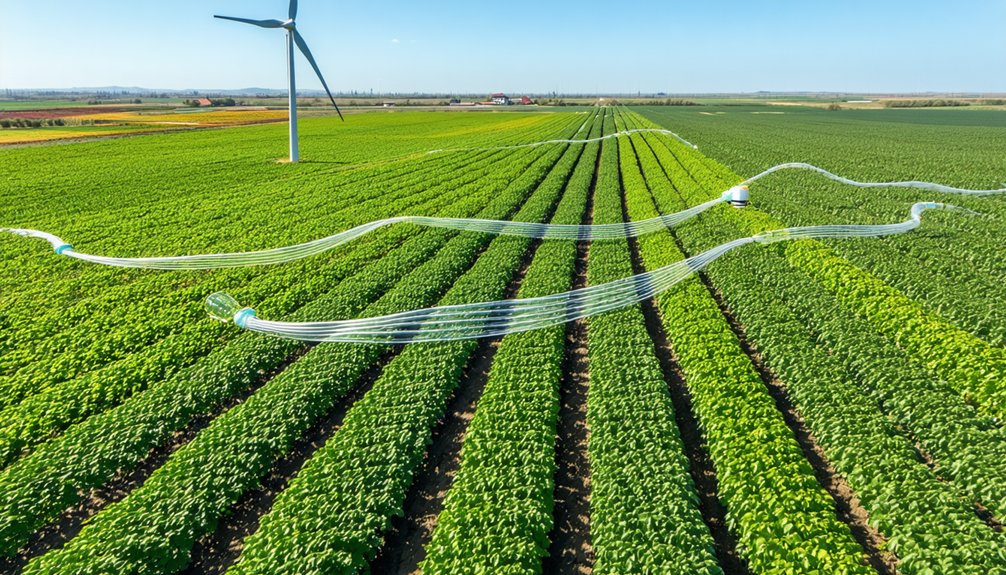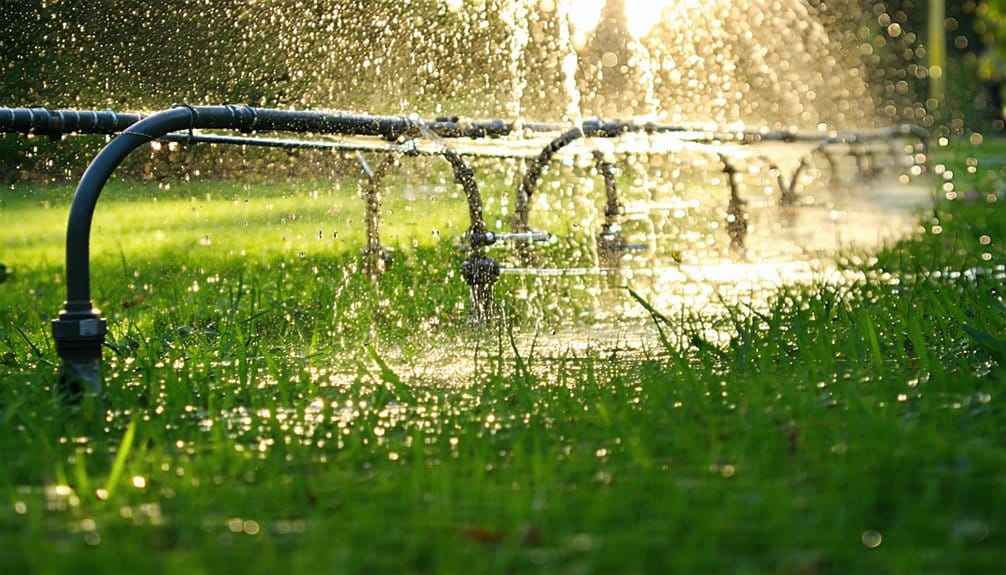
A lawn sprinkler system is a complex assembly designed to optimize water distribution for landscaping needs. It comprises various components, including pipes, valves, and sprinkler heads, each playing a pivotal role in the system’s efficiency. Understanding how these elements work together can reveal the nuances of effective irrigation. As homeowners seek to maintain lush lawns while conserving water, the intricacies of these systems become increasingly relevant. What factors truly influence their performance?
Key Takeaways
- A lawn sprinkler system consists of a water source, pipes, valves, and sprinkler heads for efficient water distribution across the lawn.
- Water pressure between 30 to 50 psi is optimal for uniform coverage and prevents over-saturation or insufficient watering.
- Irrigation scheduling is crucial, with early morning watering and seasonal adjustments to meet varying weather conditions and lawn needs.
- Different types of sprinkler heads, such as stationary, oscillating, and drip, are selected based on the area size and plant requirements.
- Regular maintenance, including inspections and cleaning, ensures efficient operation and extends the lifespan of the sprinkler system.
Components of a Lawn Sprinkler System
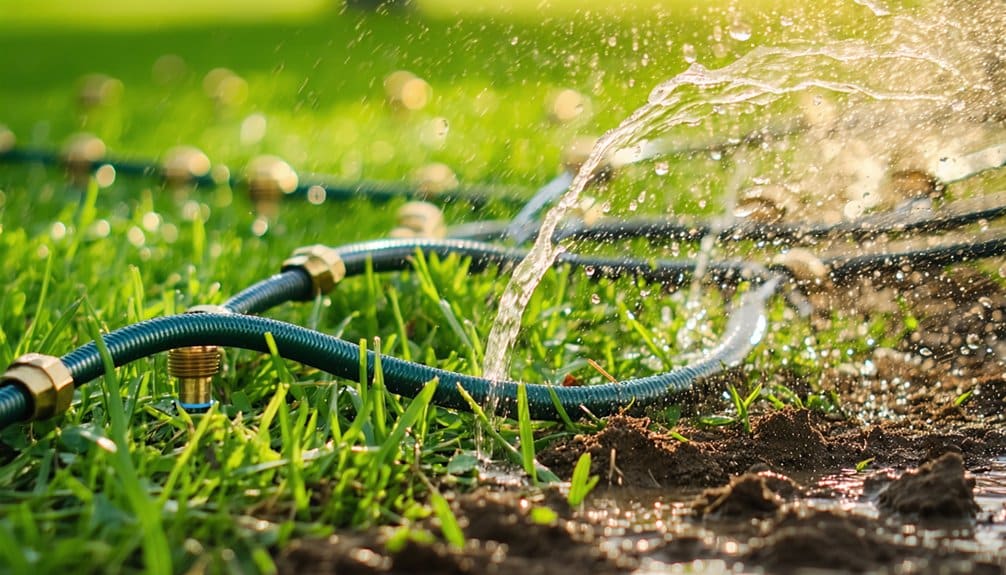
A lawn sprinkler system comprises several essential components that work together to efficiently deliver water to grass and plants.
The primary sprinkler system components include the water source, pipes, valves, and sprinkler heads. The water source, often a municipal supply or well, feeds into a network of pipes that distribute water throughout the designated area.
Valves control the flow of water, allowing for precise lawn irrigation based on specific zones. Sprinkler heads, varying in design, ensure even coverage and proper distribution of water, catering to different plant needs.
Each component plays a vital role in maintaining a healthy landscape, ensuring that all areas receive adequate moisture while conserving water resources. Proper installation and maintenance of these components are crucial for optimal performance.
Types of Lawn Sprinkler Systems
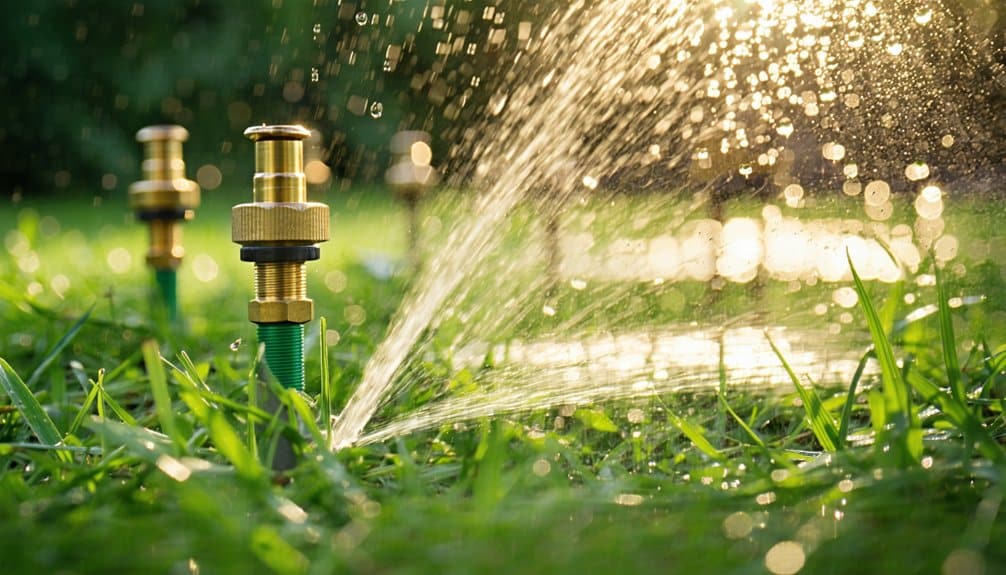
While various types of lawn sprinkler systems exist, each is designed to meet specific watering needs and landscape configurations. Understanding these types is essential for optimizing the sprinkler system working and reaping the benefits of lawn sprinkler systems.
The main types include:
- Stationary Sprinklers: Fixed in place, ideal for small areas.
- Oscillating Sprinklers: Move back and forth, covering rectangular areas effectively.
- Rotary Sprinklers: Rotate to provide a wider coverage, suitable for medium-sized lawns.
- In-ground Sprinkler Systems: Installed underground, offering convenience and aesthetic appeal.
- Drip Irrigation Systems: Deliver water directly to plant roots, conserving water and reducing evaporation.
Each type serves unique purposes, ensuring efficient watering tailored to specific landscape demands.
How Water Pressure Affects Performance
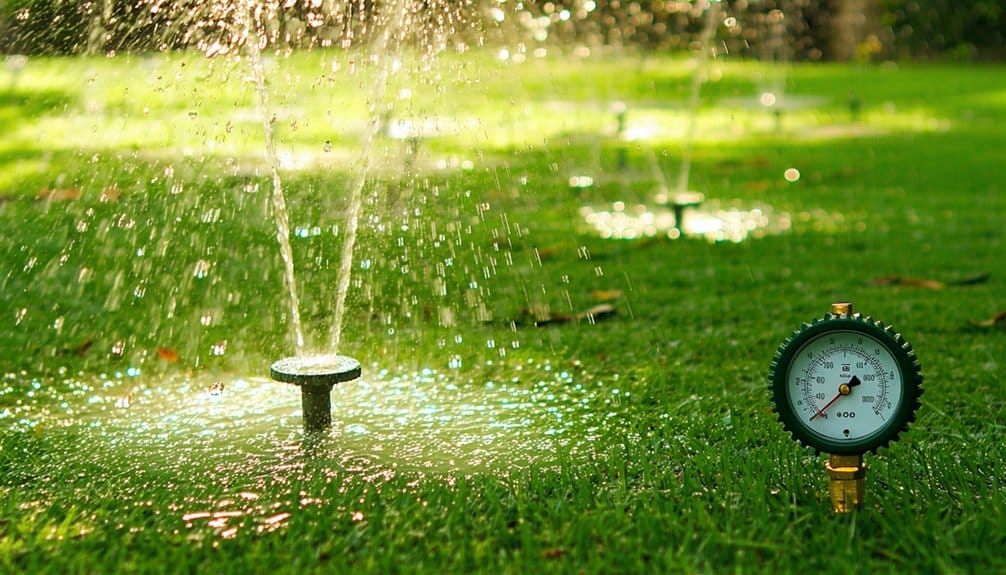
Water pressure plays a crucial role in the effectiveness of a lawn sprinkler system.
Maintaining an optimal pressure range is essential for maximizing coverage, while various factors can contribute to pressure loss, impacting performance.
Understanding these dynamics helps ensure that the system operates efficiently and uniformly across the designated area.
Optimal Pressure Range
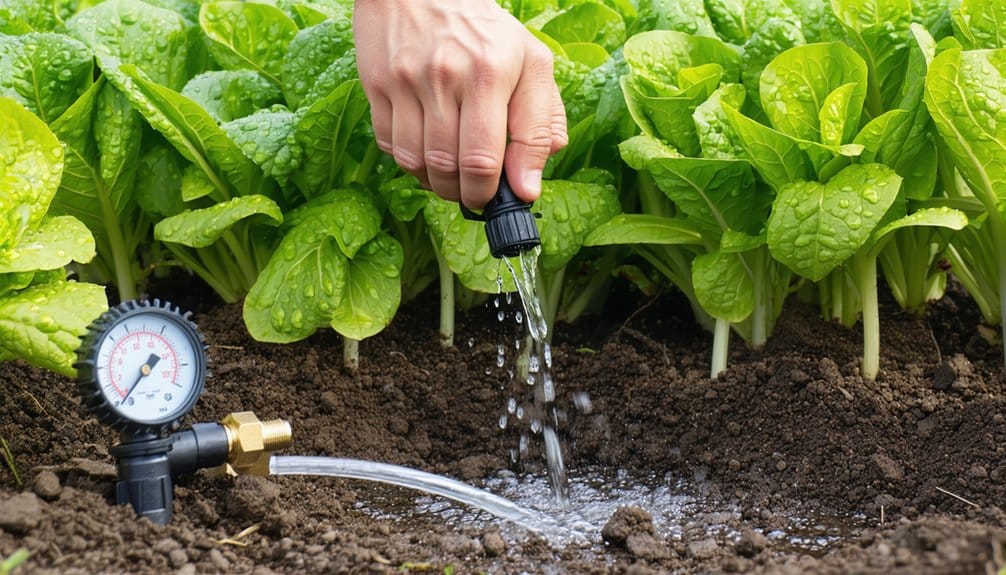
Maintaining optimal water pressure is crucial for the effective performance of a lawn sprinkler system. Pressure levels that are too low may result in insufficient coverage, while excessively high pressure can lead to over-saturation and potential damage to plants.
An ideal range typically falls between 30 to 50 psi, ensuring a balanced flow that promotes healthy irrigation.
Key factors regarding optimal pressure include:
- Uniform Distribution: Ensures even water coverage across the lawn.
- Sprinkler Type Compatibility: Different sprinklers require specific pressure levels.
- Watering Efficiency: Proper pressure minimizes wasted water.
- System Longevity: Reduces wear on components, extending system life.
- Soil Penetration: Promotes effective absorption and minimizes runoff.
Pressure Loss Factors
Pressure loss in a lawn sprinkler system can significantly impact its overall performance and efficiency. Various factors contribute to this loss, including pipe diameter, length, and material.
Smaller or longer pipes can create more friction, reducing water pressure as it travels through the system. Additionally, fittings, valves, and elbows introduce turbulence, further decreasing pressure.
The elevation change between the water source and sprinkler heads also plays a crucial role; higher elevations require more pressure to deliver water effectively. Furthermore, any leaks in the system can exacerbate pressure loss, preventing optimal water distribution.
Understanding these factors is essential for maintaining an effective lawn sprinkler system, ensuring that it operates within the desired pressure range for efficient watering.
Impact on Coverage
Effective coverage in a lawn sprinkler system hinges on adequate water pressure. Insufficient pressure can lead to uneven distribution, resulting in dry patches or oversaturation in certain areas. The performance of the sprinkler heads directly correlates with the system’s water pressure, influencing the radius and distance water can reach.
Factors impacting coverage include:
- Sprinkler Head Type: Different designs require varying pressure levels for optimal performance.
- Distance from Water Source: Greater distances may experience pressure drops.
- Pipe Diameter: Smaller pipes can restrict water flow, affecting pressure.
- Elevation Changes: Higher elevations can reduce water pressure due to gravity.
- System Configuration: Complex layouts may necessitate higher pressure for uniform coverage.
Understanding these elements is crucial for maximizing lawn irrigation efficiency.
Understanding Irrigation Scheduling
Irrigation scheduling plays a crucial role in maximizing the efficiency of lawn sprinkler systems.
Optimal watering times can significantly enhance water absorption, while seasonal adjustments are necessary to accommodate varying weather conditions.
Additionally, considering soil moisture levels helps prevent overwatering and promotes healthy grass growth.
Optimal Watering Times
When is the best time to water a lawn for optimal health and growth? Research suggests that early morning, specifically between 4 AM and 10 AM, is ideal for watering.
At this time, temperatures are cooler, and winds are lighter, minimizing evaporation and allowing for better absorption by the soil. Additionally, watering in the morning helps to prevent fungal diseases that thrive in damp conditions.
- Reduces water loss through evaporation
- Encourages deeper root growth
- Prevents lawn diseases
- Ensures even distribution of moisture
- Fits well with natural rainfall patterns
Seasonal Adjustments Needed
As the seasons change, adjusting the watering schedule becomes essential for maintaining a healthy lawn.
In spring, increasing the frequency and duration of watering helps establish new growth after winter dormancy.
Summer, with its heat and evaporation, often requires more frequent irrigation, especially during peak sunlight hours.
In contrast, fall marks a transition; reducing watering helps prepare the grass for dormancy while still supporting root development.
Winter conditions usually necessitate minimal or no irrigation, as natural precipitation often suffices.
Each seasonal adjustment requires careful consideration of local climate conditions and grass type, ensuring that the lawn receives adequate moisture without overwatering, which can lead to disease and root problems.
Adapting to these seasonal needs promotes optimal lawn health year-round.
Soil Moisture Considerations
Understanding soil moisture levels is crucial for effective irrigation scheduling, as it directly influences the health and vitality of the lawn. Proper assessment of soil moisture helps determine when and how much to water, ensuring optimal growth.
Various factors contribute to soil moisture levels, necessitating careful monitoring and adjustment of irrigation systems.
- Soil type affects water retention and drainage.
- Weather conditions, such as rainfall and humidity, influence moisture levels.
- Plant species have varying water requirements.
- Time of year impacts evaporation rates and soil moisture.
- Soil tests can provide insights into nutrient levels and moisture capacity.
The Role of Sprinkler Heads
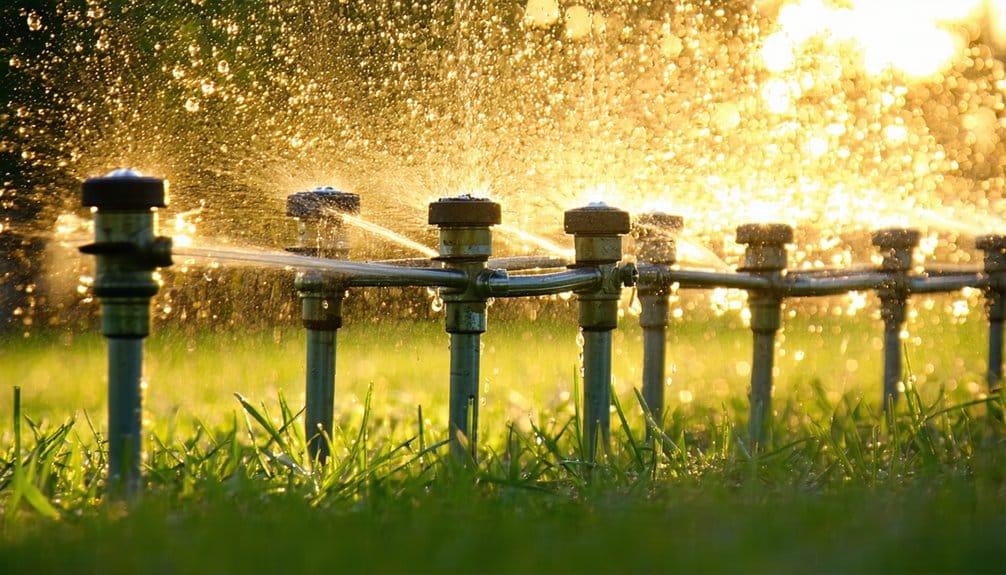
Sprinkler heads play a crucial role in the efficiency and effectiveness of a lawn sprinkler system. They are responsible for the distribution of water across the lawn, ensuring that every area receives adequate moisture. Different types of sprinkler heads cater to various watering needs, impacting how well a lawn thrives.
| Type of Sprinkler Head | Coverage Area |
|---|---|
| Fixed | Small, specific areas |
| Rotating | Medium-sized lawns |
| Drip | Garden beds and shrubs |
Choosing the right sprinkler head type aligns with the specific landscape requirements. The design and functionality directly influence water conservation and the overall health of the lawn, highlighting their importance in irrigation systems.
Installation Process of a Sprinkler System
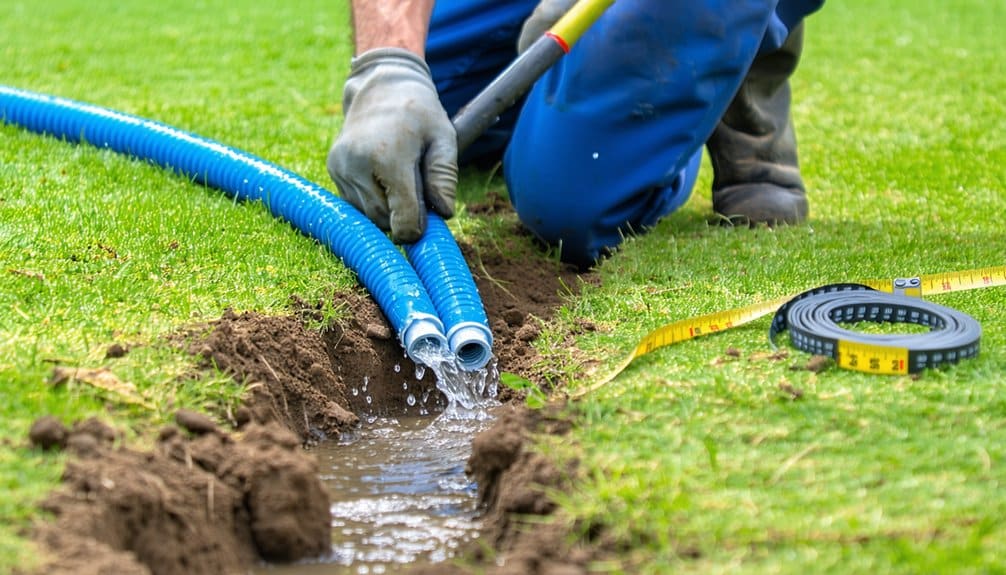
The installation process of a sprinkler system involves several key steps that ensure optimal performance and coverage.
First, proper planning is crucial; this includes assessing the landscape and determining water needs.
Next, trenching for pipes is performed to lay the foundation for the system.
Following this, the installation of the mainline and lateral pipes takes place, connecting to the water source.
The sprinkler heads are then strategically positioned according to the designed layout.
Finally, testing and adjusting the system is essential to verify that all areas receive adequate water distribution.
- Assessing landscape and water requirements
- Trenching for pipe installation
- Laying mainline and lateral pipes
- Positioning sprinkler heads
- Testing and adjusting for optimal coverage
Maintenance Tips for Longevity
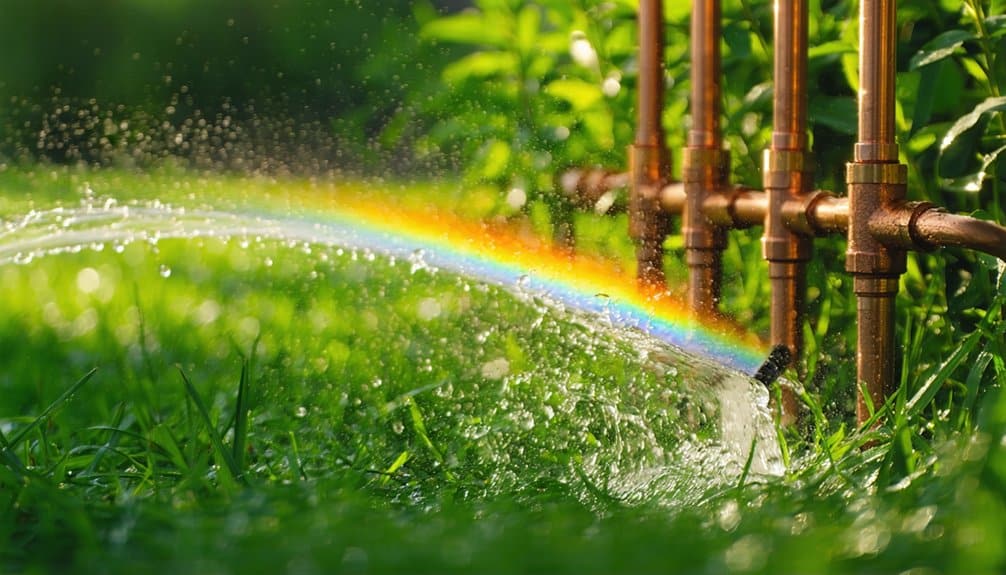
Maintaining a lawn sprinkler system is essential for ensuring its longevity and efficiency. Regular inspections should be conducted to identify leaks, clogs, or damaged components.
Cleaning the sprinkler heads and filters prevents debris buildup that can hinder performance. Additionally, adjusting the system’s timer and coverage settings helps to distribute water evenly across the lawn.
Seasonal maintenance, such as winterizing the system, is crucial to prevent freeze damage. Checking for proper alignment of sprinkler heads ensures that water reaches the intended areas without waste.
Finally, keeping an eye on water pressure and flow rates can help detect any underlying issues early. Following these maintenance tips will contribute significantly to the system’s optimal functioning and lifespan.
Environmental Considerations and Water Conservation
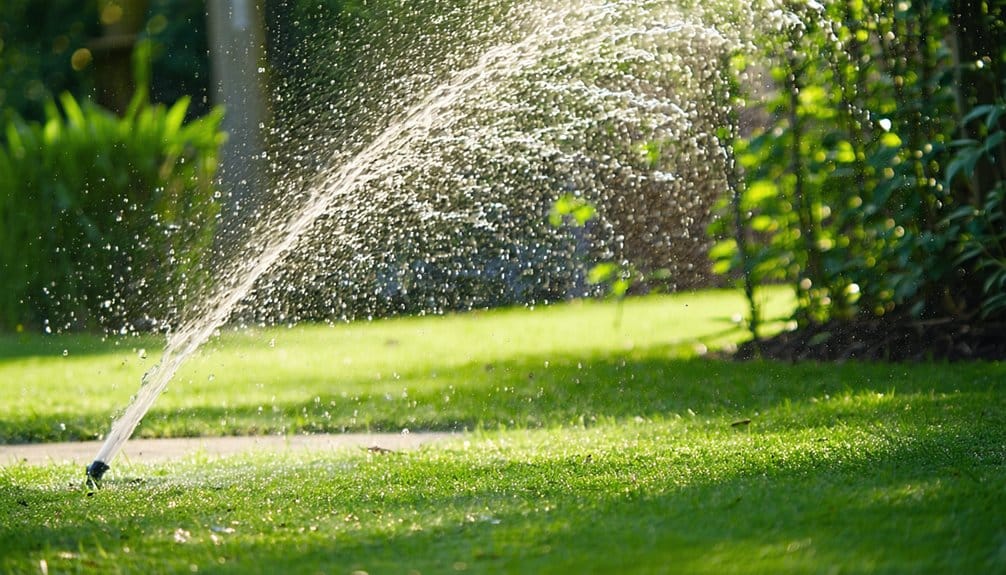
How can homeowners balance a lush, green lawn with the need to conserve water? This challenge requires a thoughtful approach to lawn care and irrigation practices. By implementing efficient sprinkler systems and adopting sustainable habits, homeowners can achieve both beauty and environmental responsibility.
- Install smart controllers that adjust watering schedules based on weather conditions.
- Use drip irrigation for targeted watering, minimizing waste.
- Opt for drought-resistant grass varieties that require less water.
- Conduct regular audits to identify leaks or inefficiencies in the system.
- Collect rainwater for irrigation to reduce reliance on municipal water supplies.
Through these strategies, homeowners can maintain appealing landscapes while contributing to water conservation efforts, promoting sustainability in their communities.
Conclusion
In conclusion, a well-designed lawn sprinkler system is essential for achieving optimal grass health while conserving water resources. By understanding its components, types, and the importance of water pressure and scheduling, homeowners can effectively manage their irrigation needs. Proper installation and maintenance further ensure longevity and efficiency. As environmental considerations become increasingly vital, implementing a thoughtful sprinkler system not only enhances lawn aesthetics but also promotes sustainable practices in water usage.