Sprinkler irrigation is a critical method for efficiently distributing water across various landscapes. It involves a network of pipes, pumps, and specialized sprinkler heads that work together to mimic the natural distribution of rainfall. Understanding its mechanics reveals much about its efficiency and suitability for different environments. However, the intricacies of how each component interacts and the factors that influence performance warrant a closer examination. What makes this system so effective in diverse agricultural settings?
Key Takeaways
- Sprinkler irrigation works by utilizing a network of pipes and pumps to deliver water through nozzles, ensuring even distribution across the targeted area.
- The system relies on optimal water pressure to achieve effective coverage, preventing both inadequate watering and excessive overspray.
- Different types of sprinklers, such as impact and oscillating, are designed for specific watering patterns suited to various landscapes and crop needs.
- Automation and control systems allow for precise scheduling and real-time adjustments based on soil moisture data, enhancing water management efficiency.
- Regular maintenance and innovations, like smart sensors and solar-powered systems, help improve water efficiency and adapt to changing environmental conditions.
The Basics of Sprinkler Irrigation
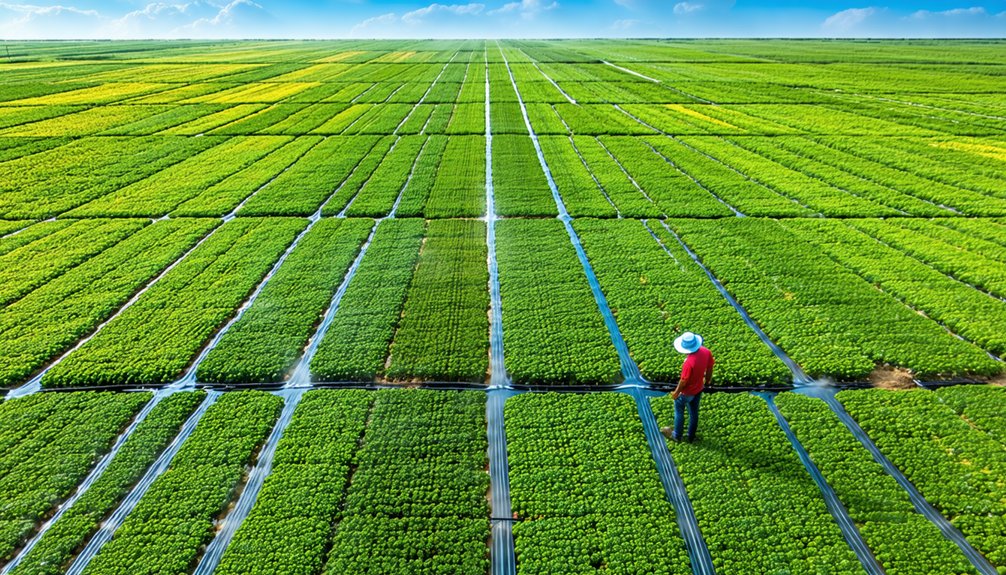
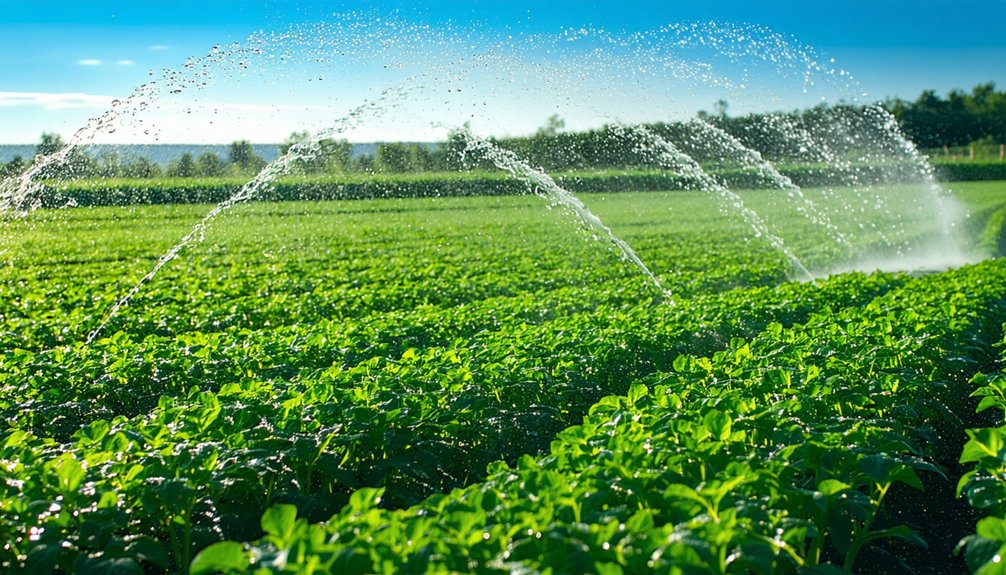
Sprinkler irrigation serves as a vital tool for efficient water distribution in agricultural and landscaping practices. This method utilizes a network of pipes and pumps to deliver water through a series of nozzles, which then spray water over the desired area in a controlled manner.
An effective irrigation system ensures that water reaches plants evenly, reducing waste and promoting healthy growth. Agricultural irrigation relies heavily on this technology, especially in regions where water scarcity is a concern.
Sprinkler systems can be tailored to meet the specific needs of different crops, providing precise moisture levels. The adaptability and efficiency of sprinkler irrigation make it essential for modern farming and landscape maintenance, supporting sustainability and productivity in various environments.
Types of Sprinkler Systems
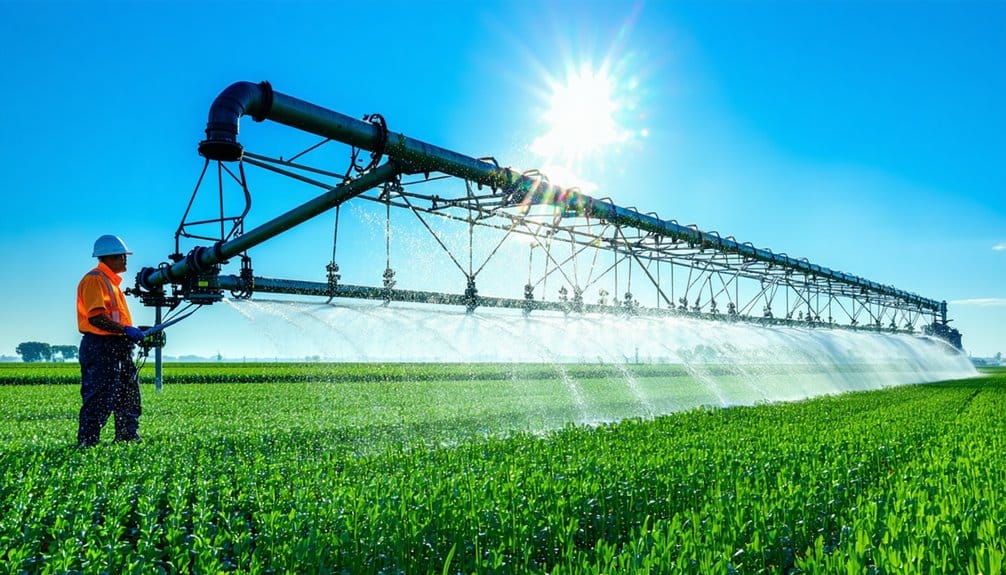
In exploring the types of sprinkler systems, it is essential to recognize the distinct categories available for irrigation.
Fixed sprinkler systems provide a permanent solution for consistent watering, while portable systems offer flexibility for varying needs.
Additionally, drip irrigation systems present an efficient option for delivering water directly to the plant roots.
Fixed Sprinkler Systems
Fixed sprinkler systems are essential components of modern irrigation practices, designed to deliver water efficiently across various landscapes.
These systems consist of permanently installed sprinklers that distribute water evenly over designated areas, making them suitable for residential gardens, commercial landscapes, and agricultural fields.
By utilizing advanced irrigation techniques, fixed systems contribute significantly to water conservation, minimizing waste while ensuring optimal plant health.
They can be programmed for specific schedules, allowing for precise control over water application based on environmental conditions.
Additionally, fixed sprinkler systems can be customized to meet the specific needs of different plant types, further enhancing their efficiency.
Portable Sprinkler Systems
Portable sprinkler systems offer flexibility and adaptability for a variety of irrigation needs, distinguishing themselves from their fixed counterparts.
These systems are designed for easy relocation, making them ideal for smaller gardens, lawns, or areas where mobility is essential. Typically lightweight and user-friendly, portable systems can be quickly set up and dismantled, allowing for efficient water distribution across different sections of land.
Various types, including oscillating, stationary, and traveling sprinklers, cater to specific requirements, ensuring effective coverage. Additionally, they can be used for temporary irrigation needs, such as when establishing new plants or maintaining seasonal gardens.
Drip Irrigation Systems
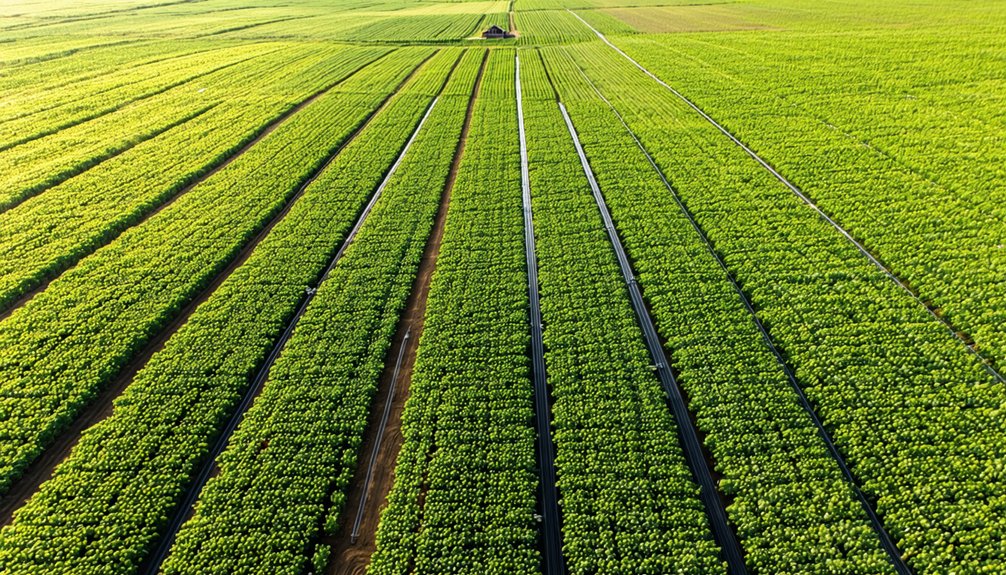
Drip irrigation systems represent an efficient and targeted approach to watering plants, delivering water directly to the root zone where it is needed most. This method minimizes water wastage by reducing evaporation and runoff, allowing for precise moisture control.
Comprising a network of tubing, emitters, and connectors, drip systems can be customized for various crops and soil types. They are particularly beneficial in arid regions, where water conservation is critical. The systems can be automated and integrated with timers or moisture sensors, enhancing their efficiency.
Additionally, drip irrigation promotes healthier plant growth by providing consistent hydration and nutrients, reducing the risk of disease associated with overwatering. Overall, drip irrigation exemplifies modern agricultural practices focused on sustainability and resource management.
Components of a Sprinkler Irrigation System
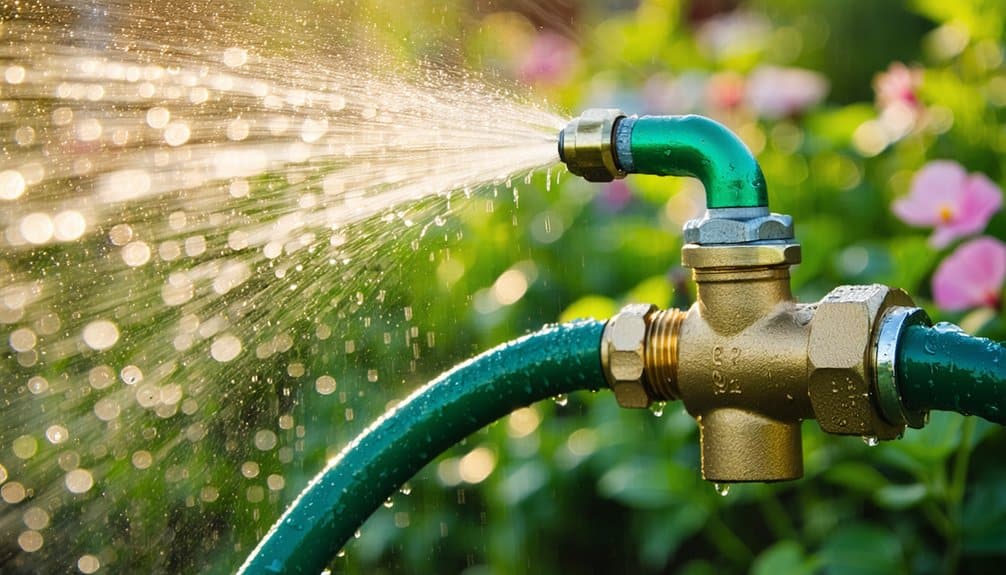
The components of a sprinkler irrigation system play a crucial role in its efficiency and effectiveness.
This section will outline the main components, including various types of sprinklers and their control mechanisms.
Understanding these elements is essential for optimizing irrigation practices.
Main Components Overview
A well-designed sprinkler irrigation system comprises several essential components that work together to deliver water efficiently.
The primary components include a water source, which can be a well, pond, or municipal supply. Next, a pump is often used to pressurize the water, ensuring it reaches the sprinklers effectively.
Piping systems transport water from the source to the sprinklers, while valves control the flow and distribution.
Sprinklers, the final component, disperse water over the intended area. Additionally, a control system, which may include timers or sensors, helps automate watering schedules and optimize water usage.
Together, these components create a cohesive system that maximizes irrigation efficiency and promotes healthy plant growth.
Types of Sprinklers
Sprinklers serve as the crucial interface between irrigation systems and the crops or landscapes they nourish. Various types of sprinklers are designed to meet the specific needs of different agricultural and landscaping applications.
Impact sprinklers utilize a rotating arm to distribute water in a circular pattern, making them ideal for large areas. Fixed spray sprinklers emit water in a specific pattern, suitable for smaller gardens or flower beds. Drip irrigation systems deliver water directly to the plant roots, minimizing waste.
Additionally, oscillating sprinklers provide a rectangular spray pattern, which is effective for lawns. Each type of sprinkler offers unique advantages, allowing for tailored irrigation solutions that optimize water usage while promoting healthy plant growth.
Control Mechanisms Explained
How do control mechanisms enhance the efficiency of a sprinkler irrigation system? These mechanisms play a critical role in regulating water distribution, ensuring optimal coverage and minimizing waste. Key components include timers, sensors, and controllers that adjust based on environmental conditions, such as soil moisture and weather forecasts. This automation promotes uniform watering and reduces labor costs.
| Component | Function |
|---|---|
| Timer | Sets irrigation schedule |
| Soil Moisture Sensor | Detects soil moisture levels |
| Rain Sensor | Halts irrigation during rain |
| Controller | Central unit for adjustments |
How Water Pressure Affects Sprinkler Performance
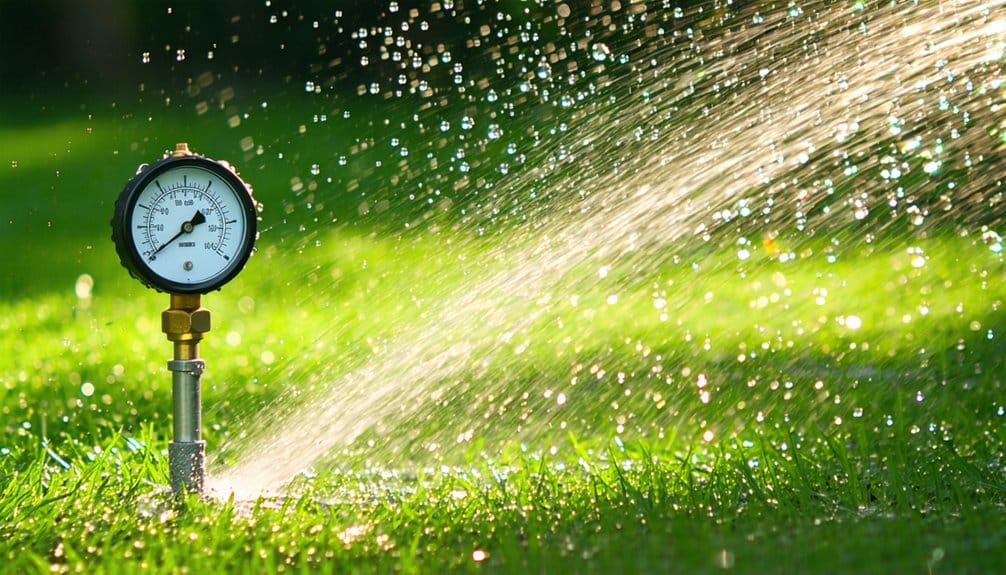
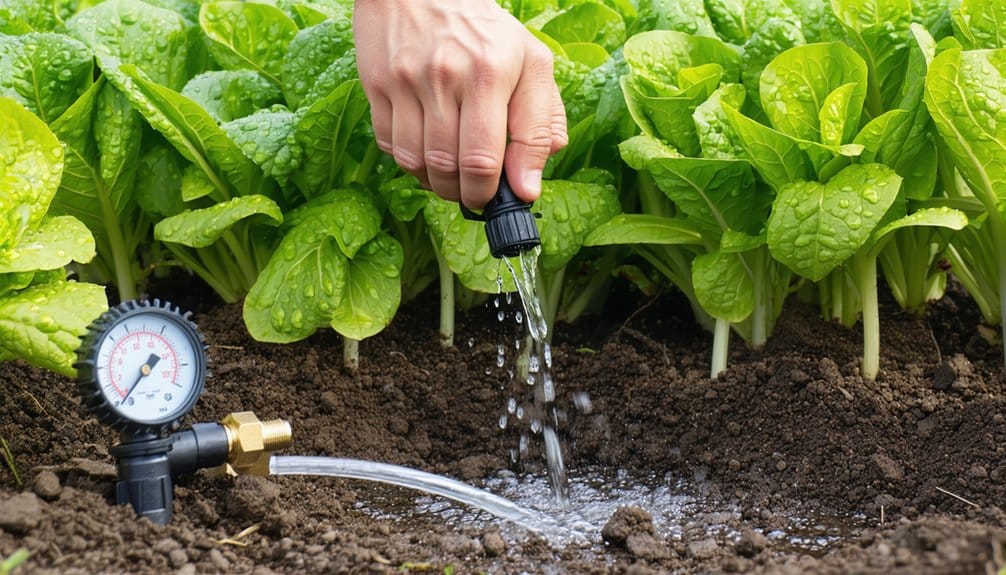
Optimal water pressure is crucial for effective sprinkler performance, as it directly influences the distribution and reach of water across the landscape. Insufficient pressure can lead to inadequate coverage, resulting in dry patches and uneven watering.
Conversely, excessive pressure may cause overspray, where water is wasted or directed away from intended areas. Each sprinkler system is designed to operate within a specific pressure range; deviations can impair its functionality.
Maintaining appropriate pressure ensures that water is distributed evenly, allowing for efficient irrigation. Additionally, proper water pressure contributes to the longevity of the sprinkler system, reducing wear and tear on components.
Ultimately, understanding the relationship between water pressure and sprinkler performance is vital for optimal irrigation management.
The Role of Sprinkler Heads in Irrigation
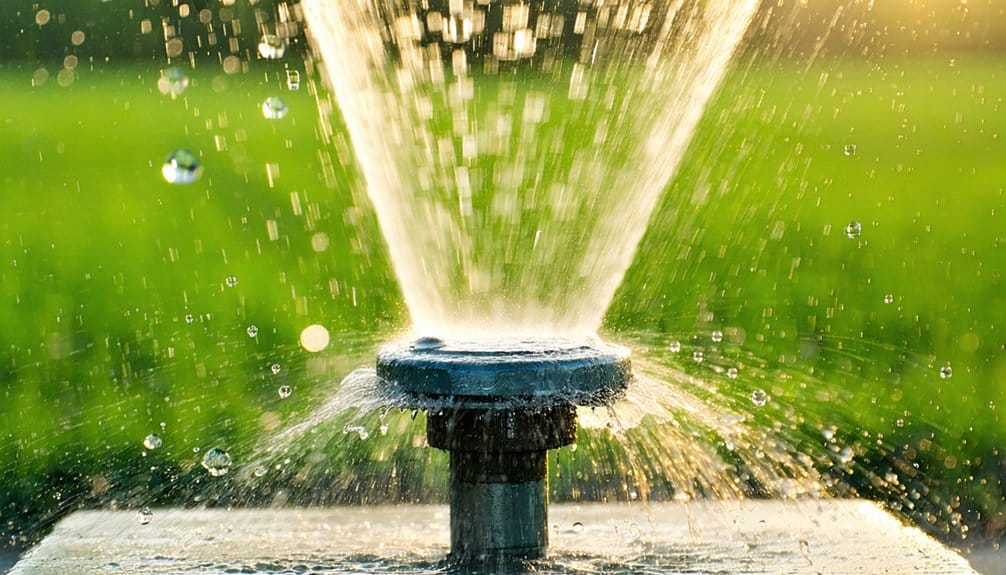
Water pressure significantly influences the overall efficacy of an irrigation system, and at the heart of this system are the sprinkler heads.
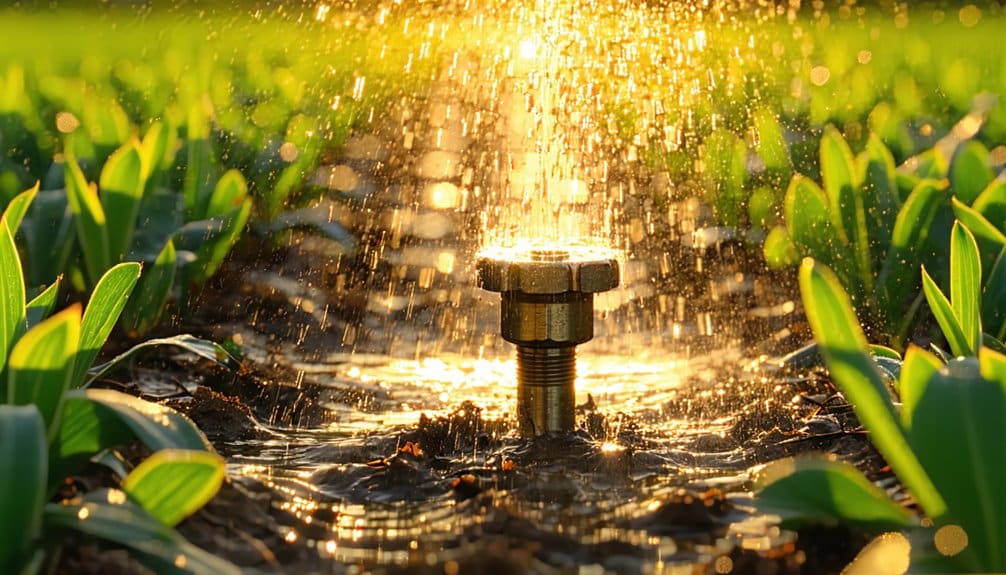
These devices play a crucial role in distributing water evenly across the landscape. Sprinkler heads come in various types, including fixed, rotating, and impact models, each designed to meet specific watering needs.
Their design affects the droplet size, trajectory, and coverage area, ensuring that water reaches the intended plants without wastage. Proper selection and positioning of sprinkler heads can significantly improve water efficiency and promote healthy vegetation.
Additionally, the functionality of these heads is closely tied to the water pressure supplied by the system, making it essential to maintain optimal pressure for effective irrigation performance.
Scheduling and Managing Irrigation
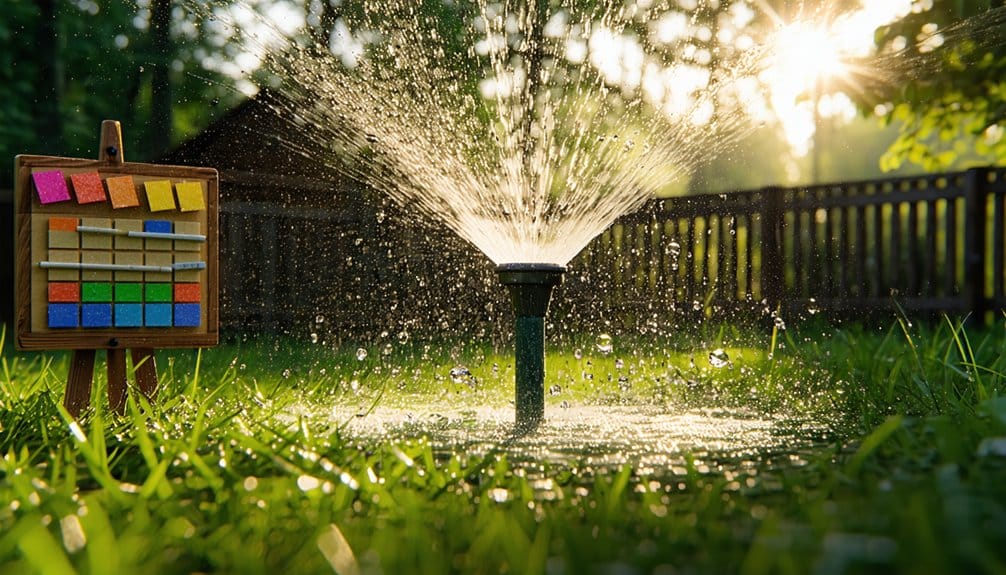
Effective scheduling and management of irrigation are vital for maximizing water efficiency and promoting healthy plant growth. Proper scheduling involves determining the optimal time and duration for watering based on factors such as soil moisture, plant requirements, and weather conditions.
Utilizing soil moisture sensors can provide real-time data, allowing for adjustments to be made based on current needs. Additionally, managing irrigation systems includes regular maintenance to ensure that sprinkler heads are functioning correctly and not wasting water.
Seasonal adjustments may also be necessary, as plant water needs fluctuate throughout the year. By implementing a strategic irrigation schedule and management plan, growers can significantly enhance water conservation and promote robust crop development while minimizing waste.
Advantages of Using Sprinkler Irrigation
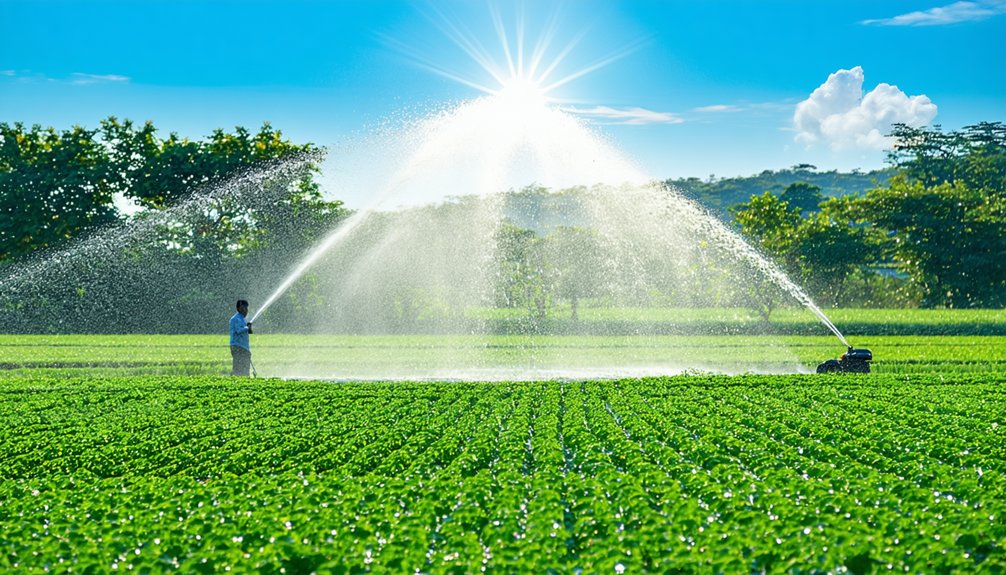
Sprinkler irrigation offers numerous advantages that enhance agricultural productivity and water management. This method allows for uniform water distribution, ensuring that crops receive consistent moisture, which can lead to improved growth and yields.
It is particularly beneficial in areas with uneven terrain, as it can effectively irrigate difficult-to-reach locations. Additionally, sprinkler systems can be automated, allowing for precise scheduling and reducing labor costs.
The ability to apply fertilizers and pesticides through the system can also streamline management practices. Furthermore, sprinkler irrigation helps minimize water wastage by targeting specific areas, promoting efficient usage.
Common Challenges and Solutions
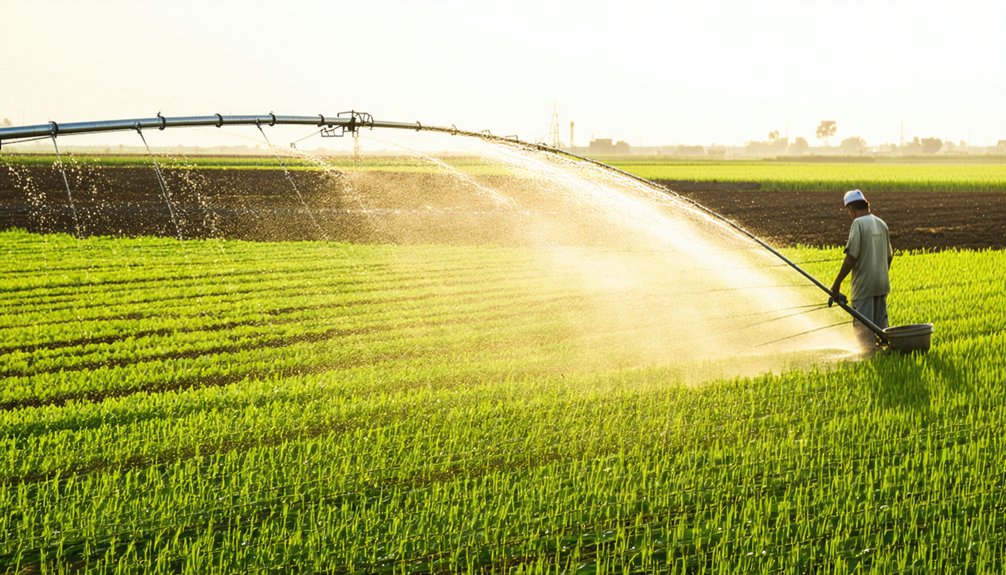
Navigating the complexities of sprinkler irrigation presents various challenges that farmers must address to maintain efficiency and productivity.
One common issue is uneven water distribution, which can lead to overwatering in some areas while leaving others dry. Farmers can combat this by regularly checking and adjusting sprinkler heads for optimal coverage.
Another challenge is the risk of clogging due to debris or mineral build-up in the system. Implementing regular maintenance schedules and using filtration systems can mitigate this problem.
Additionally, fluctuating weather conditions can affect irrigation schedules. Farmers should utilize soil moisture sensors to adapt to changing conditions effectively.
Innovations in Sprinkler Irrigation Technology
As advancements in agricultural technology continue to evolve, innovations in sprinkler irrigation are transforming the way farmers manage water resources.
New technologies, such as smart sensors and automated systems, enable precise water application based on real-time soil moisture levels, significantly reducing water wastage.
Additionally, advancements in nozzle design enhance water distribution efficiency, ensuring uniform coverage across various terrains.
Integration with data analytics allows farmers to monitor and adjust irrigation schedules more effectively, optimizing crop yields while conserving water.
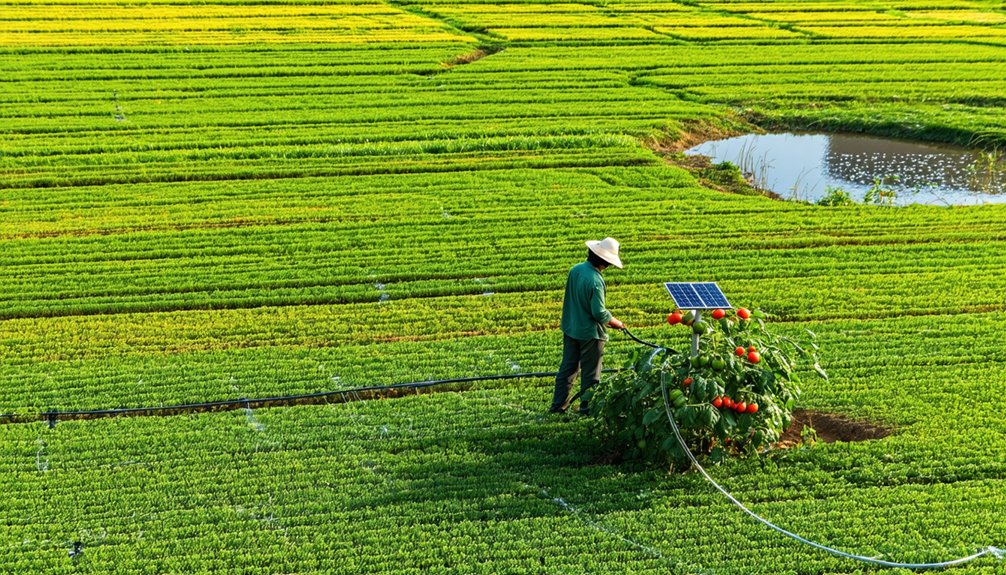
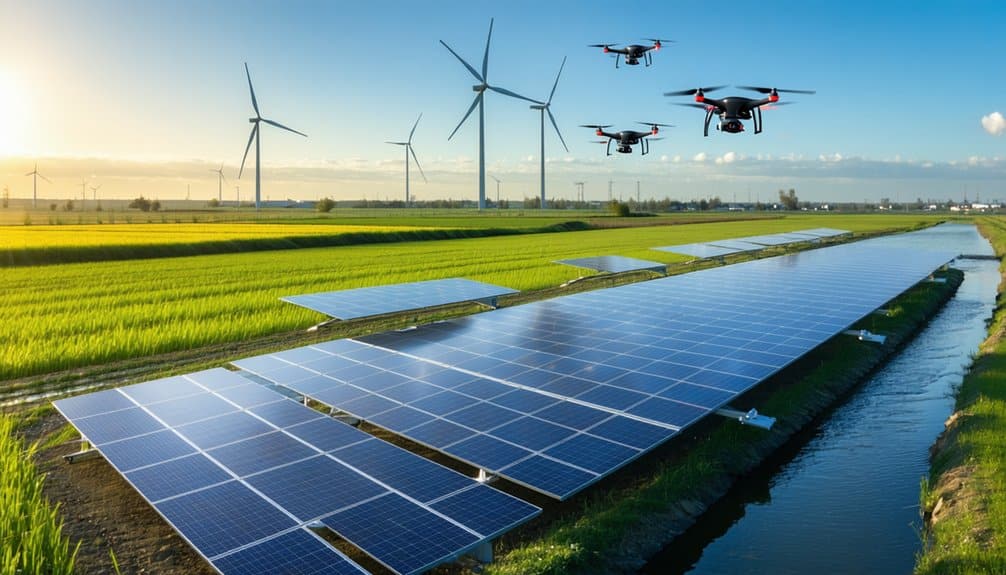
Moreover, solar-powered irrigation systems present sustainable options for remote areas, reducing reliance on electrical grids.
These innovations collectively contribute to more sustainable agricultural practices, addressing both efficiency and environmental concerns in modern farming.
Conclusion
In summary, sprinkler irrigation stands as a vital technique for efficient water distribution in agriculture and landscaping. By understanding its components, types, and operational mechanics, users can optimize their irrigation practices. The integration of technology, such as automated controls and moisture sensors, enhances water management, addressing both plant needs and conservation efforts. Despite challenges, ongoing innovations continue to improve the effectiveness and sustainability of sprinkler irrigation systems, making them an essential tool in modern water resource management.