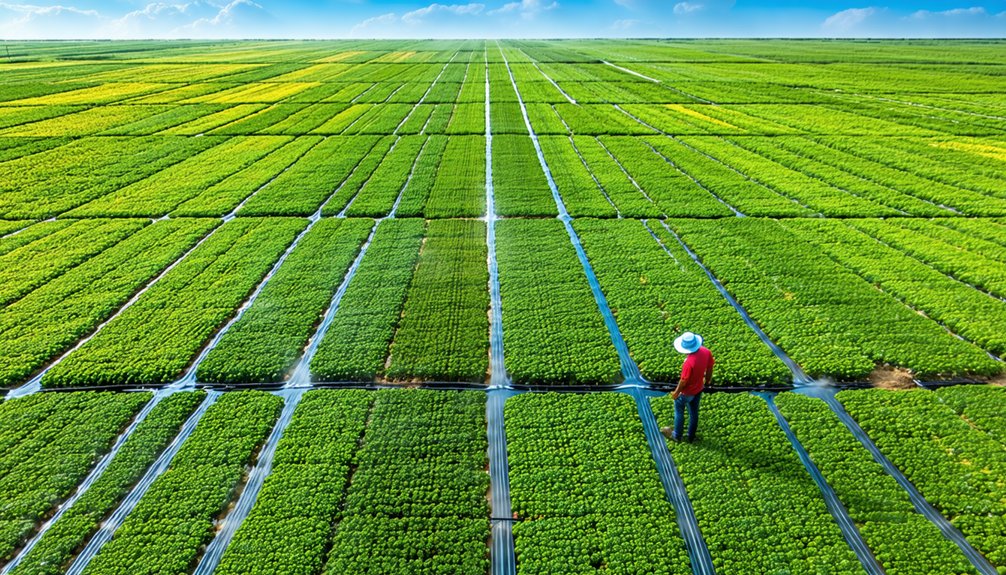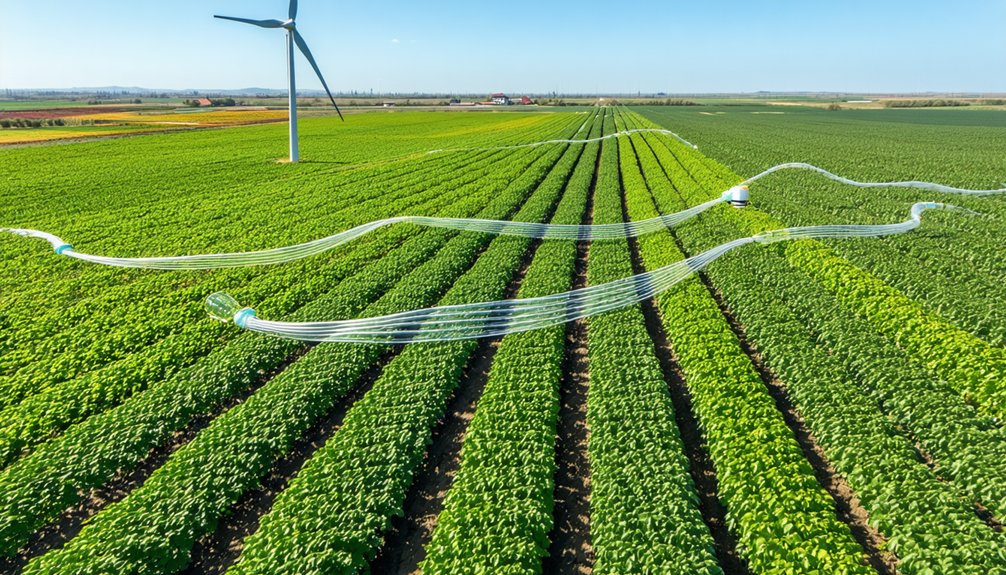
Did you know that drip irrigation can reduce water usage by up to 50% compared to traditional methods? This efficient system relies on several key components to deliver water directly to plant roots. Understanding these elements is crucial for maximizing plant health and minimizing waste. So, what are the essential parts that make a drip irrigation system effective? Let’s explore the components that can transform your watering practices.
Key Takeaways
- A main water supply, such as well water or rainwater, is vital for consistent moisture delivery to plants in a drip irrigation system.
- A filter system is necessary to maintain water quality, preventing clogs and ensuring clean water reaches the plants effectively.
- A pressure regulator is crucial for delivering water at optimal pressure, safeguarding both the irrigation system and plant health.
- Drip tubing directly delivers water to plant roots, requiring careful installation to avoid kinks and ensure durability.
- Emitters control water flow to plants, with various types available to suit different terrains and specific irrigation needs.
Main Water Supply
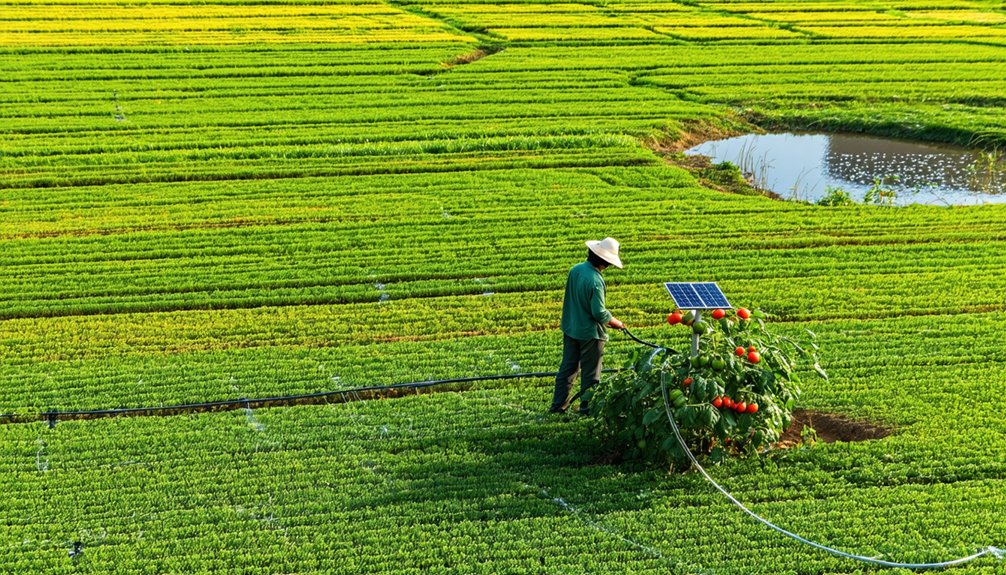
When you set up a drip irrigation system, the main water supply is crucial because it determines how efficiently your plants receive the moisture they need. The water source can be a well, municipal supply, or a rainwater collection system.
Make sure that it can deliver a consistent flow, as fluctuating water pressure can disrupt the entire irrigation system. You’ll also want to consider the size of your garden and the number of plants, as this will affect the system’s components, such as tubing and emitters.
Properly sizing your main water supply ensures efficient watering, reducing waste and promoting healthy growth. Always check for leaks in your irrigation system components to maintain optimal performance and conserve water.
Filter System
When setting up your drip irrigation system, you can’t overlook the filter system‘s role in maintaining water quality.
Proper filtration is crucial to prevent clogging and ensure your plants receive clean water.
There are various types of filters to choose from, each suited to different water sources and needs.
Importance of Filtration
Although you may not think about it often, filtration plays a crucial role in the efficiency and longevity of your drip irrigation system. Proper filtration prevents contaminants like dirt and debris from clogging your emitters, which can lead to inconsistent watering and ultimately impact plant health.
By ensuring clean water flow, you’re not only improving your irrigation maintenance but also minimizing the risk of drip system troubleshooting later on. A good filter system allows you to focus on nurturing your plants instead of worrying about potential issues caused by sediment buildup.
Regularly checking and maintaining your filters will save you time and effort, ensuring your drip system operates smoothly and efficiently throughout the growing season.
Types of Filters
To keep your drip irrigation system running smoothly, selecting the right type of filter is key. There are several types of filters you can choose from, each serving a specific purpose.
Screen filters are great for removing larger particles, while disc filters provide a finer filtration, ideal for soil with smaller debris. If you’re dealing with high levels of organic matter, a media filter might be your best bet, as it can handle more significant contaminants.
For ease of maintenance, consider automatic filters that clean themselves, saving you time and effort. Whichever filter you choose, make sure it matches your water source and system requirements to ensure optimal performance and longevity of your drip irrigation system.
Pressure Regulator
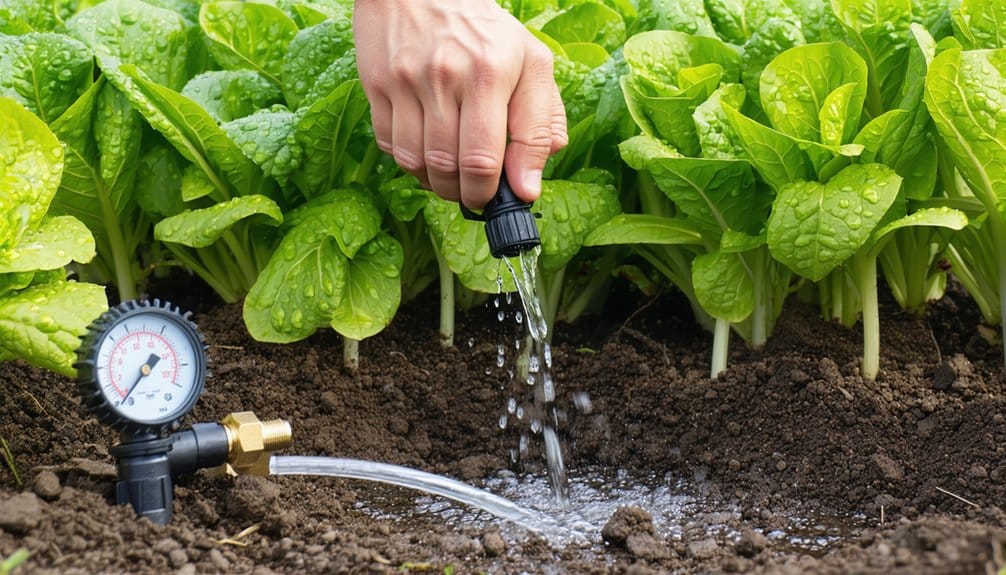
A pressure regulator is a crucial component of a drip irrigation system, ensuring that water is delivered at the right pressure for optimal plant growth. Without it, your plants might suffer from too much or too little water. Regulators help maintain consistent water flow, preventing damage to your system and plants.
Here’s a quick overview of pressure regulator features:
| Feature | Description |
|---|---|
| Pressure Range | Typical ranges vary from 10-30 PSI |
| Material | Often made from durable plastic |
| Flow Rate | Varies, usually between 1-20 GPH |
| Installation | Simple, usually inline with tubing |
| Maintenance | Low; periodic checks recommended |
Using a pressure regulator will help you achieve efficient watering and healthier plants.
Drip Tubing
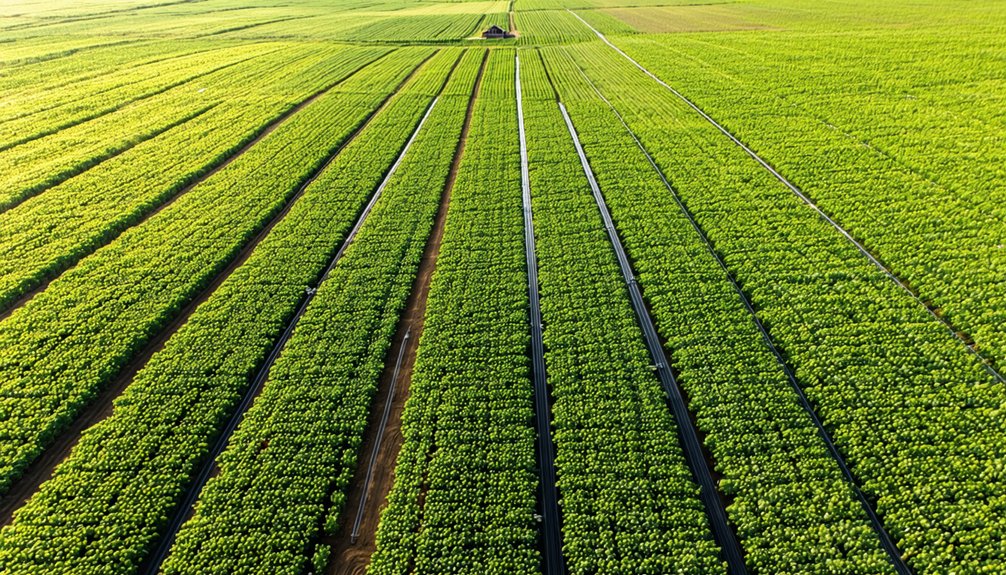
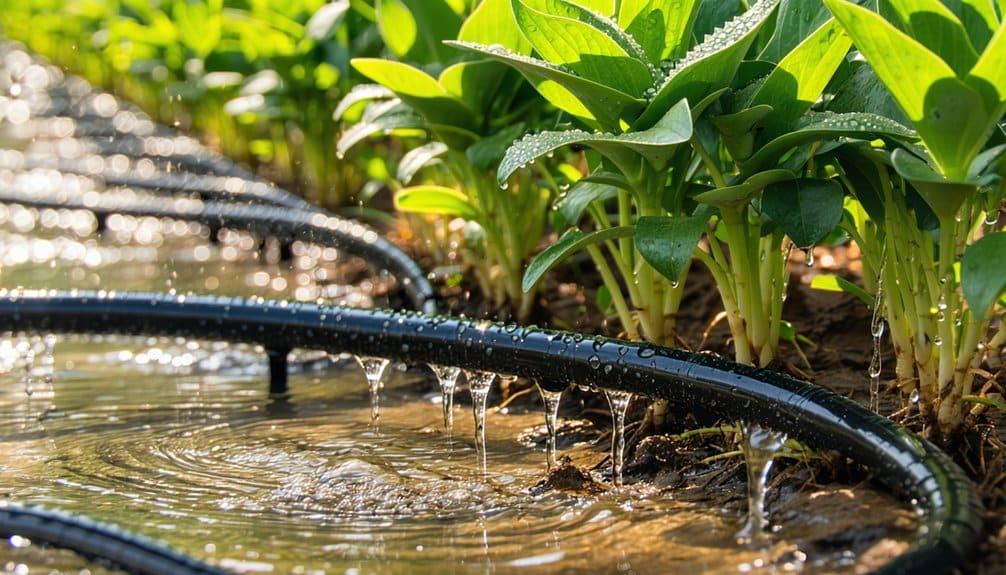
Drip tubing is one of the essential components of a drip irrigation system, responsible for delivering water directly to plant roots. You’ll find it available in various diameters and lengths, allowing you to customize your layout based on your garden’s needs.
When selecting drip tubing, consider factors like material durability, flexibility, and UV resistance. This ensures your tubing withstands environmental conditions without breaking down.
Proper installation is crucial; lay the tubing alongside your plants, ensuring it’s secure and free from kinks. Regularly check for leaks or blockages to maintain efficient water delivery.
With the right drip tubing, you can significantly enhance your garden’s efficiency, conserving water while promoting healthy plant growth.
Emitters
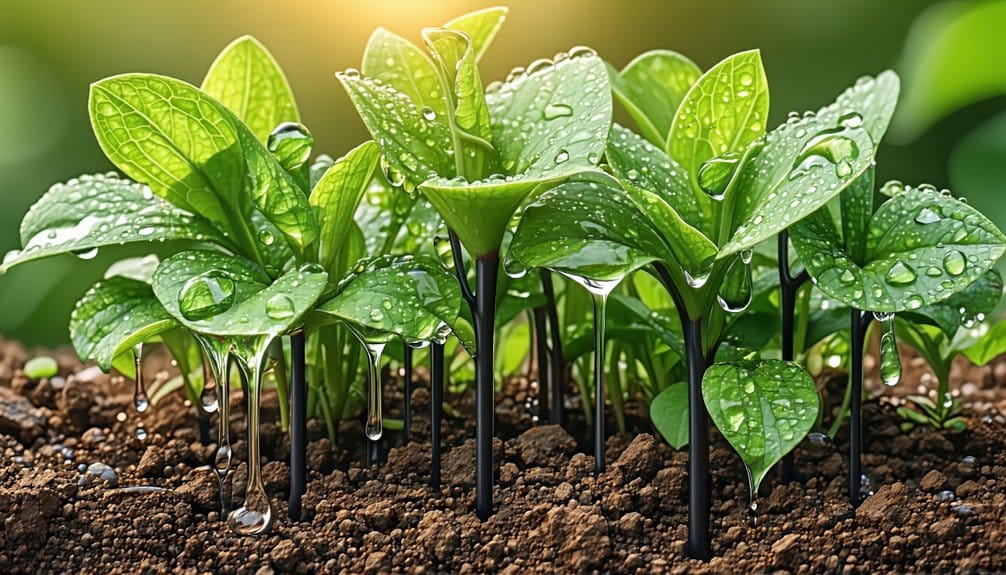
The effectiveness of your drip irrigation system largely depends on the emitters you choose. Emitters control the flow of water to your plants, ensuring they receive the right amount. You’ll find various types such as pressure-compensating, non-pressure compensating, and adjustable emitters. Choosing the right emitter can significantly impact plant health and water efficiency.
Here’s a quick comparison table to help you decide:
| Emitter Type | Flow Rate (GPH) | Best For |
|---|---|---|
| Pressure-Compensating | 0.5 – 2.0 | Uneven terrain |
| Non-Pressure Compensating | 0.5 – 1.0 | Flat areas with consistent soil |
| Adjustable | 0.5 – 4.0 | Varied plant requirements |
| Dripper | 0.5 – 1.0 | Small containers or pots |
| Inline Emitters | 0.5 – 2.0 | Long rows of plants |
Choose wisely to optimize your irrigation system!
Connectors and Fittings
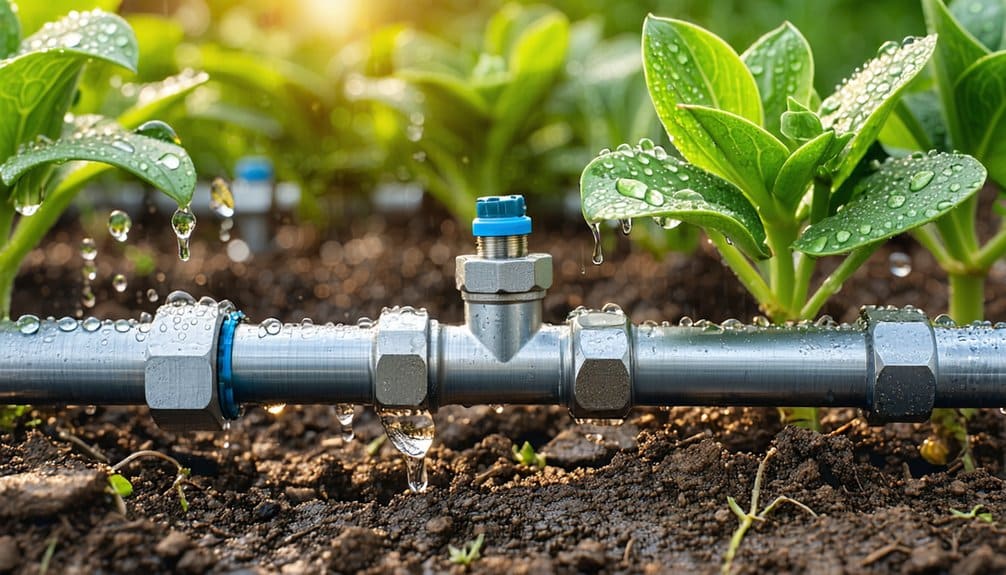
Various connectors and fittings play a crucial role in establishing a reliable drip irrigation system. They help you join different components securely, ensuring water flows efficiently to your plants.
Here are four essential types you should consider:
- Barbed Connectors: These fit snugly into tubing, preventing leaks.
- Compression Fittings: They create tight seals for secure connections and are easy to use.
- Elbows: Useful for changing direction in your system, they help navigate around obstacles.
- Tees: These allow you to split a single line into multiple lines for more extensive coverage.
End Caps and Flush Valves
End caps and flush valves are essential components that help maintain the efficiency and longevity of your drip irrigation system. End caps seal the ends of your tubing, preventing water from escaping and ensuring that every drop goes directly to your plants. Without them, you’d lose pressure and efficiency, wasting water and resources.
Flush valves, on the other hand, allow you to clear debris that can accumulate over time. By periodically flushing your system, you maintain optimal flow and prevent clogs that could hinder your irrigation.
Installing these components is straightforward and crucial for keeping your system functioning smoothly. Together, end caps and flush valves protect your investment, ensuring your plants receive the water they need without interruption.
Control System
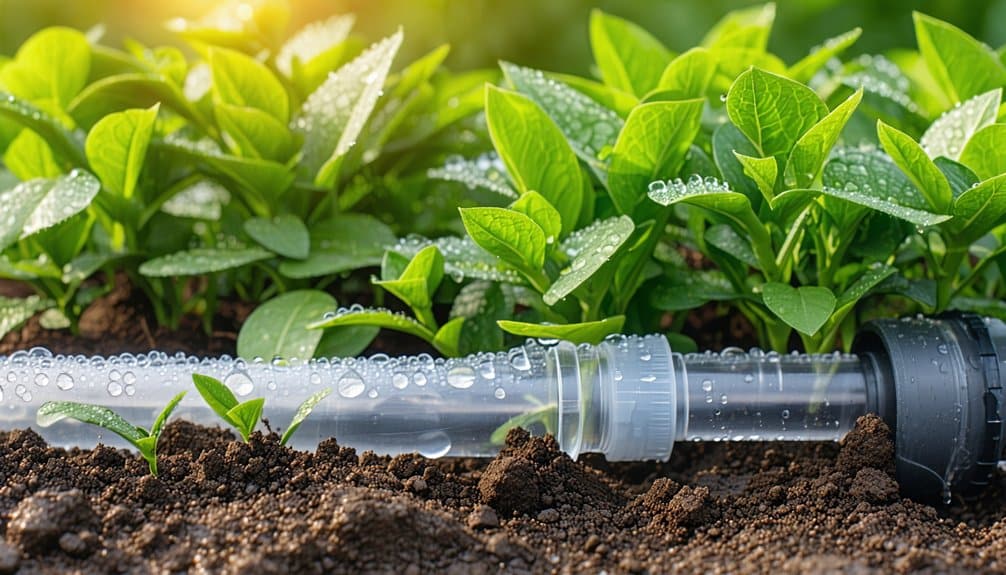
A well-designed control system is vital for optimizing your drip irrigation setup. It allows you to manage water distribution efficiently, ensuring your plants receive the right amount of moisture.
Here are four key components to consider for your control system:
- Timers: Automate watering schedules to save time and ensure consistency.
- Pressure Regulators: Maintain optimal pressure levels, preventing damage to your irrigation system.
- Flow Meters: Monitor water usage, helping you adjust flow rates as needed.
- Sensors: Use soil moisture and rain sensors to prevent overwatering and conserve water.
Implementing these elements will enhance your drip irrigation system’s performance, making it more effective and sustainable for your gardening needs.
Frequently Asked Questions
How Do I Determine the Right Size for My Drip Irrigation System?
To determine the right size for your drip irrigation system, assess your garden’s dimensions, plant types, and water needs. Then, calculate the flow rate and spacing of emitters to ensure even water distribution.
Can I Use a Drip System for Container Gardening?
Absolutely, you can use a drip system for container gardening! It delivers water directly to the roots, ensuring your plants get the moisture they need without overwatering, making it efficient and effective for container setups.
What Maintenance Is Required for a Drip Irrigation System?
What’s more frustrating than a clogged drip line? Regular maintenance keeps your system efficient. Check for blockages, adjust emitters, flush lines, and inspect filters. With these steps, your plants will thrive and watering will be effortless.
How Often Should I Run My Drip Irrigation System?
You should run your drip irrigation system based on your plants’ needs, typically once or twice a week. Monitor soil moisture to adjust frequency, ensuring plants get enough water without over-saturating the soil.
Can I Automate My Drip Irrigation System?
Yes, you can automate your drip irrigation system! Using timers or smart controllers, you can schedule watering sessions based on your plants’ needs, ensuring they receive the right amount of water without manual intervention.
Conclusion
In summary, a drip irrigation system thrives on reliable water supply, efficient filter systems, and precise pressure regulators. It channels water through durable drip tubing, delivers nutrients with carefully calibrated emitters, and connects seamlessly with fittings and connectors. End caps and flush valves maintain system integrity, while a control system enhances convenience. By understanding and maintaining these components, you ensure healthy plants, reduce water waste, and promote efficient irrigation. Invest in each part, and watch your garden flourish!