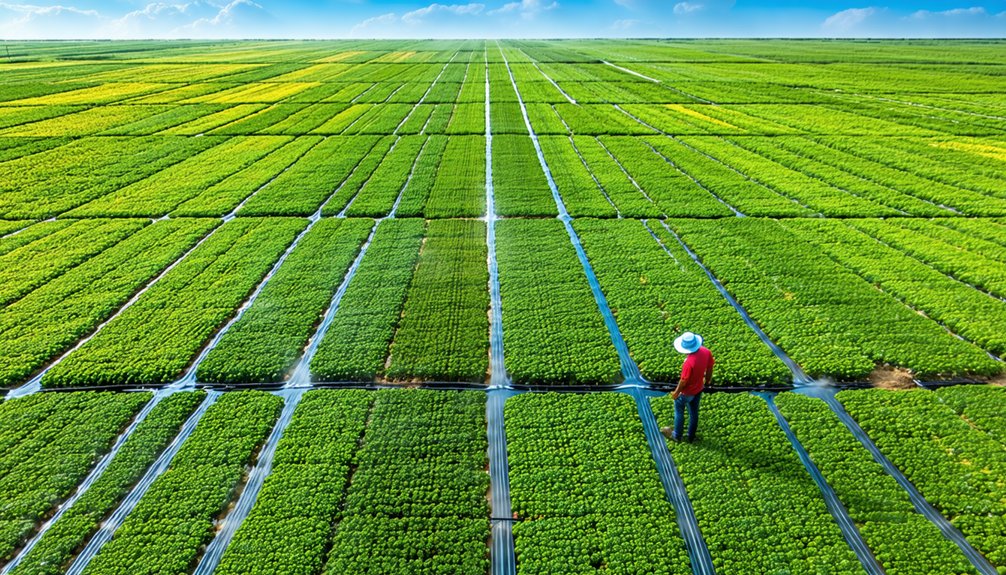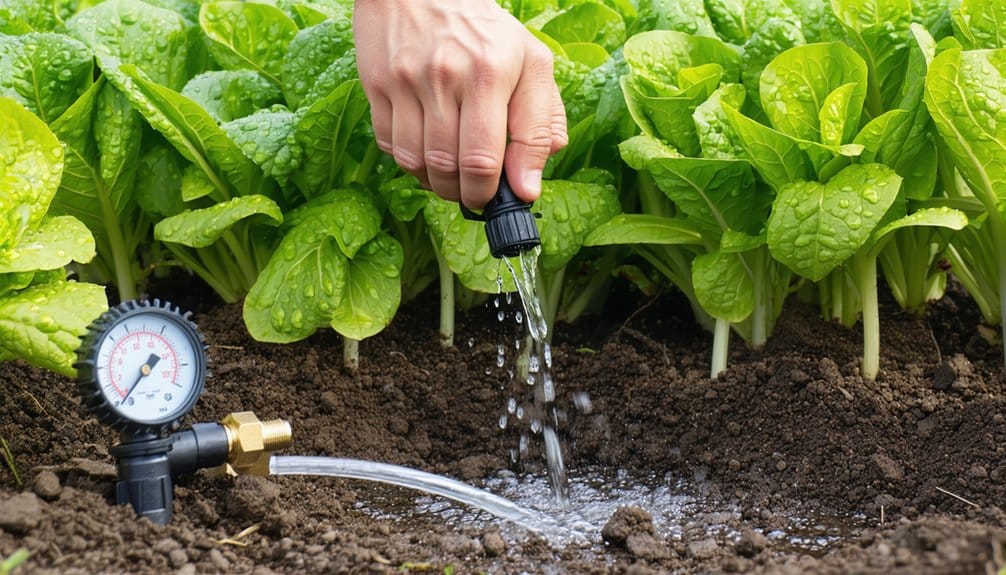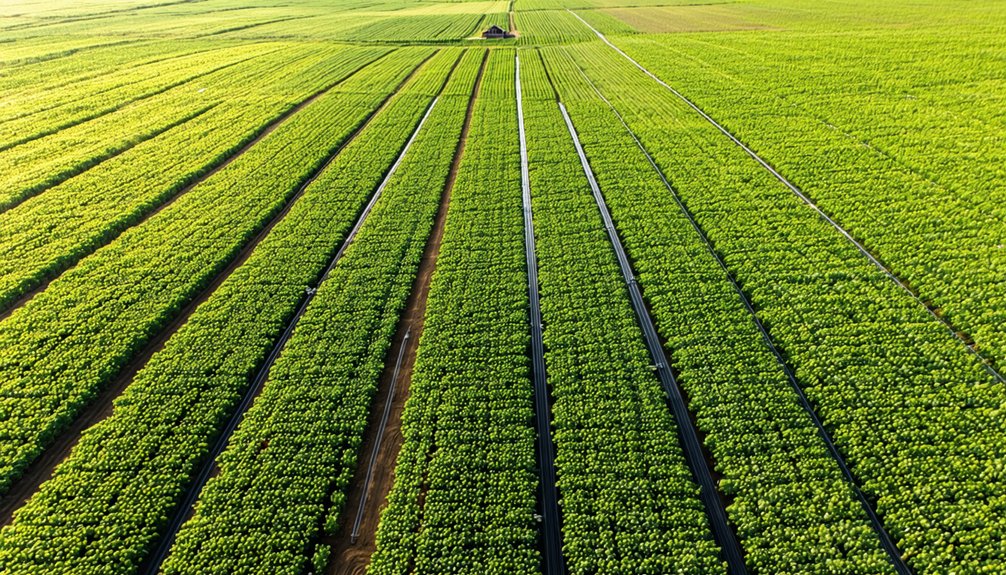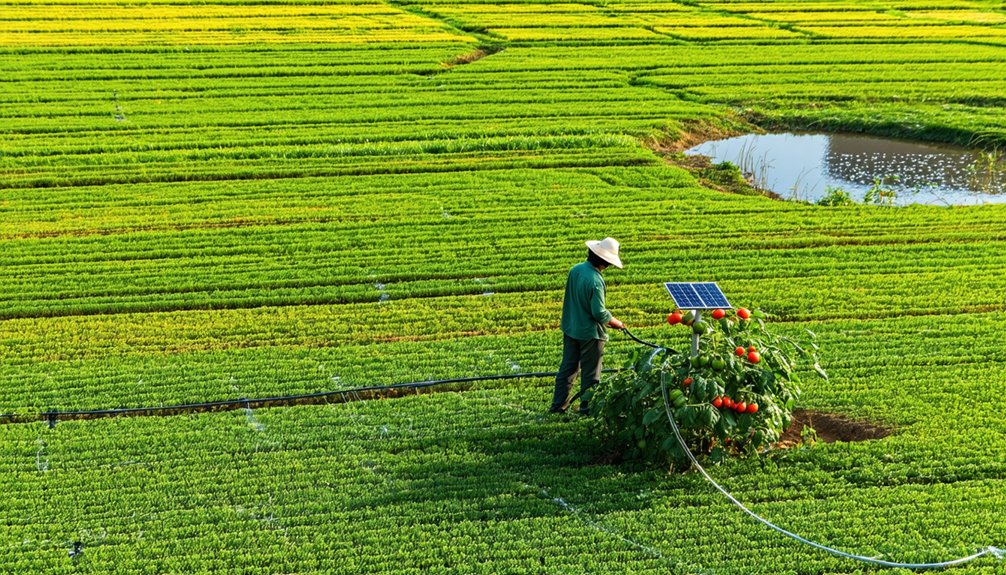

When you think about irrigation methods, flood irrigation often comes to mind. It’s been used for centuries, offering some clear benefits, like cost-effectiveness and easy implementation. Yet, it’s not without its challenges, including water waste and soil erosion. As you weigh these factors, you’ll discover there’s much more to consider. What might surprise you are the long-term implications that could affect both your crops and the environment.
What Is Flood Irrigation?
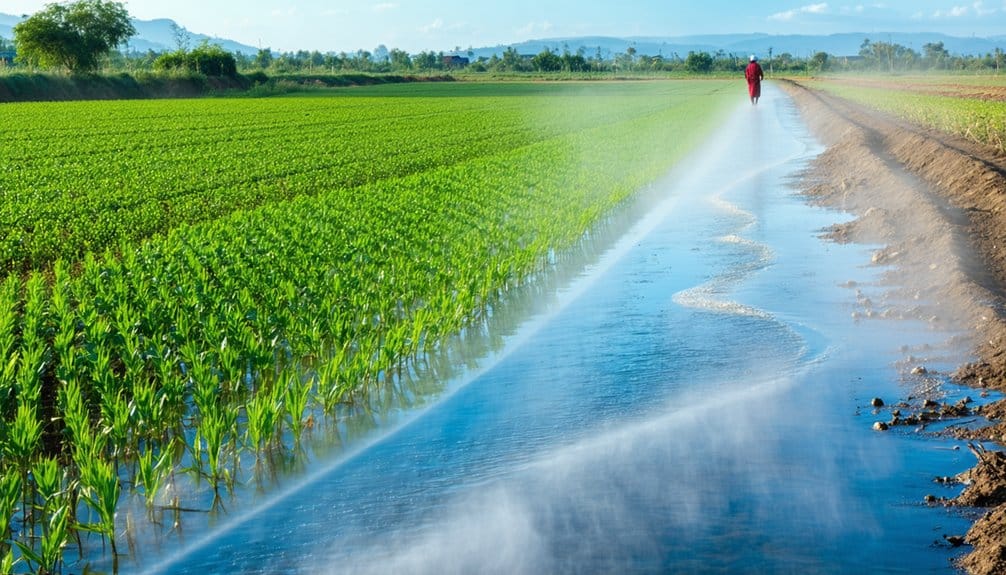
Flood irrigation, a time-honored agricultural method, involves the deliberate flooding of fields to distribute water across crops. You might appreciate the benefits of flood irrigation, such as its simplicity and low-cost implementation.
This method effectively saturates the soil, promoting healthy crop growth and reducing the need for complex irrigation systems. However, it’s essential to consider the downsides of flood irrigation as well.
Over time, it can lead to waterlogging, soil salinization, and nutrient depletion. Additionally, it might waste water if not managed properly.
As you explore flood irrigation, weigh these pros and cons to determine if it’s the right choice for your agricultural needs. Balancing efficiency and sustainability is key to successful farming.
Historical Context and Usage
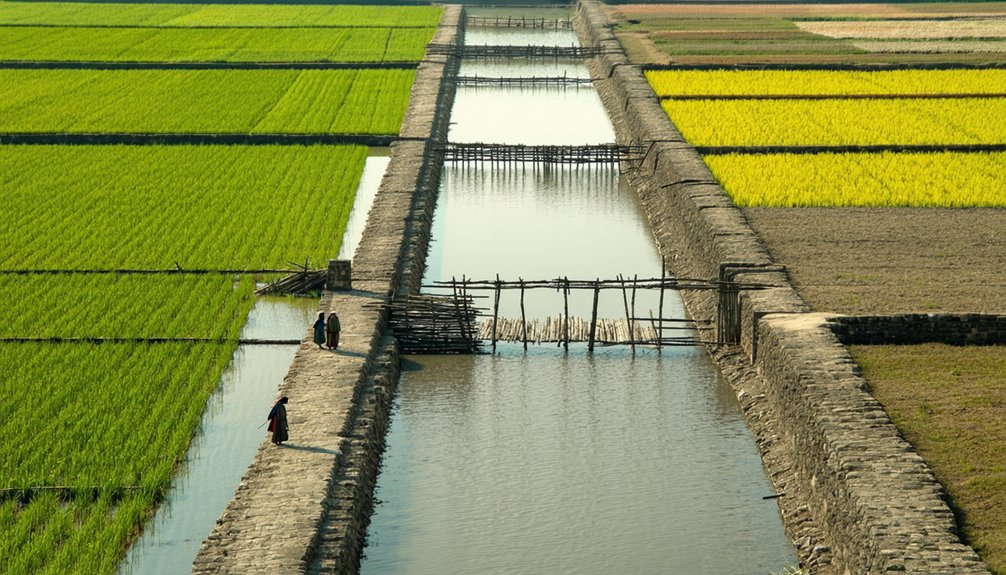
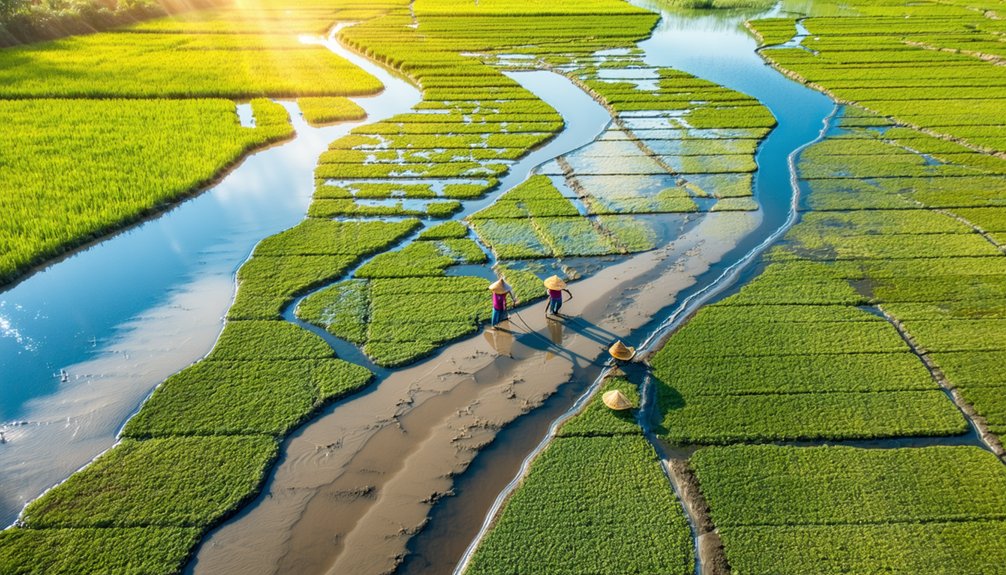
Throughout history, farmers have adopted flood irrigation as a vital method for cultivating crops in various regions around the world. You’ll find flood irrigation examples in ancient Mesopotamia, where river systems were harnessed to nourish crops, and in modern rice paddies across Asia.
This technique has been favored for its simplicity and effectiveness, allowing communities to thrive in areas with variable rainfall. However, as agricultural practices evolved, alternatives to flood irrigation emerged, such as drip and sprinkler systems, which promise improved water efficiency and reduced soil erosion.
Yet, many still rely on traditional flood methods due to their low cost and ease of implementation. Understanding this historical context helps you appreciate the ongoing relevance of flood irrigation in today’s agricultural landscape.
Advantages of Flood Irrigation
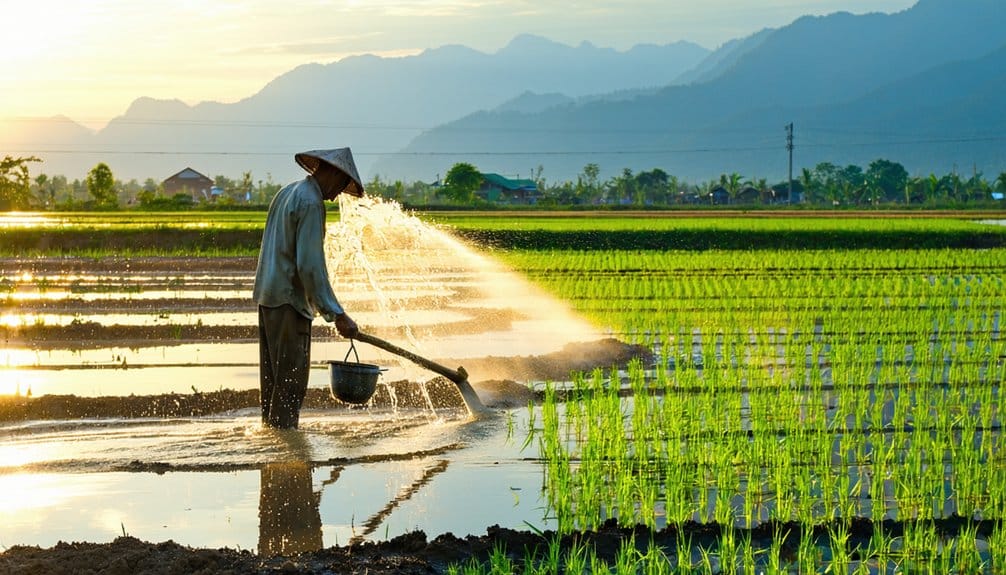
Flood irrigation can be a cost-effective watering method that saves you money in the long run.
It also helps distribute soil nutrients evenly, promoting healthier crops.
Plus, you’ll find that the implementation process is straightforward, making it accessible for many farmers.
Cost-Effective Watering Method
When considering efficient irrigation methods, you might find flood irrigation stands out as a cost-effective option. This method requires less investment in technology and infrastructure compared to others like drip or sprinkler systems.
You won’t need expensive pumps or intricate piping, which can save you significant upfront costs. Additionally, flood irrigation uses gravity to distribute water, minimizing energy expenses.
Maintenance costs are often lower too, as fewer mechanical components are involved. You can also benefit from its ability to cover large areas quickly, reducing labor time and costs associated with more manual watering techniques.
Soil Nutrient Distribution
While many irrigation methods focus solely on water delivery, flood irrigation also excels at distributing essential soil nutrients. When you use flood irrigation, water spreads evenly across the field, allowing nutrients to move with it. This process helps to ensure that nutrients like nitrogen, phosphorus, and potassium reach the root zones of your crops, promoting healthy growth.
Moreover, the natural movement of water can help dissolve and transport organic matter and other beneficial elements from the soil, enhancing fertility.
You might also notice improved soil structure, as the saturation encourages microbial activity. This leads to healthier plants and potentially higher yields.
Simple Implementation Process
Implementing flood irrigation is straightforward, making it an attractive option for many farmers. You don’t need complex equipment or advanced technology; a simple system of ditches and channels often suffices.
This method allows you to quickly cover large areas of land, efficiently delivering water where it’s needed most. You can also easily adjust the flow to accommodate different crops and soil types. Since you’re using gravity to distribute water, operational costs are generally low, which can save you money in the long run.
Additionally, flood irrigation can be set up with minimal training, so you can start using it right away. Overall, its simplicity makes flood irrigation a practical choice for those looking to optimize their farming practices.
Disadvantages of Flood Irrigation
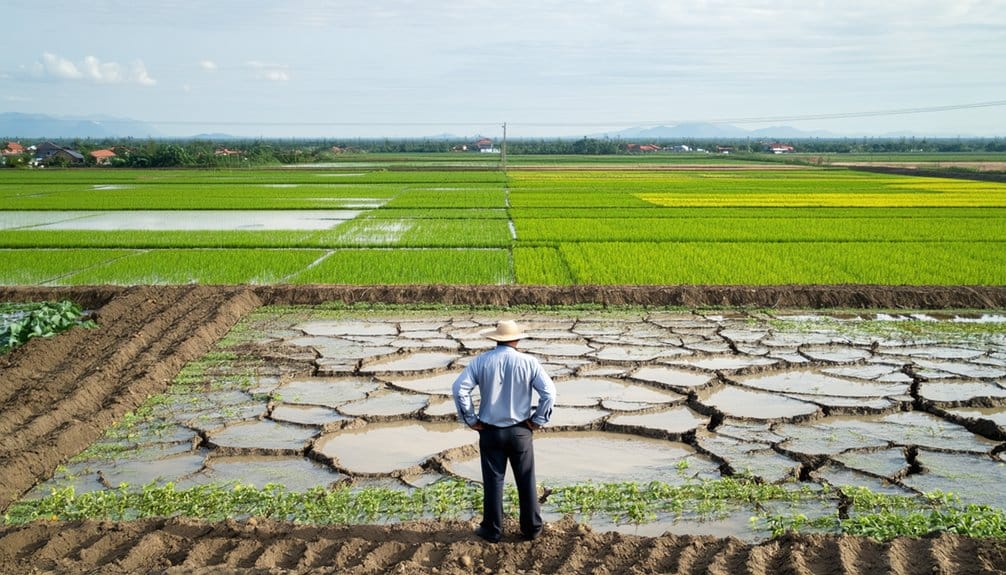
While flood irrigation can be effective, it also comes with significant drawbacks.
You might encounter water waste issues, as excess water often runs off without benefiting the crops.
Additionally, this method can increase soil erosion, which can harm your land’s long-term productivity.
Water Waste Issues
Although flood irrigation can be effective for certain crops, it often leads to significant water waste issues. When you use this method, large volumes of water are released onto the fields, and much of it can evaporate or runoff before reaching the plants.
This inefficiency means you’re not just wasting water; you’re also increasing costs associated with sourcing more water. Moreover, if the soil isn’t properly graded, water may pool in areas, leading to further wastage.
You might find that over-irrigation can create saturated conditions, ultimately harming crops. Therefore, while flood irrigation might seem convenient, it’s crucial to consider how much water you could be losing and the long-term implications for water availability in your region.
Soil Erosion Risks
When flood irrigation is used, it can significantly increase the risk of soil erosion. The excessive water flow creates a saturated environment, weakening the soil structure.
As water moves across the surface, it can wash away topsoil, which is crucial for healthy plant growth. You might notice that the land becomes less fertile over time, impacting crop yields.
Additionally, the loss of soil can lead to sedimentation in nearby water sources, affecting aquatic ecosystems.
To counter this, consider implementing erosion control measures like planting cover crops or building terraces. These strategies can help stabilize the soil and reduce erosion, making your flood irrigation practices more sustainable.
Environmental Impact of Flood Irrigation
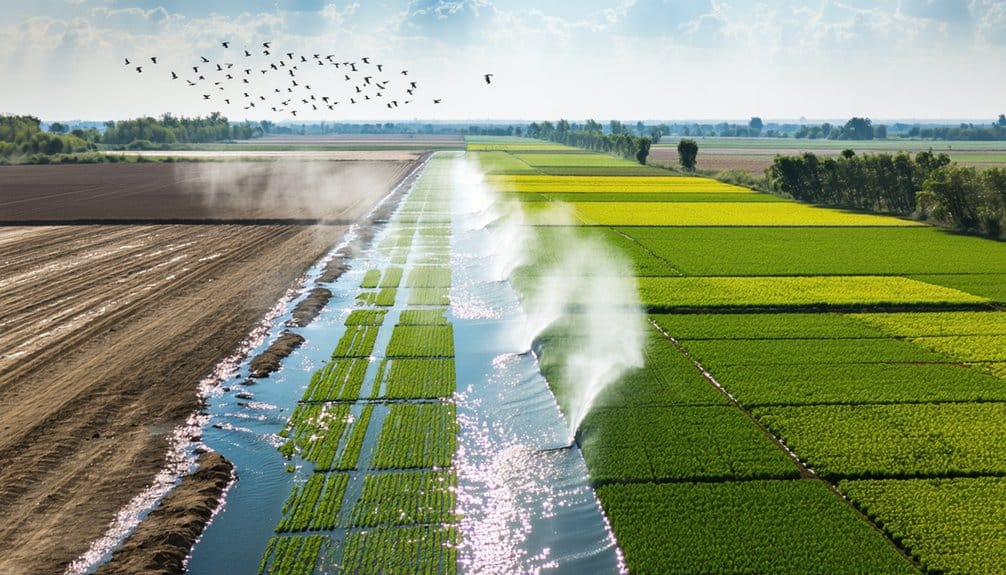
Flood irrigation significantly influences the environment, affecting both soil health and local ecosystems. When you flood fields, you often increase waterlogged conditions, which can lead to root diseases and nutrient leaching. This process can degrade soil quality over time, making it less productive.
Additionally, excessive water can create runoff that carries fertilizers and pesticides into nearby waterways, harming aquatic life and disrupting local habitats.
On the flip side, flood irrigation can help replenish groundwater levels in some areas, supporting local ecosystems. However, the balance is delicate. You need to monitor water usage closely to minimize negative impacts.
Ultimately, understanding these environmental effects is crucial for making informed decisions about your irrigation practices and promoting sustainable agriculture.
Economic Considerations
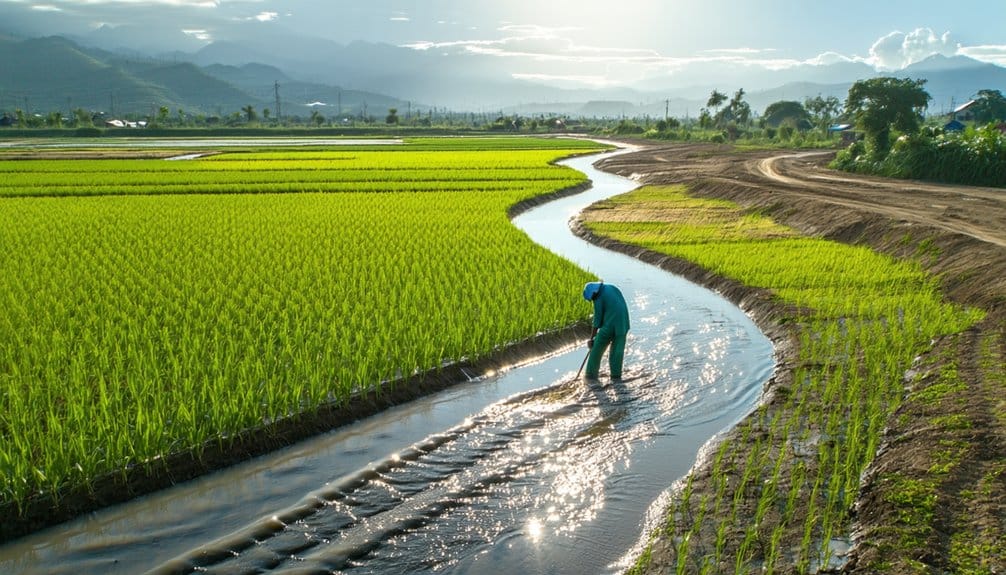
The environmental impacts of flood irrigation can have direct economic implications for farmers and agricultural businesses. If soil salinity increases due to excessive water usage, crop yields may decline, leading to reduced income.
You might face higher costs for fertilizers and treatments to counteract these effects. Additionally, inefficient water use can result in elevated operational expenses, impacting your bottom line.
On the flip side, flood irrigation can initially be less expensive to implement compared to more advanced systems. It requires less technology and infrastructure, which may appeal to smaller farms with limited budgets.
However, balancing these short-term savings with long-term sustainability and productivity is crucial for maintaining your profitability in the agricultural sector.
Sustainable Alternatives to Flood Irrigation
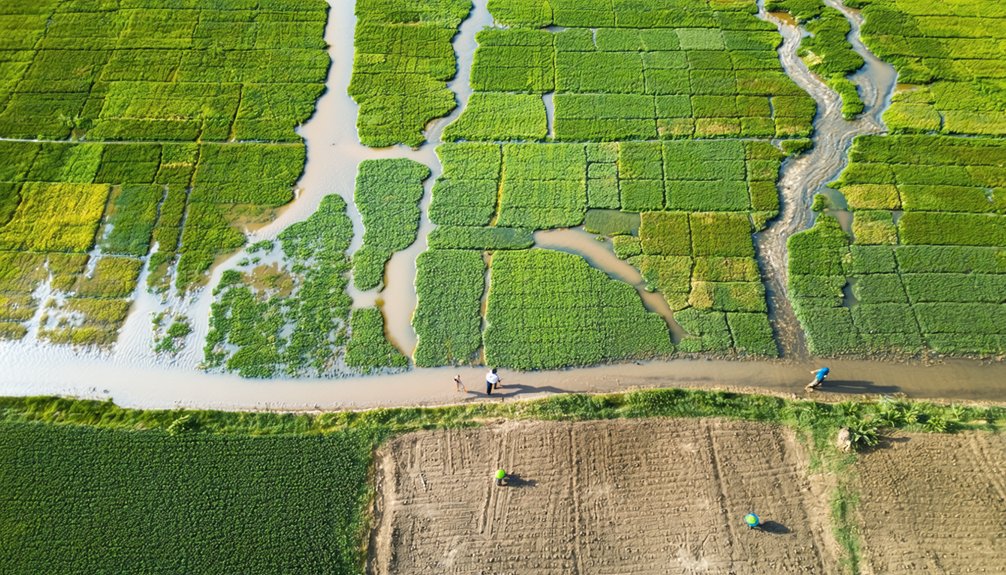
As you seek more sustainable farming practices, exploring alternatives to flood irrigation can significantly benefit both your crops and the environment.
Consider adopting drip irrigation, which delivers water directly to the plant roots, reducing waste and improving water efficiency. This method minimizes evaporation and runoff, ensuring your crops receive the right amount of moisture.
Another option is rainwater harvesting. By collecting and storing rainwater, you can supplement your irrigation needs while conserving groundwater resources.
Additionally, using soil moisture sensors can help you monitor your crops’ water needs precisely, preventing overwatering.
Crop rotation and cover cropping also enhance soil health and water retention, reducing the overall demand for irrigation.
Future of Irrigation Practices
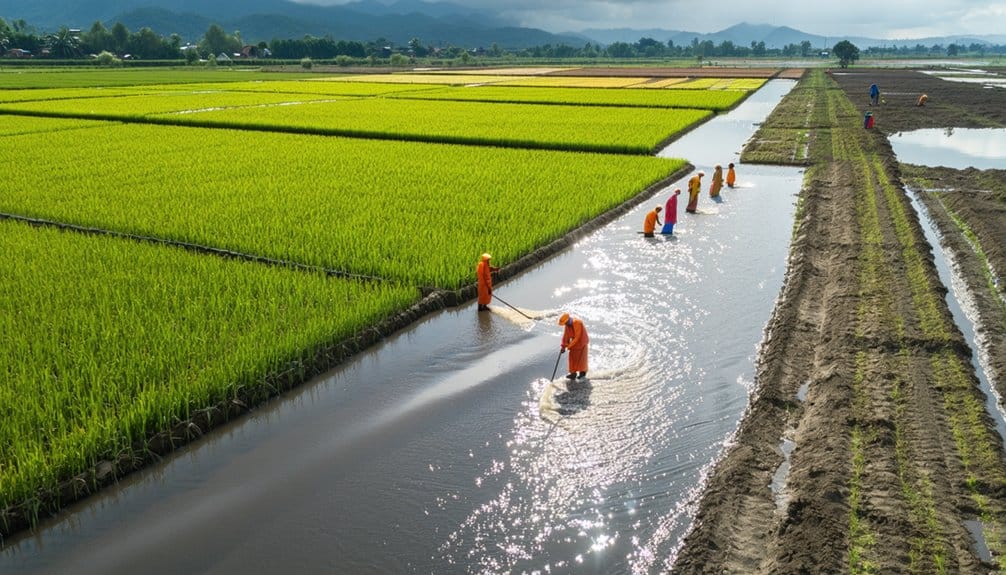
While traditional irrigation methods have served farmers for generations, advancements in technology and a growing emphasis on sustainability are shaping the future of irrigation practices.
You’ll see a shift toward precision irrigation, utilizing sensors and data analytics to deliver water more efficiently. This method not only conserves water but also enhances crop yields.
Additionally, smart irrigation systems that automatically adjust based on weather forecasts are gaining traction. These innovations help you reduce waste and improve sustainability.
As climate change impacts water availability, adopting these modern practices will be crucial. By embracing new technologies, you can ensure your farming operations remain viable and productive, ultimately leading to a more sustainable future for agriculture.
Conclusion
In conclusion, while flood irrigation has its benefits, like cost-effectiveness and ease of use, the drawbacks can’t be ignored. Water waste, soil erosion, and long-term soil damage are serious concerns that could impact your farm’s sustainability. As you explore irrigation options, consider balancing immediate needs with environmental health. By looking into sustainable alternatives, you can ensure your practices not only support your crops today but also protect resources for future generations.