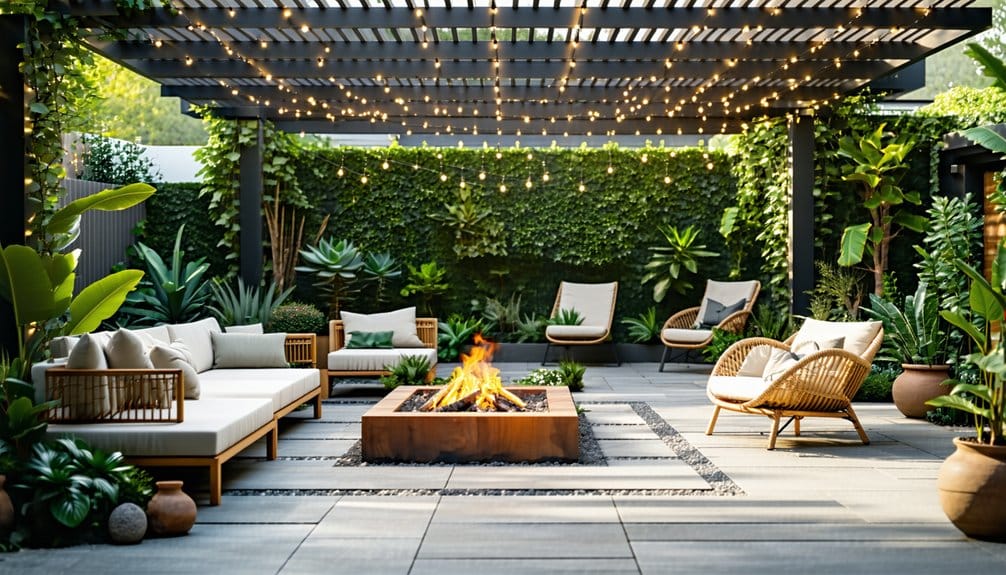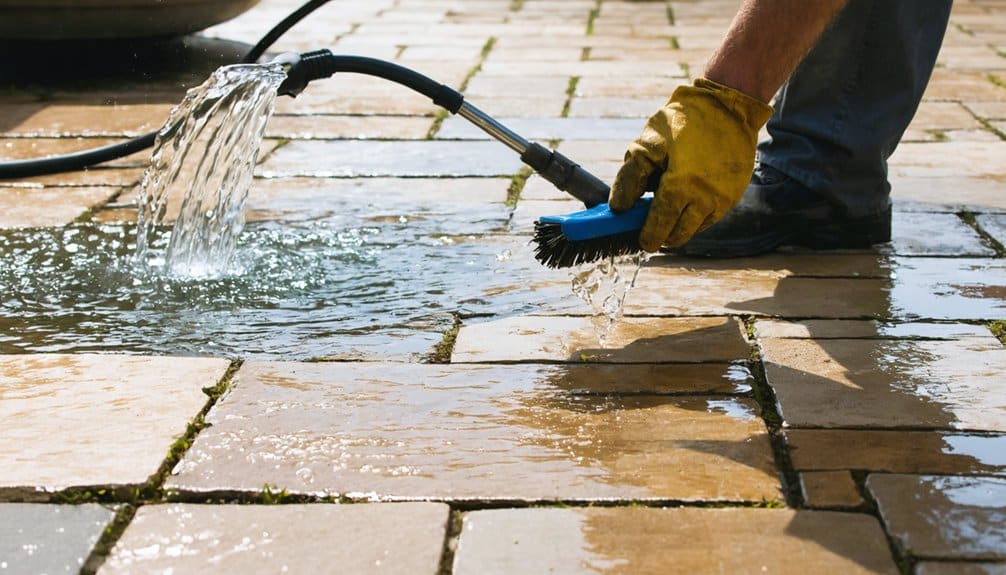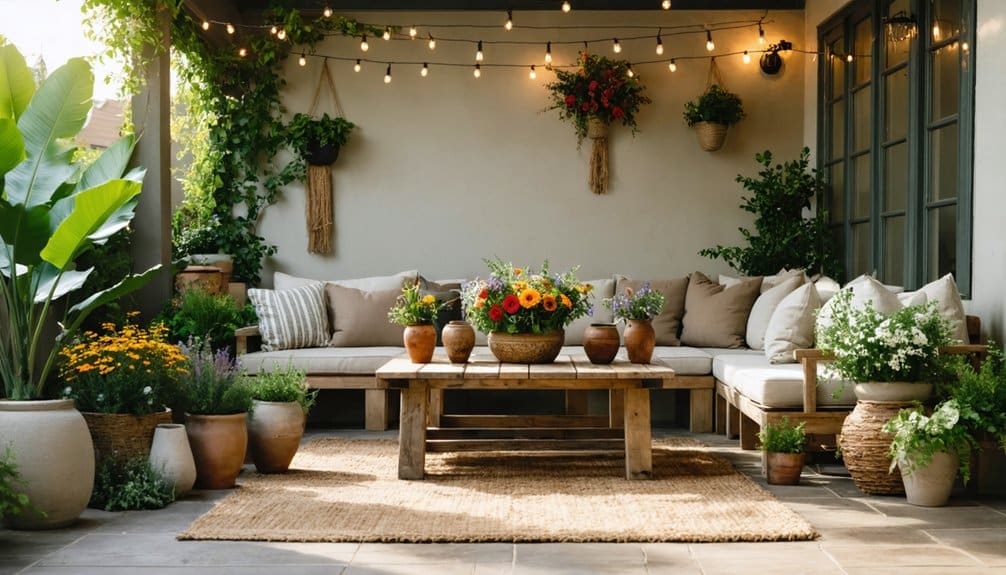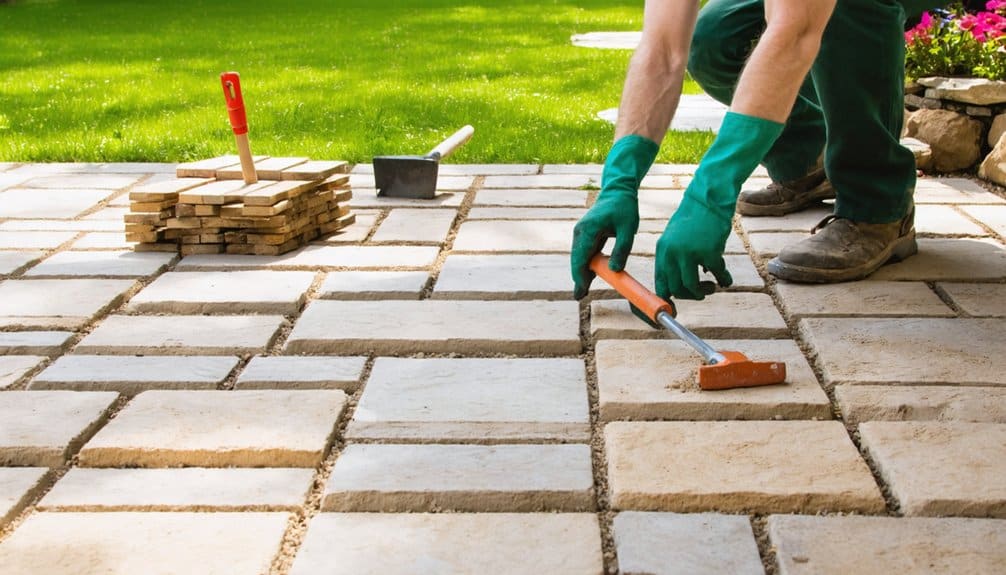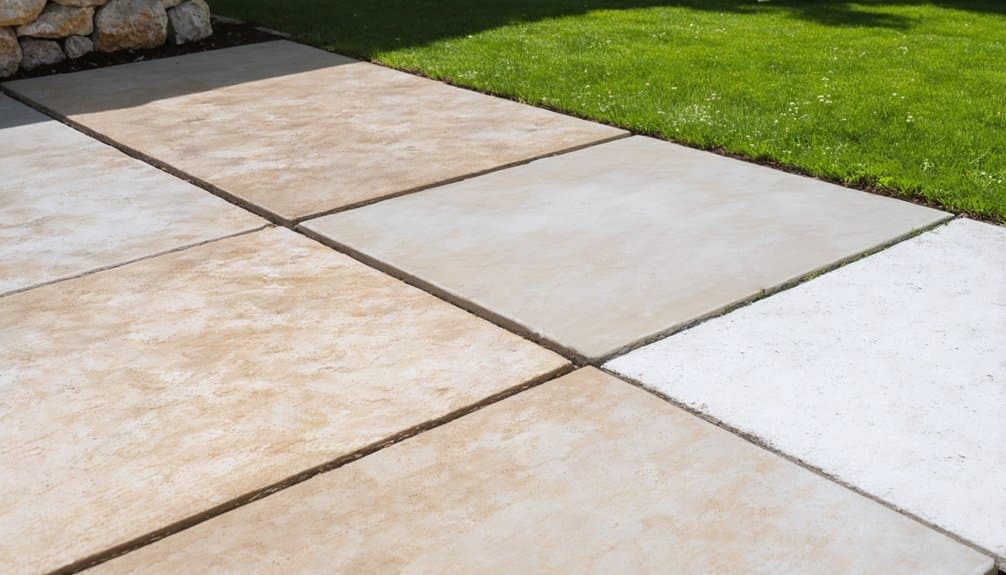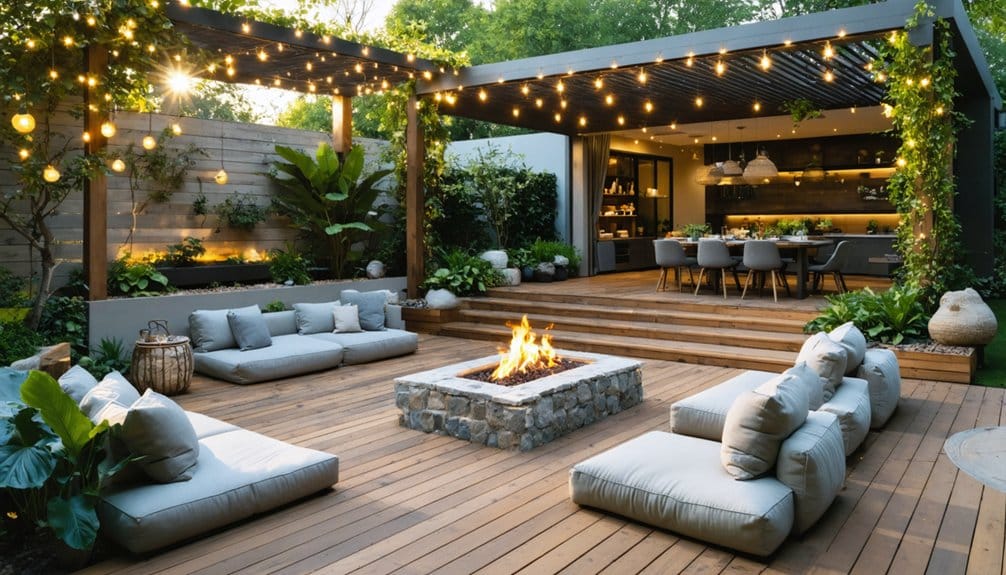

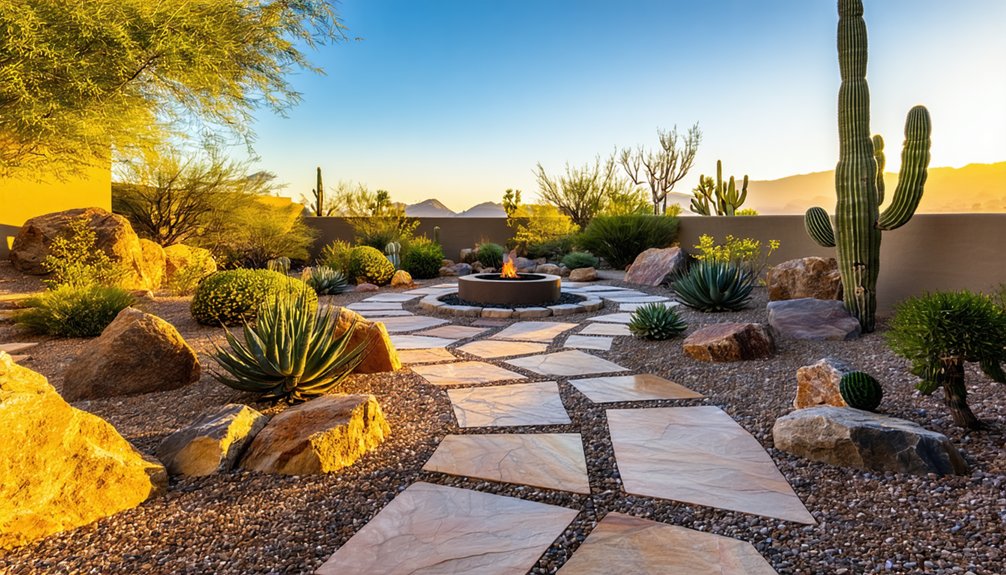
When planning a desert landscape, choosing the right hardscape materials is crucial for both aesthetics and functionality. You’ll want options that withstand the harsh climate while enhancing your outdoor space. Natural stone, pavers, and gravel each offer unique benefits that can transform your yard. But there’s more to consider than just durability and looks. Let’s explore how these materials can work together to create a stunning and practical desert oasis.
Natural Stone
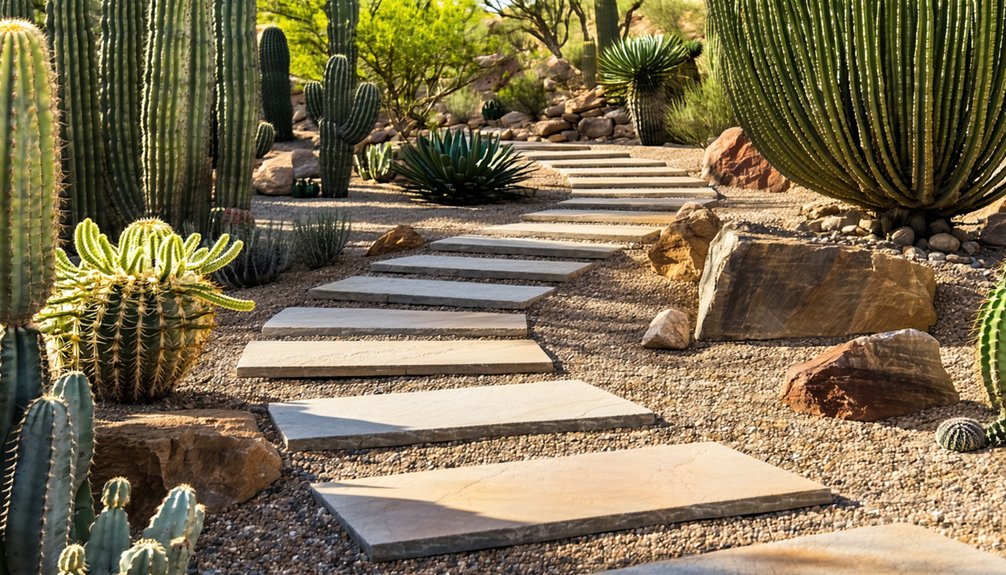
When you’re looking to enhance your desert landscape, natural stone offers both beauty and durability. This versatile hardscape material can transform your outdoor space into a stunning oasis.
Using natural stone in your desert hardscaping not only adds visual appeal but also stands up to harsh weather conditions. You can choose from various types, such as flagstone, slate, or granite, each providing unique textures and colors.
These stones blend seamlessly with the surrounding environment, creating a cohesive look. Plus, they require minimal maintenance, making them an ideal choice for busy homeowners. Additionally, incorporating best outdoor plants can further complement the natural stone and enhance your desert landscape’s overall aesthetic.
Pavers
Pavers are a fantastic choice for adding structure and style to your desert landscape. They come in various materials and colors, allowing you to customize your landscape design effortlessly. Not only do pavers provide durability, but they also enhance the aesthetic appeal of your outdoor space, making them one of the top hardscape materials. Additionally, incorporating drought-resistant plants alongside your pavers can further optimize your landscape for the harsh desert climate.
Here’s a comparison of popular paver materials:
| Material | Durability | Cost |
|---|---|---|
| Concrete Pavers | High | Low |
| Brick Pavers | Moderate | Medium |
| Natural Stone | Very High | High |
| Porcelain Pavers | High | Medium |
| Rubber Pavers | Moderate | Low |
Gravel
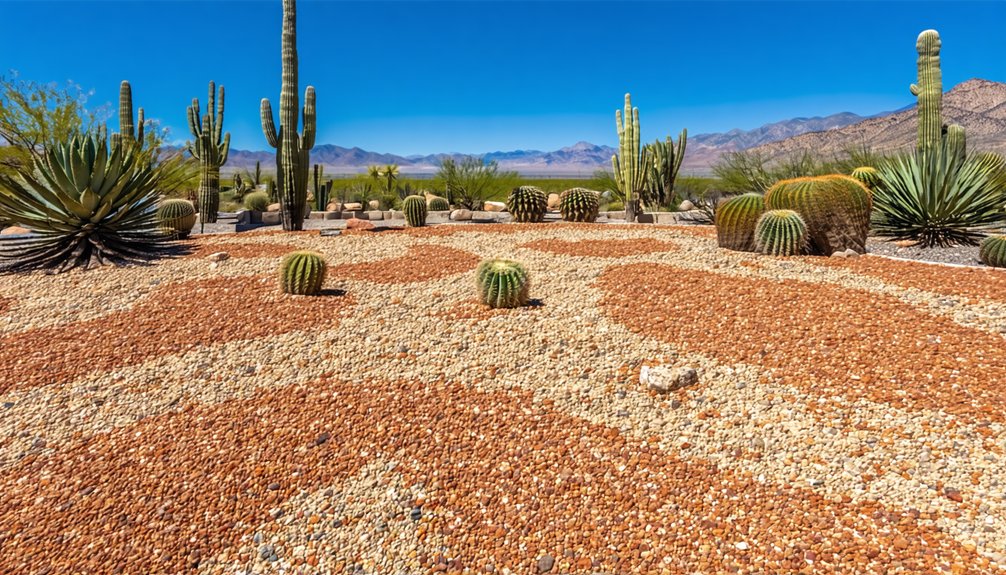
Gravel offers a versatile and low-maintenance alternative to pavers in your desert landscape. It comes in various colors and sizes, making it easy to match your design vision.
Plus, it’s excellent for drainage, helping to prevent water pooling during rare rain events.
Here are some benefits of using gravel:
- Cost-effective: It’s often more affordable than other hardscape materials.
- Easy installation: You can lay gravel down quickly, saving time and effort.
- Weed control: A layer of gravel can help suppress weed growth, reducing maintenance.
- Natural look: Gravel blends seamlessly with desert flora, enhancing your landscape’s aesthetic.
Concrete
When it comes to hardscaping in desert landscapes, concrete offers versatile design options that can fit any style.
Its durability in harsh climates makes it an ideal choice for enduring the extreme heat and dryness.
You’ll appreciate how concrete can transform your outdoor space while standing up to the elements.
Versatile Design Options
While many materials can enhance a desert landscape, concrete stands out for its versatility in design.
You can create stunning features that complement your environment, making it a popular choice among homeowners. With concrete, you can easily achieve various aesthetics, ensuring your outdoor space reflects your personal style.
Consider these design options:
- Patios: Customize shapes and sizes to fit your space.
- Walkways: Integrate patterns or textures for visual interest.
- Retaining walls: Use them to create levels and prevent erosion.
- Fire pits: Design a cozy gathering spot that blends seamlessly with your landscape.
Durability in Harsh Climates
Concrete not only offers versatile design options but also excels in durability, especially in harsh desert climates.
When you choose concrete for your hardscape, you’re investing in a material that withstands extreme heat and fluctuating temperatures. Unlike other materials, concrete resists cracking and fading under the relentless sun, ensuring your landscape remains stunning for years.
Its low maintenance needs mean you won’t spend your weekends repairing or replacing damaged surfaces. Additionally, you can easily customize concrete with stains or textures, enhancing its appeal while maintaining strength.
Whether it’s patios, pathways, or retaining walls, concrete stands up to the challenges of the desert environment, making it a smart choice for your outdoor space.
Brick
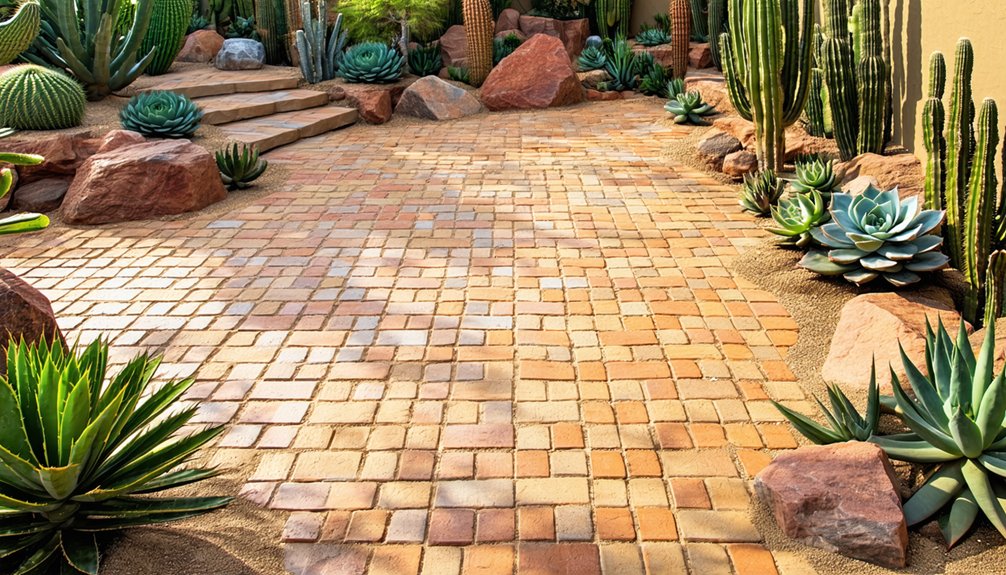
Brick stands out as a versatile and durable choice for hardscaping in desert landscapes. Its natural earth tones blend seamlessly with arid environments, enhancing the overall aesthetic.
You’ll appreciate the benefits of using brick in your outdoor space:
- Heat Resistance: Brick absorbs and retains heat, providing warmth during cooler desert nights.
- Low Maintenance: It’s easy to clean and requires minimal upkeep, perfect for busy homeowners.
- Longevity: With proper installation, brick can last for decades, standing firm against harsh weather.
- Eco-Friendly: Made from natural materials, brick contributes to sustainable landscaping practices.
Incorporating brick into your design not only boosts the visual appeal but also ensures functionality, making it a top choice for desert hardscapes.
Retaining Walls
When you’re planning your desert landscape, retaining walls are essential for both functionality and style.
You’ll want to consider the durability of materials to withstand harsh conditions, while also exploring various aesthetic designs that can enhance your outdoor space.
Plus, these walls offer great erosion control benefits, helping to keep your landscape intact.
Material Durability Considerations
Choosing the right materials for retaining walls in desert landscapes is crucial, especially since extreme temperatures and limited moisture can affect durability.
You want to select materials that can withstand these harsh conditions without deteriorating quickly. Here are some key durability considerations:
- Stone: Natural stone offers exceptional strength and longevity.
- Concrete Block: This option is resistant to moisture and can handle temperature fluctuations well.
- Brick: While aesthetically pleasing, ensure it’s treated for weather resistance.
- Reinforced Steel: Used within concrete for added structural integrity, preventing bowing or collapsing.
Aesthetic Design Options
Durability isn’t the only factor when it comes to retaining walls in desert landscapes; aesthetics play a significant role in enhancing the overall appeal of your outdoor space.
You can choose from various materials such as natural stone, brick, or textured concrete, each offering unique visual charm. Consider incorporating colors and patterns that complement your desert environment, creating a cohesive look.
Adding decorative elements like planters or built-in seating can elevate the design while providing functionality.
You might also explore different wall heights and finishes to create visual interest.
Ultimately, a well-designed retaining wall not only serves a practical purpose but also enhances the beauty of your landscape, making it a welcoming and visually striking area to enjoy.
Erosion Control Benefits
While the aesthetic appeal of retaining walls is important, their role in erosion control is equally vital, especially in desert landscapes.
These structures help stabilize soil and prevent erosion caused by harsh winds and occasional rain. By incorporating retaining walls, you can effectively manage water runoff and protect your plants and landscape features.
Here are some key erosion control benefits:
- Soil stabilization: Retaining walls hold back soil, preventing it from washing away.
- Water management: They redirect water flow, reducing the risk of erosion.
- Plant support: Walls create flat areas for planting, enhancing greenery.
- Microclimate creation: They provide shelter, helping plants thrive in harsh conditions.
Investing in retaining walls ensures a durable, beautiful landscape that stands the test of time.
Boulders
Boulders can dramatically enhance the visual appeal of desert landscapes, providing a striking contrast to the surrounding arid terrain. By incorporating boulders into your design, you create focal points that draw the eye and break up the monotony of flat desert spaces.
Their size and texture add depth, making your landscape feel more dynamic. You can arrange them in clusters or use them as standalone features, depending on your style.
Additionally, boulders offer practical benefits, such as preventing soil erosion and providing habitats for local wildlife. When selecting boulders, consider colors and shapes that complement your overall design, ensuring they harmonize with the native flora and fauna.
This creates a balanced and inviting outdoor space that reflects the beauty of the desert.
Artificial Turf
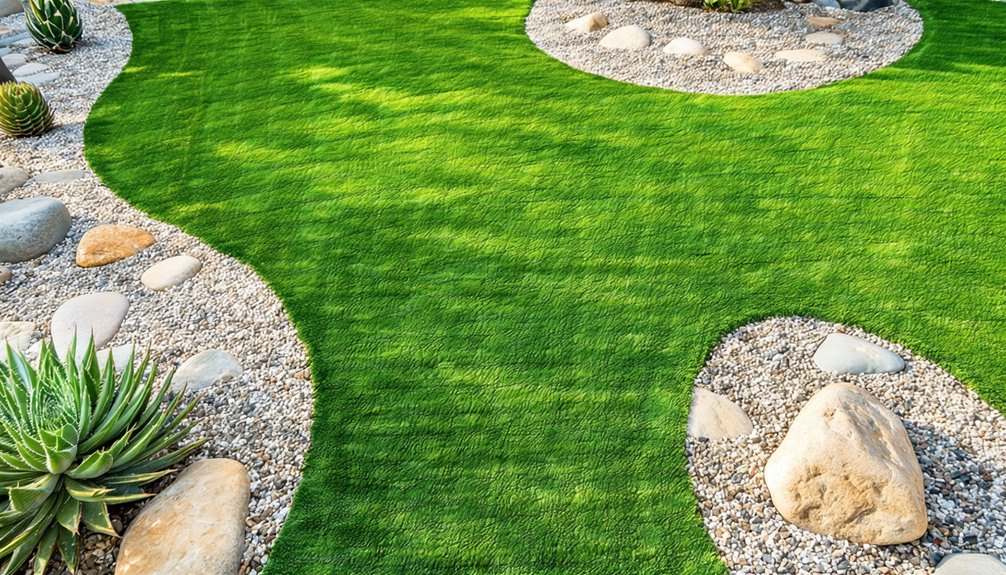
Incorporating artificial turf into your desert landscape can create a lush, green contrast to the surrounding arid environment. It offers a practical solution for homeowners seeking beauty without the hassle of maintenance.
You’ll enjoy an inviting outdoor space that remains vibrant year-round.
Here are some benefits of artificial turf:
- Water conservation: No need for irrigation, saving precious water resources.
- Low maintenance: Say goodbye to mowing and fertilizing.
- Durability: Stands up to extreme temperatures and heavy foot traffic.
- Pet-friendly: Safe for pets, providing them with a soft surface to play on.
Artificial turf not only enhances your landscape but also aligns with sustainable practices, making it an excellent choice for desert living.
Decorative Rock
Decorative rock can transform your desert landscape into a stunning visual masterpiece. With a variety of colors, sizes, and textures available, you can easily customize your outdoor space.
Use larger boulders as focal points or scatter smaller pebbles to create pathways and borders. This versatile material not only enhances aesthetics but also helps with drainage and weed control, making maintenance a breeze.
Consider mixing different types of rocks to add depth and interest to your design. From smooth river stones to rugged granite, each option brings its unique charm.
Plus, decorative rock reflects the natural beauty of the desert, blending seamlessly with your surroundings. So, why not elevate your landscape with this eye-catching, low-maintenance choice? You’ll love the results!
Conclusion
Incorporating the right hardscape materials can transform your desert landscape into a stunning oasis. Whether you choose the timeless elegance of natural stone, the versatility of pavers, or the practicality of gravel, each option enhances both beauty and functionality. Don’t forget to consider boulders for visual impact and artificial turf for a low-maintenance, green touch. By thoughtfully combining these elements, you’ll create a captivating outdoor space that thrives in the desert environment. Embrace these ideas and start designing!