
The integration of smart technology in water management represents a significant shift in how communities approach this vital resource. By utilizing IoT devices, municipalities can achieve real-time monitoring of water usage and quality. This development promises enhanced efficiency and sustainability. However, the implications of these advancements extend beyond mere conservation. Understanding the full impact of these innovations raises important questions about future water management strategies. What lies ahead for communities adopting these technologies?
Key Takeaways
- IoT technology enables real-time monitoring of water usage and quality, addressing scarcity and contamination issues effectively.
- Smart water metering facilitates quick leak detection, reducing water loss and conserving valuable resources.
- Data analytics provides insights into consumption patterns, optimizing distribution and enhancing resource utilization.
- Continuous water quality monitoring ensures public health safety by detecting contaminants in real time.
- Future trends include AI integration and blockchain, further improving transparency and efficiency in water management practices.
The Role of IoT in Water Management
As water scarcity and quality issues become increasingly pressing, the Internet of Things (IoT) emerges as a pivotal solution in modern water management.
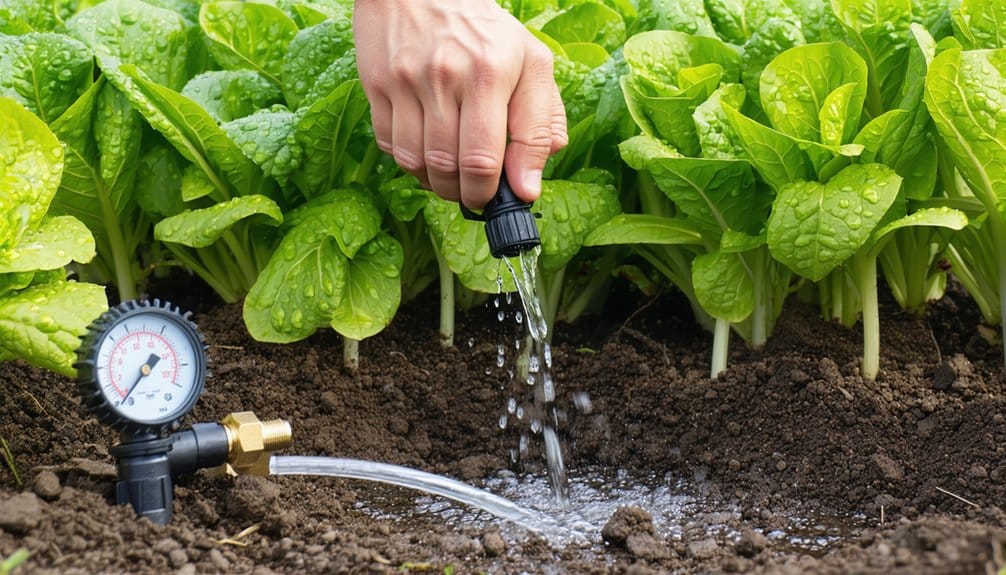
The integration of IoT in water management allows cities and organizations to monitor water usage, detect leaks, and manage resources efficiently. Sensors placed in water systems collect real-time data, providing insights into consumption patterns and water quality. This data-driven approach enables proactive decision-making and fosters sustainable practices.
Furthermore, IoT devices facilitate remote monitoring, reducing the need for manual inspections and minimizing operational costs. By leveraging IoT technology, water management systems can optimize resource allocation, enhance customer service, and ultimately contribute to the preservation of vital water resources in an era of increasing environmental challenges.
Benefits of Smart Water Metering
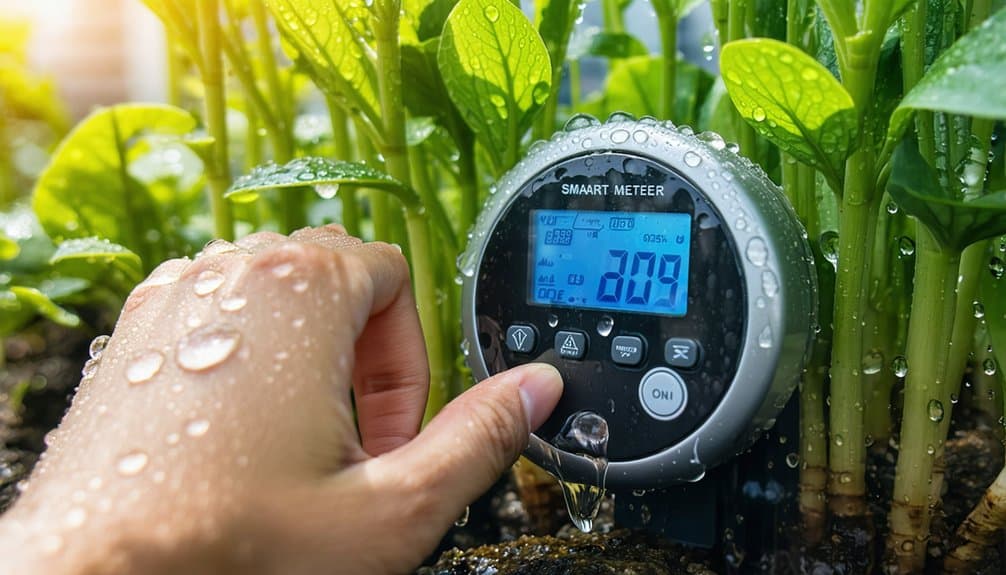
While traditional water metering has served its purpose over the years, the advent of smart water metering brings numerous advantages that enhance water management practices.
Smart water metering facilitates real-time monitoring, allowing utilities to quickly detect leaks and reduce water loss. This proactive approach not only conserves resources but also lowers operational costs.
Additionally, smart meters provide consumers with detailed insights into their water usage, promoting more efficient consumption habits. Enhanced data accuracy minimizes billing disputes, fostering trust between utilities and customers.
Furthermore, integrating these systems within a broader smart water management framework supports sustainable practices, contributing to environmental conservation.
Data Analytics for Efficient Water Use
Smart water metering paves the way for the integration of data analytics in water management, significantly enhancing the efficiency of water use.
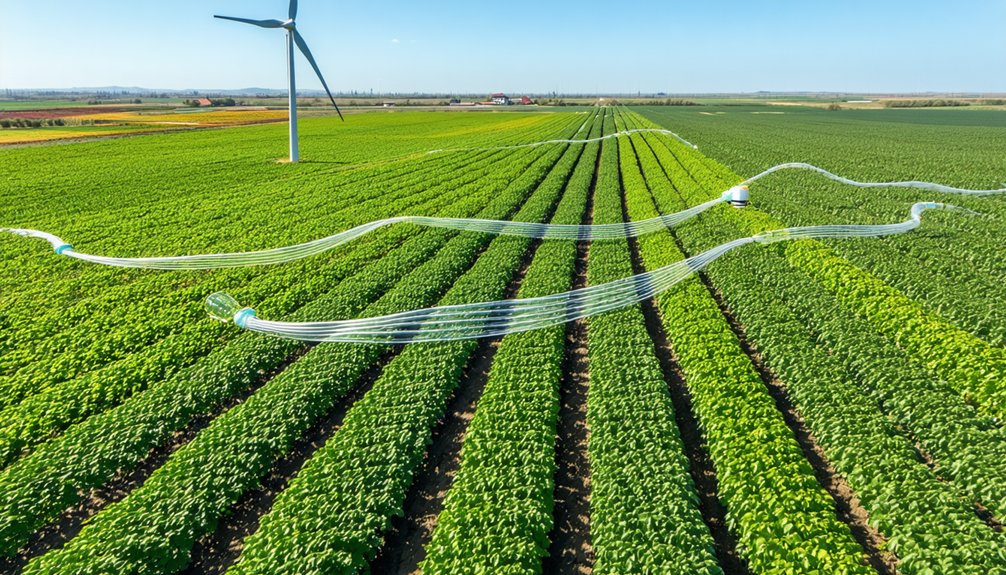
By collecting and analyzing real-time data, advanced water systems can identify consumption patterns, detect leaks, and optimize distribution. This analytical approach allows utility providers to make data-driven decisions, reducing waste and ensuring that water resources are utilized effectively.
Additionally, predictive analytics can forecast demand, enabling better planning and resource allocation. Through the implementation of advanced algorithms, water managers can prioritize maintenance and improve service delivery.
Ultimately, the synergy of smart metering and data analytics transforms traditional water management practices, fostering sustainability and resilience in water usage across communities.
Enhancing Water Quality Monitoring
To ensure safe and reliable water supply, enhancing water quality monitoring has become increasingly vital in modern water management practices.
The integration of smart technology enables real-time detection of contaminants and pollutants, thus safeguarding public health. Advanced sensors and IoT devices facilitate continuous monitoring, providing data that can be analyzed for immediate response to quality issues.
This proactive approach not only addresses existing water quality concerns but also supports sustainable water solutions by optimizing treatment processes and minimizing resource waste.
Furthermore, data-driven insights empower stakeholders to make informed decisions, ultimately leading to better regulatory compliance and enhanced community trust.
As water quality monitoring evolves, it becomes a cornerstone of effective and sustainable water management strategies.
Future Trends in Smart Water Technologies
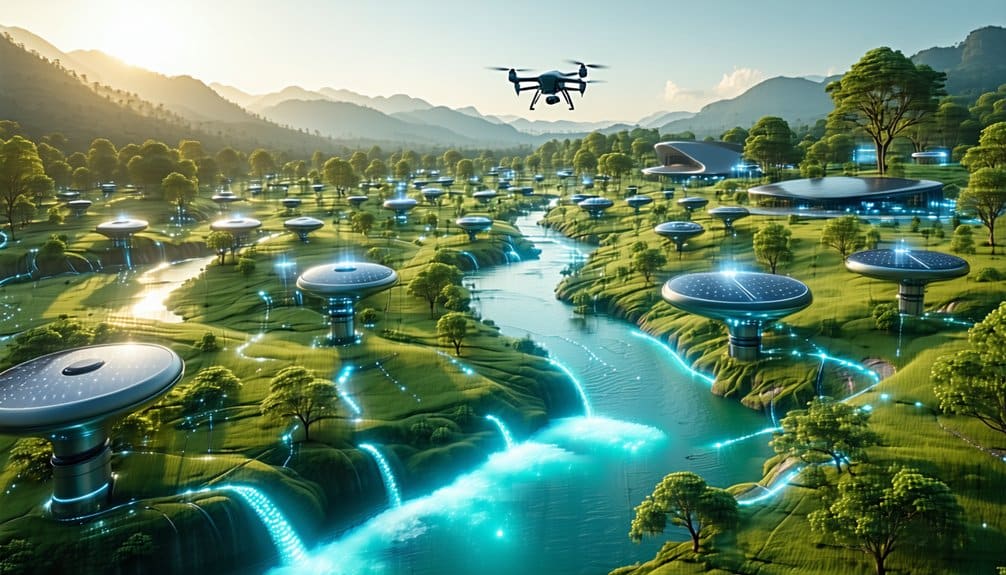
How will emerging technologies shape the future of water management? As cities face increasing water scarcity, innovative water management technology is set to play a crucial role.
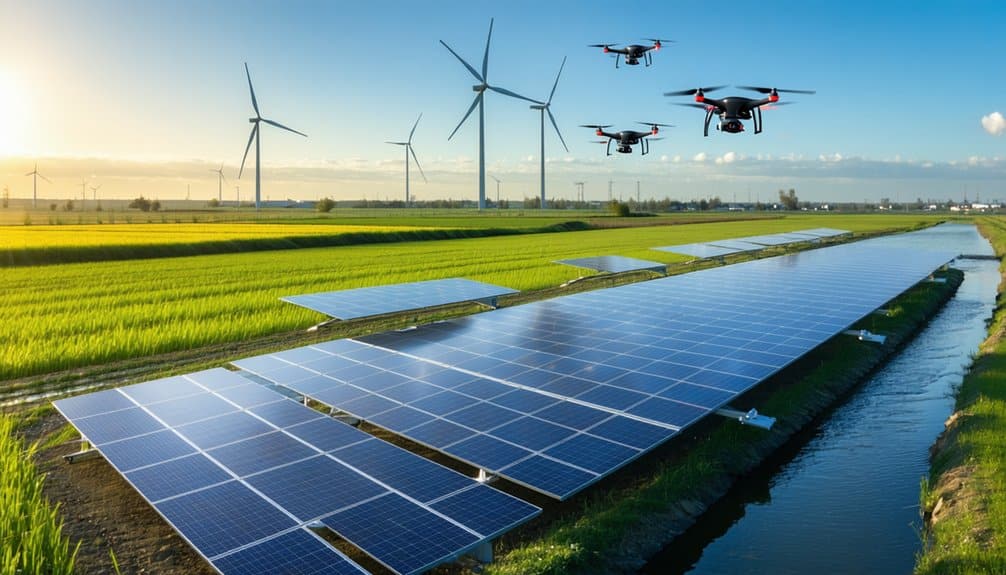
Future trends indicate a rise in the use of artificial intelligence and machine learning to optimize water distribution and reduce waste. Smart sensors will become commonplace, enabling real-time monitoring of water quality and usage patterns.
Additionally, blockchain technology may enhance transparency in water transactions and usage rights. The integration of IoT devices will facilitate better data collection, leading to more informed decision-making.
Conclusion
In conclusion, the integration of smart technology in water management revolutionizes how communities monitor and utilize this vital resource. Through IoT devices, advanced analytics, and innovations like AI and blockchain, water management becomes more efficient, sustainable, and transparent. This proactive approach not only aids in reducing waste and enhancing water quality but also empowers consumers to make informed decisions. As these technologies continue to evolve, they promise to secure a reliable water future for generations to come.