
The integration of water management software is transforming how organizations approach resource conservation. By utilizing real-time monitoring and data analytics, these solutions highlight inefficiencies and optimize water usage. This shift not only ensures compliance with environmental regulations but also encourages sustainable practices among stakeholders. However, the journey towards effective water management is not without its challenges. What innovative strategies can be employed to overcome these obstacles and enhance conservation efforts?
Key Takeaways
- Water management software enables real-time monitoring, ensuring efficient water usage and immediate identification of wastage or leaks.
- Data analytics tools assess consumption patterns, promoting informed decision-making and effective resource allocation to enhance conservation efforts.
- Integration with IoT devices facilitates automated monitoring, allowing for swift responses to anomalies and proactive maintenance scheduling.
- Advanced predictive analytics leverage historical data to forecast demand trends, optimizing resource distribution and minimizing waste.
- Compliance features assist organizations in adhering to environmental regulations, supporting sustainable practices and reducing potential penalties.
Understanding Water Management Software
Water management software serves as a critical tool for optimizing the use and distribution of water resources. This technology plays a vital role in water resource management, enabling organizations to monitor, analyze, and regulate their water usage effectively.
By implementing water conservation technology, users can identify areas of inefficiency and implement strategies to reduce waste. This software often integrates real-time data, allowing for informed decision-making regarding irrigation, distribution, and consumption.
Moreover, it assists in compliance with regulatory standards, promoting sustainable practices. The capabilities of water management software are essential in addressing global water scarcity challenges, fostering responsible management and conservation of this precious resource.
Key Features of Effective Water Management Solutions

Effective water management solutions incorporate several key features that enhance their functionality and usability. These features are essential for promoting resource conservation and shaping the future of water management.
| Feature | Description | Benefits |
|---|---|---|
| Real-time Monitoring | Tracks water usage and quality instantly | Informed decision-making |
| Data Analytics | Analyzes consumption patterns | Identifies waste and savings |
| User-friendly Interface | Simplifies navigation and operation | Increases user adoption |
| Custom Reporting | Generates tailored reports | Meets specific stakeholder needs |
| Integration Capability | Connects with existing systems | Streamlines processes |
These features collectively contribute to more efficient water management, ensuring effective resource conservation strategies for sustainable practices.
Benefits of Implementing Water Management Software
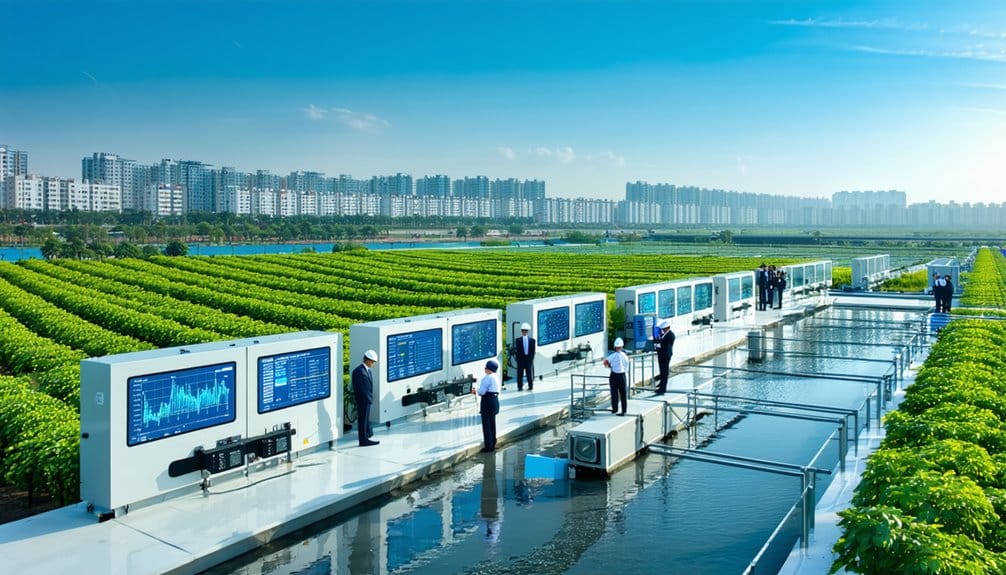
Implementing water management software can significantly enhance the efficiency of resource utilization, especially as organizations face increasing demands for sustainable practices.
These software solutions facilitate real-time monitoring of water usage, allowing organizations to identify inefficiencies and prevent waste. By automating data collection and analysis, decision-makers can make informed choices that lead to reduced operational costs and improved resource allocation.
Additionally, water management software promotes compliance with environmental regulations, minimizing the risk of penalties. The integration of predictive analytics enables organizations to forecast future water needs and proactively address potential shortages.
Ultimately, the adoption of this technology not only supports organizational sustainability goals but also contributes to the broader objective of environmental stewardship in water conservation efforts.
Case Studies: Success Stories in Water Conservation
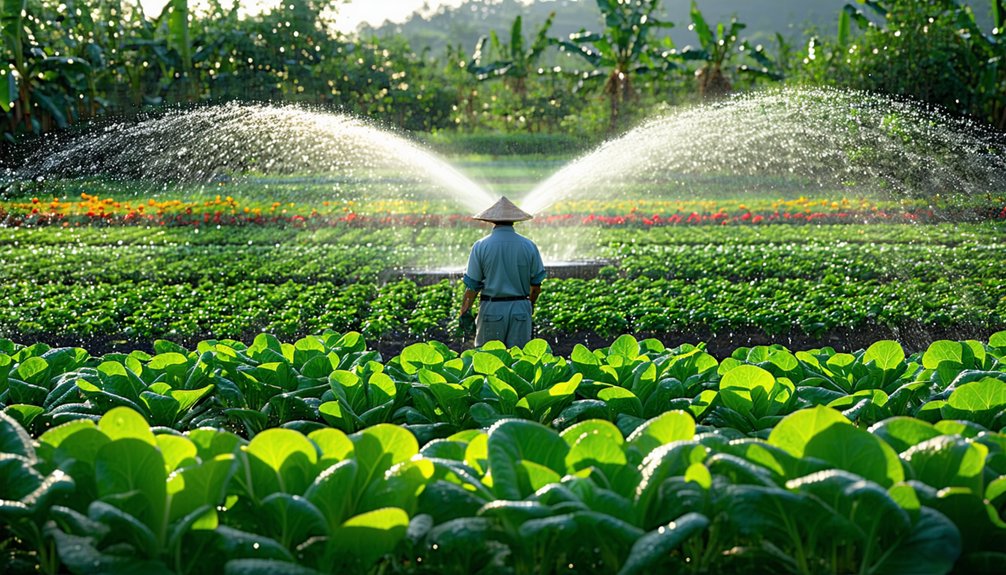
As organizations increasingly prioritize sustainability, several case studies have emerged that highlight the successful implementation of water management software in driving water conservation efforts.
One notable example includes a municipal water district that reduced water consumption by 30% within a year by utilizing predictive analytics to forecast demand.
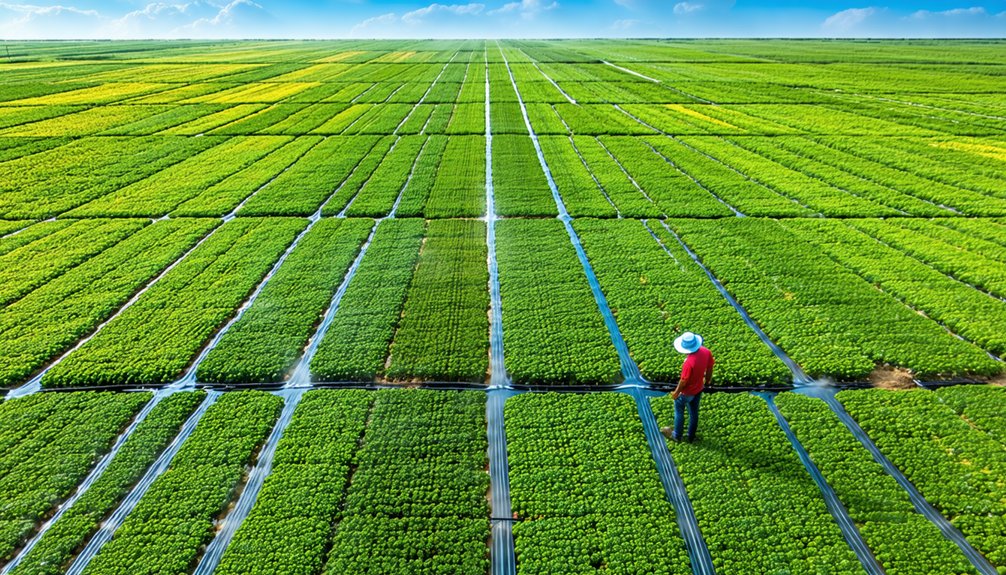
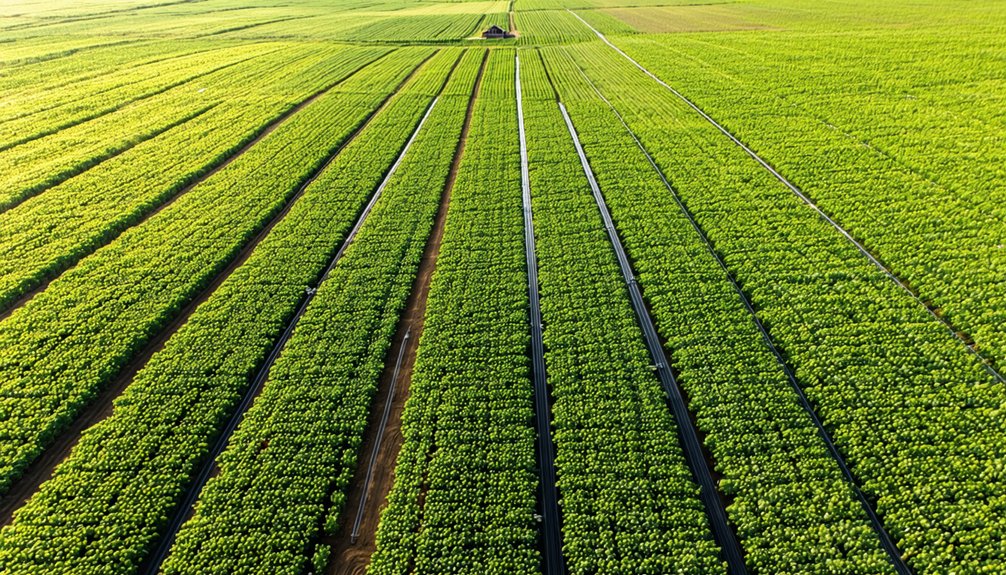
Another case involved a large agriculture operation that optimized irrigation schedules, resulting in a 20% decrease in water usage.
Key successes from these implementations include:
- Enhanced data visibility for better decision-making
- Improved efficiency in resource allocation
- Significant cost savings for organizations
- Increased community engagement in conservation efforts
These case studies serve as powerful testimonials to the effectiveness of water management software in facilitating substantial water conservation initiatives.
Challenges and Solutions in Water Management

Water management faces several challenges, including data accuracy issues that can hinder effective decision-making.
Additionally, outdated infrastructure often limits the ability to implement efficient solutions, while policy compliance challenges create further obstacles for water management initiatives.
Addressing these issues is crucial for enhancing water conservation efforts and ensuring sustainable resource management.
Data Accuracy Issues
How can the integrity of data impact effective water management? Accurate data is crucial for informed decision-making, resource allocation, and conservation efforts. Inaccuracies can lead to misguided strategies, resulting in wasted resources and increased operational costs.
Addressing data accuracy issues involves recognizing several key challenges:
- Inconsistent Data Sources: Variability in data collection methods can lead to discrepancies.
- Human Error: Mistakes in data entry or interpretation can undermine reliability.
- Outdated Information: Relying on stale data can skew assessments and predictions.
- Technology Limitations: Insufficient software capabilities may hinder data analysis.
Implementing robust data validation techniques and regular audits can enhance data integrity, ultimately improving water management outcomes.
Infrastructure Limitations
Aging pipelines and treatment facilities pose significant challenges to effective water management. These outdated infrastructures often lead to leaks, inefficiencies, and increased operational costs. The deterioration of materials can compromise water quality and limit the capacity to meet rising demand.
Furthermore, inadequate monitoring systems hinder the ability to identify issues promptly, exacerbating resource wastage and environmental impacts.
To address these limitations, water management software can facilitate real-time monitoring and predictive maintenance, allowing for timely repairs and upgrades. Implementing advanced data analytics can optimize resource allocation and enhance decision-making.
Additionally, investing in modern infrastructure and technology can significantly improve water distribution efficiency and sustainability, ultimately leading to a more resilient water management system.
Policy Compliance Challenges
While regulatory frameworks are essential for ensuring sustainable water management, compliance challenges often hinder the effective implementation of these policies. Organizations frequently encounter obstacles that complicate adherence to regulations, leading to inefficiencies and resource wastage.
Key compliance challenges include:
- Lack of Standardization: Variability in regulations across regions creates confusion.
- Data Management Issues: Inadequate data collection and reporting hinder transparency.
- Resource Constraints: Limited budgets restrict the ability to invest in compliance solutions.
- Stakeholder Engagement: Insufficient collaboration among stakeholders can lead to misalignment in goals.
Addressing these challenges requires a robust approach, including the adoption of advanced water management software that can streamline compliance processes, improve data accuracy, and foster stakeholder collaboration for sustainable water resource management.
Integrating Technology for Enhanced Water Efficiency

Increasingly, organizations are turning to advanced technology to enhance water efficiency and optimize management practices. By implementing water management software, businesses can monitor usage patterns and identify areas for improvement.
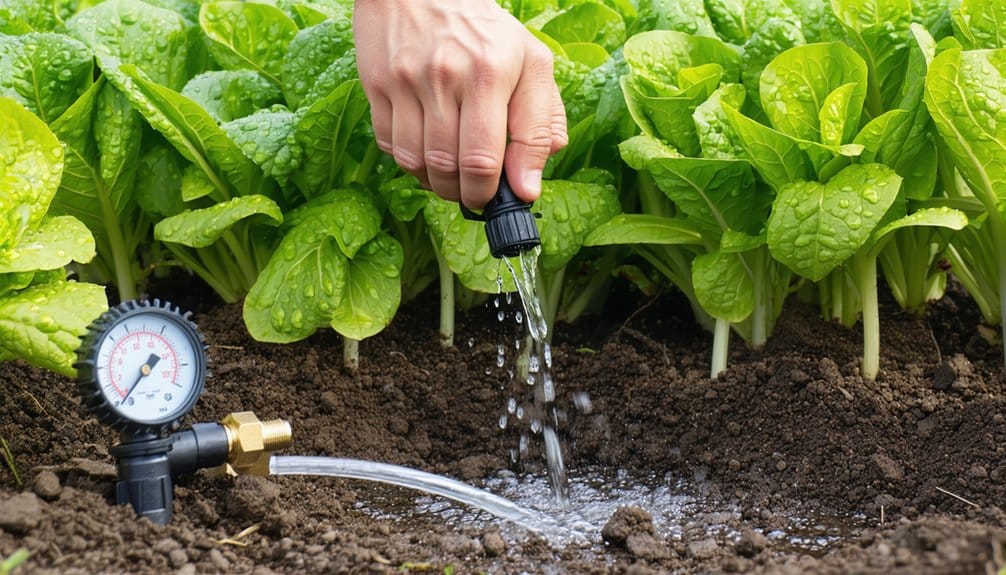
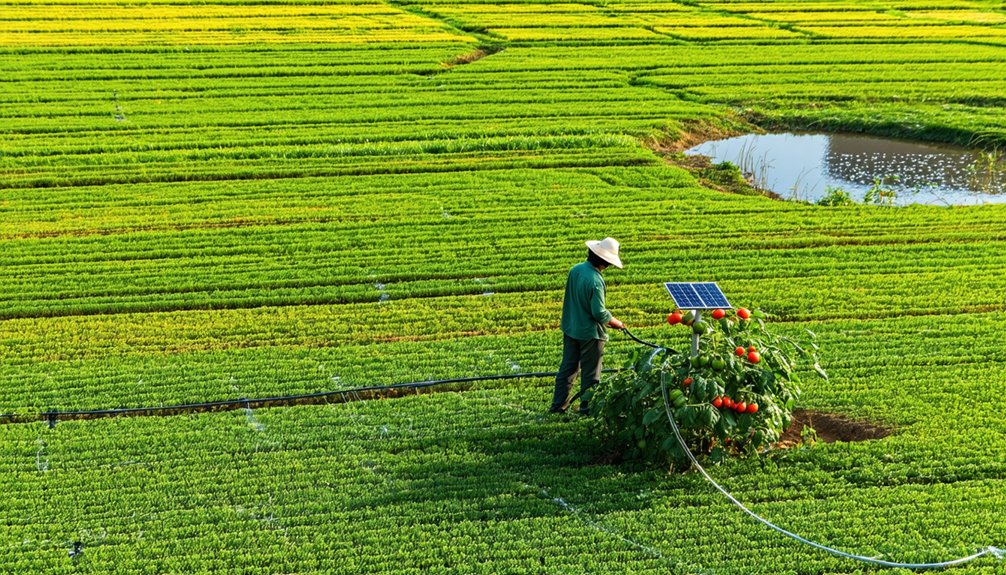
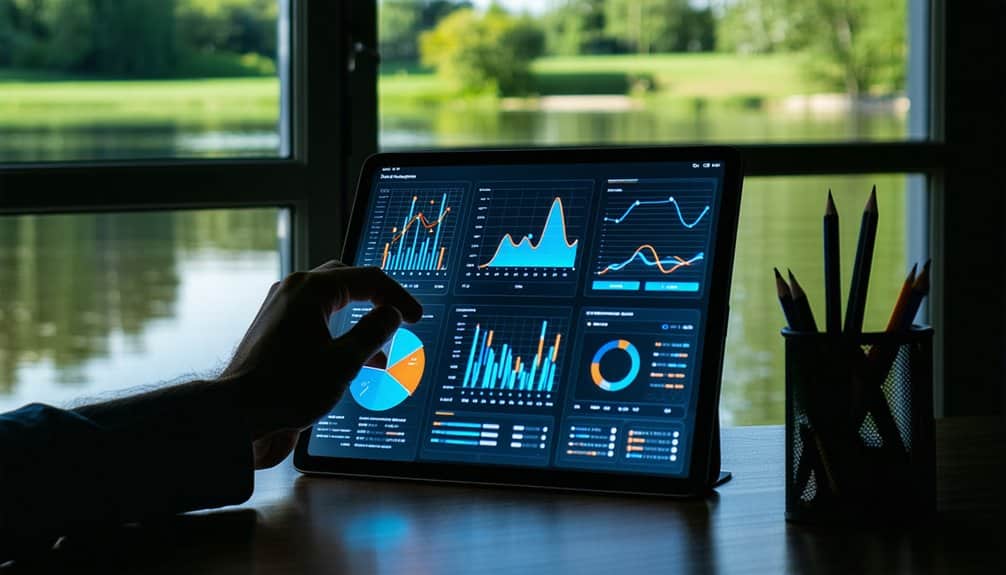
These systems utilize real-time data analytics to detect leaks, forecast demand, and automate irrigation schedules, leading to significant reductions in water waste. Additionally, integration with IoT devices allows for remote monitoring, enabling quick responses to anomalies.
Machine learning algorithms further enhance efficiency by predicting future consumption trends based on historical data. This technological integration not only conserves water resources but also aids organizations in achieving sustainability goals while reducing operational costs.
Consequently, the adoption of innovative solutions is essential for responsible water management in various sectors.
Future Trends in Water Management Software

Future trends in water management software highlight the increasing integration of artificial intelligence and real-time data analytics.
These advancements promise to enhance decision-making processes and improve resource allocation.
As technology evolves, the ability to predict water usage patterns and respond to issues instantaneously will become crucial for effective water management.
Artificial Intelligence Integration
As water management faces growing challenges due to climate change and population growth, the integration of artificial intelligence (AI) emerges as a pivotal trend in enhancing operational efficiency and decision-making.
AI technologies can revolutionize the way water resources are managed by facilitating improved predictive analytics, optimizing resource allocation, and automating routine tasks.
Key benefits of AI integration in water management software include:
- Enhanced forecasting of water demand and supply
- Improved leak detection and maintenance scheduling
- Data-driven insights for strategic planning
- Increased adaptability to changing environmental conditions
Real-Time Data Analytics
While traditional water management often relies on historical data and periodic assessments, real-time data analytics is set to transform the landscape by providing instantaneous insights into water usage and system performance.
This technology enables utilities and municipalities to monitor water flow, detect leaks, and assess the efficiency of distribution networks in real time. By integrating sensors and IoT devices, organizations can gather data continuously, allowing for quicker decision-making and resource allocation.
Furthermore, predictive analytics can forecast water demand and identify potential issues before they escalate, optimizing maintenance and reducing costs.
As this trend evolves, water management software will increasingly rely on real-time analytics to enhance sustainability and resilience in water systems, ultimately supporting better conservation efforts.
Strategies for Maximizing Resource Conservation Efforts
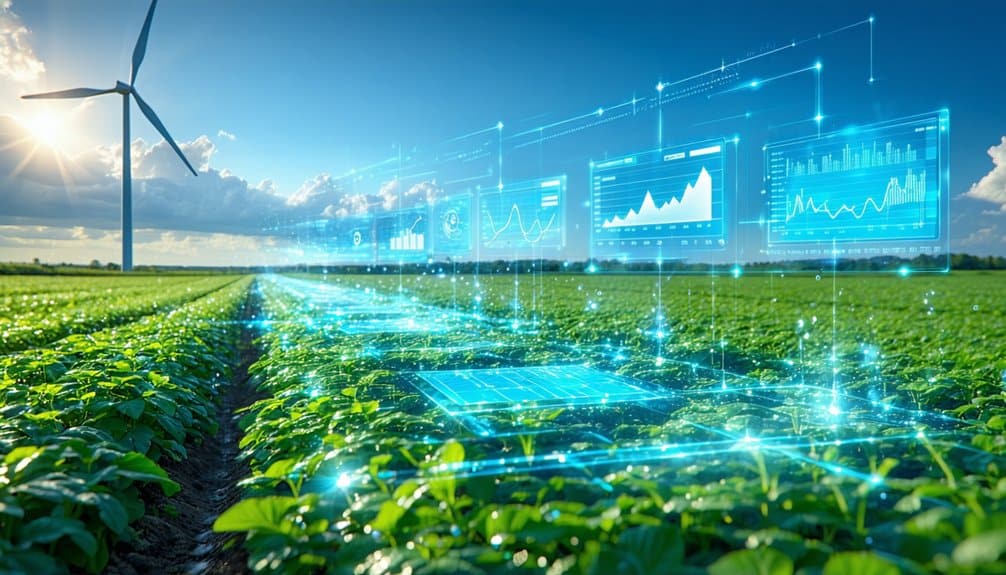
Effective strategies for maximizing resource conservation efforts hinge on the integration of advanced water management software, which allows organizations to analyze consumption patterns and identify areas for improvement.
By leveraging data-driven insights, entities can implement targeted initiatives that enhance efficiency and reduce waste.
Key strategies include:
- Automated Monitoring: Utilize sensors for real-time tracking of water usage.
- Predictive Analytics: Forecast future consumption trends to adjust resource allocation.
- User Engagement: Educate and involve stakeholders in conservation practices.
- Regular Audits: Conduct routine assessments to pinpoint inefficiencies and track progress.
These approaches not only foster a culture of conservation but also lead to significant cost savings and environmental benefits, ultimately contributing to more sustainable water management practices.
Conclusion
In conclusion, the adoption of water management software represents a pivotal advancement in resource conservation. By harnessing technology and data analytics, organizations can significantly enhance water efficiency and sustainability practices. The success stories highlighted demonstrate the software’s potential to address water scarcity challenges, while ongoing innovations promise to further optimize usage. As communities embrace these solutions, they not only comply with regulations but also foster a culture of responsible resource management for future generations.