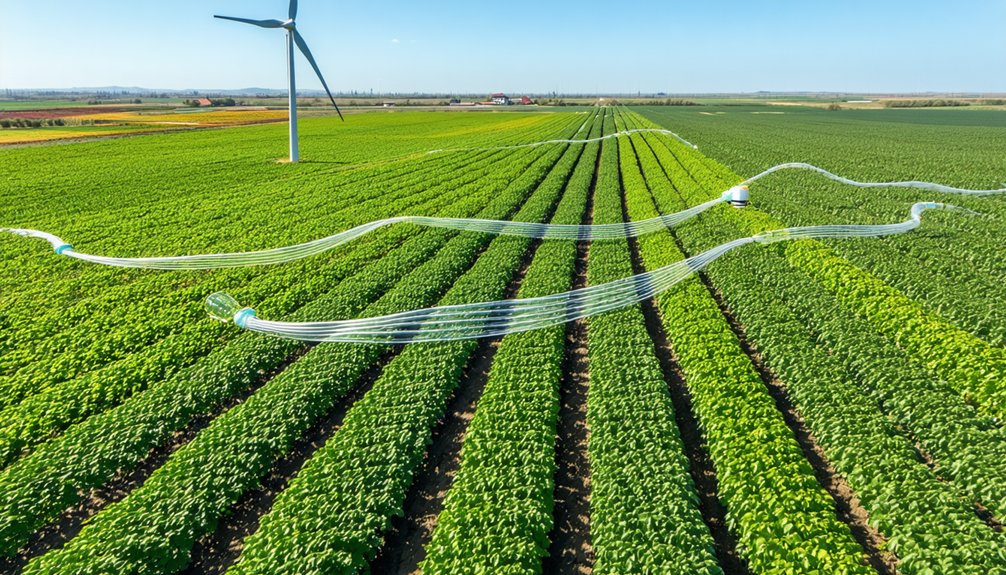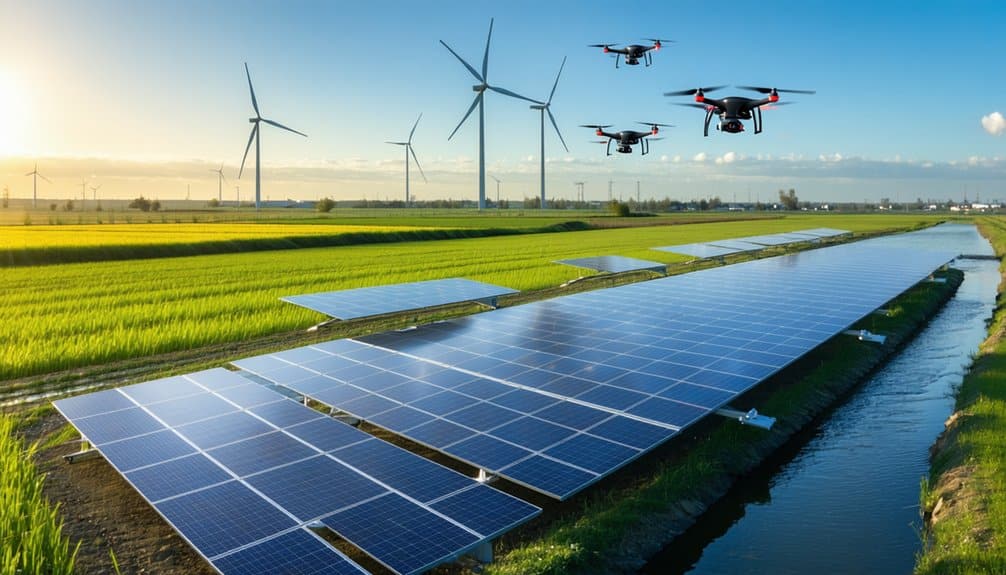

In 2022, water management technologies have reached new heights. Innovations such as smart metering systems and IoT solutions are reshaping how communities track and conserve water resources. Advanced treatment methods and sustainable irrigation practices are also gaining traction. However, the implications of these technologies extend beyond mere efficiency. Exploring these advancements reveals both challenges and opportunities that demand attention. What lies ahead for water management in an increasingly resource-conscious world?
Key Takeaways
- Smart water metering systems utilize advanced sensors for real-time monitoring, promoting efficient water use and conservation efforts.
- IoT solutions enable continuous remote monitoring of water systems, enhancing operational efficiency and facilitating timely decision-making.
- Advanced water treatment technologies, including membrane filtration and biofiltration, improve water quality while addressing global scarcity challenges.
- Sustainable irrigation technologies, such as drip irrigation and smart systems, optimize water usage in agriculture, reducing waste and enhancing productivity.
- Blockchain technology fosters transparency and accountability in water management by providing real-time tracking and immutable records of water resources.
Smart Water Metering Systems
Smart water metering systems have emerged as a pivotal technology in the quest for efficient water management. By integrating advanced sensors and data analytics, these systems provide real-time insights into water usage patterns and consumption trends.
This capability not only aids utility companies in identifying leaks and inefficiencies but also empowers consumers to monitor their water use actively. As one of the most promising emerging technologies, smart metering plays a critical role in water conservation efforts, encouraging users to adopt more sustainable practices.
Additionally, the data collected can inform policy decisions and infrastructure improvements, fostering a more resilient and adaptive water management framework. Overall, smart water metering systems are essential for promoting responsible water usage in an era of increasing scarcity.
Advanced Water Treatment Technologies
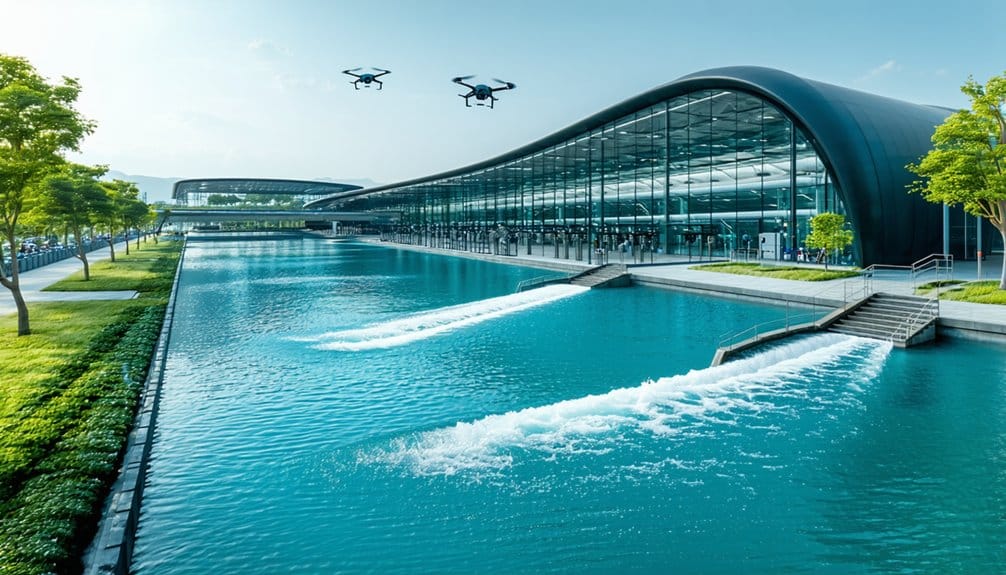
As the demand for clean water continues to rise, advanced water treatment technologies have become essential in ensuring sustainable access to safe drinking water.
Innovative methods such as membrane filtration, advanced oxidation processes, and biofiltration are emerging as leading sustainable technologies in the field. These approaches effectively remove contaminants and pathogens, enhancing water quality and safety.
Additionally, water technology trends indicate a growing emphasis on energy-efficient systems and resource recovery, such as the extraction of nutrients from wastewater.
By integrating these advanced technologies, municipalities and industries can optimize water treatment processes, reduce environmental impact, and promote a circular economy.
Ultimately, embracing these innovations is critical for addressing global water scarcity challenges and ensuring a sustainable future.
IoT and Remote Monitoring Solutions
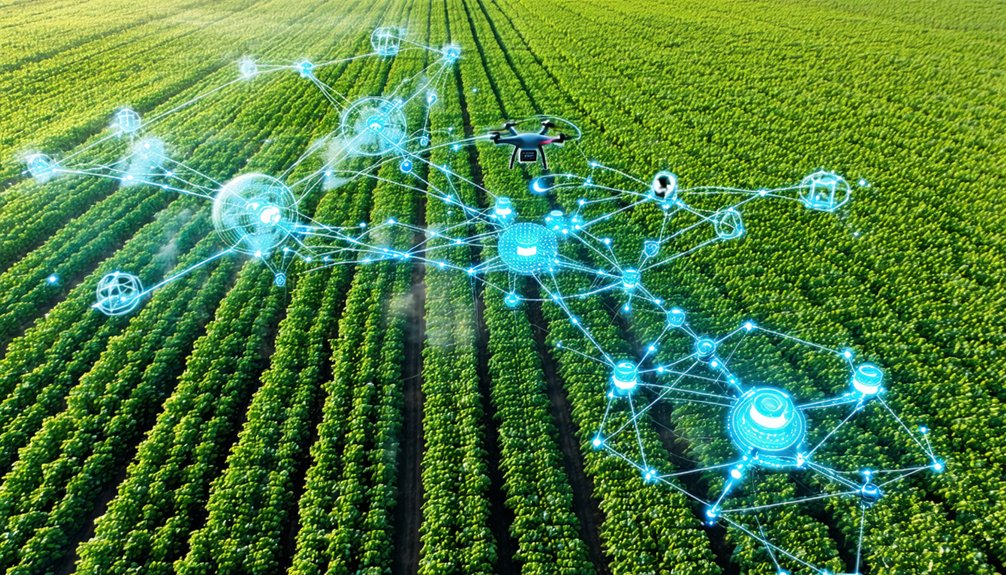
The integration of IoT and remote monitoring solutions in water management has transformed real-time data collection practices.
These technologies enable the continuous monitoring of water systems, facilitating timely decision-making.
Furthermore, predictive analytics can enhance operational efficiency by forecasting potential issues before they arise.
Real-time Data Collection
Real-time data collection has emerged as a pivotal component in modern water management, leveraging Internet of Things (IoT) and remote monitoring technologies.
These systems utilize sensors and connected devices to gather vital information about water quality, flow rates, and usage patterns. By transmitting data instantaneously, they enable water managers to make informed decisions promptly.
This approach not only enhances operational efficiency but also promotes sustainability by identifying leaks and inefficiencies in real time.
Furthermore, real-time data collection fosters transparency, empowering stakeholders with accessible information about water resources.
As urbanization and climate change intensify water management challenges, the integration of IoT and remote monitoring solutions remains essential for optimizing water resource management and ensuring safe water supply for communities.
Predictive Analytics Integration
Predictive analytics integration enhances the capabilities of IoT and remote monitoring solutions in water management.
By leveraging vast amounts of data collected from sensors and devices, predictive analytics enables water managers to foresee potential issues such as leaks, contamination, or equipment failures. This proactive approach allows for timely interventions, reducing both operational costs and resource wastage.
Moreover, integrating predictive models with real-time monitoring fosters improved decision-making, as stakeholders can assess future water demands and quality trends. As water scarcity becomes an increasing concern globally, the adoption of these technologies is crucial.
Ultimately, predictive analytics not only optimizes water management processes but also contributes to sustainable practices, ensuring better resource allocation for future generations.
Water Recycling and Reuse Innovations
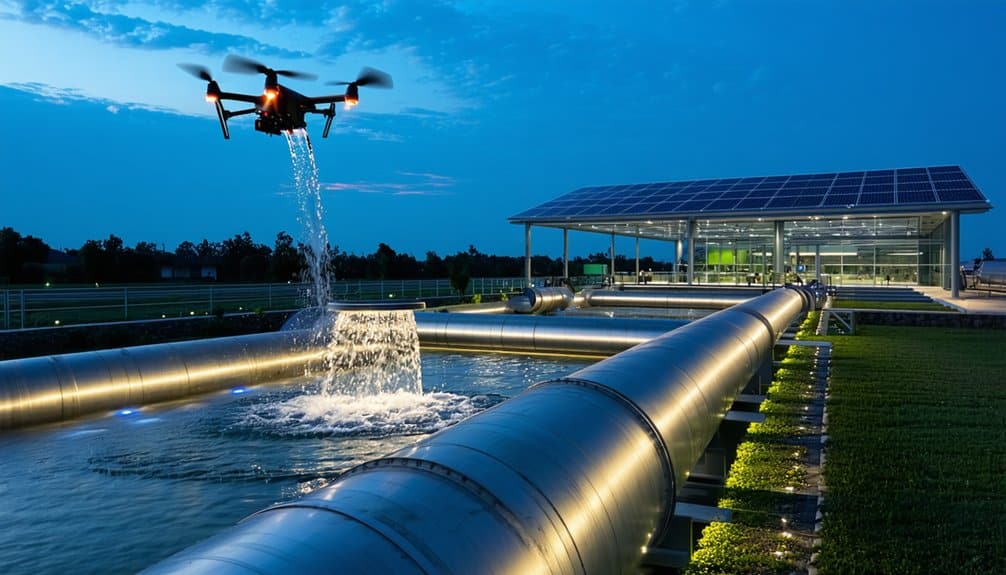
Water recycling and reuse innovations are gaining traction as essential components of sustainable water management.
Advanced filtration techniques are enhancing the efficiency of water purification, while decentralized water systems are providing localized solutions to water scarcity.
Together, these developments offer promising avenues for improving water sustainability across various communities.
Advanced Filtration Techniques
Although the challenges of water scarcity and pollution persist, advanced filtration techniques are emerging as pivotal solutions for water recycling and reuse.
Innovations such as membrane filtration, activated carbon, and electrochemical processes are redefining water treatment standards. Membrane technologies, including reverse osmosis and ultrafiltration, effectively remove contaminants at the molecular level, resulting in high-quality reclaimed water.
Activated carbon filtration enhances the removal of organic compounds and improves taste and odor, making recycled water more palatable. Additionally, electrochemical methods utilize electrical currents to eliminate pathogens and pollutants, ensuring safe reuse.
These advanced filtration techniques not only enhance the efficiency of water management systems but also contribute significantly to sustainable practices, offering a viable path toward addressing global water challenges.
Decentralized Water Systems
Growing interest in decentralized water systems is reshaping how communities approach water recycling and reuse. These systems enable localized water management solutions, reducing dependence on centralized infrastructure.
By utilizing technologies such as rainwater harvesting, greywater recycling, and small-scale treatment plants, communities can effectively reclaim water for non-potable uses like irrigation and toilet flushing. This shift not only conserves valuable resources but also enhances resilience against water scarcity.
Innovations in smart monitoring and treatment technologies further optimize the efficiency of these systems. As urbanization continues and climate challenges mount, decentralized water systems represent a sustainable alternative, fostering community engagement and promoting environmental stewardship.
The integration of these practices is crucial for a sustainable water future.
Drones and Aerial Imaging for Water Management
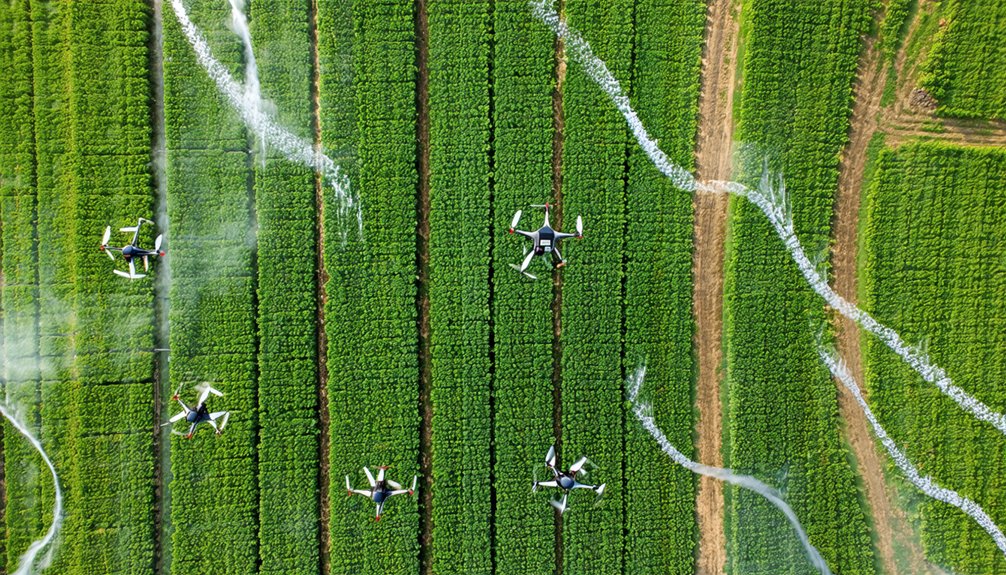
Drones equipped with advanced aerial imaging technology are revolutionizing water management practices across various sectors.
These unmanned aerial vehicles (UAVs) provide high-resolution imagery and real-time data, enabling effective monitoring of water resources. By surveying large areas quickly, drones facilitate the assessment of water quality, detect leaks in infrastructure, and identify areas affected by flooding or drought.
Their ability to capture detailed images aids in the analysis of vegetation health, which can indicate water availability in agricultural settings. Additionally, drones streamline data collection processes, reducing the time and labor traditionally required for field surveys.
As a result, water managers can make informed decisions, optimize resource allocation, and enhance overall sustainability in water management efforts.
AI and Machine Learning in Water Resource Management
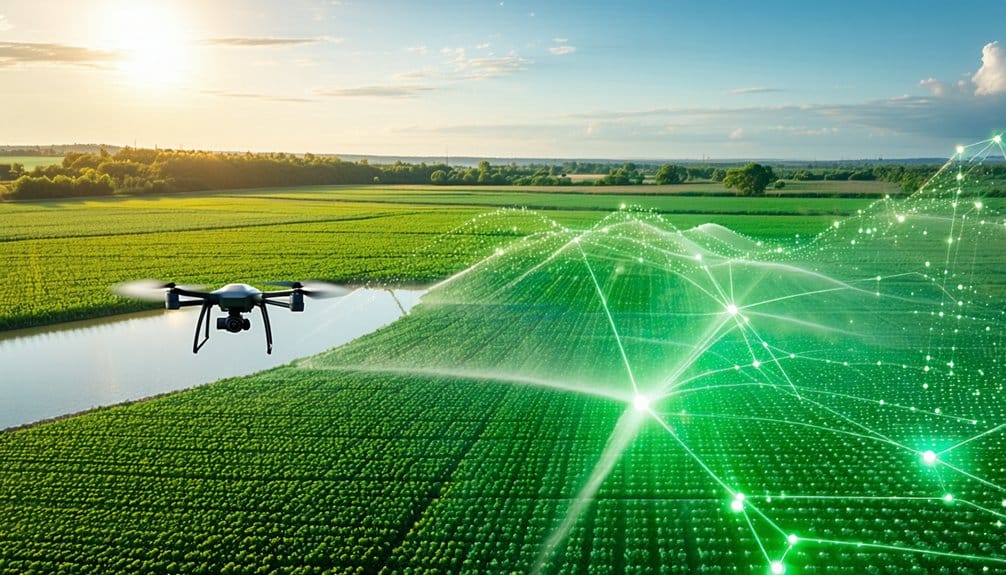
As water resource management becomes increasingly complex due to climate change and population growth, the integration of AI and machine learning technologies offers innovative solutions for optimizing water usage and conservation.
These advanced technologies enable the analysis of vast datasets, identifying patterns and trends that inform decision-making processes. Predictive analytics can forecast water demand and supply fluctuations, allowing for proactive measures to mitigate shortages.
Furthermore, AI-driven models assist in enhancing water quality monitoring by detecting anomalies in real-time. Automation of irrigation systems through machine learning algorithms improves efficiency, minimizing waste.
Sustainable Irrigation Technologies
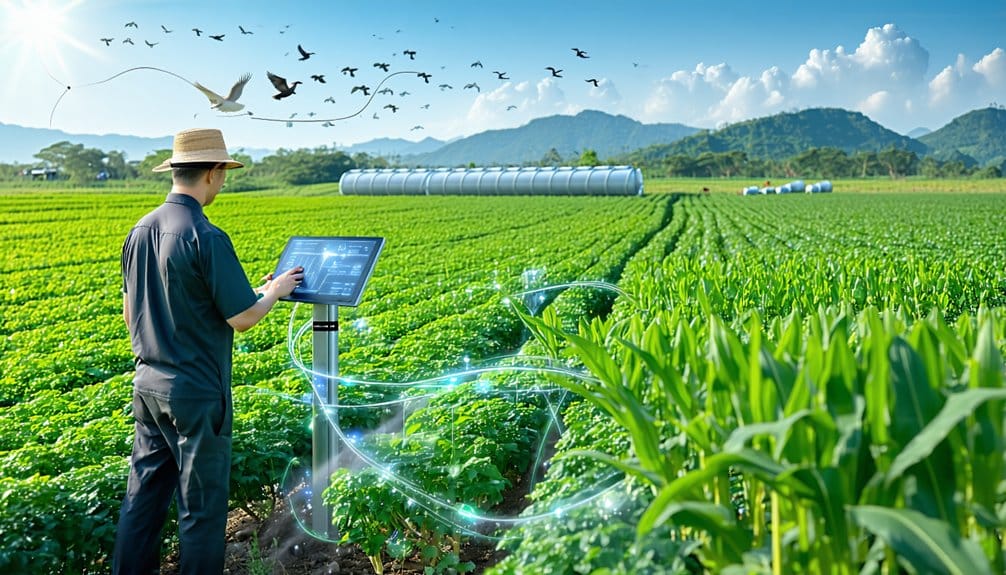
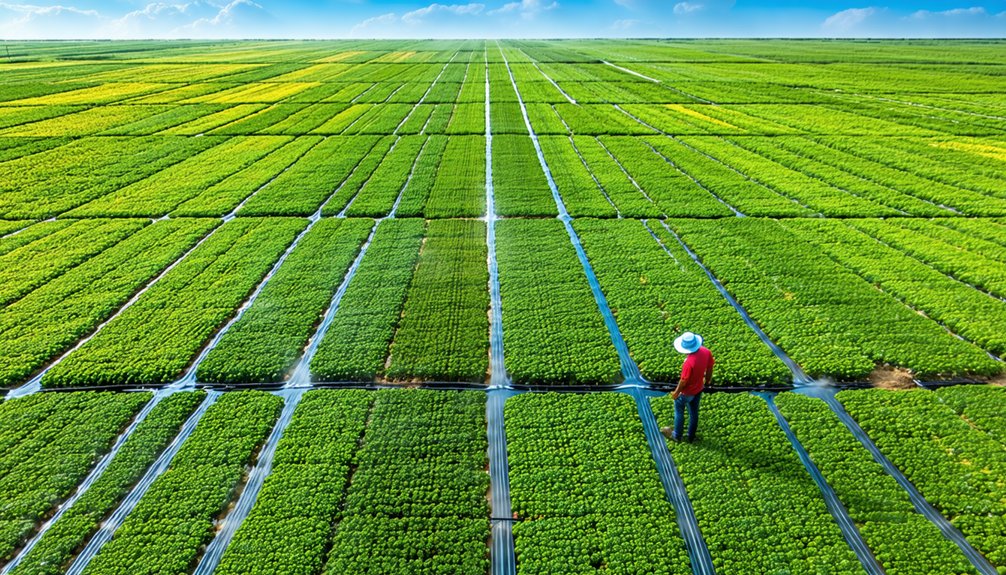
While traditional irrigation methods have often led to water wastage and environmental degradation, sustainable irrigation technologies present a promising alternative that enhances water efficiency.
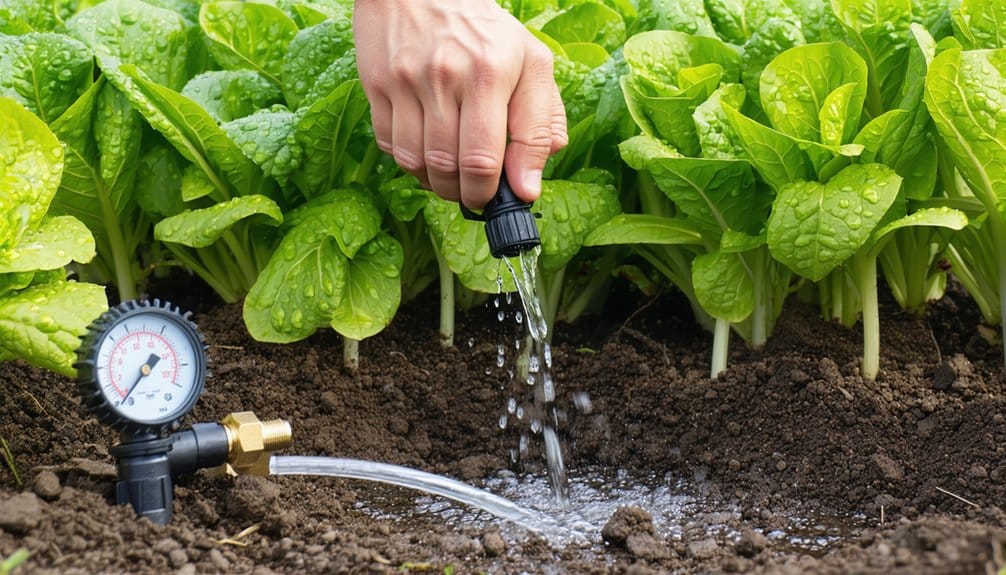
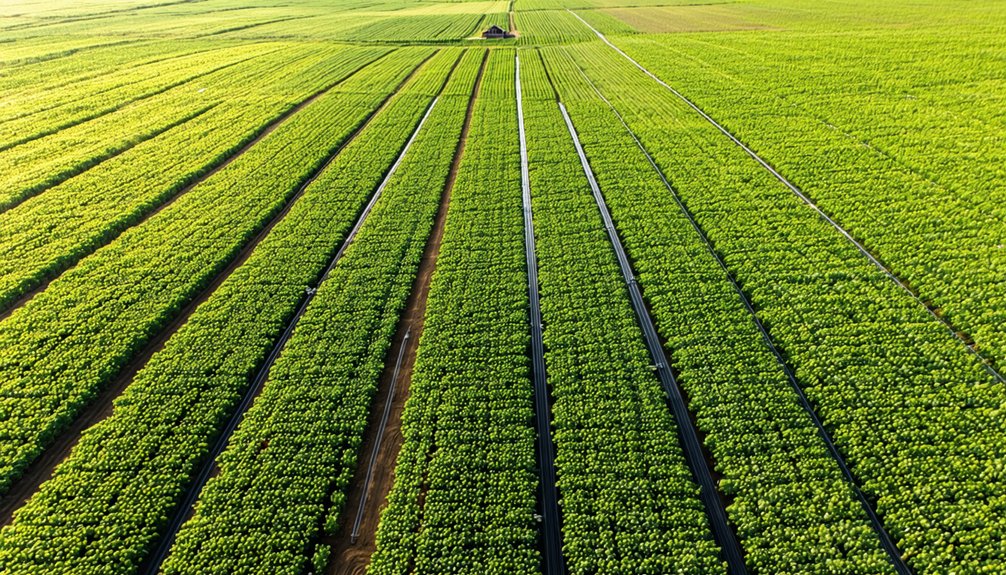
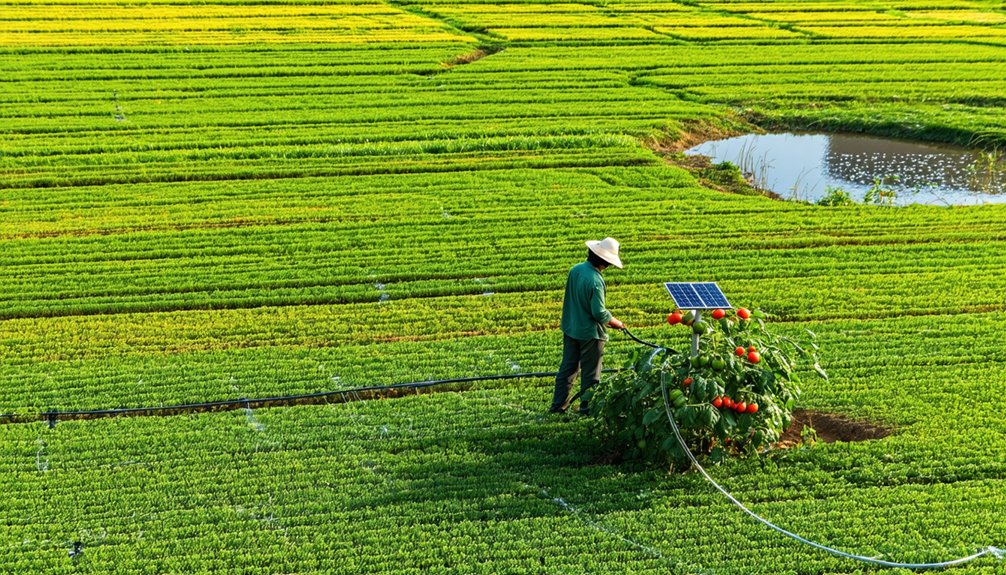
These technologies include drip irrigation systems that deliver water directly to plant roots, minimizing evaporation and runoff. Additionally, smart irrigation systems utilize sensors and weather data to optimize water usage based on real-time conditions.
Rainwater harvesting techniques also play a crucial role by capturing and storing precipitation for agricultural use. Moreover, soil moisture sensors help farmers determine the precise watering needs of their crops, reducing unnecessary irrigation.
Collectively, these innovations not only conserve water resources but also promote healthier ecosystems, showcasing their vital role in modern agriculture and sustainable water management practices.
Blockchain for Water Supply Chain Transparency
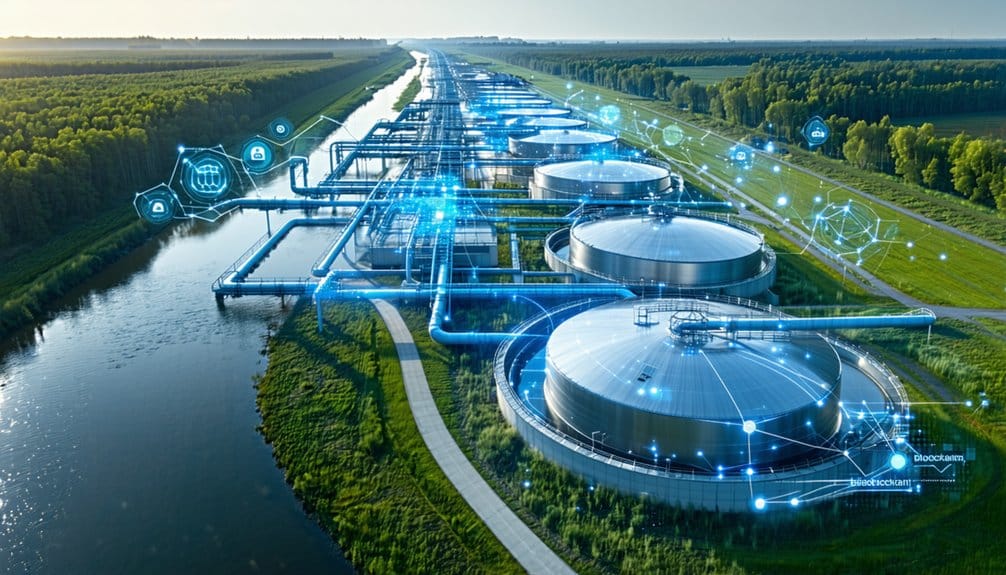
How can blockchain technology enhance transparency in the water supply chain? By providing a decentralized ledger, blockchain allows for real-time tracking of water resources from source to consumer.
Each transaction, whether it involves extraction, treatment, or distribution, is recorded immutably, ensuring all parties have access to the same accurate data. This transparency helps prevent water theft, mismanagement, and contamination, as stakeholders can verify the origin and quality of water.
Additionally, smart contracts can automate compliance with regulations, ensuring that all processes adhere to legal standards. As a result, blockchain not only fosters trust among consumers and providers but also promotes accountability within the water sector, paving the way for more sustainable practices and efficient resource allocation.
Conclusion
In conclusion, the integration of advanced technologies in water management is pivotal for addressing the pressing challenges of resource scarcity and inefficiency. Innovations such as smart water metering, IoT solutions, and sustainable irrigation practices empower communities to optimize water use while ensuring environmental sustainability. As these technologies continue to evolve, they hold the promise of transforming water management into a more efficient, transparent, and responsible practice, ultimately safeguarding this vital resource for future generations.